Ramen in the South of France: A Bowl Out of Place, and That Is Precisely the Point Rue Biscarra sits a short walk from the old port and the covered market of Cours Saleya, in a part of Nice that mixes everyday commerce with the particular...
Pearl is the En Primeur Club membership app — saves, bookings, and concierge access live there. Same editors, same standards.
- Address
- 15 Rue Biscarra, 06000 Nice, France
- Phone
- +33 4 93 04 58 92
- Website
- restaurant-kumano.fr
- Directions
- Get directions
 Saves & bookings on Pearl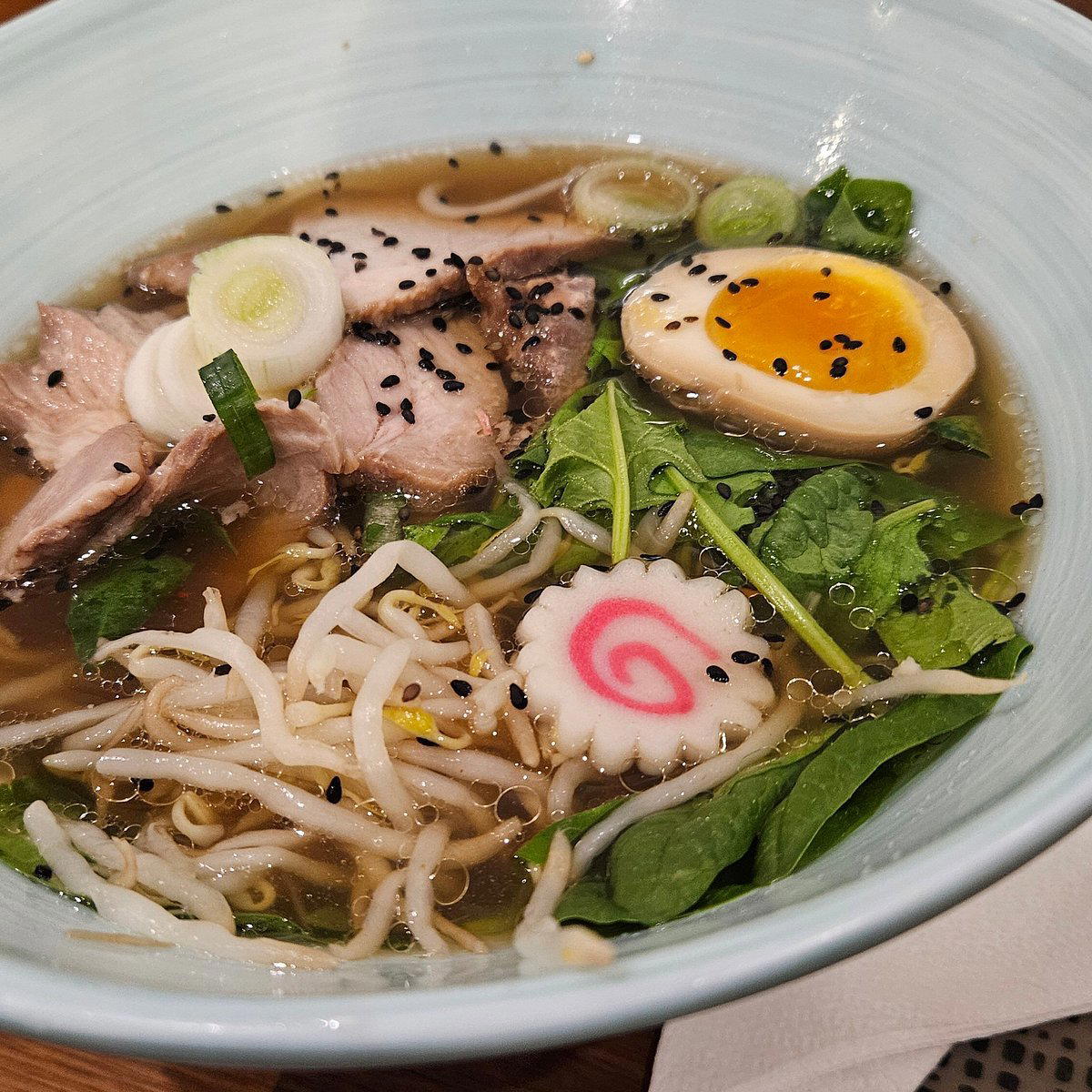
Ramen in the South of France: A Bowl Out of Place, and That Is Precisely the Point
15 Rue Biscarra sits a short walk from the old port and the covered market of Cours Saleya, in a part of Nice that mixes everyday commerce with the particular density of a city that has always absorbed outside influences. The street is not a dining destination in the way that the old town's narrow lanes are, and that ordinariness is part of the context. When a ramen counter appears in this setting, the question worth asking is not whether it belongs, but what it tells you about how Japanese food culture has moved through French cities over the past decade.
The Cultural Distance Ramen Has Travelled
Ramen arrived in French cities slowly and unevenly. Paris absorbed it first, with a recognisable cluster of serious Japanese-operated shops in the 1st and 5th arrondissements drawing queues from the mid-2010s onward. The regional cities followed at a lag. In Nice, a coastal city whose food identity is anchored in socca, pissaladière, and the broader Niçoise-Provençal canon, Japanese cuisine has historically occupied a peripheral position. That is the frame inside which Ramen Kumano at 15 Rue Biscarra makes most sense: not as an anomaly, but as evidence that ramen has crossed from niche import to sustained presence even in cities where the local food tradition is as assertive as it is here.
The broader French ramen scene has sorted itself into two tiers. One tier, concentrated in Paris, includes operations with documented Japanese lineage, careful broth technique, and the kind of sourcing decisions that generate critical attention. Compare that to the approachable neighbourhood ramen counter in a regional city, which serves a different function: it is where the form becomes genuinely embedded in daily life rather than remaining an event. Ramen Kumano occupies the latter position in Nice's dining picture, sitting in a category that has grown across Lyon, Bordeaux, and Marseille as ramen has moved from novelty to routine.
Why Nice Is an Interesting City for This
Nice's dining culture is more layered than its reputation as a Riviera resort city suggests. The city has a serious fine-dining tier, with Flaveur and L'Aromate representing the modern French creative end of the spectrum, and Le Chantecler anchoring the more classical register. Les Agitateurs and ONICE have pushed the city's contemporary credentials further in recent years. But between that fine-dining tier and the traditional Niçoise bistros, there is a broad mid-range market that has become increasingly receptive to Asian food formats, ramen among them. For a fuller picture of what the city offers, the EP Club Nice restaurants guide maps the full range.
French Riviera visitors who have spent time in Paris or Tokyo arrive in Nice with expectations already shaped by those reference points. A bowl of tonkotsu or shoyu ramen eaten in a small room on Rue Biscarra operates differently than the same bowl consumed in Shinjuku or the Marais, and that difference is worth sitting with. The locale inflects the experience: the light outside, the ambient sound of a Mediterranean city in mid-afternoon, the fact that your neighbour at the next table may have spent the morning at the Matisse Museum. These are not trivial details. They are part of what it means to eat ramen in Nice rather than somewhere else.
Ramen as a Form, Not Just a Dish
Ramen resists reduction to a single definition. The major regional Japanese styles, Sapporo's miso-heavy broths, Hakata's pork-bone tonkotsu, Tokyo's soy-seasoned clear stocks, each carry specific technical requirements and cultural histories. What unites them is the broth, which in serious operations is built over many hours and forms the defining character of everything that follows. The noodles are calibrated to the broth thickness. The toppings are chosen to complement rather than compete. This is a cuisine with clear internal logic, and operations that understand that logic produce a bowl that coheres; those that do not produce something that merely resembles one.
In France, this matters because French diners have been trained, through their own culinary tradition, to read food with some sophistication. The same country that refined stock-making to near-ceremonial status in its haute cuisine has the palate to distinguish a properly built ramen broth from a shortcut version. That cultural overlap, French respect for technique meeting Japanese commitment to the same, is one reason ramen has found serious traction in France rather than remaining a novelty.
For comparison of how Japanese-influenced cooking has made its mark elsewhere, Atomix in New York demonstrates what happens when Korean and Japanese technique meets a city with deep fine-dining infrastructure. At the other end of the scale, the regional neighbourhood counter is where the form proves its durability without requiring that level of investment or occasion.
The French Fine-Dining Context Next Door
To understand where a neighbourhood ramen counter sits in the French eating landscape, it helps to know what else the country contains. France's table runs from three-Michelin-starred rooms like Mirazur in Menton, a short drive along the coast, to destinations further afield such as Troisgros - Le Bois sans Feuilles in Ouches, Auberge de l'Ill in Illhaeusern, Bras in Laguiole, and Paul Bocuse's Auberge du Pont de Collonges. Alléno Paris au Pavillon Ledoyen and Flocons de Sel in Megève represent other poles of that national conversation. Assiette Champenoise in Reims, Au Crocodile in Strasbourg, and AM par Alexandre Mazzia in Marseille extend that map further. Ramen Kumano does not compete in that tier, nor is it trying to. Its comparable set is the practical everyday counter, and that is a legitimate and necessary part of any city's food ecology. Le Bernardin in New York is a reminder of what technical rigour applied to a non-native cuisine can produce at the highest level; the neighbourhood ramen counter in Nice is the street-level equivalent of that same cross-cultural movement.
Planning Your Visit
Ramen Kumano is located at 15 Rue Biscarra in the 06000 postcode, walkable from the central train station and from the old town. The format suits a lunch or early dinner in the colder months, roughly October through March, when the Mediterranean light softens and a bowl of hot broth makes particular sense against the season. Summer visits are possible but ramen's popularity tracks cooler weather even in the south. The restaurant is walk-in friendly.
Same-City Peers
Comparable venues nearby, for context on price, style, and recognition.
| Venue | Cuisine | Price | Notes |
|---|---|---|---|
| Ramen KumanoThis venue — the venue you are viewing | Authentic Japanese Ramen | $$ | Not listed |
| Manao | thai | Not listed | Nice |
| La Table Alziari | Traditional Niçoise Bistro | $$ | Nice Historique |
| Lavomatique | Modern French Small Plates | $$ | Nice Historique |
| Delhi Belhi | Traditional Indian | $$ | Nice Historique |
| Chez Thérésa | Traditional Niçoise | $$ | Nice Historique |
Continue exploring
More in Nice
Restaurants in Nice
Browse all →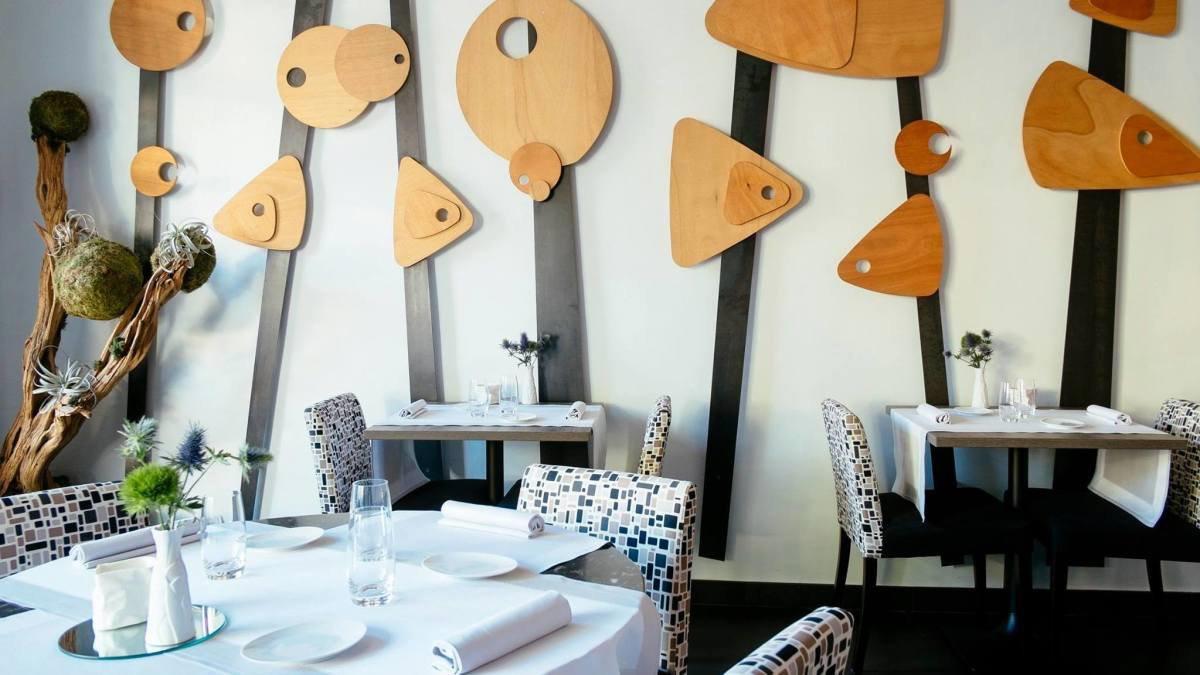
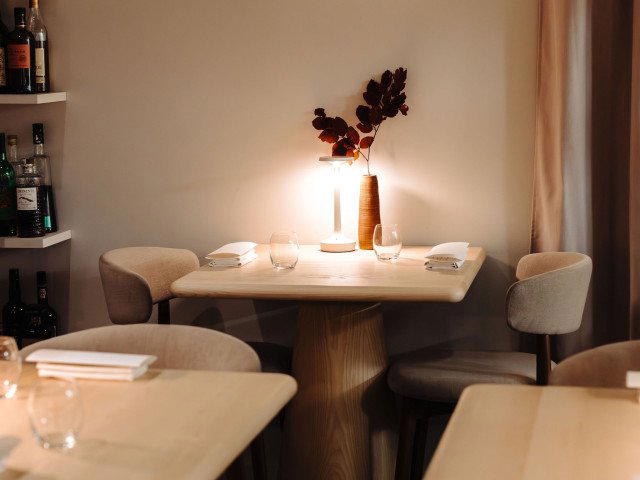
Bars in Nice
Browse all →
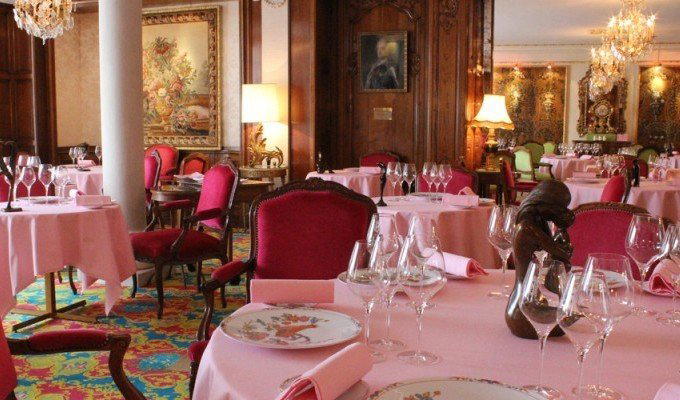
Hotels in Nice
Browse all →



At a Glance
- Cozy
- Trendy
- Casual Hangout
- Solo
- Open Kitchen
- Sake Program
Current opening hours
- Monday
- Closed
- Tuesday
- 12–2:15 PM, 7:30–9:45 PM
- Wednesday
- 12–2:15 PM, 7:30–9:45 PM
- Thursday
- 12–2:15 PM, 7:30–9:45 PM
- Friday
- 12–2:15 PM, 7:30–9:45 PM
- Saturday
- 12–2:15 PM, 7:30–9:45 PM
- Sunday
- Closed
Hours can change for holidays and private events. Last verified .
Cozy and convivial space with open kitchen, warm lighting, and lively atmosphere when full.