Keidenzeller Hof

A Michelin-starred address in the Franconian market town of Langenzenn, Keidenzeller Hof brings Slovenian-trained precision to a corner of Germany that rarely makes the fine-dining map. Chef Tomaž Kavčič carries a lineage rooted in the Karst region and translates it into modern European cooking that has held a Michelin star in both 2024 and 2025.
Pearl is the En Primeur Club membership app — saves, bookings, and concierge access live there. Same editors, same standards.
- Address
- Fürther Str. 11, 90579 Langenzenn, Germany
- Phone
- +49 9101 901226
- Website
- keidenzeller-hof.de
- Directions
- Get directions
 Saves & bookings on Pearl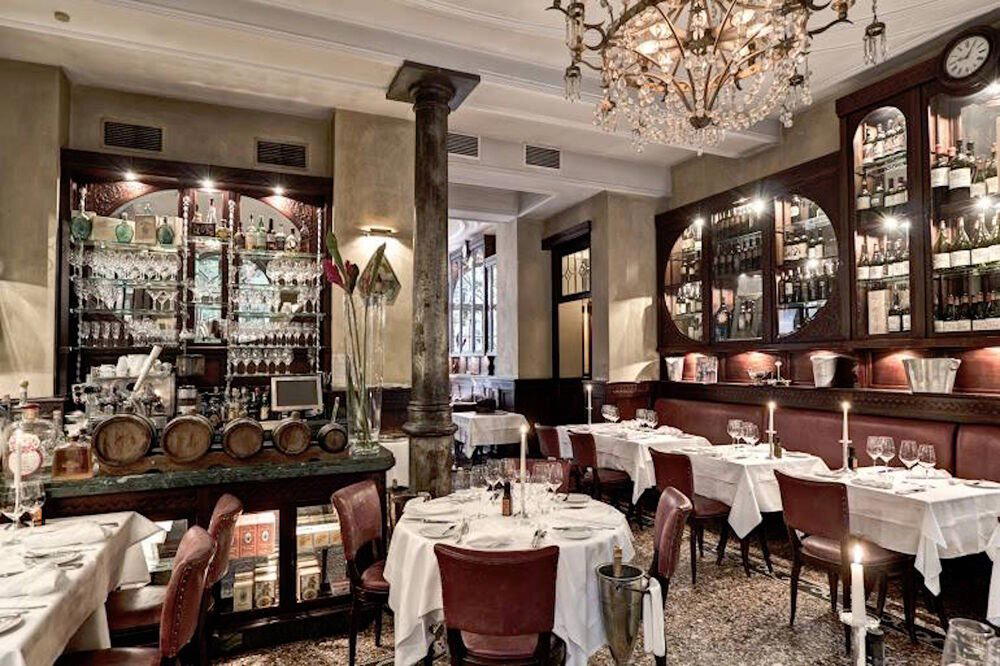
A Franconian Town, a Slovenian Hand
Small-town fine dining in Germany occupies a particular niche. The country's Michelin geography has always skewed toward places most food travellers would not instinctively seek out: a forest hotel in Baiersbronn, a valley-floor address in Piesport, a converted estate in Dreis. Langenzenn, a compact Franconian market town roughly twenty kilometres west of Nuremberg, fits that pattern precisely. It is not a destination city; it is the kind of place you pass through rather than plan around. Which makes the presence of a Michelin star at Keidenzeller Hof on Fürther Strasse all the more telling about how Germany's starred tier distributes itself, less by urban density, more by the depth of a kitchen's ambition.
What distinguishes this address within that small-town Michelin cohort is the culinary origin point behind the cooking. Chef Tomaž Kavčič brings a background rooted in Slovenia's Karst plateau, a region that has quietly produced some of central Europe's most technically serious kitchens. The Karst cooking tradition draws on Italian proximity, Central European structure, and a larder of cured meats, aged cheeses, and mineral-edged wines from the Vipava Valley and Brda. That combination of influences produces a sensibility that reads differently from the French-dominant training arc common across Germany's starred tier. Where kitchens like Schwarzwaldstube in Baiersbronn or Vendôme in Bergisch Gladbach operate in a firmly Franco-European register, Keidenzeller Hof arrives from a different direction.
The Address and What to Expect on Arrival
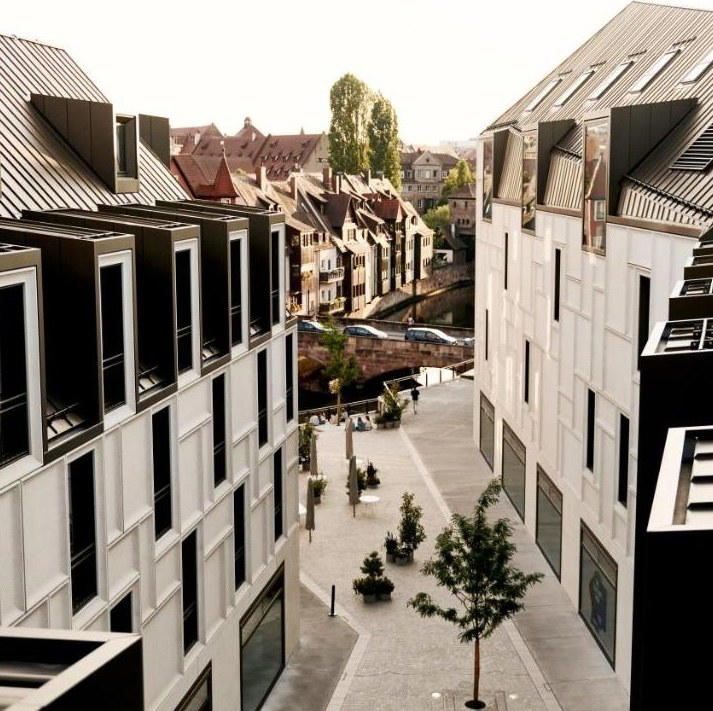
Fürther Strasse 11 sits in the centre of Langenzenn's low-rise townscape. The setting is not theatrical in the way that destination restaurants often stage themselves. There is no dramatic rural approach, no centuries-old hunting estate as backdrop. Instead, the building occupies a position that reads as part of the ordinary civic fabric of a Franconian town, which creates its own kind of tension with the kitchen's ambitions. This contrast between modest exterior and the precision of what arrives on the plate is a dynamic that recurs across Germany's off-the-beaten-track starred addresses, and it is part of what makes them worth the detour rather than incidental to it.
The atmosphere, in this context, is shaped less by architectural spectacle than by the calibre of service and the signal quality of the cooking itself. At the €€€€ price tier, the expectation is a full fine-dining format: tasting menu structure or à la carte at a similar level of elaboration, a considered wine programme, and floor staff capable of explaining the kitchen's references.8 from 188 reviews is a meaningful data point here: that score, sustained over a volume that rules out statistical anomaly, suggests consistent execution rather than occasional brilliance.
The Chef's Frame of Reference
Understanding Kavčič's background matters for reading what the kitchen is doing at the table. The Karst culinary tradition he trained within is not well-known outside Slovenia and the neighbouring Friuli region of Italy, but it has produced kitchens of genuine rigour. The cooking style combines a Central European emphasis on preserved and aged ingredients with the lighter Mediterranean inflections that come from proximity to the Adriatic. Texturally and flavour-wise, it tends toward mineral precision and controlled acidity rather than the richer, butter-forward register that defines much classic French-influenced German fine dining.
That background positions Keidenzeller Hof somewhere between the classical European fine-dining tier and a more contemporary, regionally specific modern cuisine approach. The Michelin designation as Modern German Fine Dining confirms this: the kitchen is drawing on a broad set of references and filtering them through a distinct personal and geographical lens. For comparison, places like ES:SENZ in Grassau or Schanz in Piesport represent the modern European end of Germany's starred spectrum, each with a distinct regional inflection. Kavčič's Slovenian starting point gives this kitchen a different identity within that same broad bracket.
It is also worth situating Keidenzeller Hof within the international dimension of modern European cooking. Chefs working across borders, bringing techniques or traditions from outside the German culinary mainstream, have become a more visible part of the country's starred tier over the past decade. JAN in Munich and the Nordic influences visible at venues like Frantzén in Stockholm or its Dubai outpost FZN by Björn Frantzén illustrate how internationally trained chefs are reshaping what fine dining looks like even in deeply regional settings. Kavčič's presence in Langenzenn sits within that broader pattern.
Consecutive Stars and What Retention Signals
The Michelin star at the restaurant was awarded in both 2024 and 2025. Consecutive retention, rather than a single-year award, is the more meaningful signal in how the Guide operates: inspectors return, standards are tested against the first impression, and the rating is either confirmed or revised. Holding across two cycles suggests the kitchen is operating with structural consistency rather than peaking for a single season.
Within the broader German Michelin picture, the one-star tier represents a large and varied field. At the three-star end, Aqua in Wolfsburg sets the benchmark for the country's highest-recognition tier. Two-star addresses like CODA Dessert Dining in Berlin or Restaurant Haerlin in Hamburg occupy a mid-tier where formal ambition is high and kitchen investment is sustained. The restaurant at one star sits in a competitive group that includes a significant number of similarly priced addresses across Bavaria and Franconia, and the consecutive award suggests it is holding its position rather than drifting.
For travellers constructing a Franconian or Bavarian fine-dining itinerary, the star at Langenzenn adds a data point to a region where Nuremberg, Bamberg, and the surrounding towns collectively support a number of recognised kitchens. Bagatelle in Trier and Victor's Fine Dining by Christian Bau in Perl demonstrate how Germany's western regions construct fine-dining itineraries around multiple proximate addresses; the same logic applies in the Franconian corridor.
Planning a Visit
Langenzenn is accessible from Nuremberg by regional rail or road, placing it within direct reach of the city's transport infrastructure without requiring an extended journey. For travellers already based in Nuremberg or passing through the Franconia region, this is a day-trip or evening addition to a broader itinerary. Those planning around the restaurant specifically will find accommodation options in Langenzenn limited relative to what a larger city offers, and the broader Langenzenn restaurant scene is smaller in scale, the restaurant operates at the summit of a short list rather than within a dense competitive neighbourhood.
The bar options in Langenzenn, the local winery circuit, and experiences around the town provide context for building out a longer stay in the area rather than treating the dinner as a standalone trip.
Fast Comparison
Comparable venues nearby, for context on price, style, and recognition.
| Venue | Cuisine | Price | Awards | Notes |
|---|---|---|---|---|
| Keidenzeller HofThis venue — the venue you are viewing | Modern German Fine Dining | $$$$ | Michelin 1 Star | Not listed |
| KUNO 1408 | Modern Franconian Fine Dining | $$$$ | Michelin 1 Star | Würzburg City Centre |
| Mittermeier | Modern German Fine Dining | $$$$ | Michelin 1 Star | Vorm Würzburger Tor |
| Alte Baiz | Modern German Creative | $$$$ | Michelin 1 Star | Hamberg |
| Speiseberg | Modern Creative German Fine Dining | $$$$ | Michelin 1 Star | Stadtbezirk West |
| Lech-Line | Modern International Fine Dining | $$$$ | Michelin 1 Star | Landsberg am Lech |
Recognition history
Dated appearances from independent guides and award organizations, with the underlying list record or original source where available.
Michelin 1 Star
Michelin
Michelin 1 Star
Michelin
Michelin 1 Star
Michelin
Continue exploring
More in Langenzenn
Restaurants in Langenzenn
Browse all →
Bars in Langenzenn
Browse all →
At a Glance
- Elegant
- Romantic
- Sophisticated
- Cozy
- Intimate
- Special Occasion
- Date Night
- Celebration
- Group Dining
- Historic Building
- Private Dining
- Standalone
- Extensive Wine List
- Sommelier Led
- Zero Proof
- Local Sourcing
Current opening hours
- Monday
- Closed
- Tuesday
- Closed
- Wednesday
- Closed
- Thursday
- 6:30–11 PM
- Friday
- 6:30–11 PM
- Saturday
- 12–11 PM
- Sunday
- Closed
Hours can change for holidays and private events. Last verified .
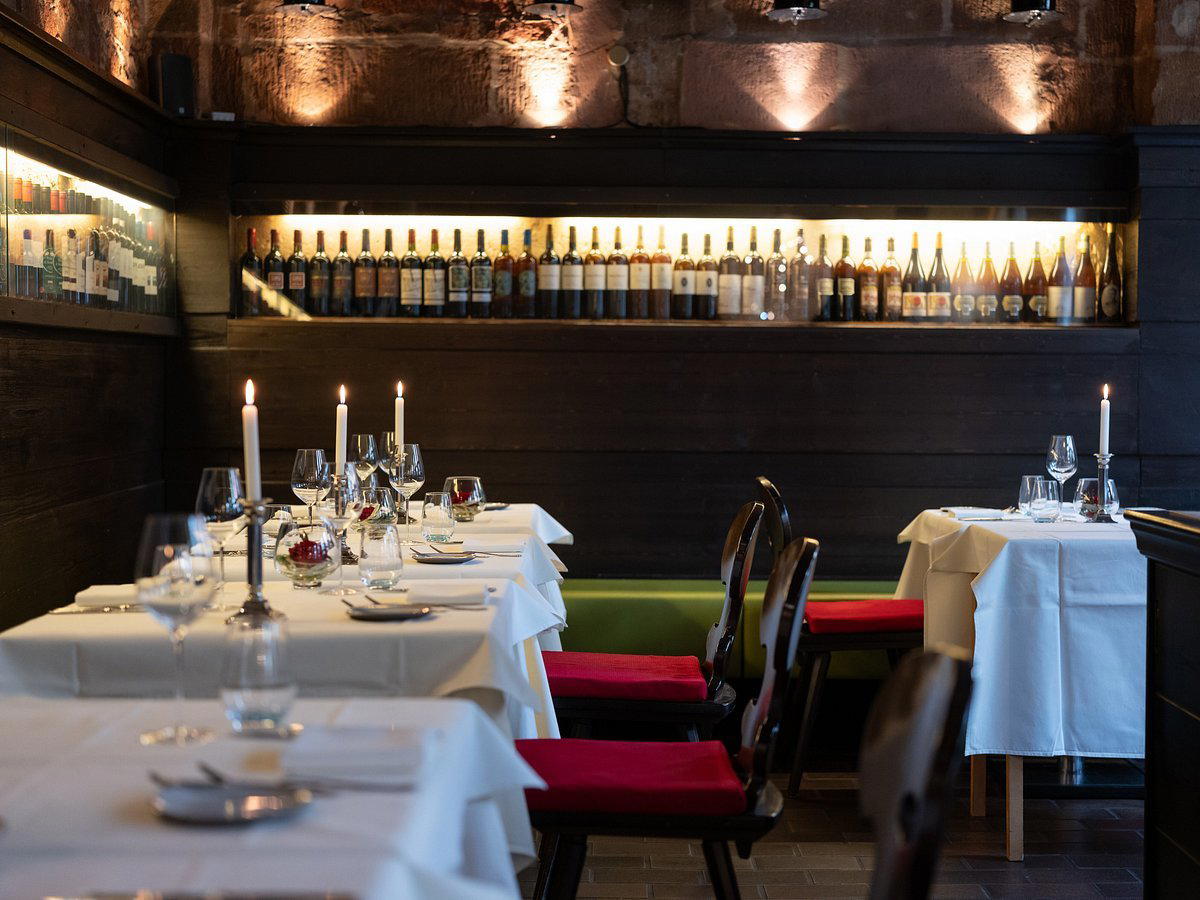
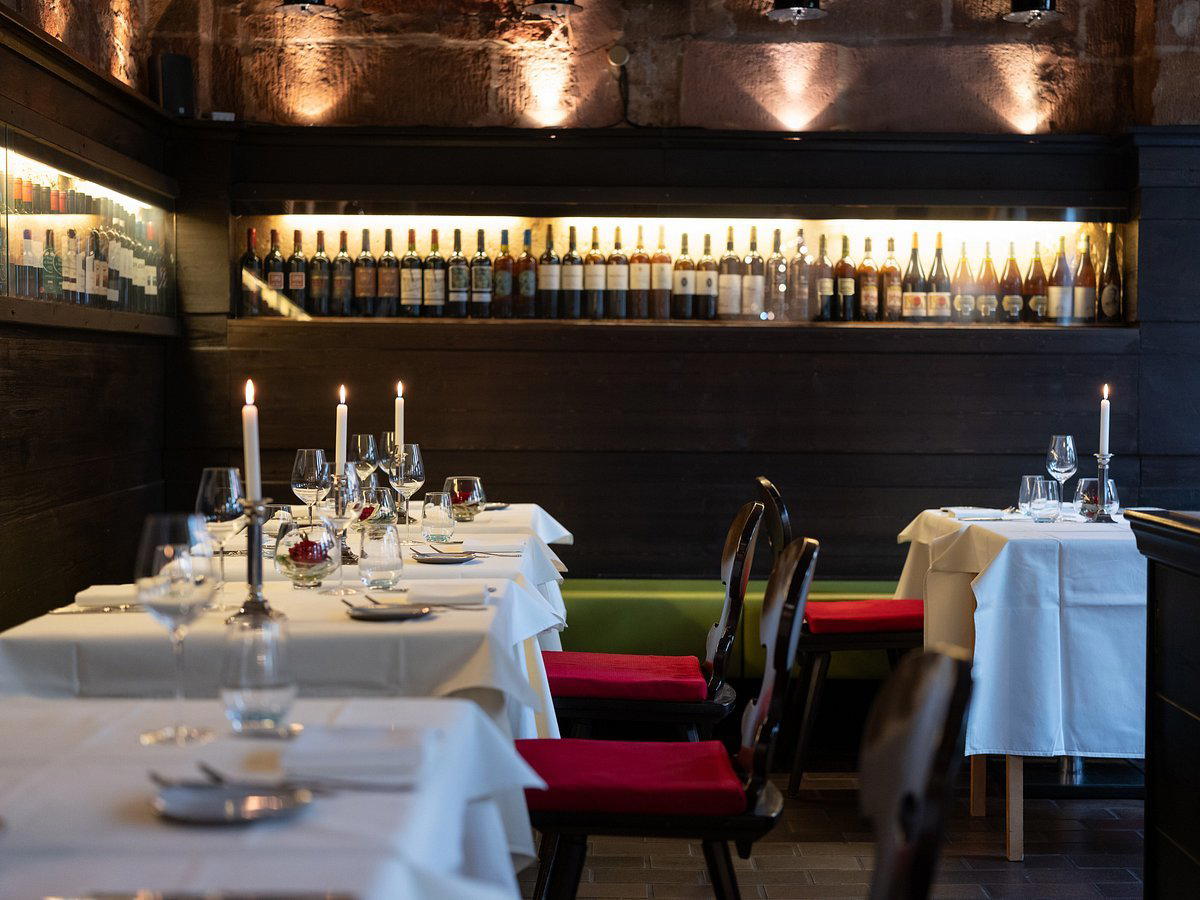
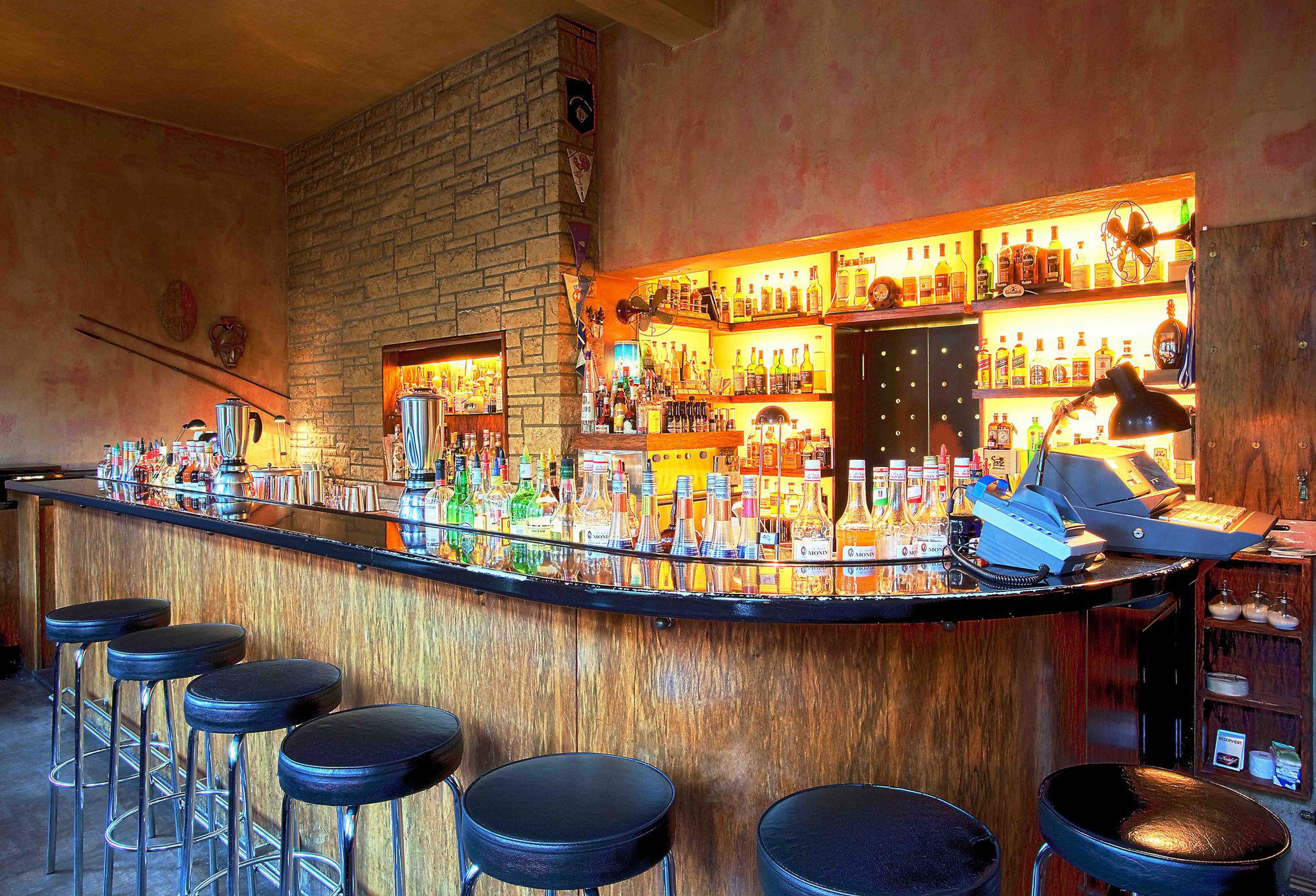
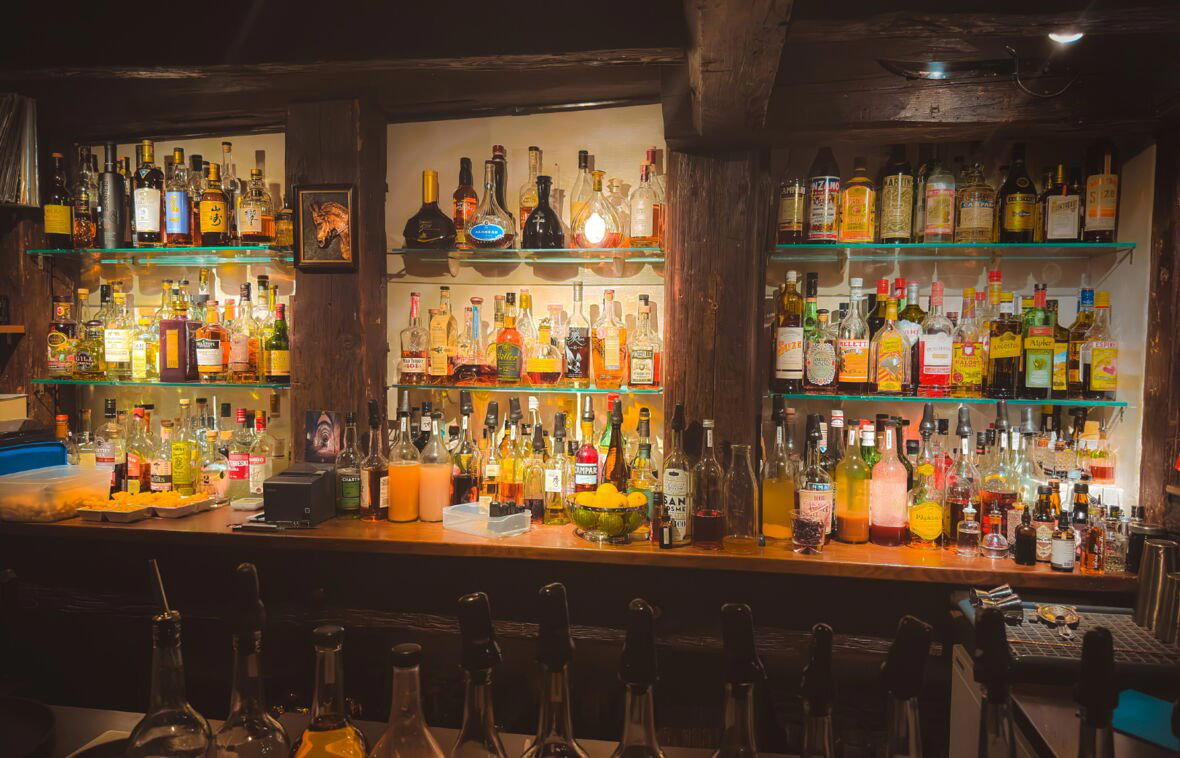
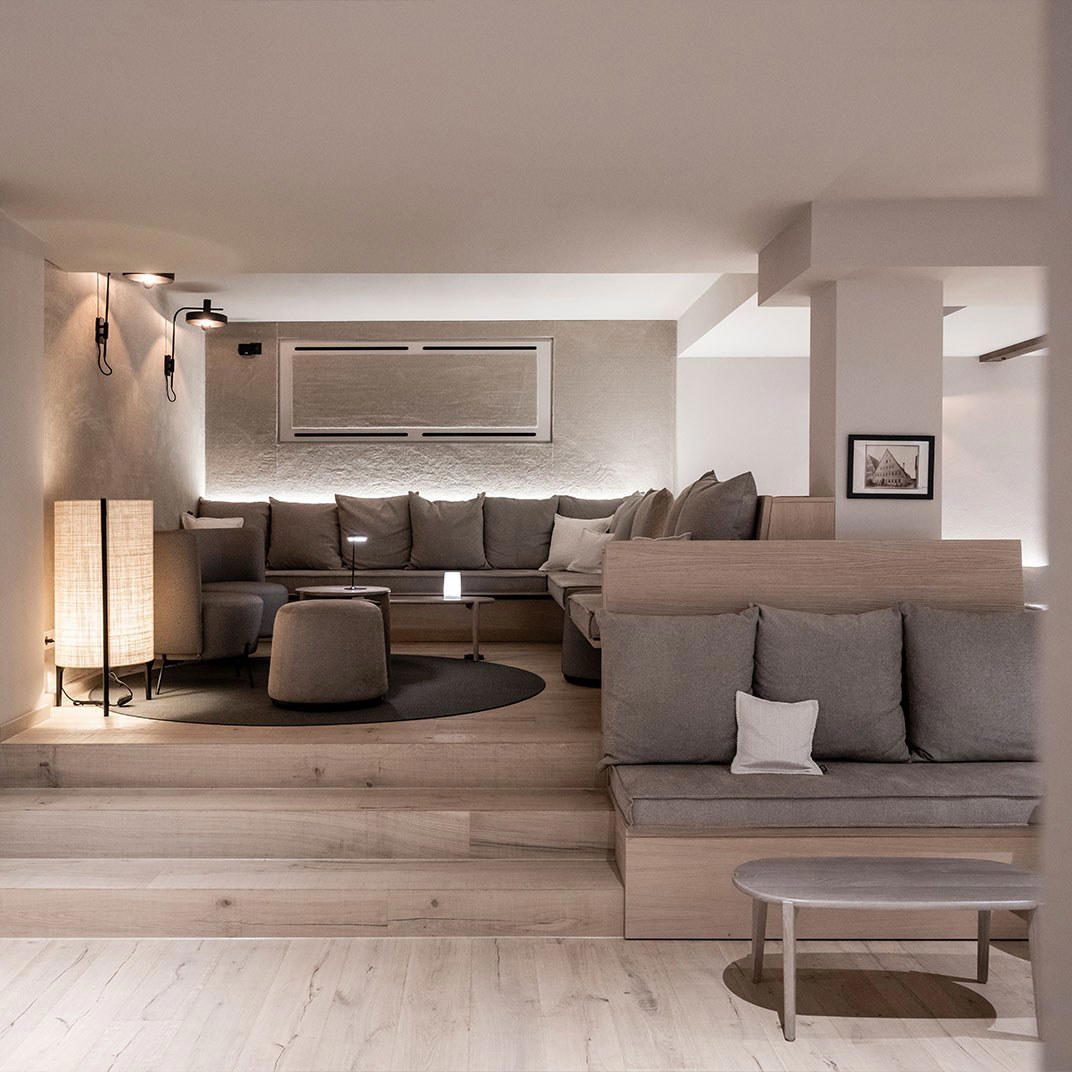
Warm and inviting interior with tastefully blended wood and stone elements, elegant modern touches, and soft lighting that creates a refined yet welcoming atmosphere well-suited for special occasions.