Kuki

Kuki occupies a quietly composed space in TTDI, its bonsai arrangements, round windows, and shoji doors establishing a Japanese-inspired calm before the food begins. The kitchen follows Shojin ryori principles, offering 5- and 8-course set menus built on plant-based ingredients treated with minimal seasoning. In a city of elaborate tasting menus, Kuki makes a case for restraint as a discipline.
Pearl is the En Primeur Club membership app — saves, bookings, and concierge access live there. Same editors, same standards.
- Address
- Unit 1-8, Menara KEN TTDI, 37, Jalan Burhanuddin Helmi, Taman Tun Dr Ismail, 60000 Kuala Lumpur, Wilayah Persekutuan Kuala Lumpur, Malaysia
- Phone
- +60 12-551 2577
- Website
- instagram.com
- Directions
- Get directions
 Saves & bookings on Pearl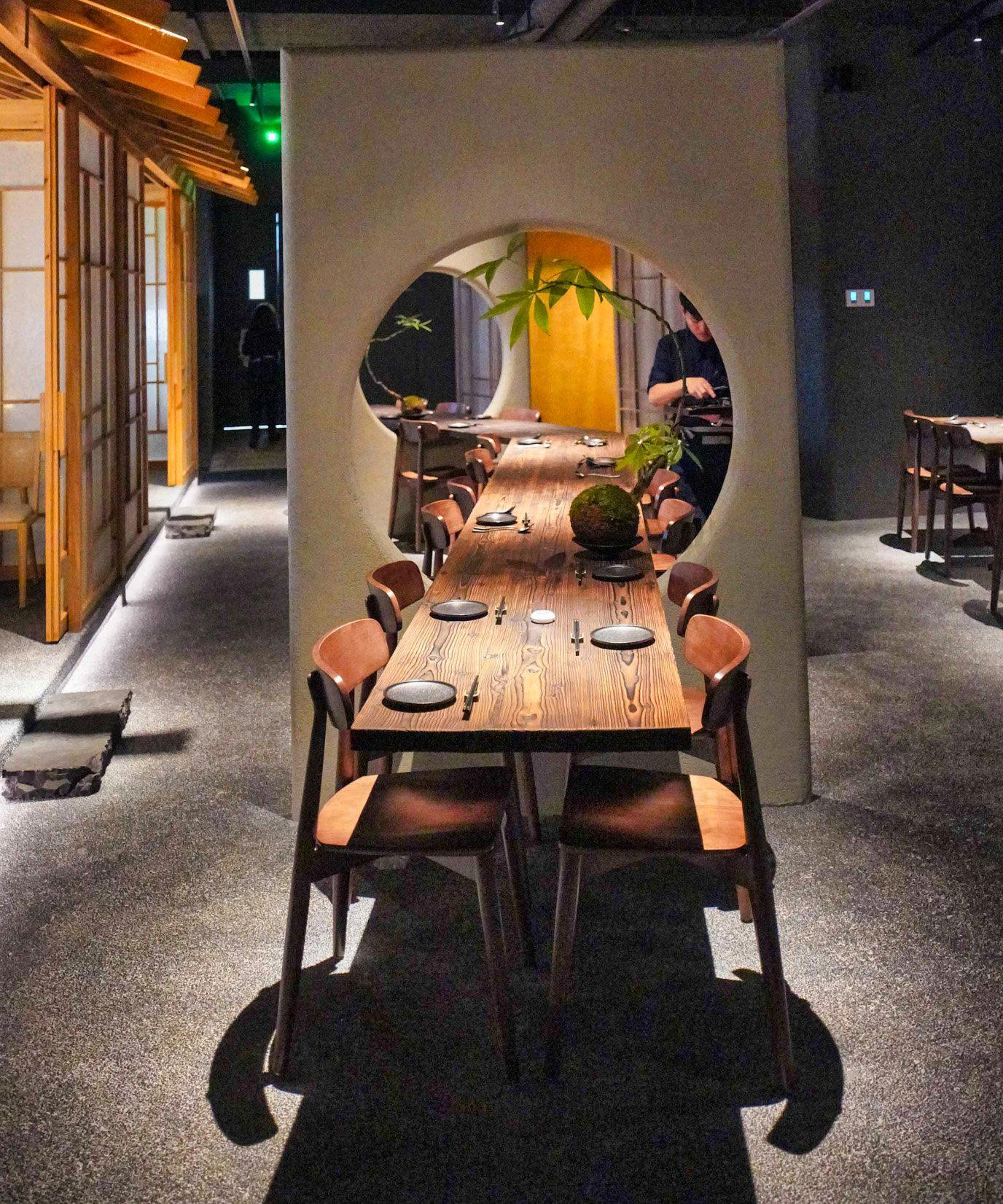
Silence Before the First Course
Taman Tun Dr Ismail sits at a comfortable remove from Kuala Lumpur's central dining corridor. The neighbourhood's low-rise blocks and tree-lined streets have long attracted residents who value quiet over proximity, and the restaurants that do well here tend to reward the same instinct. Kuki is a restaurant in Kuala Lumpur serving Modern Vegan Japanese Shojin Ryori. Kuki, tucked into the ground floor of Menara KEN TTDI on Jalan Burhanuddin Helmi, belongs to that register. Bonsai specimens punctuate the entrance, round windows frame the interior like ink paintings, and shoji doors divide the space with the unhurried logic of a Japanese teahouse. The effect is deliberate: this is a room designed to slow you down before a single dish arrives.
That atmosphere is not incidental. In Kuala Lumpur's tasting-menu tier, where kitchens like Dewakan and Molina build experiences around theatrical precision and complex technique, Kuki occupies a different position. The kitchen's reference point is Shojin ryori, the centuries-old Japanese Buddhist cooking tradition built on plant-based ingredients, minimal waste, and seasoning used only to clarify rather than amplify. The result is a room and a menu that operate on the same frequency: considered, spare, and deliberately unhurried.
The Shojin Tradition in a Malaysian Context
Shojin ryori predates the Western farm-to-table movement by several centuries. Developed in Zen Buddhist monasteries, it is governed by a set of principles that read, in retrospect, as a comprehensive sustainability framework: nothing edible is discarded, animal products are excluded, and the cook's skill is measured by how much flavour can be drawn from the simplest ingredients without masking their character. The tradition travelled from China to Japan in the 13th century and has remained largely outside the mainstream restaurant world, practised with serious intent in a small number of dedicated spaces globally.
Bringing that framework to Kuala Lumpur, a city whose food culture is built on layered aromatics, rendered fats, and the confident boldness of Malay, Chinese, and Indian cooking, requires a particular kind of conviction. Kuki's kitchen commits to the spirit of the tradition rather than producing a tourist-facing approximation. The owner's stated priority is ingredient freshness, and seasoning is held to the minimum necessary, not as affectation, but as a structural choice that mirrors how serious Shojin cooks in Kyoto or Osaka approach the same problem. The comparison set here is not the Michelin-decorated Malaysian tables like Beta or DC. by Darren Chin, but rather a smaller, quieter niche of plant-forward, philosophy-driven cooking.
A Menu Built on Restraint
The kitchen offers two set menu formats: a 5-course and an 8-course progression. The structure follows Shojin ryori's emphasis on variety through technique rather than ingredient breadth, moving through preparations that demonstrate what can be done with vegetables, tofu, seaweed, and grains when the cook's objective is clarity rather than transformation.
Two dishes in particular illustrate the kitchen's approach. The Mizuna citrus salad assembles vegetables, fruit, and seeds in a sharp, tangy dressing, a construction that depends entirely on the quality and freshness of each component, since there is no fat or richness to absorb inconsistency. Mizuna itself, a peppery Japanese mustard green, provides bitterness that the citrus cuts without eliminating, and the seeds introduce texture without changing the dish's essential lightness. It is the kind of preparation that looks simple on a menu card and proves genuinely difficult to execute well.
The Ganmodoki, a tofu fritter with a lineage that goes back to Japanese temple cooking, arrives loaded with root vegetables, seaweed, edamame, and mushrooms. The traditional version was developed as a way to use tofu scraps and vegetable offcuts productively, a zero-waste impulse embedded in the dish's construction. In that sense, Ganmodoki is Shojin ryori's sustainability logic made edible: nothing discarded, everything purposeful. For a kitchen positioning itself around ethical sourcing and minimal intervention, it is the right signature dish to carry.
The broader menu philosophy places Kuki in a conversation that extends well beyond Malaysia. At the premium level internationally, plant-based fine dining has moved from novelty to a recognised category, with serious practitioners drawing on traditions like Shojin to give their menus historical and philosophical weight. For context, the technical ambition of places like Ling Long in Kuala Lumpur or the precision cooking at Lazy Bear in San Francisco represent one end of that spectrum. Kuki occupies the opposite pole: the ingredient speaks, the cook steps back, and the measure of success is how little was added rather than how much.
Sustainability as Structure, Not Statement
Ethical sourcing commitment at Kuki is not a marketing layer applied over a conventional kitchen. The Shojin framework is itself a sustainability system. The prohibition on animal products removes a significant environmental burden from the supply chain. The emphasis on freshness pushes sourcing toward local and seasonal ingredients by practical necessity, produce that travels long distances and sits in cold storage cannot meet the standard that minimal seasoning demands. And the tradition's deep-rooted approach to using every part of an ingredient, leading illustrated by the Ganmodoki's historical origins in offcut tofu, is waste reduction as technique rather than policy.
This positions Kuki differently from the broader KL fine-dining scene, where sustainability credentials tend to appear as sourcing notes on menus rather than structural kitchen principles. The comparison extends across the region: Auntie Gaik Lean's Old School Eatery in George Town and The Planters at The Danna in Langkawi both draw on local produce and traditional methods, but from entirely different culinary traditions. Kuki's distinction is that its sustainability logic is borrowed wholesale from a 700-year-old monastic cooking system rather than assembled from contemporary ethical-dining trends.
Where Kuki Sits in the City
Kuala Lumpur's fine-dining conversation is increasingly international in reference: French-trained technique, Japanese kaiseki structure, and Nordic minimalism all have prominent advocates in the city. For a broader view of how those threads connect, Kuki sits slightly outside the main current, not because the cooking is peripheral, but because its reference tradition is less familiar to diners trained on European fine-dining grammar.
For visitors building a longer stay around the city's food culture, The wineries guide covers the city's growing interest in fine wine, though Kuki's plant-forward menu may pair better with tea or juice pairings consistent with Shojin ryori practice. Internationally, for diners curious about how different premium traditions approach the plant-based register, Atomix in New York and 8½ Otto e Mezzo Bombana in Hong Kong represent another end of the tasting-menu spectrum. Closer to home, Bee See Heong in Seberang Perai and Emeril's in New Orleans offer further points of reference for how regional ingredient traditions anchor serious kitchens in different contexts. And Le Bernardin in New York remains the standard-bearer for the idea that restraint, applied in a different tradition, is itself a form of mastery.
Planning a Visit
Kuki is located at Unit 1-8, Menara KEN TTDI, 37 Jalan Burhanuddin Helmi, in the Taman Tun Dr Ismail neighbourhood. Reservations are recommended.
A Credentials Check
Comparable venues nearby, for context on price, style, and recognition.
| Venue | Cuisine | Price | Awards | Notes |
|---|---|---|---|---|
| KukiThis venue — the venue you are viewing | Modern Vegan Japanese Shojin Ryori | $$$ | Michelin Plate | Not listed |
| Wagyu Kappo Yoshida | Beef Omakase | $$$$ | Michelin Plate | Kampong Dollah |
| Qureshi | Heritage Northern Indian Fine Dining | $$$ | Michelin Plate | Bukit Kiara |
| Nero Nero | Authentic Southern Italian Bistro | $$$ | Not listed | Kampong Bukit Mati |
| Sushi Taka | Premium Edomae Omakase | $$$$ | Michelin Plate | Brickfields |
| Dominic | Modern French | $$$ | Michelin Plate | Chow Kit |
Recognition history
Dated appearances from independent guides and award organizations, with the underlying list record or original source where available.
Michelin Plate
Michelin
Continue exploring
More in Kuala Lumpur
Restaurants in Kuala Lumpur
Browse all →
Bars in Kuala Lumpur
Browse all →





At a Glance
- Intimate
- Elegant
- Modern
- Cozy
- Serene
- Date Night
- Celebration
- Special Occasion
- Private Dining
- Sake Program
- Corkage Allowed
- Zero Waste
Current opening hours
- Monday
- Closed
- Tuesday
- 11 a.m.–3 p.m., 5–10 p.m.
- Wednesday
- 11 a.m.–3 p.m., 5–10 p.m.
- Thursday
- 11 a.m.–3 p.m., 5–10 p.m.
- Friday
- 11 a.m.–3 p.m., 5–10 p.m.
- Saturday
- 11 a.m.–3 p.m., 5–10 p.m.
- Sunday
- 11 a.m.–3 p.m., 5–10 p.m.
Hours can change for holidays and private events. Last verified .
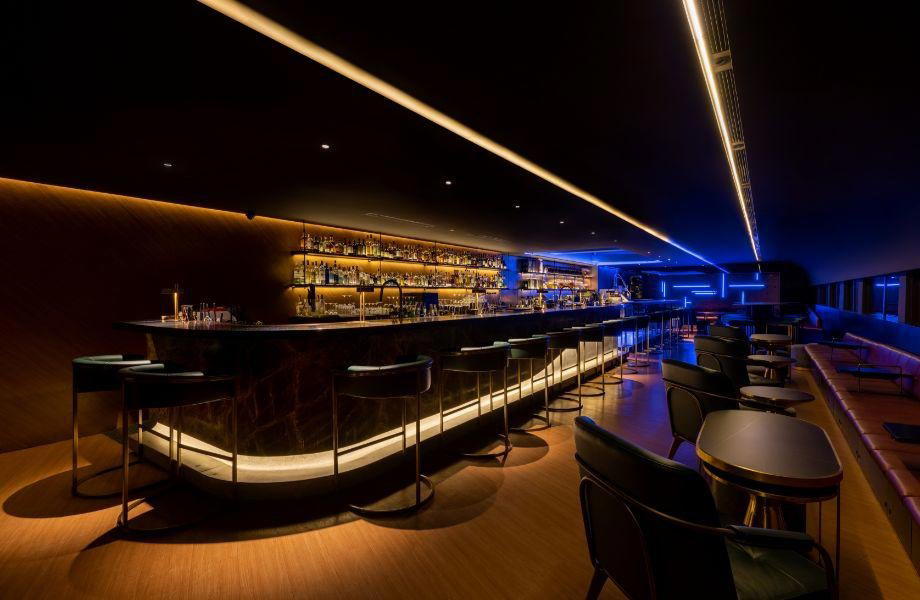
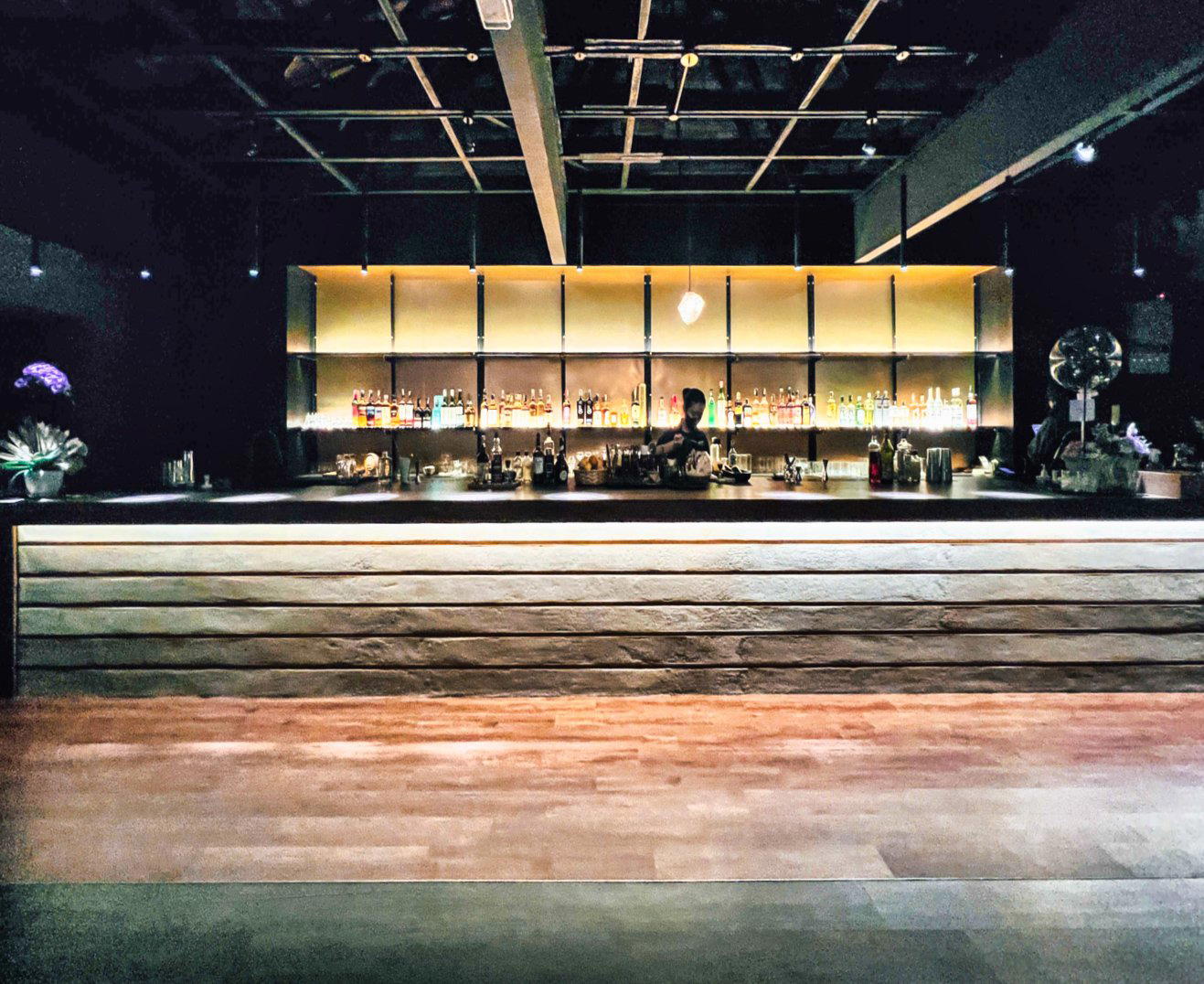
Serene Japanese-inspired interior with low lighting, shoji screens, circular windows, earthen textures, pale wood, bonsai accents, and thoughtful table spacing creating an intimate and composed atmosphere for conversation.