
Tabelog 100 #86
Our verdict
Kawagoe Ichinoya places Kawagoe’s eel tradition in a large, old-house setting rather than the compact counter format common to specialist dining in Japan. Its Tabelog 100 - Unagi - 2024 selection, 300-seat scale, private rooms, tatami space, sake and shochu list, and long operating history make it a serious choice for travelers reading the city through food, not only through storehouse streets.

Pearl is the En Primeur Club membership app, where members save venues, book tables and use the concierge.
The menu
What to order
- Special kabayaki course
- Hitsumabushi
- Special shirayaki
- Unaju
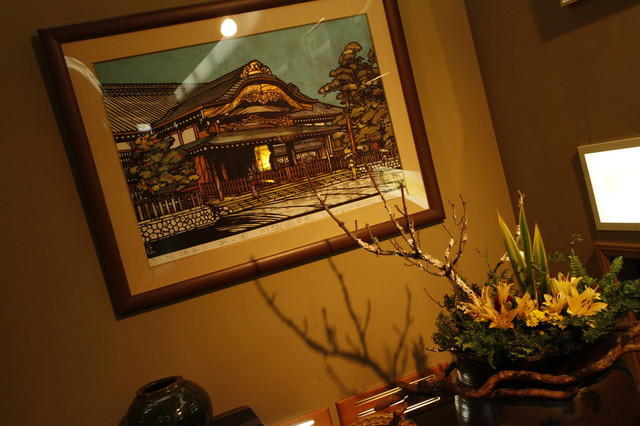
Approaching a serious unagi house in Kawagoe changes the meal’s tempo before ordering. The city’s historic streets prime visitors for traditional facades and old-town atmosphere, but eel follows a more specific grammar: lacquered boxes, rice calibrated to sauce, and a meal built around handling one freshwater ingredient. Kawagoe Ichinoya sits in that tradition with the feel of a house restaurant rather than a boutique counter, which matters where sightseeing traffic often reduces lunch to snacks and queues.
Unagi in Japan is not casual fish cookery with a premium ingredient. Its value lies in procurement, holding, cutting, cooking sequence, sauce management, and judgment that makes eel rich without heaviness. That context explains why an eel specialist can matter without chef-counter theatre: the craft is repetition, heat control, and service-wide consistency.
Kawagoe's eel tradition makes more sense when read through sourcing and scale
Kawagoe’s food culture is often reduced to snacks and day-trip grazing, but the city has a deeper relationship with historic commerce and celebratory dining. Eel fits that history as both stamina food and occasion food, tied to summer customs yet eaten year-round by diners who treat it as a benchmark of Japanese technique. Here, an unagi restaurant can function as a civic dining room, absorbing families, small groups, and travelers seeking a seated meal with local weight.
The ingredient-led angle is central. Eel is a product where sourcing and preparation cannot be separated: size affects texture, fat content affects timing, and sauce behaves differently depending on how the fish has been treated before the grill. Those details place the kitchen in a familiar unagi lineage, where softness, sauce integration, and controlled richness matter more than visible char alone.
Recognition adds confidence. Selection in the Tabelog Hyakumeiten for 2024 places the restaurant among named unagi specialists for that year, with a Tabelog score of 3.68. That is a useful signal because eel restaurants are judged by repeat local diners as much as destination eaters. In Kawagoe, it separates a specialist meal from casual stops such as Ganja Honten, Hasenuma, and other local dining rooms. Those venues map different appetites; eel occupies the more ingredient-specific lane.
The house-restaurant format suits a meal built around eel rather than novelty
The format is part of the point. A traditional unagi house functions differently from a small urban tasting-menu restaurant. It can suit multigenerational groups, visiting friends, and occasion diners without turning the meal into a hushed performance. That suits eel, which in Japan often carries the mood of a seasonal marker, family gathering, or restorative meal rather than a chef-led sequence of surprises.
The drinks direction supports the category rather than distracting from it. Japanese sake is part of the listed category set, exactly the register expected around unagi and Japanese set meals: rice, sauce, fat, smoke, and fermented drinks that can handle sweetness and depth. The restaurant also lists izakaya alongside unagi and Japanese sake bar categories, showing that eel houses are not always narrow temples of a single dish. They can work as broader Japanese dining rooms while keeping eel as the reason to go.
For travelers comparing Kawagoe with larger Japanese dining cities, the appeal is not novelty. It is place-specific depth. Bigger cities offer more microscopic specialization and higher reservation pressure; Kawagoe connects a historic townscape with a food form that feels rooted in traditional Japanese dining. The best dining plan is mixed: one anchor meal, then looser grazing around noodles, sweets, coffee, or casual counters. For broader planning, Our full Kawagoe restaurants guide gives the restaurant context, while Our full Kawagoe hotels guide, Our full Kawagoe bars guide, Our full Kawagoe wineries guide, and Our full Kawagoe experiences guide help decide whether the meal sits inside a day trip or a slower stay.
How to place it in a wider Japan itinerary
Kawagoe Ichinoya is strongest for travelers who want a traditional Japanese meal with clear ingredient focus and a setting that can work for families or groups. It is less suited to diners chasing a tiny counter, chef biography, or long creative menu. The decision is simple: if eel is the point, this is a serious Kawagoe choice with documented category recognition; if variety is the point, build the day around several smaller stops.
That distinction matters across Japan. Other specialists in other cities may express beef, seafood, noodles, rice, curry, or regional cooking through their own formats, each answering a different local or genre question. Even outside Japan, compact Japanese-inspired specialists show how the formats travel; Kawagoe’s eel houses show why the original context still matters.
The editorial case is disciplined rather than sentimental. This is a restaurant for understanding how a single ingredient can anchor a city meal: sourced carefully, prepared through repeated technique, and served in a format broad enough to reflect local dining habits. In Kawagoe, that tells a richer story than another snack crawl.
Frequently asked questions
Would Kawagoe Ichinoya be comfortable with kids?
Kawagoe Ichinoya is best read as a traditional unagi restaurant in Kawagoe; travelers with children should confirm current seating and policies directly before visiting.
Is Kawagoe Ichinoya formal or casual?
It reads as traditional rather than formal: an unagi-focused Japanese dining room in Kawagoe. The setting suits an eel meal without needing to frame it as a dress-code restaurant.
What's the price range at Kawagoe Ichinoya?
Pricing at Kawagoe Ichinoya is listed as JPY 8,000 - JPY 9,999 JPY 4,000 - JPY 4,999 View spending breakdown.
What is Kawagoe Ichinoya known for?
Kawagoe Ichinoya is known for unagi in Kawagoe, with listed categories including Unagi (Eel), Japanese sake bar, and Izakaya.
In Context: Similar Options
Comparable venues by cuisine and price in the same metro.
| Venue | Cuisine | Price | Awards | Notes |
|---|---|---|---|---|
| Kawagoe IchinoyaThis venue (the venue you are viewing) | Traditional Japanese Unagi | $30–50 | Tabelog 100 #86 | Not listed |
| Inaka Udon Tetsu | Rustic handmade udon | $10–20 | Tabelog 100 #15 | Kawagoe |
| Ogakiku | Traditional Unagi (Eel) Restaurant | $30–50 | Tabelog 100 #74 | Nakacho / Taisho-roman Street (Little Edo area) |
| Hasenuma | Handmade Udon & Tempura | $10–20 | Tabelog 100 #97 | Hon-Kawagoe |
| Ganja Honten | Tsukemen / Ramen | $10–20 | Tabelog 100 #28 | Shintomi-cho |
| Kotobuki Seimen Yoshikawa Kawagoe ten | Japanese Ramen | $10–20 | Tabelog 100 #70 | Minami Otsuka |
Recognition history
Dated appearances from independent guides and award organizations, with the underlying list record or original source where available.
Tabelog 100 #86 · No. 86
Tabelog · Tabelog 100 - Unagi - 2024
Continue exploring
More in Kawagoe
Restaurants in Kawagoe
All restaurants in Kawagoe →

Bars in Kawagoe
Browse all →



Hotels in Kawagoe
Browse all →


Wineries in Kawagoe
Browse all →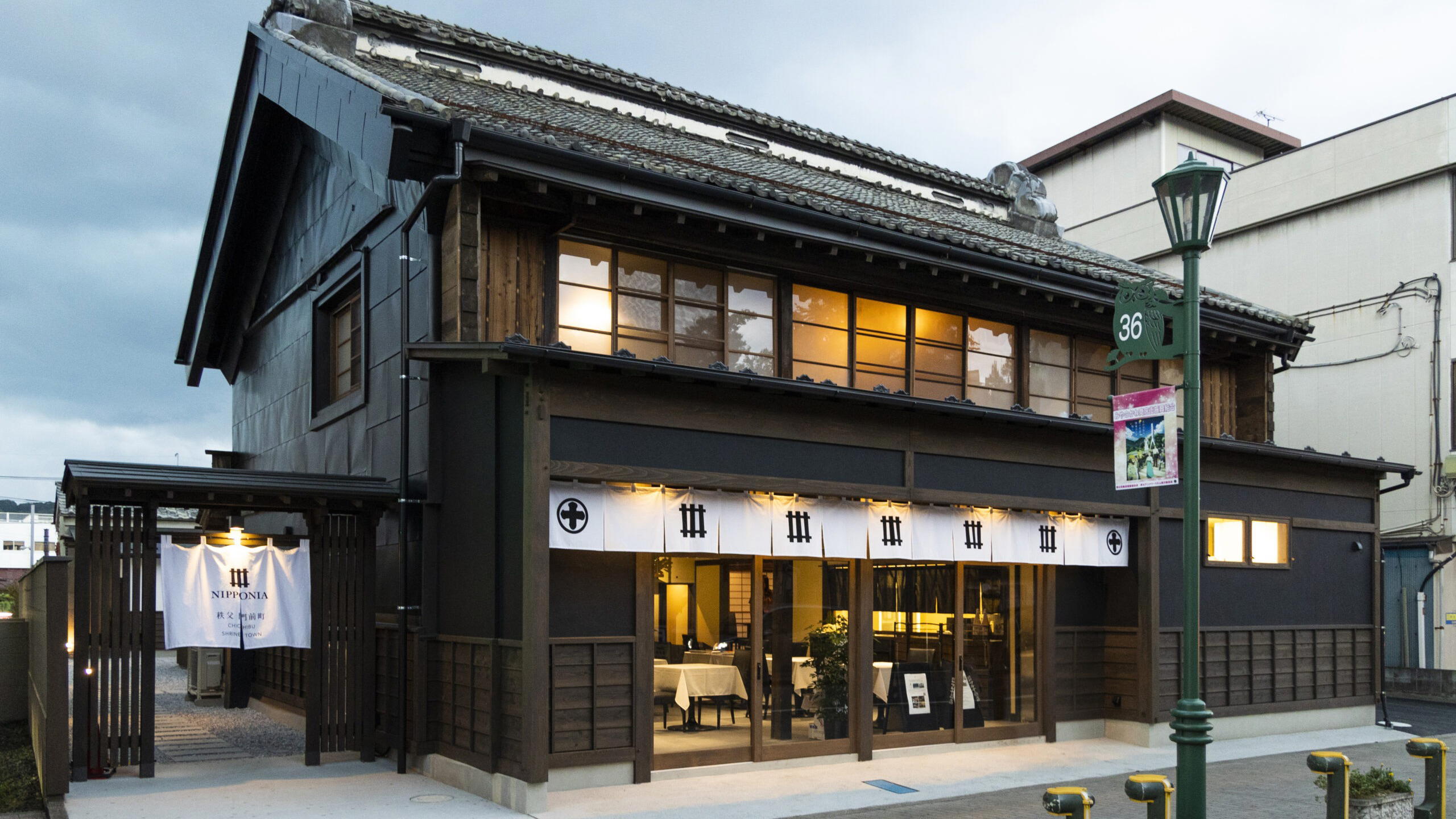
Details
- Classic
- Well Known
- Cozy
- Elegant
- Historic
- Business Dinner
- Group Dining
- Celebration
- Private Event
- Special Occasion
- Private Dining
- Historic Building
- Standalone
- Beer Program
- Sake Program
- A La Carte
- Set Menu
- Prix Fixe
- Sake
- Beer
- Highball
Current opening hours
- Monday
- Closed
- Tuesday
- 11 AM–3 PM, 4:30–8:30 PM
- Wednesday
- 11 AM–3 PM, 4:30–8:30 PM
- Thursday
- 11 AM–3 PM, 4:30–8:30 PM
- Friday
- 11 AM–3 PM, 4:30–8:30 PM
- Saturday
- 11 AM–9 PM
- Sunday
- 11 AM–9 PM
Hours can change for holidays and private events. Last verified .
Historic, traditional, and refined, with tatami-style seating, private rooms, and a calm old-Edo feel centered on carefully prepared eel dishes.