
Tabelog 100
Our verdict
Kanda Brazil sits in Jimbocho’s old coffee-shop culture, where kissaten are judged less by novelty than by consistency, source discipline, and the ability to hold a room through the day. Its Tabelog 100 Kissaten selections in 2021 and 2022 place it in a serious category for Tokyo cafe regulars, especially readers tracking coffee, cake, and classic kissa formats rather than trend-led cafe openings.

Pearl is the En Primeur Club membership app — saves, bookings, and concierge access live there. Same editors, same standards.
The menu
What to order
- Signature blend coffee
- Coffee jelly
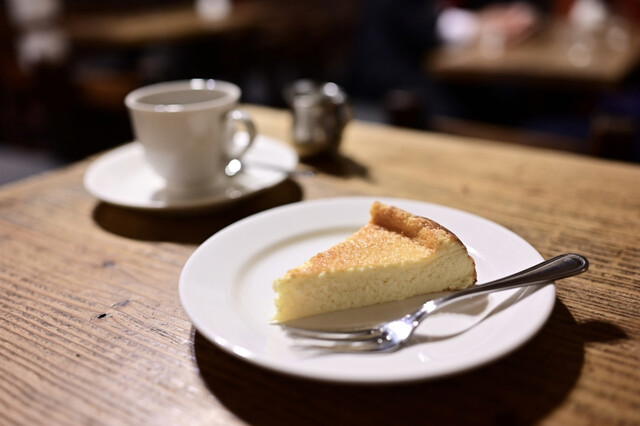
- Baked cheesecake
Tokyo announces this kind of cafe in small rituals before coffee: everyday foot traffic, modest interiors, and rooms built for lingering rather than display. Here, the Tokyo kissaten is not decorative nostalgia but a working urban format: part cafe, refuge, and meeting room, where coffee and cake sit inside a culture of repeat use. Kanda Brazil belongs to that older rhythm, and its value is clearest when read through Tokyo’s coffee-shop habits, not as a single cafe to tick off between larger plans.
The distinction matters because Tokyo’s cafe scene has split into two economies. One chases visual identity, latte architecture, and social-media speed; the other protects the slower grammar of the kissa, where sourcing and preparation show through roast character, careful sweets, and the discipline of serving the same categories daily. Kanda Brazil’s Tabelog 100 Kissaten selection in 2022 places it in a documented conversation about Japanese coffee shops, not just among convenient Tokyo stops.
Tokyo's kissaten culture rewards sourcing over spectacle
Ingredient sourcing in a kissaten is quieter than at a sushi counter or kaiseki room, but it is not incidental. Coffee houses live or fail on beans, roast profile, cake quality, and the ability to keep simple categories consistent through long service. The menu frame here is Kissa, Cafe, and Cake, emphasizing coffee-shop fundamentals rather than chef-led invention. That restraint is the appeal: the format asks whether the basics have been chosen and handled with enough care to justify returning.
Tokyo is particularly suited to that test. Its dense daily rhythms support rooms where a solo reader, two friends, or a small work conversation can occupy a table without chain-cafe tempo. Compared with newer Tokyo specialty-coffee counters, the kissaten category is less about origin-story performance than house style: coffee, controlled sweetness, cakes that work with coffee rather than against it, and service patterns designed for lingering. Kanda Brazil sits in that tradition while retaining recognition beyond a single local routine.
That recognition separates it from the city’s crowded cafe field. LADRIO and Milonga Nuova, also in Tokyo, reflect the same appetite for older cafe culture, while Tea House TAKANO shifts the lens toward tea rather than coffee. Sumatra Curry Kyoei Do and Ishigama Bake Bread Sabo Tamutamu show how Tokyo supports specialist, low-friction dining formats that do one thing repeatedly instead of building a tasting-menu narrative. In that company, Kanda Brazil reads as a coffee-shop choice for travellers who care about the category itself.
The useful comparison is not luxury dining, but disciplined everyday craft
Tokyo visitors often over-index on reservation difficulty and under-read the everyday institutions that shape local eating habits. A kissaten with Tabelog 100 recognition says something different from a counter with a long waitlist: durability, regular use, and category credibility. The reported Tabelog score of 3.71 is meaningful in Japan’s rating culture, where modest-looking numbers can signal serious local support. The format is not competing with omakase sushi or French tasting rooms, but within the narrower, demanding field of Japanese coffee shops.
That makes Kanda Brazil a useful counterweight to a Tokyo itinerary loaded with high ceremony. It can sit beside more meal-driven choices across the city, from charcoal cooking and skewers to curry counters, graphic cafe design, and other everyday dining rooms. The point is not to rank those formats, but to understand how Tokyo moves between them: casual specialist rooms and old coffee-shop culture can all sit on the same serious dining map.
For ingredient-minded readers, the question is where care becomes visible without a luxury frame. In a kissaten, that often means the relationship between coffee and cake, sweetness calibrated for repeat consumption, and the ability to make a modest order feel complete. No named signature item needs inventing. The category itself carries the interest: a coffee shop selected for Tabelog’s Kissaten 100 is judged in a field where small decisions, repeated thousands of times, matter more than novelty.
How to fold it into a Tokyo food day
The strongest use case is as a Tokyo pause rather than a destination meal. The city rewards walking and unhurried planning, especially for travellers who understand Tokyo through shops, casual counters, and older cafes. Kanda Brazil fits naturally: coffee and cake before or after browsing, a low-pressure stop between larger meals, or a way to experience Tokyo’s kissa culture without turning the day into a heritage tour.
There are practical boundaries, though the publicly supplied essentials are simple rather than exhaustive. Kanda Brazil is categorized as Kissa, Cafe, and Cake, with budget information listed at Dinner: - JPY 999; Lunch: - JPY 999. The useful planning lesson is to treat it as a flexible coffee-and-cake stop, not a table to build an elaborate evening around.
For broader planning, use Our full Tokyo restaurants guide to set meal anchors, then layer in coffee, bars, hotels, and cultural stops through Our full Tokyo hotels guide, Our full Tokyo bars guide, Our full Tokyo wineries guide, and Our full Tokyo experiences guide. Japan’s broader casual-specialist field is also worth reading generically across cities, where coffee shops, curry rooms, bakeries, bars, and compact counters show how specific formats develop their own habits. For readers comparing Japanese food culture abroad, similar everyday formats can change noticeably when removed from their original urban context.
The editorial case is concise: Kanda Brazil is for travellers who want Tokyo’s coffee-shop culture with proof of category respect, not theatrical dining. Its appeal lies in Tokyo’s slower kissa pace, coffee-shop sourcing discipline, and a format that treats coffee and cake as daily craft rather than lifestyle branding.
Frequently asked questions
Where is Kanda Brazil in Tokyo?
Tokyo.
What time does Kanda Brazil open and close?
Current opening hours are not provided in the verified venue facts; confirm directly with Kanda Brazil before visiting.
Is Kanda Brazil more mid-range or high-end?
Pricing at Kanda Brazil is listed as - JPY 999 - JPY 999.
What do critics highlight about Kanda Brazil?
Critics point to Kanda Brazil’s standing as a Tabelog 100 Kissaten selection in 2022, which places it in a documented group of notable Japanese coffee shops. Its categories are Kissa, Cafe, and Cake, framing it around coffee-shop fundamentals rather than a luxury dining format.
Snapshot
Comparable venues by cuisine and category.
| Venue | Cuisine | Price | Awards | Notes |
|---|---|---|---|---|
| Kanda BrazilThis venue (the venue you are viewing) | Retro Japanese kissaten & coffee shop | $10–20 | Tabelog 100 | Not listed |
| Manufacture | Artisanal Bakery & Bread Factory | Not listed | Tabelog 100 #54 | Taitō |
| JOHANN Honten | Japanese Cheesecake Shop | $1–10 | Tabelog 100 #57 | Meguro |
| SIROTAE | Traditional Japanese cake shop & café | Not listed | Tabelog 100 #2 | Minato |
| Komugi to Kobo Hamada Ya Sangenjaya honten | Japanese neighborhood bakery | $1–10 | Tabelog 100 #61 | Setagaya |
| itokito | Bakery Cafe | Not listed | Tabelog 100 #3 | Ōta |
Recognition history
Dated appearances from independent guides and award organizations, with the underlying list record or original source where available.
Tabelog 100
Tabelog · Tabelog 100 - Kissaten - 2026
Full recognition history (2 entries)
Tabelog 100 #30 · No. 30
Tabelog · Tabelog 100 - Kissaten - 2022
Continue exploring
More in Tokyo
Restaurants in Tokyo
All restaurants in Tokyo →







Details
- Classic
- Cozy
- Well Known
- Solo
- Casual Hangout
- After Work
- Late Night
- Historic Building
- Standalone
- A La Carte
- Coffee
- Tea
Current opening hours
- Monday
- 11 AM–9 PM
- Tuesday
- 11 AM–9 PM
- Wednesday
- 11 AM–9 PM
- Thursday
- 11 AM–9 PM
- Friday
- 11 AM–9 PM
- Saturday
- 11 AM–9 PM
- Sunday
- 11 AM–7 PM
Hours can change for holidays and private events. Last verified .
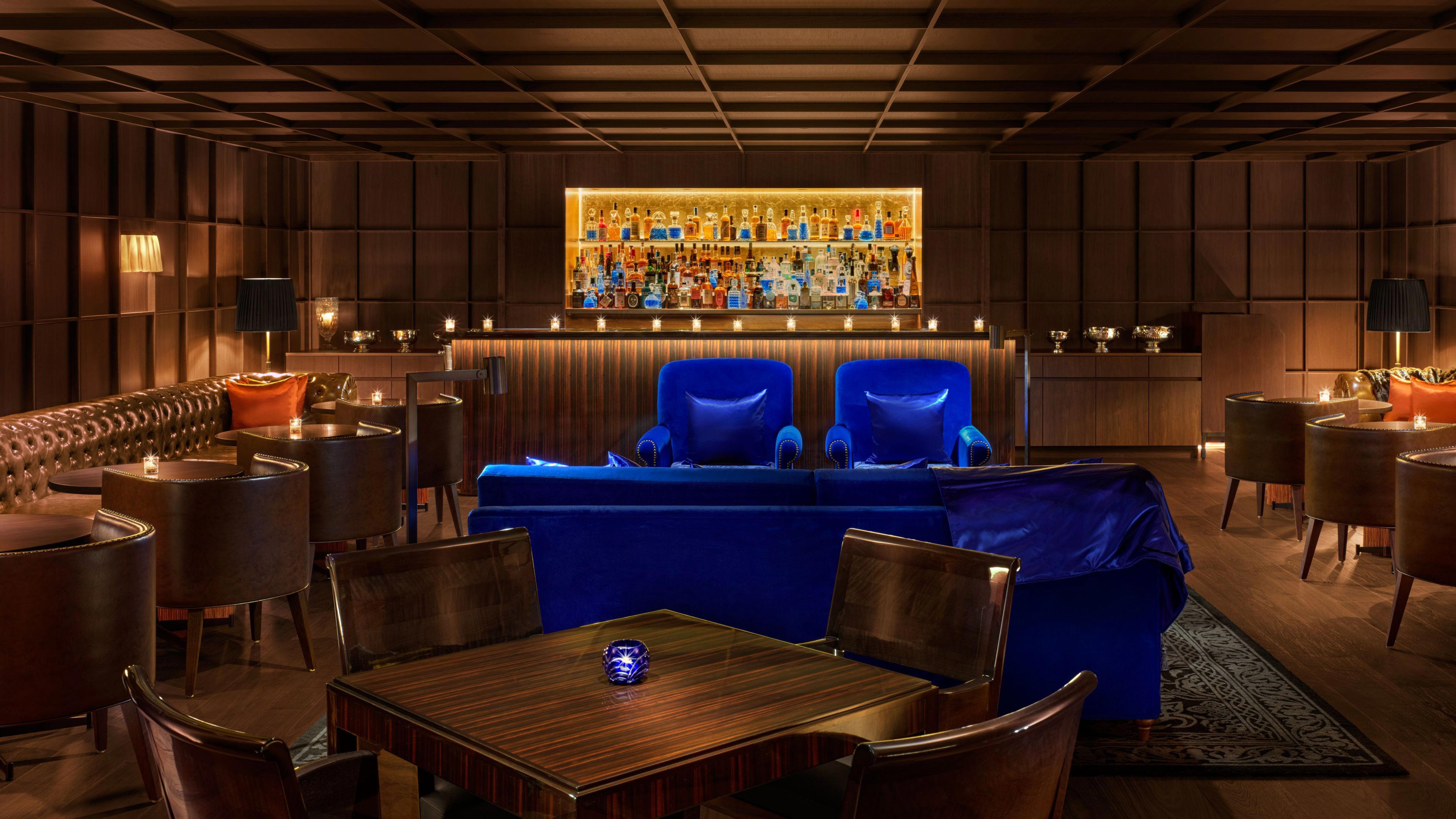
Retro Tokyo kissaten atmosphere with a relaxed, slightly dim basement interior, a mix of smoking and non‑smoking seats, and a calm, linger-friendly vibe suited to reading or quiet conversation.