Tabelog 100 #3
Our verdict
itokito belongs to Tokyo’s quieter bread culture, the one found around rail stations and residential shopping streets rather than hotel lobbies. Its Tabelog Bread TOKYO 100 selections from 2017 through 2022 place it among a small group of bakeries that serious Tokyo eaters follow across neighbourhood lines, with bread and sandwiches handled in a take-out format.

Pearl is the En Primeur Club membership app, where members save venues, book tables and use the concierge.
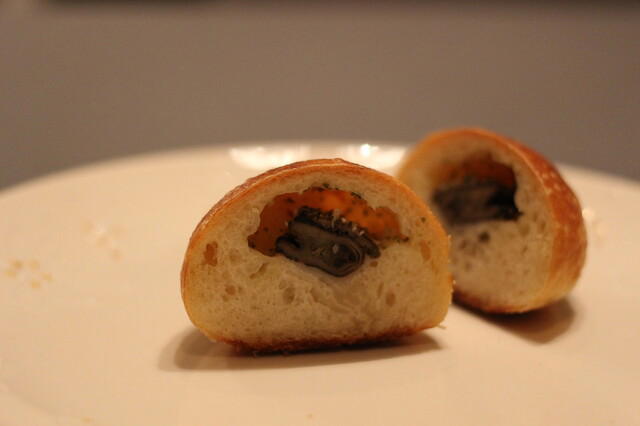
Approaching a Tokyo bakery in a residential city setting is different from entering a tasting-menu dining room. The cues are smaller: street-level rhythm, customers buying bread for later, and a quick scan of bread and sandwiches before the day’s supply changes. In Tokyo, scale matters. Not every worthwhile food stop is built around destination dining theatre; some reward places folded into daily routes, where a bakery becomes a repeat stop for regulars and bread obsessives moving through the city.
Tokyo’s bread scene has a split personality. Polished bakery counters offer convenience and finish; neighbourhood shops carry quieter bread intelligence: focused production, compact displays, and buying patterns set by regulars rather than tourists. itokito sits firmly in that second camp. Its recognition through Tabelog Hyakumeiten in 2022, with a listed score of 3.76 and categories of bread and sandwiches, gives it a documented standing in a category where repetition is harder than novelty. Bread punishes inconsistency; a bakery either enters weekly habits or disappears from them.
Tokyo bread culture is built for regulars, not spectacle
Tokyo visitors often chase sushi counters, tempura rooms, or ramen queues because those formats announce themselves as meals. Bread works differently. It slips between meals, breakfast tables, office lunches, school runs, and train transfers. In Tokyo, the value is practical: what can be carried away, eaten soon, or taken home. That makes a bakery a useful lens on how the city eats outside the restaurant spotlight.
Within that frame, categories matter. Bread and sandwiches signal a shop designed around everyday utility as much as craft. Tokyo bakery sandwiches reveal how a place balances softness, structure, filling, and portability; bread cases reveal production discipline before service or setting can smooth over flaws. Without needing a formal restaurant frame, the product has to communicate quickly.
The Tokyo comparison set clarifies the tier. Schomaker and Himmel operate in the same broad bread conversation, while Patisserie JUN UJITA points toward the pastry side of the city’s baked-goods culture. For travellers planning a day of eating, bakeries are not interchangeable because they share an accessible spend category. Some are breakfast stops, some dessert detours, and some dependable savoury purchases. itokito’s bread-and-sandwich identity places it closer to the daily-use bakery tradition than the formal pastry errand.
A compact bakery format sharpens the decision
Small-format food shopping in Japan has its own discipline. The customer decides quickly, the line moves, and the meal may happen elsewhere. For travellers used to lingering café culture, this can feel abrupt, but it is also why Tokyo’s bakeries maintain precision. They do not need a grand room to flatter the product. Judgement happens in the hand, in the bag, and later wherever the bread is eaten.
itokito’s appeal is strongest for readers who understand that not every serious food stop has to become lunch in the formal sense. A bakery recognised by Tabelog in the bread category belongs on a different itinerary from a reservation-led restaurant. It suits the morning or early-day slot, the short detour, or the neighbourhood walk that adds texture to a Tokyo trip. This is not a substitute for a long meal; it shows how some of the city’s strongest food habits are built around small purchases made at the right moment.
That practicality creates its own boundaries. A bakery visit changes the hospitality equation: the emphasis falls on selection, timing, and the food itself rather than private-room context, seated pacing, or occasion architecture. The setting can be useful for travellers who want something quick and unfussy, but the experience is closer to a focused food stop than a composed restaurant afternoon. Readers looking for a long, structured meal should look elsewhere; readers mapping Tokyo through lived-in food routines will find the format revealing.
How to place it inside a Tokyo food day
The stronger Tokyo itinerary is not famous rooms stitched together. It mixes formats: a bakery, a casual specialist, a café, a counter meal, and a bar with a technical drinks program. That is why a stop like this pairs naturally with broader city planning through Our full Tokyo restaurants guide, then branches into adjacent categories through Our full Tokyo bars guide, Our full Tokyo hotels guide, Our full Tokyo wineries guide, and Our full Tokyo experiences guide.
For contrast inside Tokyo, separate category from occasion. Other casual specialists frame different cravings, grill counters belong to another rhythm, and dense dining districts pull the map toward a more explicitly meal-driven register. Concept cafés show how visual ideas can drive a visit, while other restaurants make the occasion feel more structured. None are equivalents; the point is to understand Tokyo by format, not just appetite.
Beyond Tokyo, the same logic applies across Japan and in cities influenced by Japanese food culture. Bakeries, cafés, curry shops, counters, bars, and casual specialists each belong to different local expectations around format and timing. The useful comparison is not whether they serve the same thing, but whether they answer the same need in a day: a quick purchase, a full meal, a destination detour, or a category-specific stop.
The editorial case for itokito is not that it offers a grand occasion. It does something more modest and, for Tokyo, more telling: it shows how an accessible bakery can hold serious standing through consistency in a city that takes bread far more seriously than many visitors expect. Place it into a day with intention, not as filler between reservations, and the stop explains a part of Tokyo dining that formal restaurants rarely capture.
Frequently asked questions
Can I bring kids to itokito?
itokito is a bread and sandwich venue in Tokyo, so it is best approached as a practical bakery stop rather than a long restaurant meal.
How would you describe the vibe at itokito?
It is a Tokyo bread-and-sandwich shop with an efficient, everyday feel. Its Tabelog Hyakumeiten recognition in 2022 gives it clear local credibility.
Is itokito expensive?
Pricing at itokito is listed as - JPY 999 JPY 1,000 - JPY 1,999 View spending breakdown.
What's itokito's location?
Tokyo.
Cost and Credentials
Comparable venues to anchor price and recognition.
| Venue | Cuisine | Price | Awards | Notes |
|---|---|---|---|---|
| itokitoThis venue (the venue you are viewing) | Bakery Cafe | Not listed | Tabelog 100 #3 | Not listed |
| moonbow | Curry bar | $10–20 | Tabelog 100 #96 | Shibuya, Curry bar |
| Sansar Shinjuku ten | Nepalese & Indian Home-Style Curry | $10–20 | Tabelog 100 #15 | Shinjuku, Nepalese & Indian Home-Style Curry |
| Pan Ya no Donsuke | Japanese neighborhood bakery & sandwich shop | $1–10 | Tabelog 100 #25 | Shinjuku, Japanese neighborhood bakery & sandwich shop |
| CACAO SAMPAKA Marunouchi honten | Artisanal Chocolate & Sweets | $1–10 | Tabelog 100 #15 | Chiyoda, Artisanal Chocolate & Sweets |
| Takayama Coffee | Not listed | $10–20 | Tabelog 100 | Chiyoda, Japanese kissaten-style coffee shop |
Recognition history
Dated appearances from independent guides and award organizations, with the underlying list record or original source where available.
Tabelog 100 #3 · No. 3
Tabelog · Tabelog 100 - Bread - TOKYO - 2022