Kamakura

Michelin Plate
Our verdict
Kamakura holds a Michelin Plate recognition (2026) — one of a small number of Cebu restaurants to appear in the guide — and operates out of Mandaue's EC Building on Greenhills Road. The name signals a Japanese culinary register, positioning it against Cebu's growing tier of precision-focused dining rooms rather than the city's casual seafood-and-lechon mainstream.

Pearl is the En Primeur Club membership app — saves, bookings, and concierge access live there. Same editors, same standards.
- Address
- EC Building, Greenhills Road, Mandaue, Cebu, Philippines
- Phone
- +63 906 719 2512
- Hours
- Mon ClosedTue–Sun 11:30 AM–1:30 PM, 5–6:30 PM, 7–8:30 PM
- Website
- soba-kamakura.com
- Directions
- Get directions
- Booking
- Book on the venue's website
The menu
What to order
- Kamakura Gozen
- Handmade soba noodles
- Grilled eel bowl
- Chutoro sashimi
- Vegan gozen
Where Mandaue's Dining Scene Finds Its Focus
Cebu's restaurant conversation has long defaulted to the waterfront and the old city grid, where open-air grills and decades-old lechon houses define the dominant register. Mandaue sits slightly outside that frame — a city in its own right, commercially dense, less discussed in travel editorial — and it is precisely there, in the EC Building along Greenhills Road, that Kamakura has built the kind of following that doesn't require a tourist map to sustain itself. The people who eat here regularly are, for the most part, not passing through.
That regulars-first dynamic is a meaningful signal. In a dining market where novelty and social-media visibility drive early footfall, restaurants that retain a loyal clientele beyond the opening cycle tend to do so because the food is consistent and the room offers something the guests want to return to, not because the PR is working. Kamakura's Michelin Plate recognition in the 2026 guide provides external validation, but the real story is the repeat table: the guests who know what they're ordering before they sit down.
The Michelin Plate in Philippine Context
The Michelin Plate is not a star, but its significance in the Philippine dining context should not be understated. When Michelin extended its guide coverage to the Philippines, the number of recognised addresses was limited, and each Plate represents a finding that the inspectors considered worth noting: food prepared to a consistent standard, worth a detour if you're in range. Cebu's entry into the Michelin frame at all marks a shift in how international critics are beginning to read the archipelago's food geography, not as a Manila-only proposition.
For comparison, the Philippine restaurants that hold starred status, including Gallery By Chele in Manila, operate at a different price point and format intensity. Plate-level recognition tends to cluster around restaurants that deliver technically sound cooking in a more accessible register. It is a tier that rewards reliability over spectacle, which aligns with what a regulars-driven address like Kamakura appears to have built. Other Plate-recognised addresses across the country, from Asador Alfonso in Cavite to Celera in Makati, occupy a similar zone: serious cooking without the omakase pricing and performance format of the starred tier.
What the Name Suggests About the Kitchen
Restaurant names in Southeast Asia's Japanese-influenced dining segment carry real information. Kamakura, the historic Japanese coastal city associated with refinement and a particular kind of understated cultural gravity, signals an intention: this is not a ramen shop or a conveyor-belt sushi operation. The naming places it in a bracket that includes precision technique, a likely emphasis on seafood or composed dishes with Japanese culinary logic, and a kitchen that takes the reference seriously enough to put it above the door.
Within Cebu's restaurant mix, that positions Kamakura differently from the island's celebrated casual seafood tradition and from the newer addresses pushing Visayan ingredients through a contemporary lens. It sits closer to the table of restaurants where technique is the draw, the way Linamnam in Parañaque or Blackbird Makati in Manila occupy their own distinct registers among their respective local peer sets.
The Regulars' Logic
There is an unwritten menu at any restaurant that earns consistent repeat business, and it is constructed from familiarity: the dish that never rotates because the regulars would notice, the table that faces a particular corner, the timing that avoids the weekend rush. That kind of institutional knowledge is not published anywhere. It accumulates in the heads of guests who have eaten here often enough to develop preferences about which version of a dish to order, which evening to book, and what to skip.
Cebu's dining scene has a handful of addresses that operate in this mode, COCO, CUR8, and Abli each have their own version of the loyal-table dynamic. What separates Kamakura is the Michelin signal layered on top of that local reputation: it has been seen by inspectors who assess restaurants across a global reference frame, not just within the island's own competitive set. That combination, local loyalty and international recognition, is not common at the Plate tier anywhere, and it says something about the consistency of what is being served.
Placing Kamakura in the Cebu Dining Picture
Cebu's restaurant geography has expanded considerably. Mandaue in particular has developed a cluster of addresses that serve a professional and residential population with more demanding dining expectations than the tourist-facing strip. Within that cluster, Kamakura operates as an anchor rather than a newcomer. Its EC Building address on Greenhills Road is a commercial corridor, not a dining destination street in the way that some Manila neighbourhoods have become, which means the restaurant earns its footfall on food rather than foot traffic.
For visitors approaching Cebu's dining scene for the first time, the full Cebu restaurants guide gives the widest view of the city's range, from the heritage dining rooms of the old city to the newer addresses in Mandaue and the south. For those building a broader Cebu itinerary, the Cebu hotels guide, bars guide, and experiences guide cover the wider picture. Kamakura fits leading into the part of that itinerary reserved for a single focused meal rather than a casual drop-in.
Other Cebu addresses worth considering alongside it include ATO-AH and Abaseria Deli & Cafe, which operate in different registers but share the same local seriousness. For a broader Philippines perspective, Bolero in Taguig and Atomix in New York City illustrate how the Japanese-inflected fine dining conversation extends across very different markets, a reminder that what Kamakura is doing in Mandaue connects to a global conversation about precision and restraint, even at the Plate tier.
Planning a visit: Kamakura is located in the EC Building on Greenhills Road in Mandaue, accessible from central Cebu by car or ride-hail in under thirty minutes depending on traffic. Given the restaurant's Michelin recognition and apparent regulars base, booking ahead is the sensible approach, though the specific reservation method is best confirmed directly with the venue. The Cebu wineries guide is available for those building a fuller food and drink itinerary around the visit.
Frequently asked questions
Where is Kamakura located?
Kamakura is located at EC Building, Greenhills Road, Mandaue, Cebu, Philippines, Cebu.
Does Kamakura have a Michelin star or similar recognition?
Kamakura has received recognition including: Michelin Plate (2026).
What's the best thing to order at Kamakura?
The name references the historic Japanese coastal city associated with refined seafood culture, which signals where the kitchen's focus likely sits. Michelin inspectors awarded the 2026 Plate here, which typically reflects consistent technical execution across the core menu rather than a single standout dish. Composed seafood preparations are the logical starting point for a first visit.
Is Kamakura reservation-only?
A 2026 Michelin Plate listing in a mid-sized Philippine city like Cebu generates disproportionate demand relative to the local dining pool. Walk-in availability on weekends is likely thin. Contacting the restaurant directly via the EC Building address in Mandaue or asking your hotel concierge to call ahead is the more reliable approach.
What makes Kamakura worth seeking out?
The 2026 Michelin Plate puts Kamakura in a short list of Philippine restaurants that have passed inspector scrutiny across the full Michelin reference frame. In Mandaue specifically, that credential is rare enough to make it the clearest marker of consistent kitchen quality outside Metro Manila. The Greenhills Road address also places it within Cebu's expanding professional dining cluster rather than the tourist-facing waterfront circuit.
Just the Basics
Comparable venues nearby, for context on price, style, and recognition.
| Venue | Cuisine | Price | Awards | Notes |
|---|---|---|---|---|
| KamakuraThis venue — the venue you are viewing | Traditional Japanese Soba | $30–50 | Michelin Plate | Not listed |
| Enye by Chele Gonzalez | Modern Spanish with Philippine Influences | $50–100 | Michelin Plate | Lapu-Lapu, Modern Spanish with Philippine Influences |
| House of Lechon | Cebuano Lechon Specialist | $10–20 | Michelin Plate | Cebu City, Cebuano Lechon Specialist |
| Socarrat | Authentic Spanish Paella & Tapas | $20–30 | Michelin Plate | Bonifacio District, Authentic Spanish Paella & Tapas |
| DIP | Nikkei Peruvian-Japanese Fusion | Not listed | Michelin Plate | Mactan Island, Nikkei (Japanese-Peruvian Fusion) |
| Zubuchon | Cebu Lechon | $10–20 | Not listed | Cebu City, Cebu Lechon |
Recognition history
Dated appearances from independent guides and award organizations, with the underlying list record or original source where available.
Michelin Plate
Michelin
Continue exploring
More in Cebu
Restaurants in Cebu
Browse all →

Details
- Intimate
- Cozy
- Elegant
- Date Night
- Special Occasion
- Solo
- Chefs Counter
- Open Kitchen
- Local Sourcing
- Counter Dining
- Set Menu
- Omakase
- Soba Tea
- Vegetarian Friendly
- Vegan Options
- Allergy Accommodating
Current opening hours
- Monday
- Closed
- Tuesday
- 11:30 AM–1:30 PM, 5–6:30 PM, 7–8:30 PM
- Wednesday
- 11:30 AM–1:30 PM, 5–6:30 PM, 7–8:30 PM
- Thursday
- 11:30 AM–1:30 PM, 5–6:30 PM, 7–8:30 PM
- Friday
- 11:30 AM–1:30 PM, 5–6:30 PM, 7–8:30 PM
- Saturday
- 11:30 AM–1:30 PM, 5–6:30 PM, 7–8:30 PM
- Sunday
- 11:30 AM–1:30 PM, 5–6:30 PM, 7–8:30 PM
Hours can change for holidays and private events. Last verified .
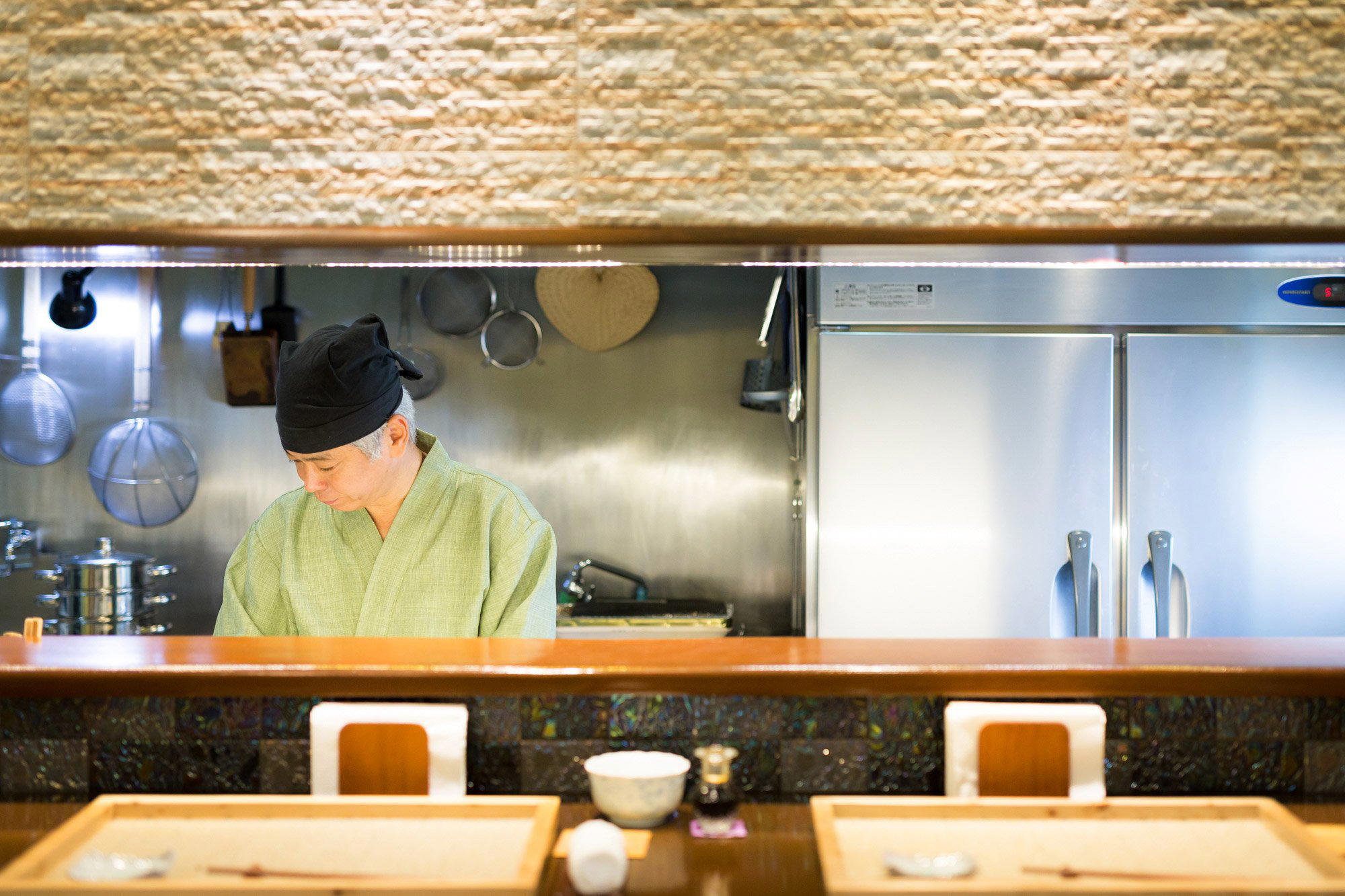
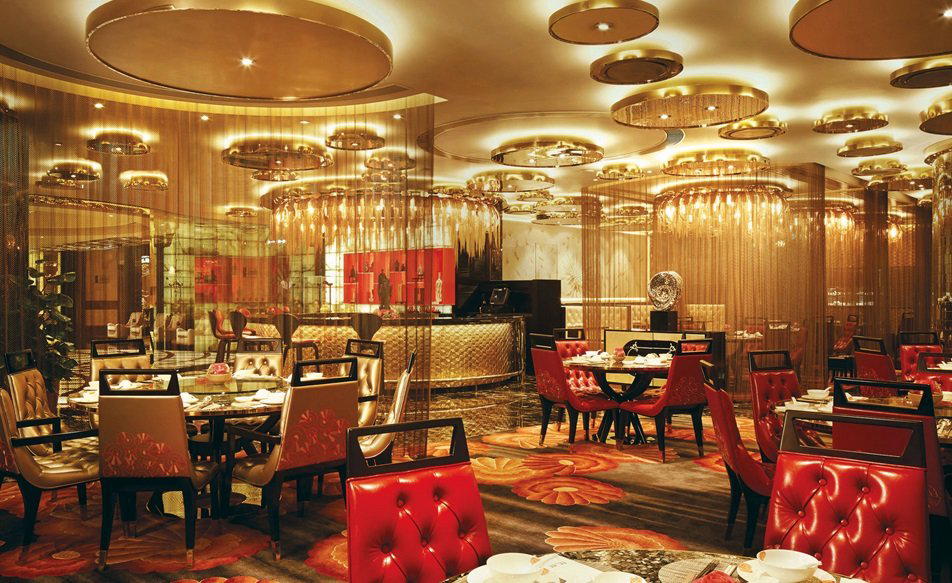
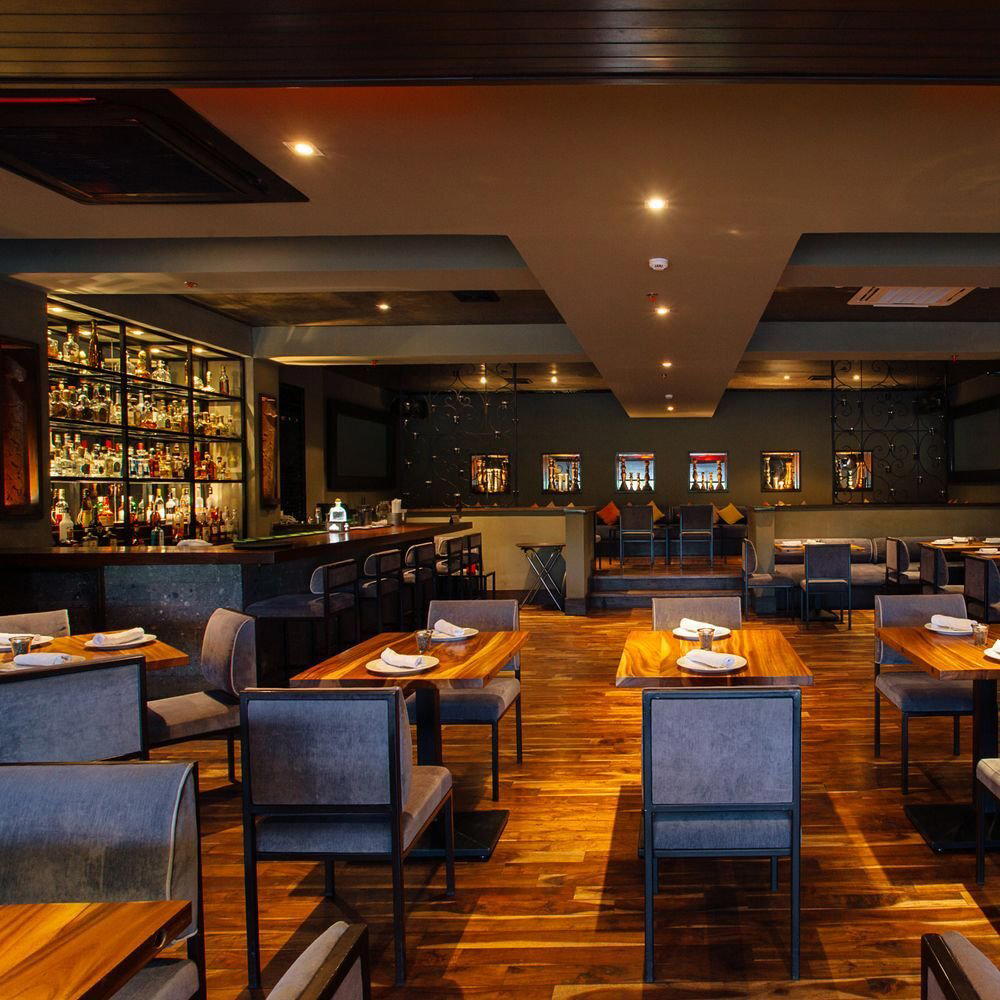
Intimate counter setting with warm, personalized service; traditional Japanese decor creates an authentic atmosphere that transports diners to Japan; soft lighting and quiet ambiance conducive to focused dining.