Noe

Wine Spectator Best of Award of Excellence
Our verdict
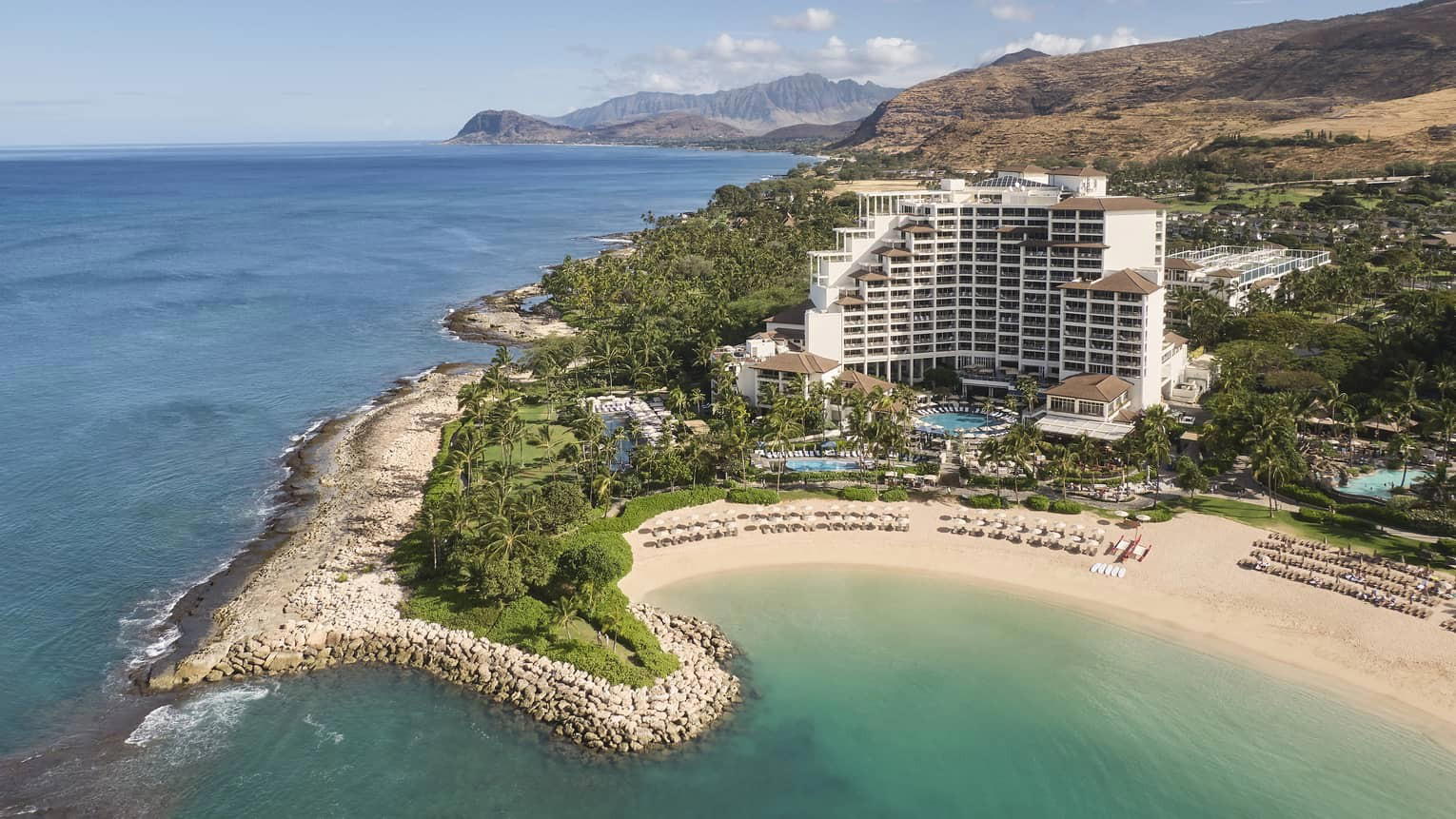
Noe sits within Ko Olina's resort corridor on Oahu's west coast, a dining address shaped by the island's remarkable agricultural and oceanic proximity. Hawaii's position at the crossroads of Pacific ingredient traditions gives the kitchen a sourcing geography few mainland restaurants can replicate. For visitors to the Ko Olina area, it represents a measured alternative to the resort dining mainstream.

Pearl is the En Primeur Club membership app, where members save venues, book tables and use the concierge.
The menu
What to order
- Noe Signature Tagliatelle
- King Crab Campanelle
- Tiramisu
- Spaghetti and Lobster
- Whipped Ricotta
Where the Pacific Meets the Plate
Ko Olina occupies a stretch of Oahu's leeward coast that most visitors reach by driving past sugarcane fields and the flat agricultural plains of Kapolei. The resort enclave at 92-1001 Olani Street sits far enough from Waikiki to feel deliberately removed from that corridor's density, and that physical distance matters for how dining here operates. West Oahu's culinary identity is quieter, less scrutinized by the food press, and more dependent on the quality of what the island itself supplies. That last point is where a restaurant like Noe draws its context.
Hawaii occupies an unusual position in American fine dining geography. The islands sit at the convergence of Pacific Rim ingredient traditions, deep-water fishing grounds, and a locavore agricultural movement that has been building momentum since the 1990s. Farms on the North Shore and the Big Island's volcanic slopes supply produce that mainland kitchens import at considerable cost and diminished freshness. Chefs working in Hawaii who take sourcing seriously are operating with an inherent structural advantage that their counterparts at Le Bernardin in New York City or Providence in Los Angeles cannot replicate simply through logistics and budget.
The Sourcing Geography That Defines Hawaiian Resort Dining
Understanding where Ko Olina restaurant food comes from requires understanding Hawaii's agricultural paradox. The islands import a significant percentage of their food by volume, yet they also produce ingredients of a quality and specificity that would attract premium positioning anywhere in the world. Hawaiian walu, opah, and ahi from nearby Pacific waters; taro grown on Oahu's windward side; Hamakua mushrooms from the Big Island; Kona coffee and cacao from the volcanic districts, these are not interchangeable with mainland substitutes, and the restaurants that treat them as such are making a sourcing argument as much as a culinary one.
This is the tradition that contextualizes serious dining at the Ko Olina resort level. The integration of local Pacific ingredients into a menu is a signal about how a kitchen understands its geography. It parallels the farm-tethered commitments you find at Blue Hill at Stone Barns in Tarrytown or Single Thread Farm in Healdsburg, where the relationship between ingredient origin and dining experience is explicit rather than incidental. In Hawaii, that relationship is encoded into the islands' culinary culture at a foundational level.
The broader American fine dining scene has been moving in this direction for years. Smyth in Chicago and The Wolf's Tailor in Denver have built reputations partly on sourcing programs that position local provenance as a primary quality signal. Oyster Oyster in Washington, D.C. takes this further, building its entire menu concept around hyperlocal ecological sourcing. The Hawaiian context differs in that the sourcing case is almost self-evident: you are on islands in the middle of the Pacific, surrounded by fishing grounds and microclimates that produce ingredients unavailable anywhere else.
Ko Olina in the Context of Hawaii's West Coast Dining
Ko Olina is primarily a resort destination, and resort dining in Hawaii operates in a specific register. The audience is largely transient, the expectations are calibrated to vacation spending patterns, and the competition is drawn from other hotel restaurants rather than from urban neighborhood dining scenes. This is a different environment than the competitive pressure faced by Addison in San Diego or Frasca Food and Wine in Boulder, where sustained local repeat business disciplines the kitchen over years.
Resort dining can be its own form of rigor, however. The expectation in a luxury Ko Olina property is that the food will reflect where you are. Menus that could be transplanted to a Scottsdale or Miami resort without alteration represent a missed sourcing opportunity. The more credible version of Hawaiian resort dining takes the locational advantage seriously, building menus around seasonal Hawaiian produce, fresh Pacific catches, and the island's distinctive agricultural outputs. Visitors planning an evening at Noe as part of a Ko Olina stay should consult our full Ko Olina restaurants guide for comparative context across the resort area's dining options.
The broader scene for ingredient-driven dining in the United States provides useful reference points. Bacchanalia in Atlanta has operated a farm-sourced model for decades, long before locavorism became a marketing category. The Inn at Little Washington maintains its own kitchen garden as part of a sourcing philosophy that extends to its three Michelin stars. The French Laundry in Napa sources from an on-property garden directly across the street. These are precedents that demonstrate how seriously the question of ingredient origin matters at the highest level of American dining.
Pacific Ingredient Traditions and Menu Logic
Hawaii's culinary traditions are layered in a way that sets them apart from any mainland American regional cuisine. Native Hawaiian preparations built around taro, poi, and fresh ocean fish coexist with Japanese, Chinese, Filipino, Korean, and Portuguese culinary influences brought by successive waves of plantation-era immigration. The result is a genuine multicultural food culture, not fusion in the superficial sense, but a set of deeply rooted community food traditions that have been interacting for more than a century. ITAMAE in Miami and Atomix in New York City illustrate how Asian-influenced culinary lineages can operate at a sophisticated level in American dining contexts. In Hawaii, those lineages are woven into everyday cooking at every price point.
For the visitor approaching Ko Olina's dining options with serious intent, the question to ask of any restaurant is whether the menu reflects this layered tradition or imports a generic fine dining format. The sourcing argument and the cultural argument are connected: a kitchen that draws on Hawaii's agricultural and oceanic proximity is also, by extension, engaging with the island's cultural food history in a more grounded way. Lazy Bear in San Francisco and Emeril's in New Orleans each ground their menus in a specific regional food culture. The parallel expectation in a Hawaiian dining room is that the plate should tell you something about where you are that you could not learn anywhere else.
Planning Your Visit
Noe is located at 92-1001 Olani Street in Kapolei, within the Ko Olina resort area on Oahu's west coast, approximately 26 miles from Honolulu International Airport by H-1 freeway. Visitors staying within the resort can typically walk or use property transportation. Evening arrivals from Honolulu are most direct on weekdays, when the H-1 westbound commuter traffic has cleared. Atelier Moessmer Norbert Niederkofler in Brunico offers an instructive European parallel for how a geographically specific sourcing commitment can anchor an entire restaurant's identity in a resort or destination context. The principle transfers directly to Ko Olina.
Frequently asked questions
Is Noe child-friendly?
Ko Olina is a family-oriented resort corridor, and restaurants operating within it generally accommodate children. Noe sits at 92-1001 Olani Street in Kapolei, inside that family-resort context.
What kind of setting is Noe?
Noe is positioned within Ko Olina's resort cluster on Oahu's leeward coast, roughly 26 miles west of Honolulu International Airport. That placement puts it outside Honolulu's urban dining density, in a corridor built around resort hospitality rather than neighbourhood walk-in traffic. The atmosphere skews toward guests staying within the Ko Olina development rather than diners making a destination trip from the city.
How far is Noe from Honolulu, and is it worth the drive from the city?
Noe is located at 92-1001 Olani Street in Kapolei, approximately 26 miles from Honolulu International Airport on Oahu's leeward coast. For visitors already based in Ko Olina, it functions as a convenient in-resort option. Those staying in Waikiki or central Honolulu should weigh the 40-to-60-minute drive against Honolulu's considerably denser restaurant offering before making the trip specifically for this meal.
What should I eat at Noe?
Hawaii's documented strength in Pacific seafood, ahi, opakapaka, and locally caught fish, makes those the most credible choices at any Ko Olina restaurant with access to Oahu's supply chain. The islands' layered culinary traditions, drawing on Japanese, Filipino, Native Hawaiian, and Portuguese influences, also tend to shape what serious kitchens in this market put on the plate. Check the current menu directly with Noe at 92-1001 Olani Street, Kapolei, for confirmed offerings.
At-a-Glance Comparison
Comparable venues nearby, for context on price, style, and recognition.
| Venue | Cuisine | Price | Awards | Notes |
|---|---|---|---|---|
| NoeThis venue (the venue you are viewing) | Contemporary Southern Italian | $100–150 | Wine Spectator Best of Award of Excellence | Not listed |
| Noe | Contemporary Southern Italian | $100–150 | Wine Spectator Best of Award of Excellence | Ko Olina |
| Beach Tree Restaurant & Bar | Coastal Italian | Not listed | Wine Spectator Award of Excellence | Kaupulehu |
| Cino | Modern Italian Chophouse & Crudo Bar | Not listed | Not listed | Ala Moana |
| Baci Bistro | Italian Bistro | $30–50 | Not listed | Kailua |
Recognition history
Dated appearances from independent guides and award organizations, with the underlying list record or original source where available.
Wine Spectator Best of Award of Excellence
Wine Spectator
Continue exploring
More in Kapolei
Restaurants in Kapolei
All restaurants in Kapolei →
Bars in Kapolei
Browse all →


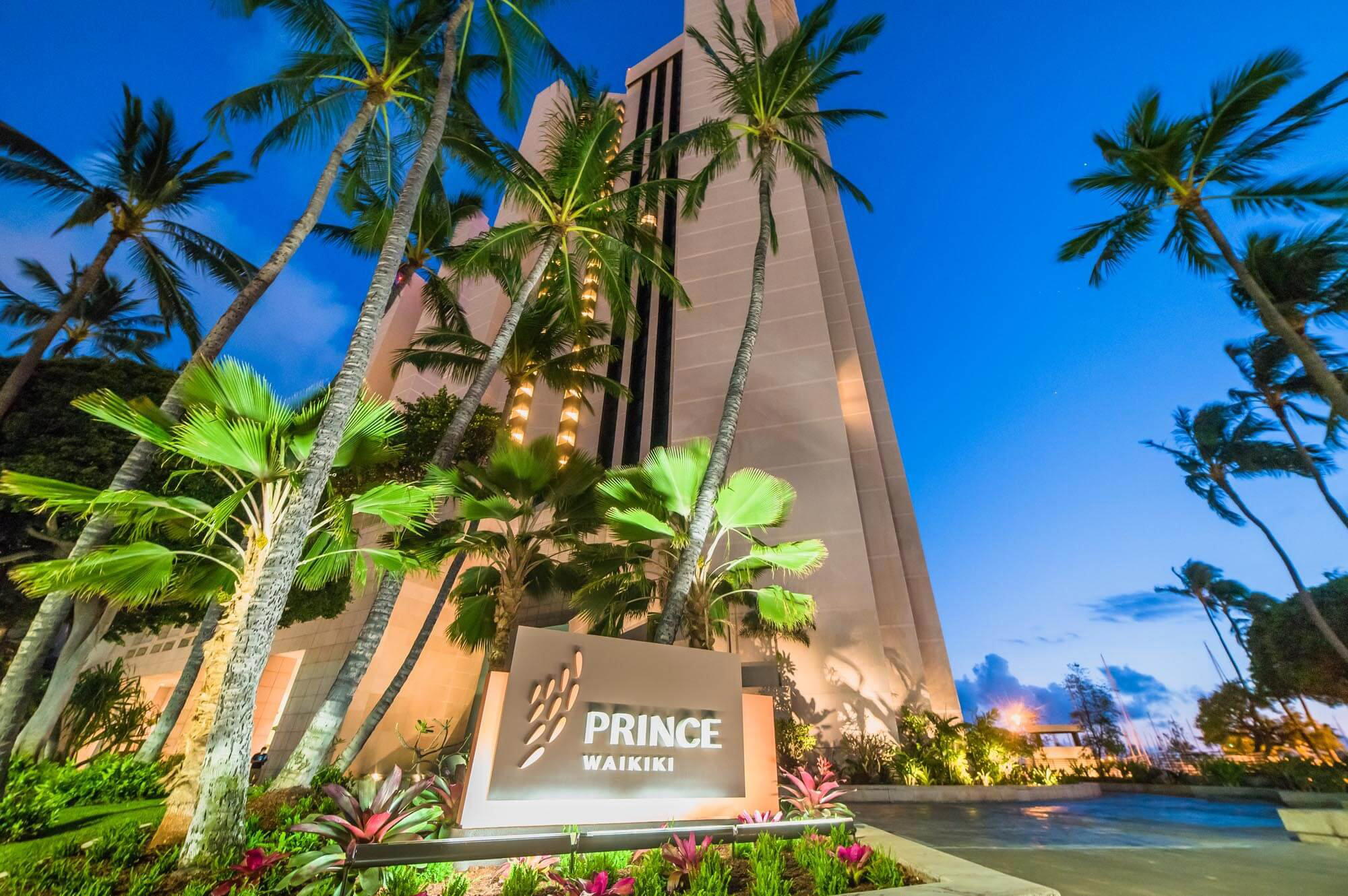
Noe
The wine
Noe holds the Wine Spectator Best of Award of Excellence, which Wine Spectator gives to lists of usually 350 or more selections.
- Wine Spectator
- Wine Spectator Best of Award of Excellence
- Extensive wine list
- Sommelier-led
- Craft cocktails
Details
- Romantic
- Elegant
- Sophisticated
- Scenic
- Date Night
- Celebration
- Special Occasion
- Family
- Waterfront
- Garden
- Terrace
- Hotel Restaurant
- Panoramic View
- Extensive Wine List
- Craft Cocktails
- Sommelier Led
- Local Sourcing
- Garden
- Waterfront
Current opening hours
- Monday
- 5–9 PM
- Tuesday
- 5–9 PM
- Wednesday
- 5–9 PM
- Thursday
- 5–9 PM
- Friday
- 5–9 PM
- Saturday
- 5–9 PM
- Sunday
- 5–9 PM
Hours can change for holidays and private events. Hours as of .
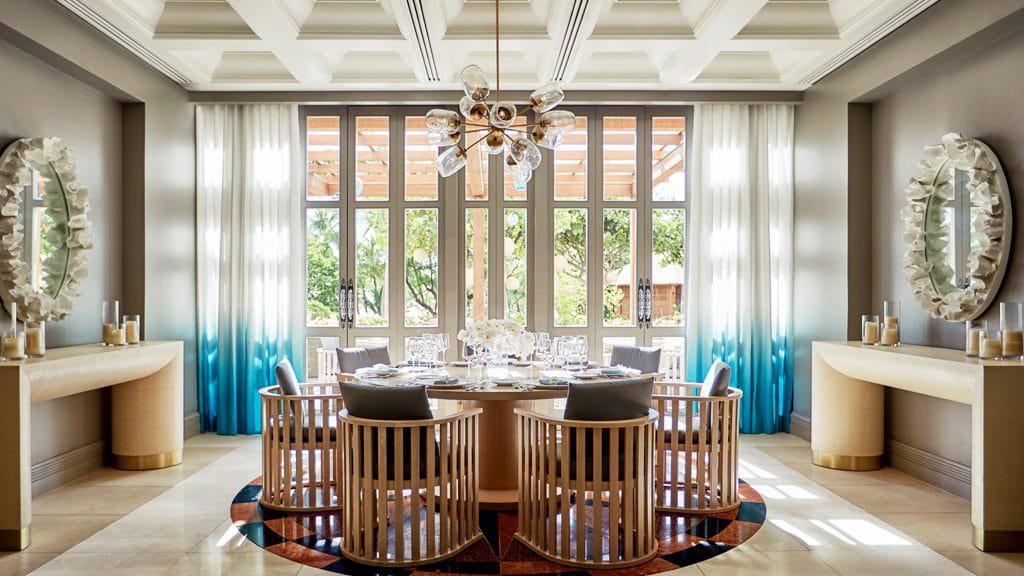
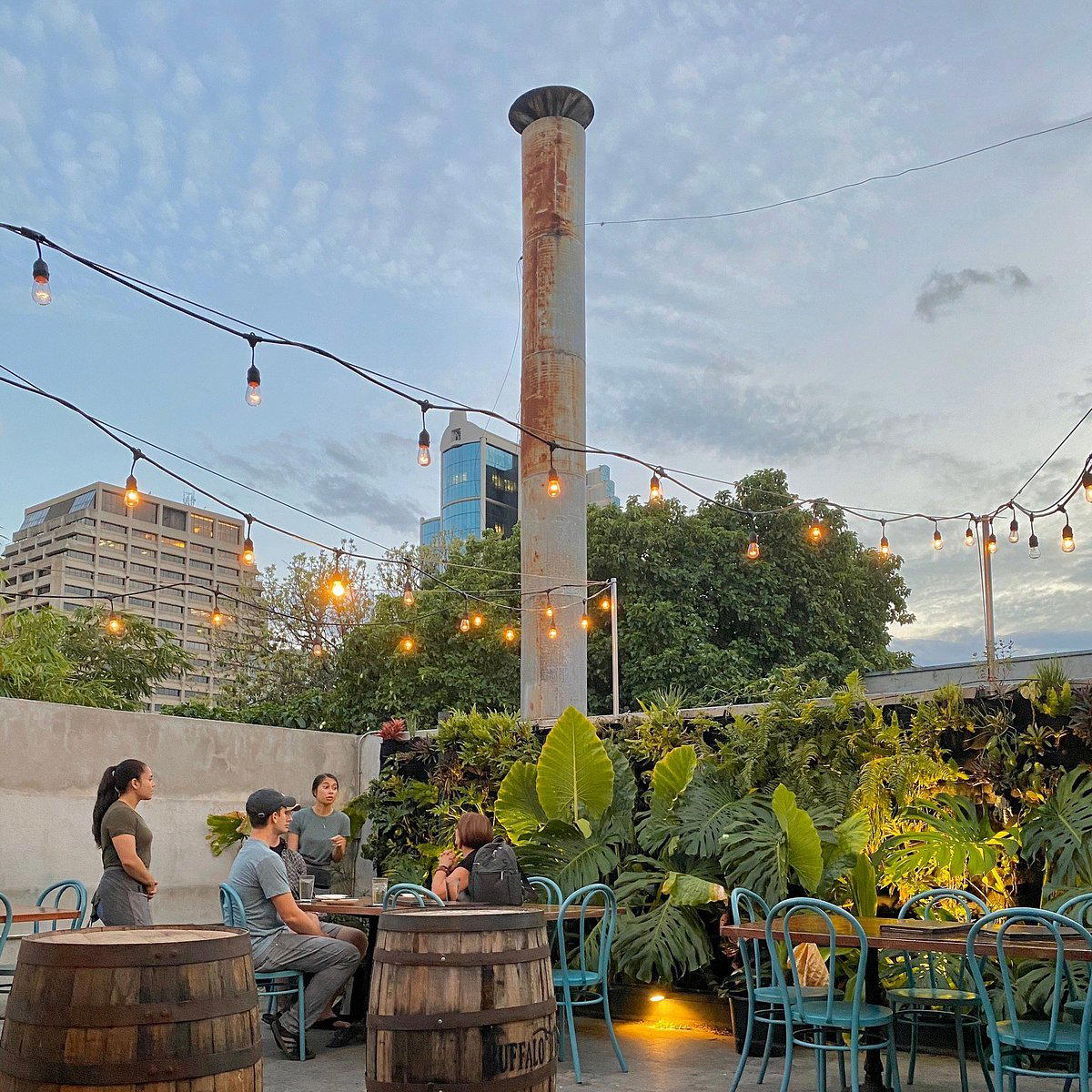
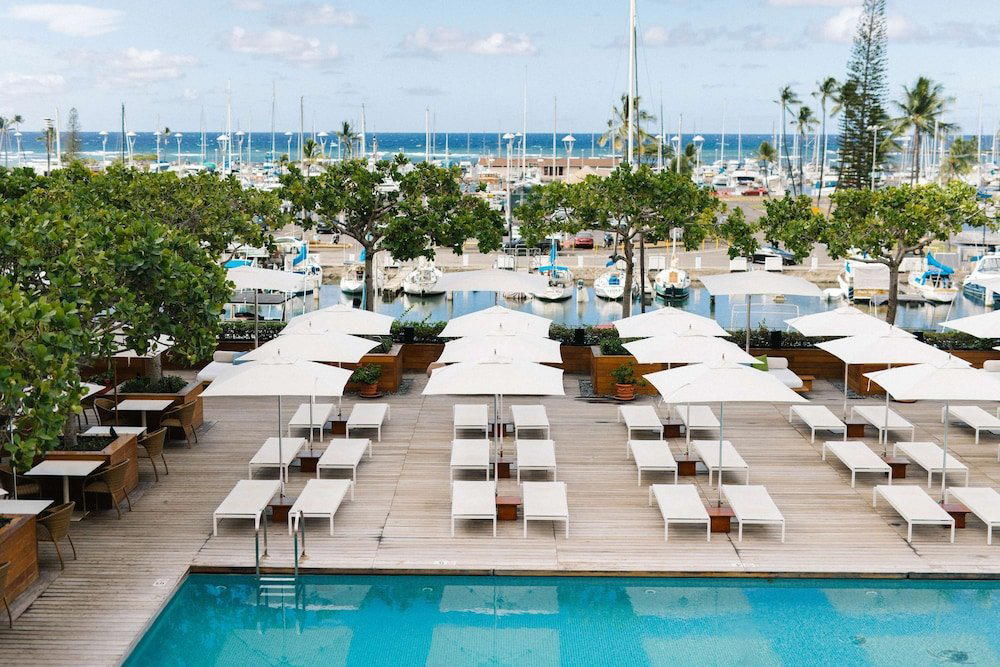
Warm, romantic outdoor patio with understated sophistication, strung lights throughout trees, sunset views, and a serene garden setting with koi fish and water features; interior is modern and minimalist.