La Hiki
Our verdict
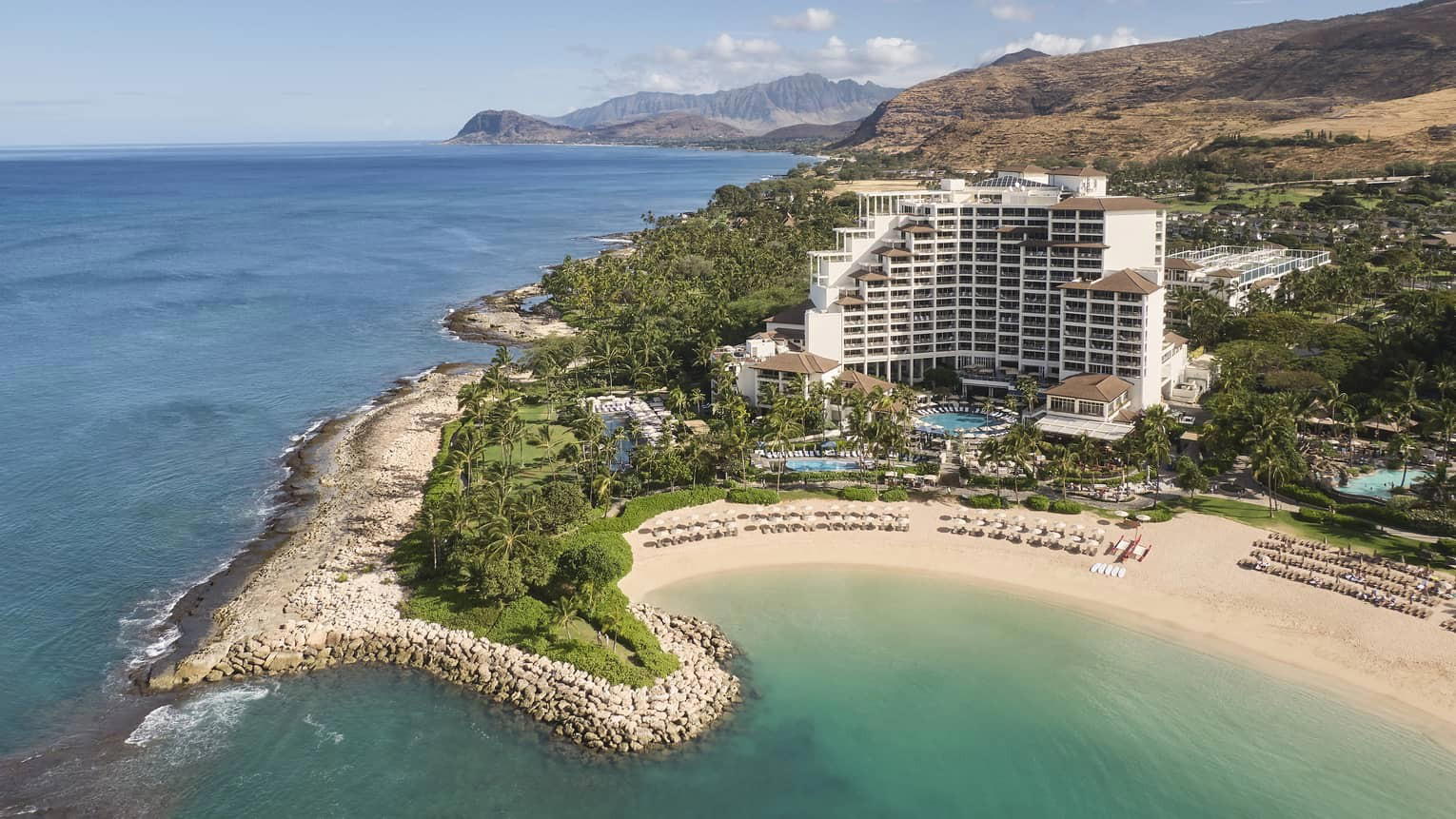
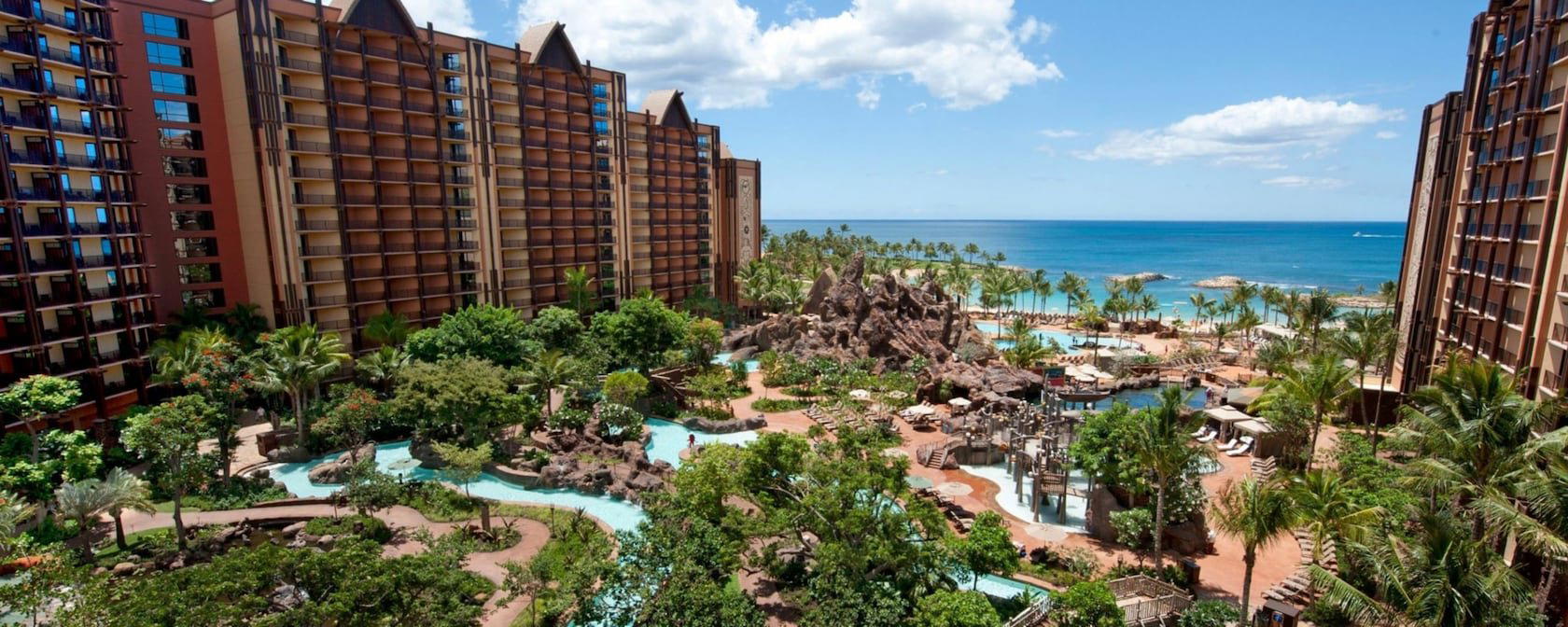
La Hiki sits within the Ko Olina resort corridor on Oahu's west side, a part of the island that has quietly built a dining scene distinct from Honolulu's restaurant density. Positioned among Kapolei's growing roster of resort-anchored tables, it occupies a stretch of the island where the Pacific horizon shapes the room as much as the kitchen does.

Pearl is the En Primeur Club membership app, where members save venues, book tables and use the concierge.
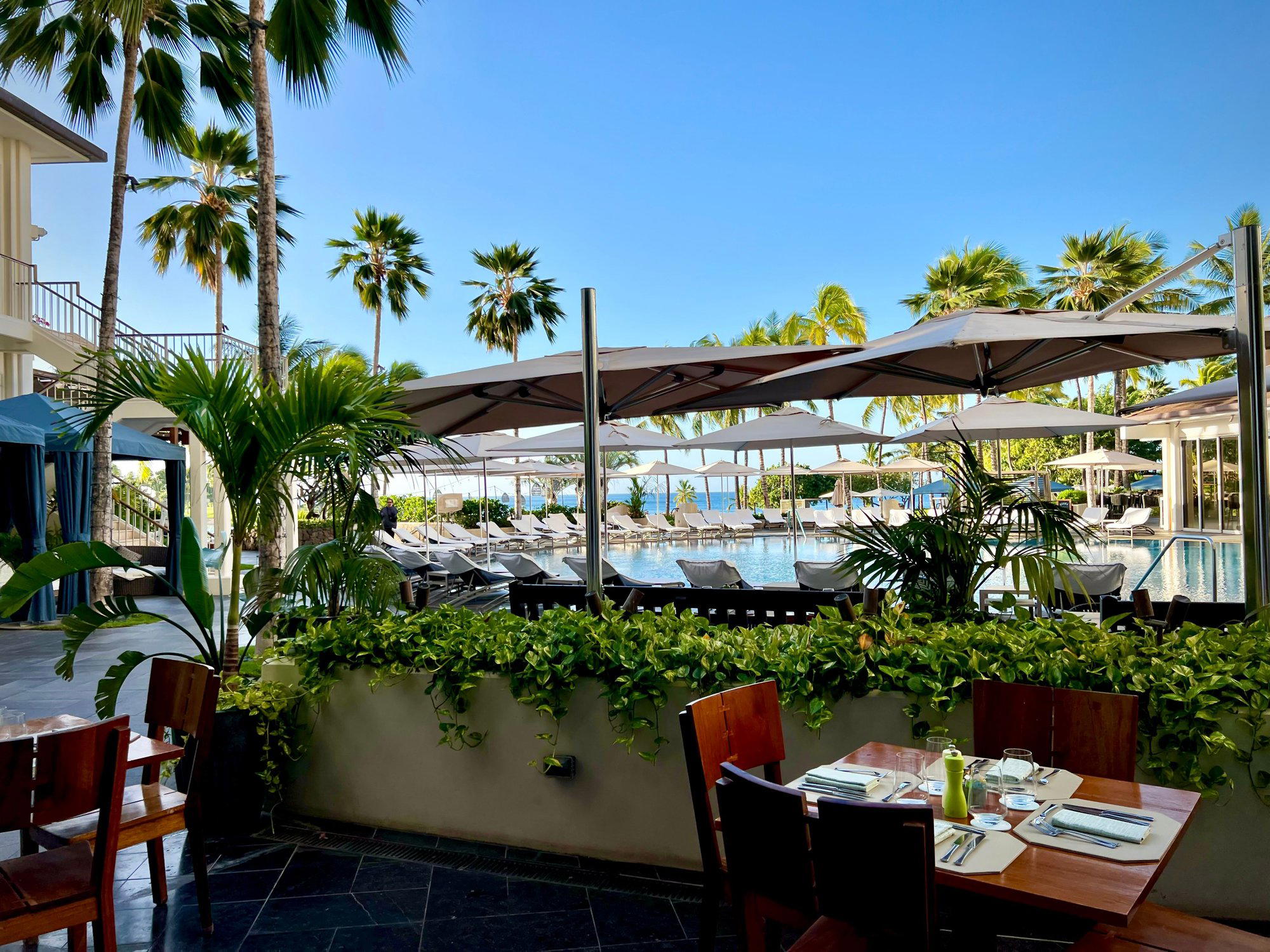
West Oahu's Resort Corridor and Where La Hiki Fits
Ko Olina has spent the better part of two decades assembling a hospitality identity separate from Waikiki's concentrated tourism infrastructure. The lagoon-fronting resort strip along Oahu's western coast now houses a set of dining rooms that draw from a different playbook than the island's urban center: fewer izakaya counters and plate-lunch institutions, more open-air terraces calibrated for resort pacing. La Hiki, addressed on Olani Street in Kapolei, sits inside that corridor, a dining room whose context is shaped as much by the Ko Olina environment as by anything on the plate.
That west-side positioning matters more than it might appear. Kapolei has historically been a secondary market for serious dining, with most attention flowing east toward Honolulu and the restaurant concentration around Chinatown, Kaka'ako, and Waikiki. But the resort build-out at Ko Olina has changed the calculus, drawing properties and dining programs that compete on a different register, measured against resort-adjacent peers rather than Honolulu's standalone restaurant scene. For more on the broader dining picture in this part of the island, see our full Kapolei restaurants guide.
The Physical Setting as the Primary Argument
Resort-anchored dining rooms on Oahu tend to make a version of the same argument: the environment does the heavy lifting, and the kitchen either supports or undermines it. The west side of the island catches sunset light differently than Waikiki, the angle is wider, the horizon less cluttered, and the lagoon geometry at Ko Olina creates an artificial intimacy that the open reef coastline elsewhere doesn't offer. A dining room positioned to use that light and water relationship starts from a structural advantage that no amount of culinary effort can replicate from a landlocked address.
Among the Kapolei dining set, La Hiki occupies a different register than the casual formats. Kalapawai Cafe & Deli operates as a neighborhood deli-café format; DB Grill sits closer to the poolside grill category. La Hiki's address and resort positioning place it in a more formal tier, where the expectation is a composed dining experience rather than a quick stop.
Hawaii Regional Cuisine and the West Side Expression
The broader tradition La Hiki participates in is Hawaii Regional Cuisine, a movement that coalesced in the early 1990s around a group of chefs who argued that Hawaiian cooking should draw from local farmers, fishermen, and ranchers rather than defaulting to continental imports. That argument has since become table stakes across the island's better dining rooms, but the execution varies considerably depending on location, supply relationships, and format.
On the west side, the supply lines run differently than they do for Honolulu restaurants with established vendor relationships. The proximity to the Waianae coast and the agricultural zones further inland creates a different set of sourcing possibilities, though resort-scale operations also impose their own constraints on how locally a kitchen can realistically source. This tension between aspiration and operational reality defines much of Hawaii's resort dining, and the west side is no exception.
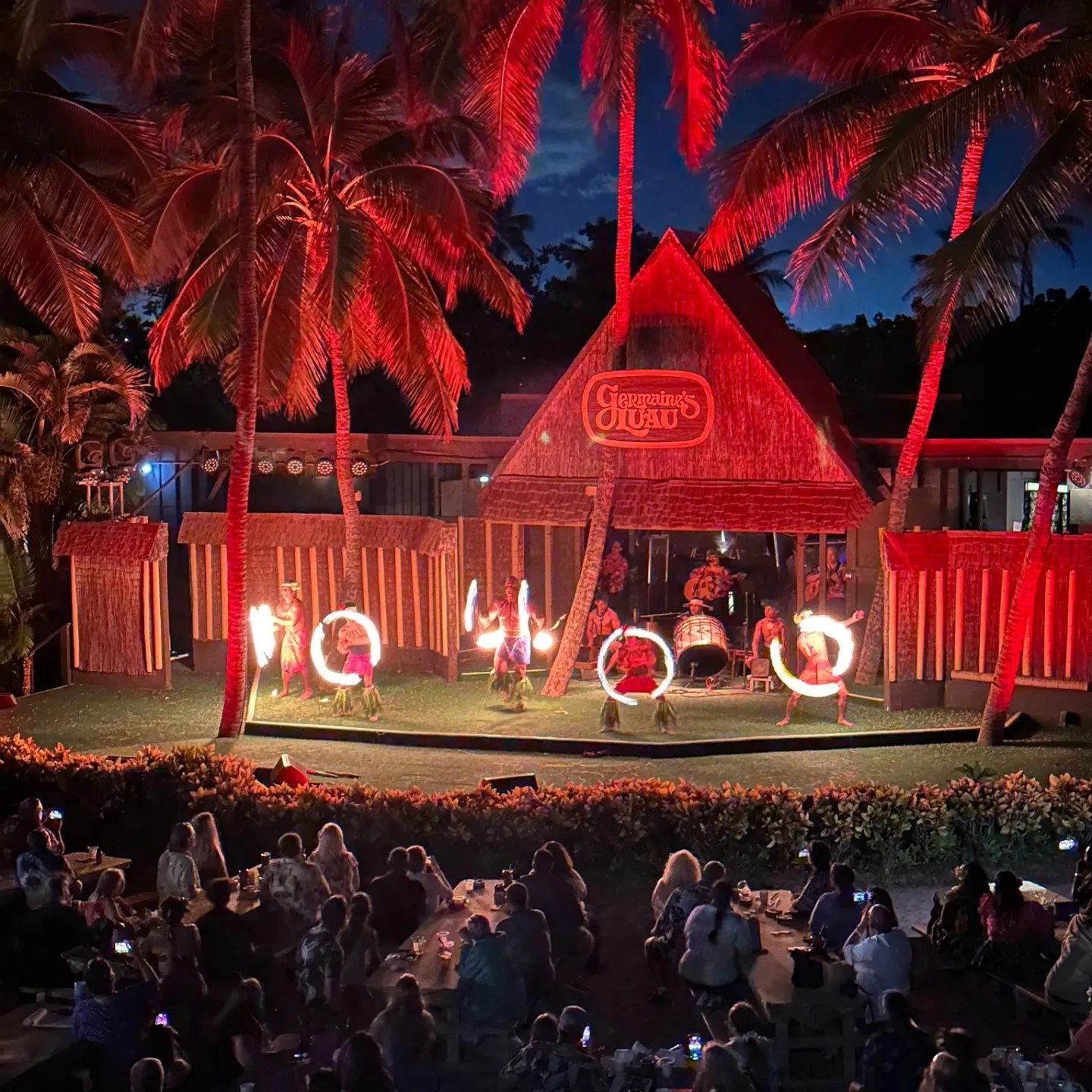
Comparable resort-anchored approaches to Hawaii Regional Cuisine appear at Ama 'Ama within the Ko Olina corridor, and at Mahi 'ai Table, which takes an explicitly farm-to-table position in the same market. Germaine's Luau addresses the cultural and ceremonial dimension of Hawaiian food in a large-format event setting, a different category entirely, but one that illustrates the range of dining formats the west side now supports.
Positioning Against the National Resort-Dining Tier
Resort dining in the United States has bifurcated sharply over the past decade. One segment has pushed toward serious culinary credentialing, importing techniques and talent that compete with standalone urban restaurants. Examples of that ambition appear across the country: the farm-integration model at Blue Hill at Stone Barns in Tarrytown, the precision-driven tasting format at Single Thread Farm in Healdsburg, or the long-standing benchmark status of The French Laundry in Napa. These represent the upper bracket of what resort-adjacent or destination-driven American dining looks like at its most credentialed.
A second segment has leaned into the setting itself as the primary product, views, air, light, and the accumulated ease of a well-run resort environment, with the kitchen delivering competent rather than ambitious cooking. Hawaii's resort corridor dining has historically occupied that second segment more than the first, with a few notable exceptions.
Internationally, the contrast is even sharper: rooms like 8 1/2 Otto e Mezzo Bombana in Hong Kong demonstrate what happens when culinary ambition and resort-tier service infrastructure combine at the leading end. Domestically, Addison in San Diego and Providence in Los Angeles illustrate how the California-Pacific corridor has produced serious dining rooms that hold their own against the setting. Hawaii's equivalent development is slower but visible.
Planning a Visit
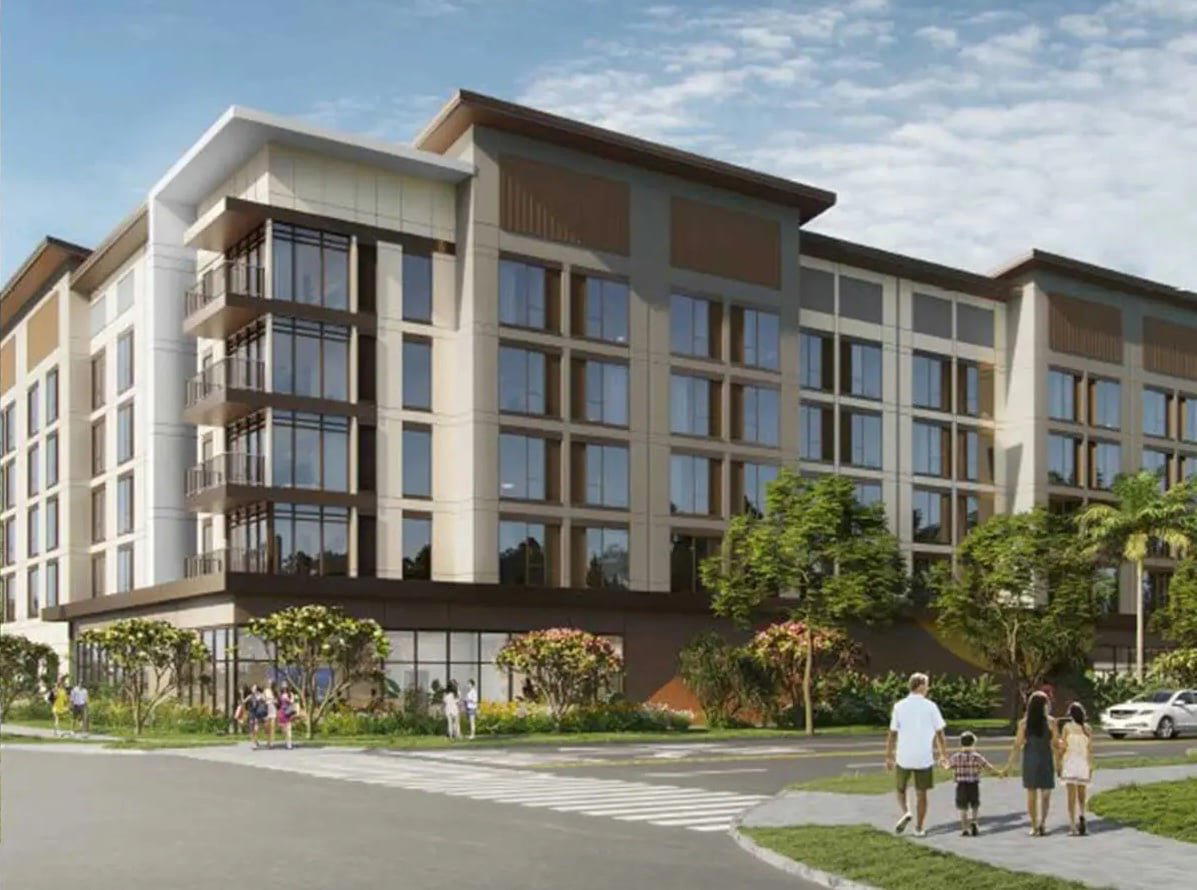
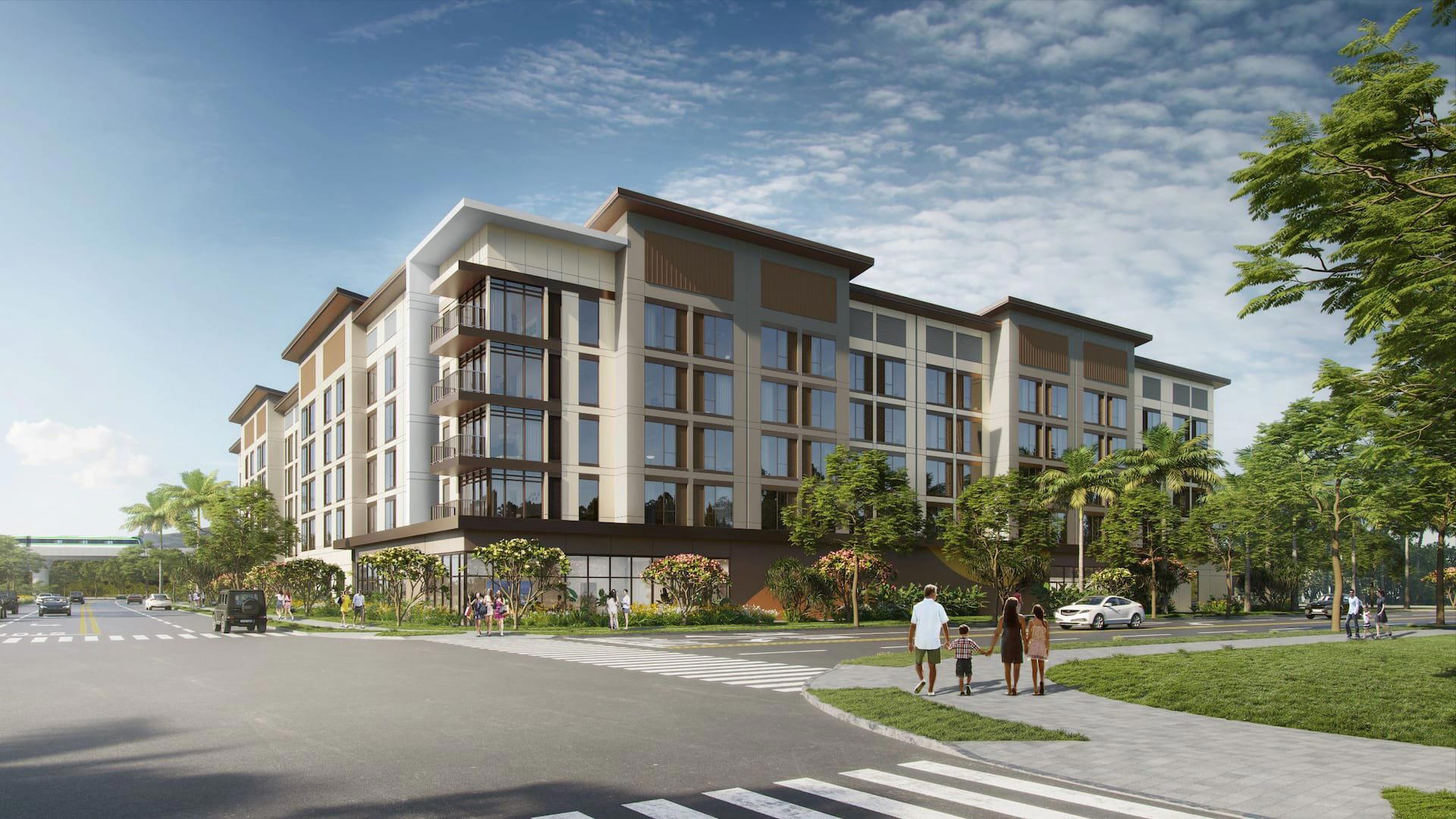
La Hiki's address at 92-1001 Olani Street in Kapolei places it within the Ko Olina resort zone, roughly 27 miles west of downtown Honolulu via H-1. That distance makes it a committed destination from the city, but a natural anchor for guests staying in the Ko Olina properties. Visitors making the drive from Honolulu should account for H-1 westbound traffic, which thickens considerably in the late afternoon, timed well, the drive takes under 40 minutes; timed poorly, it can double. For those already on the west side, the resort corridor is self-contained enough that an evening at La Hiki requires no further logistics beyond the meal itself.
Given the resort setting and its positioning within the Ko Olina dining tier, advance contact is advisable for weekend evenings and during peak Hawaii travel windows, which run roughly from mid-December through early January and again in June and July. The shoulder months of April and September tend to offer both lighter crowds and the opportunity to engage more deliberately with the dining room rather than navigating peak-season volume.
Frequently asked questions
What part of town is La Hiki in?
La Hiki is located at 92-1001 Olani St, Kapolei, HI 96707, Kapolei.
Is La Hiki a good option for dining in Ko Olina if I'm staying outside the resort zone?
La Hiki's location at 92-1001 Olani Street in Kapolei is accessible via H-1, approximately 27 miles west of downtown Honolulu, making it a viable destination for non-resort visitors travelling from Waikiki or central Oahu. The Ko Olina corridor is designed around self-contained resort infrastructure, so parking and access are generally straightforward for outside guests. Confirming any access or reservation requirements directly with the property before making the drive is advisable.
What do people recommend at La Hiki?
La Hiki's menu draws from the Hawaii Regional Cuisine tradition, which centres on locally sourced ingredients from Oahu and the broader Hawaiian islands. Given the restaurant's position within Ko Olina's resort corridor in Kapolei, seafood-forward preparations and island-grown produce tend to anchor menus in this regional category. For current dish recommendations, checking directly with the property ahead of your visit is the most reliable approach.
Should I book La Hiki in advance?
Ko Olina's resort zone at 92-1001 Olani Street in Kapolei draws a concentrated pool of guests from the surrounding properties, which limits walk-in availability during Hawaii's peak winter and summer travel periods. Reserving a table ahead of arrival is the practical approach, particularly for weekend dinners or holiday travel windows.
What do critics highlight about La Hiki?
The broader context is useful here: Ko Olina's dining scene has attracted editorial attention as a counterpoint to Waikiki, with the west Oahu resort corridor positioning itself as a more self-contained hospitality destination. La Hiki's alignment with Hawaii Regional Cuisine places it within a tradition that has received sustained critical recognition since the movement's emergence in the early 1990s.
The Short List
Comparable venues nearby, for context on price, style, and recognition.
| Venue | Cuisine | Price | Awards | Notes |
|---|---|---|---|---|
| La HikiThis venue (the venue you are viewing) | Continental American with Hawaiian Influences | $50–100 | Not listed | Not listed |
| Mahi 'ai Table | Local Hawaiian Farm-to-Table | $30–50 | Not listed | Kapolei, Local Hawaiian Farm-to-Table |
| Roy's Ko Olina | Hawaiian Fusion | $50–100 | Not listed | Ko Olina, Hawaiian Fusion |
| Germaine's Luau | Traditional Hawaiian Luau | $100–150 | Diners, Drive-Ins and Dives Featured Restaurant | Kapolei, Traditional Hawaiian Luau |
| Longhi's Ko Olina | Italian Steakhouse & Seafood | $50–100 | Star Wine List · Wine Spectator Award of Excellence | Kapolei, Italian Steakhouse & Seafood |
| DB Grill | Modern Asian Bistro | $20–30 | Not listed | Kapolei Commons, Modern Asian Bistro |
Continue exploring
More in Kapolei
Restaurants in Kapolei
All restaurants in Kapolei →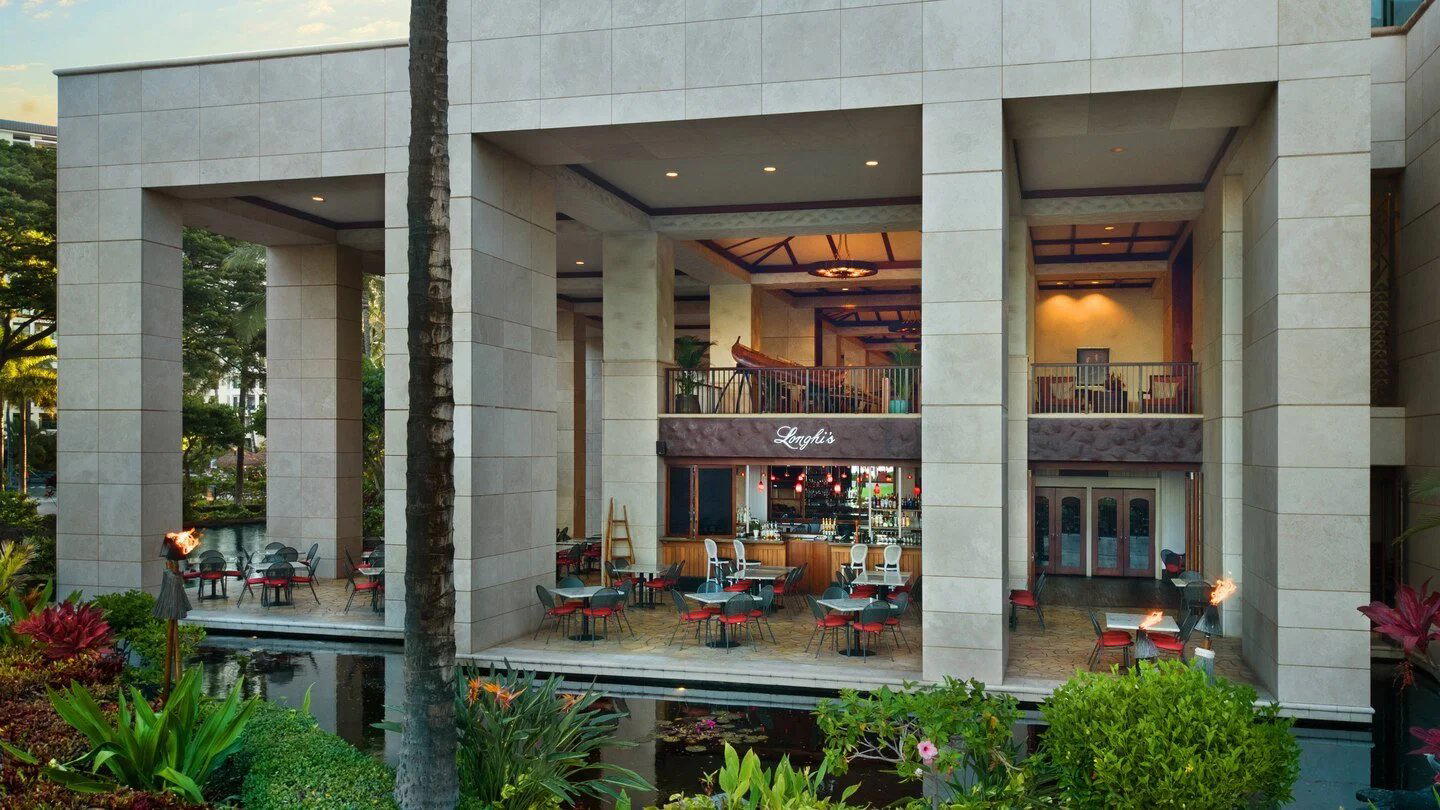
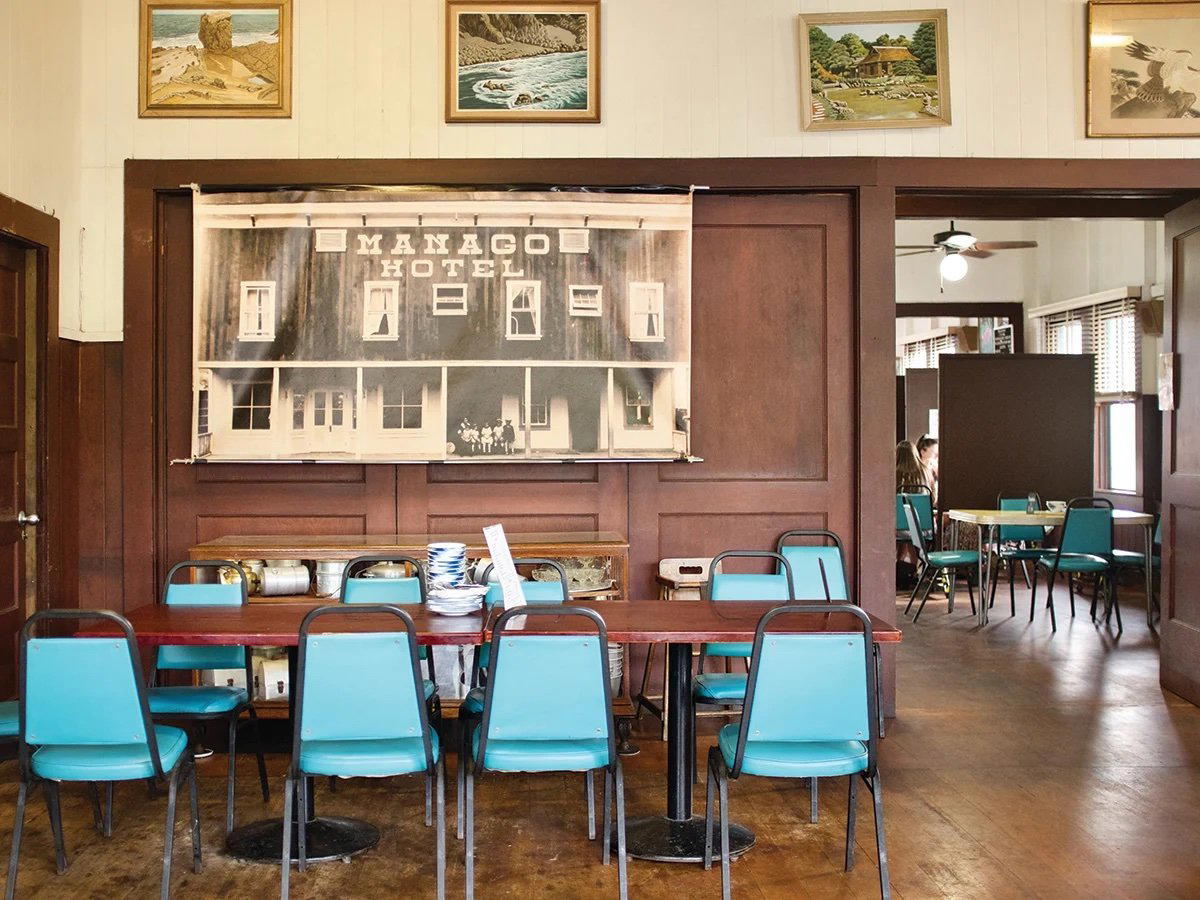
Bars in Kapolei
Browse all →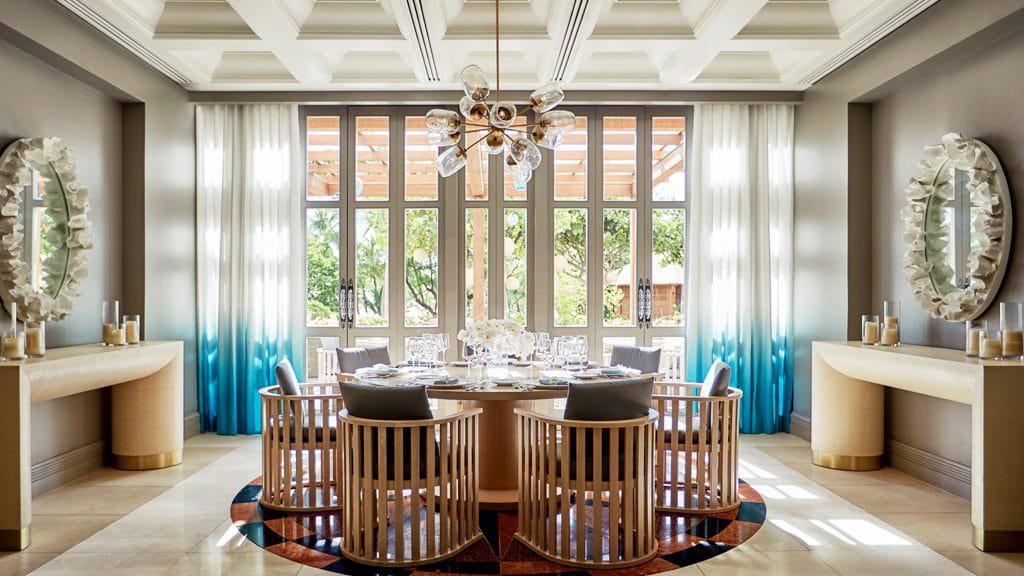
Details
- Elegant
- Scenic
- Modern
- Brunch
- Family
- Celebration
- Open Kitchen
- Terrace
- Hotel Restaurant
- Craft Cocktails
- Sake Program
- Farm To Table
- Local Sourcing
- Garden
- A La Carte
- Buffet
- Craft Cocktails
- Vegetarian Friendly
- Vegan Options
- Gluten Free Options
Current opening hours
- Monday
- 6 AM–3 PM
- Tuesday
- 6 AM–3 PM
- Wednesday
- 6 AM–3 PM
- Thursday
- 6 AM–3 PM
- Friday
- 6 AM–3 PM
- Saturday
- 6 AM–3 PM
- Sunday
- 6 AM–3 PM
Hours can change for holidays and private events. Hours as of .
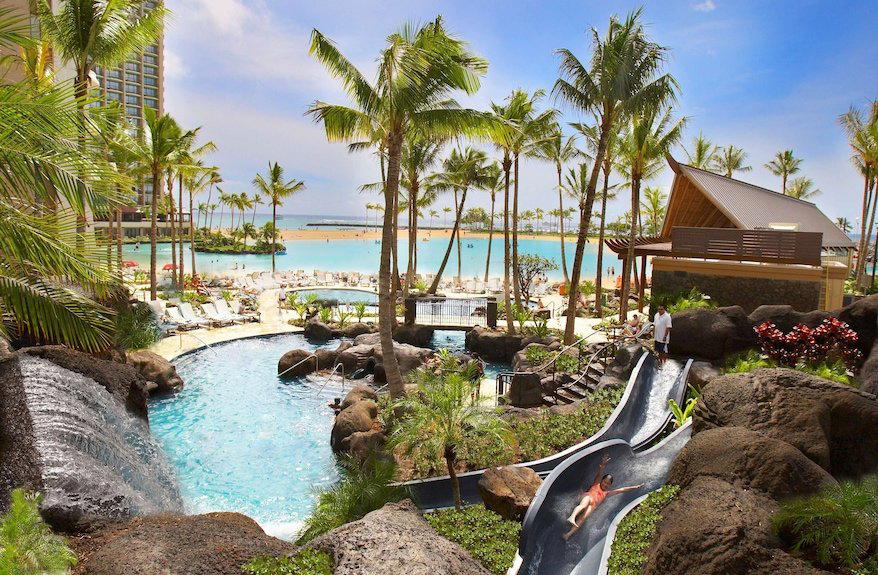
Open-air dining beside lush tropical grounds and waterfalls with a casual yet refined resort atmosphere.