Kalachandji's
Our verdict
On a quiet East Dallas street, Kalachandji's has served vegetarian fare rooted in the Hare Krishna tradition for decades, making it one of the few places in Texas where temple cooking meets a sit-down dining room. The buffet-style format, garden courtyard, and absence of meat, fish, or eggs set it apart from the city's mainstream restaurant scene. It is a practical and culturally distinctive choice for plant-based diners in Dallas.

Pearl is the En Primeur Club membership app, where members save venues, book tables and use the concierge.
The menu
What to order
- Panir Masala
- BBQ Tofu
- Pakora with Tamarind Chutney
- Vanilla Sweet Rice Khir
- Pineapple-Coconut Halvah
Temple Cooking in East Dallas
There is a particular category of restaurant that escapes standard critical frameworks: the venue whose identity is inseparable from a spiritual tradition rather than a culinary one. Kalachandji's, located at 5430 Gurley Ave in the Lakewood-adjacent neighborhood of East Dallas, belongs to that category. The dining room and garden are part of the Hare Krishna temple complex that surrounds them, and the food served here follows the principles of sattvic cooking, a vegetarian tradition rooted in Vedic philosophy that avoids not only meat, fish, and eggs but also onion and garlic, ingredients considered stimulating rather than purifying in that tradition. That constraint, which would read as a liability in most commercial contexts, is the organizing logic of everything on the plate.
Dallas's dining scene runs toward steakhouses, Tex-Mex, and a growing collection of chef-driven rooms. For visitors oriented around that circuit, say, the refined Southwestern flavors at Fearing's or the Japanese precision at Tatsu Dallas, Kalachandji's operates in a separate register entirely. It is not competing with those rooms for the same diner on the same night. It occupies a niche that has almost no parallel in Texas: a functioning religious institution that also runs one of the state's longest-standing vegetarian restaurants.
The Setting: Garden, Temple, Courtyard
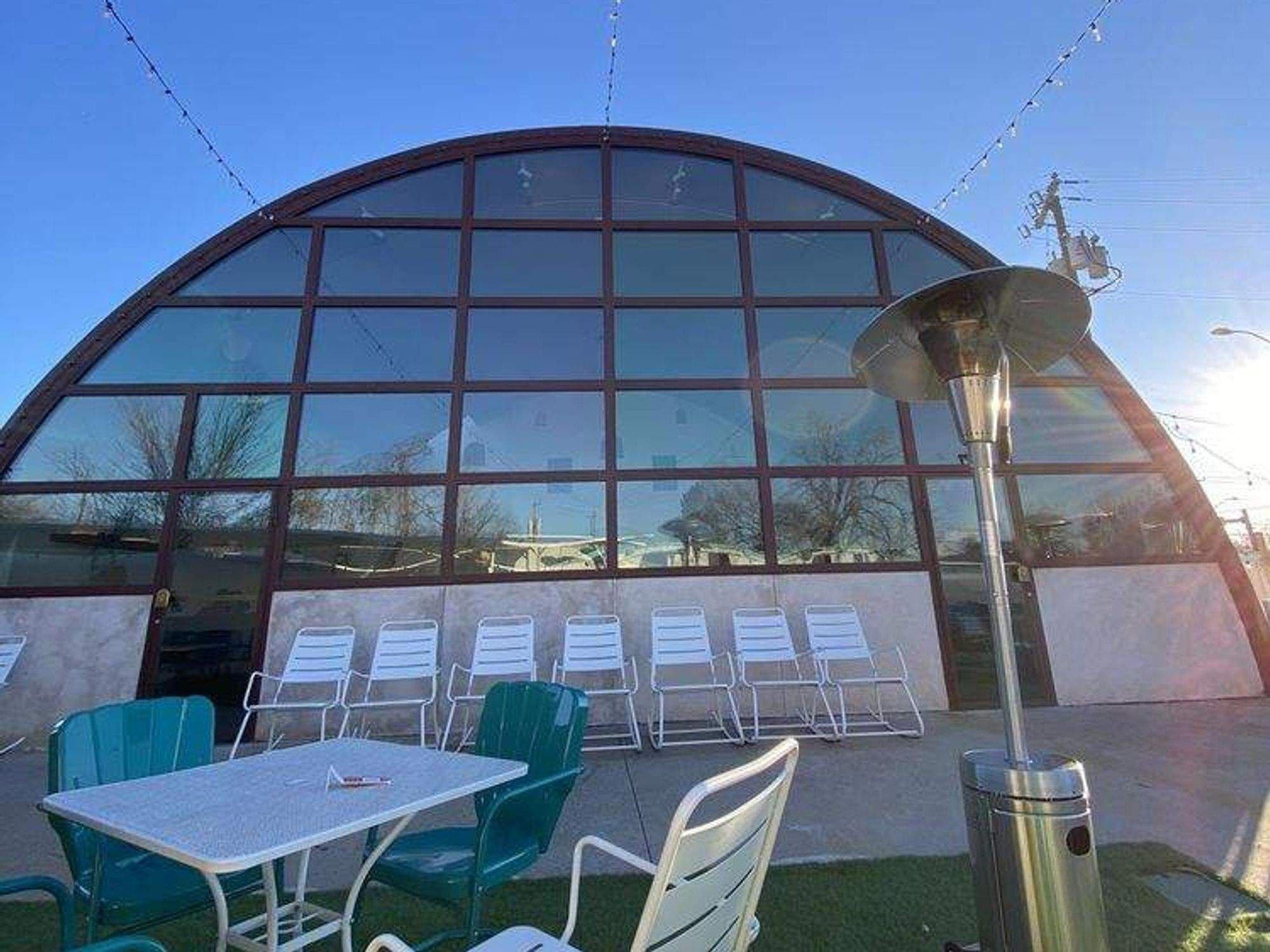
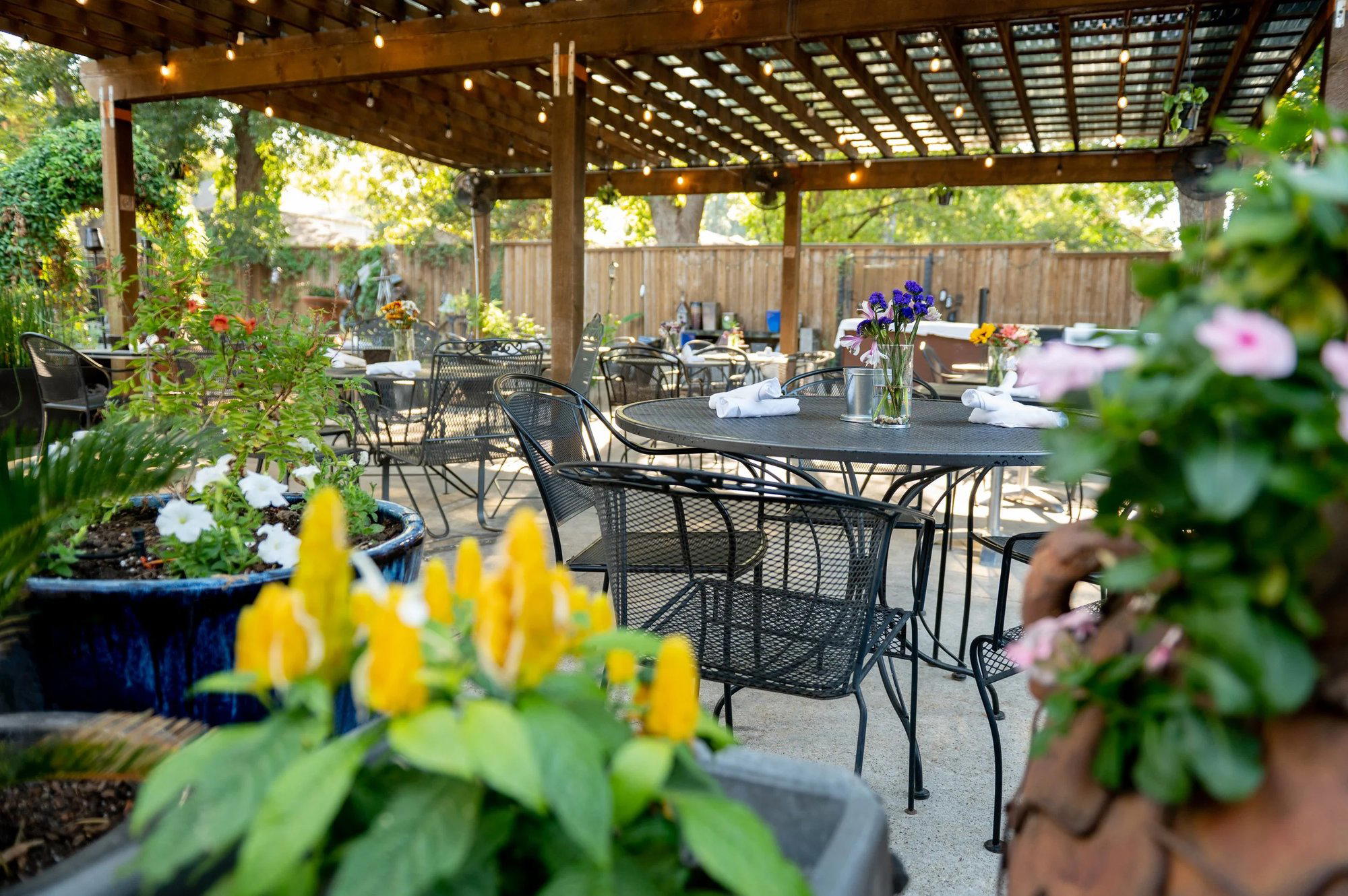
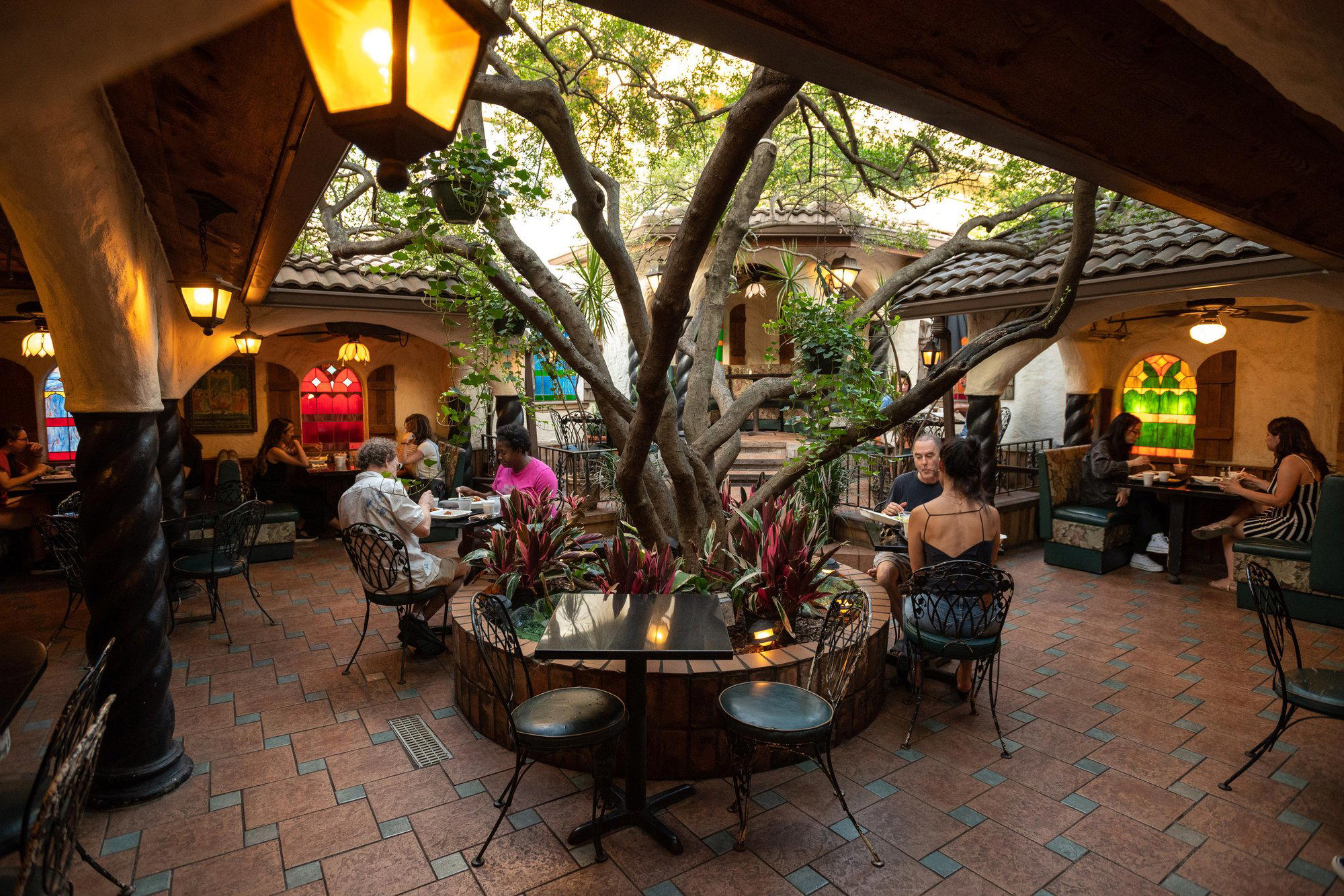
Arriving at Kalachandji's, the physical environment does much of the contextual work before you sit down. The property reads less like a restaurant block and more like a small compound: peacocks have been known to roam the grounds, the architecture carries Mughal-influenced detailing, and the garden courtyard functions as the primary dining area on fair-weather evenings. The sensory register shifts markedly from the commercial corridors of Uptown or the Design District. There is incense. There is the sound of devotional music at certain hours. The décor inside references temple iconography directly. Diners who arrive expecting a conventional restaurant environment will recalibrate within a few minutes; those who come knowing what Kalachandji's is tend to treat the setting as part of the value.
This is not accidental. The prasadam tradition in Vaishnavism holds that food prepared and offered to the deity takes on a spiritual quality that benefits those who consume it. The restaurant, from within that framework, is an extension of temple hospitality rather than a commercial enterprise grafted onto a religious site. Understanding that distinction explains decisions, about menu scope, about ambiance, about what is and is not available, that would otherwise read as arbitrary.
What Sattvic Vegetarian Cooking Actually Means
Sattvic cuisine predates the modern plant-based movement by centuries and differs from it in important ways. Where contemporary plant-based cooking typically focuses on nutritional substitution or environmental rationale, sattvic cooking is organized around the idea that food affects consciousness. The omission of onion and garlic, staples in almost every other Indian regional tradition, reflects a belief that these alliums agitate the mind. What remains is a cuisine built on grains, legumes, dairy, vegetables, and spices used in specific combinations: ghee-enriched dal, vegetable preparations spiced with cumin, coriander, turmeric, and asafoetida, rice dishes, fresh paneer, chutneys, and sweets made with milk solids and sugar.
Served in a buffet format, the Kalachandji's offering functions as a rotating survey of this tradition rather than a fixed menu. That format suits the cooking well: sattvic dishes are designed to be eaten together, the meal functioning as a whole rather than a sequence of isolated courses. For diners accustomed to the a la carte rhythm of most Dallas restaurants, including the structured tasting formats at rooms like 3Eleven Kitchen and Cocktails or the weekend brunch scene at 360 Brunch House, the buffet model reads as refreshingly unpretentious.
Kalachandji's in the Broader Context of Dallas Dining
Dallas has expanded its vegetarian and plant-forward options considerably over the past decade, but most of that growth sits in the upscale casual tier: modern Indian restaurants, vegan-forward cafes in the Bishop Arts District, and health-oriented fast-casual chains. Kalachandji's predates that wave and operates differently from it. Where newer plant-based venues tend to position themselves through the language of wellness or sustainability, Kalachandji's positions itself through devotion. The distinction matters because it shapes the entire experience, from how the kitchen is run to how the space is maintained to what the staff considers the purpose of the meal.
Within a wider national frame, this type of venue is genuinely scarce. American cities with large South Asian populations, Houston, Chicago, the New York metro area, have temple-adjacent dining in various forms, but the combination of a dedicated garden dining space, a long operational history, and consistent community presence makes Kalachandji's a reference point rather than an outlier. For visitors building a Dallas itinerary that already includes options like Mamani or 12 Cuts Brazilian Steakhouse, an evening at Kalachandji's offers something those rooms structurally cannot: a meal whose logic is spiritual rather than gastronomic.
At the top tier of American dining, where venues like Le Bernardin in New York City, The French Laundry in Napa, Providence in Los Angeles, and Blue Hill at Stone Barns in Tarrytown define prestige through technique and sourcing, or where Lazy Bear in San Francisco, Smyth in Chicago, Single Thread Farm in Healdsburg, Addison in San Diego, Atomix in New York City, The Inn at Little Washington, Emeril's in New Orleans, and Atelier Moessmer Norbert Niederkofler in Brunico push the format in different directions, Kalachandji's sits entirely outside that competitive conversation. It is not trying to be any of those things, and that clarity of purpose is its own form of integrity.
Planning Your Visit
Kalachandji's is located in East Dallas, outside the main dining corridors most visitors default to, which means it requires a deliberate decision rather than a casual detour. The garden courtyard is the preferred seating area when weather permits, and evening visits tend to capture that setting at its most appealing. Given the buffet format, walk-in access is generally the operating model, though confirming current hours and service days directly before visiting is advisable, as temple schedules can influence restaurant availability. Pricing sits well below the Dallas dining average, making it accessible to a wide range of visitors. Dress code expectations are informal, and the atmosphere accommodates families and solo diners equally. For the broader Dallas picture, our full Dallas restaurants guide covers the city's dining range across every category and price point.
Frequently asked questions
Is Kalachandji's a family-friendly restaurant?
Kalachandji's suits families well. The courtyard garden setting at 5430 Gurley Ave gives children space to move between courses, and the sattvic vegetarian format means the menu is free of meat, making it accessible for families navigating mixed dietary needs. The atmosphere leans calm and communal rather than formal.
What should I expect atmosphere-wise at Kalachandji's?
The experience unfolds on the grounds of a Hare Krishna temple in East Dallas, so the setting reads as garden and courtyard rather than conventional dining room. Expect a deliberate, unhurried pace shaped by the spiritual context of the property. It is not a place that prioritises noise and turnover.
How does sattvic cooking at Kalachandji's differ from mainstream vegetarian and vegan restaurants in Dallas?
Sattvic cuisine follows a centuries-old Ayurvedic dietary framework that excludes not only meat but also onions, garlic, and other rajasic or tamasic ingredients believed to agitate the mind. Most plant-based restaurants in Dallas are built around contemporary dietary trends and nutritional positioning; Kalachandji's cooking is rooted in a spiritual philosophy predating those movements entirely. The result is a kitchen operating on fundamentally different principles from the upscale casual vegetarian options that have expanded across the city over the past decade.
What should I order at Kalachandji's?
Kalachandji's operates within the sattvic cooking tradition, which excludes onions, garlic, and meat, so the menu reflects that framework across its offerings. Because the kitchen follows a philosophy rather than a rotating chef-driven concept, the full spread is the intended way to eat here, individual dish selection is secondary to the complete meal as a whole.
How do I find Kalachandji's?
Kalachandji's is located at 5430 Gurley Ave, Dallas, TX 75223, Dallas.
Do I need a reservation for Kalachandji's?
Given that Kalachandji's sits outside the main Dallas dining corridors and draws a loyal local following, calling ahead before making the trip to East Dallas is advisable, particularly for weekend visits or larger groups.
What's Kalachandji's best at?
Kalachandji's occupies a category of its own in Dallas: temple-operated vegetarian cooking grounded in the sattvic tradition, served in an outdoor courtyard attached to a working Hare Krishna property. No other restaurant in the city replicates that combination of culinary framework and physical context. That specificity is where it has built its reputation over decades.
Fast Comparison
Comparable venues nearby, for context on price, style, and recognition.
| Venue | Cuisine | Price | Notes |
|---|---|---|---|
| Kalachandji'sThis venue (the venue you are viewing) | Vegetarian Indian Buffet | $10–20 | Not listed |
| AM/FM | Mexican-leaning neighborhood diner | $20–30 | Market Center |
| Simply Fondue Dallas | French Fondue | $30–50 | Belmont |
| Buzzbrews Kitchen | American Diner with Breakfast All Day | Not listed | Deep Ellum |
| Namak Indian Cuisine | North Indian Cuisine | $20–30 | Downtown |
| San Marzano | Fresh Pasta Trattoria | Not listed | Uptown |