
Tabelog 100 #18
Our verdict
A nine-seat counter in Chikusa Ward gives Kajikawa a sharper frame than Nagoya’s larger dining rooms: Japanese cuisine at close range, with lunch and dinner occupying different roles. Tabelog selected it for Japanese Cuisine EAST 100 in 2021, 2023, and 2025, placing it among the region’s more closely watched traditional counters.

Pearl is the En Primeur Club membership app, where members save venues, book tables and use the concierge.
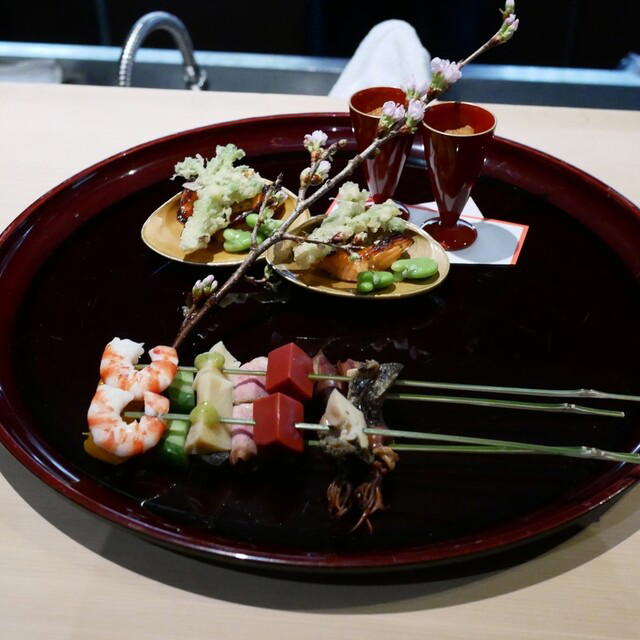
The approach to a Japanese restaurant in Nagoya changes the tempo before the meal begins. Nagoya is not only about its flashiest dining districts; its appeal is often quieter, with serious restaurants set away from the most obvious glare. That matters here because the room is part of the format: a focused setting where the meal is read through sequence, pacing, and restraint rather than through spectacle.
Nagoya’s food reputation is often flattened into miso katsu, hitsumabushi, and kishimen, but the city’s more formal Japanese cooking works differently. It competes less on the volume of regional signatures and more on seasonality, knife work, rice, stock, and the way a meal is paced. Kajikawa sits in that smaller bracket. Its selection for Tabelog Hyakumeiten for Japanese Cuisine in 2025 gives it a public signal that matters in Japan, where local diners often read Tabelog recognition as a guide to consistency rather than ceremony.
The format makes lunch and dinner feel like different commitments
The useful way to read this restaurant is through the lunch-versus-dinner divide. Lunch at serious Japanese restaurants in Japan is often where value and clarity meet: fewer distractions, a tighter time window, and a mood that suits diners who want precision without turning the meal into the whole evening. Dinner asks for a different kind of attention. The same style of room can feel more deliberate after dark, when the service becomes the frame for the meal’s rhythm.
That split is not just about cost; it is about intent. A daytime meal in this category works well for travelers who are building a Nagoya itinerary around one high-precision restaurant without sacrificing the rest of the day. Evening service suits diners who want the meal to carry the night. The restaurant’s category points to a dining style rooted in Japanese cuisine, with the seriousness expected from a venue recognized in Tabelog’s Japanese Cuisine listings.
The close-range nature of this kind of meal also changes the social contract. Large dining rooms can absorb hesitation; more focused Japanese restaurants often cannot. Diners are closer to the cadence of service, and the meal rewards attention to timing rather than conversation that drifts across a room. That is why the format matters more than any single dish description. Japanese cuisine at this scale is built from small decisions, and the setting makes those decisions visible.
Where it fits in Nagoya's serious-dining map
Nagoya’s premium dining scene is more varied than its national shorthand suggests. A traveler comparing reservations will find patisserie culture, French-leaning rooms, yakiniku counters, bistros, and traditional Japanese restaurants sitting within a relatively compact urban field. The contrast is instructive: other Nagoya dining rooms point to a city where Western formats and polished dining sit alongside more intimate Japanese restaurants.
Within that field, the decision is not simply Japanese versus Western. It is counter versus table, daytime versus evening, and comfort versus concentration. LECRIN DE YUMIKO reads as a different kind of casual proposition. Yakiniku Hakushu Kassai serves a more meat-driven purpose. FORTISSIMO H belongs to another category entirely, the patisserie and café circuit that makes sense before or after a meal rather than instead of one. Kajikawa is for the diner choosing Japanese cuisine as the central event, not as a stop between larger plans.
The Tabelog Hyakumeiten selection sharpens that positioning. Recognition in 2025 gives Kajikawa visibility within a competitive Japanese-cuisine category. In a city where some ambitious restaurants chase national prestige through scale or design, this restaurant reads as a more focused answer: a narrower lens, and a meal structure that depends on consistency.
How to plan around the meal, not just the reservation
The practical choice begins with time of day. Lunch is the sharper move for diners treating Nagoya as part of a larger Japan itinerary, especially when the afternoon still holds museums, shopping, or rail travel. Dinner is the stronger frame for those who want a slower evening. The listed budget helps clarify the decision: dinner is JPY 10,000 - JPY 14,999, while lunch is JPY 6,000 - JPY 7,999.
Payment and access details should be confirmed directly when booking, as smaller Japanese dining rooms can be particular about practicalities. The safest planning move is to treat Kajikawa as a focused reservation in Nagoya rather than an improvised stop. Build in enough time around the meal, keep the party size realistic for a focused restaurant, and avoid assuming that the logistics will work like a large hotel dining room.
For broader planning, Our full Nagoya restaurants guide is the right companion page, while Our full Nagoya hotels guide, Our full Nagoya bars guide, Our full Nagoya wineries guide, and Our full Nagoya experiences guide help place the meal inside a fuller stay. Readers building a Japan-wide dining route can also compare category and mood against other dining in Nagoya and beyond, keeping Kajikawa in mind as the Japanese-cuisine reference point for this part of the city.
The editorial case is narrow and convincing: choose Kajikawa when the point of the meal is close-range Japanese cooking, not a room with multiple moods. Lunch gives the cleaner value proposition; dinner gives the more complete evening. Either way, the focused format is the argument.
Frequently asked questions
What should I budget for a meal at Kajikawa?
Pricing at Kajikawa is listed as Dinner: JPY 10,000 - JPY 14,999; Lunch: JPY 6,000 - JPY 7,999.
What days is Kajikawa closed?
Current opening days and hours should be confirmed directly with Kajikawa when booking.
What's the address for Kajikawa?
Kajikawa is located in Nagoya.
What is Kajikawa known for?
Kajikawa is known for Japanese cuisine in Nagoya and was recognized by Tabelog Hyakumeiten for Japanese Cuisine in 2025.
Credentials Lens
Comparable venues to place this listing in its category.
| Venue | Cuisine | Price | Awards | Notes |
|---|---|---|---|---|
| KajikawaThis venue (the venue you are viewing) | Seasonal Japanese Kaiseki Counter | $100–150 | Tabelog 100 #18 | Not listed |
| Tomi Sushi | Seasonal Sushi Omakase | $100–150 | Tabelog 100 #16 | Naka |
| Hanamaru Kichijitsu | Seasonal Kuzushi Kaiseki / Omakase Japanese | $200–300 | Tabelog 100 #63 | Naka |
| Housa Saryo | Seasonal Japanese Kaiseki with Uni Specialties | $100–150 | Tabelog 100 #20 | Chikusa |
| Sekine | Traditional Japanese Kaiseki | $150–200 | Tabelog 100 #92 | Shōwa |
| Sushi Hanakuruma | Edomae Sushi Omakase | $200–300 | Tabelog 100 #21 | Nakamura |
Recognition history
Dated appearances from independent guides and award organizations, with the underlying list record or original source where available.
Tabelog 100 #18 · No. 18
Tabelog · Tabelog 100 - Japanese cuisine - EAST - 2025
Continue exploring
More in Nagoya
Restaurants in Nagoya
All restaurants in Nagoya →
Details
- Intimate
- Cozy
- Classic
- Elegant
- Special Occasion
- Date Night
- Business Dinner
- Solo
- Chefs Counter
- Standalone
- Sake Program
- Tasting Menu
- Set Menu
- Counter Dining
- Sake
- Shochu
- Wine
Current opening hours
- Monday
- 11:30 AM–8 PM
- Tuesday
- 11:30 AM–8 PM
- Wednesday
- 11:30 AM–8 PM
- Thursday
- 11:30 AM–8 PM
- Friday
- 11:30 AM–8 PM
- Saturday
- 11:30 AM–8 PM
- Sunday
- Closed
Hours can change for holidays and private events. Hours as of .
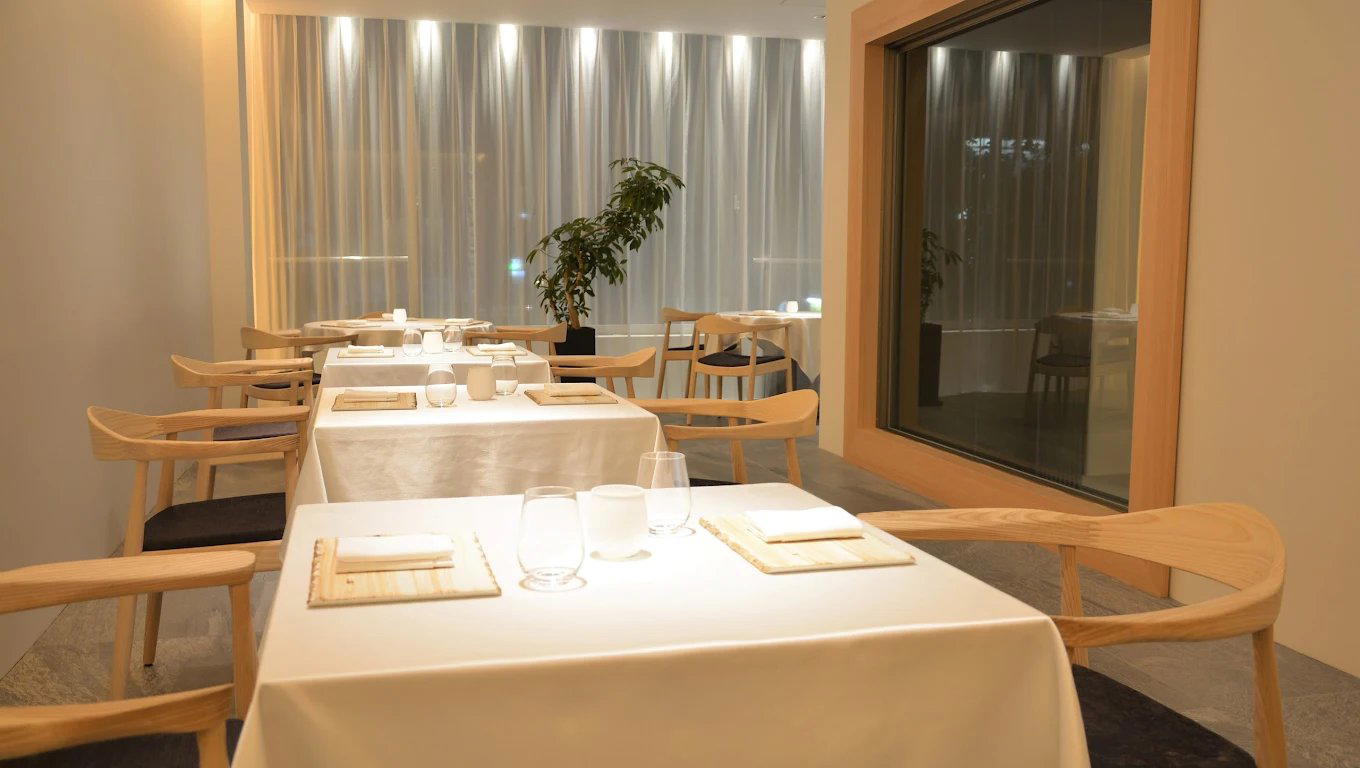
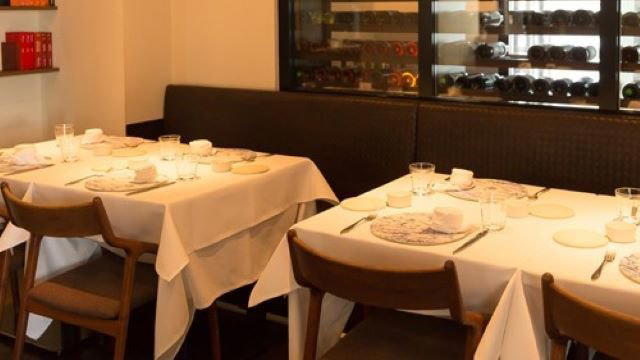
A quiet, relaxed counter-style space with only nine seats, creating a calm, intimate atmosphere that feels like a discreet house-restaurant hideout rather than a busy dining room.