Kai Sushi
Kai Sushi on Lessingstrasse occupies a position in Zurich's Japanese dining tier that sits apart from the city's predominantly European fine-dining circuit. Compared to the sharing-format creativity of IGNIV Zürich or the French-rooted precision of other top tables, Kai Sushi addresses a more focused demand: technically grounded Japanese fish work in a city where that tradition remains underrepresented relative to demand.
Pearl is the En Primeur Club membership app — saves, bookings, and concierge access live there. Same editors, same standards.
- Address
- Lessingstrasse 3, 8002 Zürich, Switzerland
- Phone
- +41443108181
- Website
- kaisushi.ch
- Directions
- Get directions
 Saves & bookings on Pearl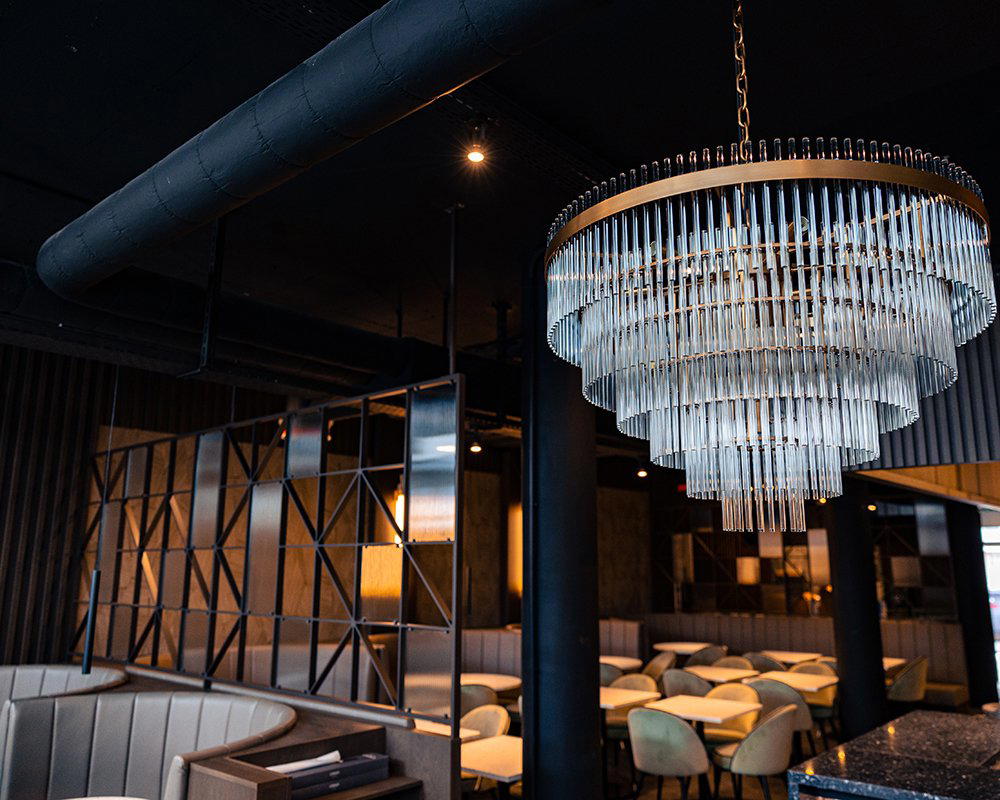
Where Zurich's Japanese Dining Tradition Finds Its Address
Zurich's fine-dining circuit has long been shaped by European frameworks. The city's most-decorated tables draw from French classical tradition, Swiss-Alpine sourcing narratives, and the kind of contemporary European creativity represented by places like IGNIV Zürich by Andreas Caminada or The Counter. Japanese cuisine has existed at the margins of that conversation, present in the city for decades, but rarely occupying the same critical attention as a The Restaurant or a Widder. Kai Sushi, on Lessingstrasse in the 8002 district, is a Creative Japanese Sushi restaurant in Zurich.
The 8002 postal district, which covers the Enge and Wollishofen neighbourhoods just south of the Bahnhofstrasse axis, tends toward a quieter residential and professional character than the Old Town or Zürich-West. Restaurants that build durable reputations in this part of the city tend to do so through consistency and specificity rather than through the kind of visibility that comes from high-traffic tourist corridors. Kai Sushi at Lessingstrasse 3 operates in that mode.
The Evolution of Japanese Dining in a European Financial Capital
To understand where Kai Sushi sits in 2024, it helps to trace how Japanese food in Zurich has changed over the past two decades. The early wave of Japanese restaurants in Swiss cities followed a pattern common across European capitals: broad menus designed for a general public with limited familiarity with regional distinctions, sushi served primarily as a curiosity alongside teriyaki and tempura. The second wave, arriving roughly in the 2010s, brought more specialised formats. Cities like Zurich began to see operators who understood the difference between an Edomae counter and a supermarket-style roll, and who priced and formatted their offering accordingly.
That specialisation produced a clearer market segmentation. At one end, fast-casual sushi operations proliferated to meet a broad consumer appetite. At the other end, a smaller set of operators began positioning Japanese fish work alongside the city's European fine-dining tier, competing on sourcing rigour and kitchen technique rather than accessibility or price. The restaurant's position in that local evolution is one of endurance: the address on Lessingstrasse has been a point of reference in the city's Japanese dining conversation long enough to outlast several openings and closings in the same category.
For comparative context across Switzerland's broader fine-dining geography, the country has attracted significant attention at the European level, Schloss Schauenstein in Fürstenau and Hotel de Ville Crissier in Crissier both represent the decorated European tradition, as does Cheval Blanc by Peter Knogl in Basel. Japanese cuisine occupies a different lane within that national picture, one that competes less for critical decoration and more for the attention of a specific diner who knows what they are looking for.
What the Setting Communicates
Approached from Lessingstrasse, the address signals something about the format before the door opens. The 8002 district does not rely on theatrical exteriors or destination-restaurant signage. Restaurants here communicate through reputation rather than visibility. That pattern is consistent with how serious sushi operations tend to present themselves in European cities: restraint in environment as a proxy for confidence in the plate.
The format of a credible sushi operation in a European financial capital like Zurich has changed considerably from the broad-menu model. Contemporary operators who have sustained relevance tend to narrow rather than expand their offer over time, moving toward the kind of focused fish-and-rice discipline that gives a kitchen something specific to be held accountable for.
Zurich's Position in the Broader Swiss Fine-Dining Map
Zurich functions as Switzerland's commercial and financial centre, which shapes its restaurant economy in specific ways. The city supports a higher density of expense-account dining than smaller Swiss cities, and it attracts an internationally mobile professional class with reference points that extend well beyond Switzerland. A diner who has eaten at Atomix in New York City or at Le Bernardin will bring a comparative frame to any table in Zurich's upper tier. That context raises the bar for Japanese specialists operating in the city: the relevant comparable set is not limited to other Zurich Japanese restaurants but extends to the European and global Japanese dining circuit more broadly.
Other Swiss cities have developed their own fine-dining identities. Memories in Bad Ragaz, Einstein Gourmet in Sankt Gallen, Colonnade in Lucerne, focus ATELIER in Vitznau, Da Vittorio in St. Moritz, and 7132 Silver in Vals each represent the decorated European and Italian-influenced tier. The absence of a prominent Swiss Japanese entry at that decorated level is itself a data point: it reflects the difficulty of sourcing the fish quality required for Edomae-standard work in a landlocked country, and the smaller critical infrastructure that covers Japanese dining in Switzerland compared to the French and Swiss-Alpine traditions.
That difficulty makes operators who have sustained genuine quality in the Japanese category in Zurich worth tracking. Eden Kitchen and Bar and L'Atelier Robuchon in Geneva represent other points in the city's and region's broader dining range, but neither competes in the Japanese fish-work category that restaurant addresses.
Planning a Visit
The restaurant is located at Lessingstrasse 3 in Zurich's 8002 district, accessible from the city centre by tram. Current hours are Mon to Fri 11:30 AM to 2 PM and 5:30 to 10 PM, Sat and Sun 5:30 to 10 PM, and reservations are recommended. Pricing is about $40 per person. Reservations are recommended, particularly for weekend sittings.
The Quick Read
Comparable venues nearby, for context on price, style, and recognition.
| Venue | Cuisine | Price | Notes |
|---|---|---|---|
| Kai SushiThis venue — the venue you are viewing | Albisgutli, Creative Japanese Sushi | $$ | Not listed |
| Sappo Ramen | Not listed | $$ | Unterstrass, Authentic Sapporo Ramen & Tsukemen |
| Yokita | Aussersihl, Japanese Take-Away | $$ | Not listed |
| Ikoo | Aussersihl, Authentic Japanese Ramen | $$ | Not listed |
| Hoi Koi Sushi | Aussersihl, Modern Japanese Sushi | $$ | Not listed |
| Yardbird Southern Fried Chicken | Aussersihl, Southern Fried Chicken | $$ | Not listed |
At a Glance
- Modern
- Trendy
- Date Night
- Business Dinner
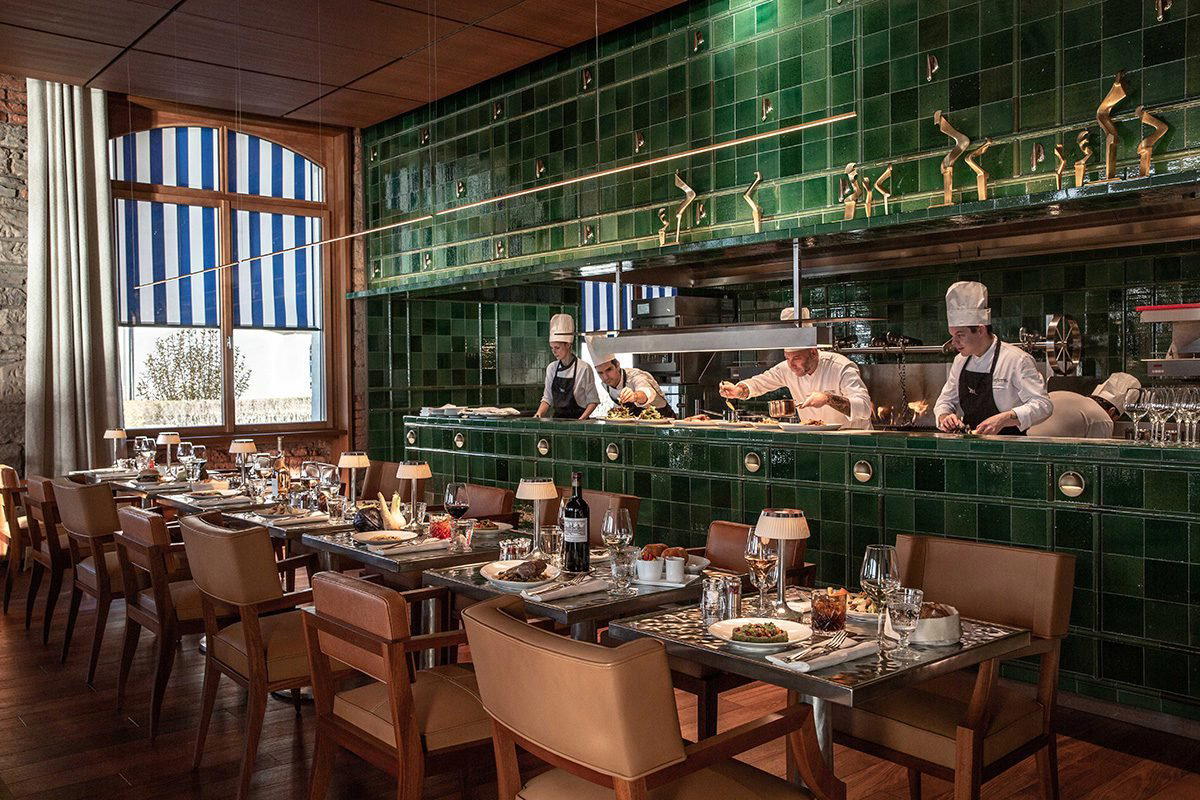
- Open Kitchen
- Sake Program
- Sustainable Seafood
- Local Sourcing
Current opening hours
- Monday
- 11:30 AM–2 PM, 5:30–10 PM
- Tuesday
- 11:30 AM–2 PM, 5:30–10 PM
- Wednesday
- 11:30 AM–2 PM, 5:30–10 PM
- Thursday
- 11:30 AM–2 PM, 5:30–10 PM
- Friday
- 11:30 AM–2 PM, 5:30–10 PM
- Saturday
- 5:30–10 PM
- Sunday
- 5:30–10 PM
Hours can change for holidays and private events. Last verified .
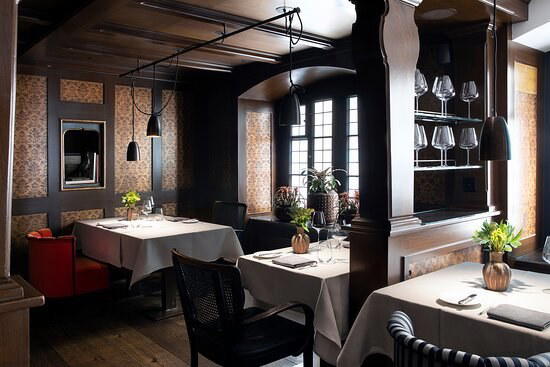
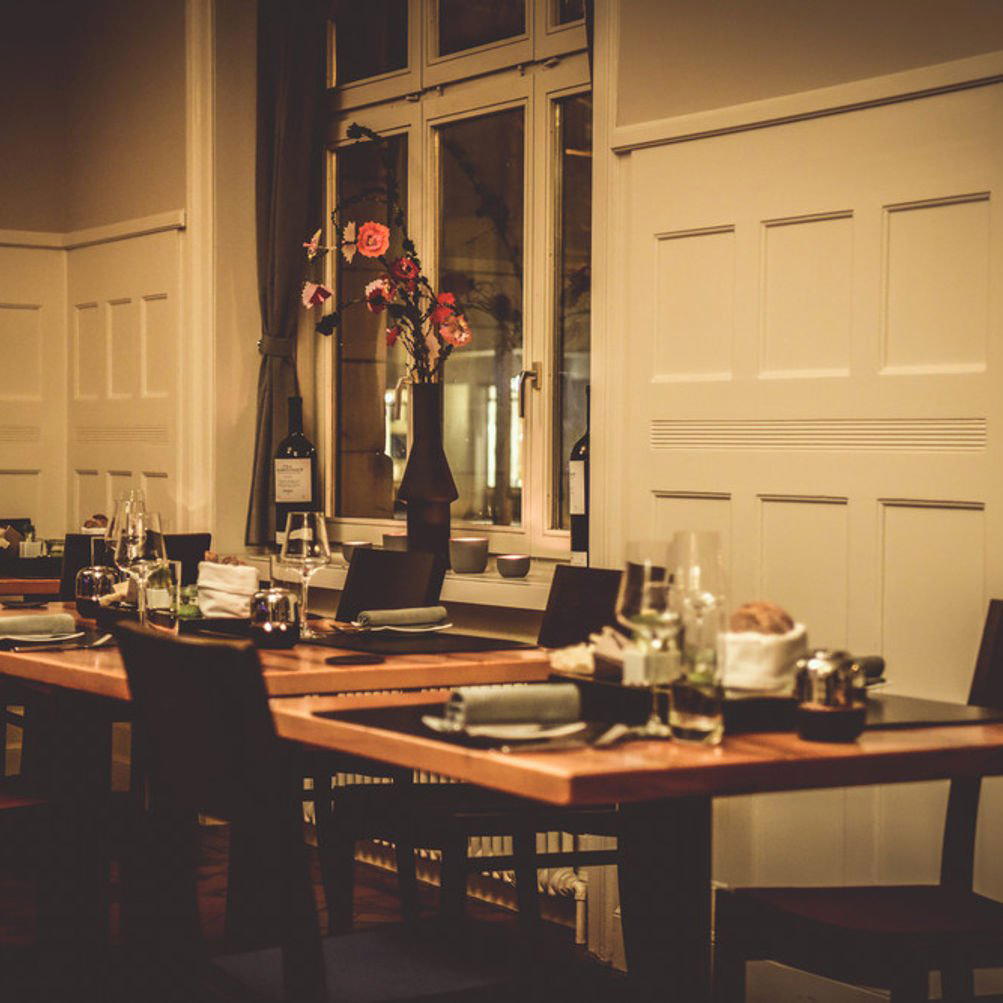
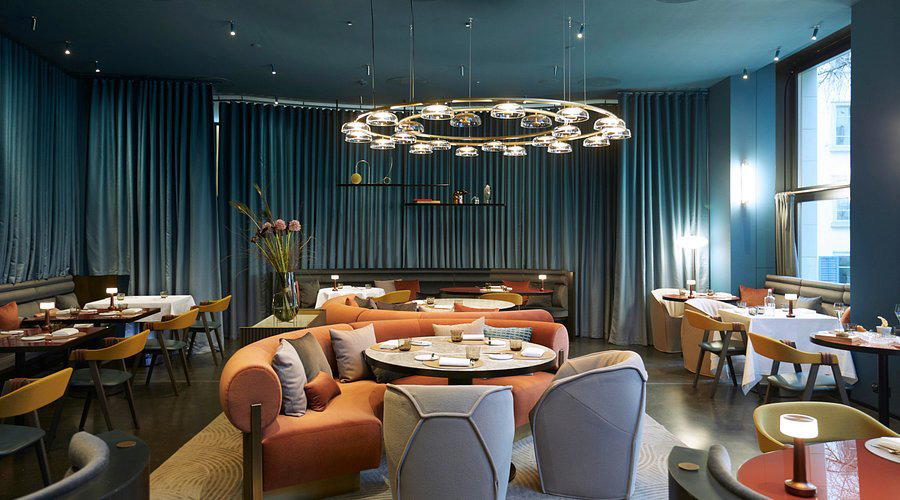
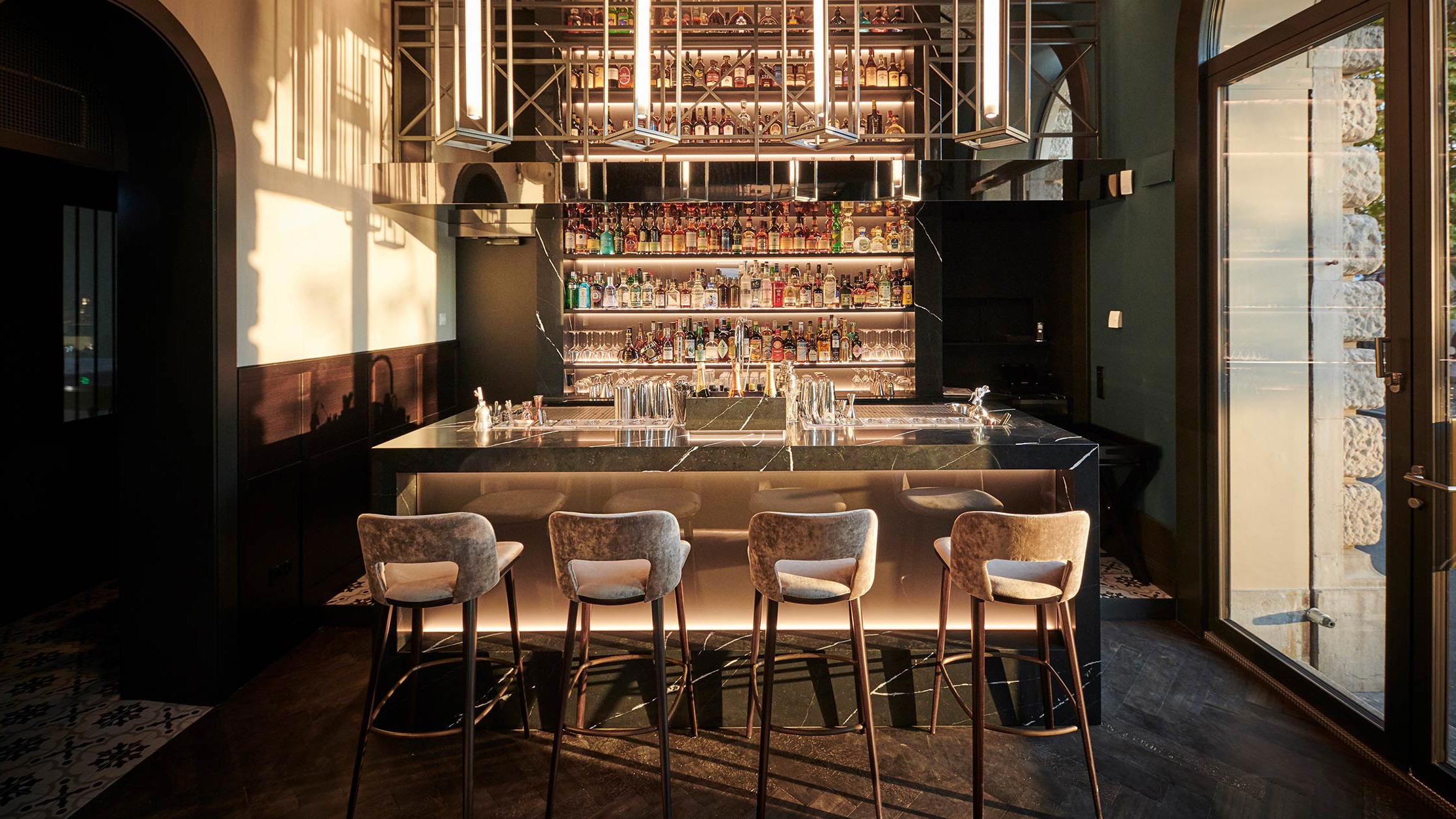
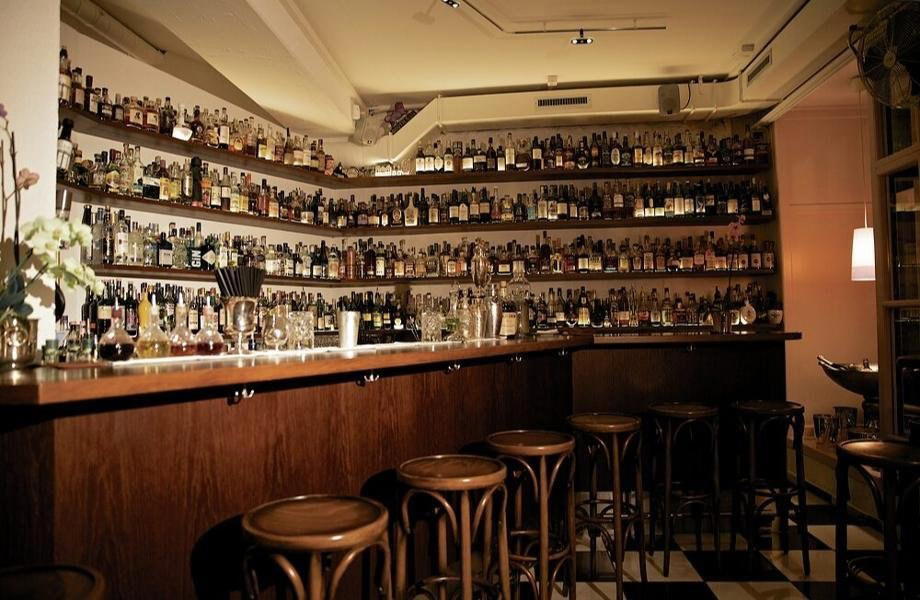
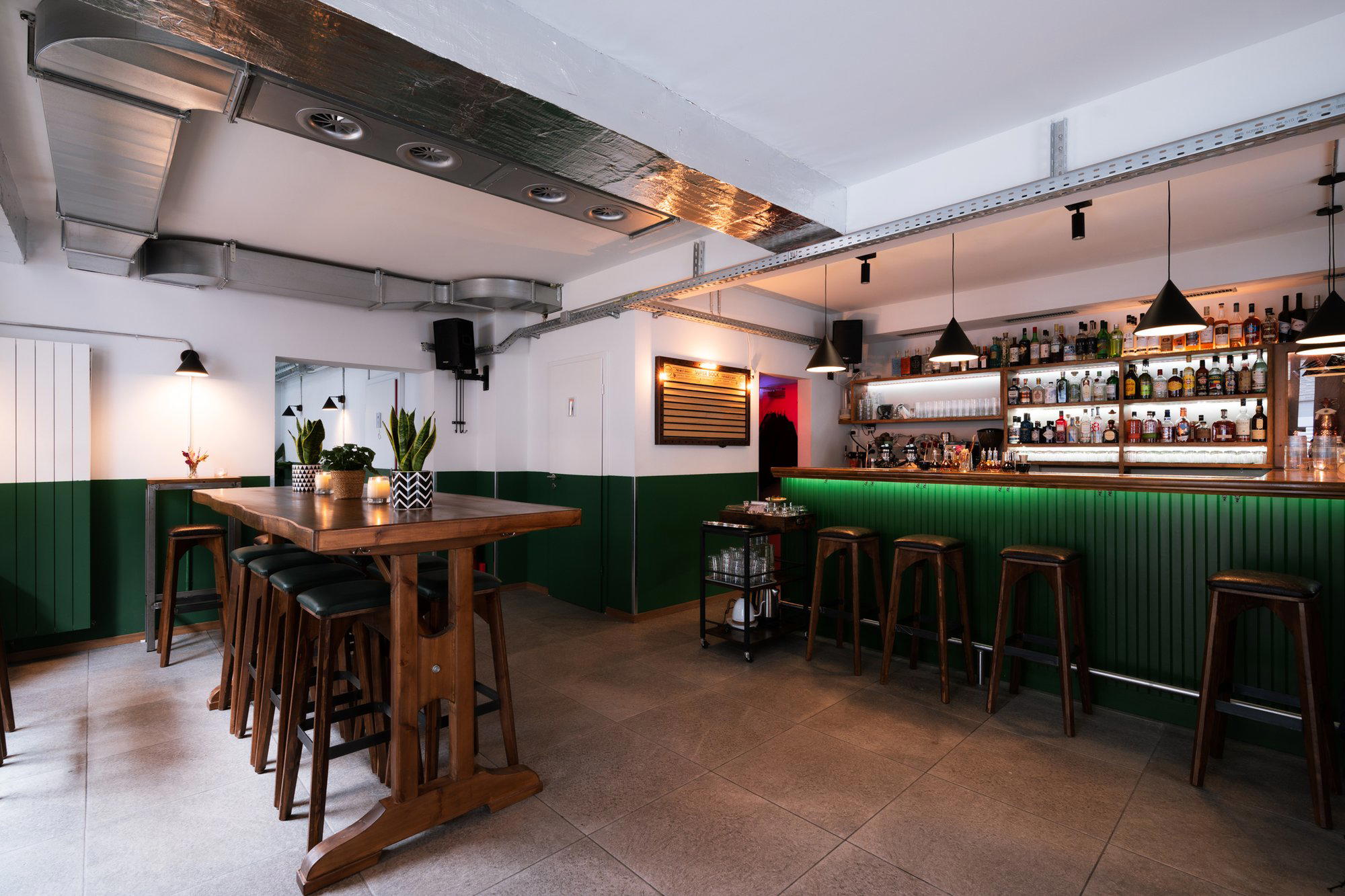
Stylish and modern atmosphere with attention to Japanese culinary detail.