

Michelin Bib Gourmand
Our verdict
A Michelin Bib Gourmand recipient in both 2024 and 2025, K. Panich has served mango sticky rice from the same Phra Nakhon address for eight decades, following a family recipe unchanged across generations. At single-digit baht pricing, it occupies a category of its own among Bangkok's heritage street food: a preparation so consistent it has become a reference point for the dish across the city.

Pearl is the En Primeur Club membership app, where members save venues, book tables and use the concierge.
The menu
What to order
- Mango Sticky Rice
- Sticky Rice with Thai Custard
- Durian Sticky Rice
On Thanon Tanao, the Ritual Comes Before the Rice
Thanon Tanao runs through one of Bangkok's oldest urban quarters, where the shophouse facades lean close over narrow pavements and the morning air carries the dual scent of incense from nearby Wat Suthat and coconut milk simmering on open burners. This is Phra Nakhon, the historic core of the capital, and the food culture here operates on a different clock from the city's newer dining districts. Stalls and family shops open early, run through their prepared quantities, and close when the food runs out. There is no tasting menu, no reservation window, and no pivot to dinner service. The ritual is dictated by the food itself.
K. Panich, at 431-433 Thanon Tanao, sits inside this framework. It is a street food operation in the truest sense: a fixed address, a single product prepared to a fixed recipe, and a transaction that takes seconds. What differentiates it from the surrounding stalls is the duration of that recipe's continuity. The mango sticky rice served here follows a preparation that has been in the family for 80 years, and two consecutive Michelin Bib Gourmand awards (2024 and 2025) have attached an external verification to what the neighbourhood has long treated as established fact.
The Dish and What It Demands of the Eater
Mango sticky rice is one of Thai dessert culture's most deceptively simple formats. The components are few: glutinous rice steamed and then sweetened, coconut milk poured over or alongside, and ripe mango sliced to order. The margin for error is correspondingly narrow. The rice must carry enough sweetness to hold against the mango's acidity without overwhelming it. The coconut milk must be rich enough to coat the rice without turning the dish heavy. The mango must be at a specific point of ripeness, soft but not collapsed. Timing, ingredient sourcing, and proportion discipline are the only variables a cook controls.
At K. Panich, the steamed glutinous rice is sweetened and then enriched with coconut milk in a preparation the family has refined over eight decades. The approach is not experimental. It is a matter of consistency: doing the same thing correctly, repeatedly, over a very long time. That kind of discipline is harder to sustain than it sounds, and it is why this category of Bangkok street food, the multi-generational single-dish specialist, commands the respect it does among serious eaters in the city.
The ritual of eating here is accordingly stripped back. You arrive, you order, you eat at or near the stall. There is no sequence, no pacing through courses, no decision fatigue. The attention the eater brings is focused entirely on the plate in front of them, which is, in a way, a more demanding form of dining than a long tasting menu. A single dish either delivers or it does not. The Bib Gourmand, awarded to venues where quality exceeds price point, is Michelin's recognition that this one delivers.
Phra Nakhon's Street Food Hierarchy
Bangkok's Michelin coverage spans a range that runs from three-star destination restaurants to Bib Gourmand street stalls, and the city's guide is notable for taking the latter as seriously as the former. Sorn holds three stars for Southern Thai cuisine. Baan Tepa and Sühring operate at the two-star tier. These are long-form, high-production dining experiences. K. Panich operates at the opposite end of the price register, at the single ฿ tier, and yet sits inside the same award ecosystem. That structural feature of Bangkok's food culture, the coexistence of street-level and fine-dining excellence under the same critical framework, is one of the things that makes the city's food scene worth taking seriously as a whole.
In Phra Nakhon specifically, the density of long-running food operations is notable. Bunloet in Pom Prap Sattru Phai and Lim Lao Ngow in Samphanthawong represent similar traditions of heritage street food with documented longevity. Charoen Saeng Silom and Somsak Pu Ob in Charoen Rat extend that pattern across the river.
The broader Southeast Asian context is instructive here. Singapore's Michelin-recognised street food operations, including Hill Street Tai Hwa Pork Noodle and 545 Whampoa Prawn Noodles, follow the same model: generational recipe custody, single product focus, and Michelin recognition as external validation of what the local audience already knew. K. Panich belongs to that regional tradition.
Thailand Beyond Bangkok
Visitors using K. Panich as a starting point for Thai food more broadly will find a range of reference points across the country. AKKEE in Pak Kret sits just outside the capital. PRU in Phuket represents the fine-dining tier in the south. Aeeen in Chiang Mai maps the northern register. Angeum in Phra Nakhon Si Ayutthaya offers a historical framing of Thai cuisine just north of Bangkok. Agave in Ubon Ratchathani extends the map to the northeast. For planning across the capital specifically, our full Bangkok restaurants guide covers the range. Accommodation and drinks are mapped in our Bangkok hotels guide and our Bangkok bars guide. For non-dining programming, our Bangkok experiences guide covers the city's specialist cultural formats.
Know Before You Go
- Address: 431-433 Thanon Tanao, Khwaeng Sao Chingcha, Khet Phra Nakhon, Bangkok 10200
- Price tier: ฿ (street food pricing)
- Awards: Michelin Bib Gourmand 2024 and 2025
- Booking: Walk-in only; no reservations
- Timing: Arrive early; the kitchen closes when prepared quantities are exhausted
- Getting there: Phra Nakhon is most efficiently reached by taxi or tuk-tuk from the riverside; the nearest BTS and MRT stations require onward transit
What Is K. Panich Famous For?
K. Panich is known specifically for mango sticky rice, prepared to a family recipe with documented continuity across 80 years. The preparation centres on steamed glutinous rice sweetened and finished with coconut milk, served alongside ripe mango. Michelin has awarded the venue Bib Gourmand status in both 2024 and 2025, recognising it as a venue where quality outpaces price. Among Bangkok's street food operations with Michelin recognition, K. Panich is one of a small number built around a single dessert preparation rather than a savoury dish, which places it in a distinct category within the city's Bib Gourmand cohort.
Pricing, Compared
| Venue | Cuisine | Price | Awards | Notes |
|---|---|---|---|---|
| K. PanichThis venue (the venue you are viewing) | Traditional Thai Mango Sticky Rice | $1–10 | Michelin Bib Gourmand | Not listed |
| Sorn | Fine Southern Thai | $200–300 | 3 Michelin Stars · World's 50 Best #12 | Southern Thai, ฿฿฿฿ |
| Côte by Mauro Colagreco | Riviera Mediterranean Fine Dining | $200–300 | 2 Michelin Stars · World's 50 Best #91 | Mediterranean, Modern Cuisine, ฿฿฿฿ |
| Baan Tepa | Creative Thai Fine Dining | $150–200 | 2 Michelin Stars · World's 50 Best #53 | Thai contemporary, ฿฿฿฿ |
| Gaa | Modern Indian Fine Dining with Thai Influences | $150–200 | 2 Michelin Stars · World's 50 Best #95 | Modern Indian, Indian, ฿฿฿฿ |
| Sühring | Modern German Fine Dining | $200–300 | 3 Michelin Stars · World's 50 Best #18 | German, ฿฿฿฿ |
Recognition history
Dated appearances from independent guides and award organizations, with the underlying list record or original source where available.
Michelin Bib Gourmand
Michelin
Opinionated About Dining Casual in Asia Ranked #36
Opinionated About Dining
Full recognition history (4 entries)
Michelin Bib Gourmand
Michelin
Michelin Bib Gourmand
Michelin
Continue exploring
More in Bangkok
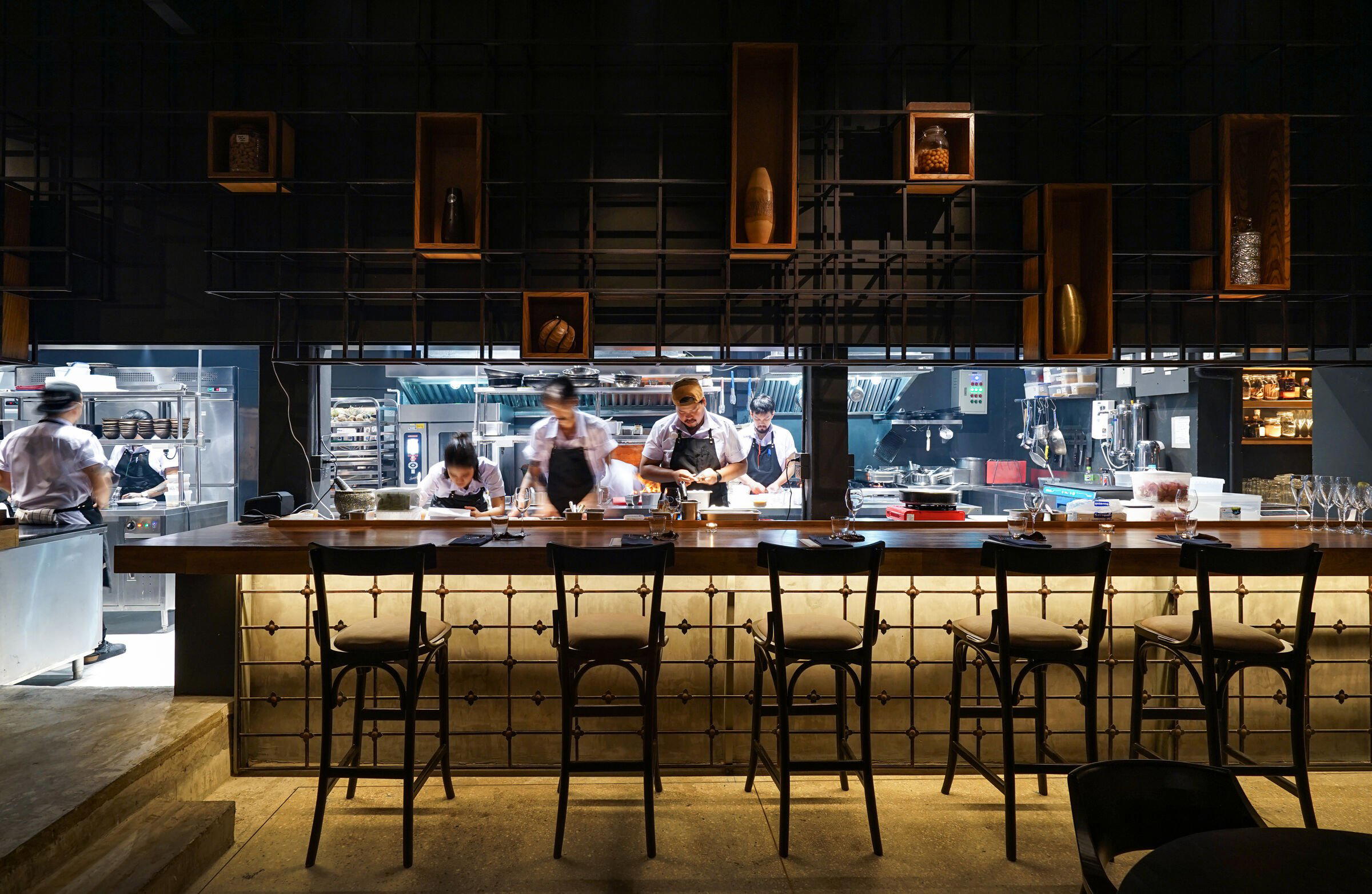
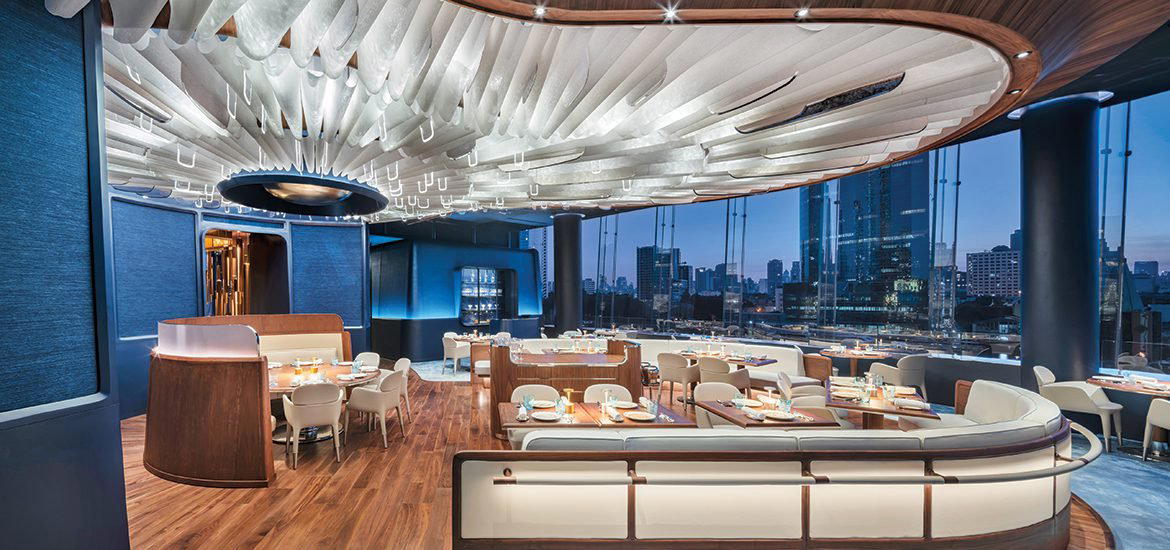
Restaurants in Bangkok
All restaurants in Bangkok →
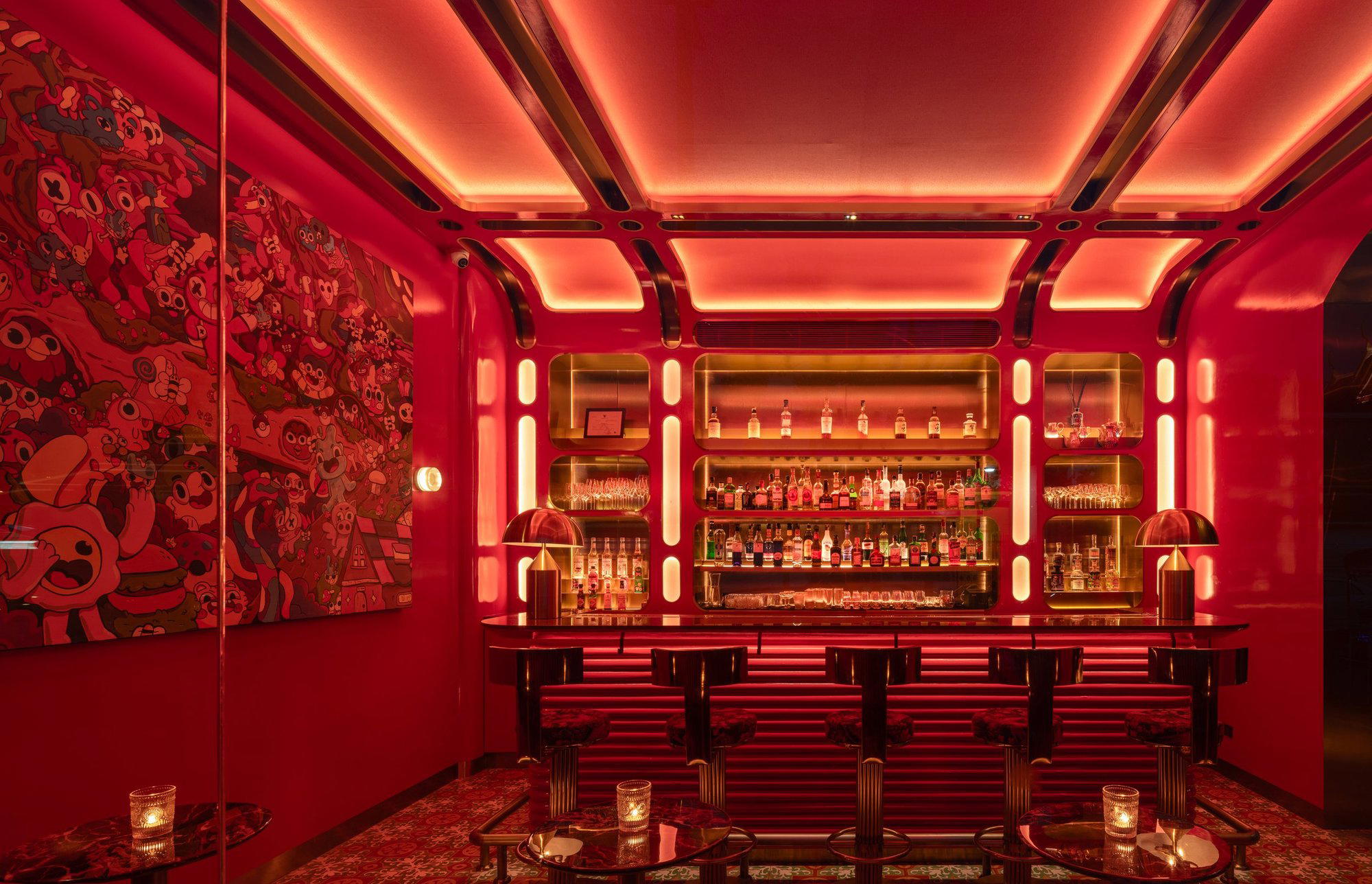
Bars in Bangkok
All bars in Bangkok →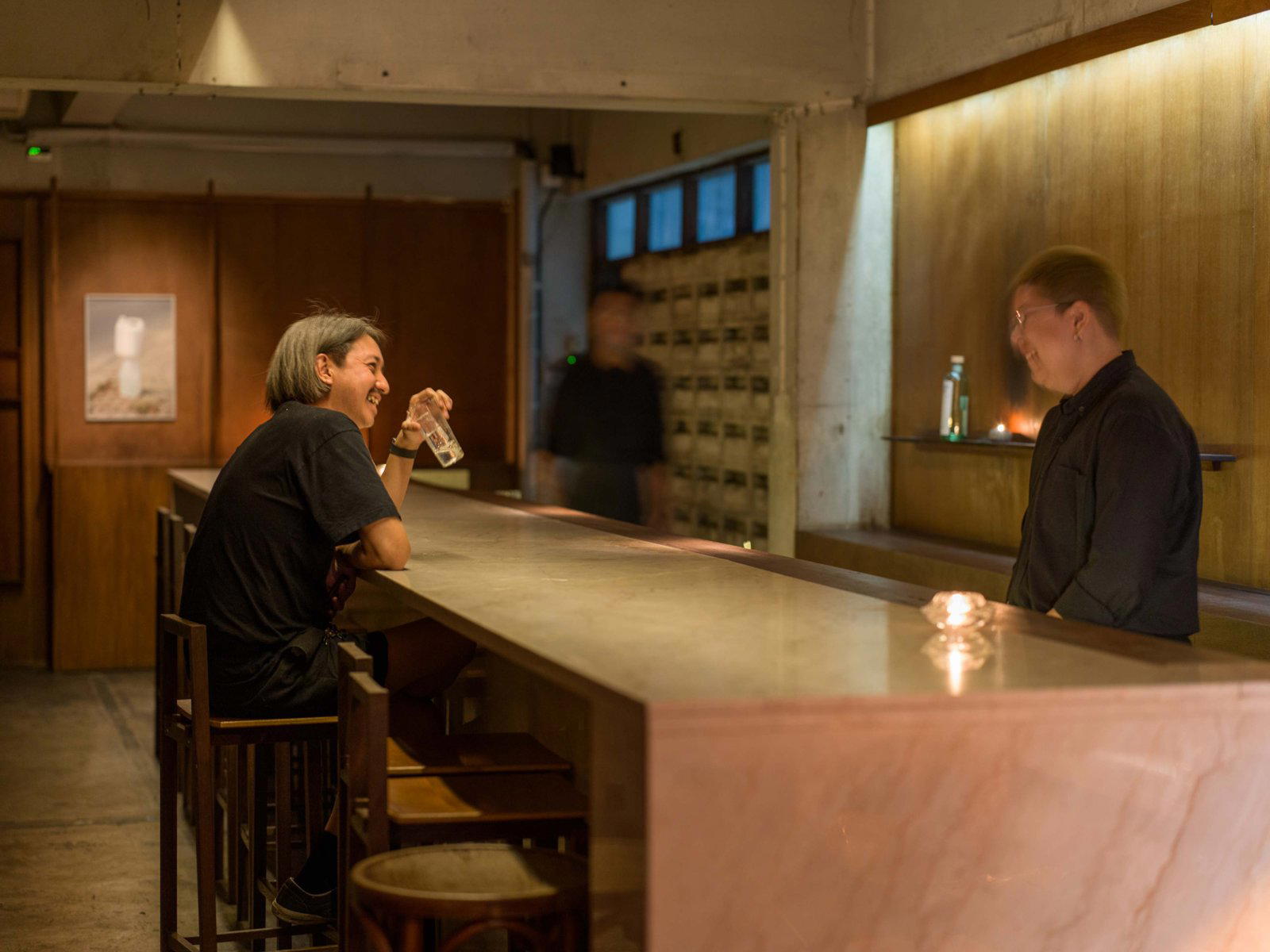



Details
- Well Known
- Classic
- Rustic
- Solo
- Casual Hangout
- After Work
- Historic Building
- Local Sourcing
- Street Scene
- A La Carte
- Fruit Juices
- Shakes
Current opening hours
- Monday
- 7 a.m.–5 p.m.
- Tuesday
- 7 a.m.–5 p.m.
- Wednesday
- 7 a.m.–5 p.m.
- Thursday
- 7 a.m.–5 p.m.
- Friday
- 7 a.m.–5 p.m.
- Saturday
- 7 a.m.–5 p.m.
- Sunday
- Closed
Hours can change for holidays and private events. Hours as of .