Jøwåy occupies a address on Hutergasse in Nuremberg's medieval core, placing it among a small cohort of serious modern restaurants in a city better known for its bratwurst tradition than its fine dining. The menu architecture is the story here: how a kitchen frames its courses reveals its culinary allegiances, and Jøwåy operates in a Nuremberg scene that has quietly grown more ambitious over the past decade.
Pearl is the En Primeur Club membership app — saves, bookings, and concierge access live there. Same editors, same standards.
- Address
- Hutergasse 1, 90403 Nürnberg, Germany
- Phone
- +4915238415112
- Website
- joway.de
- Directions
- Get directions
 Saves & bookings on Pearl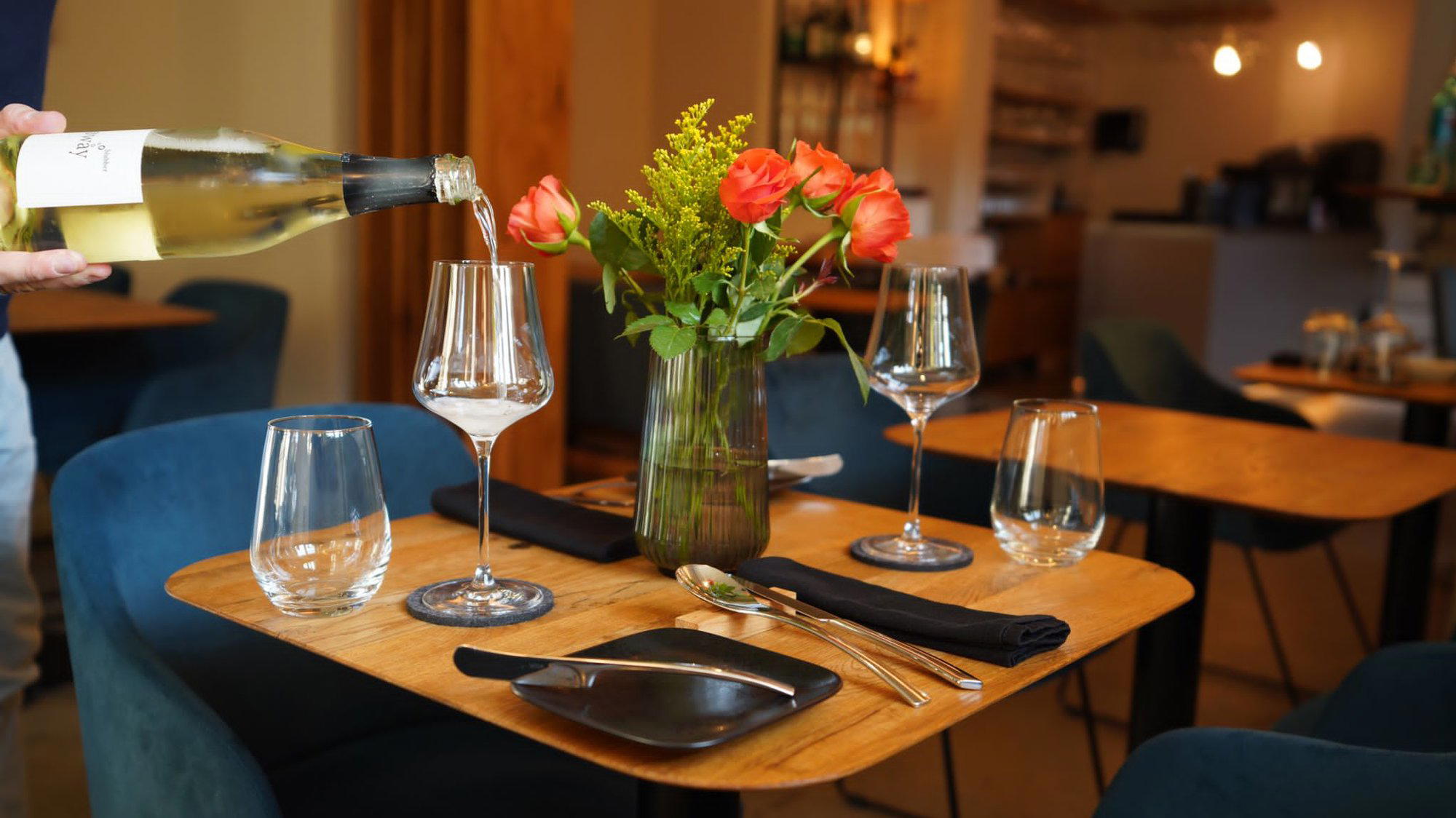
Hutergasse and the New Nuremberg Dining Scene
Nuremberg's reputation in food circles has long been dominated by a single product: the small, tightly spiced Nürnberger Rostbratwurst, grilled over beechwood and served by the dozen. That identity is genuine and worth preserving, but it has historically obscured what the city's restaurant community has been building in parallel. Over the past ten to fifteen years, a cohort of serious modern kitchens has taken root in the Altstadt and its immediate surrounds, drawing on Franconian ingredients while reaching toward the technical and conceptual register of Germany's broader fine dining tier. Essigbrätlein, one of Germany's most distinctive small restaurants, anchors the upper end of that movement. Tisane, etz, and Entenstuben fill out a credible mid-to-upper tier. Jøwåy is a restaurant at Hutergasse 1 in Nürnberg, Germany.
The address matters as editorial framing. Hutergasse runs through one of the older residential quarters near the castle district, where the streets are narrow and the buildings carry visible age. Restaurants in this part of Nuremberg operate inside spaces shaped by centuries of prior use, which creates an automatic tension between the culinary ambitions of a modern kitchen and the weight of its surroundings. That tension is not a liability in Nuremberg's current restaurant culture; it is, for the better addresses, a structural advantage.
Menu Architecture as Editorial Statement
The way a menu is organized tells you what a kitchen thinks about its own role. A list of à la carte options signals confidence in individual dishes and trust that guests will assemble their own experience. A single tasting sequence signals the opposite: the kitchen controls the narrative, and the guest's job is to follow it. Most serious modern German restaurants have moved toward some version of the latter, whether a full omakase-style progression or a hybrid that preserves limited choice within a fixed framework. This shift mirrors what has happened at Germany's most-discussed restaurants nationally: Aqua in Wolfsburg, JAN in Munich, and Schwarzwaldstube in Baiersbronn all operate tasting formats that prioritize sequence and internal coherence over consumer optionality.
What Jøwåy's menu architecture communicates is its focus on a deliberate sequence rather than broad choice. The name itself, with its Scandinavian orthography applied to what appears to be a Franconian address, is a signal worth reading carefully: the combination of Nordic typographic influence and a Nuremberg location suggests a kitchen that is positioning itself outside the traditional Bavarian-German idiom, aligning instead with the internationalist strand of European cooking that has become the dominant register for ambitious new openings across the continent.
Across Germany's serious dining tier, the kitchens worth tracking are those where the menu structure creates a coherent argument rather than a collection of technically accomplished dishes. CODA Dessert Dining in Berlin built an entire restaurant concept around a single menu architecture idea. Vendôme in Bergisch Gladbach and ES:SENZ in Grassau represent the classical end of that spectrum, where the menu's logic is rooted in French progression. Jøwåy's position on that spectrum, and the culinary intelligence it brings to Hutergasse, are what distinguish it from the broader Nuremberg field.
Nuremberg's Fine Dining Tier: Where Jøwåy Fits
Nuremberg's serious restaurant community is smaller than Munich's or Hamburg's but more coherent than most comparably sized German cities. The comparable set is tight: Koch und Kellner operates at the modern cuisine end, and Essigbrätlein defines the category ceiling with its long-standing critical reputation. Within that field, a new address on Hutergasse enters a competitive environment where the room for undifferentiated ambition is limited. Kitchens in this city succeed when they develop a clear point of view, either a regional Franconian identity executed with precision, or a contemporary European stance that is specific enough to carve its own space.
Germany's national fine dining tier offers useful comparison points. Victor's Fine Dining by Christian Bau in Perl, Waldhotel Sonnora in Dreis, and Restaurant Haerlin in Hamburg represent the classical French-influenced end. Schanz in Piesport and JAN demonstrate that contemporary German cooking can carry significant critical weight when it develops a distinct identity. Internationally, the structural parallels run to restaurants like Le Bernardin in New York and Atomix, where menu architecture carries explicit conceptual weight. Jøwåy operates at a different scale, but the same question applies: does the menu's structure make an argument, or does it merely present options?
Planning a Visit
Hutergasse 1 places Jøwåy in Nuremberg's Altstadt, the walled medieval center that contains most of the city's serious restaurants within a walkable radius. The concentration of the dining scene inside the old city means that guests exploring multiple addresses over several evenings can do so without crossing to outlying districts. Nuremberg is served by a well-connected airport and sits on major rail corridors between Munich and Frankfurt, making it accessible for a dedicated dining trip from either direction. Reservations are recommended, and the restaurant is open Monday through Saturday from 6 to 11 PM. Guests already familiar with the Nuremberg scene at the level of Essigbrätlein or etz should treat Jøwåy as a new entry worth monitoring; the address and the naming signals suggest a kitchen with an intentional identity, and early visits in a restaurant's life often carry a sharpness that fades once the operation settles into routine.
Reputation First
Comparable venues nearby, for context on price, style, and recognition.
| Venue | Cuisine | Price | Awards | Notes |
|---|---|---|---|---|
| JøwåyThis venue — the venue you are viewing | Modern European Contemporary | $$$ | Not listed | Not listed |
| VINERIA Nürnberg | Mediterranean Wine Bar | $$$ | Not listed | :null |
| Gusto Natural Steakrestaurant Nürnberg | Modern Natural Steakhouse | $$$ | Not listed | Mögeldorf |
| Restauration Fischer | Modern Bavarian Haute Cuisine | $$$$ | Not listed | Altstadt (Old Town) |
| MINNECI | Italian Fine Dining with Mediterranean Influences | $$$ | Michelin Plate | Old Town |
| Würzhaus | Modern Franconian Fine Dining | $$$ | Michelin Plate | Mitte |
Continue exploring
More in Nuremberg
Restaurants in Nuremberg
Browse all →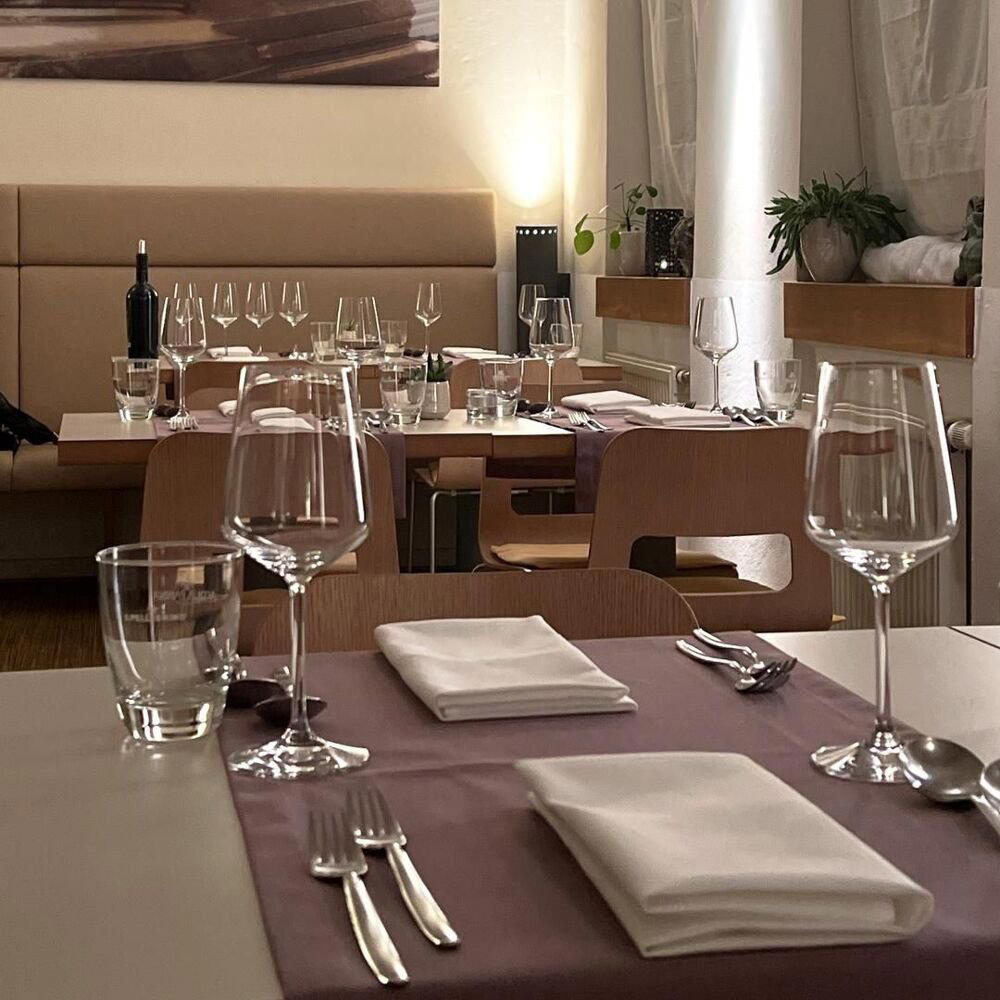
Bars in Nuremberg
Browse all →
Hotels in Nuremberg
Browse all →
Wineries in Nuremberg
Browse all →
At a Glance
- Elegant
- Cozy
- Sophisticated
- Date Night
- Special Occasion
- Business Dinner
- Open Kitchen
- Extensive Wine List
- Local Sourcing
Current opening hours
- Monday
- 6–11 PM
- Tuesday
- 6–11 PM
- Wednesday
- 6–11 PM
- Thursday
- 6–11 PM
- Friday
- 6–11 PM
- Saturday
- 6–11 PM
- Sunday
- Closed
Hours can change for holidays and private events. Last verified .
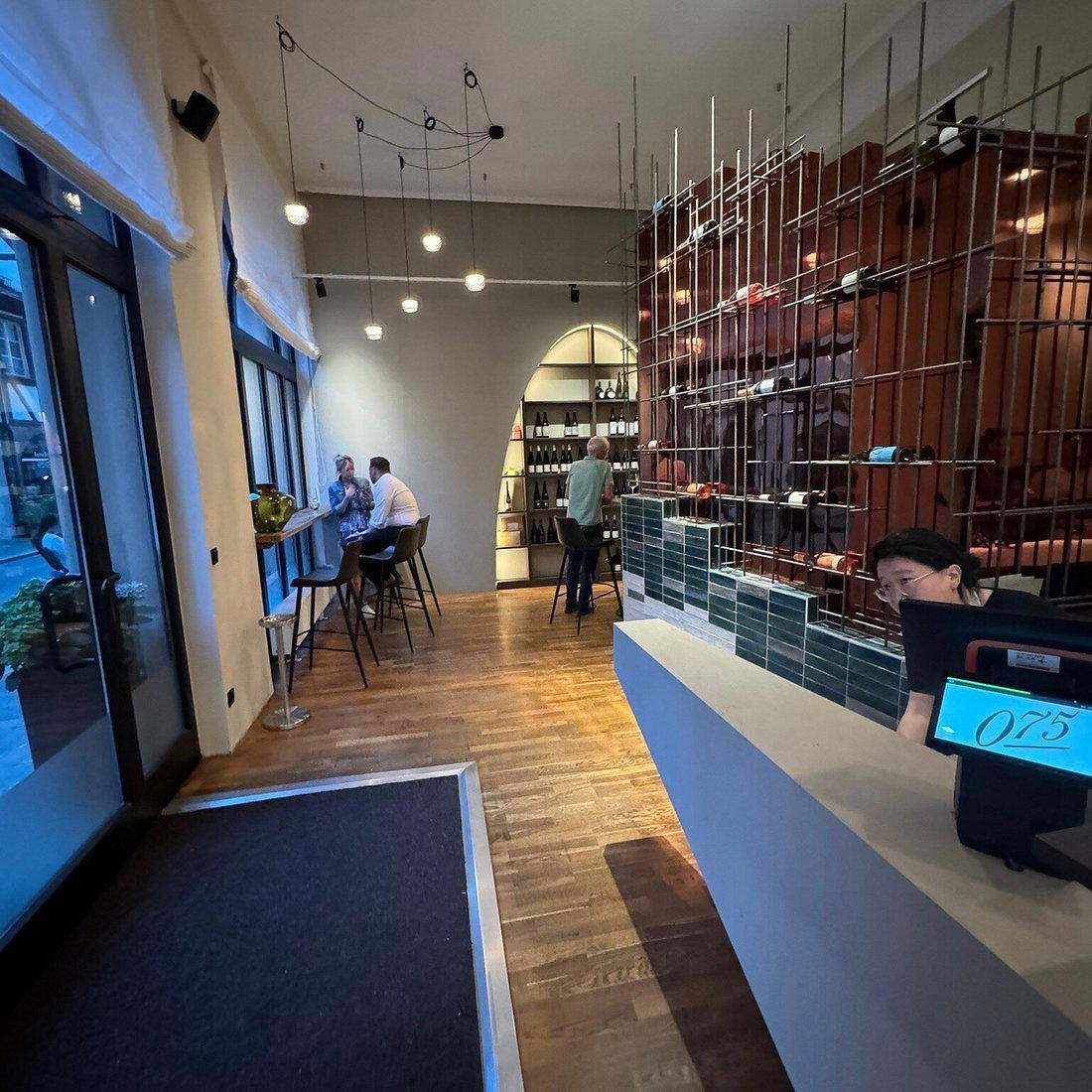
Relaxed semi-casual boutique atmosphere with friendly service and energetic noise level.