JW Steakhouse
JW Steakhouse occupies a prominent address at 800 N Harwood St in downtown Dallas, positioning itself within the city's upper tier of steakhouse dining. The format follows the classic American chophouse tradition, where dry-aged beef and refined service carry the room. Dallas diners serious about the cut-driven end of the steakhouse spectrum will find it a credible entry in that competitive set.
Pearl is the En Primeur Club membership app — saves, bookings, and concierge access live there. Same editors, same standards.
- Address
- 800 N Harwood St, Dallas, TX 75201
- Phone
- +12147367760
- Website
- jwsteakhousedallas.com
- Directions
- Get directions
 Saves & bookings on Pearl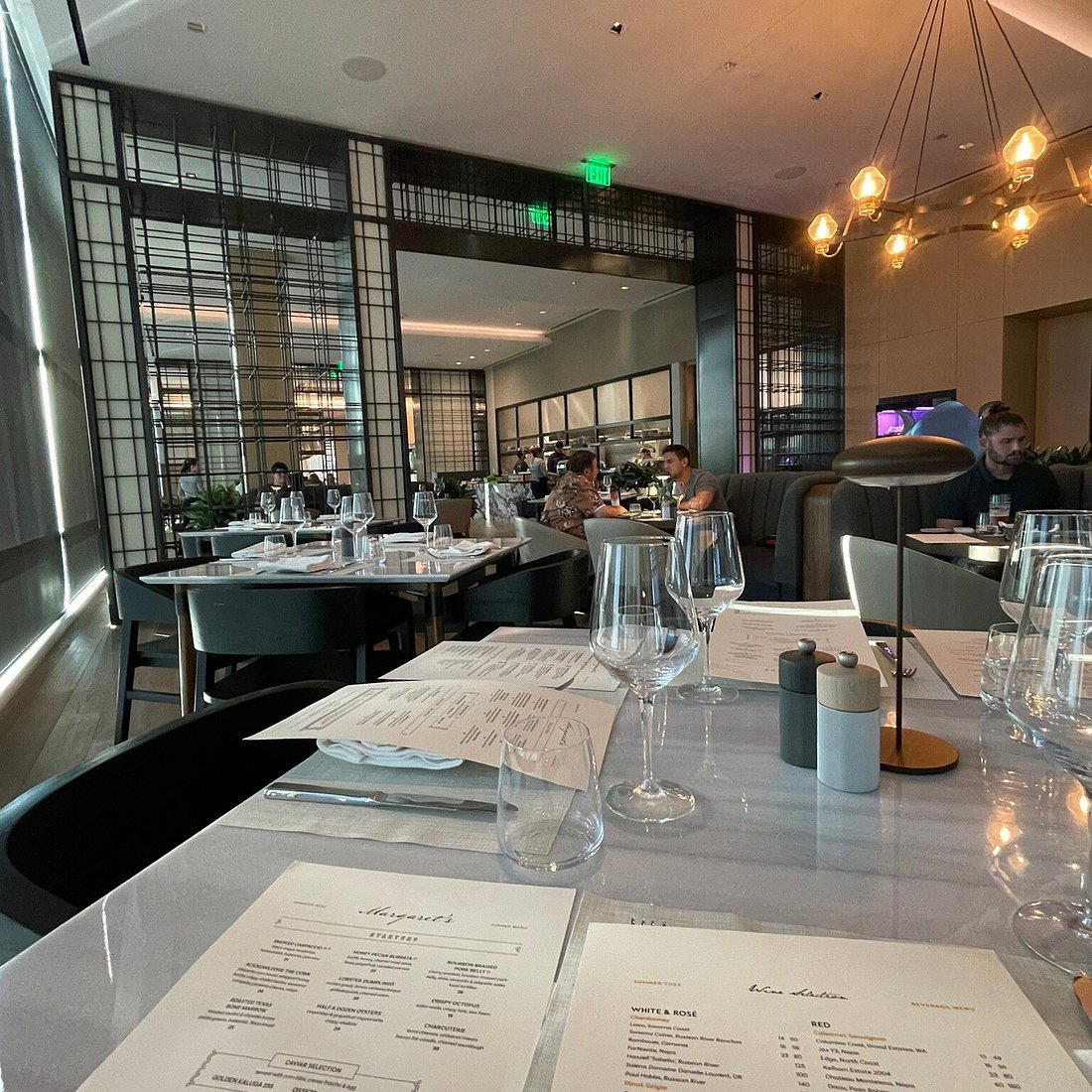
Where the American Chophouse Tradition Holds Its Ground in Dallas
JW Steakhouse is a restaurant in Dallas serving Texas Steakhouse with Farm-to-Table Influences at 800 N Harwood St. The address at 800 N Harwood St places JW Steakhouse inside a district where the competition for the expense-account dinner, the celebration table, and the serious beef enthusiast runs deep. The American steakhouse format has never been more crowded at the summit end of the market, and Dallas, with its cattle-country cultural inheritance and a dining public that takes beef seriously, is one of the cities where that crowding matters most.
The chophouse as a format carries significant cultural weight in Texas. Long before tasting menus and chef-driven tasting counters became the dominant register of fine dining ambition, the steakhouse was where status dining happened in American cities. In Dallas specifically, that tradition has roots in the ranching economy that shaped the region, and it continues to inform how the city's diners evaluate a room: the quality of the sourcing, the temperature on arrival, the weight of the cutlery, the depth of the wine list. These are the categories that matter here, and they are the categories by which JW Steakhouse is properly judged.
The Cut-Driven End of Dallas Dining
Dallas operates a steakhouse scene that stratifies sharply. At the accessible end, you have the volume-driven formats. At the premium tier, the competition includes Fearing's, which folds Southwestern flavour into its American framework, and Tatsu Dallas, which applies Japanese technique and precision sourcing to a different register of the premium dinner conversation. The Brazilian churrasco format, represented locally by venues like 12 Cuts Brazilian Steakhouse, offers a still-different approach to the meat-forward dining occasion. The restaurant positions itself in the classic American chophouse lane: a format defined by individual cuts, precise cookery, and service cadence rather than theatrical tableside production or fusion-inflected menu architecture.
That positioning is both a strength and a constraint. The strength is clarity. Diners arriving at a venue in the JW Marriott property on Harwood know what they are getting: a serious steakhouse with the backing of an international hotel group, the operational consistency that implies, and a room calibrated for business dining and formal celebration. The constraint is that classical format requires classical execution to justify the price tier, and in Dallas, the margin for error at the upper end of the steakhouse market is narrow. Comparison venues like Mamani and 3Eleven Kitchen and Cocktails serve as useful reference points for how Dallas's premium dining scene has diversified, even as the traditional steakhouse format retains its core constituency.
The Steakhouse in the Broader American Fine Dining Conversation
To understand where the restaurant sits in the wider American dining picture, it helps to track what has happened to the chophouse format at the national level. The years since 2010 have seen the prestige of the tasting menu counter and the chef-driven destination restaurant absorb much of the critical attention, with venues like Alinea in Chicago, The French Laundry in Napa, and Le Bernardin in New York City representing the apex of that chef-forward critical framework. At the other axis, farm-to-table formats like Blue Hill at Stone Barns in Tarrytown and Single Thread Farm in Healdsburg have claimed their own premium territory through sourcing transparency and seasonal discipline.
The American steakhouse has largely stayed outside these critical conversations, which is part of its appeal to a specific kind of diner. Venues like Lazy Bear in San Francisco, Providence in Los Angeles, Addison in San Diego, Atomix in New York City, The Inn at Little Washington, and internationally, 8 1/2 Otto e Mezzo Bombana in Hong Kong, pursue recognition through innovation and critical engagement. The steakhouse operates on a different logic: repeatability, reliability, and the satisfying certainty that a prime rib-eye cooked to order will arrive exactly as requested. For the Dallas diner who values that contract over experimentation, the restaurant is designed to deliver it.
Regional comparators reinforce the positioning. Emeril's in New Orleans illustrates how a chef-branded format can coexist with the hotel-anchored dining occasion; that parallel is useful context for understanding how a property like JW Steakhouse functions within a larger hospitality ecosystem, where the dining room and the rooms above it serve overlapping but distinct audiences.
Dallas Context: Neighbourhood and Occasion
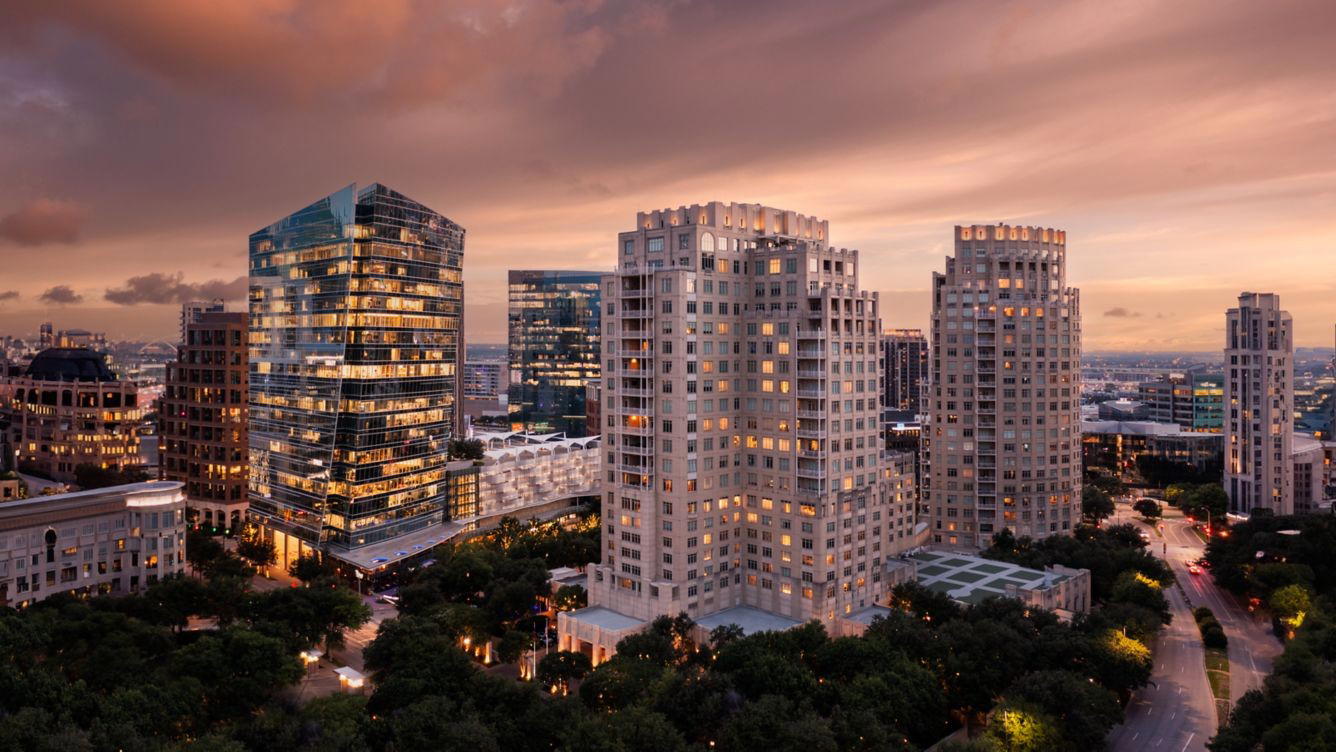
The Harwood Street address puts the restaurant in the Arts District adjacency, close to the Perot Museum and the broader downtown cultural corridor. This location serves both hotel guests and destination diners arriving from Uptown, the Design District, and beyond. Downtown Dallas has undergone significant reinvestment over the past decade, and the concentration of hotel-anchored dining along this stretch of Harwood reflects that shift. For diners coming from further afield, the DART rail system provides access to the downtown core, reducing the parking friction that can complicate evening dining plans in other parts of the city. The 360 Brunch House and other neighbourhood options in the surrounding blocks offer a sense of how the area's dining ecology has expanded to serve a more varied daytime and weekend crowd alongside the traditional dinner-service focus of properties like JW Steakhouse.
For visitors to Dallas approaching the city's restaurant scene from outside, Tatsu Dallas at the other. The restaurant occupies the hotel-anchored, classic American chophouse position within that map: a format that serves a specific need with consistency, and that earns its place in the city's premium dining conversation through execution rather than concept.
Planning Your Visit
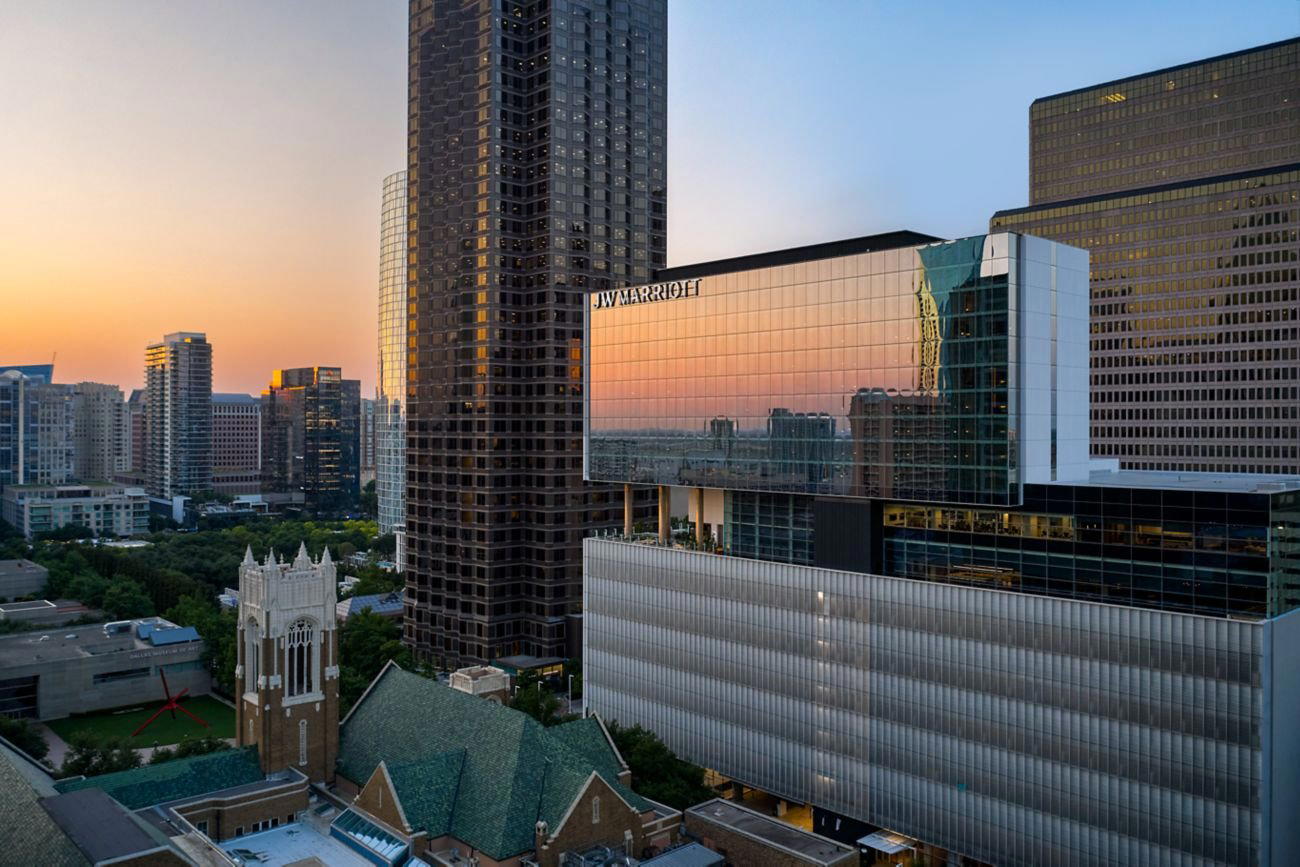
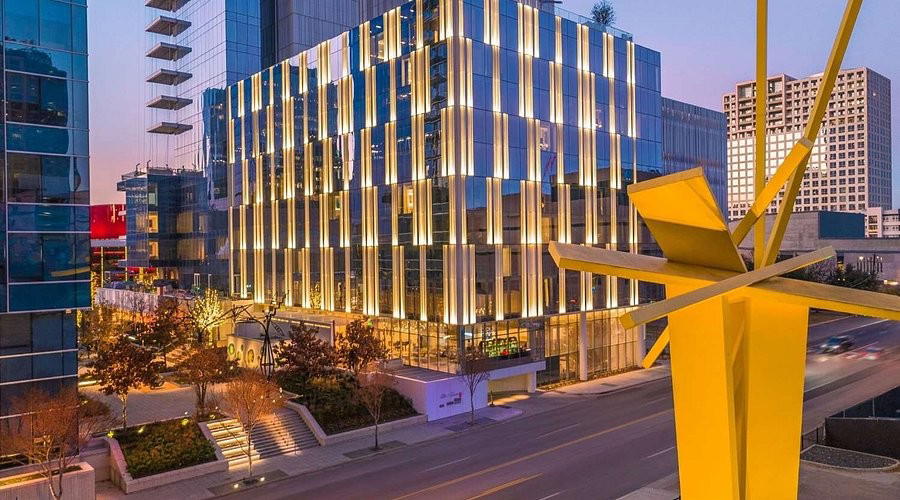
The restaurant is located at 800 N Harwood St, Dallas, TX 75201, within the JW Marriott Dallas Arts District property.
Pricing, Compared
Comparable venues nearby, for context on price, style, and recognition.
| Venue | Cuisine | Price | Notes |
|---|---|---|---|
| JW SteakhouseThis venue — the venue you are viewing | Not listed | $$$$ | Not listed |
| Wicked Butcher Dallas | Main Street District, Modern Steakhouse | $$$$ | Not listed |
| Y.O. Ranch Steakhouse | Not listed | $$$$ | West End, Texas Steakhouse with Wild Game |
| EVELYN | Not listed | $$$$ | Dallas Market Center, Old Hollywood Steakhouse & Seafood |
| Jack & Harry's | Not listed | $$$ | Greenville Ave, New Orleans-Inspired Steakhouse |
| Asador | Not listed | $$$ | Dallas Market Center, Modern Farm-to-Fire Steakhouse |
At a Glance
- Elegant
- Sophisticated
- Scenic
- Modern
- Date Night
- Business Dinner
- Special Occasion
- Celebration
- Rooftop
- Panoramic View
- Hotel Restaurant
- Open Kitchen
- Craft Cocktails
- Extensive Wine List
- Farm To Table
- Local Sourcing
- Skyline
Current opening hours
- Monday
- 6:30 AM–2 PM, 5:30–10 PM
- Tuesday
- 6:30 AM–2 PM, 5:30–10 PM
- Wednesday
- 6:30 AM–2 PM, 5:30–10 PM
- Thursday
- 6:30 AM–2 PM, 5:30–10 PM
- Friday
- 6:30 AM–2 PM, 5:30–11 PM
- Saturday
- 7 AM–2 PM, 5:30–11 PM
- Sunday
- 7 AM–2 PM, 5:30–10 PM
Hours can change for holidays and private events. Last verified .
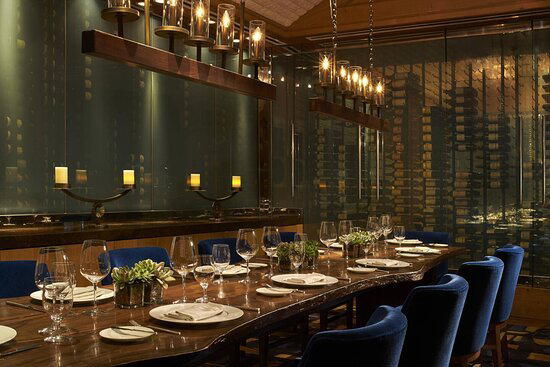
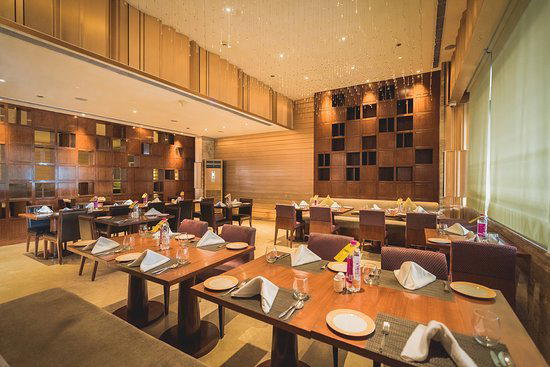
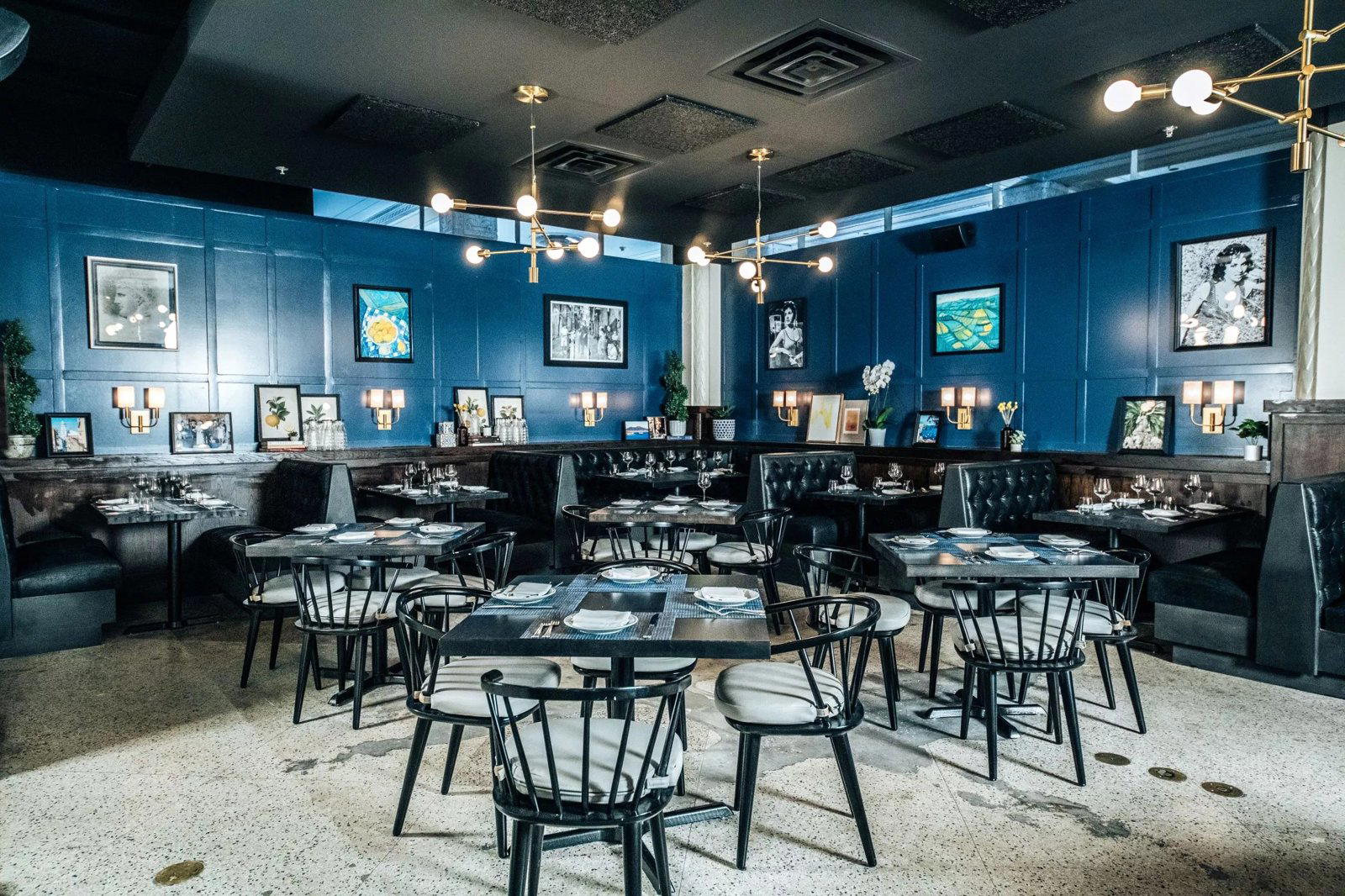
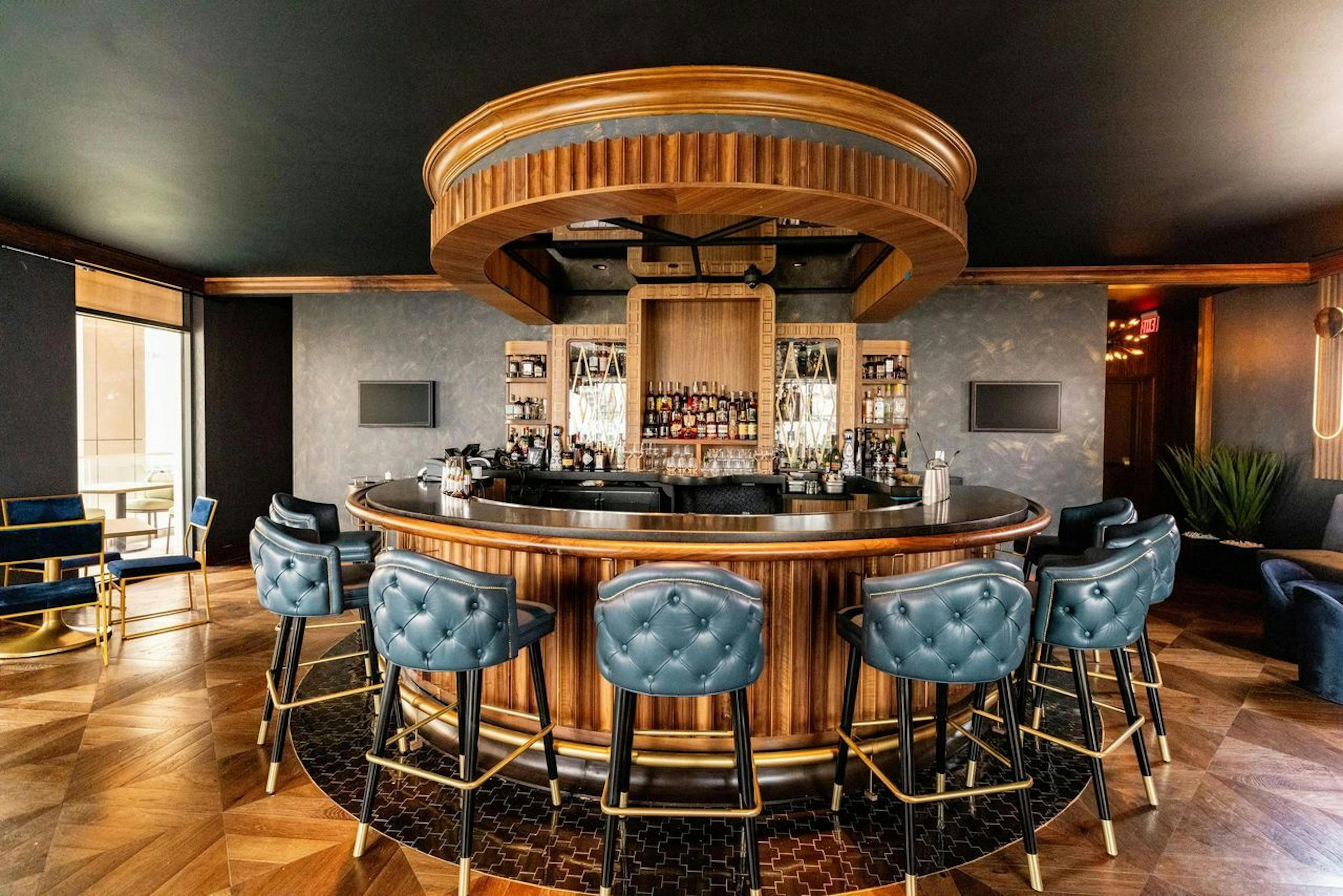
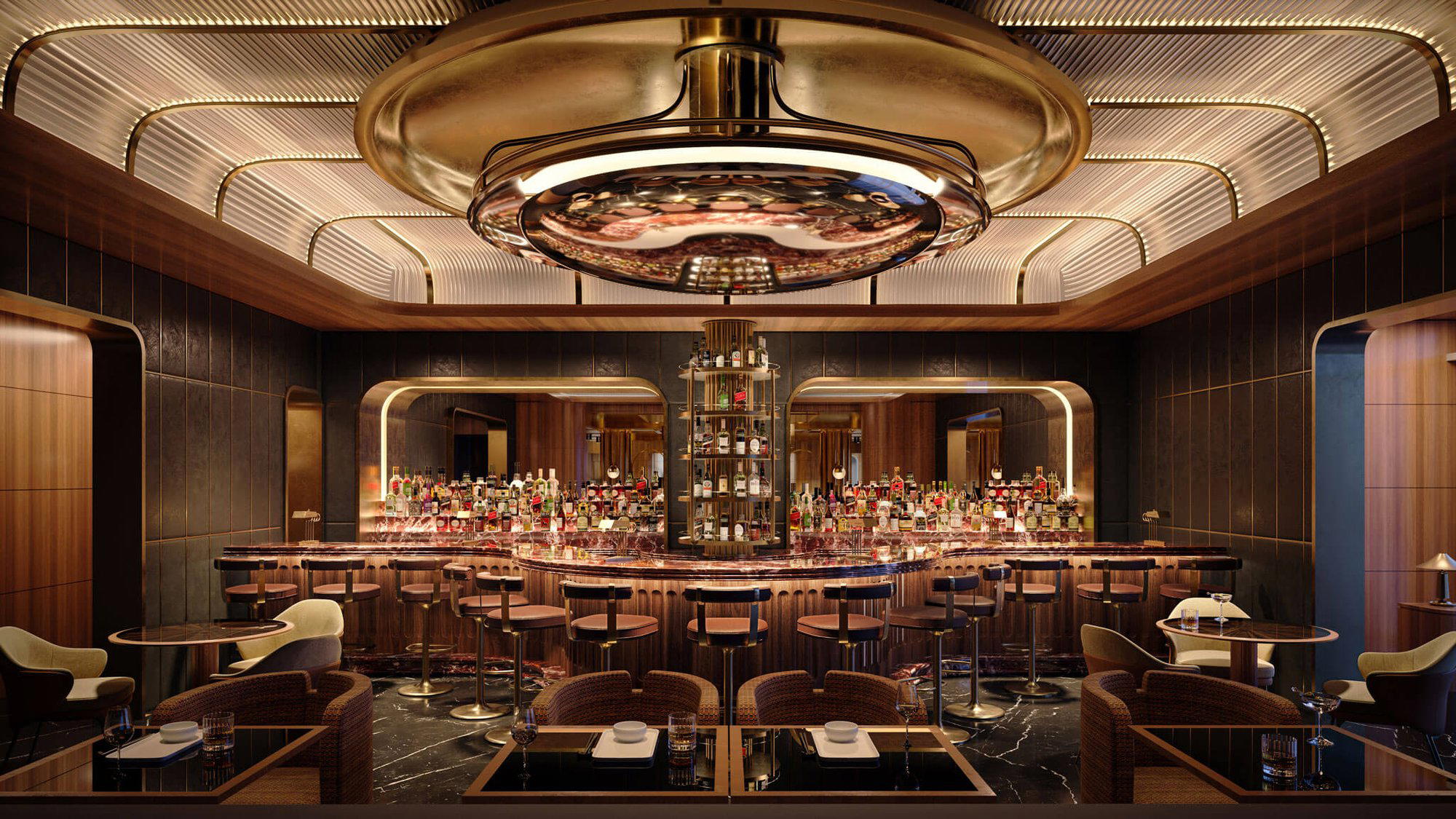
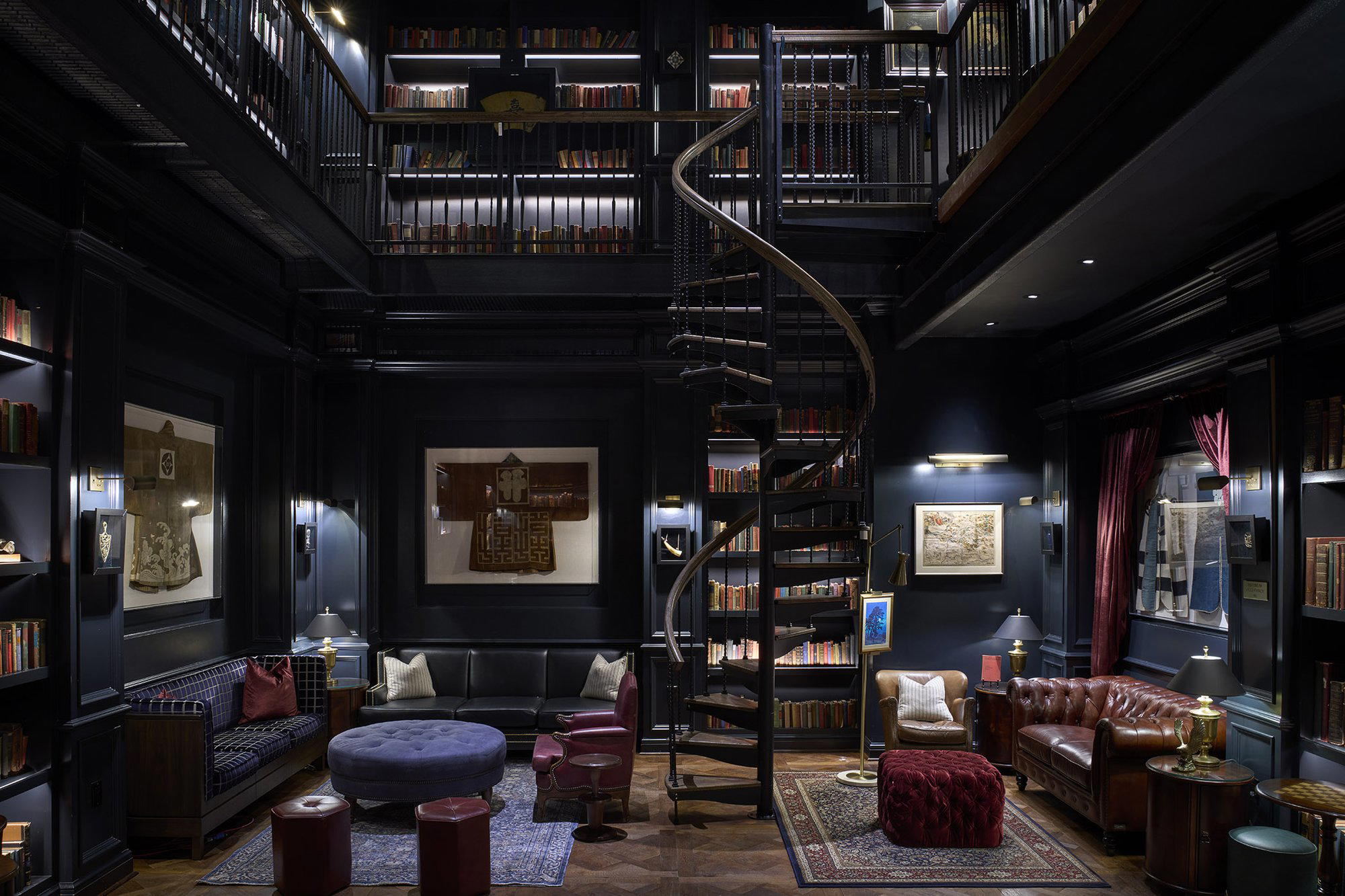
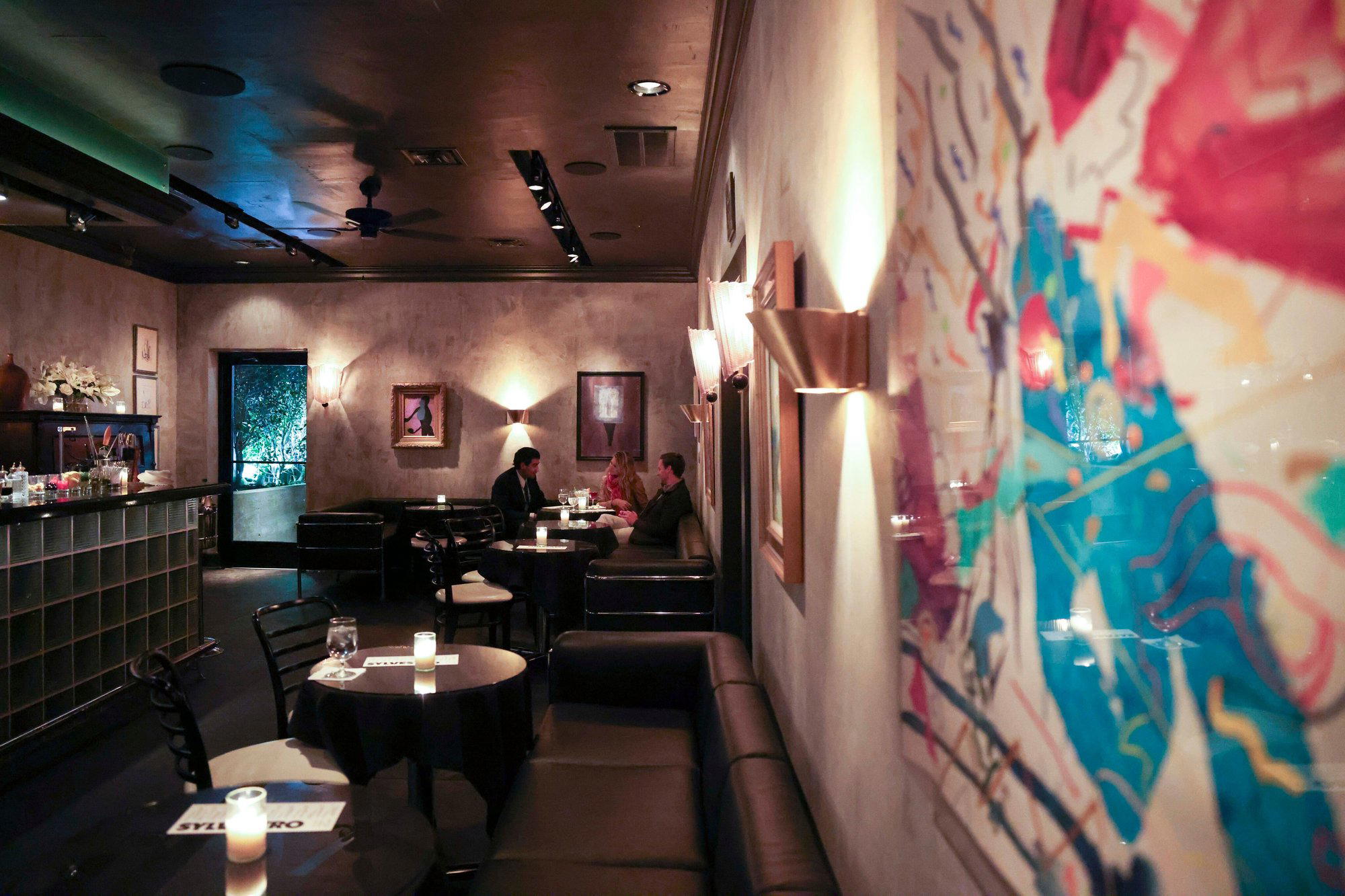
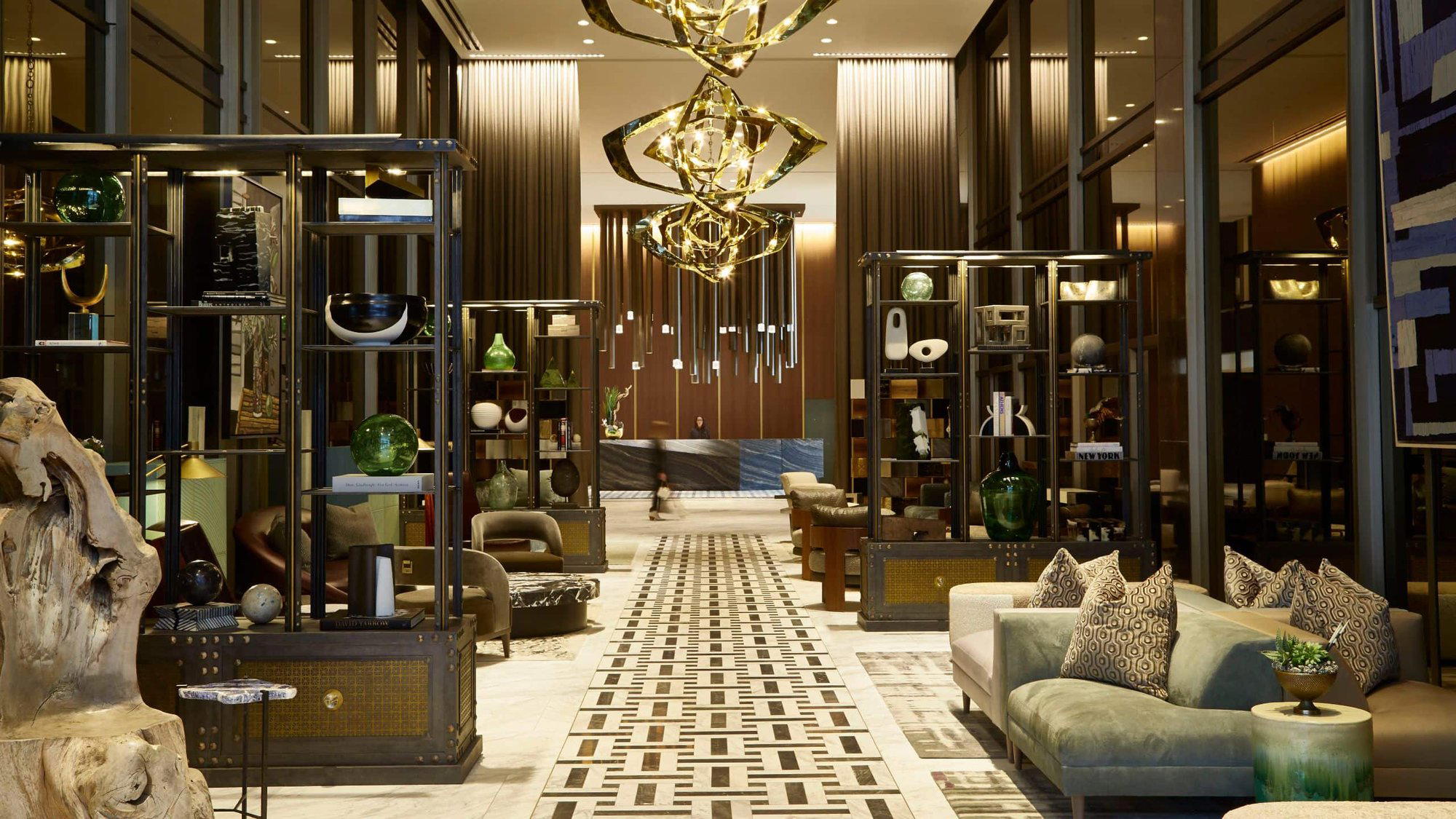
Modern upscale dining with sophisticated lighting and refined atmosphere overlooking the Dallas skyline; designed for informed diners seeking a decadent experience.