Julia Fish & Oysterbar

A Michelin Plate-recognised seafood address on the Belgian North Sea coast, Julia Fish & Oysterbar in Sint-Idesbald draws on the region's proximity to some of Europe's most productive shellfish beds. Holding the Michelin Plate in both 2024 and 2025, it occupies a confident position in the West Flanders coastal dining scene, where the catch and the season dictate everything on the menu.
Pearl is the En Primeur Club membership app — saves, bookings, and concierge access live there. Same editors, same standards.
- Address
- Arthur Vanhouttelaan 2, 8670 Koksijde, Belgium
- Phone
- +32 58 62 66 65
- Website
- julia-baaldje.be
- Directions
- Get directions
 Saves & bookings on Pearl
Where the Tide Sets the Menu
The Belgian coastline between De Panne and Nieuwpoort is not a stretch that accumulates dining attention easily. Sint-Idesbald sits within the municipality of Koksijde, a low-rise coastal commune where the dune landscape and the proximity of the North Sea define the character of local life more reliably than any restaurant trend. It is precisely in this kind of place that a focused seafood address works well: the supply chain is short, the seasons are legible, and the kitchen has nowhere to hide behind distraction. Julia Fish & Oysterbar, on Arthur Vanhouttelaan, operates within that logic.
The address has held the Michelin Plate in consecutive years, 2024 and 2025, a recognition that signals consistent quality without the theatrical overhead of starred kitchens. In the Belgian context, where the Michelin infrastructure runs deep and the coastal category is genuinely competitive, retaining the Plate across two cycles places Julia in a specific tier: serious enough for the guide to notice, focused enough to stay in its lane.5 across 511 reviews adds a ground-level layer of corroboration.
The North Sea Calendar and What It Means at the Table
To understand a restaurant like this, it helps to understand the North Sea shellfish and fish calendar, because that calendar is effectively the menu architecture. The Belgian coast sits at the edge of some of Europe's historically productive fishing grounds. Oyster availability on this coastline draws partly from the Zeeland beds across the Dutch border, where the Oosterschelde estuary produces flat and creuse oysters with a brine profile that shifts noticeably between the cold-water months of October through April and the warmer summer period. The old rule of thumb, eat oysters only in months with an R, has a biological basis: water temperatures above a certain threshold trigger spawning, which changes texture and flavour and makes many producers pull back from the market.
For an oyster bar operating in a coastal Belgian setting, that seasonal rhythm is not a constraint so much as a structure. The colder months from autumn through early spring bring the oysters into their densest, cleanest form. North Sea flatfish, particularly sole and plaice, peak in late spring and early summer, while mussels from the Zeeland and Normandy beds arrive in their leading condition from July through early autumn. Langoustines from the Scottish and Irish fishing grounds, a staple of Belgian fine seafood menus, tend to be at their most available and consistent in the June-to-October window, though cold-water landings continue year-round at reduced volume. A kitchen reading these rhythms correctly will look materially different in February than it does in August, not because of a chef's personal preference, but because the sea insists on it.
This is the operating context at Julia Fish & Oysterbar, and it is what separates a venue anchored in coastal ingredient logic from the kind of seafood restaurant that runs the same menu regardless of season. The Michelin Plate recognition, sustained across two years, suggests the kitchen is working within this framework rather than against it.
Sint-Idesbald in the Wider Flemish Dining Frame
West Flanders has developed one of the more coherent regional fine-dining identities in Belgium. The inland cluster runs through addresses like Boury in Roeselare, holding three Michelin stars with a creative Flemish register, and Hof van Cleve in Kruishoutem, a long-standing benchmark of the region. The coastal end of that spectrum is defined by proximity to the water rather than by the same kind of progressive tasting-menu ambition. Bartholomeus in Heist is one reference point for how seriously the Belgian coast can treat its seafood offer, and Willem Hiele in Oudenburg has demonstrated that coastal Flemish cooking can achieve national critical traction without relocating to Ghent or Antwerp.
Julia sits in a different price tier from the three- and two-star addresses. At €€€, it occupies the bracket below the full tasting-menu investment of places like Castor in Beveren or Cuchara in Lommel, both of which carry two stars and €€€€ pricing. That positioning is relevant: it signals a room where the ingredient quality is the investment rather than the service choreography or the multi-course architecture. For oyster-bar and fish-restaurant formats, this is often the more honest configuration. The comparison extends internationally: coastal seafood addresses like Gambero Rosso in Marina di Gioiosa Ionica or Alici on the Amalfi Coast operate on a similar premise, where the Mediterranean catch sets the terms rather than the chef's biography.
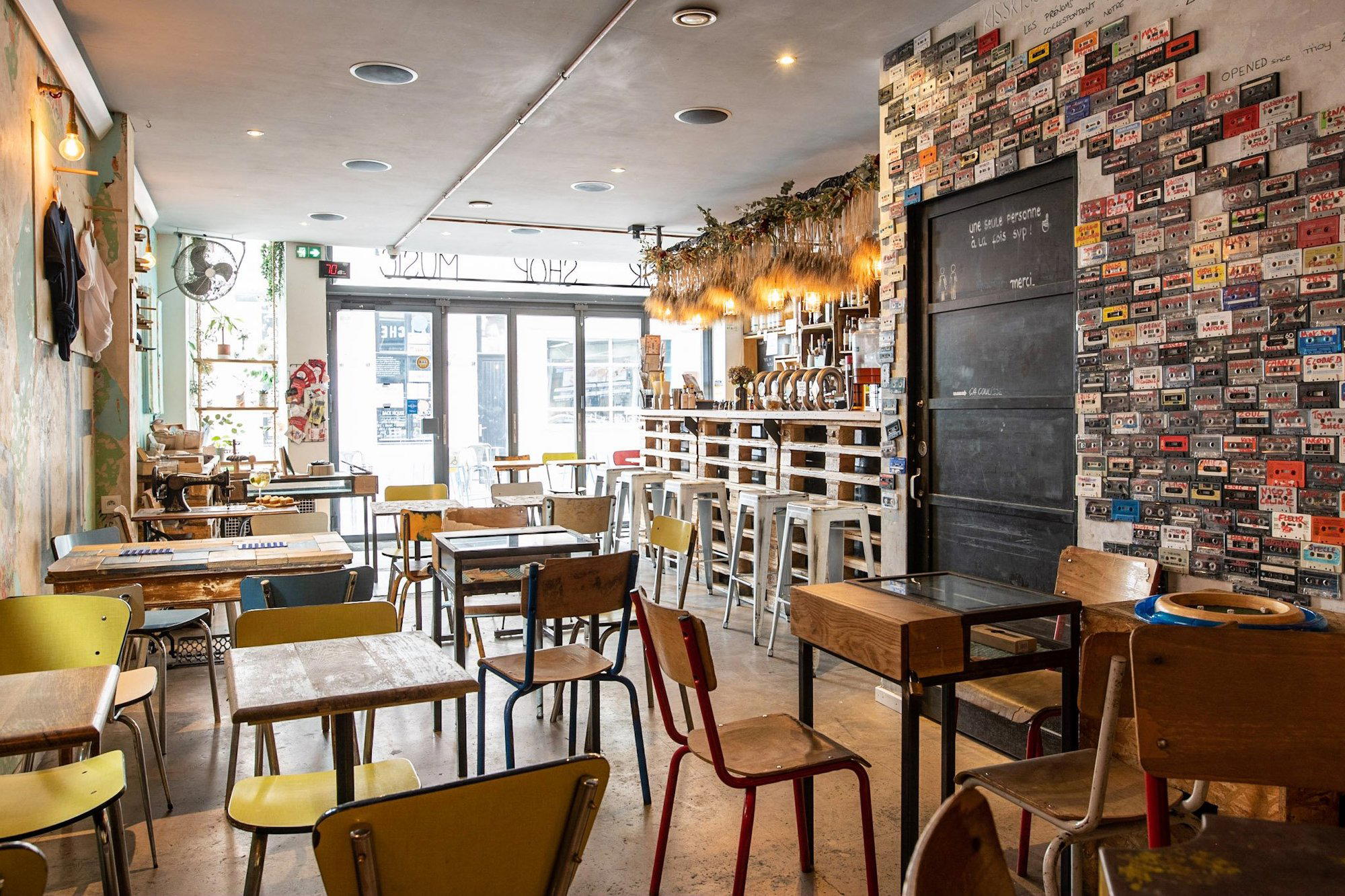
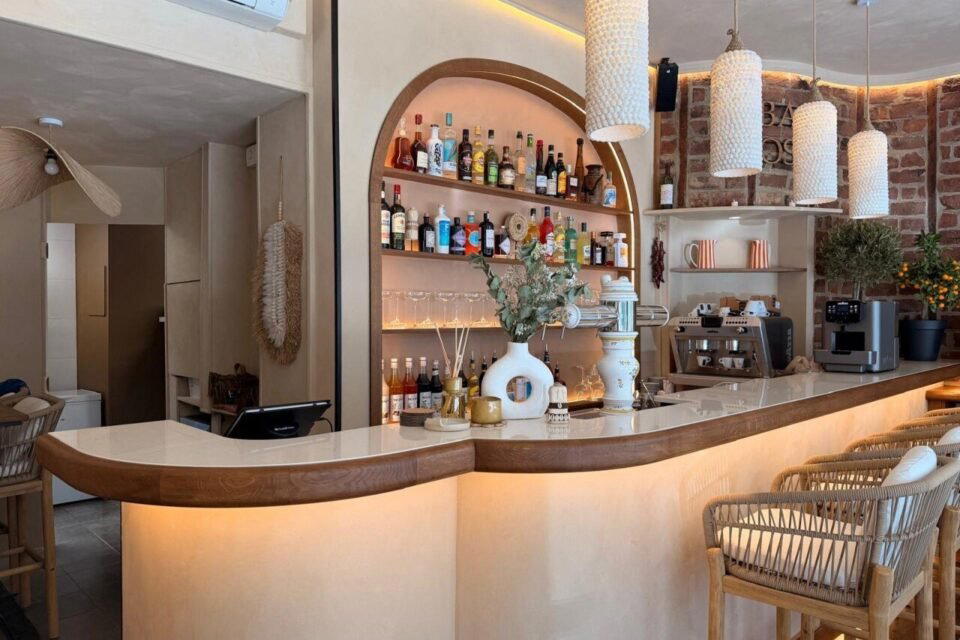
Within Sint-Idesbald itself, the dining scene is compact. Carcasse takes the meat and grills direction, and Boîte covers a broader world cuisine brief. Julia's seafood focus is distinct within that local context, and the Michelin recognition makes it one credentialled address in the immediate area.
Planning a Visit
Sint-Idesbald is accessible by road from Bruges in under an hour and from Ghent in approximately 90 minutes, making it a viable day-trip or weekend dining destination rather than an incidental stop. The coastal address and the restaurant's recognition in consecutive Michelin editions suggest booking in advance is prudent, particularly for weekend evenings and during peak summer coastal traffic from June through August, when the dune resorts along this stretch fill with both Belgian and Dutch visitors. The colder months, from October through March, bring quieter conditions and, as the shellfish calendar argues, some of the more interesting oyster service of the year. Price range at €€€ positions a meal here as a considered seafood occasion rather than a casual drop-in, though still below the investment level of the region's starred rooms.
For context on how Belgian fine dining operates at the higher end of the national register, Zilte in Antwerp, Bozar Restaurant in Brussels, and d'Eugénie à Emilie in Baudour provide useful anchors for the price-tier comparison.
Cuisine and Recognition
Comparable venues nearby, for context on price, style, and recognition.
| Venue | Cuisine | Price | Awards | Notes |
|---|---|---|---|---|
| Julia Fish & OysterbarThis venue — the venue you are viewing | Belgian Coast Seafood & Oyster Bar | $$$ | Michelin Plate | Not listed |
| Boîte | World Fusion Sharing Plates | $$$ | Michelin Plate | Sint-Idesbald |
| Carcasse | Belgian Dry-Aged Steakhouse | $$$$ | Michelin 1 Star | Sint-Idesbald |
| De Huifkar | Belgian Seafood | $$$ | Michelin Plate | Koksijde |
| Storm | Modern Belgian Seafood | $$$ | Michelin Plate | Ostend |
| La Belle Maraîchère | Traditional Franco-Belgian Seafood | $$$ | Michelin Plate | Pl. de Brouckere |
Recognition history
Dated appearances from independent guides and award organizations, with the underlying list record or original source where available.
Michelin Plate
Michelin
Michelin Plate
Michelin
Michelin Plate
Michelin
Continue exploring
More in Sint-Idesbald
Restaurants in Sint-Idesbald
Browse all →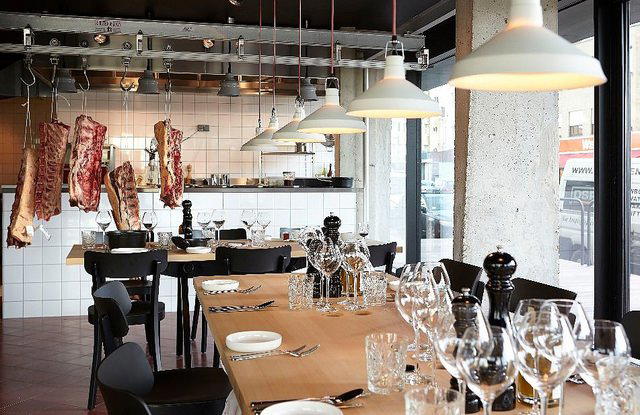
Bars in Sint-Idesbald
Browse all →
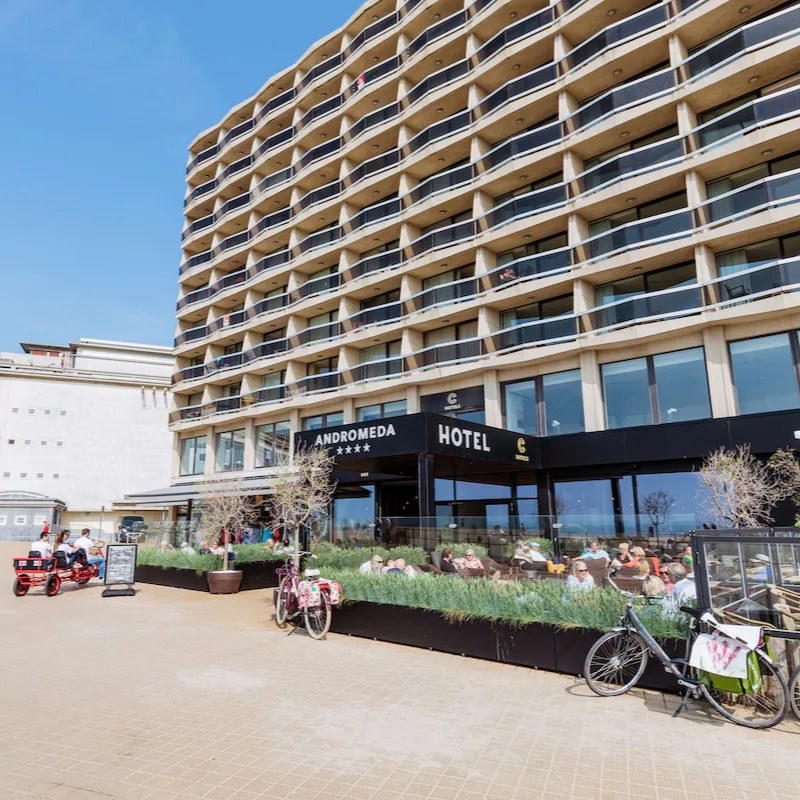
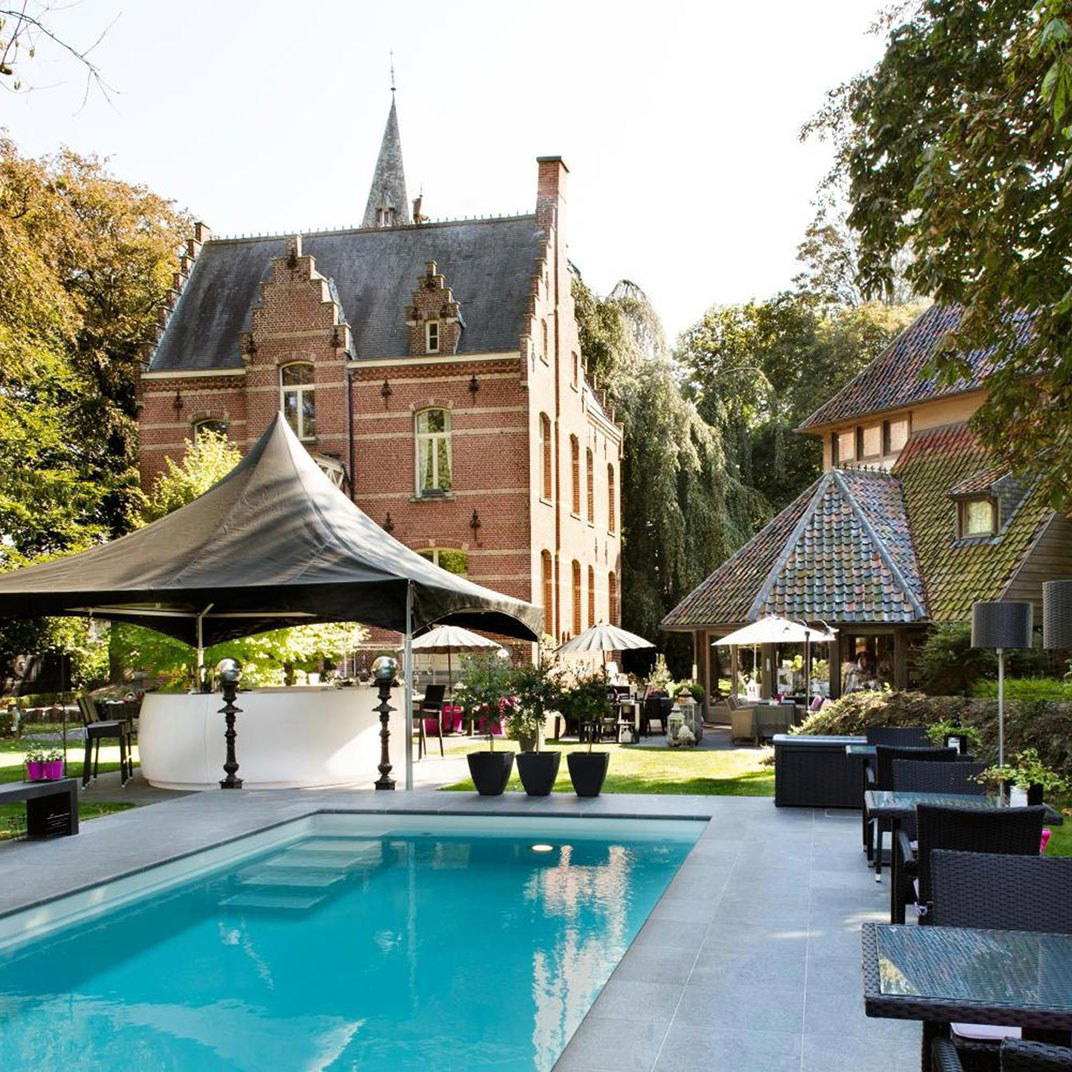
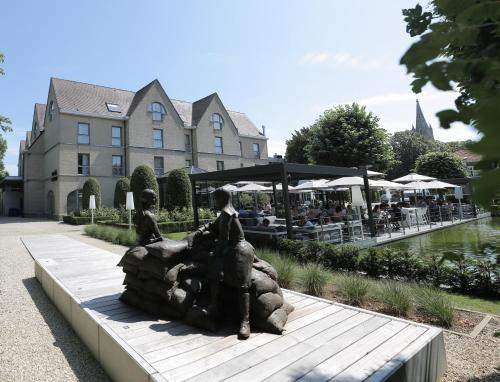
Hotels in Sint-Idesbald
Browse all →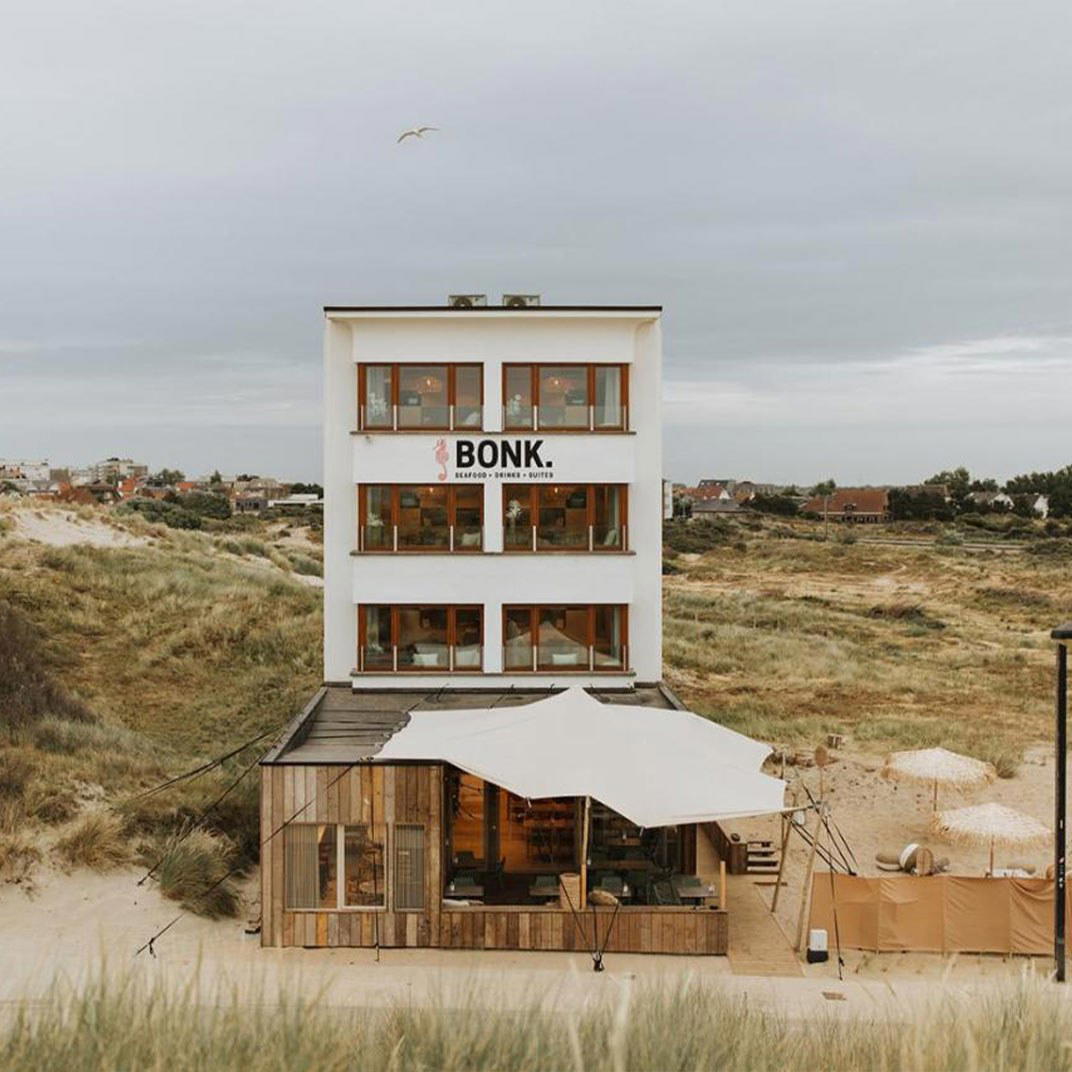
Wineries in Sint-Idesbald
Browse all →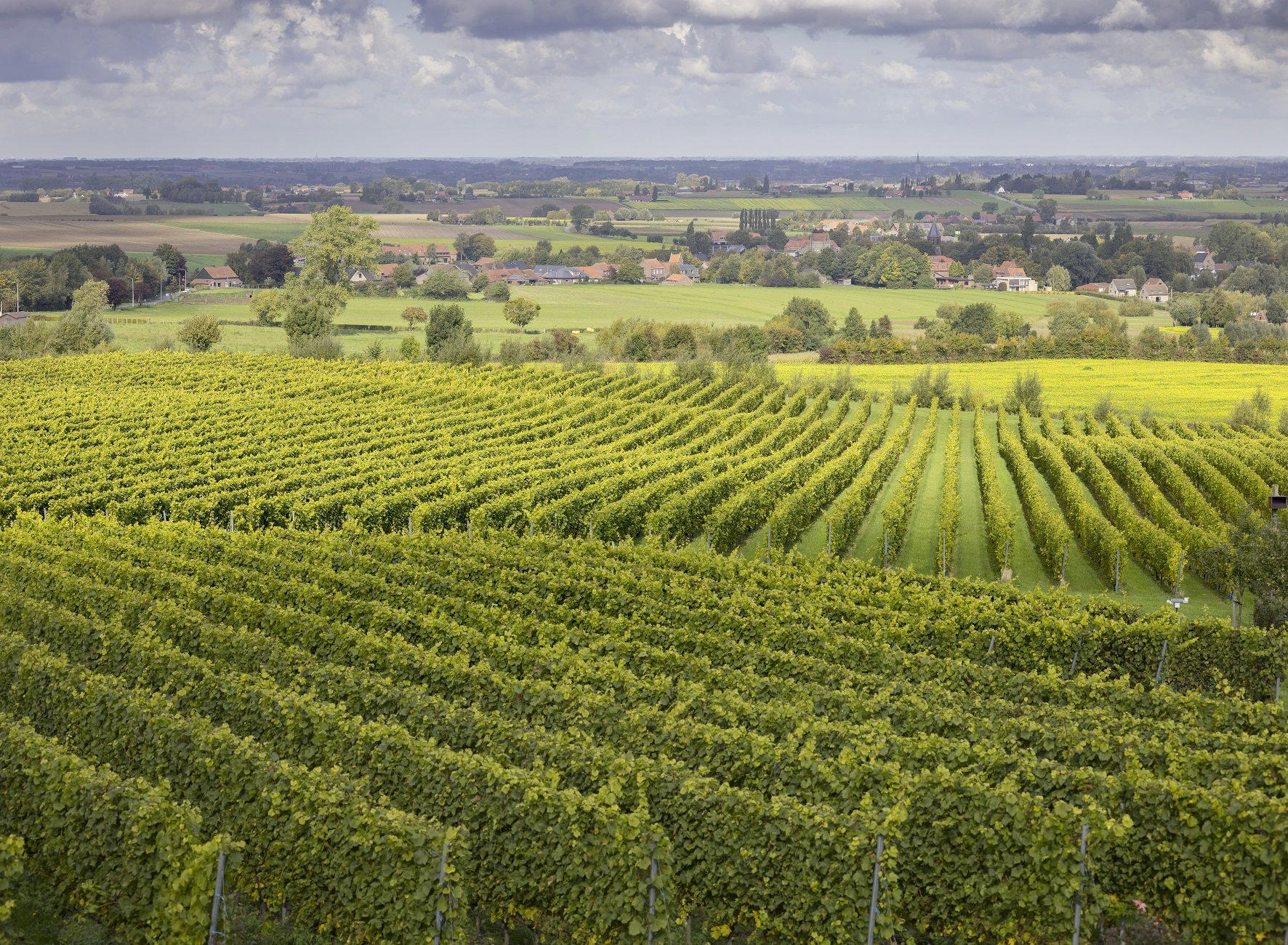
At a Glance
- Cozy
- Intimate
- Date Night
- Group Dining
- Special Occasion
- Open Kitchen
- Extensive Wine List
- Local Sourcing
- Sustainable Seafood
- Farm To Table
Current opening hours
- Monday
- Closed
- Tuesday
- Closed
- Wednesday
- Closed
- Thursday
- 12–2 PM, 6:30–8:30 PM
- Friday
- 12–5 PM, 6:30–8:30 PM
- Saturday
- 12–2 PM, 6:30–9 PM
- Sunday
- 12–2 PM, 6:30–8:30 PM
Hours can change for holidays and private events. Last verified .
Casual and friendly maritime interior with fish scale decor, sociable buzz, and warm terrace atmosphere.