Venezuela


Macarfi 8 Food Rating · Guía Repsol 1 Sol
Our verdict
Venezuela places San Pedro del Pinatar’s cooking in direct conversation with the Mar Menor: fish, rice culture, salt-flat produce and the discipline expected of a Guía Repsol 1 Sol restaurant in 2026. The value here is not spectacle, but a coastal kitchen whose credibility comes from sourcing and regional clarity.

Pearl is the En Primeur Club membership app, where members save venues, book tables and use the concierge.
The menu
What to order
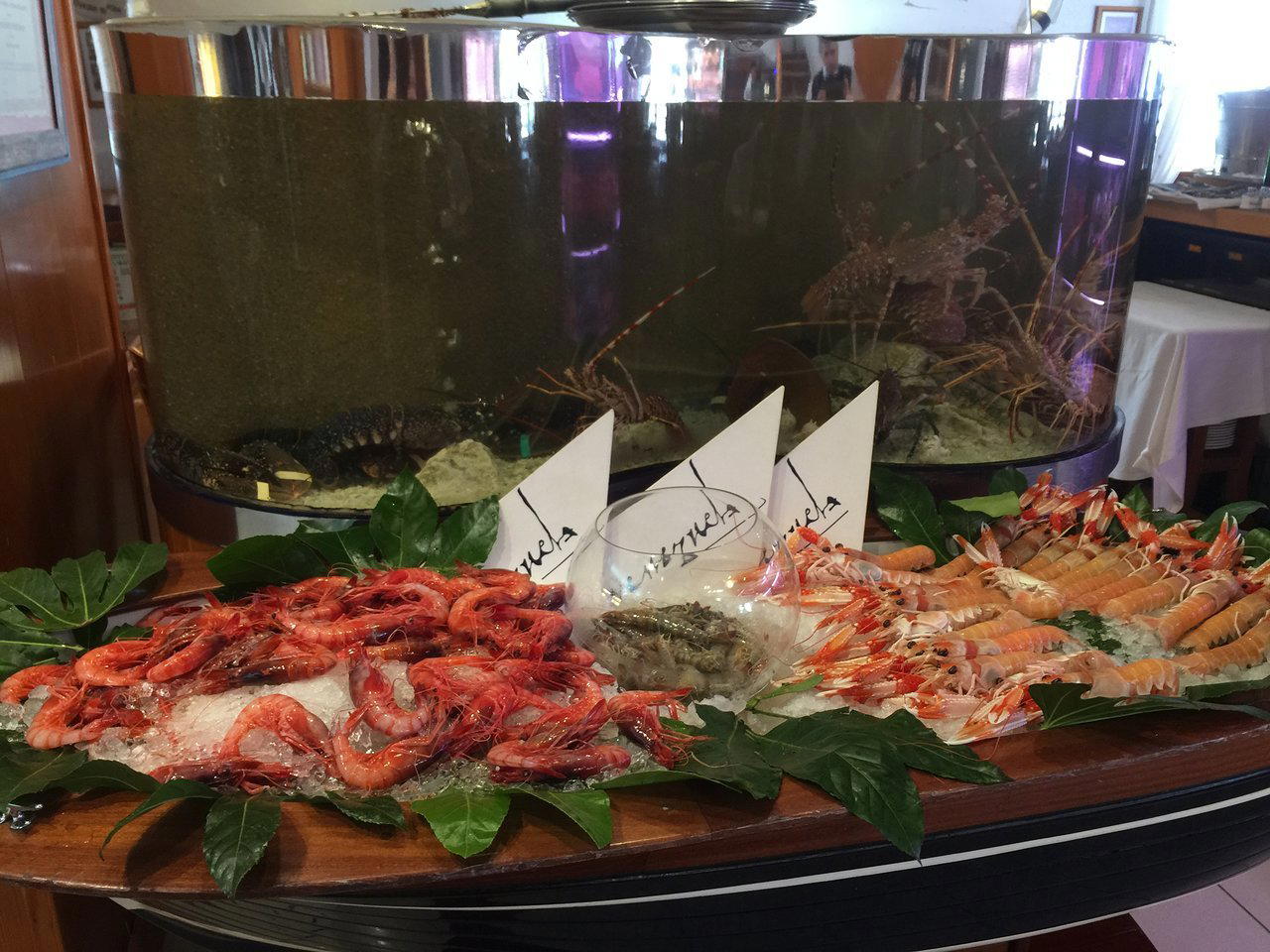
- Caldero del Mar Menor
- Arroces marineros
- Langostinos
- Doradas
- Lenguados
- Boquerones
San Pedro del Pinatar gives a restaurant a clear local frame before anyone reads a menu: a town with its own daily rhythms, visitors, residents, and expectations around lunch and dinner. For a dining room here, the setting matters because it shapes how travellers understand the meal. The useful question is not whether the restaurant performs a generic idea of coastal luxury, but whether it makes sense as part of San Pedro del Pinatar’s restaurant landscape.
Venezuela belongs in that context rather than in the imported luxury language that flattens many Spanish coastal restaurants. Its Guía Repsol 1 Sol recognition in 2026 matters because it gives diners an external signal from a national Spanish guide. For San Pedro del Pinatar, that makes the restaurant a useful reference point: a local dining room measured against the expectations of contemporary Spanish guides, while still being read first through its place in the town.
San Pedro del Pinatar gives the meal its argument
The serious story here is context. San Pedro del Pinatar is not just a pin on an itinerary; it changes how a traveller reads a restaurant, from pacing and occasion to the expectations around a planned meal. A restaurant working in the town has to make sense within that local field, and the stronger meals in this category usually succeed by letting setting and hospitality set the pace rather than forcing the experience into a metropolitan template.
That distinction matters in a Spanish dining culture where recognition can push restaurants toward polish at the expense of locality. Venezuela’s 1 Sol places it in a tier where the expectation is not maximal formality, but a restaurant with enough identity to justify attention. The question for travellers is not whether San Pedro del Pinatar can imitate Madrid, Barcelona or Valencia. It is whether a restaurant in the town can present its own argument with confidence. For broader Spanish comparisons, the national spectrum runs from urban dining rooms to regionally anchored addresses across the country. The relevant comparison is not style for style’s sake, but how each restaurant translates its setting.
San Pedro del Pinatar also sits apart from Spain’s larger gastronomic circuits. The town’s dining identity is quieter than Spain’s more performance-driven or hotel-led restaurant destinations. That makes a Repsol-recognised restaurant here more useful to serious travellers, not less. It signals that the local table has enough definition to merit a planned meal, especially for readers already mapping Spain through a mix of major-city, island and smaller-town restaurants.
Why this address matters in San Pedro del Pinatar
Small towns often split between two dining modes: convenient restaurants built around volume, and local houses that ask for a little more attention. Venezuela sits in the second conversation. The recognition from Guía Repsol gives outside diners a trust signal, but the stronger reason to pay attention is category fit. In a town where restaurant choices can serve very different occasions, the more persuasive address is the one that treats local context as structure rather than ornament.
That also affects how to read the room. This is not a city restaurant asking diners to suspend their sense of place. It belongs to San Pedro del Pinatar, where meals are often social and paced around the Spanish lunch-and-dinner pattern. For travellers building a short stay, the restaurant works better as the anchor meal around which to plan the day than as a quick add-on between beach time and errands. The town rewards that slower rhythm: arrive with the appetite for a considered local table, not the expectation of anonymous resort dining.
Within the immediate local field, Juan Mari gives a useful counterpoint as another named point on the town’s dining map. Venezuela’s appeal is tied to how a recognised restaurant can sharpen that same local conversation. Readers planning across the area should use our full San Pedro del Pinatar restaurants guide for the dining map, then layer in the wider trip through our full San Pedro del Pinatar hotels guide, our full San Pedro del Pinatar bars guide, our full San Pedro del Pinatar wineries guide and our full San Pedro del Pinatar experiences guide.
A local meal to plan around, not a trophy stop
The better editorial read is restrained: Venezuela is compelling because it gives San Pedro del Pinatar a recognised point of reference. A 1 Sol award supplies the external validation, but the meal’s logic should still be judged through the restaurant’s fit with the town and the occasion. That is a more durable reason to go than novelty.
For international readers, the address also shows how Spain’s restaurant map has widened beyond the familiar prestige cities. A serious itinerary can now move from San Pedro del Pinatar to Basque, Catalan, island and Castilian references without treating smaller towns as filler. That same widening explains why EP Club’s Spain coverage may sit beside other specialist dining guides around the world: the useful question is always the same, whether a place understands its format and location well enough to deserve a detour within the trip at hand.
Frequently asked questions
Does Venezuela work for a family meal?
Venezuela can work for a planned meal in San Pedro del Pinatar, especially for diners looking for a Repsol-recognised restaurant in the town.
Is Venezuela formal or casual?
Venezuela is a serious San Pedro del Pinatar dining room with Guía Repsol 1 Sol recognition for 2026, but the page does not verify a specific dress code or formality level.
What is Venezuela known for?
Venezuela is known here for its Guía Repsol 1 Sol recognition in 2026 and its place in San Pedro del Pinatar.
At-a-Glance Comparison
Comparable venues by cuisine and price in the same metro.
| Venue | Cuisine | Price | Awards | Notes |
|---|---|---|---|---|
| VenezuelaThis venue (the venue you are viewing) | Traditional Mediterranean seafood restaurant by the Mar Menor | Not listed | Macarfi 8 Food Rating · Guía Repsol 1 Sol | Not listed |
| Juan Mari | Traditional Mediterranean with Murcian influences | $50–100 | Michelin Bib Gourmand | Traditional Cuisine |
Recognition history
Dated appearances from independent guides and award organizations, with the underlying list record or original source where available.
Guía Repsol 1 Sol
Guía Repsol
Macarfi 8 Food Rating
Macarfi
Continue exploring
More in San Pedro del Pinatar
Restaurants in San Pedro del Pinatar
All restaurants in San Pedro del Pinatar →
Bars in San Pedro del Pinatar
Browse all →
Hotels in San Pedro del Pinatar
Browse all →
Wineries in San Pedro del Pinatar
Browse all →
Details
- Elegant
- Classic
- Scenic
- Family
- Group Dining
- Celebration
- Special Occasion
- Date Night
- Waterfront
- Standalone
- Local Sourcing
- Sustainable Seafood
- Waterfront
- A La Carte
- Pescatarian Friendly
Current opening hours
- Monday
- Closed
- Tuesday
- 1:30–4 PM, 8:30–11 PM
- Wednesday
- 1:30–4 PM, 8:30–11 PM
- Thursday
- 1:30–4 PM, 8:30–11 PM
- Friday
- 1:30–4 PM, 8:30–11 PM
- Saturday
- 1:30–4 PM, 8:30–11 PM
- Sunday
- 1:30–4 PM
Hours can change for holidays and private events. Hours as of .
Elegant but relaxed Mediterranean seaside atmosphere with marine-inspired decor and a sense of history, offering comfortable sit‑down dining and friendly, attentive service suited to leisurely meals by the water.