Joey's
Our verdict
Joey's sits on NW 2nd Avenue in Miami's Wynwood-adjacent corridor, a stretch where the dining scene has shifted from art-crowd overflow to a destination in its own right. With limited data in the public record, what draws attention is the address itself: a block where neighbourhood context does much of the editorial work. See our full Miami guide for peer context and booking intelligence.

Pearl is the En Primeur Club membership app — saves, bookings, and concierge access live there. Same editors, same standards.
- Address
- 2506 NW 2nd Ave, Miami, FL 33127
- Phone
- (305) 438-0488
- Hours
- Daily 10:30 AM–7:30 PM
- Website
- joeyswynwood.com
- Directions
- Get directions
- Booking
- Book on OpenTable
A Corner of Miami Where the Meal Begins Before You Sit Down
Along NW 2nd Avenue, the approach to a restaurant is rarely neutral. The stretch running through what locals situate between Wynwood and the Upper Eastside corridor carries a particular charge: art galleries giving way to roll-up doors, converted warehouses sharing sidewalk space with purpose-built dining rooms, the whole block operating as a kind of extended threshold before any food arrives. Joey's, at 2506 NW 2nd Ave, occupies that transitional geography. The building number places it in a zone Miami's dining community has spent the better part of a decade treating as a proving ground, where operators either commit to neighbourhood identity or get swallowed by it.
That address tells you something about what kind of meal Miami expects from a room in this corridor. The expectation, shaped by years of openings and closures along this avenue, is that a place earns its position through consistency and character rather than through a publicist's launch campaign. Whether Joey's meets that standard is a question leading answered by visiting, but the location itself signals intent.
The Ritual of Eating in Miami's Mid-City Corridor
Miami's dining rituals differ by neighbourhood in ways that matter. South Beach and Brickell operate on late-night timetables, with tables turning past midnight and the social performance of the meal often competing with the food itself. The corridor where Joey's sits runs on a different clock. Dinners here tend to be earlier, more deliberate, and less subject to the see-and-be-seen compression that defines the waterfront rooms. That pacing changes how a meal feels: courses arrive without the ambient pressure of a room cycling through two or three seatings per night, conversations extend, and the neighbourhood's relative quiet at the street level keeps the focus inward.
This is consistent with a broader pattern in American dining: the most committed eating rooms in any city tend to migrate toward neighbourhoods where real estate hasn't yet priced out the operators willing to take creative risks. In Miami, that migration has moved north and inland from the original South Beach concentration. The same dynamic produced the generation of restaurants that defines the city's current critical reputation, including Boia De, the Italian-contemporary room that became one of the harder reservations in Florida from a comparably unassuming address, and Ariete, which anchored the Coconut Grove pocket of serious modern American cooking. Both demonstrate that Miami's dining credibility no longer depends on proximity to the ocean.
Miami's serious dining tier has grown more differentiated over the past several years. At the top of the price and formality spectrum, rooms like L'Atelier de Joël Robuchon Miami and Cote Miami operate on globally recognisable formats with corresponding price points in the $$$$-and-above range. A tier below, neighbourhood-anchored operators compete on specificity and regularity rather than spectacle. The NW 2nd Ave address places Joey's structurally in that second cohort, alongside rooms that earn their audience through repeat visits rather than destination-dining pilgrimage. That is neither a disadvantage nor a consolation prize. In cities like San Francisco, where Lazy Bear built its reputation through a format that rewarded regulars over newcomers, or in Chicago, where Alinea has always treated the serious eater as the assumed audience, the rooms that function as neighbourhood anchors often outlast the splashier openings by a decade or more.
Miami's version of that dynamic is still being written. ITAMAE's Peruvian-Japanese counter model demonstrated that a focused, cuisine-specific program could generate both critical attention and a loyal local following from a non-premium address. That precedent matters for understanding what any operator in this corridor is working against and toward simultaneously.
The Broader Frame: American Dining Rituals and the Independent Room
The independent restaurant in an American mid-city neighbourhood occupies a specific cultural position that is worth understanding on its own terms. Unlike destination rooms such as The French Laundry in Napa or Blue Hill at Stone Barns in Tarrytown, where the meal is planned months in advance and the entire day orbits around the reservation, the neighbourhood-anchored independent room is structured around recurrence. The meal ritual is less ceremonial and more embedded: you go because you live nearby, because you trust the kitchen, because the room has become part of a weekly or monthly rhythm. That is a different relationship between diner and restaurant, and it produces a different kind of loyalty.
Rooms that sustain this kind of loyalty in competitive American markets tend to share certain characteristics: a consistent culinary identity that doesn't pivot seasonally based on trend cycles, a staff that recognises returning faces, and a physical environment that rewards familiarity rather than novelty. The rooms that have achieved this in other American cities, from Emeril's in New Orleans to Providence in Los Angeles to Addison in San Diego, did so by treating the local audience as the primary relationship rather than the secondary one.
For a room on NW 2nd Avenue, that framing is particularly apt. The neighbourhood is not a tourist circuit. Diners arriving here are making a deliberate choice, navigating away from the more heavily marketed corridors toward something they've heard about or sought out. That self-selection tends to produce a more engaged room.
Planning Your Visit
NW 2nd Avenue is accessible from central Miami, though this corridor is better served by rideshare than street parking during evening hours, particularly on weekends when Wynwood's foot traffic extends south. For those building a wider Miami evening, the neighbourhood sits within reasonable distance of the Design District's dining options, making it viable to combine a visit with broader exploration of Miami's mid-city eating scene. For a fuller picture of peer venues and how Joey's fits into the current Miami dining map, see our full Miami restaurants guide.
Contacting the venue directly or checking current listings before visiting is advisable, as operational details in this corridor can shift. For confirmed-data rooms at comparable or adjacent price points, Boia De and Ariete both publish clear booking windows and are reliable benchmarks for understanding what Miami's serious independent dining tier currently costs and how far in advance tables move.
Frequently asked questions
What should I expect atmosphere-wise at Joey's?
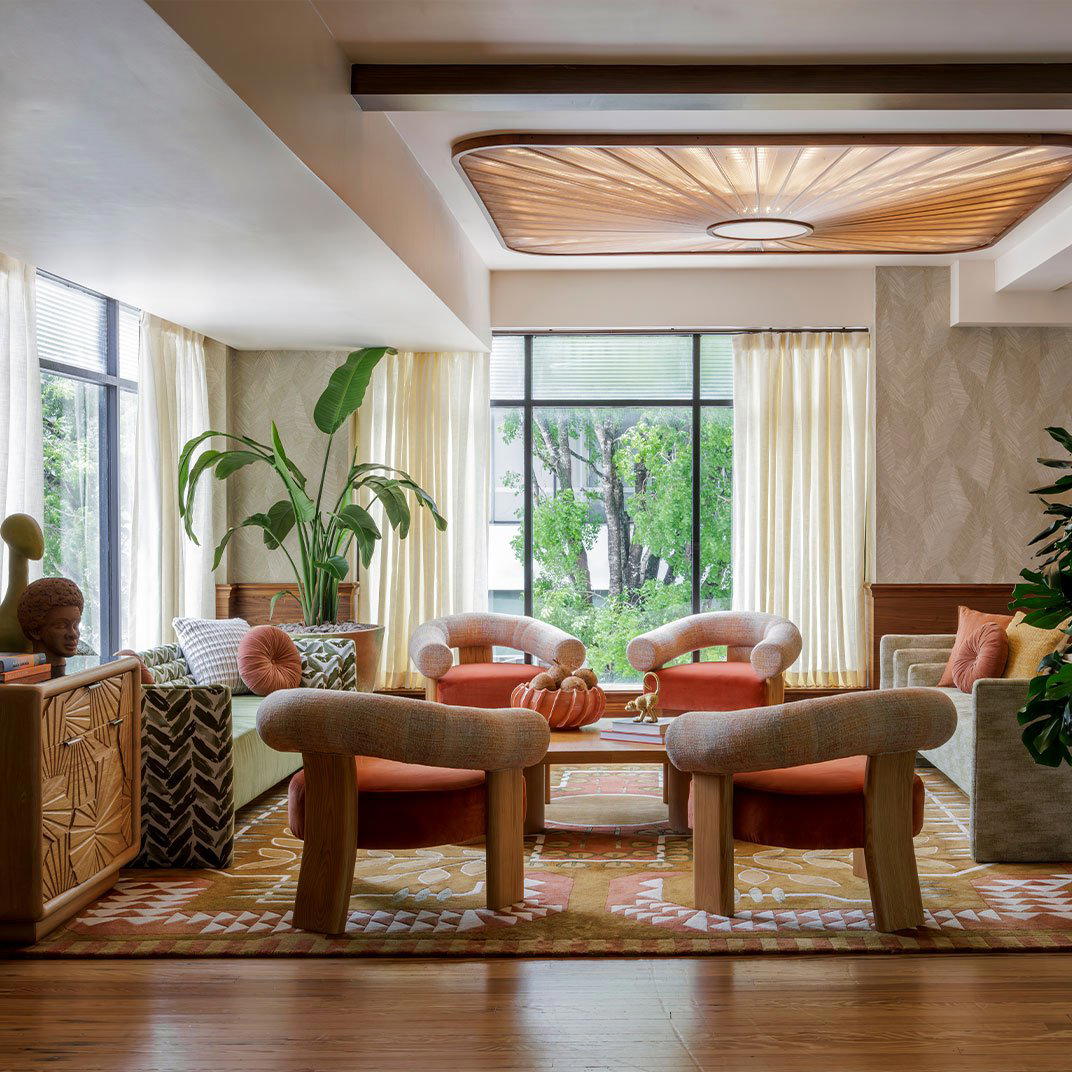
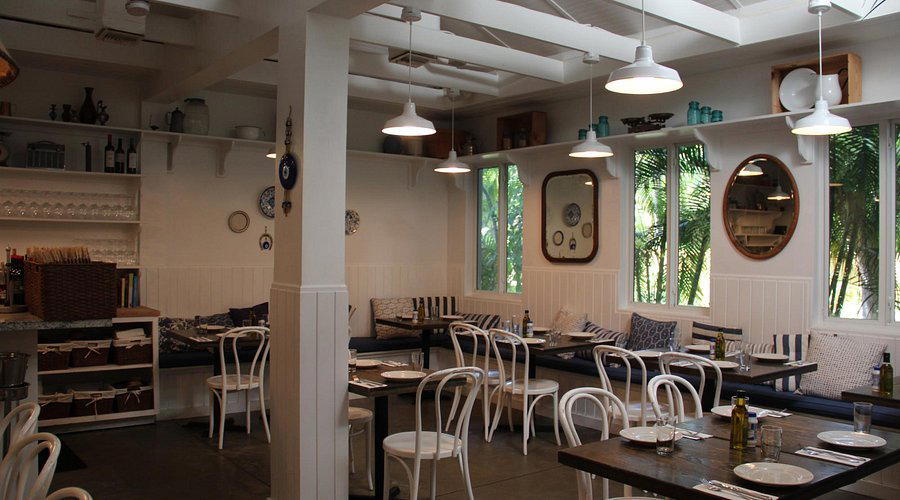
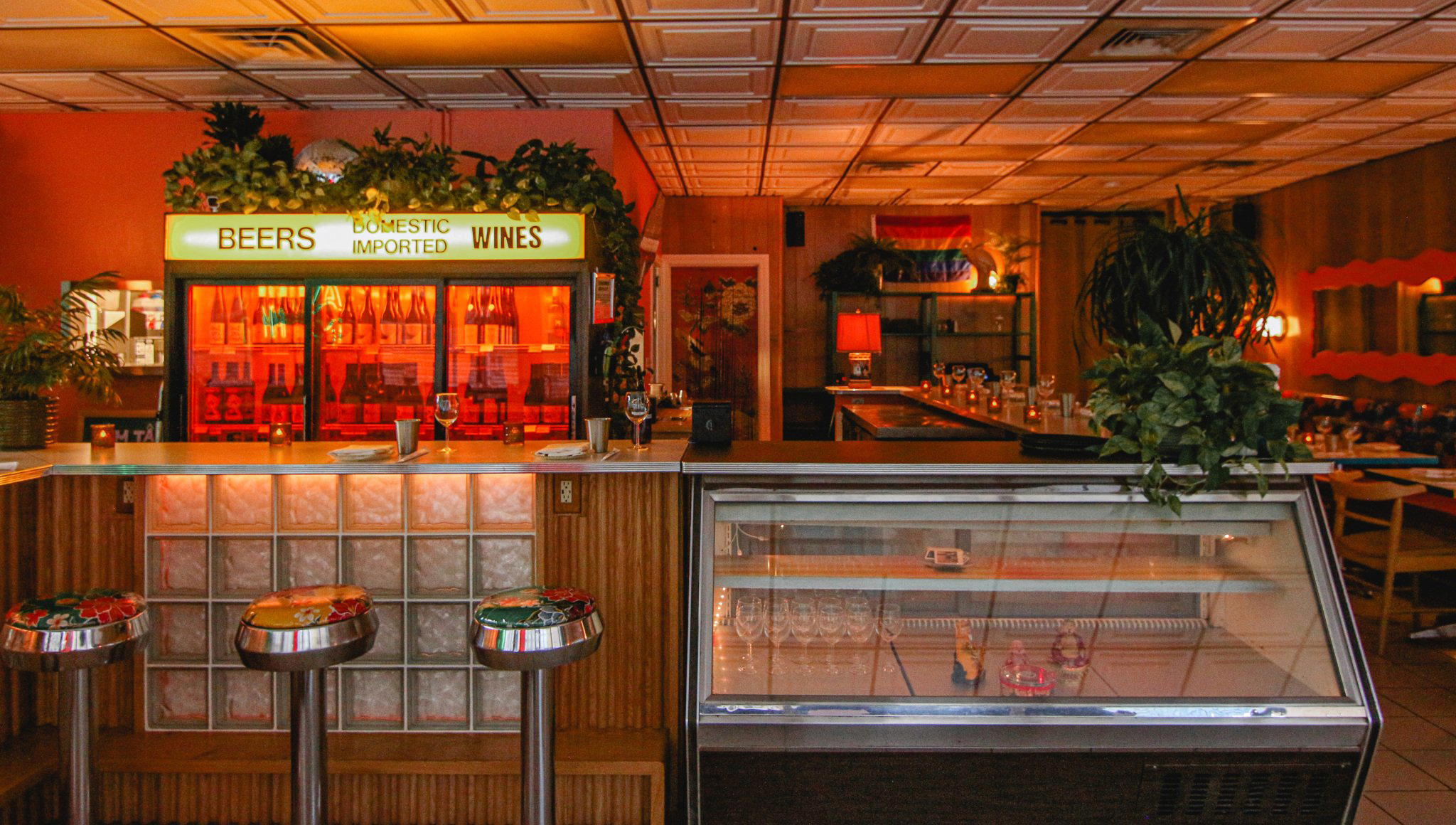
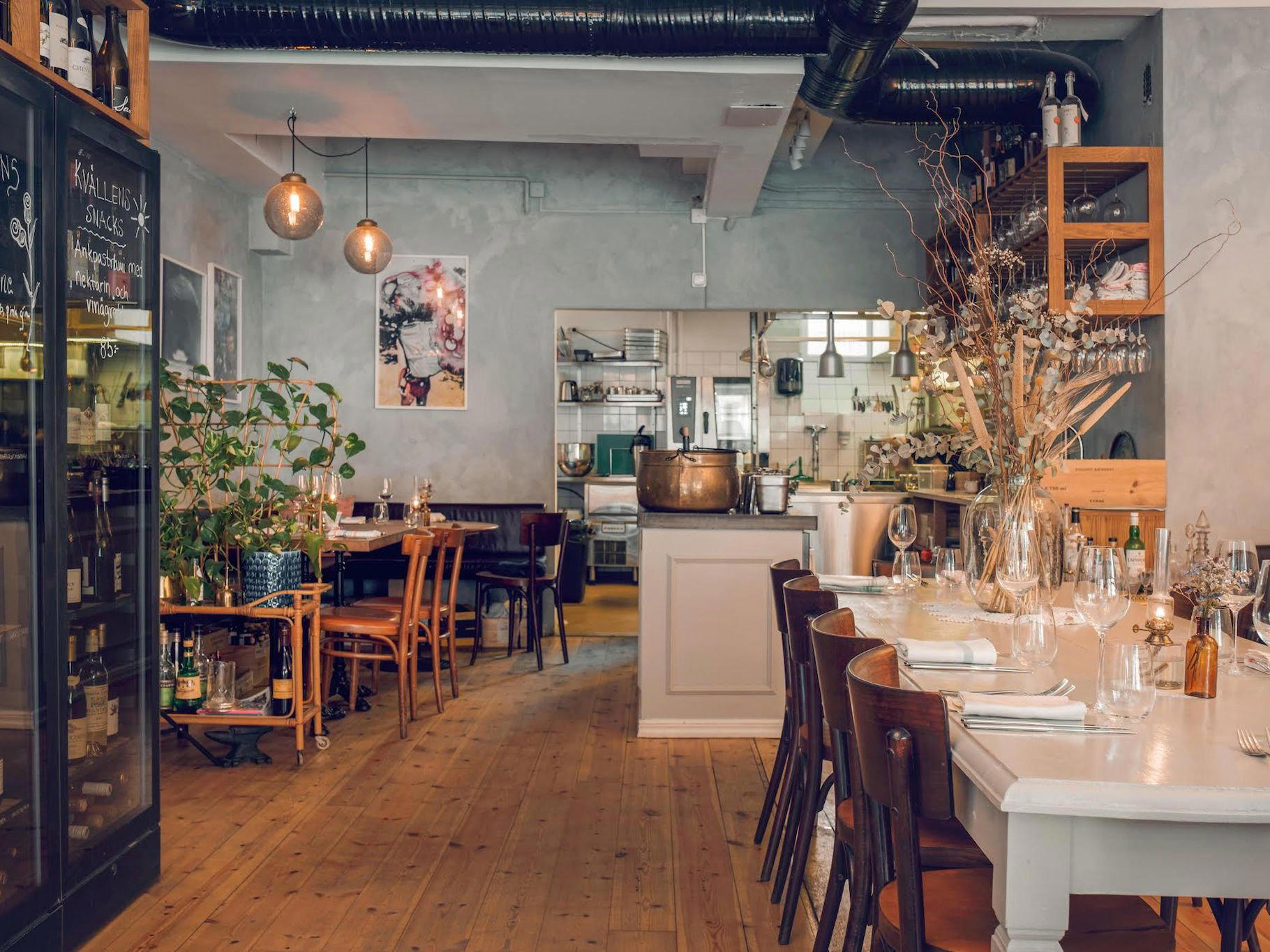
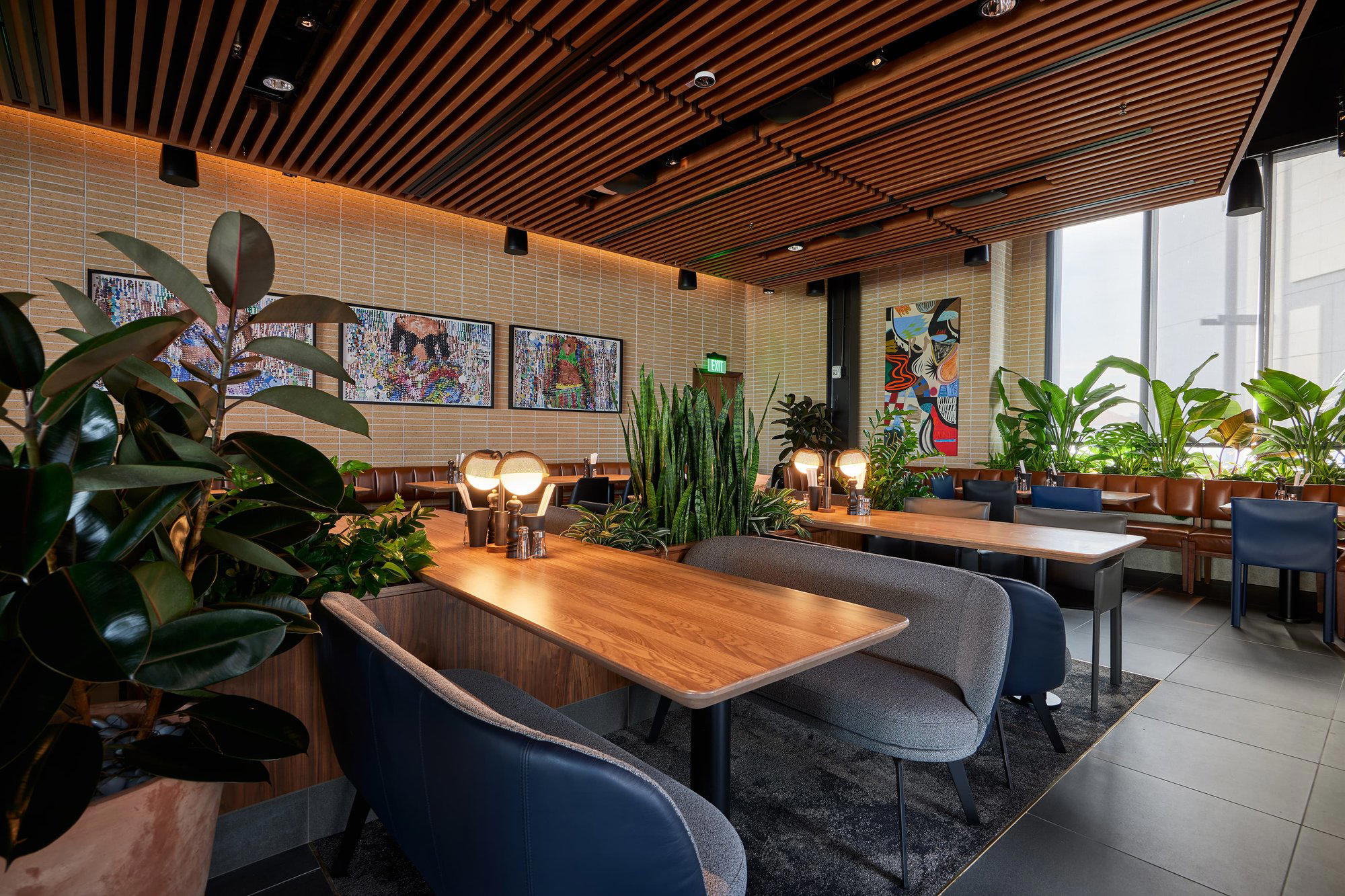
Joey's sits on NW 2nd Avenue in the corridor between Wynwood and Miami's Upper East Side, a stretch that draws a neighbourhood-first crowd rather than a destination-dining one. The room reflects the character of mid-city Miami: less performative than South Beach, less corporate than Brickell. Arrive with the expectation of a space that earns its identity through the meal, not through décor spectacle.
What's the address for Joey's?
Joey's is located at 2506 NW 2nd Ave, Miami, FL 33127, Miami.
Is Joey's Miami worth visiting if I'm already planning a trip to Wynwood?
Joey's is located at 2506 NW 2nd Ave, placing it within easy reach of the Wynwood arts district without being inside the tourist-heavy core of it. That position makes it a practical addition to an evening that starts or ends in Wynwood, rather than a detour. Independent rooms in this Miami corridor tend to operate on tighter seatings than the larger Wynwood-facing venues, so confirming availability in advance is advisable.
What should I order at Joey's?
The mid-city Miami corridor where Joey's operates tends to favour kitchens with a defined point of view over broad crowd-pleasing menus.
What's the best way to book Joey's?
The NW 2nd Avenue corridor is better reached by rideshare than by car during evening hours, when street parking along this stretch is limited. Contacting the venue directly will give you the most accurate reservation process.
Price Lens
Comparable venues nearby, for context on price, style, and recognition.
| Venue | Cuisine | Price | Notes |
|---|---|---|---|
| Joey'sThis venue — the venue you are viewing | Modern Italian Pizza | Not listed | Not listed |
| Mister 01 Extraordinary Pizza | Extraordinary Star-Shaped Pizza | $20–30 | Miami Riverwalk, Extraordinary Star-Shaped Pizza |
| Big Cheese | Classic Italian Pizza and Pasta | $20–30 | South Miami, Classic Italian Pizza and Pasta |
| BELLILLO US | Authentic Neapolitan Pizza | $30–50 | Miami Riverwalk, Authentic Neapolitan Pizza |
| Ironside Pizza | Authentic Neapolitan Pizza | $20–30 | Little River, Authentic Neapolitan Pizza |
| Osteria | Authentic Italian Osteria | Not listed | Shorecrest, Authentic Italian Osteria |