Jingu House
Our verdict
Jingu House occupies a North St. Mary's Strip address in San Antonio, positioning itself within a corridor that has become one of the city's more active dining and nightlife stretches. The venue sits in a part of town where independent operators have consistently outpaced chain formats, making it a reference point for the neighbourhood's character rather than an outlier within it.

Pearl is the En Primeur Club membership app — saves, bookings, and concierge access live there. Same editors, same standards.
- Address
- 3853 N St Mary's St, San Antonio, TX 78212
- Phone
- (210) 735-4846
- Hours
- Mon–Thu 10 AM–4 PMFri 10 AM–5 PMSat–Sun 9 AM–5 PM
- Website
- jinguhousesatx.com
- Directions
- Get directions

The menu
What to order
- Mole-braised pork steam buns
- Gyoza
- Asian chicken salad
- Bento boxes
- Sushi rolls
The Strip That Shaped the Room
North St. Mary's Street has spent the better part of three decades sorting itself into something distinct from the rest of San Antonio's dining geography. The stretch running through the 78212 zip code attracts independent operators rather than franchised formats, and the buildings along it tend toward the historically layered rather than the purpose-built. Jingu House, at 3853 N St. Mary's St. sits in that grain. Approaching the address, the surrounding blocks offer a reliable read on what the neighbourhood values: local ownership, informal density, and a pace calibrated to residents rather than hotel guests busing in from the River Walk. That orientation matters when assessing what kind of meal to expect and what the room is designed to do.
San Antonio's dining scene has split meaningfully over the past decade. One tier has moved toward the tasting-menu format that has become something of a national default for ambitious restaurants, a mode visible at venues like Mixtli, where a rotating Mexican regional menu operates at the $$$$ price point and reservation windows reflect demand. Another tier, represented by addresses like Isidore, pursues a Texan-inflected refinement without fully committing to the omakase or progressive-course format. Jingu House occupies a neighbourhood rather than a category, and understanding it requires reading the street before reading the menu.
How the Meal Takes Shape
Progressive dining in American cities has settled into a recognizable grammar: an opening sequence that orients the palate, a middle section that builds in weight and complexity, and a closing act that either resolves or deliberately subverts the arc. The leading practitioners of this format, whether at Alinea in Chicago or Lazy Bear in San Francisco, treat sequencing as editorial work rather than mere pacing. The question the kitchen is always answering is: what does the diner need to know by the time they reach the next course?
What the neighbourhood context and address suggest is a kitchen operating closer to the neighbourhood-restaurant register than the destination-tasting-menu tier occupied by something like The French Laundry or Single Thread Farm in Healdsburg. That register has its own logic: the progression is looser, the courses more familiar in form, and the arc of the meal is shaped more by the guest's pacing than by kitchen choreography.
That distinction is not a demotion. The neighbourhood-restaurant format serves a different purpose than the destination tasting menu, and judging it by the same criteria produces a category error. In San Antonio specifically, some of the most consistent cooking happens at addresses that would never appear on a national awards list, partly because the format doesn't lend itself to the kind of documentation that drives Michelin or James Beard attention. The city's barbecue culture, anchored by operators like 2M Smokehouse, runs on the same logic: the meal is structured by the smoker's output and the diner's appetite, not by a kitchen's narrative ambition.
The North St. Mary's Cohort
Placing Jingu House in competitive context requires looking at what the surrounding corridor has produced. The St. Mary's Strip has historically attracted operators who favour personality over polish, and the dining options in the area reflect that tendency. This is not the Pearl District, where renovation capital and food-media attention have produced a more curated, somewhat self-conscious scene. The Strip is less photogenic and more functional, which tends to produce restaurants that earn repeat business rather than first-visit tourism.
Within San Antonio's broader dining map, the North St. Mary's corridor competes for a specific type of diner: someone who lives in or near the neighbourhood, who values consistency over occasion, and who is unlikely to be timing their visit around a media cycle. That cohort is distinct from the visitors who anchor their San Antonio meals to the River Walk, or the occasion-dining crowd that drives bookings at 1Watson. Understanding which cohort a restaurant is built for tells you more about the experience than any single menu detail.
Nationally, the venues that leading illustrate what it means to anchor a neighbourhood rather than a category tend to operate with quiet consistency. Blue Hill at Stone Barns in Tarrytown and Providence in Los Angeles occupy the destination tier, where the address is the occasion. 410 Diner in San Antonio represents the opposite end, a format built on frequency and familiarity. Jingu House, based on its address and context, reads as something between: a neighbourhood anchor with enough specificity to reward attention without requiring the planning overhead of a tasting-menu booking.
Planning a Visit
The North St. Mary's Strip is most active in evenings, and parking along the corridor tends toward street availability rather than dedicated lots, which shapes arrival timing for those driving. The neighbourhood draws a San Antonio-local crowd more than a tourist one, which means the room's energy on a given night reflects the week's rhythm more than the travel calendar.
For reservation and hours information, the venue's current details are best confirmed directly. The same applies to dietary accommodation questions, which are most reliably answered at point of contact with the kitchen rather than through third-party sources. San Antonio's restaurant community, across the range from Mixtli at the high end to casual neighbourhood operators, has generally moved toward accommodation as a baseline expectation rather than an exception, but the specifics vary by format and kitchen size.
For a fuller picture of where Jingu House sits within the city's dining options, our full San Antonio restaurants guide maps the scene by neighbourhood, price tier, and format, and includes context on how the St. Mary's Strip compares to the Pearl, the River Walk corridor, and the south-side clusters where much of the city's most interesting independent cooking has been happening.
Frequently asked questions
Where exactly is Jingu House?
Jingu House is located at 3853 N St Mary's St, San Antonio, TX 78212, San Antonio.
Is Jingu House a good option for dining on San Antonio's St. Mary's Strip compared to other nearby restaurants?
Jingu House occupies a specific address at 3853 N St Mary's St within one of San Antonio's most consistently interesting independent dining corridors — a stretch that has drawn non-chain operators and local-focused concepts for the better part of three decades. Diners who have already worked through the better-known downtown San Antonio options will find this corridor a more textured alternative.
What do people recommend at Jingu House?
Confirmed menu details for Jingu House are not part of the current public record, so specific dish recommendations aren't available here. What the North St. Mary's Strip corridor context does suggest is that venues in this part of San Antonio at address 3853 N St Mary's St tend toward considered, course-driven formats rather than broad à la carte menus. Visiting with an open approach to whatever the kitchen is running that evening is the more reliable strategy.
How hard is it to get a table at Jingu House?
Given that the St. Mary's Strip in San Antonio has historically attracted a loyal local following, smaller rooms in this corridor can fill quickly, particularly on weekends. Contacting the venue directly at 3853 N St Mary's St, San Antonio, TX 78212 is the most reliable first step.
What makes Jingu House worth seeking out?
Jingu House sits on North St. Mary's Street, a corridor that has spent decades developing a distinct culinary identity separate from San Antonio's downtown tourist circuit. For diners tracking what San Antonio's non-mainstream scene is producing, this stretch of 78212 is the right place to look.
Can Jingu House accommodate dietary restrictions?
The most direct path is to contact the venue ahead of a visit at 3853 N St Mary's St, San Antonio, TX 78212, where staff can speak to current kitchen capabilities. Raising restrictions at the time of booking rather than on arrival gives any kitchen the best opportunity to adjust.
Accolades, Compared
Comparable venues nearby, for context on price, style, and recognition.
| Venue | Cuisine | Price | Awards | Notes |
|---|---|---|---|---|
| Jingu HouseThis venue — the venue you are viewing | Japanese Food with a Mexican Twist | $10–20 | Not listed | Not listed |
| Paladar Fusion Mexico Cuba | Mexican-Cuban Fusion | $20–30 | Not listed | Midtown |
| Anaqua Grill | Japanese-Latin Fusion | $20–30 | Not listed | La Villita District |
| Backyard on Broadway | American Comfort Food with Pizza and Burgers | $20–30 | Not listed | Midtown |
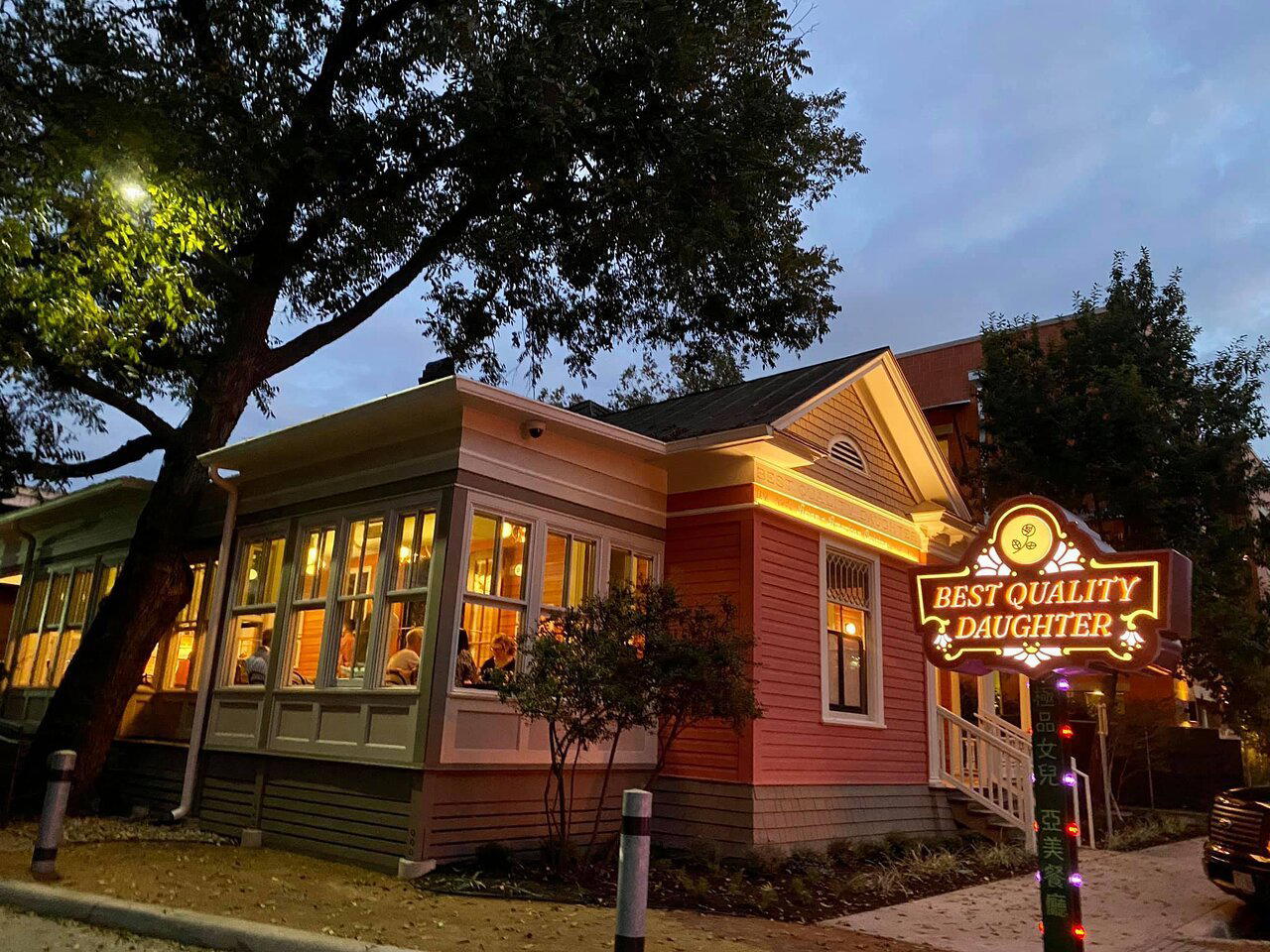
| Best Quality Daughter | Asian-American Fusion | $30–50 | James Beard Award Semi Finalist | River North District |
| sichuan garden | Authentic Sichuan Chinese | $20–30 | Not listed | North Central |
Continue exploring
More in San Antonio
Restaurants in San Antonio
Browse all →
Bars in San Antonio
Browse all →
Hotels in San Antonio
Browse all →

Wineries in San Antonio
Browse all →
Details
- Scenic
- Cozy
- Quiet
- Intimate
- Casual Hangout
- Family
- Brunch
- Solo
- Garden
- Historic Building
- Standalone
- Craft Cocktails
- Sake Program
- Local Sourcing
- Garden
- A La Carte
- Specialty Tea
- Boba Tea
- Sake
- Craft Cocktails
- Vegetarian Friendly
- Vegan Options
Current opening hours
- Monday
- 10 AM–4 PM
- Tuesday
- 10 AM–4 PM
- Wednesday
- 10 AM–4 PM
- Thursday
- 10 AM–4 PM
- Friday
- 10 AM–5 PM
- Saturday
- 9 AM–5 PM
- Sunday
- 9 AM–5 PM
Hours can change for holidays and private events. Last verified .
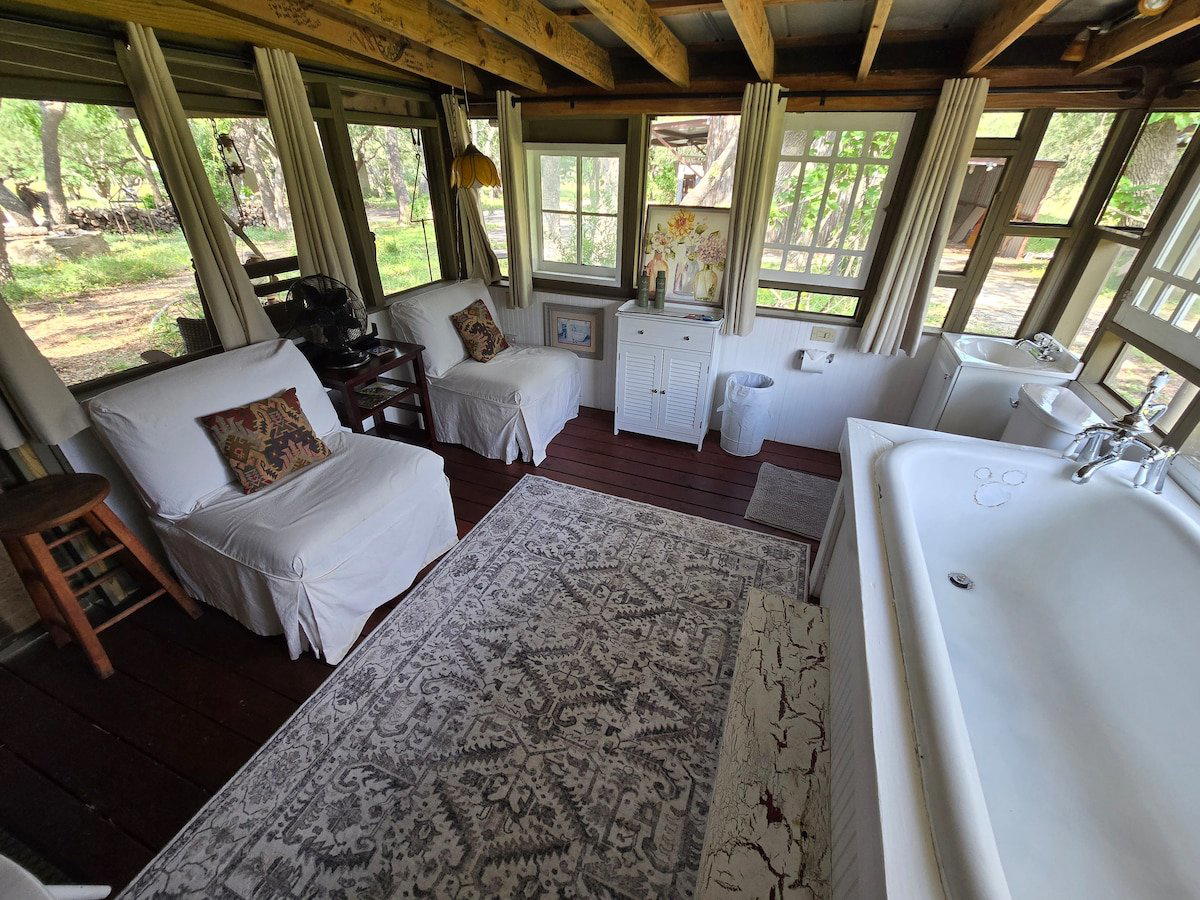
Peaceful and relaxing with natural garden views; intimate treetop dining room and outdoor patio seating surrounded by landscaped gardens and water features.