
1 Michelin Star
Our verdict
Jin brings the discipline of Tokyo's omakase tradition to Paris's 1st arrondissement, where Chef Taicho Sato operates in a format that rewards patience and precision over spectacle. Ranked among Europe's top restaurants by Opinionated About Dining three consecutive years (2023–2025), it occupies a specific tier of the city's Japanese dining scene: serious, counter-led, and priced accordingly at €€€€.

Pearl is the En Primeur Club membership app, where members save venues, book tables and use the concierge.
A Counter in the 1st Arrondissement
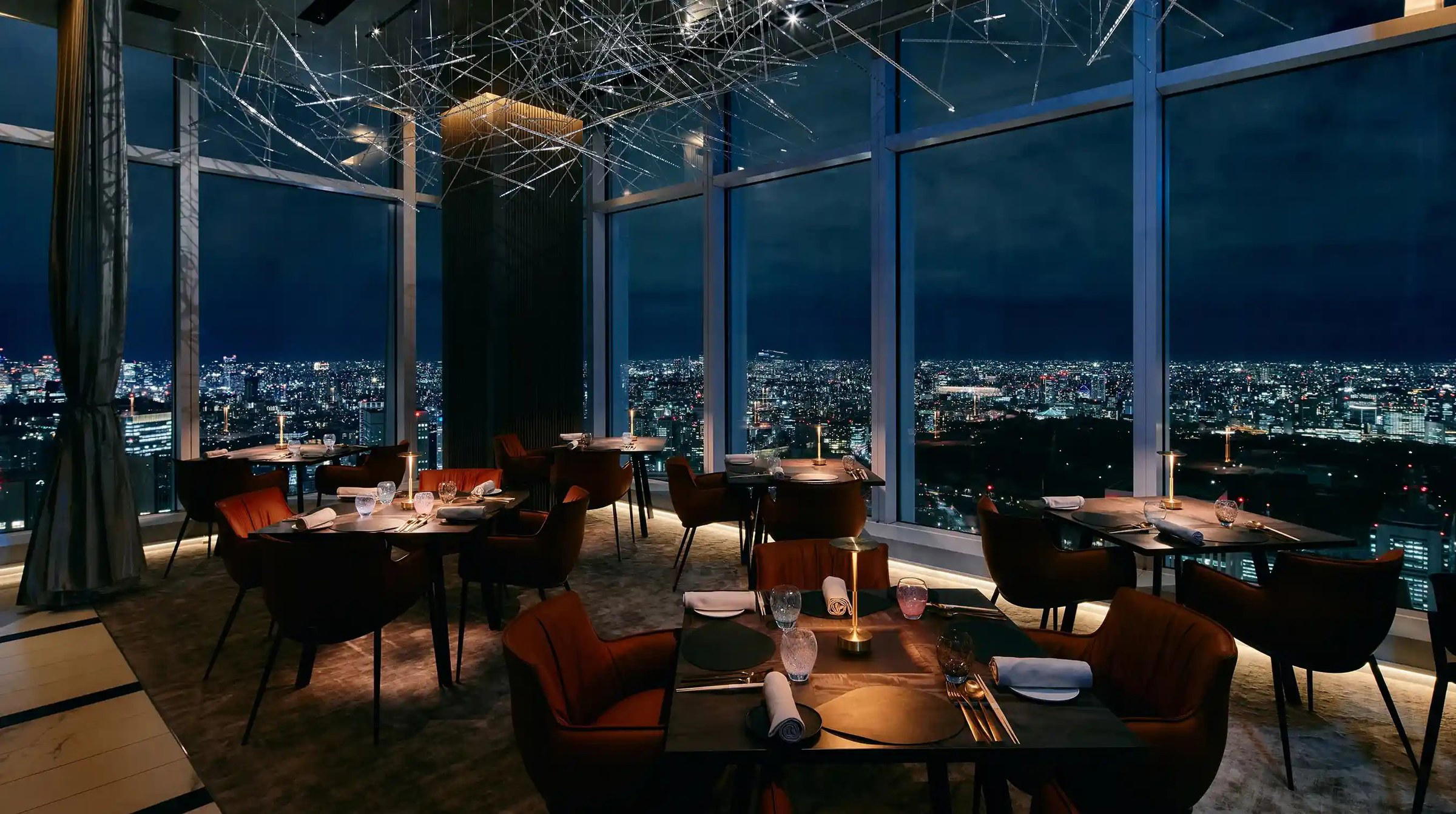
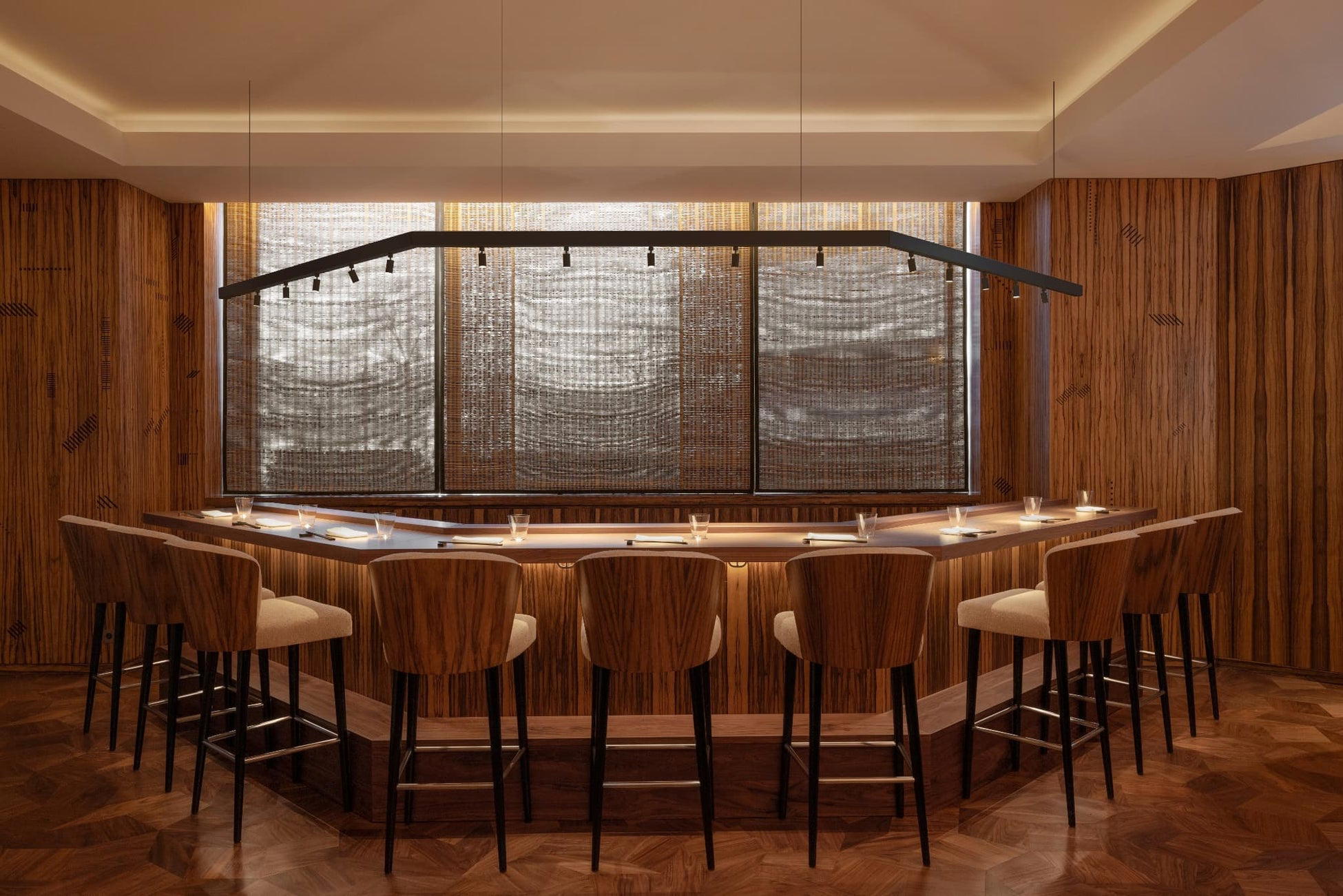
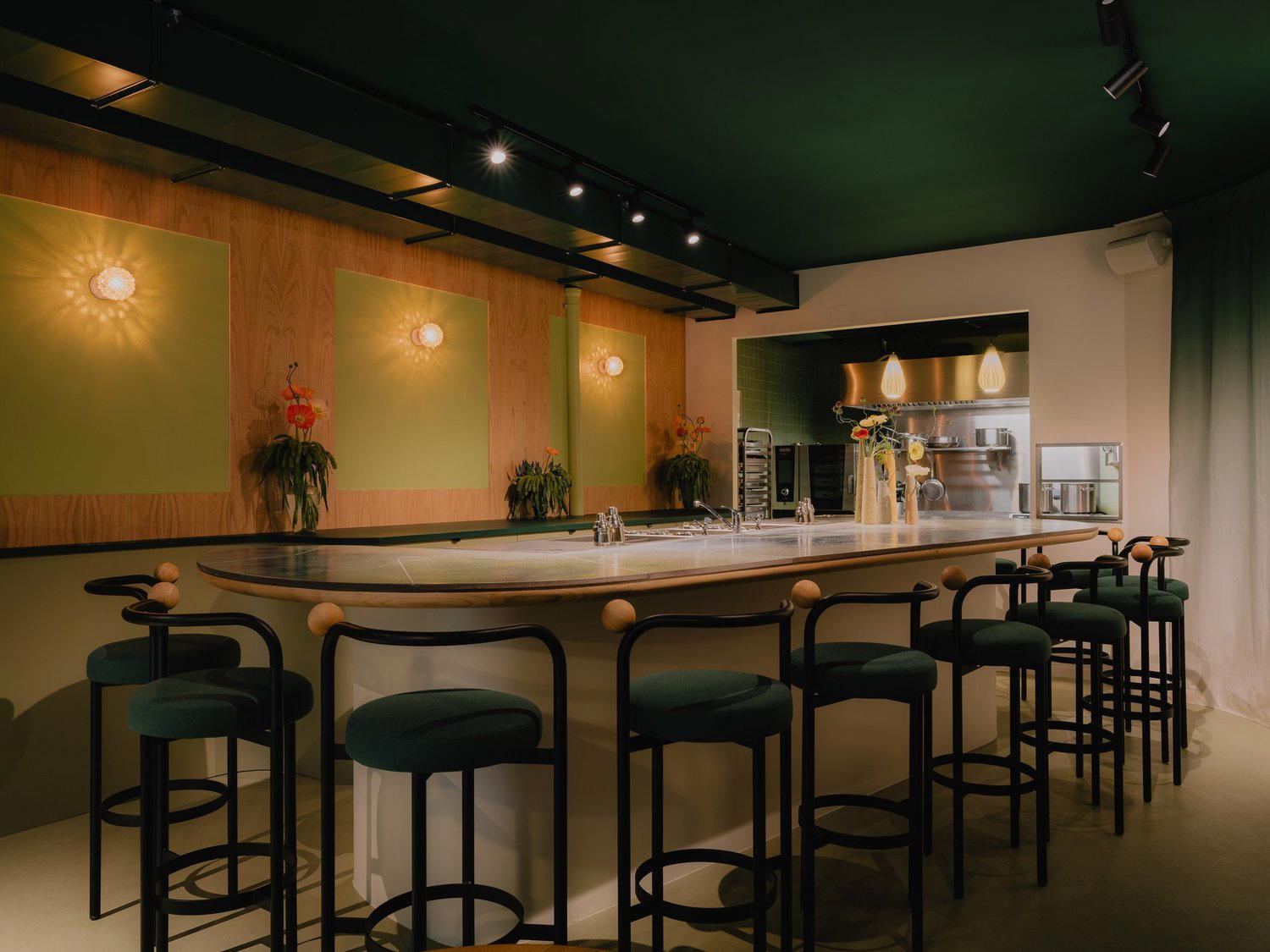
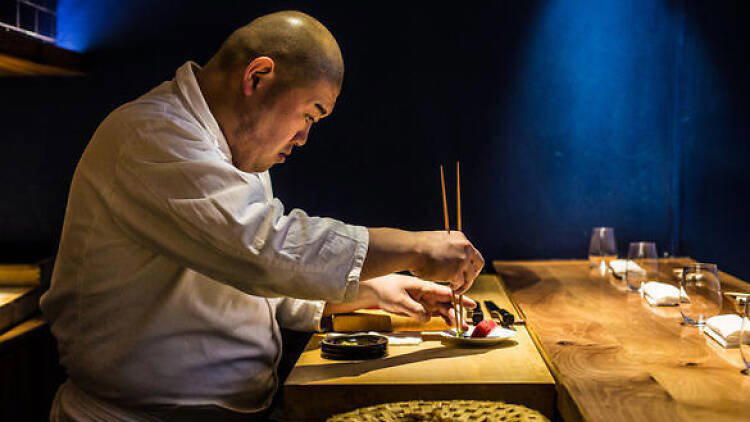
Rue de la Sourdière is the kind of address that requires intention to find. The street cuts quietly through the 1st arrondissement between the busier commercial corridors near Rue de Rivoli and the calmer residential blocks leading toward Saint-Germain. There is nothing to flag the approach to Jin from the outside, which is deliberate. The omakase format it practices has always demanded that the room do the talking once you are inside, not the signage before you arrive. The space operates at the frequency of focused silence punctuated by the soft percussion of knife work, a register that Parisian dining rooms of comparable price rarely attempt.
This is worth situating carefully. Paris has an extensive and genuinely serious Japanese dining scene, ranging from ramen counters in the 10th to multi-course kaiseki rooms that run to several hundred euros per head. Jin occupies the top end of that range, but it does so within a specific tradition: the Tokyo omakase counter, where the chef sets the sequence, the room stays small, and the occasion is defined by proximity to the craft rather than by décor or ceremony. That tradition travels imperfectly, and the venues where it lands with authority in Paris are few.
The Omakase Tradition in a French Context
The cultural question at the heart of Japanese counter dining in Paris is always one of translation. Does the format import intact, or does it absorb Parisian rhythms and expectations in ways that dilute its logic? At the high end of Paris's Japanese scene, the answer varies. Some rooms have softened the format toward something more aligned with French fine dining convention: longer pauses, more elaborate table service, a greater emphasis on wine pairings from classic French producers. Others have held the Tokyo template more strictly, keeping the focus on raw ingredient quality, rice precision, and the chef-to-diner relationship as the primary event.
Jin belongs to the stricter camp. The kitchen's emphasis on Japanese technique and sourcing, presided over by Chef Taicho Sato, positions it within a peer group that includes Sushi Yoshinaga, Hakuba, and Chakaiseki Akiyoshi, all of which operate at the intersection of Japanese culinary tradition and Parisian appetite. For a different angle on the city's Japanese offering at a lower price point, Abri Soba and the broader category of casual Japanese operators provide useful contrast.
The comparison with L'Abysse au Pavillon Ledoyen is instructive in a different way. L'Abysse operates at the €€€€ tier within a grand French institutional setting and approaches raw fish from a French luxury framework rather than a Japanese one. Jin's logic runs in the opposite direction: the Japanese framework is the point, and everything else, including the Paris address, is incidental to it.
Recognition and Positioning
The awards record provides a reliable map of Jin's trajectory. The slight downward drift in ranking number masks what the list editors would characterise as a consolidation effect: the overall field has deepened, and holding inside the top 125 across three consecutive years marks consistent peer recognition rather than decline.
Michelin Plate (2025) is the more equivocal signal. A Michelin Plate indicates that the guide's inspectors found the cooking worth noting without awarding a star. In the context of Paris's Japanese dining scene, where starred Japanese restaurants include three-star holder Kei, that distinction carries weight. Kei's stars reflect a fusion of Japanese technique with classical French structure; Jin's Michelin status, and the gap between its OAD position and its Michelin position, likely reflects the guide's traditional difficulty in categorising formats that do not align with the European fine-dining template it was built to assess. OAD's diner-led methodology tends to close that gap.
Within the €€€€ bracket of Paris restaurants, Jin sits in a different competitive register than the French grand tables. Venues like Mirazur in Menton, Troisgros in Ouches, Auberge de l'Ill in Illhaeusern, Bras in Laguiole, Flocons de Sel in Megève, and Paul Bocuse in Collonges-au-Mont-d'Or define French institutional fine dining. In Tokyo, that tradition includes addresses like Myojaku and Azabu Kadowaki, which operate within a sushi and kaiseki culture that treats ingredient sourcing and sequence design as the primary measures of quality.
Planning Your Visit
Jin sits at 6 Rue de la Sourdière, 75001 Paris, in the 1st arrondissement. The format is omakase, meaning the chef determines the sequence; arrival time matters because the experience is designed as a continuous progression rather than a menu from which you order freely. The price tier is €€€€, placing it at the upper end of Parisian dining by cost per head.
| Venue | Cuisine | Price | Format | Michelin | OAD Europe (2025) |
|---|---|---|---|---|---|
| Jin | Japanese (Omakase) | €€€€ | Counter, chef-led sequence | Plate | #122 |
| Sushi Yoshinaga | Japanese (Sushi) | €€€€ | Counter | — | — |
| Kei | Japanese-French fusion | €€€€ | Full-service table | 3 Stars | |
| L'Abysse au Pavillon Ledoyen | French raw/fish | €€€€ | Counter/table | 2 Stars |
Advance booking is strongly advised. Omakase counters at this level in Paris typically operate at low capacity, and demand at Jin has been sustained across three OAD ranking cycles. For further context on where Jin sits within the broader dining, drinking, and hospitality options across the city, see our full Paris restaurants guide, our full Paris hotels guide, our full Paris bars guide, our full Paris wineries guide, and our full Paris experiences guide.
Frequently asked questions
Is Jin better for a quiet night or a lively one?
Jin is a counter-format omakase, which by design runs at a deliberate, focused pace, conversation happens, but the room orients around the chef's sequence rather than ambient noise. If you want energy and crowd buzz, this is the wrong address. If you want attention directed at what's in front of you, the format at 6 Rue de la Sourdière delivers exactly that.
What cuisine category does Jin fall under?
Does Jin have a Michelin star or similar recognition?
Jin has received recognition including: Opinionated About Dining Top Restaurants in Europe Ranked #122 (2025); Michelin Plate (2025); Opinionated About Dining Top Restaurants in Europe Ranked #112 (2024); Opinionated About Dining Top New Restaurants in Europe Ranked #105 (2023).
What do regulars order at Jin?
Omakase removes the question: chef Taicho Sato sets the menu, and guests follow the sequence rather than selecting from a carte. That structure is part of what earned Jin consecutive OAD Top Restaurants in Europe rankings in 2023, 2024, and 2025, the kitchen, not the diner, determines the direction of the meal.
How much does it cost to eat at Jin?
Pricing at Jin is listed as €€€€.
What part of town is Jin in?
Jin is located at 6 Rue de la Sourdière, 75001 Paris, France, Paris.
Who is the chef connected to Jin?
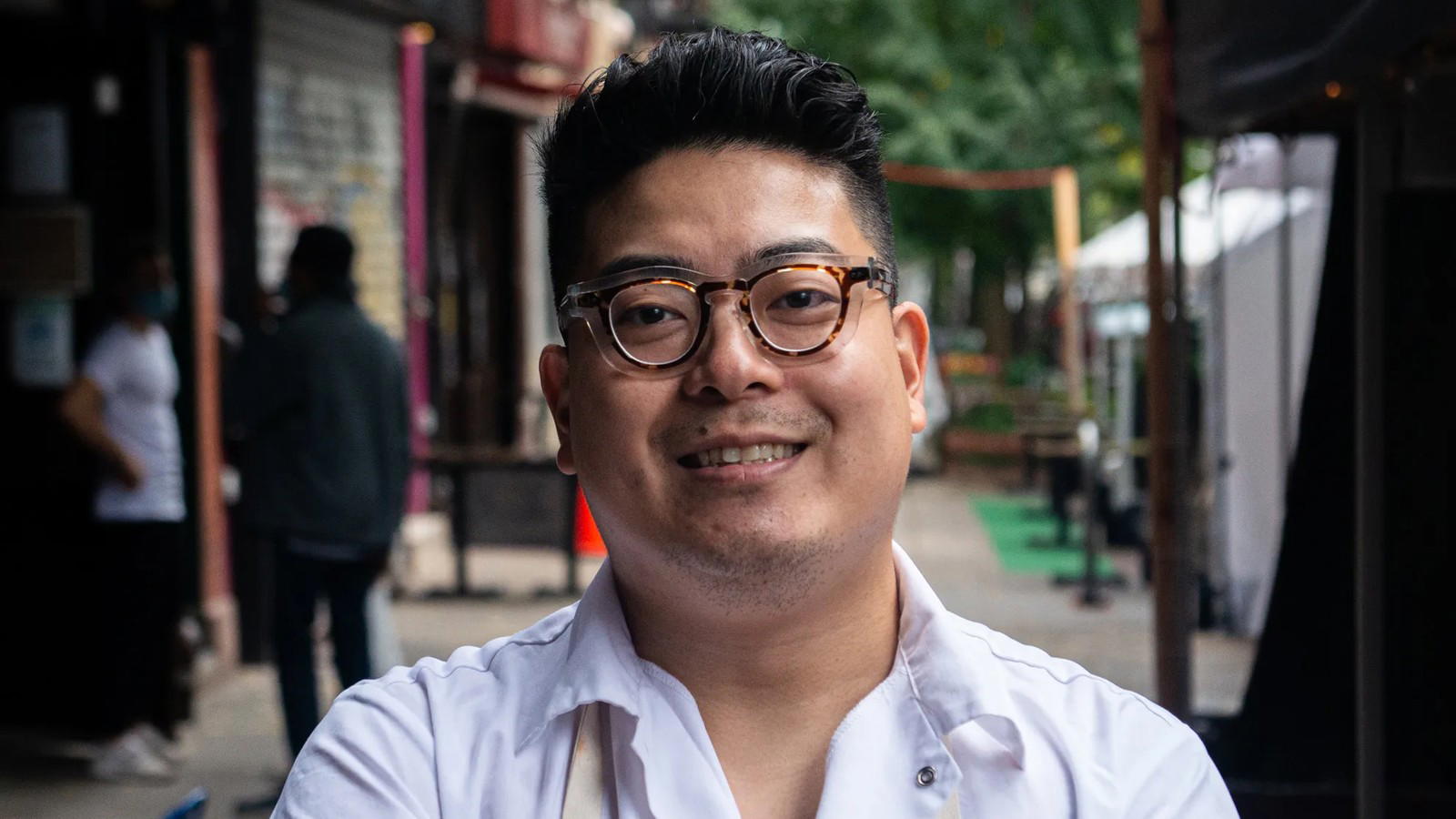
The chef associated with Jin is Taicho Sato.
A Quick Peer Check
| Venue | Cuisine | Price | Awards | Notes |
|---|---|---|---|---|
| JinThis venue (the venue you are viewing) | Modern Japanese Omakase | $150–200 | 1 Michelin Star | Not listed |
| Alléno Paris au Pavillon Ledoyen | Modern French Fine Dining | $150–200 | 3 Michelin Stars · World's 50 Best #79 | Creative |
| Kei | Modern French with Japanese Influences | $300–500 | 3 Michelin Stars · World's 50 Best #93 | Contemporary French, Modern Cuisine |
| L'Ambroisie | Classic French Haute Cuisine | $300–500 | 2 Michelin Stars · World's 50 Best #23 | French, Classic Cuisine |
| Le Cinq - Four Seasons Hôtel George V | Modern French Fine Dining | $300–500 | 3 Michelin Stars · World's 50 Best #24 | French, Modern Cuisine |
| Plénitude | Modern French Sauce-Led Fine Dining | $300–500 | 3 Michelin Stars · World's 50 Best #10 | Contemporary French |
Recognition history
Dated appearances from independent guides and award organizations, with the underlying list record or original source where available.
Michelin 1 Star
Michelin
Opinionated About Dining Top Restaurants in Europe Ranked #147
Opinionated About Dining
Full recognition history (6 entries)
Michelin Plate
Michelin
Opinionated About Dining Top Restaurants in Europe Ranked #122
Opinionated About Dining
Opinionated About Dining Top Restaurants in Europe Ranked #112
Opinionated About Dining
Opinionated About Dining Top New Restaurants in Europe Ranked #105
Opinionated About Dining