Our verdict
Jimoco sits on Austin Avenue in Coquitlam's established commercial strip, operating within a suburban dining scene that has quietly grown more considered in recent years. The address places it among a varied set of neighbourhood options, from casual chains to independent kitchens.

Pearl is the En Primeur Club membership app — saves, bookings, and concierge access live there. Same editors, same standards.
- Address
- 1046A Austin Ave, Coquitlam, BC V3K 3P3, Canada
- Phone
- (778) 355-6730
- Hours
- Daily 11 AM–8:30 PM
- Website
- opentable.com
- Directions
- Get directions
- Booking
- Book on OpenTable
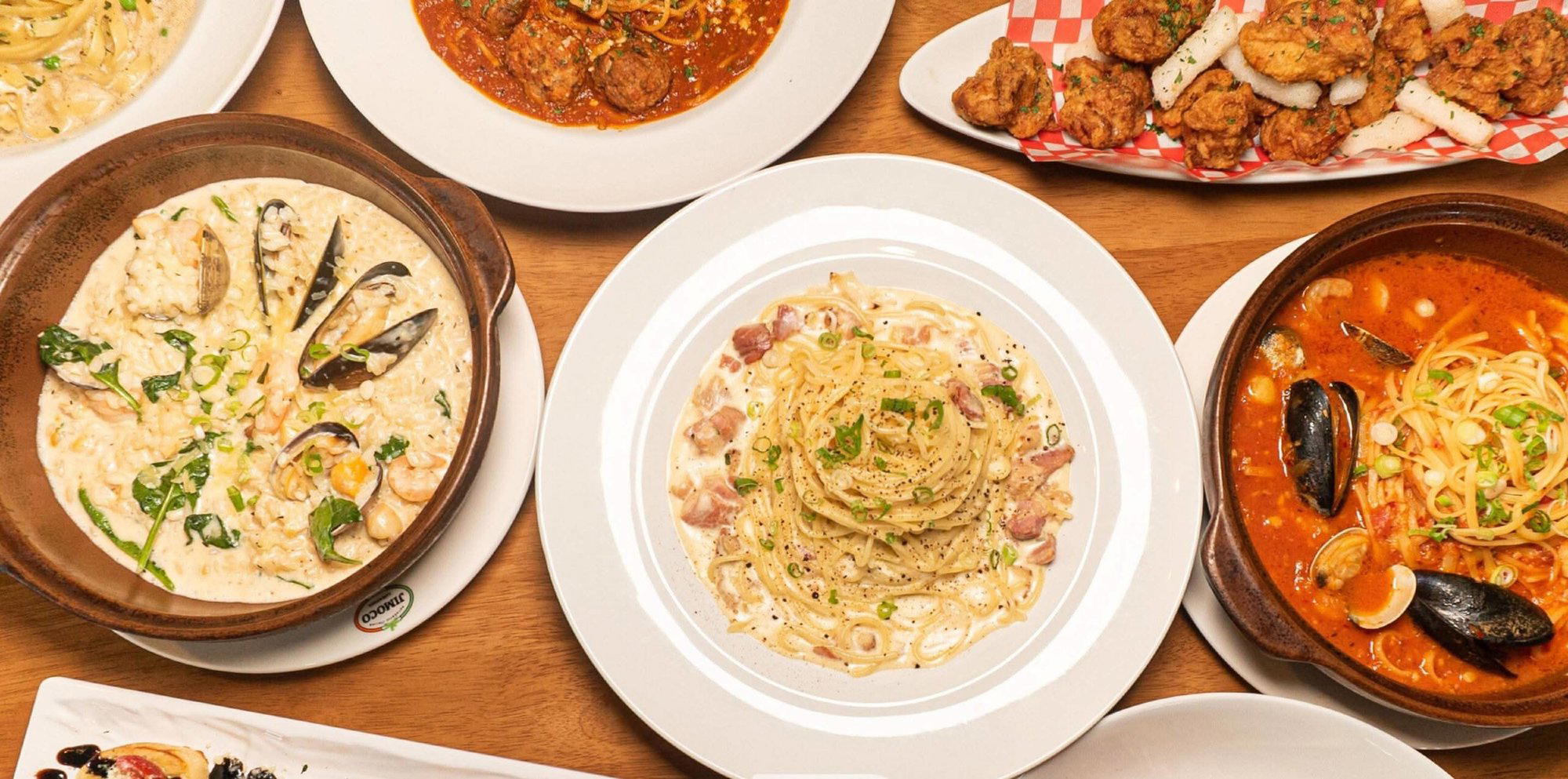
The menu
What to order
- Linguine Soul
- Penne Four Formaggi
- Boneless Fried Chicken
Austin Avenue and the Shape of Coquitlam's Independent Dining Scene
Coquitlam's dining character has shifted over the past decade. The city sits east of Vancouver in the Tri-Cities corridor, and its restaurant strip along Austin Avenue has attracted a mix of independent operators alongside the familiar chain formats that anchor suburban commercial blocks across British Columbia. That mix matters: in markets like Coquitlam, the independents tend to hold the most interesting positions, typically owner-operated, often neighbourhood-specific in their sourcing logic, and less subject to the standardised menu cycles that govern larger groups. Jimoco, at 1046A Austin Avenue, occupies this independent tier.
The broader context for any restaurant on this stretch is a customer base that moves between formats depending on occasion. Venues like JOEY Coquitlam and Gordon Ramsay Burger Vancouver handle volume and brand recognition; the independents compete on specificity. For readers comparing options across the area, our full Coquitlam restaurants guide maps the broader scene.
The Ingredient Question in Suburban Canadian Kitchens
In Canadian restaurants operating outside major urban cores, the sourcing question carries particular weight. The proximity of British Columbia's agricultural regions, including the Fraser Valley's produce farms, the Pacific coast's seafood supply chains, and the interior's smaller-scale producers, gives kitchens in cities like Coquitlam access to ingredient networks that their counterparts in landlocked suburban markets elsewhere in North America would struggle to match. Whether a given kitchen uses that access deliberately, or defaults to the same broadline distribution that supplies chain restaurants, is often the defining difference between a neighbourhood spot worth returning to and one that simply fills a gap.
This sourcing question is what separates the more considered end of suburban dining from its generic counterpart. Restaurants in Canada that have built reputations on regional ingredient logic include Tanière³ in Quebec City, where the hyperlocal and foraged underpins the entire menu architecture, and Eigensinn Farm in Singhampton, where the farm itself is the kitchen's primary source. These represent the committed end of a spectrum. Most independent kitchens sit somewhere along that range, using regional product where it improves the plate and sourcing conventionally where it doesn't.
What can be said is that Austin Avenue's independent operators in Coquitlam tend to reflect the city's multicultural demographic, often drawing on ingredient traditions from across Asia, Latin America, and Southern Europe alongside the Pacific Northwest larder. That demographic specificity frequently produces kitchens with sourcing relationships to specialty suppliers that don't appear in any guide: the tofu producer in Burnaby, the specific rice import that a regional Asian grocery stocks exclusively, the seasonal citrus that a particular kitchen waits for. These are the details that a direct visit or conversation with front-of-house staff reveals.
On the Austin Avenue block, the honest comparison set for an independent like Jimoco includes venues that operate at neighbourhood scale: regular return customers, no reservation systems in many cases, and menus that shift based on what a small kitchen team can execute consistently. The more theatrical end of Coquitlam dining, including the VIP format at Cineplex Cinemas Coquitlam or the polished room at Asylum Restaurant, operates in a different register. So does the casual-Italian positioning of Gigi's.
The most useful frame for an independent at this address is not how it compares to the broader Canadian restaurant tier, where Alo in Toronto, AnnaLena in Vancouver, Jérôme Ferrer - Europea in Montréal, or Narval in Rimouski represent a different level of culinary ambition and resource, but how it serves the immediate neighbourhood. That is the correct question for Austin Avenue: does this kitchen serve its block well, on its own terms, consistently?
Further afield, kitchens that have earned attention for regional fidelity at smaller scale, such as Restaurant Pearl Morissette in Lincoln, The Pine in Creemore, or the heritage-focused Aux Anciens Canadiens in Quebec, demonstrate that serious sourcing and local identity are not confined to major urban centres. Barra Fion in Burlington is another example of a smaller-city independent carving out a specific position. The international high-water marks for sourcing-driven kitchens, such as Le Bernardin in New York City with its rigorous seafood provenance, or the Korean-American tasting menu precision at Atomix in New York City, set the standard for what deliberate sourcing philosophy can look like when it is the organising principle of a kitchen. Suburban neighbourhood restaurants are not operating at that level, nor should they be evaluated by it.
What to Know Before You Go
Jimoco's address at 1046A Austin Avenue in Coquitlam, BC, places it on an accessible commercial strip served by TransLink routes and with street parking on surrounding blocks. Austin Avenue is walkable from several residential neighbourhoods, and the surrounding area includes enough dining options that it functions as an informal local dining corridor rather than a destination strip.
For suburban independents at this scale, walk-in is often the standard format, but kitchen hours can vary by day of week and season. Checking recent Google Maps entries or local community boards typically yields the most current operational information when a venue does not maintain an active web presence.
Price range is also unconfirmed, though the neighbourhood positioning and independent operator format suggest a mid-range to casual price point consistent with the Austin Avenue peer group. This is not a dress-code environment; the appropriate posture for most Coquitlam independent dining is relaxed and neighbourhood-casual.
Frequently asked questions
Is Jimoco child-friendly?
Nothing in the available record rules it out. Jimoco sits on Austin Avenue, a commercial strip with street parking and TransLink access, which points to a neighbourhood-focused operation rather than a formal dining room. Independent restaurants at this scale in Coquitlam tend to be accommodating to families, but confirm directly before visiting with young children.
How would you describe the vibe at Jimoco?
Jimoco occupies a neighbourhood retail address at 1046A Austin Avenue, which positions it squarely in the independent, community-facing category rather than destination-dining territory. The Austin Avenue corridor in Coquitlam draws regulars rather than one-time visitors, and venues at this address scale typically run on the relaxed side. Think local room rather than special-occasion showcase.
Is Jimoco a good option for a casual weeknight dinner in the Tri-Cities area?
Jimoco's position on Austin Avenue in Coquitlam places it within the Tri-Cities corridor, east of Vancouver, where independent neighbourhood restaurants fill the gap between chain dining and the city's downtown scene. Its 1046A Austin Avenue address is served by TransLink routes, making it reachable without a car. Hours and booking policies are best confirmed before you go, as independent operators at this scale often keep flexible schedules.
What dish is Jimoco famous for?
Specific menu details for Jimoco are not part of the current documented record. Austin Avenue's independent operators tend to shift menus with availability, which matters in a province where local sourcing shapes what kitchens can consistently run.
How do I find Jimoco?
Jimoco is located at 1046A Austin Ave, Coquitlam, BC V3K 3P3, Canada, Coquitlam.
A Quick Peer Check
Comparable venues nearby, for context on price, style, and recognition.
| Venue | Cuisine | Price | Notes |
|---|---|---|---|
| JimocoThis venue — the venue you are viewing | Italian-Korean Fusion Pasta | $20–30 | Not listed |
| Gordon Ramsay Burger Vancouver | Gourmet Burgers | $20–30 | Coquitlam |
| Nonna's Cucina Coquitlam | Italian Street Food Trattoria | $20–30 | Brunette Ave |
| Cineplex Cinemas Coquitlam & VIP | Contemporary Canadian Cinema Dining | $30–50 | Coquitlam |
| Gigi's | Upscale Italian | $30–50 | TriCity Pavilion |
| The Wild Fig | West Coast Fusion | $30–50 | Coquitlam |
Continue exploring
More in Coquitlam
Restaurants in Coquitlam
Browse all →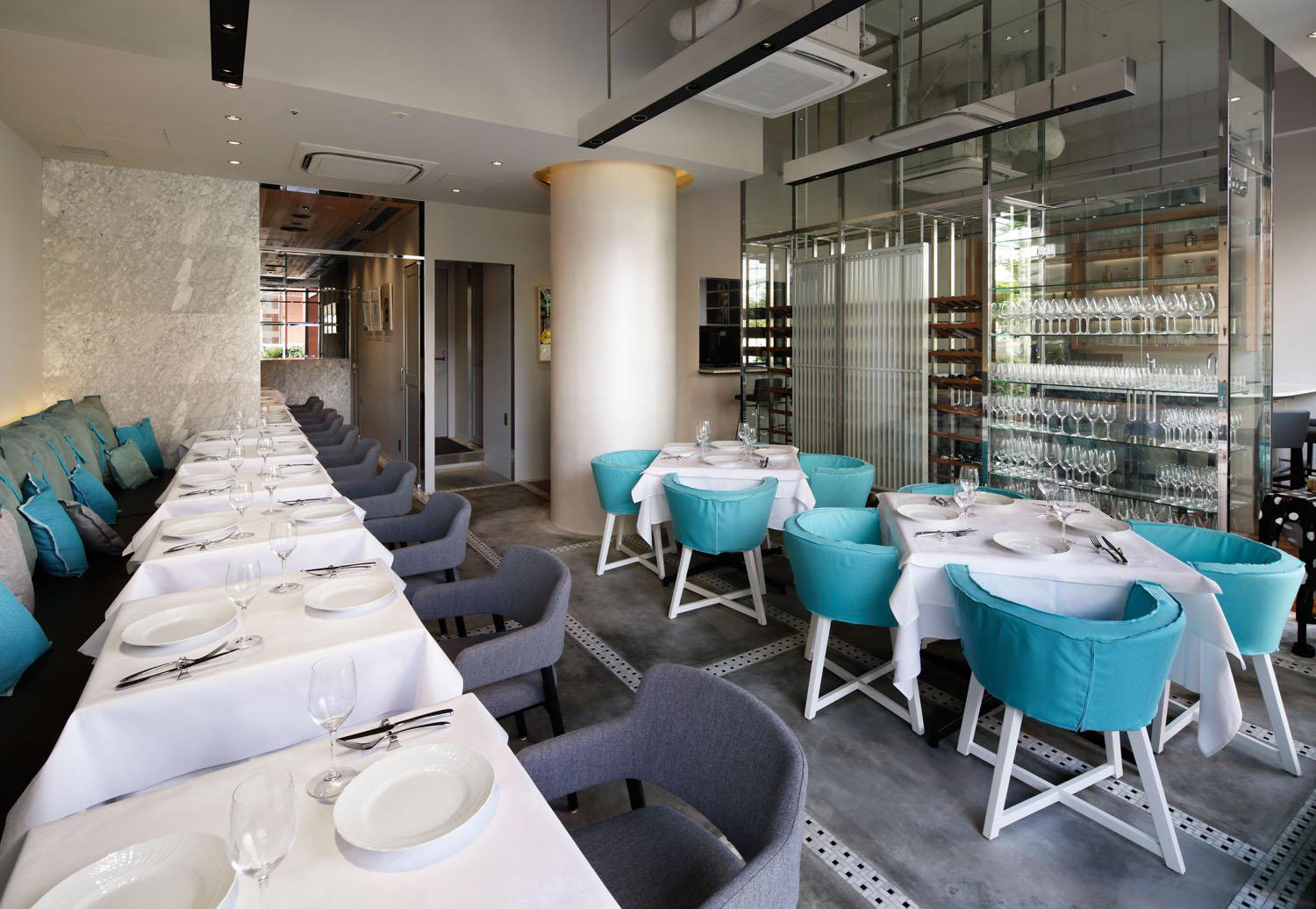
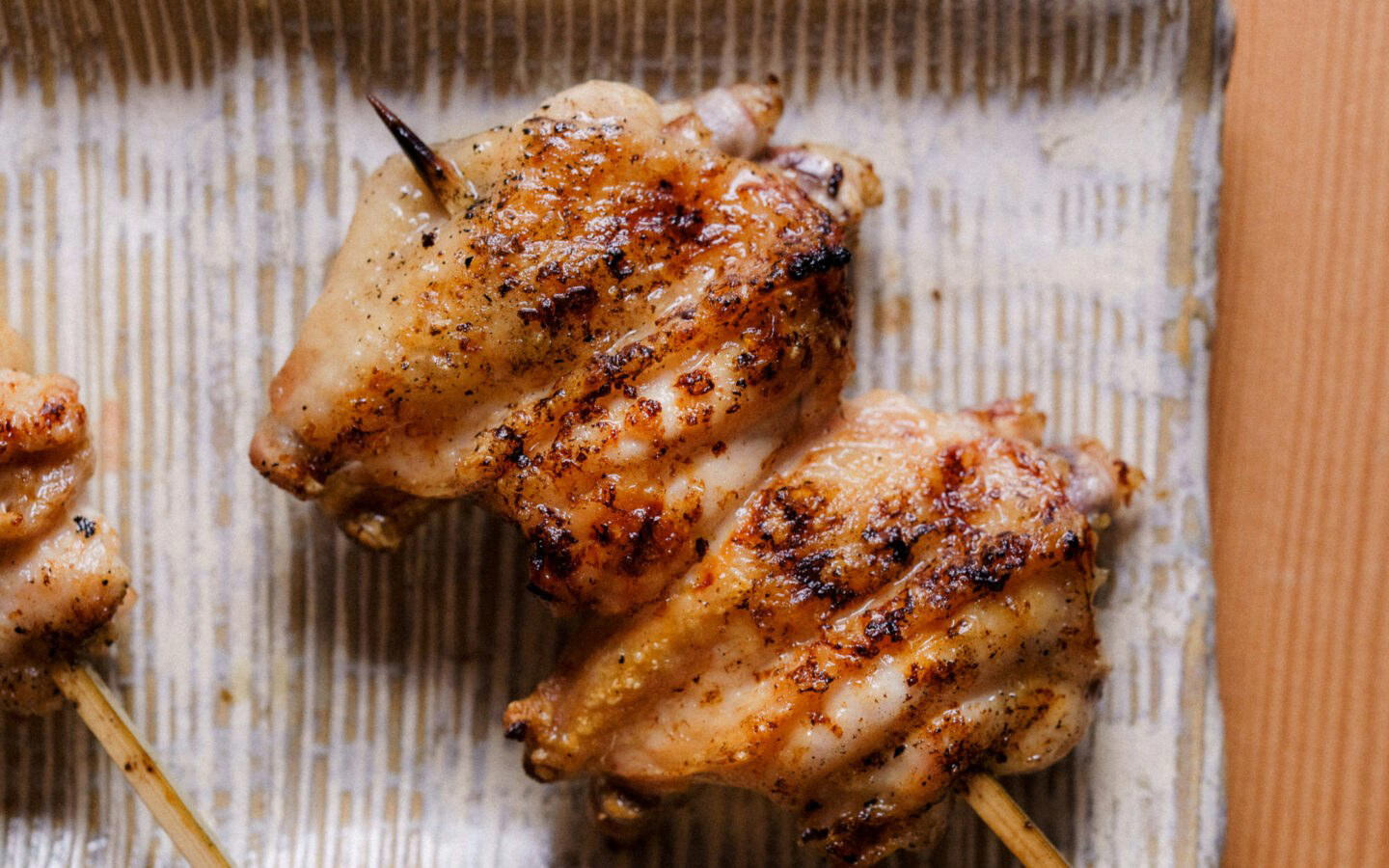
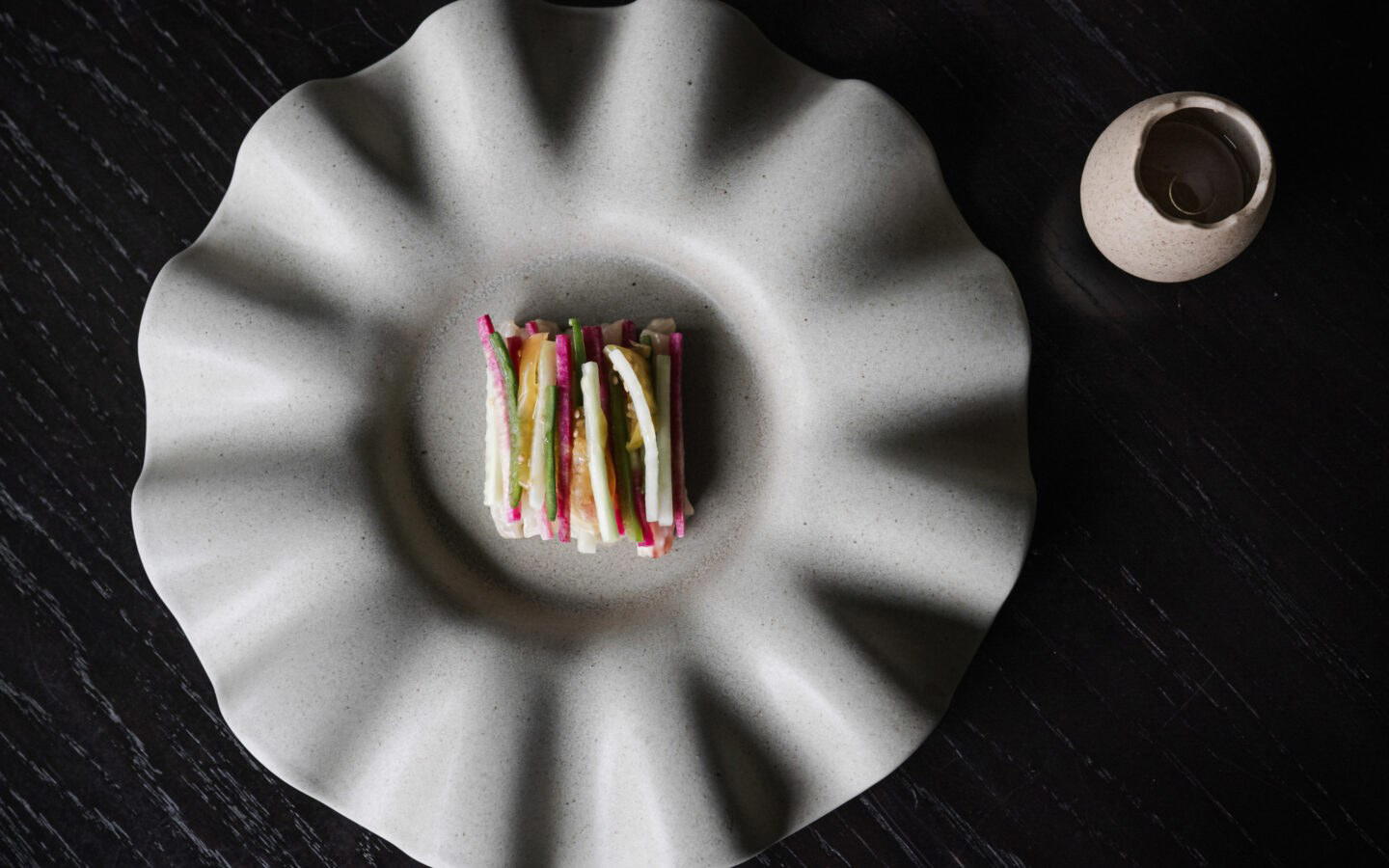
Bars in Coquitlam
Browse all →
Details
- Cozy
- Casual Hangout
- Family
- A La Carte
Current opening hours
- Monday
- 11 AM–8:30 PM
- Tuesday
- 11 AM–8:30 PM
- Wednesday
- 11 AM–8:30 PM
- Thursday
- 11 AM–8:30 PM
- Friday
- 11 AM–8:30 PM
- Saturday
- 11 AM–8:30 PM
- Sunday
- 11 AM–8:30 PM
Hours can change for holidays and private events. Last verified .
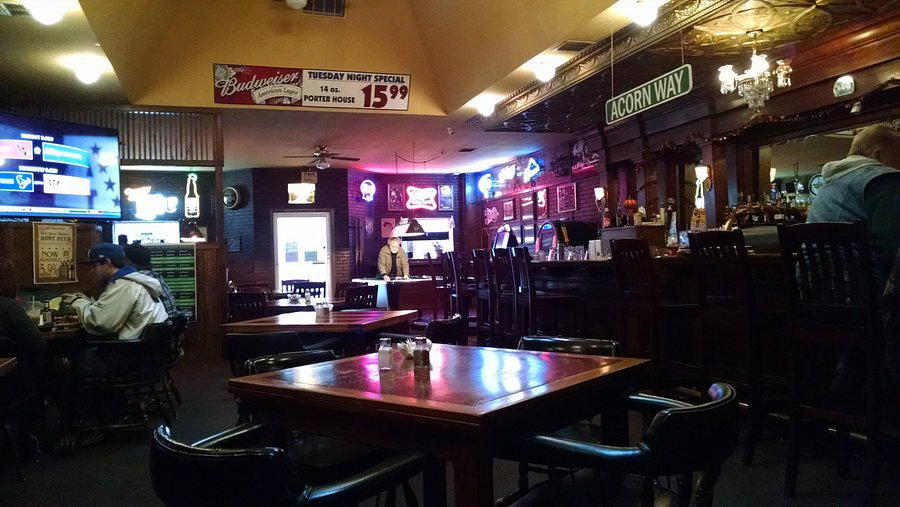
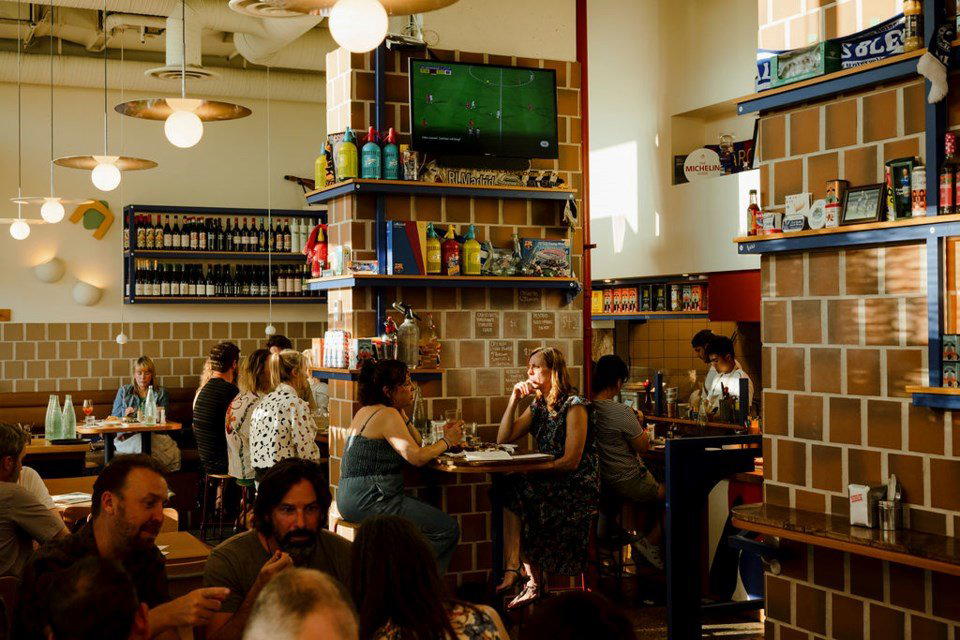
Warm and cozy atmosphere with a casual, welcoming vibe.