Our verdict
Jihomakase occupies a quiet residential stretch of Northbridge, Sydney's lower north shore, where the omakase format sits at an unusual distance from the CBD restaurant corridors. The address at 134 Sailors Bay Road positions it among a cohort of neighbourhood-led dining rooms that have quietly built followings away from the city's award season noise. For Sydney diners tracking the outer-ring omakase scene, it belongs on the list.

Pearl is the En Primeur Club membership app — saves, bookings, and concierge access live there. Same editors, same standards.
- Address
- 134 Sailors Bay Rd, Northbridge NSW 2063, Australia
- Phone
- +61424420377
- Hours
- Mon ClosedTue–Sat 12–2 PM, 6:30–9 PMSun Closed
- Website
- shorturl.at
- Directions
- Get directions
- Booking
- Book on the venue's website
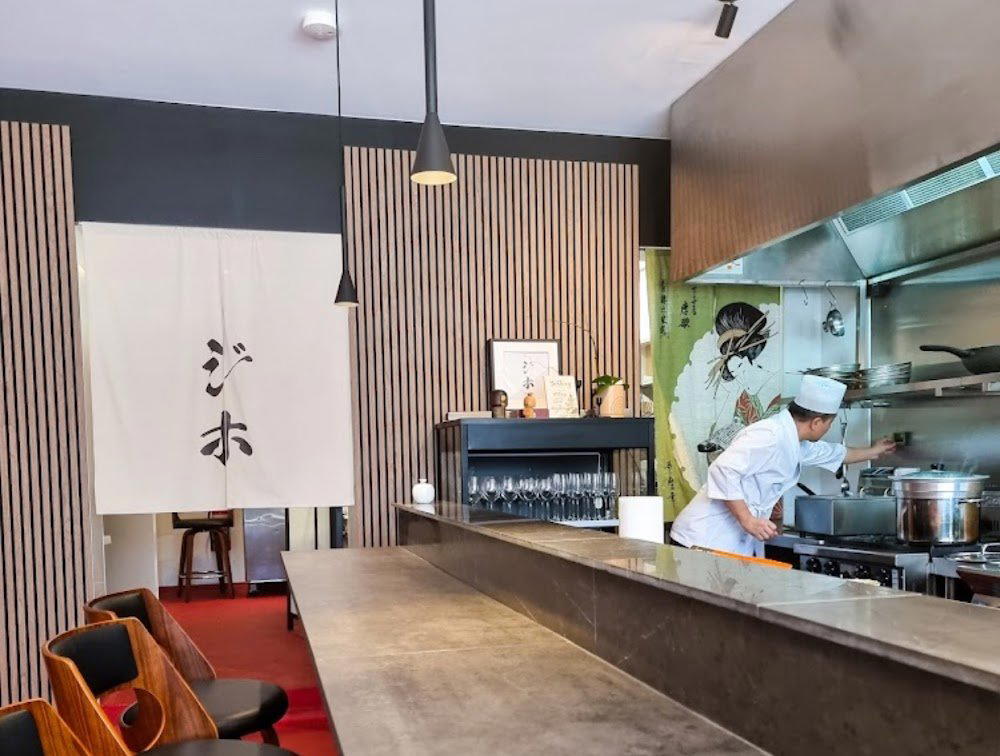
Northbridge and the Quiet Rise of Suburban Omakase
Sydney's serious dining conversation has, for years, defaulted to the CBD, Surry Hills, and the inner east. But the lower north shore has been building its own case, quietly and without much fanfare. Jihomakase sits at 134 Sailors Bay Road, Northbridge, a residential address that requires some intent to reach. That geographic remove is part of the point. The omakase format, which demands a captive, attentive room rather than a passing trade crowd, suits a neighbourhood setting better than most formats. You arrive because you chose to arrive.
The broader Australian omakase scene has matured significantly in the past decade. What began as a handful of CBD counters aimed at expense-account dining has dispersed into smaller, more personal formats spread across suburban pockets in Sydney, Melbourne, and Brisbane. This mirrors a global pattern: in Tokyo, the most respected counters have long occupied unremarkable side streets and residential lanes, where landlord costs are lower and the chef-to-guest ratio can be controlled. Jihomakase's Northbridge address fits that logic.
Sourcing, Sustainability, and the Omakase Obligation
The omakase structure carries an implicit sustainability argument that rarely gets articulated clearly. Because the chef controls the entire menu, there is no à la carte waste buffer. Every piece of protein sourced needs a place in the sequence. This forces a discipline around ordering, yield, and seasonal substitution that high-volume restaurants rarely achieve. In cities like Sydney, where the seafood supply chain connects to some of the most carefully managed fisheries in the southern hemisphere, an omakase kitchen that takes that supply chain seriously operates very differently from one that orders generically.
Sydney's dining scene has a strong reference class for ethical sourcing in seafood. Saint Peter, Josh Niland's fish-focused restaurant, has built its reputation partly on the argument that whole-fish utilisation and considered sourcing are not just environmental positions but culinary ones: better yield from better-treated product produces better food. The omakase format at Jihomakase operates within a similar logic, even if the Japanese-inflected structure makes different demands on the product. The counter format also allows the kitchen to read inventory in real time and adjust the evening's sequence accordingly, something impossible in a printed à la carte menu.
Australia's fish markets and independent suppliers have expanded their traceability infrastructure over the past several years, which means a kitchen willing to engage with that infrastructure can now tell a sourcing story with genuine specificity.
The Northbridge Address in Context
Northbridge sits on the lower north shore, a residential band that includes Cammeray, Naremburn, and Willoughby. The dining infrastructure here is lighter than the inner suburbs but has been gaining specific, quality-led additions. Johnny Bird in nearby Crows Nest and Bayly's Bistro in Kirribilli represent the neighbourhood dining instinct that has taken root north of the bridge: focused menus, reasonable scale, and a relationship with repeat local custom rather than tourist or conference trade.
Jihomakase's position in this geography makes it a north shore counterpoint to the CBD-anchored omakase counters clustered around the CBD and Circular Quay. For the broader Sydney dining picture, including the full range of formats and neighbourhoods, see our full Sydney restaurants guide. For those travelling from interstate, the comparison set extends to Attica in Melbourne, which has made a suburb-over-city argument for fine dining for years, and Brae in Birregurra, which has pushed that logic to a full regional remove.
Format Discipline and the Counter Experience
Omakase, as a format, asks more of the diner than most. There is no menu to negotiate, no substitution loop, and no natural exit point mid-meal. The rhythm is set by the kitchen, and the diner's role is to follow it. This creates a specific kind of concentration that is hard to replicate in a tasting-menu restaurant with separate front-of-house and kitchen teams operating at a distance. At a counter, the sequence is visible as it is assembled. That transparency is, depending on your perspective, either part of the appeal or a form of mild theatre.
The format also has a sustainability dimension that goes beyond sourcing. Counter seating, by its nature, limits covers. Fewer covers means less energy consumption per service, less water use per plate, and a smaller overall waste load than a high-volume dining room running two or three turns. The intimacy of the format and its environmental arithmetic point in the same direction.
Internationally, the counter omakase format has produced some of the most scrutinised restaurants in the world. Atomix in New York City operates a comparable format with Korean-rooted cuisine and has demonstrated that the counter structure can carry significant critical weight outside the Japanese original context. Le Bernardin in New York City represents a different but related tradition: the argument that rigorous sourcing and technical discipline in seafood-focused cooking produces food that is both better and more considered. Both provide useful points of comparison for what an omakase counter in Sydney is reaching toward.
What to Eat and How to Plan
The omakase structure means the menu is not published in advance and will reflect what the kitchen has sourced for that service. Sydney's seasonal calendar for fish and shellfish runs counter to the northern hemisphere, which means the peak months for local product fall between autumn and spring. Planning a visit around that window gives the kitchen more to work with from local suppliers rather than relying on imported or off-season alternatives.
Reaching Northbridge from the CBD requires a car or a combination of train to Chatswood and local bus, a journey of roughly thirty to forty minutes depending on traffic and connections. The residential setting means parking is generally available on surrounding streets in the evening, which is a practical advantage over inner-city counter restaurants where arrival logistics add friction to the experience. Given the format, confirming the booking method and timing directly is advisable before making the trip from the city.
For context on the broader Sydney dining scene that Jihomakase sits within, the reference points include Rockpool, which anchors the city's high-end Australian cuisine tradition, and 10 William St and 10 Pounds for the more wine-led, European-influenced end of the spectrum. 1021 Mediterranean and bills in Bondi Beach extend the picture into neighbourhood and casual formats. Beyond Sydney, the regional dining story includes Kulcha Restaurant in Wollongong and Hungry Wolfs in Newcastle for those tracking the suburban and regional spread of considered dining outside the capital cities. Jaani Street Food in Ballarat, Bar Carolina in South Yarra, and Barry Cafe in Northcote demonstrate how the suburban dining instinct has taken hold across multiple Australian cities.
Frequently asked questions
How do I find Jihomakase?
Jihomakase is located at 134 Sailors Bay Rd, Northbridge NSW 2063, Australia, Sydney.
Is Jihomakase suitable for a special occasion dinner in Sydney?
The omakase counter format — in which the chef controls the full arc of the meal from first course to last — lends itself naturally to celebratory dining where the evening's structure is handled entirely by the kitchen. Jihomakase sits in Northbridge on Sydney's lower north shore, away from the CBD noise, which tends to make the room quieter and the pacing more deliberate than comparable city-centre counters. Confirming dietary requirements at the time of booking is standard practice for any omakase service.
What should I eat at Jihomakase?
The menu is not published in advance. Jihomakase operates as a chef-directed omakase, meaning the kitchen determines every course based on what has been sourced for that specific service. Sydney's seasonal calendar runs October through April for warm-water species and stone fruit, shifting to cool-water fish and brassicas in the southern winter months. Arriving with no fixed expectations is not just polite — it is the format's entire premise.
Can I walk in to Jihomakase?
Walk-ins at an omakase counter are structurally difficult. The format requires the kitchen to know exact diner numbers before sourcing and preparation begin, so seats at Jihomakase on Sailors Bay Road in Northbridge are almost certainly allocated by reservation only. Contacting the venue directly before arriving is the only reliable approach.
Style and Standing
Comparable venues nearby, for context on price, style, and recognition.
| Venue | Cuisine | Price | Notes |
|---|---|---|---|
| JihomakaseThis venue — the venue you are viewing | Modern Japanese Omakase | $50–100 | Not listed |
| Wagyuto | Modern Japanese | Not listed | Clovelly |
| Rengaya | Premium Japanese Yakiniku BBQ | $50–100 | North Sydney |
| Komatsu | Japanese Sushi | $30–50 | Rhodes |
| Tsuzumi | Modern Japanese Omakase | $200–300 | Barangaroo |
| Kuon Sushi Sei | High-End Japanese Omakase and Sushi | $150–200 | Haymarket |