Jay Noi Kratoke

Michelin Plate
Our verdict
A second-generation family operation on Pibool La-Iad Road, Jay Noi Kratoke holds two consecutive Michelin Plate awards (2024 and 2025) for its Isan-inflected street cooking. The house special hao-dong, built around sliced pork and spicy Isan sauce with chilli and roasted rice, sits alongside fresh sticky rice noodles in the pad mee Korat format. At the lowest price tier in Nakhon Ratchasima, it is the kind of place locals eat on a Tuesday.

Pearl is the En Primeur Club membership app — saves, bookings, and concierge access live there. Same editors, same standards.
- Address
- 115 Pibool La-Iad Rd, Nong Phai Lom, Mueang Nakhon Ratchasima District, Nakhon Ratchasima 30000, Thailand
- Phone
- +66 87 959 6141
- Hours
- Mon 8 AM–8 PMTue–Sun 8 AM–9 PM
- Directions
- Get directions
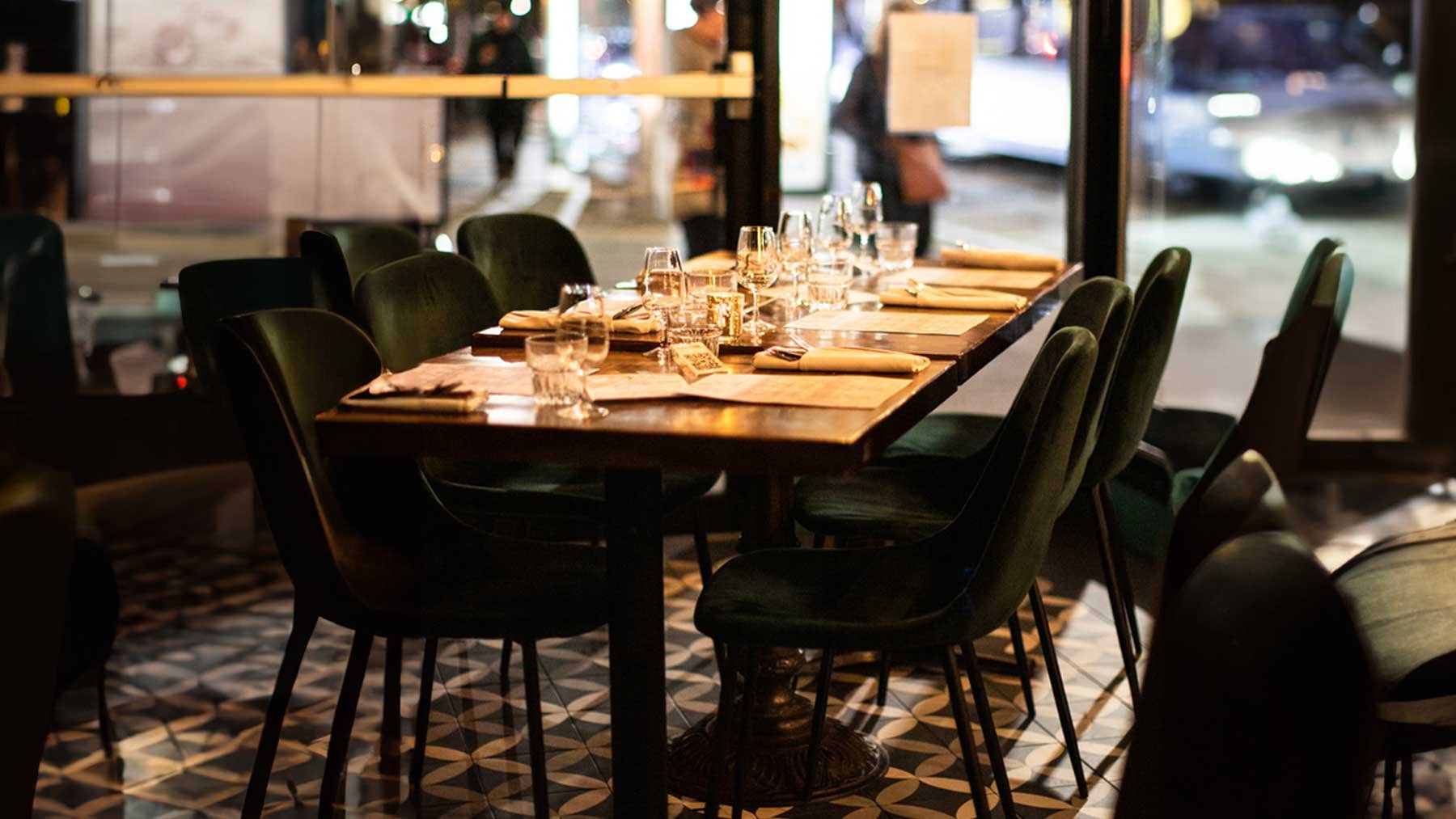
The menu
What to order
- Hao-dong
- Pad mee Korat
Where Isan Paste Tradition Meets a Three-Storey Family Table
Nakhon Ratchasima sits at the western edge of the Isan plateau, and the city's street-food identity reflects that position: it shares Isan's fermented, roasted, and chilli-forward instincts while maintaining its own noodle traditions distinct from those of Khon Kaen or Ubon Ratchathani. The pad mee Korat format — sticky rice noodles dressed with sweet-sour sauce, fresh bean sprouts, and chives — is a Korat signature that rarely travels far outside the city, and it is precisely this kind of rooted, place-specific cooking that earns a Michelin Plate two years running where more elaborate kitchens might not.
The Curry Canon in Isan Context
Discussions of Thai curry tend to orbit Bangkok's central-plains canon: the coconut-rich green and red pastes, the peanut-weighted massaman, the concentrated panang. Isan cooking operates on a different axis. The region's pastes lean toward fermented fish (pla ra), roasted dry spices, and a fiercer chilli heat, with less reliance on coconut milk as a softening agent. Sauces here are built for sticky rice as much as for noodles, and the roasted rice powder that appears throughout Isan cooking, most visibly in larb, functions as a textural and aromatic anchor rather than a thickener in the conventional sense.
Jay Noi Kratoke's hao-dong, the house special, sits squarely in this tradition. The dish combines sliced pork with a spicy Isan sauce incorporating chilli and roasted rice: the paste approach is regional rather than central-Thai, and the roasted rice element connects it to the broader Isan flavour logic rather than to the coconut-based curries of the south or centre. For reference, the curry work coming out of Michelin-starred Thai kitchens in Bangkok, Sorn in Bangkok for southern pastes, or Nahm in Bangkok for historical central-Thai formulations, draws on entirely different paste traditions, which underlines how much regional variation exists within what visitors often treat as a single category. The hao-dong at Jay Noi is not a simplified version of something more sophisticated; it is a different branch of the same tree.
The Pad Mee Korat as a Study in Regional Identity
The pad mee Korat merits its own attention. Noodle dishes in Thailand broadly divide between the Chinese-influenced stir-fry formats of Bangkok and the rice-based carbohydrate structures of Isan. Pad mee Korat occupies an interesting position: it uses sticky rice noodles, placing it in Isan's rice-culture context, but the dressing, sweet-sour sauce, fresh bean sprouts, chives, draws on the same sweet-acidic balance that defines pad thai while keeping the texture and body profile specific to Korat. The noodles at Jay Noi are made fresh, which matters for this format because sticky rice noodles change significantly in texture once they cool. Fresh noodles at point of service deliver the slight chew and translucency that dried versions approximate but do not replicate.
This is the kind of dish that regional cooking programs at higher price points attempt to reconstruct or reference: Samrub Samrub Thai in Bangkok and AKKEE in Pak Kret both work with documented regional Thai formats, but the source material for dishes like pad mee Korat remains in places like Jay Noi. For visitors eating their way through the city's noodle offerings alongside stops at Jum Khao and Sow Jeck, this is formative context rather than a side note.
Family-Run, Second Generation, Two Michelin Plates
The Michelin Guide's Plate designation, awarded here in both 2024 and 2025, signals a kitchen producing food worth a detour at its price point, without necessarily entering the starred tiers that imply architectural tasting menus or extensive wine programs. At the single-baht price tier, Jay Noi Kratoke is among the most affordable Michelin-recognised tables in Thailand, a category that also includes street-level operations in Bangkok and Chiang Mai but rarely extends to secondary cities in the northeast.
The second-generation family structure is also relevant to what the food tastes like, even if it is not the story itself. Recipes in this operating model are not revised seasonally or adjusted for tasting-menu logic; they are refined over years within a narrow framework. The curry puff available for takeaway, one of the few Isan-adjacent snacks that travels well, is part of this continuity: a homemade preparation offered alongside the main menu, with optional sides, consistent with how family-run operations in Thailand bundle their strongest individual items.
The Broader Korat Dining Context
Nakhon Ratchasima's restaurant scene splits across Thai-Chinese shophouse cooking, Isan grills and larb formats, and the city's distinctive noodle traditions. Banmai Chay Nam operates at the next price tier up with Thai cooking that takes a slightly more composed approach, while Gin-D and Nina's Cafe and Restaurant cover different registers of the city's dining mix. For a broader picture of where Jay Noi sits within the city's food and hospitality offering, our full Nakhon Ratchasima restaurants guide maps the scene across price tiers and cuisine types. Travellers staying overnight will also find the Nakhon Ratchasima hotels guide, bars guide, wineries guide, and experiences guide useful for building a full itinerary. For those already working through Isan restaurant options further east, Agave in Ubon Ratchathani represents a different end of the region's dining spectrum, and The Spa in Lamai Beach shows how coastal Thai cooking diverges from the northeast template.
Planning a Visit
Jay Noi Kratoke is on Pibool La-Iad Road in the Nong Phai Lom area of Mueang Nakhon Ratchasima District, a direct address to reach from central Korat by songthaew or ride-hail. The single-baht price tier means a full meal across multiple dishes stays well within what most travellers spend on a single Bangkok cocktail. The takeaway curry puffs make it a practical stop for those moving on by road or rail. No website or phone number is publicly listed, so visiting directly is the reliable approach; meal times are most predictable at lunch when the hao-dong and pad mee Korat are at their freshest.
Frequently asked questions
Does Jay Noi Kratoke work for a family meal?
At the single-baht price tier, Jay Noi Kratoke is one of very few Michelin-recognised venues in Nakhon Ratchasima where a table of four can eat well without budget anxiety. The three-storey house layout accommodates groups, and the menu spans shareable formats: hao-dong, pad mee Korat, and curry puffs available for takeaway. The second-generation family-run format means the service dynamic is relaxed rather than formal.
What's the vibe at Jay Noi Kratoke?
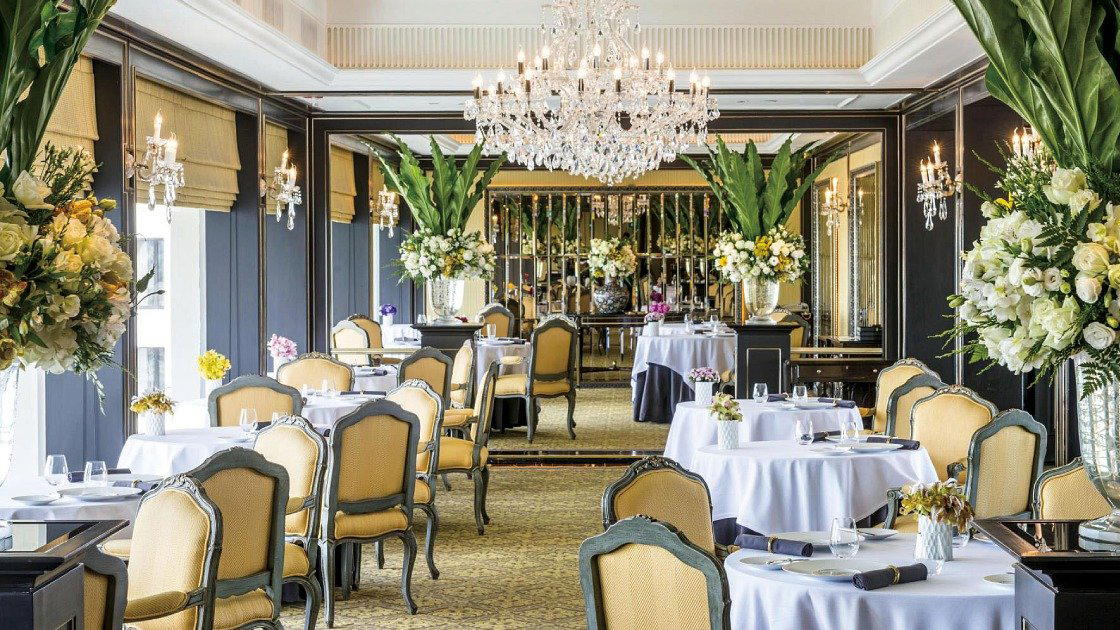
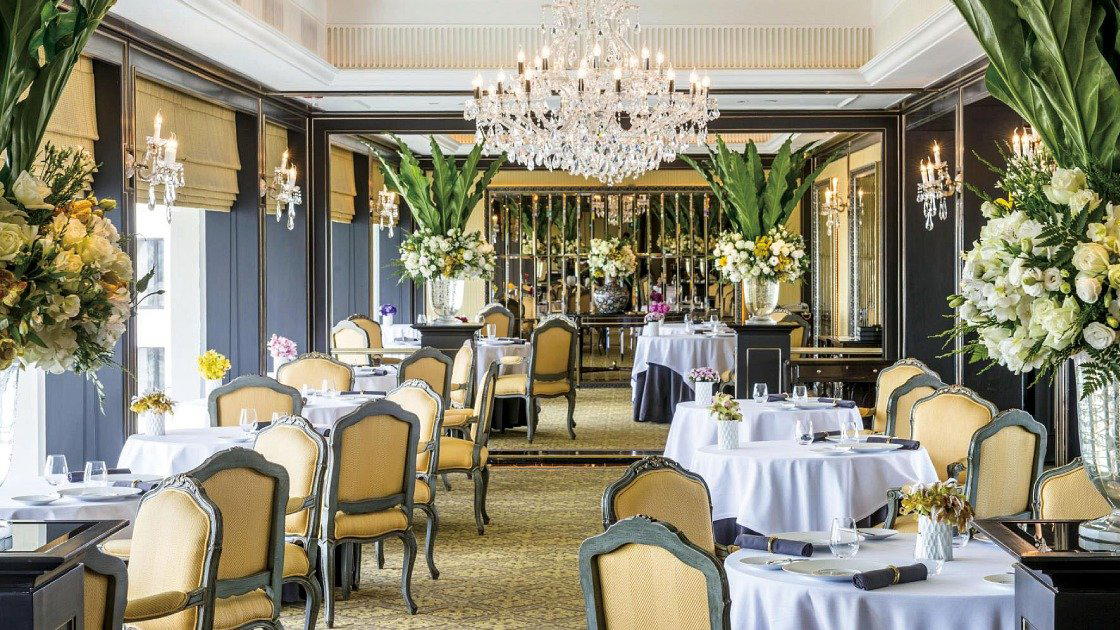
Simple décor, a three-storey family house, and a Michelin Plate on the wall: Jay Noi Kratoke sits firmly in the functional-local category, not the destination-dining one. Expect the rhythm of a neighbourhood spot in a mid-sized Isan city, where regulars come for hao-dong and sticky rice noodles rather than atmosphere. Two consecutive Michelin Plates (2024 and 2025) confirm the kitchen's consistency without changing the room's register.
What awards or recognition does Jay Noi Kratoke have?
Jay Noi Kratoke has received recognition including: This three-storey house with simple décor is family run and in its second generation. Jay Noi's house special of hao-dong is a popular local treat using sliced pork and spicy Isan sauce, chilli and roasted rice. The four pad mee Korat is al….
What's the signature dish at Jay Noi Kratoke?
The hao-dong is the house special cited directly in the Michelin Plate recognition: sliced pork with spicy Isan sauce, chilli, and roasted rice, a combination rooted in the fermented-paste traditions of the northeast. The pad mee Korat is also specifically recommended, with fresh sticky rice noodles served alongside sweet and sour sauce, bean sprouts, and chives. Homemade curry puffs are available for takeaway with optional sides.
Category Peers
| Venue | Cuisine | Price | Awards |
|---|---|---|---|
| Jay Noi KratokeThis venue — the venue you are viewing | Traditional Isan Thai | Not listed | Michelin Plate |
| Banmai Chay Nam | Authentic Thai Isaan & Regional Cuisine | $1–10 | Michelin Bib Gourmand |
| Krua Suwimol | Thai-Chinese | $10–20 | Michelin Bib Gourmand |
| Laab Somphit | Authentic Isan | $10–20 | Michelin Bib Gourmand |
| Pa Pleung Mhee Kratok | Thai Noodles | $1–10 | Michelin Bib Gourmand |
| Kai Yang Saeng Thai | Thai Rotisserie Chicken | Not listed | Michelin Bib Gourmand |
Recognition history
Dated appearances from independent guides and award organizations, with the underlying list record or original source where available.
Michelin Plate
Michelin
Full recognition history (3 entries)
Michelin Plate
Michelin
Michelin Plate
Michelin
Continue exploring
More in Nakhon Ratchasima
Details
- Rustic
- Cozy
- Casual Hangout
- Group Dining
- Standalone
- A La Carte
Current opening hours
- Monday
- 8 AM–8 PM
- Tuesday
- 8 AM–9 PM
- Wednesday
- 8 AM–9 PM
- Thursday
- 8 AM–9 PM
- Friday
- 8 AM–9 PM
- Saturday
- 8 AM–9 PM
- Sunday
- 8 AM–9 PM
Hours can change for holidays and private events. Last verified .
Simple décor in a three-storey house creating a casual, local atmosphere.