Gin-D

Gin-D in Pak Chong, Nakhon Ratchasima, takes a clean-ingredient approach to Thai cooking: organic vegetables, free-range meats, grass-fed Australian beef, and MSG-free natural seasonings served in a relaxed garden setting with warm wooden decor. It sits in a small but growing category of Thai restaurants where sourcing discipline and health-conscious cooking coexist with genuine flavour rather than trading one against the other.
Pearl is the En Primeur Club membership app — saves, bookings, and concierge access live there. Same editors, same standards.
- Address
- 227 mu, 4 Thanaratch Rd, Tambon Mu Si, Amphoe Pak Chong, Chang Wat Nakhon Ratchasima 30130, Thailand
- Directions
- Get directions
 Saves & bookings on Pearl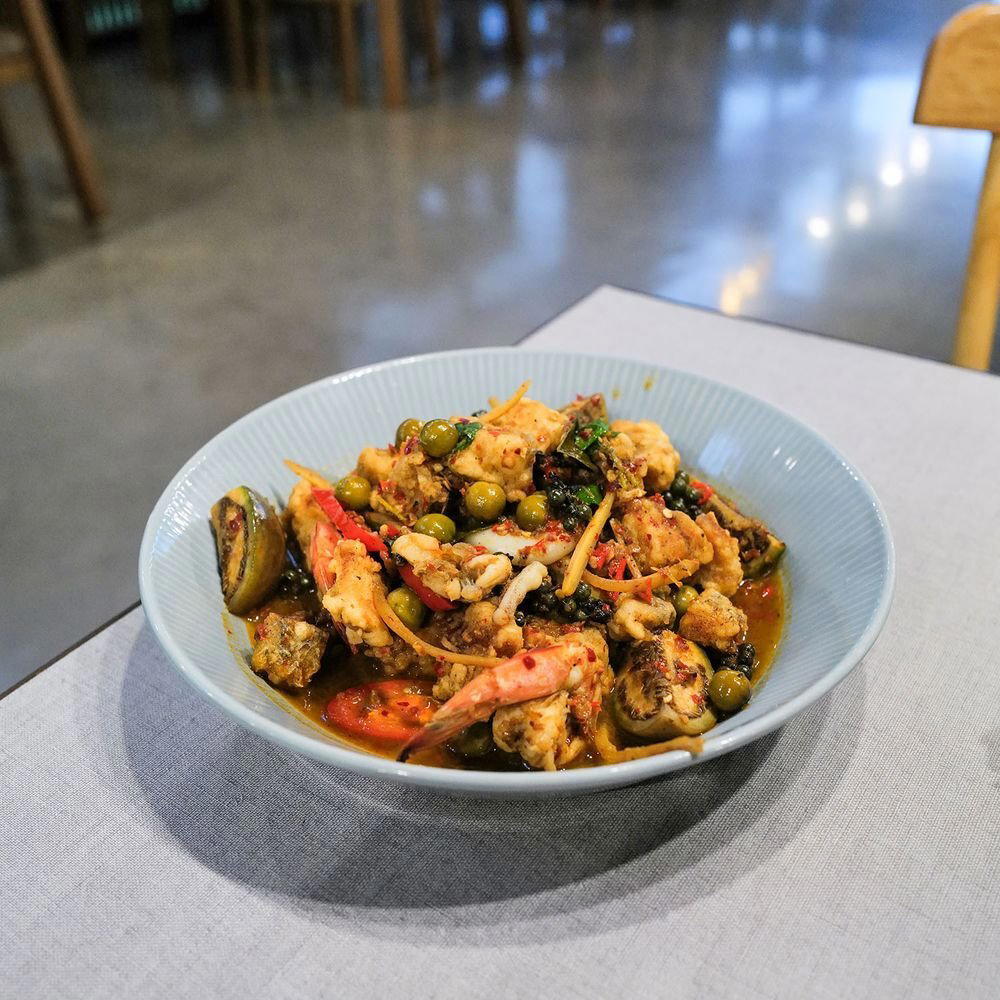
Where Clean Sourcing Meets Thai Cooking in Pak Chong
Pak Chong's dining scene reflects the area's proximity to Khao Yai, the national park that draws weekend visitors from Bangkok and sustains a local food culture shaped by agricultural abundance. The road along Thanaratch connects a mix of casual shophouse kitchens and more considered restaurants, and Gin-D sits within that stretch as a place where the sourcing conversation has been taken seriously without dressing it up in the language of wellness tourism.
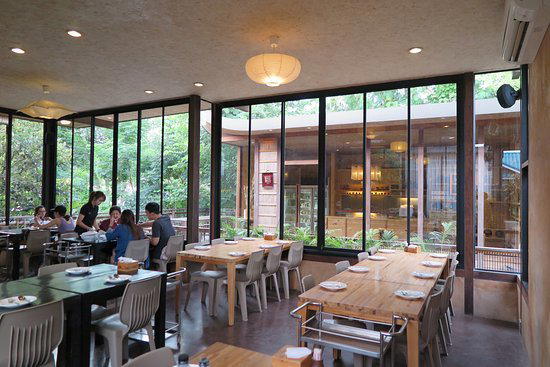
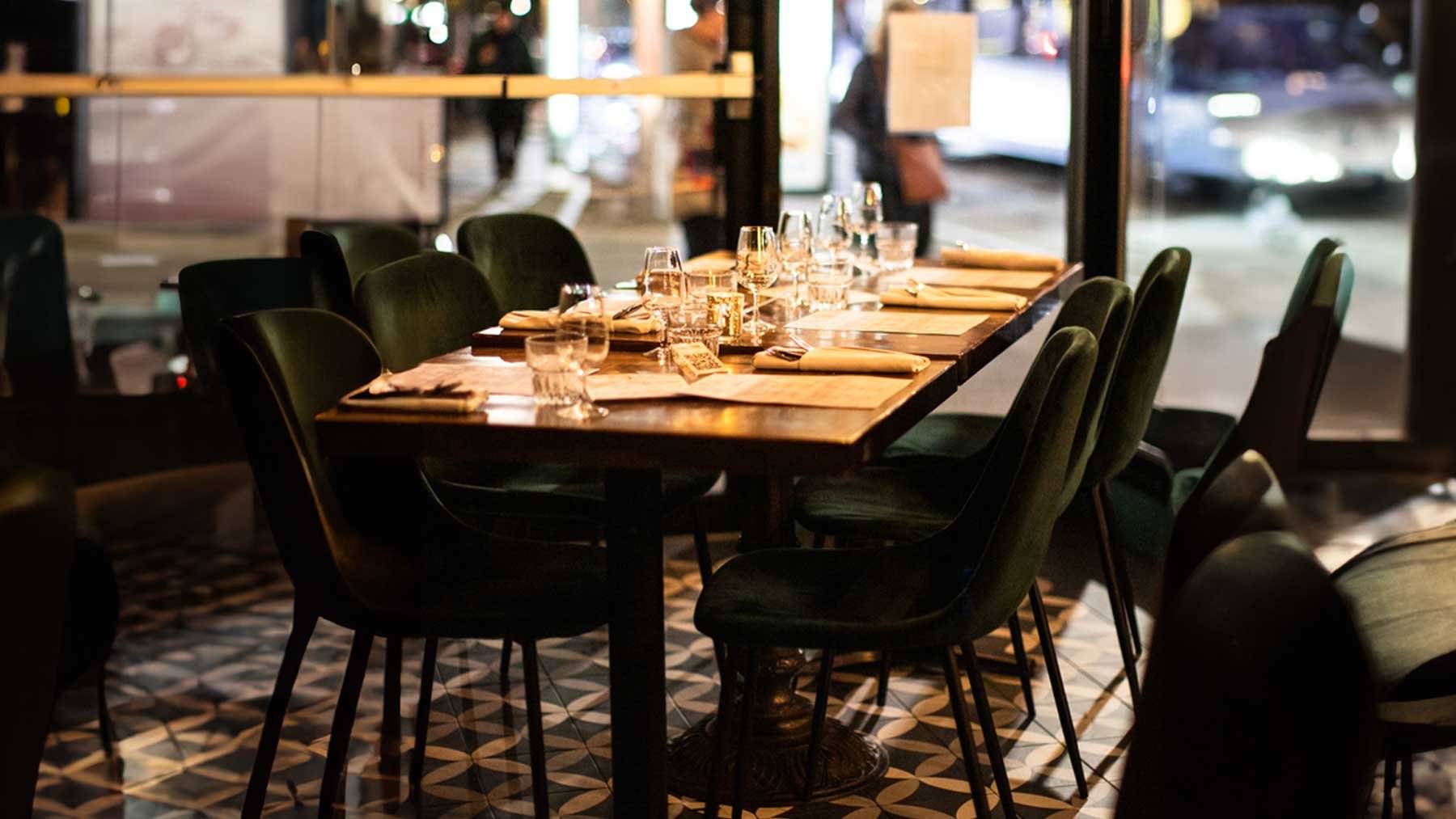
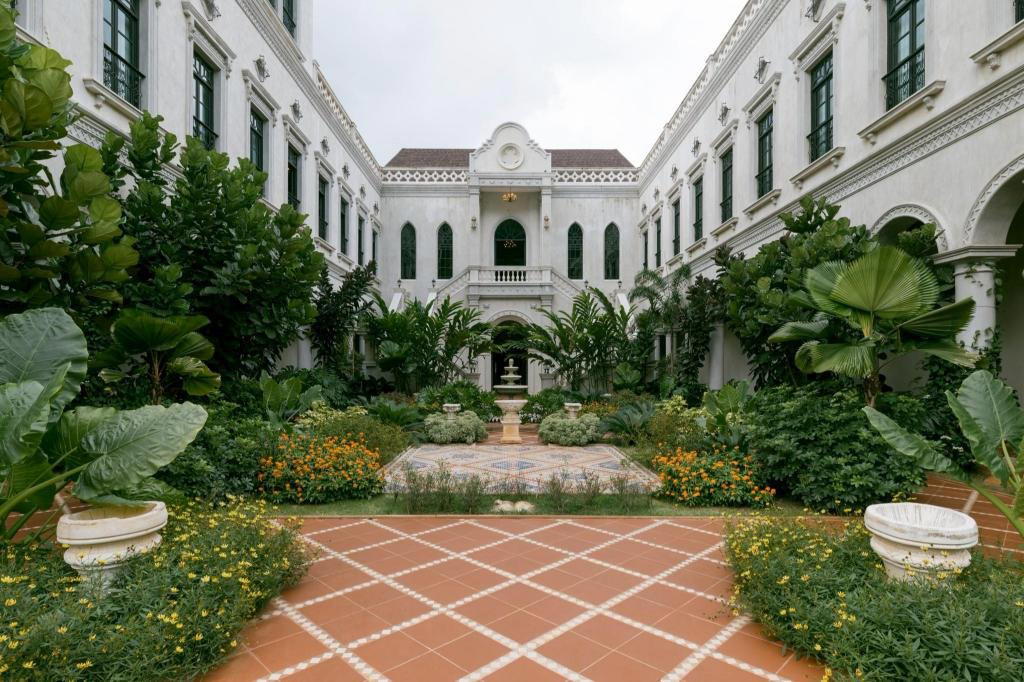
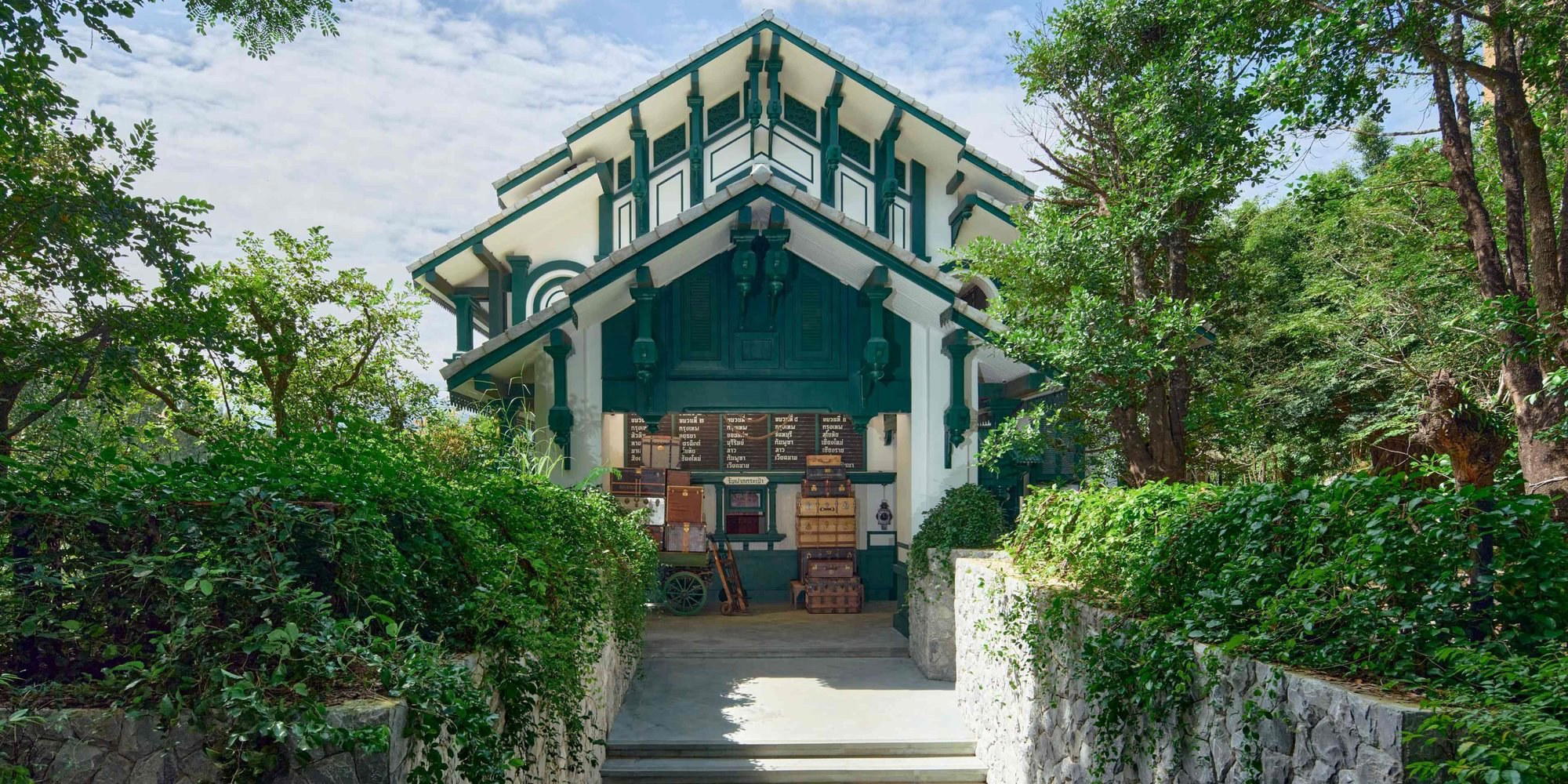
The physical setting establishes this tone immediately. Warm wooden surfaces, a relaxed interior, and a garden area create an environment that reads as considered rather than curated, the kind of space where the food is meant to be the point, not the backdrop for a photograph. This is a useful signal: restaurants in Thailand that lead with natural materials and outdoor seating in a town like Pak Chong often speak to a local clientele that values unhurried meals over spectacle.
The Cultural Weight of Eating Well in Thailand
In Thai culinary tradition, the phrase "eating well" carries more than a dietary implication. It connects to older notions of balance, the same framework that shapes how Thai cooks think about the five-flavour structure of sweet, sour, salty, bitter, and spicy, and how those elements interact with the body across a meal. Gin-D's approach sits within this tradition rather than departing from it: the goal is Thai food that nourishes without compromising the flavour logic that makes the cuisine work.
That distinction matters more than it might appear. Health-inflected Thai restaurants in Bangkok and resort towns like Phuket frequently soften dishes to suit international palates under the cover of "clean eating," producing food that is neither authentically Thai nor particularly interesting. Gin-D signals a different priority through its commitment to MSG-free natural seasonings alongside sourcing discipline: retain the flavour architecture, improve the inputs. This places it in a smaller, more disciplined category than the wellness-adjacent Thai restaurants proliferating in tourist-facing markets.
Gin-D operates in a less formalised register and at a different scale, but the underlying instinct, that the quality of an ingredient determines the quality of a dish before a single technique is applied, is shared across that spectrum.
Sourcing as a Culinary Position
Gin-D's sourcing framework is specific enough to read as a genuine culinary position rather than a marketing layer. Organic vegetables, free-range meats, grass-fed Australian beef, and seafood from small-scale fisheries form the supply base. Each of those choices reflects a particular set of trade-offs: higher ingredient cost, more limited availability, and a menu that is necessarily shaped by what is actually obtainable rather than what is theoretically on trend.
The inclusion of grass-fed Australian beef is worth noting in context. Thai restaurants at this price tier and in this geography more commonly source beef domestically, where cattle are grain-finished and the flavour profile is different. Choosing Australian grass-fed beef for a Thai cooking context implies a kitchen that has thought carefully about fat distribution and texture relative to specific preparations, whether that is a stir-fry, a salad, or a soup base, rather than defaulting to accessible supply chain.
Small-scale fishery sourcing follows a similar logic. In coastal and inland Thai cooking, seafood quality is a frequent variable, and the shift toward smaller, more traceable suppliers has been gradual even in high-end Bangkok kitchens. In a provincial town, making that choice at all represents a meaningful commitment to the sourcing framework.
Pak Chong and the Nakhon Ratchasima Dining Map
Nakhon Ratchasima province contains a wide range of dining registers, from the market-style Isan kitchens that anchor the city's food identity to more considered restaurants serving both local and visitor populations. Pak Chong, as the gateway town to Khao Yai, has developed a slightly different character: its weekend visitor economy has created demand for restaurants that go beyond the provincial baseline without attempting to replicate the Bangkok fine-dining format.
Gin-D operates in that middle space. It is not competing with the Isan-rooted kitchens represented by venues like Jum Khao or Kai Yang Sueb Siri, which prioritise the directness of regional tradition, nor is it aiming at the format discipline of the destination-driven programmes you find at Aeeen in Chiang Mai or AKKEE in Pak Kret. Its comparable set is the growing tier of provincial Thai restaurants where ingredient sourcing and health-conscious cooking have become the primary differentiator rather than technique or tasting-menu format.
For readers building a broader picture of Nakhon Ratchasima's dining options, the city offers a range of alternatives across styles and price points.
Planning a Visit
Gin-D is located at 227 Mu 4, Thanaratch Road, Tambon Mu Si, Pak Chong, Nakhon Ratchasima, a direct address for those arriving from the Khao Yai direction. The garden setting and relaxed indoor space make it suited to unhurried lunches and early dinners. Visiting mid-week or arriving early on weekends is the more reliable approach when timing matters.
Price Lens
Comparable venues nearby, for context on price, style, and recognition.
| Venue | Cuisine | Price | Awards | Notes |
|---|---|---|---|---|
| Gin-DThis venue — the venue you are viewing | Pak Chong, Farm-to-Table Thai | $$ | Michelin Plate | Not listed |
| Yommarat O-Cha | Not listed | $ | Michelin Plate | Tambon Nai Mueang, Traditional Thai Yentafo Noodle Soup |
| Nina's Cafe & Restaurant | Not listed | $$ | Bib Gourmand | Pak Chong, Nakhon Ratchasima, Traditional Thai Farm-to-Table |
| Jum Khao | Pak Chong, Authentic Thai Isan | $$ | Michelin Plate | Not listed |
| Krua Suwimol | Nai Mueang, Thai-Chinese | $$ | Bib Gourmand | Not listed |
| Banmai Chay Nam | Not listed | $$ | Bib Gourmand | Pak Chong, Authentic Thai Isaan & Regional Cuisine |
Recognition history
Dated appearances from independent guides and award organizations, with the underlying list record or original source where available.
Michelin Plate
Michelin
Continue exploring
More in Nakhon Ratchasima
Restaurants in Nakhon Ratchasima
Browse all →


At a Glance
- Cozy
- Rustic
- Scenic
- Casual Hangout
- Family
- Garden
- Farm To Table
- Organic
- Local Sourcing
- Garden
Simple and relaxed setting with warm wooden decor, wide windows overlooking the garden, and a comfortable, unpretentious atmosphere.