Our verdict
Where Ibizan terroir meets Japanese technique, La Muella occupies a category that sits apart from the island's beachfront fusion crowd. The menu draws on Japanese precision applied to Mediterranean ingredients, positioning it closer to the serious cross-cultural cooking happening at counters in Madrid and Tokyo than to the holiday-circuit restaurants dominating the port. For visitors willing to leave the waterfront, the dining is worth the detour.

Pearl is the En Primeur Club membership app — saves, bookings, and concierge access live there. Same editors, same standards.
- Address
- Ibiza, Spain
The Geography of the Concept
Ibiza's restaurant scene divides along a familiar fault line: the waterfront operators serving a transient summer crowd, and a smaller tier of kitchens that treat the island as a serious culinary address rather than a seasonal backdrop. Japan Meets Ibiza at La Muella belongs to the second category. The name itself signals the editorial premise — this is not fusion in the diluted, crowd-pleasing sense that fills beach-club menus across the island, but a genuine attempt to reconcile two distinct culinary logics: Japanese technique and Ibizan ingredient sourcing. That combination has precedents elsewhere in Spain. Restaurants like DiverXO in Madrid and Quique Dacosta in Dénia have spent years demonstrating that Spanish kitchens can absorb Asian influence without losing their Mediterranean grounding. La Muella is attempting something structurally similar, compressed into an island setting where the surrounding restaurant culture offers little in the way of peer pressure to maintain standards.
The location at La Muella — a promontory area distinct from the Old Town port activity, places the restaurant outside the gravitational pull of Ibiza Town's most heavily trafficked dining corridors. That positioning is deliberate. Restaurants that depend on foot traffic from the harbor tend to optimize for volume and familiarity; kitchens that require a specific journey from guests can make different choices about format, pacing, and menu ambition. The drive or taxi ride to reach La Muella functions, in that sense, as a selection mechanism: the guests who arrive have already made a decision that goes beyond convenience.
Japan-Spain Cross-Cultural Cooking on the Island
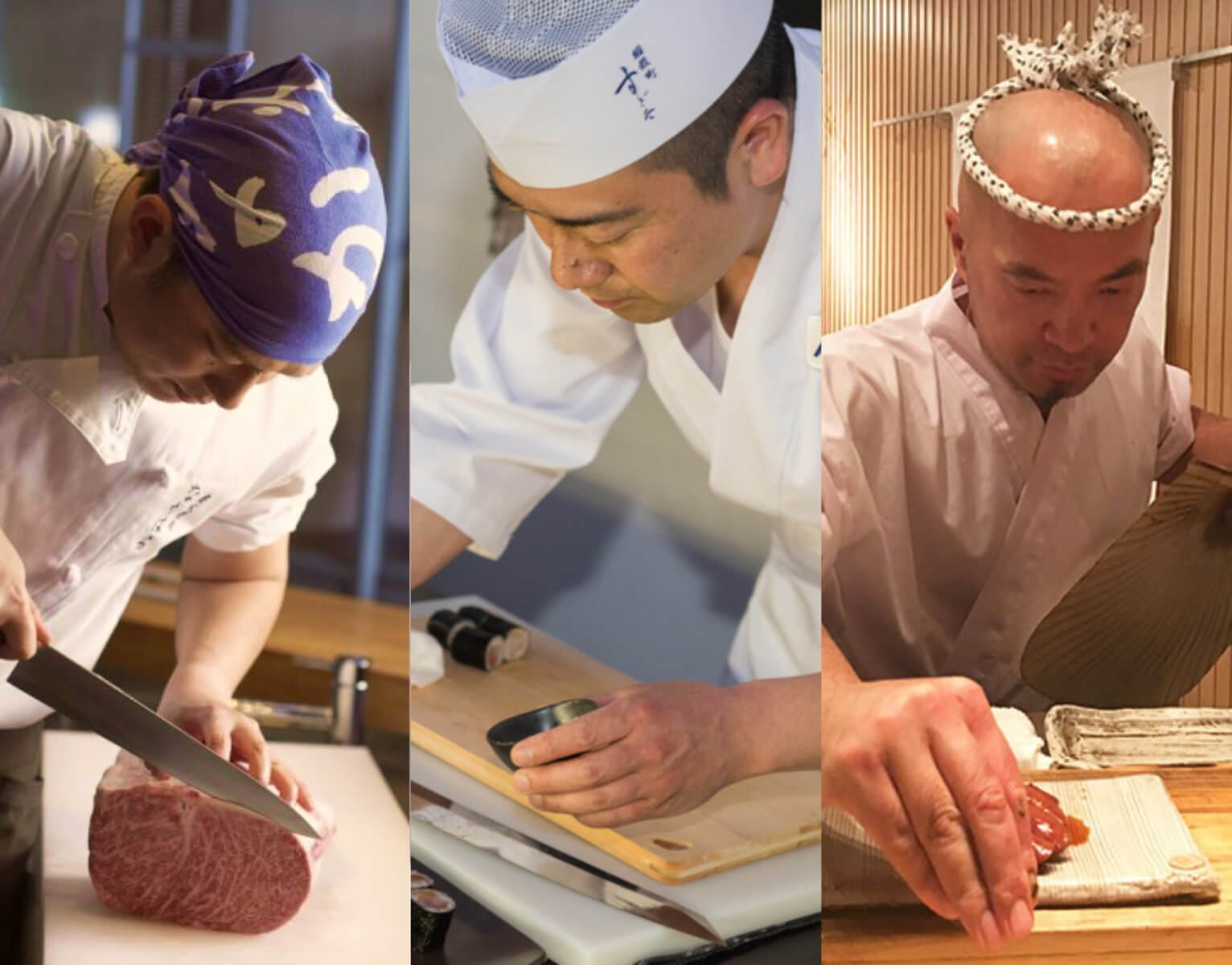
The cross-cultural cooking format that Japan Meets Ibiza at La Muella represents has matured considerably across Spain over the past decade. What began in many cities as a shorthand for high-end sushi with Mediterranean garnishes has evolved, in serious kitchens, into something more structurally integrated, Japanese knife discipline and temperature sensitivity applied to local catches, dashi-adjacent broths built from Ibizan herbs and fish bones, curing and aging techniques borrowed from both traditions. Ibiza's own seafood resources are genuine: the waters around the Balearics produce quality fish and shellfish that reward the kind of careful handling Japanese technique demands. For comparison, Omakase by Walt works the same Japanese-Ibiza conceptual territory from a strictly counter-format perspective, while 1742 approaches creative cooking from a different cultural departure point. The fact that multiple operators are now working this space on the island suggests a shift in what Ibiza's dining audience will seek out, at least at the premium end.
For context on what Japan-Spain culinary dialogue looks like at the highest register, El Celler de Can Roca in Girona and Martin Berasategui in Lasarte-Oria have both absorbed Japanese precision into deeply Spanish frameworks without losing their regional identity. Internationally, the cross-cultural model reaches its most technically demanding form at places like Atomix in New York City, where Korean technique meets French training in a way that produces something categorically different from either source cuisine. La Muella's conceptual ambition places it in that broader conversation, even if the scale and context differ considerably.
What the Setting Demands
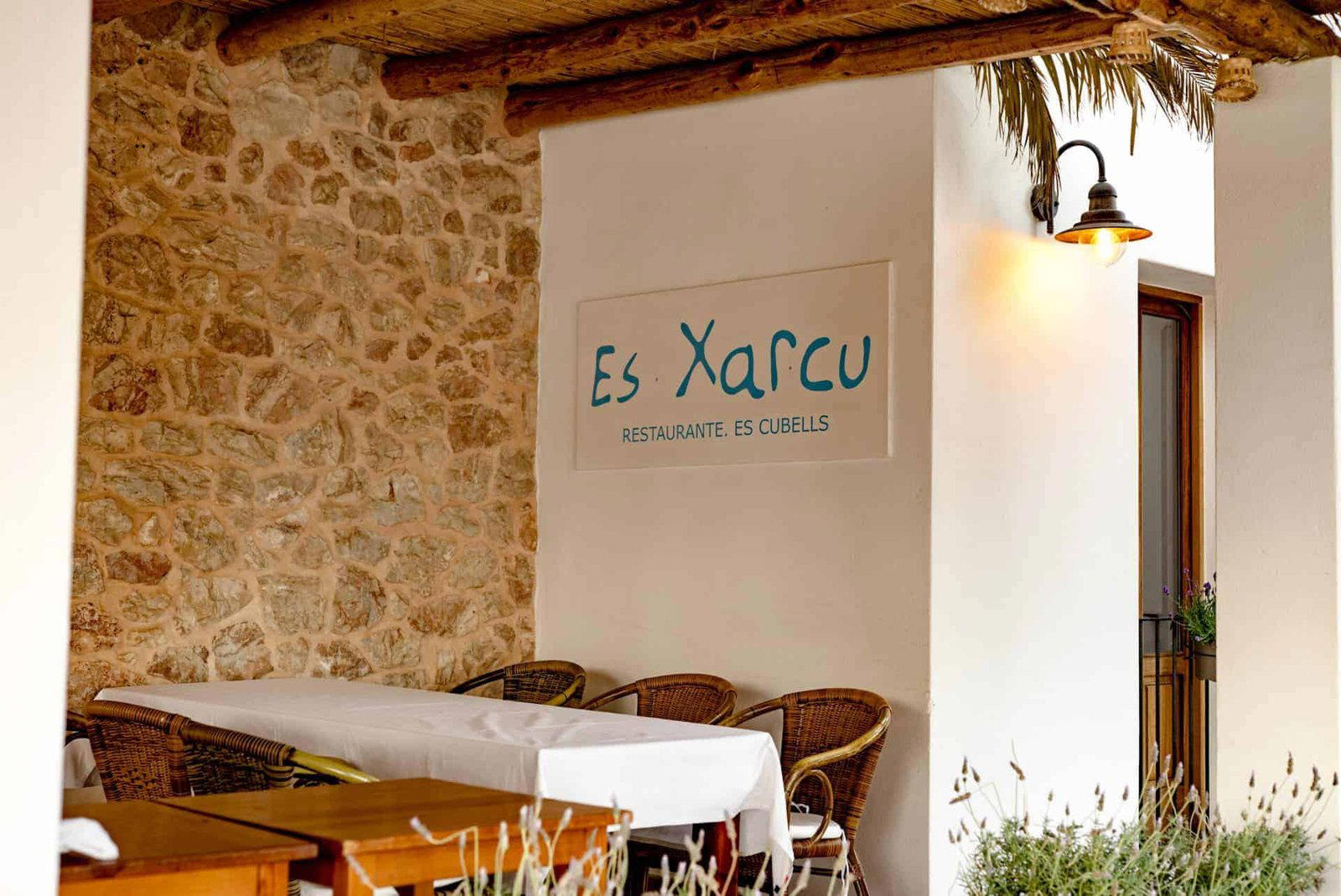
A restaurant framed around the meeting of two culinary cultures carries an implicit obligation to the physical place it occupies. The Ibizan side of the equation here is not merely decorative, the island's agricultural and maritime character, its particular herbs, its fishing traditions, its position at the western edge of the Mediterranean, all provide material that Japanese technique can work with in ways that Spanish technique might take for granted. Restaurants like Can Font, which focuses on regional Ibizan cooking, and Es Xarcu anchor themselves firmly to the local seafood tradition. Japan Meets Ibiza at La Muella is working with that same raw material but routing it through a different set of culinary instincts, ones that prioritize temperature control, knife work, and restraint over the louder, more rustic presentations typical of the island's seafood tradition.
The La Muella area itself contributes to the experience in ways the waterfront cannot. The physical remove from Ibiza Town's busiest restaurant zones changes the ambient energy of a meal: less transactional, slower in rhythm, with a view orientation and outdoor possibility that the port's densely packed terraces rarely offer. For visitors arriving by taxi from Ibiza Town or Santa Eulalia, the journey is short enough to be inconvenient only for those who haven't planned for it, which, again, filters toward the more purposeful diner.
Where It Sits in the Ibiza Premium Tier
Ibiza's top-end restaurant tier now includes enough serious operators that the question of positioning matters. Cipriani draws on a globally recognized Italian brand with a specific clientele expectation. Chambao by the Beach occupies a Mediterranean-casual register with beachfront access as a primary asset. Japan Meets Ibiza at La Muella is competing in the same general price tier as these options but on different terms: its value proposition is the specificity of the concept and the seriousness of the kitchen rather than brand recognition or setting as spectacle. That is a harder case to make on an island where most visitors are making dining decisions based on quick research and ambient buzz, which is precisely why the restaurant's location and name do useful work, both signal, immediately, that this is not a standard Ibiza beach-dinner proposition.
Spain's broader fine-dining conversation, tracked through restaurants like Aponiente in El Puerto de Santa María, Arzak in San Sebastián, Azurmendi in Larrabetzu, Mugaritz in Errenteria, Cocina Hermanos Torres in Barcelona, and Ricard Camarena in València, is largely a mainland conversation. Ibiza sits outside that circuit. A kitchen on the island that takes cross-cultural technique seriously is operating without the reinforcement of a peer community within easy reach, which makes the ambition either more admirable or more precarious depending on what actually arrives at the table. See our full Ibiza restaurants guide for broader context on how the island's dining tier is developing.
Planning Your Visit
Given the location outside Ibiza Town's central district, arriving by taxi is the practical default for most visitors, though those staying in the island's northwest or rural interior may find La Muella easier to reach than the port-area alternatives. For a restaurant at this price and concept level, booking ahead is advisable, particularly during July and August when the island's premium restaurant capacity is under sustained pressure from a high-spending summer audience. Direct contact via the restaurant's own channels is the standard approach for securing a table, and checking availability a week or more in advance during peak season is the sensible baseline. For seafood-forward meals at a comparable register on the island, Chambao by the Beach and Omakase by Walt represent useful alternative reference points if availability is limited. For the technically-focused seafood experience from a purely French perspective, Le Bernardin in New York City remains the international benchmark for how far classical technique can carry ocean ingredients.
Frequently asked questions
How does the La Muella location shape the dining experience at Japan Meets Ibiza at La Muella?
La Muella sits outside Ibiza Town's central restaurant corridor, which means the setting itself filters the clientele toward guests making a deliberate choice rather than a walk-in decision. In Ibiza, geography is positioning: restaurants removed from the port district tend to operate with a quieter register and a more focused format. For a kitchen built around the precision of Japanese cooking applied to Spanish island ingredients, that physical remove from the tourist-facing waterfront strip is consistent with the culinary ambition the concept implies.
What dish is Japan Meets Ibiza at La Muella famous for?
The kitchen's identity is built around applying Japanese technique — precision cutting, controlled heat, fermentation logic — to Ibizan ingredients rather than importing a fixed Japanese menu wholesale. That means preparations driven by local seafood and produce, handled with a discipline more common to Tokyo counters than Mediterranean beach restaurants. No single dish defines the menu publicly, but the conceptual signature is that cross-directional application: island ingredients, Japanese method.
Do I need a reservation for Japan Meets Ibiza at La Muella?
During July and August, premium-tier restaurants in Ibiza operate under sustained pressure from a well-funded international summer crowd, and La Muella's positioning outside the central port district does not reduce that demand. Booking well ahead of arrival — several weeks minimum during peak season — is the practical baseline for any serious visit. Outside the summer peak, availability is generally less constrained, but the restaurant's concept-driven format attracts a specific audience year-round.
What's the signature at Japan Meets Ibiza at La Muella?
The defining editorial identity is the application of Japanese culinary logic to Ibizan ingredients — a format that positions La Muella apart from both standard sushi operations and conventional Mediterranean kitchens on the island. Where most Ibiza restaurants at this tier anchor to a single national tradition (Italian, Spanish, or imported Japanese), this kitchen works the intersection deliberately. The La Muella location reinforces that separation from the port-district crowd, lending the format a more considered register.
Is Japan Meets Ibiza at La Muella allergy-friendly?
A kitchen working across Japanese and Ibizan ingredient vocabularies will routinely handle shellfish, finfish, soy, sesame, and gluten-containing ingredients — all of which appear frequently in both culinary traditions. Guests with allergies to any of these categories should communicate requirements directly with the restaurant before arrival rather than at the table. The cross-cultural format means cross-reactive ingredients from both cuisines are likely present in the same kitchen environment.
Is eating at Japan Meets Ibiza at La Muella worth the cost?
At the premium tier of Ibiza's restaurant market — where Cipriani and port-district operators set a high baseline for spend — the value question depends on what the kitchen delivers against its concept. Japan Meets Ibiza at La Muella occupies a specific position: it argues that Japanese technique applied to local Ibizan ingredients produces something neither cuisine achieves alone. When that argument holds on the plate, the premium is justified; when it doesn't, the price point is the same regardless.
A Tight Comparison
Comparable venues nearby, for context on price, style, and recognition.
| Venue | Cuisine | Price | Notes |
|---|---|---|---|
| Japan Meets Ibiza at La MuellaThis venue — the venue you are viewing | Not listed | Not listed | Not listed |
| Ebusus Café | Modern Mediterranean | $20–30 | Ibiza Town, Modern Mediterranean |
| El Bigotes | Authentic Ibizan Fisherman's Bullit de Peix | $20–30 | Cala Mastella, Authentic Ibizan Fisherman's Bullit de Peix |
| Piccola Cucina Ibiza | Modern Sicilian Italian | $50–100 | Marina Botafoch, Modern Sicilian Italian |
| Sa Nansa | Authentic Ibizan Seafood | Not listed | Ibiza Town, Authentic Ibizan Seafood |
| Club de Playa SHU Talamanca | Mediterranean with Sushi | Not listed | Talamanca, Mediterranean with Sushi |