Jams sits on Sixth Avenue in Midtown Manhattan, a dining address that positions it squarely within New York's dense corridor of serious restaurant options. The room and kitchen operate in a city where ingredient provenance and sourcing discipline increasingly separate the considered from the casual, placing Jams in a conversation about what American cooking means at this price point and location.
Pearl is the En Primeur Club membership app — saves, bookings, and concierge access live there. Same editors, same standards.
- Address
- 1414 6th Ave, New York, NY 10019
- Phone
- +1 212 703 2007
- Website
- 1hotels.com
- Directions
- Get directions
 Saves & bookings on Pearl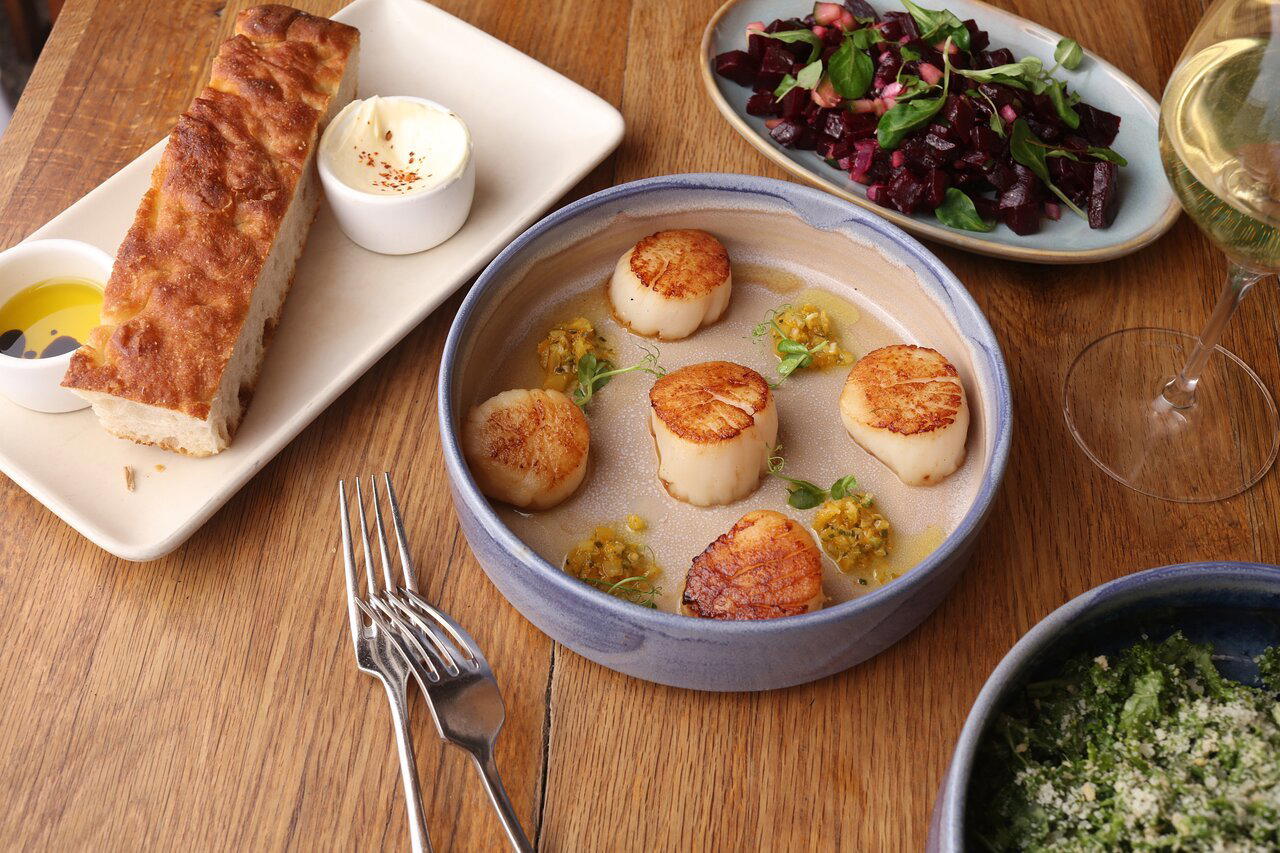
Sixth Avenue, Where Midtown Dining Gets Serious
Jams is a Seasonal New American restaurant at 1414 6th Ave in New York, NY, with a price tier of 3 and a recommended reservation policy. The blocks near 1414 sit close enough to Central Park that the density of the city softens slightly, and the restaurants along this stretch tend to attract a clientele that knows what it wants: a table, a considered menu, and cooking that earns its address. Jams operates in this context, at a New York intersection where dining expectations run high.
New York's Midtown dining corridor has long been shaped by the proximity of hotel dining, expense-account culture, and the gravitational pull of the park. Restaurants here compete against particularly scrutinized tables in the country. A few blocks south or east, Le Bernardin has defined French seafood cooking in the American context for decades. Per Se at the Time Warner Center and Masa set the ceiling on what tasting-menu investment looks like in this city. Against that backdrop, any restaurant on this stretch of Sixth Avenue is making an implicit argument about where it sits in the hierarchy.
The Sourcing Question in American Cooking
One consequential shift in American restaurant cooking over the past fifteen years has not been a technique or a format. It has been the normalization of ingredient traceability as a baseline expectation rather than a marketing distinction. Diners at this end of the market now assume that produce has a farm of origin, that proteins arrive with a provenance story, and that the kitchen has made deliberate decisions about where its raw materials come from. What was once the territory of farm-to-table evangelists at places like Blue Hill at Stone Barns in Tarrytown has become the operating assumption across a much wider range of serious American kitchens.
This shift has been absorbed differently across regions. In California, proximity to agricultural abundance made sourcing specificity almost effortless; Single Thread Farm in Healdsburg takes that logic to its furthest point by controlling the supply chain from farm to plate. In Chicago, Smyth has built its identity around a similar integration of sourcing and kitchen philosophy. In New York, the challenge is different: the city sits at enough remove from its agricultural surroundings that the commitment to provenance requires active logistical effort rather than geographic convenience. The Hudson Valley, eastern Long Island, and the broader Northeast supply chain demand relationships, not just proximity. Restaurants that take this seriously are making a statement about culinary values that goes beyond menu copy.
For those wanting to trace the farm-to-table tradition across American dining, the lineage runs through The French Laundry in Napa, where Thomas Keller established sourcing precision as inseparable from fine dining craft, and extends to younger operations like Lazy Bear in San Francisco and Addison in San Diego, each articulating a regional version of the same underlying commitment. Providence in Los Angeles applies this logic specifically to sustainable seafood. In New Orleans, Emeril's has long embedded Louisiana agricultural identity into its kitchen sourcing. The through-line across all of these is the idea that what a restaurant chooses to serve, and from where, is itself an editorial position.
What the Address Tells You
1414 Sixth Avenue places Jams in a part of Midtown that has historically served hotel guests and neighborhood regulars in roughly equal measure. The demographic mix shapes expectations: tables here tend to skew toward diners who want cooking that is assured without being theatrical, and service that reads the room rather than performing to it. This is not the downtown dining scene, where experimental formats and late seatings define the rhythm. Midtown operates on different hours and different social codes, and kitchens in this area either lean into that or fight against it.
The broader New York context rewards specificity. Atomix in Koreatown has demonstrated that ingredient-focused cooking framed through a specific cultural tradition can achieve the highest tier of critical recognition in this city. Eleven Madison Park made sourcing and seasonal structure the organizing principle of an entirely plant-based kitchen. Both represent how seriously ingredient provenance is now weighted in New York's critical conversation.
For those interested in how American kitchens at the serious end of the market have evolved, comparisons extend beyond New York. Frasca Food and Wine in Boulder and The Inn at Little Washington represent regional approaches to the same underlying question of how sourcing, terroir, and culinary identity converge. Internationally, the argument about ingredient provenance as culinary philosophy reaches its most articulate expression in Alpine cooking: Atelier Moessmer Norbert Niederkofler in Brunico has built an entire restaurant identity around hyperlocal mountain sourcing, while Dal Pescatore in Runate anchors itself to the agricultural traditions of the Po Valley with similar conviction.
Planning Your Visit
Jams is located at 1414 Sixth Avenue, New York, NY 10019, in Midtown Manhattan. Hours are Monday through Sunday from 7 AM to 10:45 PM, and reservations are recommended.
| Venue | Cuisine | Price Tier | Booking Format |
|---|---|---|---|
| Jams | American (Midtown) | Confirm directly | Confirm directly |
| Le Bernardin | French, Seafood | $$$$ | Advance reservation |
| Per Se | French, Contemporary | $$$$ | Advance reservation |
| Masa | Sushi, Japanese | $$$$ | Advance reservation |
| Eleven Madison Park | French, Vegan | $$$$ | Advance reservation |
Accolades, Compared
Comparable venues nearby, for context on price, style, and recognition.
| Venue | Cuisine | Price | Notes |
|---|---|---|---|
| JamsThis venue — the venue you are viewing | Seasonal New American | $$$ | Not listed |
| 54 Below | Modern American Supper Club | $$$ | Midtown-Times Square |
| American Brass | New American | $$$ | Long Island City-Hunters Point |
| Marlow & Sons | Seasonal New American with Japanese influences | $$$ | Williamsburg |
| P.J. Clarke's On The Hudson | Classic American with Seafood & Raw Bar | $$$ | Financial District-Battery Park City |
| Tillage | Refined American | $$$ | Midtown South-Flatiron-Union Square |
Continue exploring
More in New York City
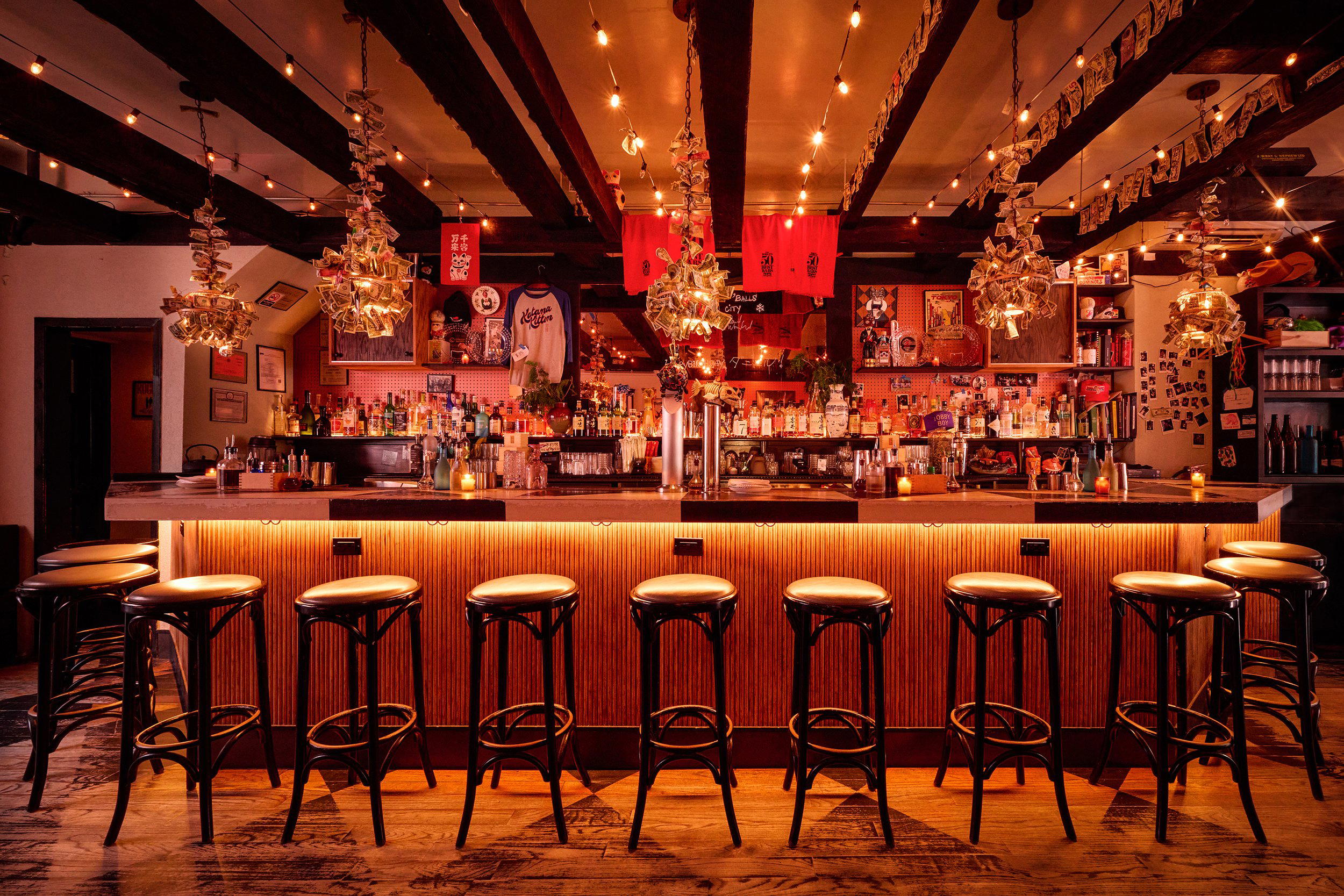
Restaurants in New York City
Browse all →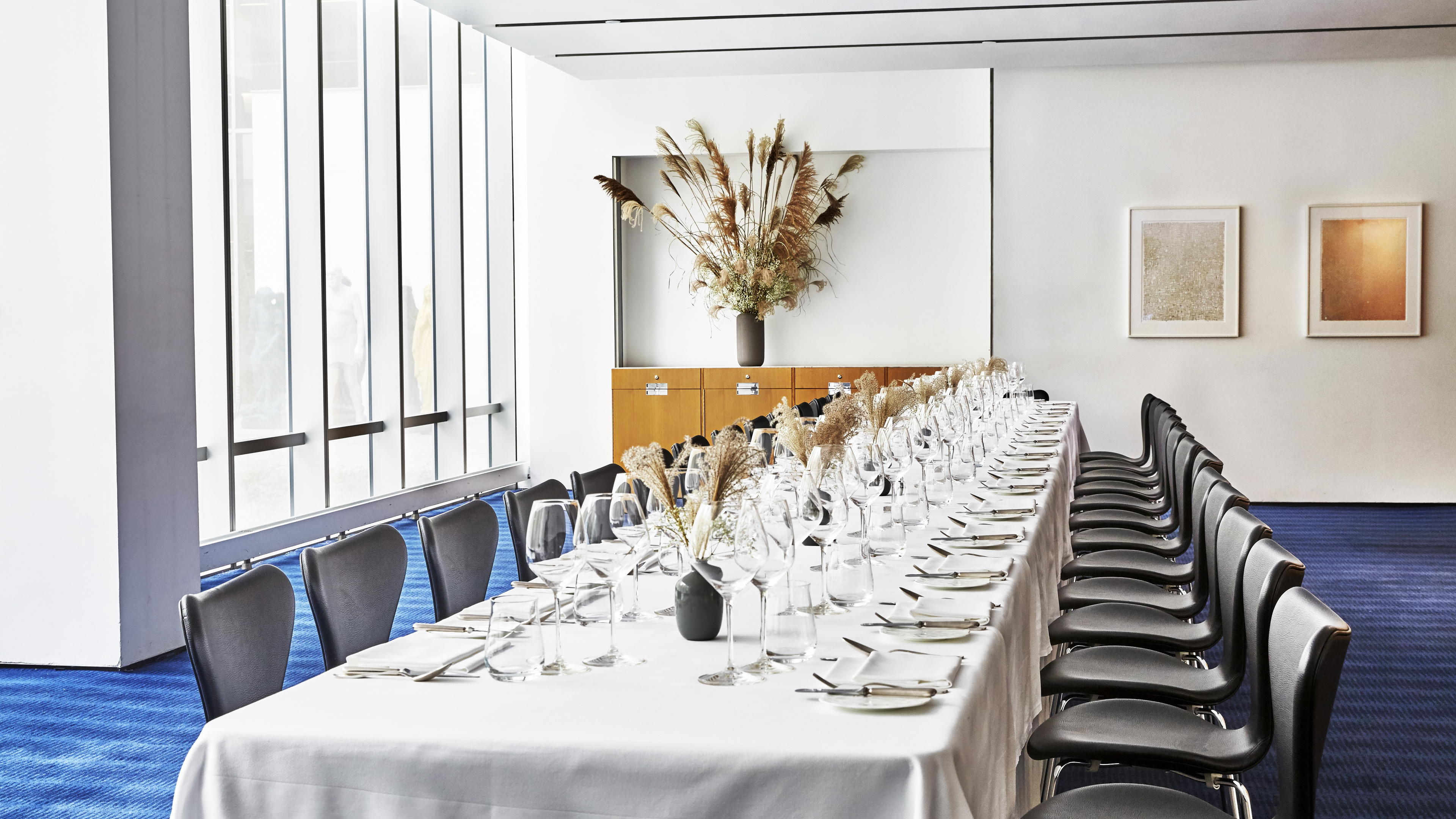
Bars in New York City
Browse all →

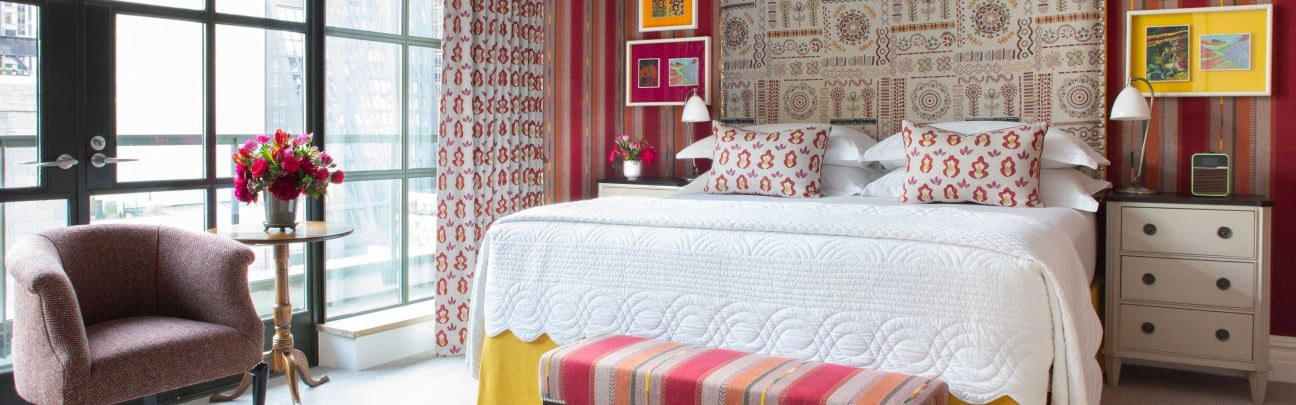
Hotels in New York City
Browse all →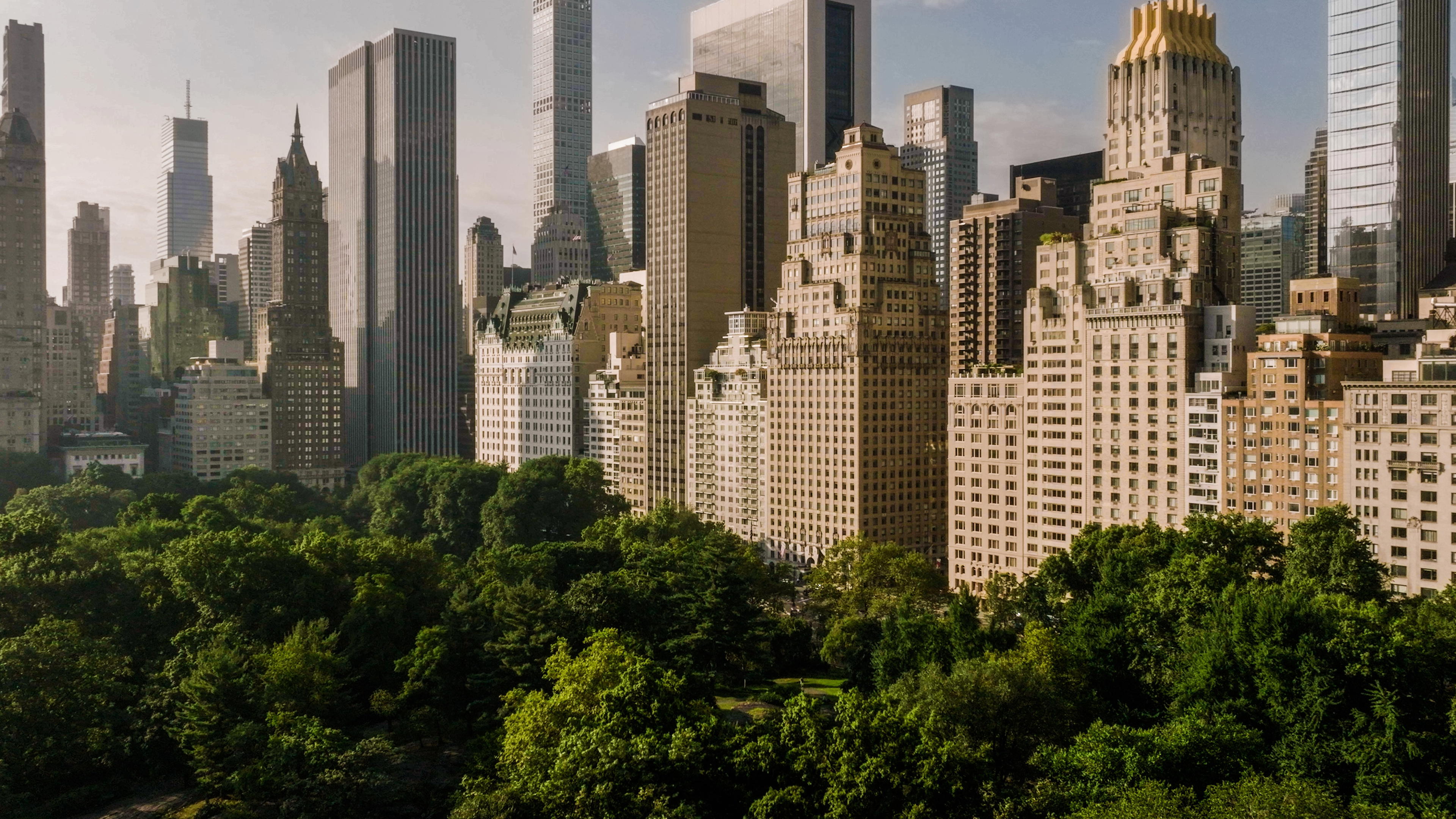





At a Glance
- Modern
- Elegant
- Cozy
- Brunch
- Date Night
- Business Dinner
- Open Kitchen
- Hotel Restaurant
- Terrace
- Local Sourcing
- Farm To Table
- Street Scene
Current opening hours
- Monday
- 7 AM–10:45 PM
- Tuesday
- 7 AM–10:45 PM
- Wednesday
- 7 AM–10:45 PM
- Thursday
- 7 AM–10:45 PM
- Friday
- 7 AM–10:45 PM
- Saturday
- 7 AM–10:45 PM
- Sunday
- 7 AM–10:45 PM
Hours can change for holidays and private events. Last verified .
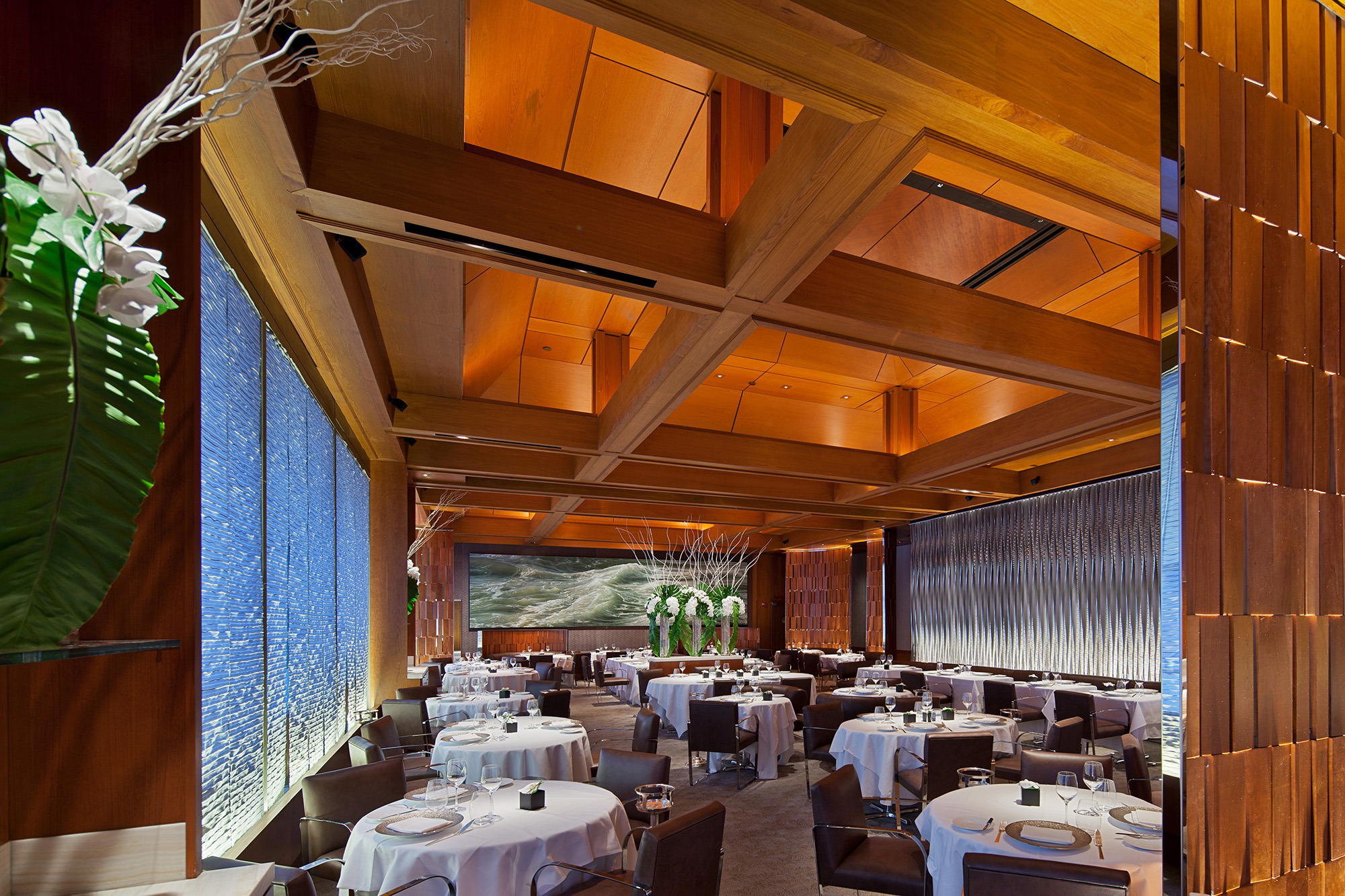
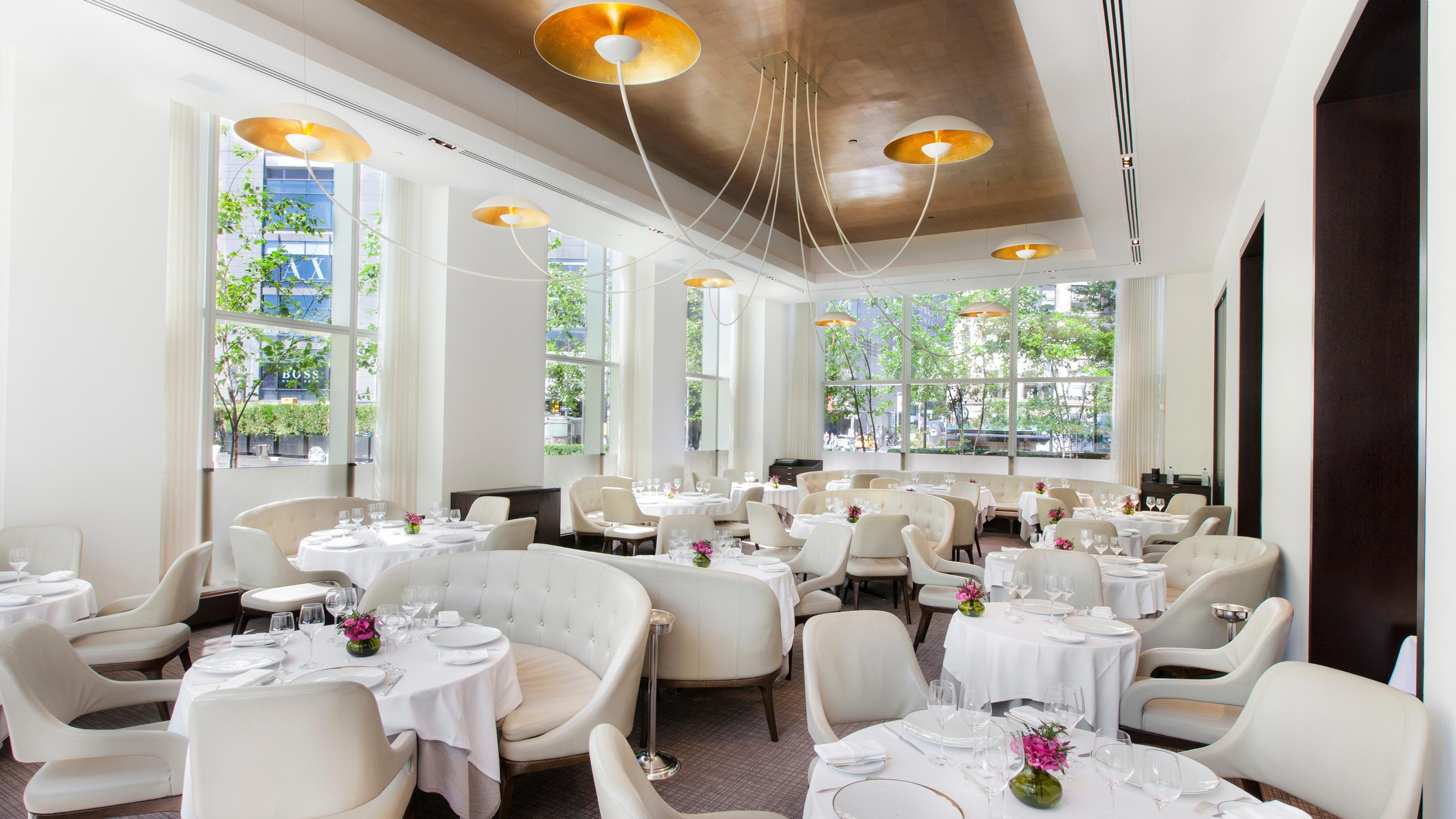
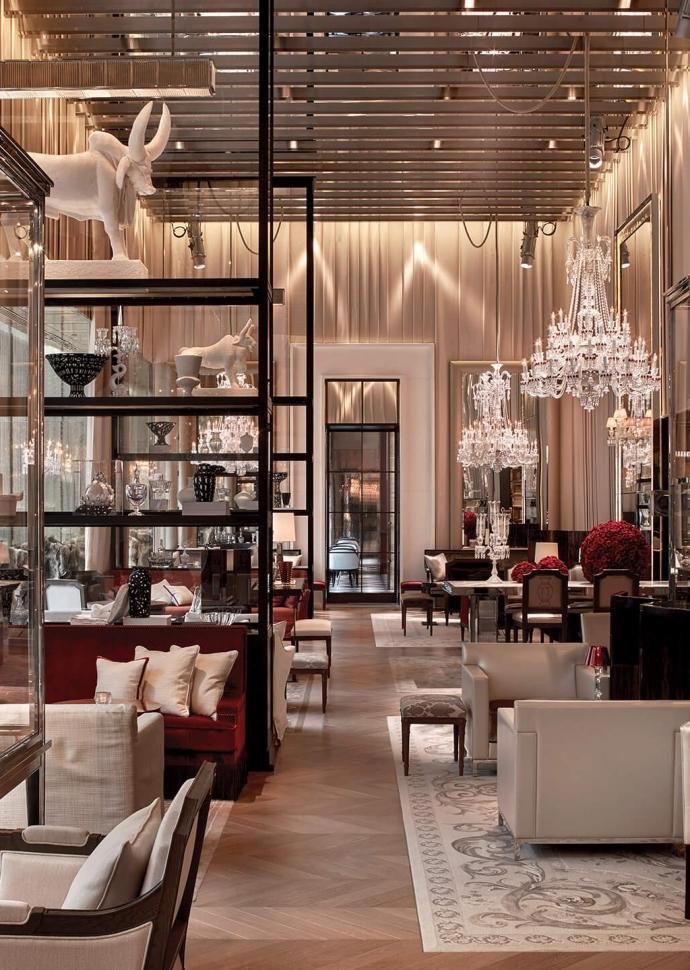
Dynamic atmosphere featuring open kitchen, exposed brick, reclaimed oak, and large windows creating an inviting and modern feel.