American Brass
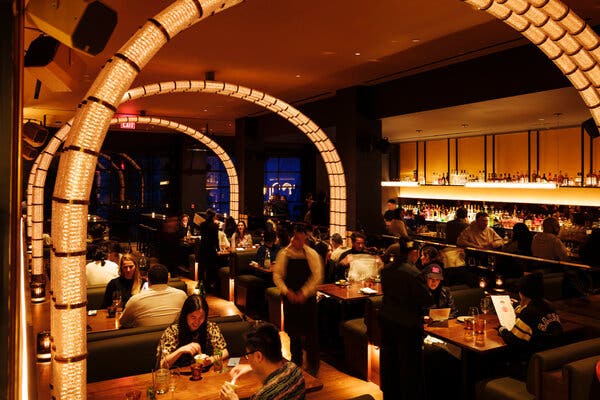
American Brass occupies a converted industrial space at 2-01 50th Ave in Long Island City, placing it within a neighbourhood that has steadily repositioned itself as a serious dining destination across the East River from Manhattan. The address alone signals something about the restaurant's orientation: away from Midtown's centre of gravity, toward a more deliberately chosen setting that rewards the trip.
Pearl is the En Primeur Club membership app — saves, bookings, and concierge access live there. Same editors, same standards.
- Address
- 2-01 50th Ave, Long Island City, NY 11101
- Phone
- +17188061106
- Website
- americanbrasslic.com
- Directions
- Get directions
 Saves & bookings on Pearl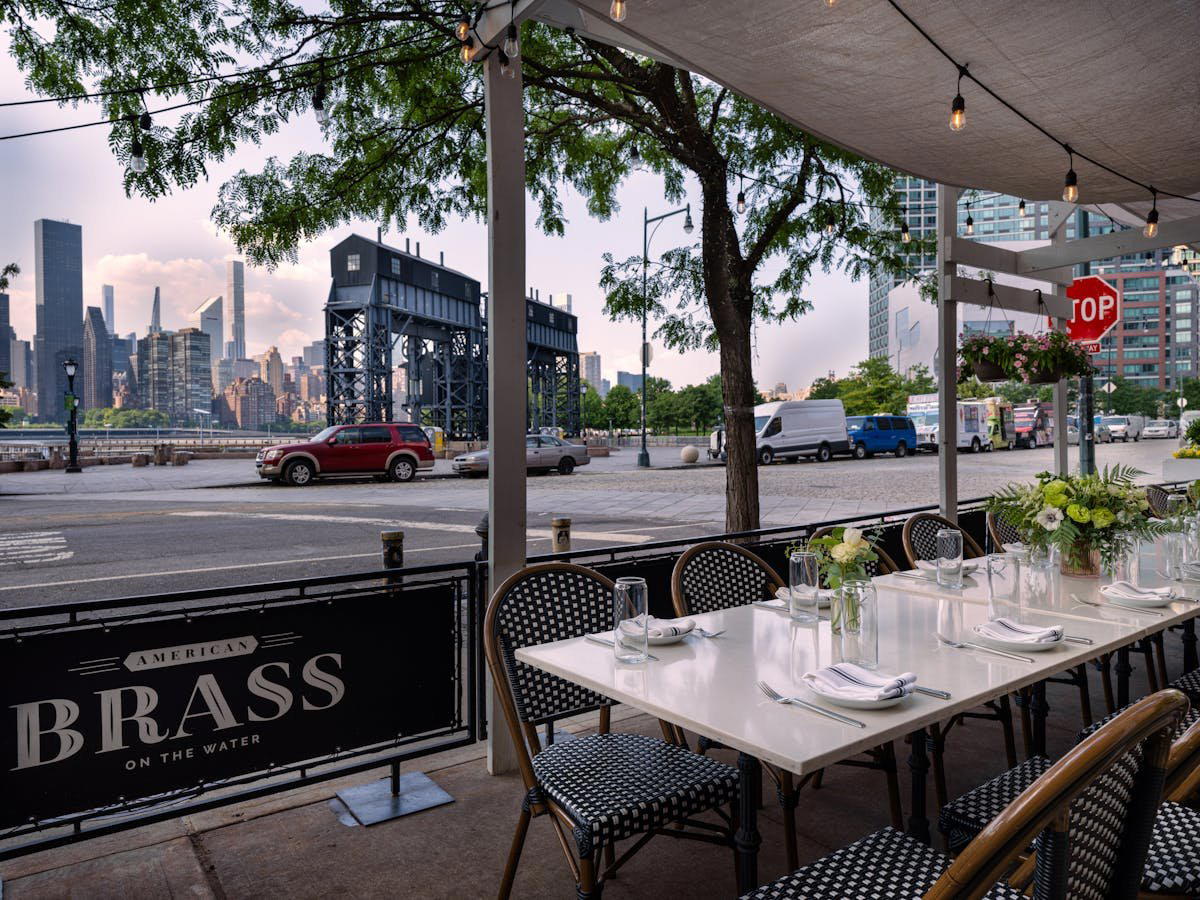
Long Island City and the Drift Away from Manhattan
New York dining has long been organised around a gravitational pull toward Manhattan, where the concentration of press attention, expense accounts, and tourist traffic has historically made it the default setting for serious restaurants. That pull has weakened perceptibly over the past decade. Brooklyn led the first wave of redistribution; Long Island City, directly across the East River in Queens, represents a quieter but more considered version of the same movement. Restaurants that choose this address are making a statement about audience and intention, trading visibility for a more self-selecting clientele willing to cross a borough line. American Brass, at 2-01 50th Ave, sits inside that geographic argument.
The neighbourhood has its own logic. Long Island City's industrial bones, the former manufacturing lofts and warehouses that define its streetscape, have attracted a particular kind of restaurant operator: one less interested in the theatre of a high-profile Manhattan block and more interested in the physical character of the space itself. That tendency places LIC's better restaurants in a comparable set that includes industrial-conversion dining rooms in comparable neighbourhoods across American cities, a category where the architecture does meaningful editorial work before a dish arrives.
The Evolution of an Industrial-Conversion Dining Room
The trajectory of American Brass tracks a broader pattern in American restaurant culture since the early 2010s. The industrial-conversion format, a raw space with high ceilings, exposed structure, and some form of large-format bar program, began as a Brooklyn signature and migrated outward. In its earliest iterations the format prioritised atmosphere over culinary ambition: the room was the concept. What happened in the subsequent years, at the better examples of this type, was a gradual inversion. The room became the given; the kitchen became the differentiator.
That shift mirrors what happened at a different scale in fine dining. Properties like Smyth in Chicago and Lazy Bear in San Francisco used unconventional formats and spaces as the starting point for programs that became editorially serious on their own terms. The physical environment stopped being the alibi for the food and started being the context for it. American Brass occupies a moment in that evolution for Long Island City specifically: a neighbourhood that has accumulated enough dining density to have a character of its own, rather than being defined purely by its distance from Manhattan's better-known addresses.
The evolution question for any restaurant in this category is always whether the reinvention has been genuine or cosmetic. Industrial rooms age in a particular way: what reads as raw authenticity in year one can read as tired neglect by year five if the underlying program hasn't developed. The restaurants that survive that arc, and that continue to draw a specific rather than merely convenient audience, tend to be the ones where the kitchen has kept pace with or outrun the initial atmospheric proposition.
Where American Brass Sits Relative to Its comparable set
The relevant comparison for the restaurant is not the Manhattan fine dining tier anchored by Le Bernardin, Per Se, Masa, Eleven Madison Park, or Atomix. Those restaurants operate inside a different set of expectations: prix-fixe formats, deep reservation lead times, and price points that position them against international peers rather than neighbourhood competition. The restaurant competes in a different register, one where accessibility (geographic and economic) is part of the offer, and where the question is less about achieving a canonical dining experience and more about whether the kitchen is doing something worth crossing a borough for.
At the upper end of the price spectrum, restaurants differentiate on credentials that are relatively legible: Michelin stars, named-chef lineage, documented critical attention. In the mid-market industrial-conversion category, the signals are less codified. Longevity matters. Consistency matters. A defined culinary point of view, communicated through what the kitchen chooses to do rather than through press releases, matters most.
The Longer View: Farm-to-Table and What Followed
American dining at the mid-to-upper tier has been shaped over the past fifteen years by the farm-to-table movement and its aftermath. Properties like Blue Hill at Stone Barns in Tarrytown and Single Thread Farm in Healdsburg defined a high-commitment version of ingredient sourcing that became aspirational across the category. What followed was a broader diffusion of the vocabulary, if not always the substance, of that approach. Restaurants that once described themselves primarily by cuisine type began describing themselves through sourcing relationships, seasonal rotations, and producer partnerships. Some of that shift was substantive; some was rhetorical. The distinction tends to show up in whether the menu actually changes and whether the kitchen's decisions are driven by what is genuinely available rather than by what is convenient to claim.
For restaurants in outer-borough New York, proximity to the greenmarket system and to Hudson Valley producers provides a genuine logistical advantage over some Manhattan operators whose supply chains are longer and more commodified. That advantage is available to any restaurant willing to use it; the question is always whether they do. Comparable commitments at the California end of the spectrum, at places like The French Laundry in Napa, Providence in Los Angeles, or Addison in San Diego, show what sustained sourcing discipline looks like when it becomes a defining credential rather than a marketing note. European models, from Atelier Moessmer Norbert Niederkofler in Brunico to Dal Pescatore in Runate, offer a longer timeline for what that kind of identity-building produces across decades.
Planning Your Visit
The restaurant is located at 2-01 50th Ave in Long Island City, Queens. The address is accessible from Midtown Manhattan via the 7 train, making it a practical trip from the city.
| Venue | Location | Price Tier | Booking Lead Time |
|---|---|---|---|
| The restaurant | Long Island City, Queens | Not published | Not published |
| Le Bernardin | Midtown, Manhattan | $$$$ | Several weeks typical |
| Eleven Madison Park | Flatiron, Manhattan | $$$$ | Several weeks to months |
| Atomix | Kips Bay, Manhattan | $$$$ | Several weeks to months |
A Quick Peer Check
Comparable venues nearby, for context on price, style, and recognition.
| Venue | Cuisine | Price | Notes |
|---|---|---|---|
| American BrassThis venue — the venue you are viewing | New American | $$$ | Not listed |
| Leslie | Modern New American | $$$ | Murray Hill-Kips Bay |
| Dolly's | Southern-inspired American Comfort | $$$ | Hell's Kitchen |
| Freemans | Rustic American Tavern | $$$ | Lower East Side |
| Glass House Tavern | Contemporary American | $$$ | Midtown-Times Square |
| City Vineyard | New American with Seafood | $$$ | Tribeca-Civic Center |
Continue exploring
More in New York City
Restaurants in New York City
Browse all →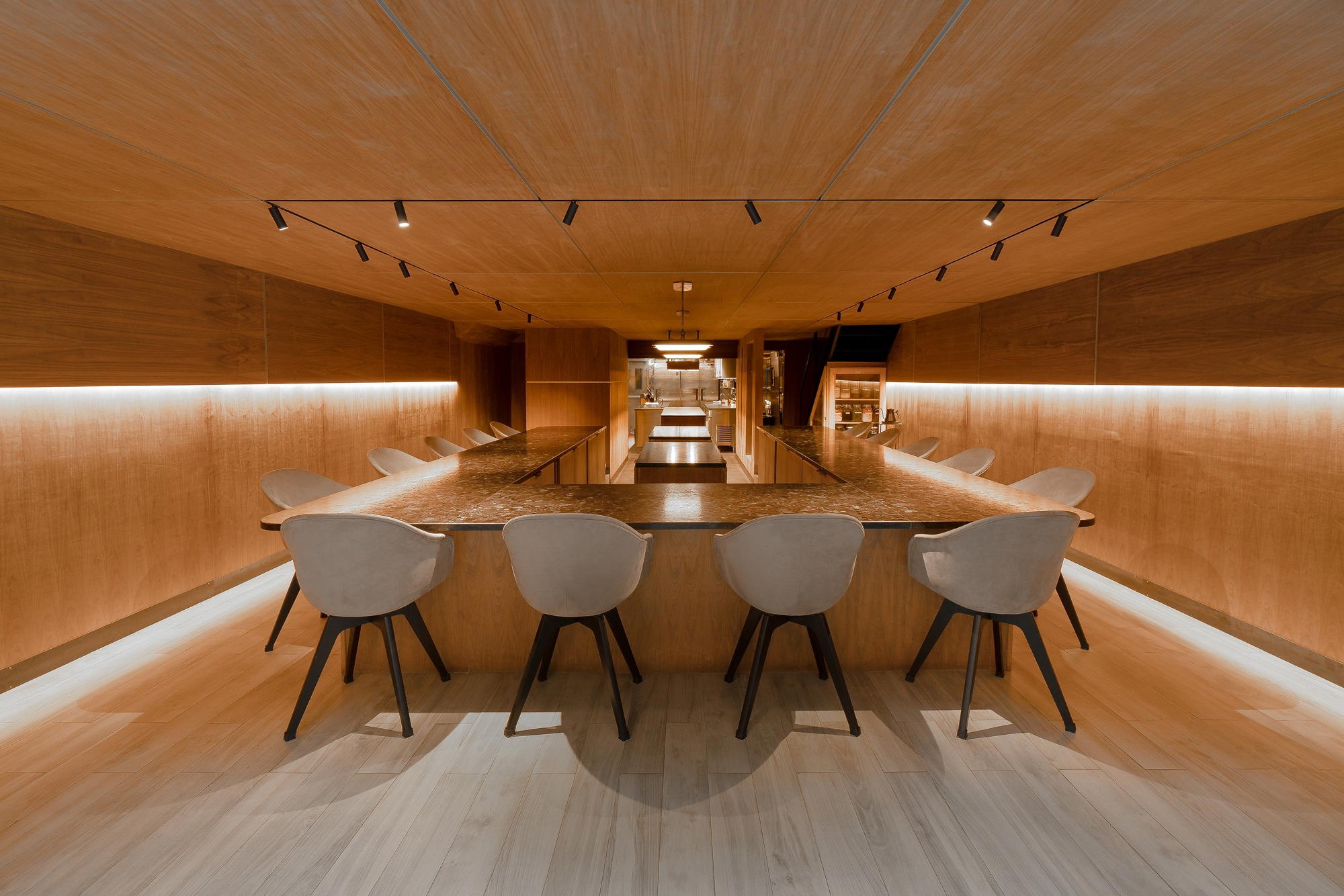
Bars in New York City
Browse all →
Hotels in New York City
Browse all →
Wineries in New York City
Browse all →


At a Glance
- Elegant
- Modern
- Scenic
- Date Night
- Brunch
- Special Occasion
- Waterfront
- Open Kitchen
- Terrace
- Craft Cocktails
- Beer Program
- Local Sourcing
- Farm To Table
- Skyline
- Waterfront
Current opening hours
- Monday
- 5–8:30 PM
- Tuesday
- 5–8:30 PM
- Wednesday
- 5–9 PM
- Thursday
- 5–9 PM
- Friday
- 5–9:30 PM
- Saturday
- 11 AM–9 PM
- Sunday
- 11 AM–8:30 PM
Hours can change for holidays and private events. Last verified .
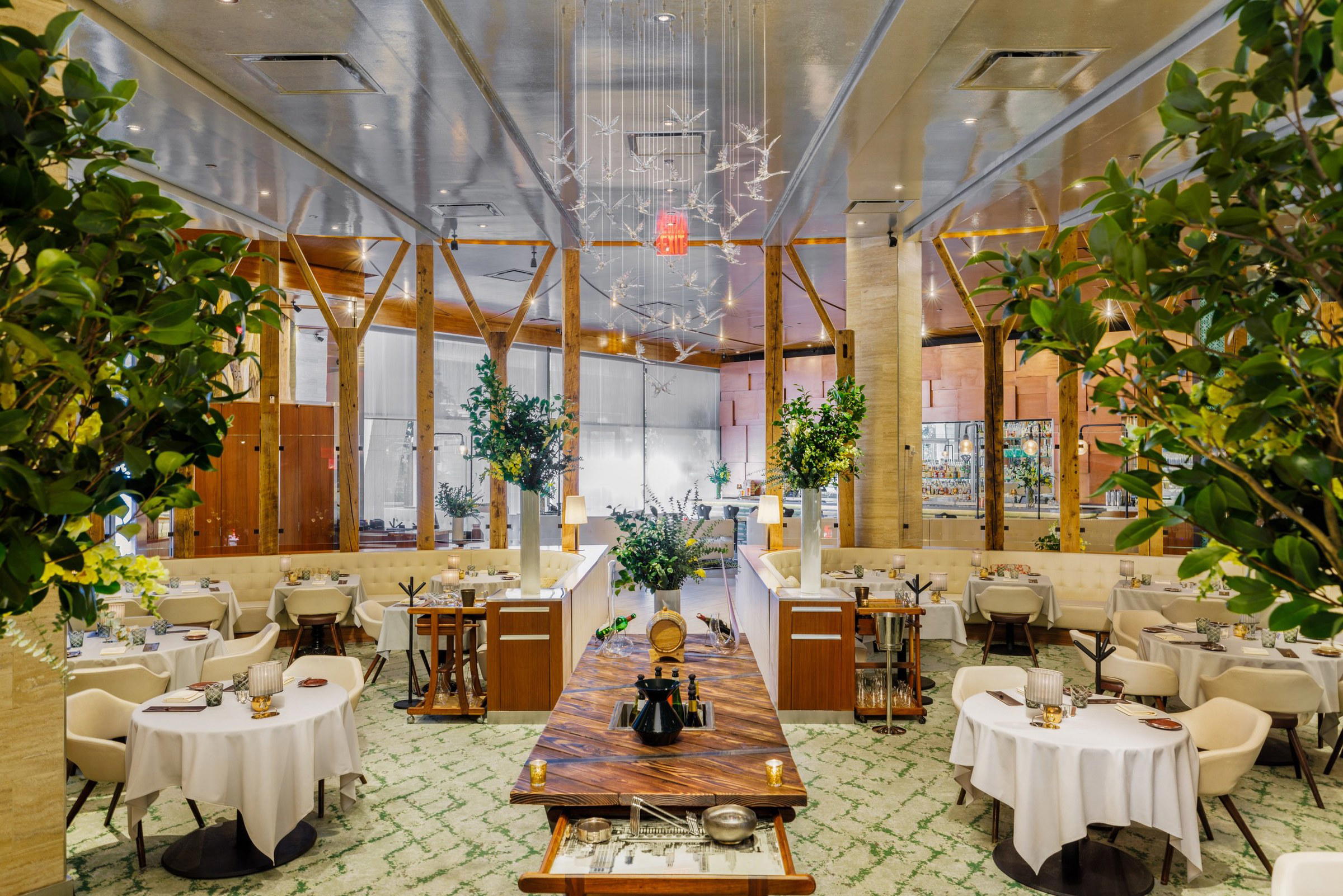
Chic, relaxed upscale space with waterfront views of Manhattan skyline.