Jacques Waterfront Dining
Our verdict
Positioned along Reduit Beach Avenue in Rodney Bay, Jacques Waterfront Dining occupies one of St. Lucia's most competitive dining corridors, where the interplay of Caribbean ingredients and European technique defines the upper end of the local restaurant scene. The waterfront setting frames the experience, placing it within a peer group of destination-worthy tables that draw both resort guests and independent travellers to Gros Islet's northern coast.

Pearl is the En Primeur Club membership app, where members save venues, book tables and use the concierge.
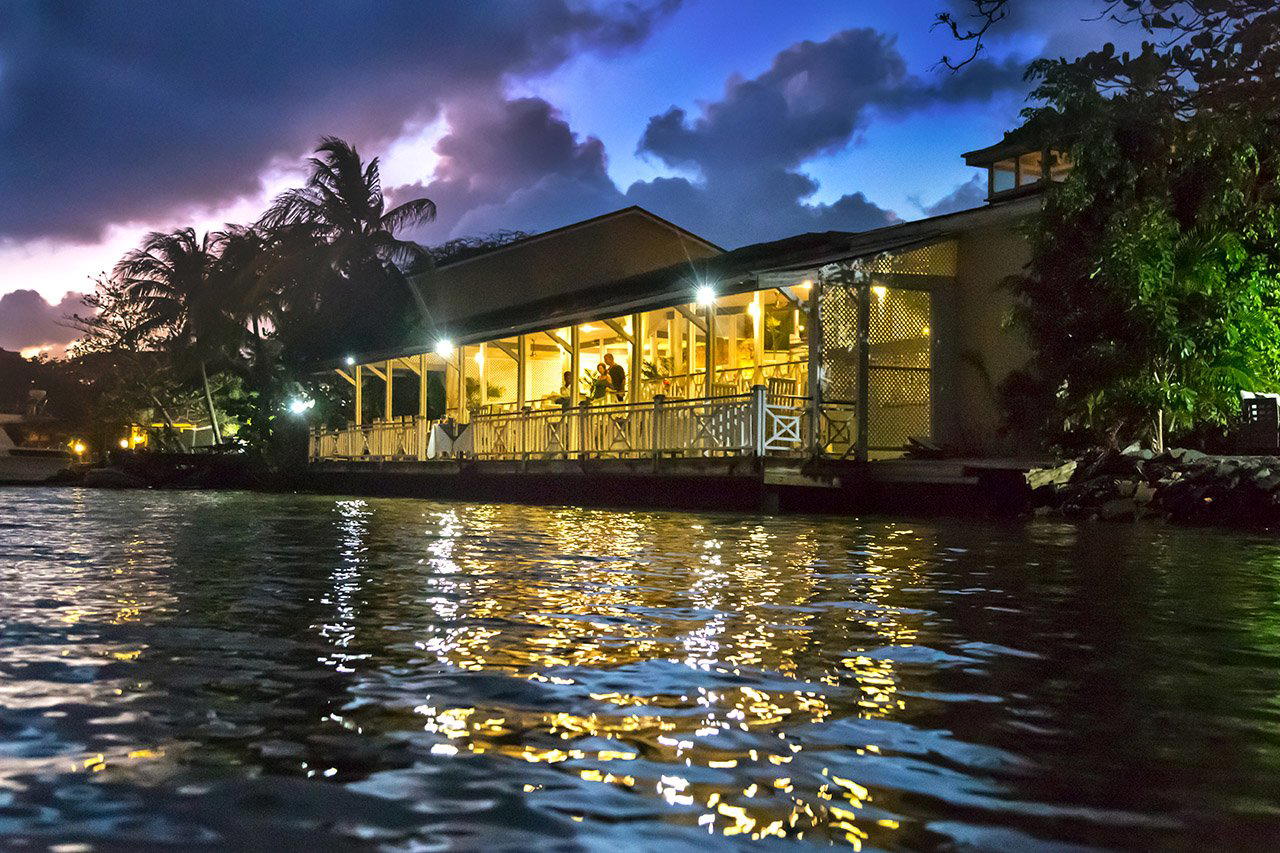
Where the Caribbean Table Meets the Atlantic Edge
Rodney Bay's dining scene operates on a spectrum that runs from casual beach shacks to white-tablecloth rooms with serious wine lists. The waterfront strip along Reduit Beach Avenue sits near the best of that spectrum, where the combination of open-air setting, proximity to the marina, and evening light off the water creates conditions that Caribbean dining has historically done well: the physical environment carries as much weight as the plate. Jacques Waterfront Dining occupies this band of the market, its address on Reduit Beach Avenue placing it in direct conversation with the restaurants that define how visitors and locals alike understand premium dining in northern St. Lucia.
The broader context matters here. St. Lucia's culinary identity has long been shaped by the same tension found across the Eastern Caribbean: a genuinely rich local larder, including saltfish, breadfruit, green fig, callaloo, and freshly landed reef fish, set against the colonial legacy of French and British technique. Rodney Bay, as the island's most developed tourism corridor, tends to express that tension most visibly. Restaurants here make a choice, consciously or not, about how far to lean toward European-influenced presentation and how much to let the island's own culinary logic drive the menu. The waterfront setting at Jacques reinforces the expectation of that considered, composed approach to Caribbean ingredients rather than the more casual rum-bar tradition you find a few blocks inland.
The Waterfront Tradition in the Eastern Caribbean
Dining beside water in the Caribbean is not a novelty, but it is a format that rewards execution. The Eastern Caribbean's waterfront restaurant tradition has roots in the fishing communities that preceded tourism, where proximity to the catch was practical before it became scenic. In contemporary Rodney Bay, that lineage gets filtered through a hospitality infrastructure built largely around sailing visitors and resort guests arriving from Hewanorra or George F. L. Charles Airport. The marina crowd brings a particular standard of expectation: they have typically eaten well in multiple Caribbean ports before arriving, and they calibrate accordingly. Jacques Waterfront Dining sits inside that tradition, in a part of the island where a table with a view of the water signals a certain tier of ambition. For a broader map of where this fits among Rodney Bay's options, see our full Rodney Bay restaurants guide.
The comparison set in this corridor includes places like Jambe de bois, which draws from the same northern St. Lucia geography, and further afield, The Cliff at Cap in Gros Islet and Cap Maison Resort and Spa in Cap Estate, both of which represent the island's resort-anchored fine dining tier with Caribbean Fusion menus positioned at the premium end of the local market. Jacques operates in a similar register but outside the resort envelope, which shifts the dynamic: there is no captive audience here, only diners who have made a deliberate choice to arrive.
Caribbean Fusion and What That Category Actually Means
The label Caribbean Fusion, applied to some of the restaurants in this peer group, covers a wide range of actual practice. At its weakest, it means tropical garnishes on otherwise generic international plates. At its most considered, it means applying classical French or Mediterranean structure to ingredients that grow within a short radius of the kitchen: christophine, dasheen, soursop, plantain, and whatever came off the boat that morning. The Eastern Caribbean's culinary moment, which has been building quietly over the past decade, is characterized by chefs and restaurant owners in the region pushing that second interpretation harder, treating local ingredients as the primary text rather than local colour. St. Lucia has participated in that shift, and restaurants along the Rodney Bay waterfront occupy a front-facing position in that evolution, visible to the international visitors most likely to carry those impressions home.
Elsewhere on the island, restaurants like The Coal Pot Restaurant in Castries and SMO Wellness in Soufriere represent different geographic and philosophical positions within St. Lucia's dining scene, with the south of the island tending toward a more grounded, ingredient-led approach tied to the volcanic agricultural belt around Soufriere. The northern corridor, by contrast, is where European technique and Caribbean produce meet with the most self-consciousness, for better and worse. Options like Martha's Tables in Belle Vue, Big Yard in Palmiste, and Flavours Of The Grill in Bois D'Orange show the range of registers the island's dining culture spans beyond the waterfront tier. For a different coastal approach in the region, Orlando's Restaurant and Bar offers another reference point.
Internationally, the question of how a small island kitchen competes on technique while remaining rooted in place is one that prestigious coastal restaurants have wrestled with across the world. The sustained precision of a place like Le Bernardin in New York City in handling seafood, or the produce-driven discipline at Atelier Moessmer Norbert Niederkofler in Brunico, represent one end of that spectrum. Caribbean waterfront dining operates with different constraints and a different audience, but the underlying ambition, to make local ingredients speak with clarity and confidence, is the same conversation.
Planning Your Visit to Rodney Bay
Rodney Bay is accessible from both of St. Lucia's airports: the international hub at Hewanorra in the south involves a transfer of roughly 90 minutes by road, while the smaller George F. L. Charles Airport in Castries is significantly closer, making it the practical choice for visitors whose primary destination is the north of the island. The dry season between December and April draws the highest visitor volumes to this corridor, with the marina filling with sailing traffic and restaurant reservations carrying more lead time than in quieter months. The shoulder months of May and June offer a more relaxed booking environment without the full heat and rainfall of the late-summer period. Reduit Beach Avenue is walkable from most of Rodney Bay's hotel stock, and the strip is compact enough that an evening can move fluidly between venues. Booking ahead for waterfront tables, particularly for weekend dinners or during the holiday season, reflects standard practice in this tier of the market. For dining that pushes further afield, Hardest Hard Restaurant and Bar in Charlotte offers an alternative outside the immediate Rodney Bay cluster.
Frequently asked questions
What part of town is Jacques Waterfront Dining in?
Jacques Waterfront Dining is located at Reduit Beach Avenue, Rodney Bay, St. Lucia, Rodney Bay.
Is Jacques Waterfront Dining a good option for a dinner with a sea view in Rodney Bay?
Jacques Waterfront Dining's position on Reduit Beach Avenue in Rodney Bay places it directly within the strip that defines St. Lucia's most established waterfront dining zone. The Eastern Caribbean's waterfront restaurant tradition rewards venues that combine an unobstructed outlook with a kitchen that matches the setting, a pairing Rodney Bay's better rooms have built their reputations on.
What should I order at Jacques Waterfront Dining?
Jacques sits on Reduit Beach Avenue in Rodney Bay, which places it squarely within St. Lucia's strongest concentration of seafood-forward kitchens. The waterfront position typically drives menus toward fresh catch preparations and Caribbean-inflected dishes. Confirm the current menu directly with the venue, as seasonal availability shapes what is on the pass on any given evening.
How hard is it to get a table at Jacques Waterfront Dining?
Rodney Bay's waterfront strip draws consistent demand from both resort guests and visitors staying across St. Lucia, meaning well-positioned rooms on Reduit Beach Avenue fill quickly during peak season. Booking ahead is advisable rather than optional, particularly from December through April when the island sees its highest visitor volume. check the venue's official channels to confirm current availability and reservation procedures.
What makes Jacques Waterfront Dining worth seeking out?
The address on Reduit Beach Avenue puts Jacques at the centre of Rodney Bay's dining corridor, one of the Eastern Caribbean's more competitive restaurant concentrations. Waterfront rooms at this latitude offer a specific combination of setting and proximity to the catch that landlocked kitchens cannot replicate. Within that peer group, execution and consistency are what separate the rooms that hold a reputation from those that coast on location.
Price and Positioning
Comparable venues nearby, for context on price, style, and recognition.
| Venue | Cuisine | Price | Awards | Notes |
|---|---|---|---|---|
| Jacques Waterfront DiningThis venue (the venue you are viewing) | French-Caribbean Fusion | $50–100 | Not listed | Not listed |
| Jambe de bois | Caribbean Seafood | $20–30 | Not listed | Rodney Bay, Caribbean Seafood |
| Cap Maison Resort & Spa | French-Caribbean Fusion | $100–150 | Relais Chateaux Award | Cap Estate, French-Caribbean Fusion |
| The Coal Pot Restaurant | Caribbean Seafood Fusion | $30–50 | Not listed | Vigie Marina, Caribbean Seafood Fusion |
| Orlando's Restaurant & Bar | Farm-to-Table Caribbean Creole | $50–100 | Not listed | Soufriere, Farm-to-Table Caribbean Creole |
| Martha's Tables | St. Lucian Creole | $20–30 | Not listed | Belle Vue, St. Lucian Creole |
Continue exploring
More in Gros Islet
Restaurants in Gros Islet
All restaurants in Gros Islet →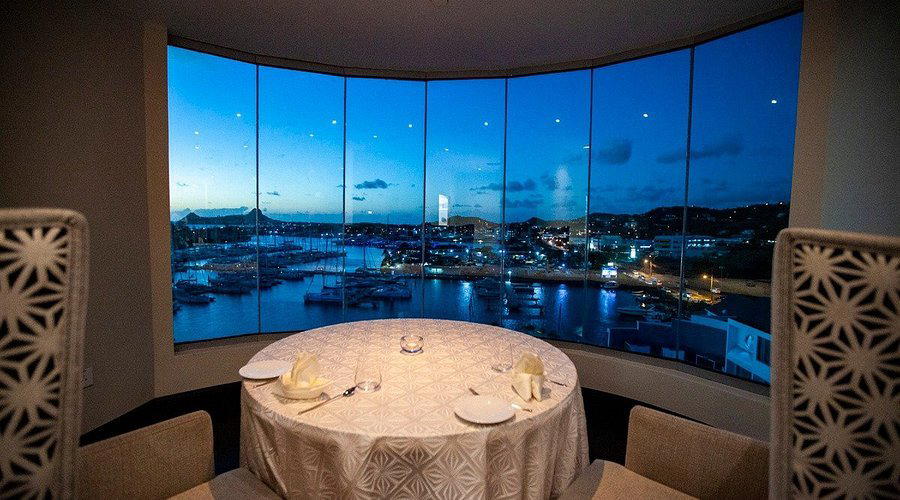
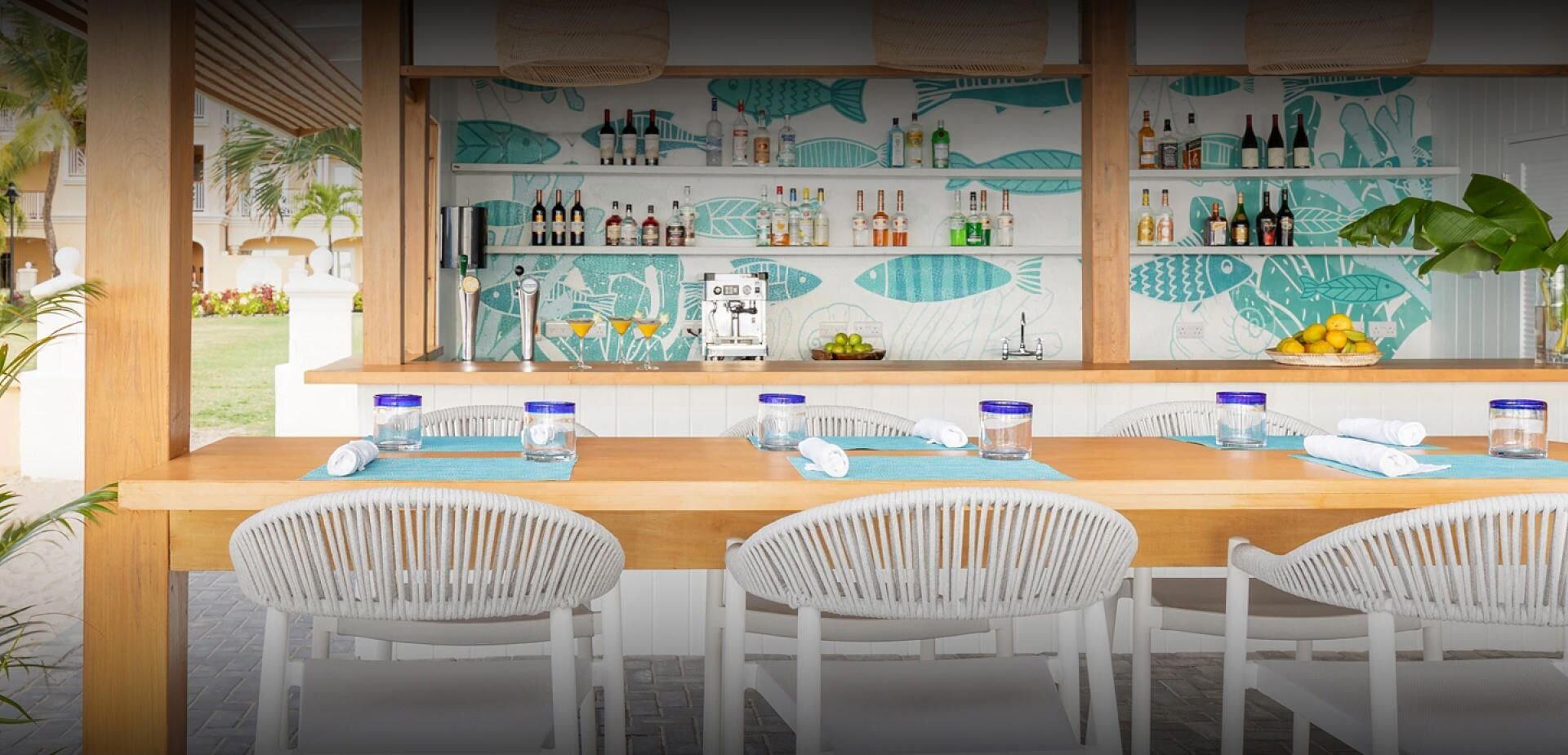
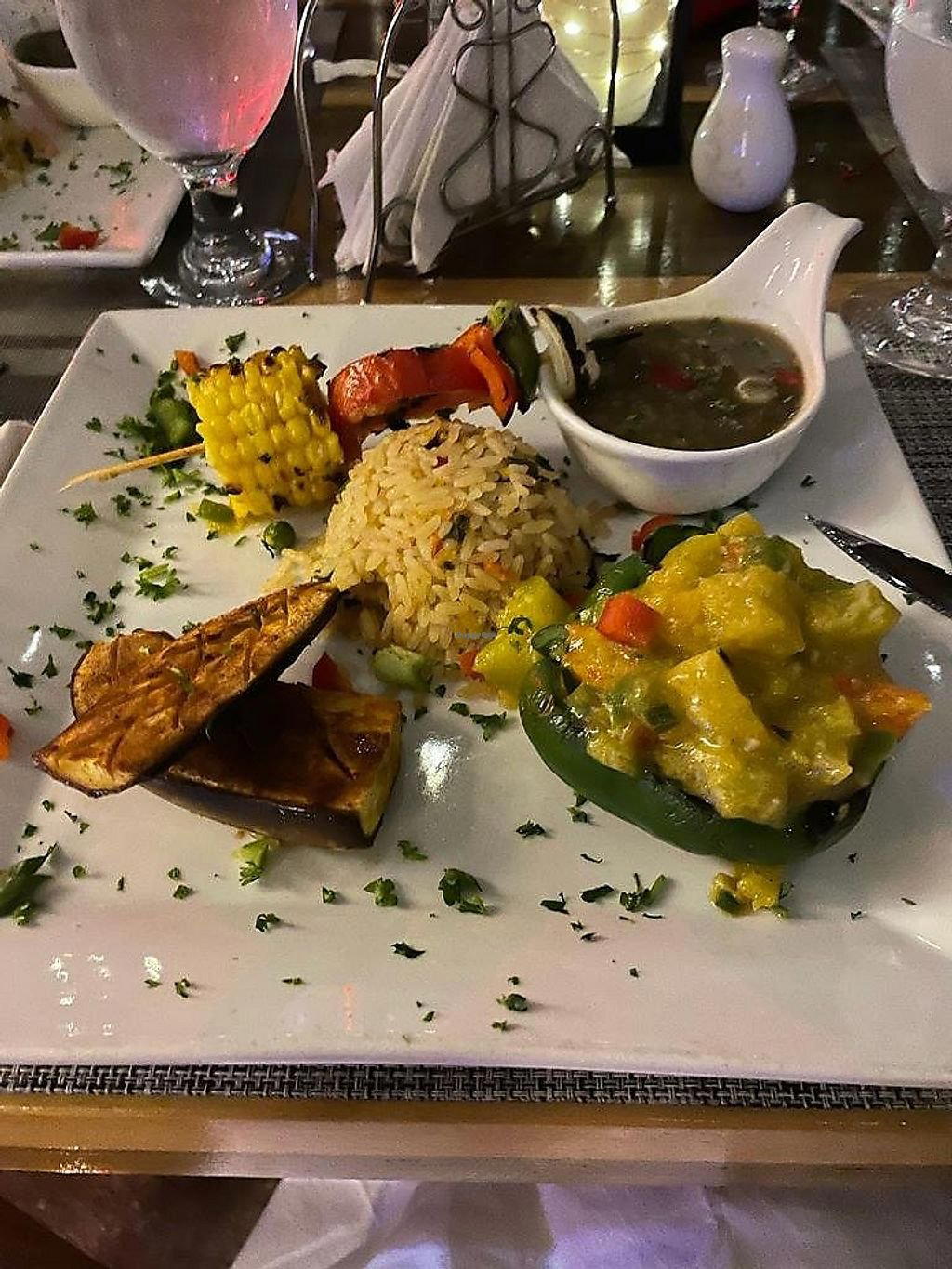
Bars in Gros Islet
Browse all →
Details
- Romantic
- Elegant
- Intimate
- Scenic
- Sophisticated
- Date Night
- Special Occasion
- Waterfront
- Extensive Wine List
- Local Sourcing
- Waterfront
- A La Carte
- Wine
- Vegetarian Friendly
- Vegan Options
- Gluten Free Options
Current opening hours
- Monday
- 5:30–9 PM
- Tuesday
- 5:30–9 PM
- Wednesday
- 5:30–9 PM
- Thursday
- 5:30–9 PM
- Friday
- 5:30–9 PM
- Saturday
- 5:30–9 PM
- Sunday
- Closed
Hours can change for holidays and private events. Hours as of .
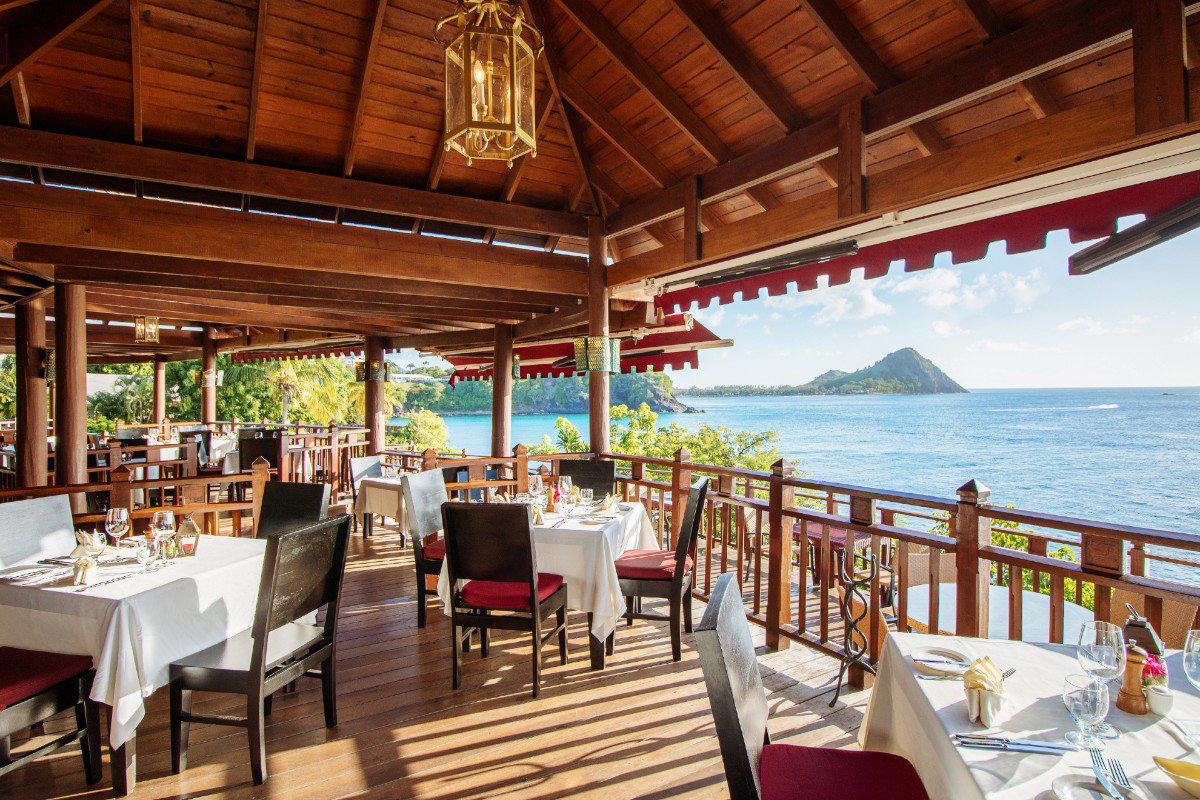
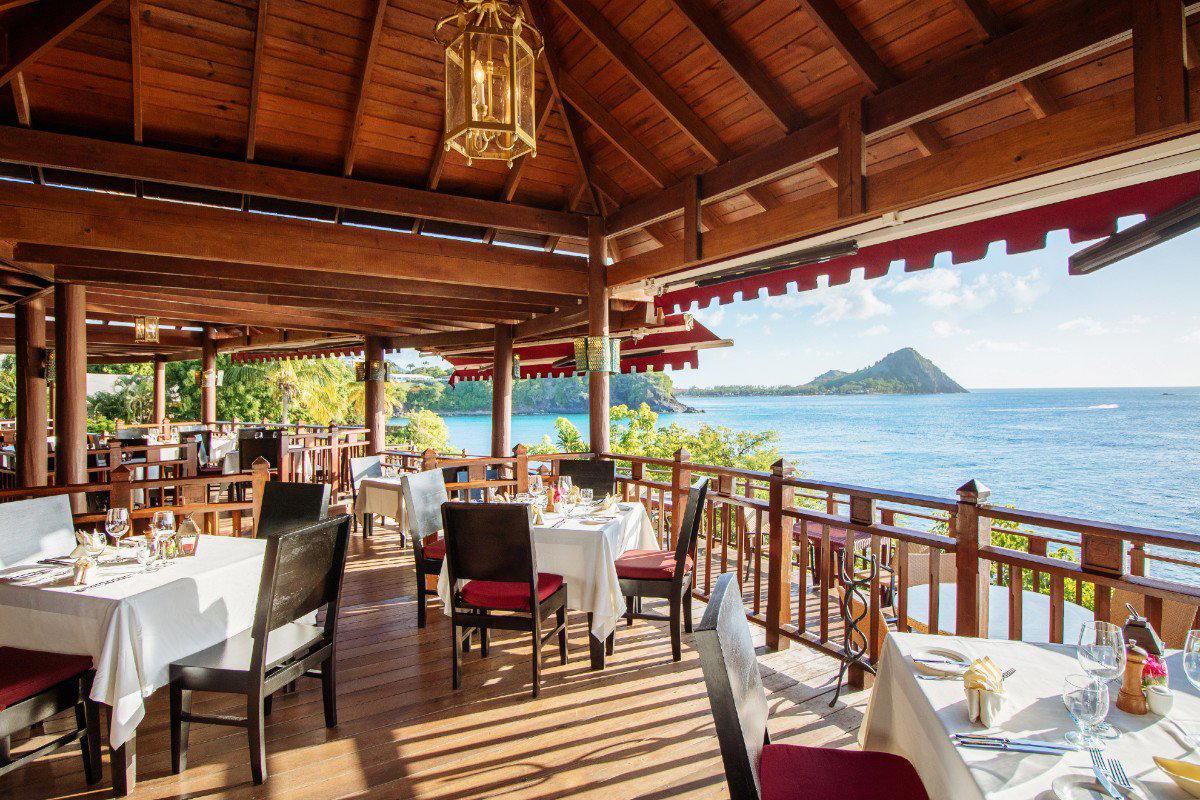
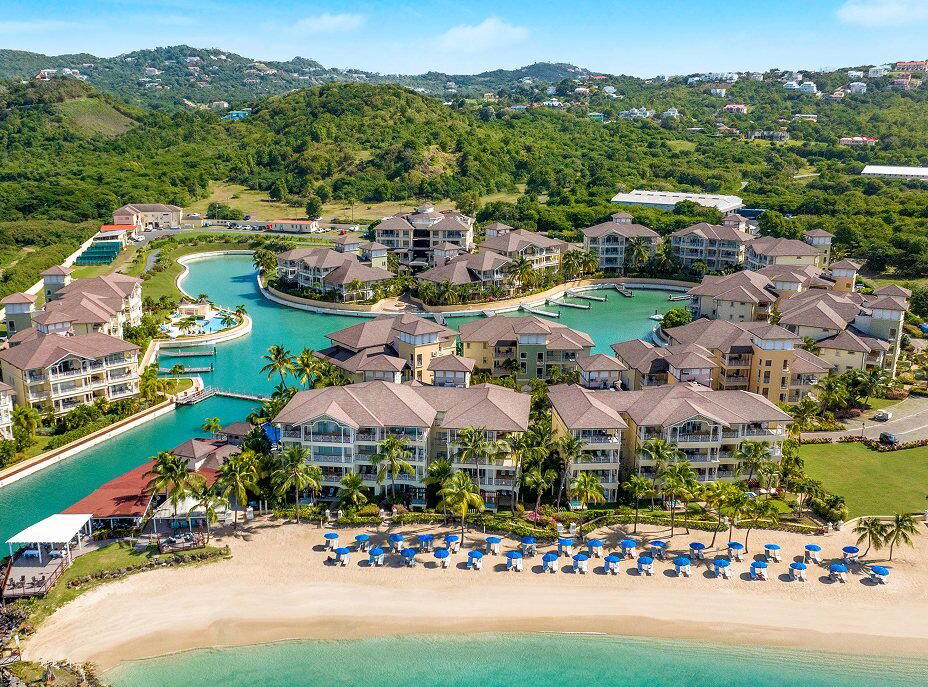
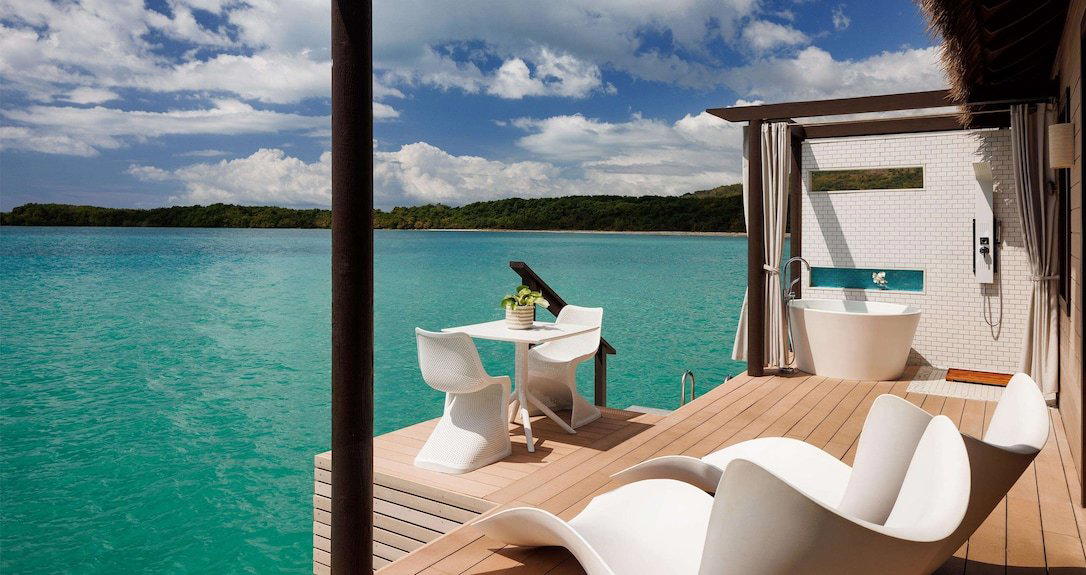
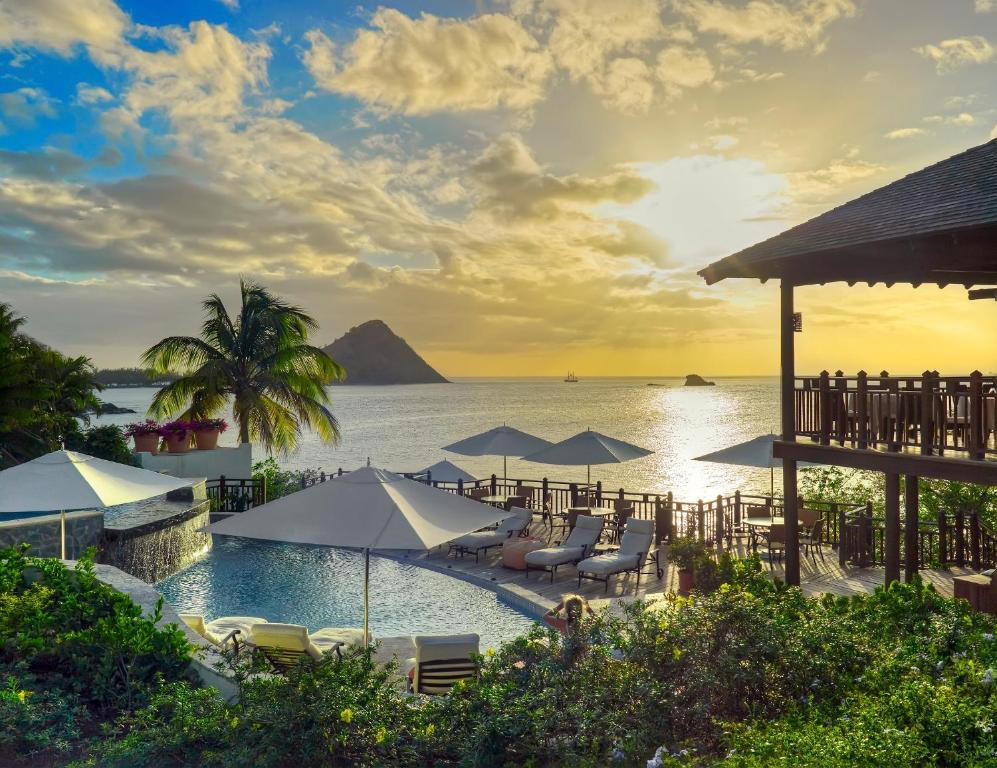
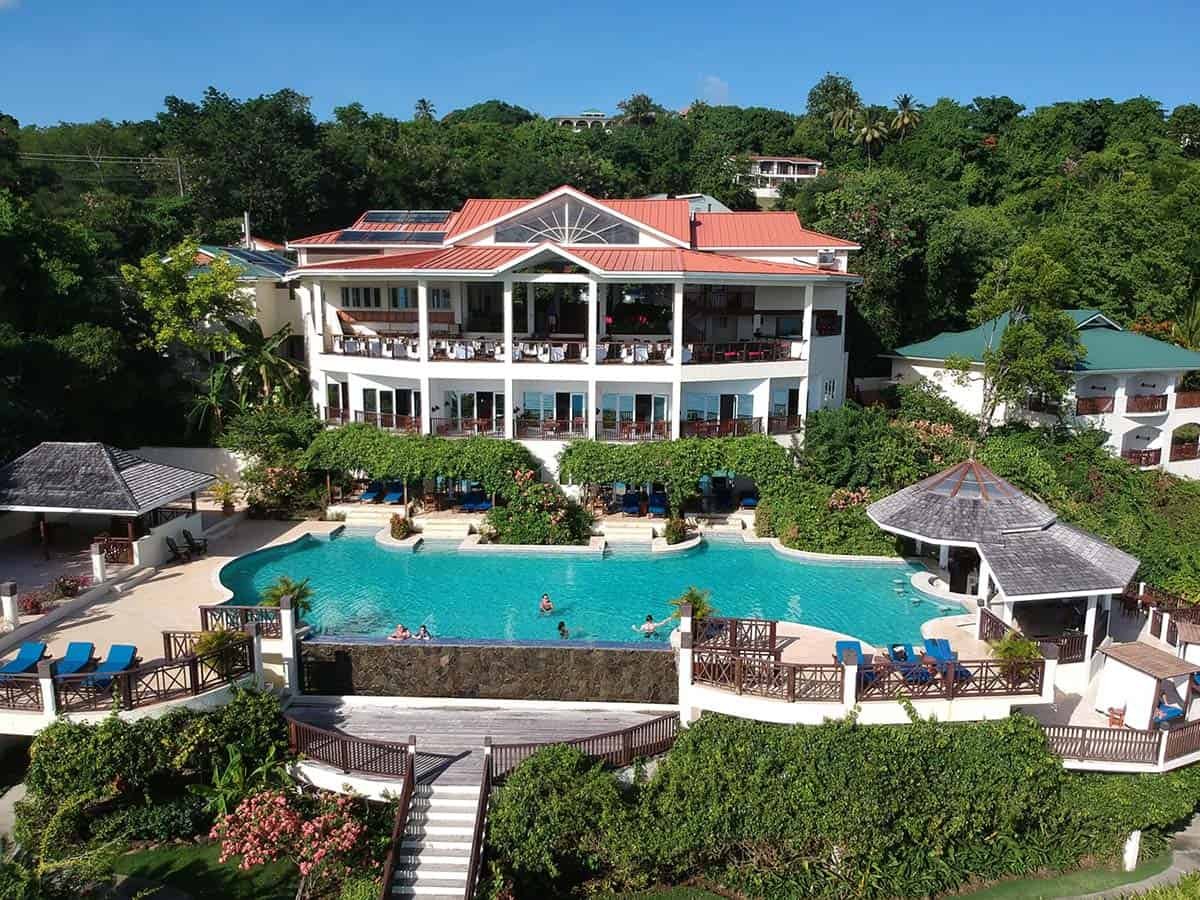
Tranquil and elegant waterfront veranda setting with romantic night ambiance, constant tropical breeze, and serene gardens.