Our verdict
Jajaghu Restaurant occupies a address on Jl. Kali Besar Barat in West Jakarta's Tambora district, placing it within the historically layered Kota Tua corridor. The restaurant draws visitors exploring the colonial-era waterfront neighbourhood, where old trading-house architecture frames a dining scene that bridges local tradition and contemporary appetite.

Pearl is the En Primeur Club membership app — saves, bookings, and concierge access live there. Same editors, same standards.
- Address
- Jl. Kali Besar Barat No.28, RT.7/RW.3, Roa Malaka, Kec. Tambora, Kota Jakarta Barat, Daerah Khusus Ibukota Jakarta 11230, Indonesia
- Phone
- +628118711248
- Hours
- Daily 12–11 PM
- Website
- tuguhotels.com
- Directions
- Get directions
- Booking
- Book on Chope
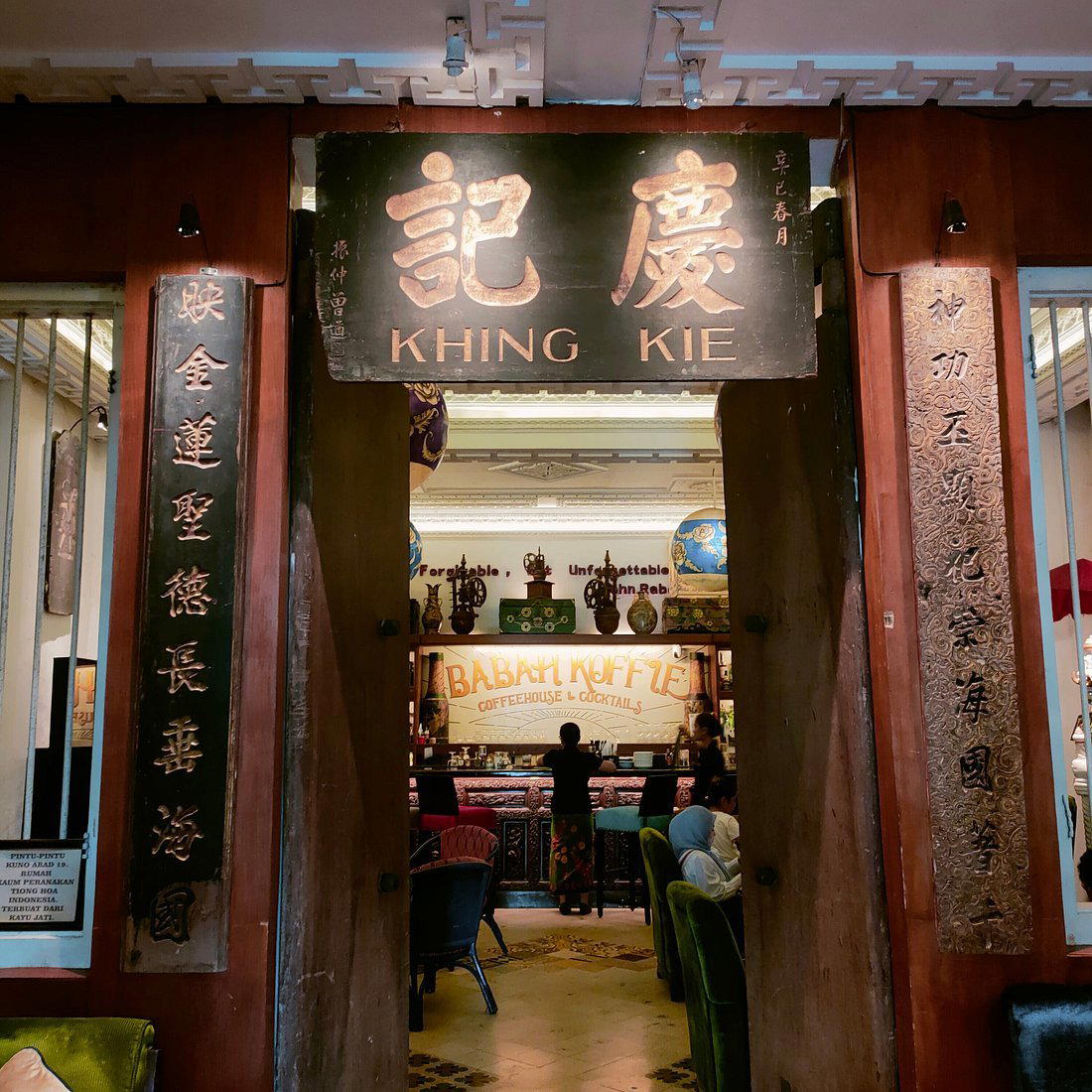
Kota Tua's Dining Quarter and Where Jajaghu Sits Within It
West Jakarta's Kota Tua district has undergone a slow but measurable shift over the past decade. What was once a stretch of neglected Dutch colonial warehouses along the Kali Besar canal has attracted a wave of creative businesses — cafes, galleries, and restaurants that read the neighbourhood's architectural bones as an asset rather than a liability. Jajaghu Restaurant, at Jl. Kali Besar Barat No. 28 in the Roa Malaka area of Tambora, sits inside this corridor, positioned where heritage tourism and everyday Jakarta dining intersect. That address is neither the polished Menteng belt nor the international-hotel dining circuits of SCBD — it occupies a more textured, less curated part of the city, which shapes what kind of restaurant can succeed here and what kind of diner is inclined to seek it out.
For context on how Jakarta's dining geography works: the city's high-profile restaurant scene tends to cluster in South Jakarta and the central business districts, where venues like August, Bistecca, and Aged + Butchered Jakarta compete for a formally dining-out crowd. Kota Tua operates on a different logic. Foot traffic here is driven partly by heritage tourism, partly by locals from surrounding West Jakarta neighbourhoods, and partly by the growing cohort of Jakartans who treat the old city as a weekend destination in its own right. A restaurant succeeding in this context is, almost by definition, doing something different from its counterparts in Kemang or Pacific Place.
Reading the Menu Architecture
What the address and neighbourhood context do suggest is the competitive logic a restaurant at this location would apply. Kota Tua's dining visitors skew toward accessible, character-driven formats rather than lengthy tasting menus. The restaurants that have built durable followings in this corridor tend to anchor their menus around recognisable Indonesian reference points, whether that means Betawi-inflected preparations, the kind of Chinese-Indonesian cooking that traces back to the area's Peranakan trading heritage, or direct grilled and braised formats with regional specificity.
That Chinese-Indonesian culinary tradition is geographically relevant here. The Kali Besar area was historically the commercial heart of Batavia's Chinese trading community, and restaurants drawing on that lineage, whether in the form of dim sum formats from nearby Tangerang or the Sichuan hotpot wave represented by venues like Chongqing Liuyishou and Hai Di Lao, operate within a food culture that West Jakarta has long hosted. Whatever Jajaghu's menu structure resolves to, it is operating inside a neighbourhood with a specific culinary memory.
Menu architecture in a district like this also tends to favour sharing formats over individually plated courses. That is less a trend statement and more a practical reflection of how groups visiting heritage areas tend to eat: communally, across several dishes, without rigid sequencing. Restaurants in the Kota Tua corridor that have moved toward more structured, individual-plating formats have generally done so as a deliberate upward repositioning. The default grammar here remains the shared table.
The Broader Indonesian Restaurant Context
Jakarta's position in the wider Indonesian dining conversation is worth mapping briefly, because it clarifies the competitive set a West Jakarta restaurant is measuring itself against. The national scene has developed several distinct poles: Bali's internationally oriented restaurant circuit, which includes venues like Locavore NXT in Ubud, Bikini Restaurant Bali, and Jungle Fish Bali, tends to speak a global fine-dining dialect aimed at international visitors. Jakarta's South and Central corridors, home to Abunawas in Kemang, Kita in Menteng, and the broader Sudirman-SCBD cluster, target the city's professional and expatriate dining base. Further afield, regional Indonesian cities like Bandung (see Kunyit Restaurant) and Bogor (see Agreya Coffee) have developed their own local restaurant identities. Kota Tua sits outside all of these poles, it is urban but not corporate, historically layered but not tourist-sanitised, and more accessible in price orientation than the SCBD tier.
Internationally, the reference points for restaurants operating in heritage urban corridors, using the physical and cultural weight of the neighbourhood as part of the dining proposition, include venues at quite different scales, from destination-level institutions like Le Bernardin in New York City and Atomix to mid-tier neighbourhood anchors. The gap between those categories is wide, but the underlying principle, that a restaurant's address carries meaning beyond logistics, is consistent. In Kota Tua, the address at Kali Besar Barat carries the weight of Batavia's mercantile history, and restaurants that work with that context rather than against it tend to hold their footing longer.
Planning a Visit
Jajaghu Restaurant is located at Jl. Kali Besar Barat No. 28, in the Roa Malaka area of Tambora, West Jakarta. The Kota Tua area is most comfortably approached by ride-hailing services given the density of the surrounding streets; the nearby Kota MRT and commuter rail station also places the district within reach of the broader Jakarta transit network, making it one of the more transit-accessible dining destinations in the city. Weekends draw higher foot traffic to the heritage corridor, so arriving earlier in the day or on a weekday evening tends to mean a quieter approach through the neighbourhood. No current website, phone contact, or confirmed hours are recorded for this restaurant in EP Club's database, so confirming current operating status directly before visiting is advisable. For a broader sense of where Jajaghu sits within Jakarta's full dining spectrum, our full Jakarta restaurants guide maps the city's key areas and categories. Those looking to compare with a different kind of Jakarta dining format, more bakery-forward, in a mall setting, can reference Bakerzin at Central Park, which serves a West Jakarta audience from a different positioning. Also note that İstanbul Kebab in Lombok Utara illustrates how Middle Eastern-influenced formats travel across the Indonesian archipelago, a useful comparison point for understanding the range of influences operating within the country's restaurant culture.
Frequently asked questions
Is Jajaghu Restaurant formal or casual?
The address on Jl. Kali Besar Barat places Jajaghu in Kota Tua, a district where most dining venues run toward relaxed, neighbourhood registers rather than formal dress codes. The Roa Malaka area of Tambora is a working streetscape, not a hotel-dining corridor, which typically signals a casual to semi-casual setting. Confirm current expectations directly with the venue before visiting.
Where do I go for Jajaghu Restaurant?
Jajaghu Restaurant is located at Jl. Kali Besar Barat No.28, RT.7/RW.3, Roa Malaka, Kec. Tambora, Kota Jakarta Barat, Daerah Khusus Ibukota Jakarta 11230, Indonesia, Jakarta.
Where exactly is Jajaghu Restaurant located and how do I get there in Jakarta?
Jajaghu Restaurant is at Jl. Kali Besar Barat No. 28 in the Roa Malaka area of Tambora, West Jakarta. The Kota Tua district is served by the Jakarta MRT and TransJakarta bus network, with Kota station on the northern terminus of the MRT red line placing visitors within walking distance of Kali Besar Barat. Street parking exists in the area but is limited during peak tourist hours on weekends.
Is Jajaghu Restaurant reservation-only?
Kali Besar Barat No. 28. Kota Tua sees concentrated weekend foot traffic given its status as Jakarta's primary heritage tourism district, so planning ahead during peak periods is advisable. Reaching out to the venue directly will confirm whether walk-ins are accepted.
What is Jajaghu Restaurant known for?
Jajaghu sits within Kota Tua's Kali Besar Barat corridor, a stretch of West Jakarta that has drawn renewed attention as the colonial-era district around it has been progressively restored. Its position in Roa Malaka, Tambora, puts it at the intersection of Jakarta's heritage tourism circuit and its local West Jakarta dining scene. Specific culinary credentials or awards are not currently on record.
Accolades, Compared
Comparable venues nearby, for context on price, style, and recognition.
| Venue | Cuisine | Price | Awards | Notes |
|---|---|---|---|---|
| Jajaghu RestaurantThis venue — the venue you are viewing | Modern Indonesian-Japanese Fusion | Not listed | Not listed | Not listed |
| Cork&Screw Pacific Place | Modern Fusion with Asian and Western Influences | $20–30 | Star Wine List | Gelora |
| PANTJA | Modern Asian Farm-to-Table with Open-Fire Cooking | $50–100 | World's 50 Best #68 · Tatler Listed in Best Bars Asia-Pacific | Senayan |
| Aged + Butchered Jakarta | Modern Dry-Aged Steakhouse with Yakiniku Fusion | Not listed | Not listed | Setiabudi |
| The Maple Brasserie | French-Inspired Brasserie with Fusion Elements | Not listed | Not listed | Selong |
| Kindling | Franco-Asian Fine Dining | $150–200 | Tatler Listed in Best Restaurants Asia-Pacific | Cikini |
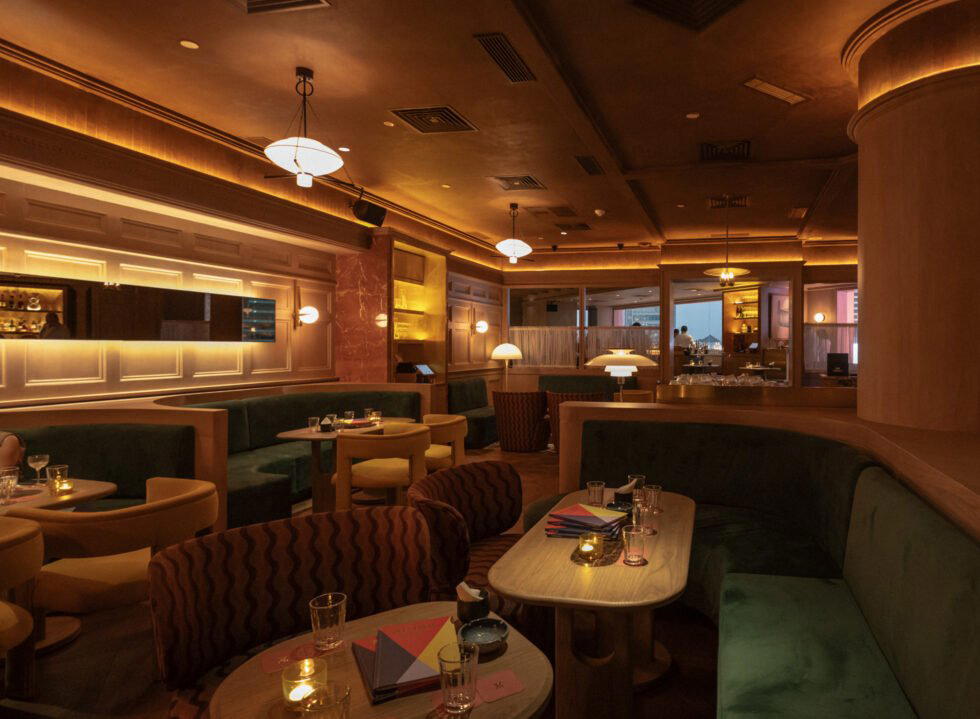
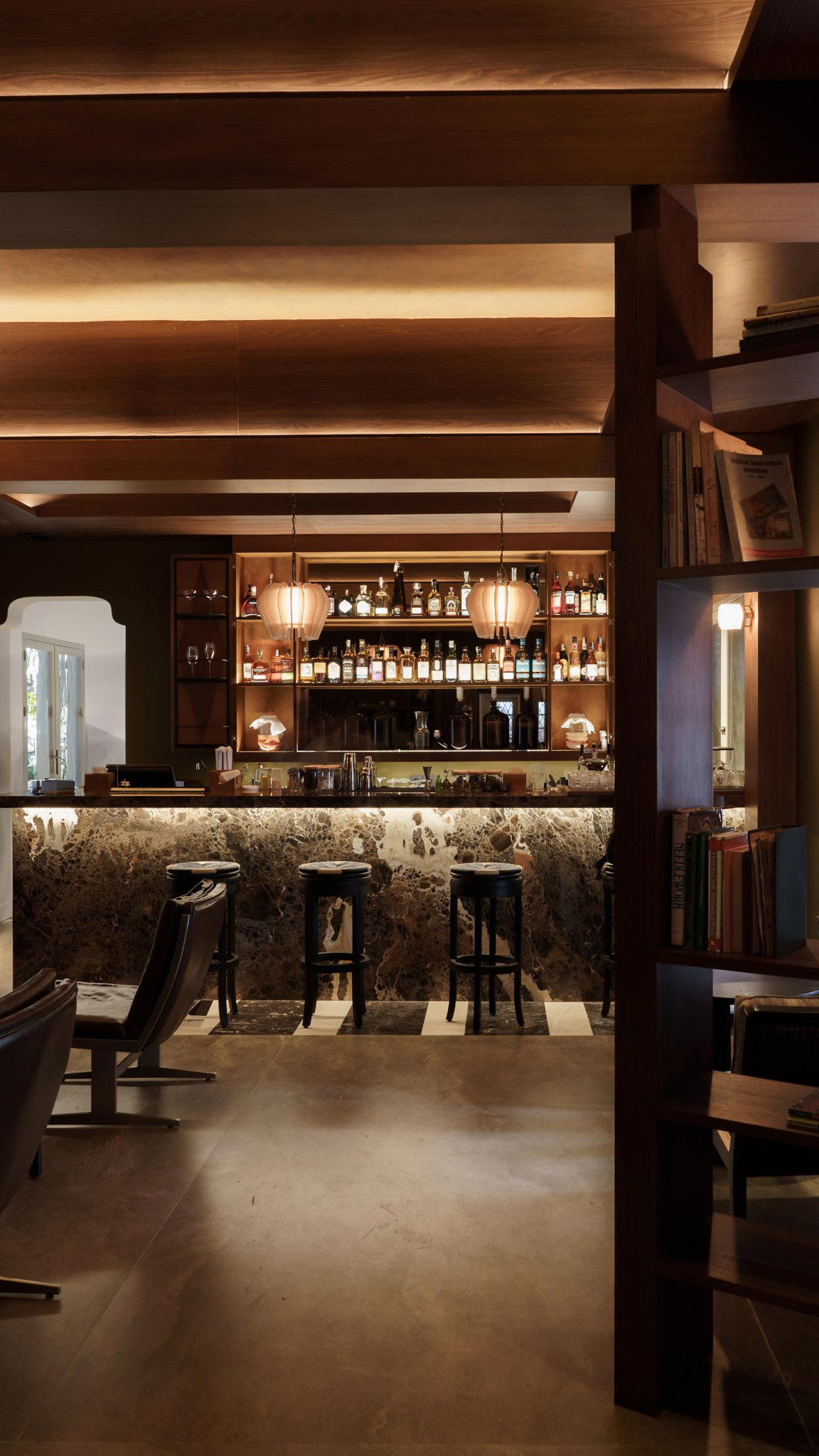
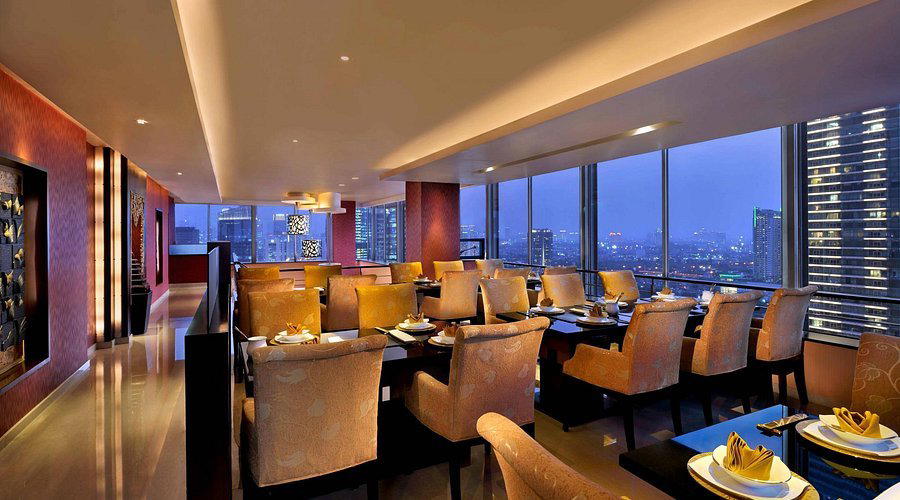

Details
- Elegant
- Sophisticated
- Modern
- Date Night
- Special Occasion
- Hotel Restaurant
- A La Carte
Current opening hours
- Monday
- 12–11 PM
- Tuesday
- 12–11 PM
- Wednesday
- 12–11 PM
- Thursday
- 12–11 PM
- Friday
- 12–11 PM
- Saturday
- 12–11 PM
- Sunday
- 12–11 PM
Hours can change for holidays and private events. Last verified .
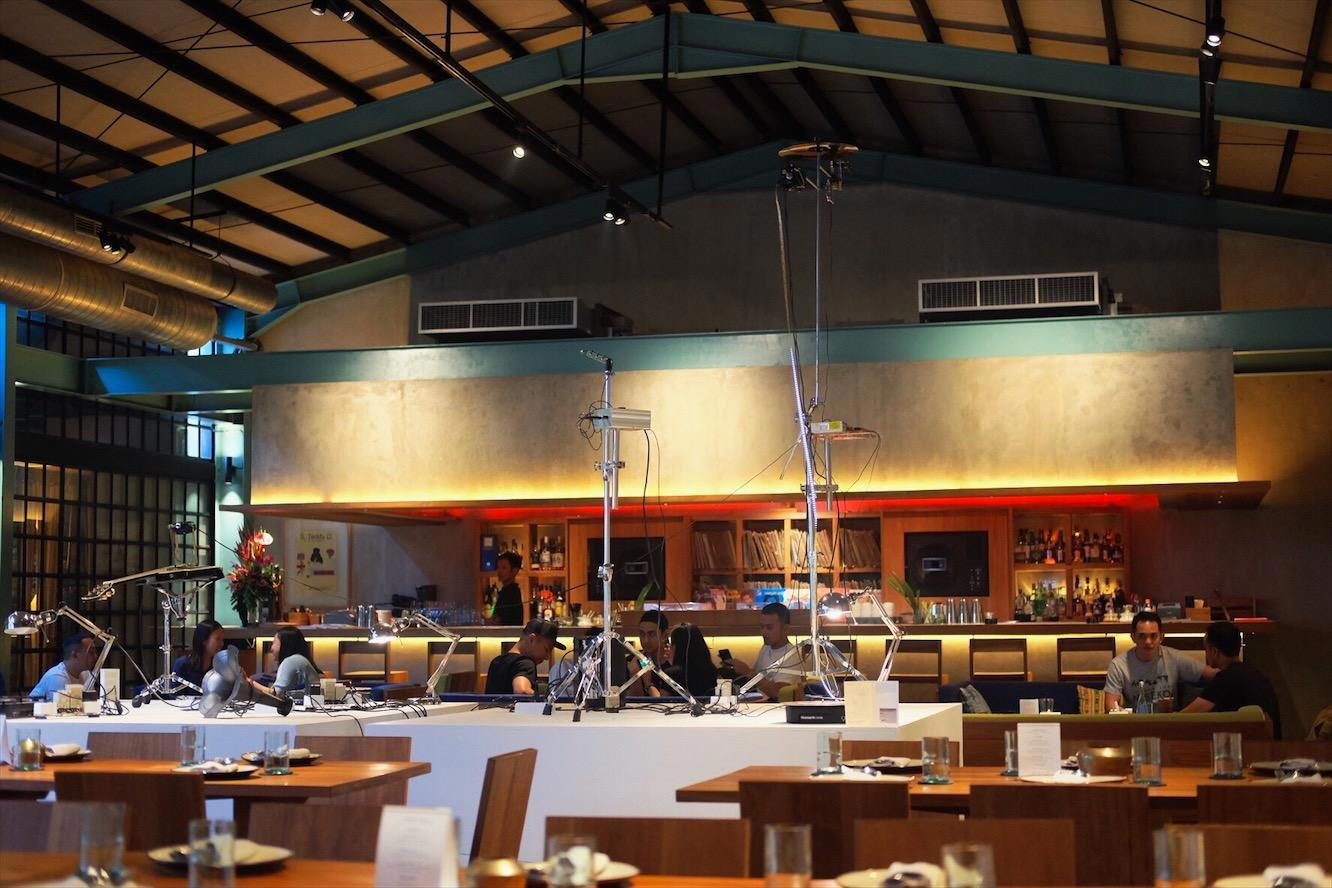
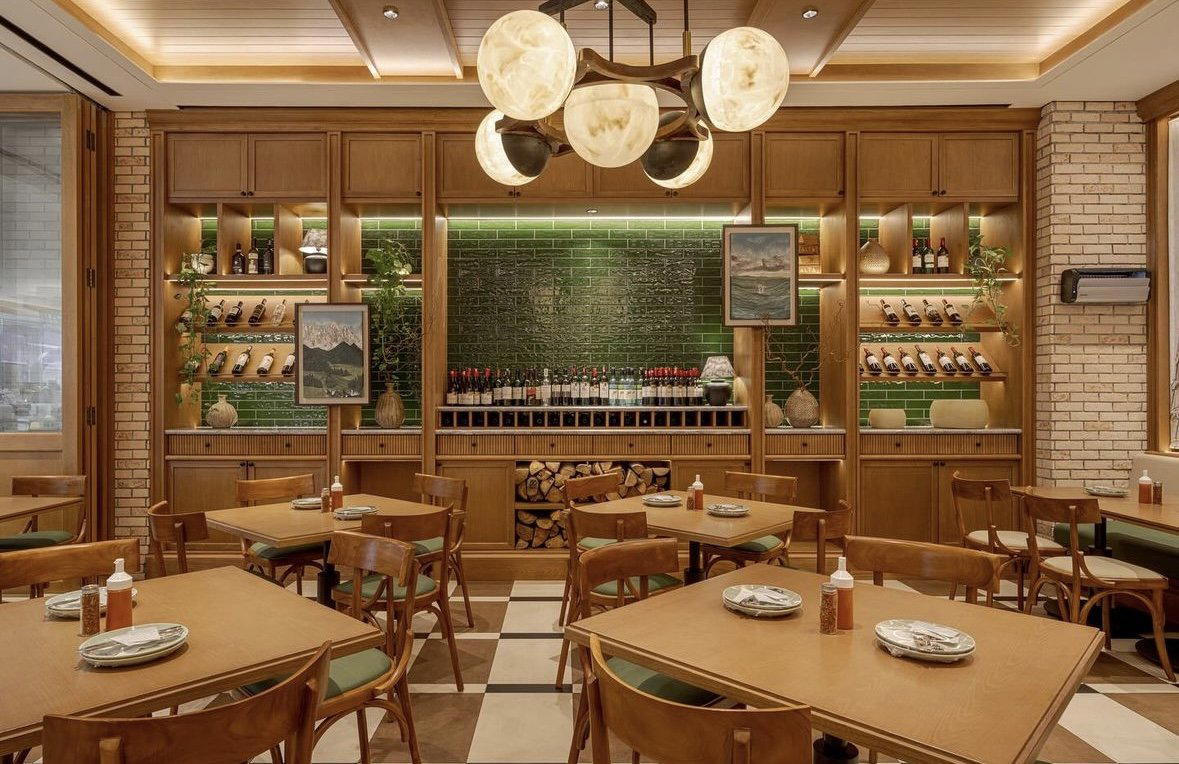
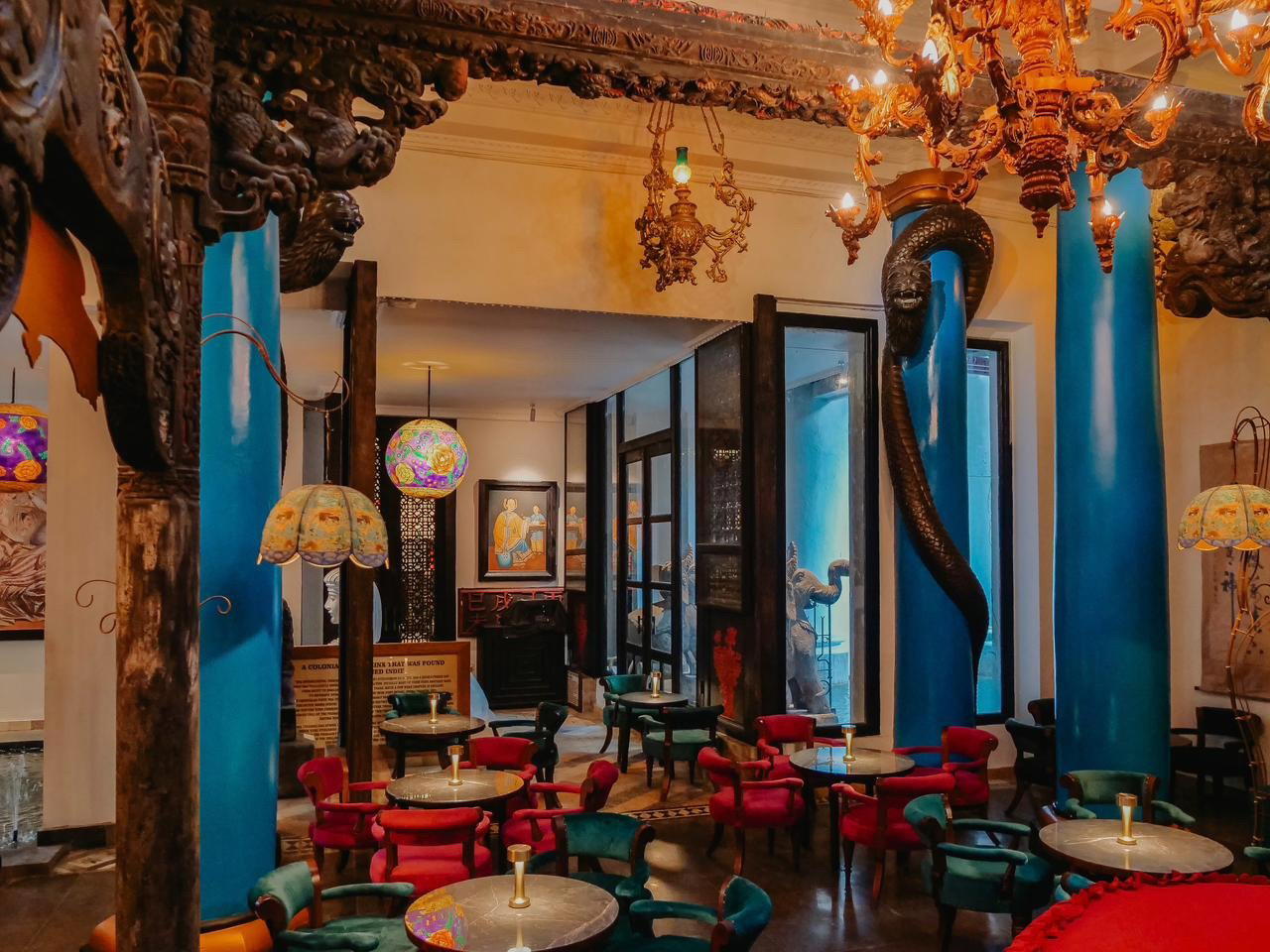
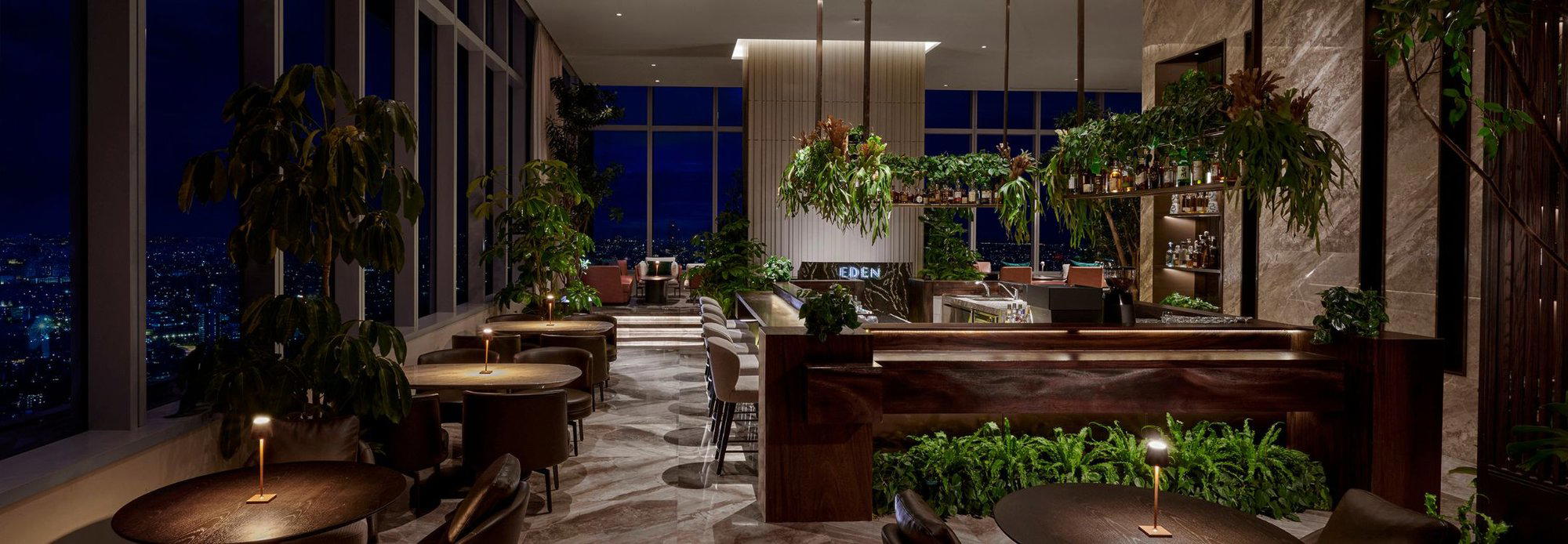
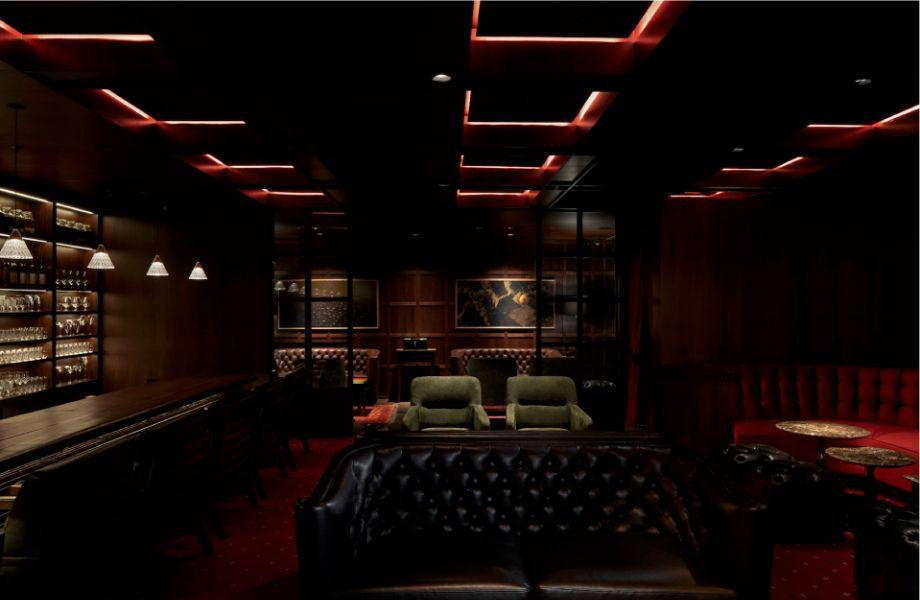
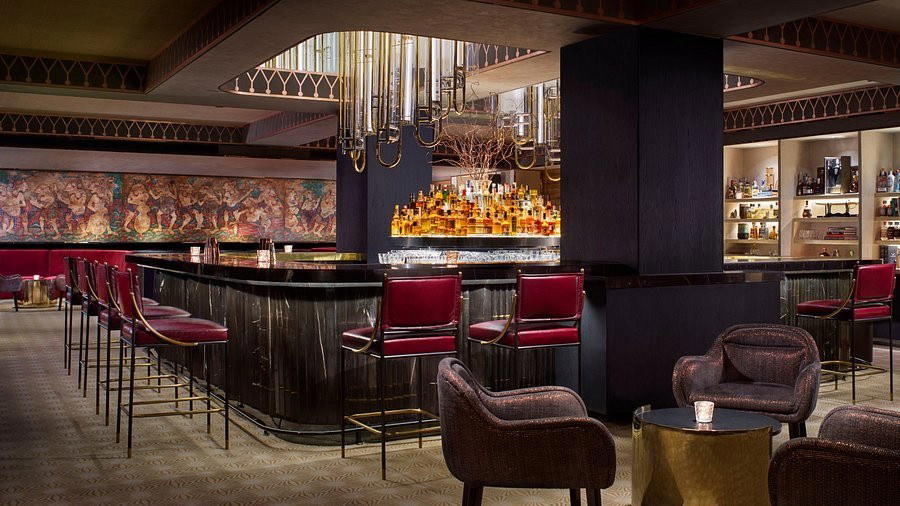
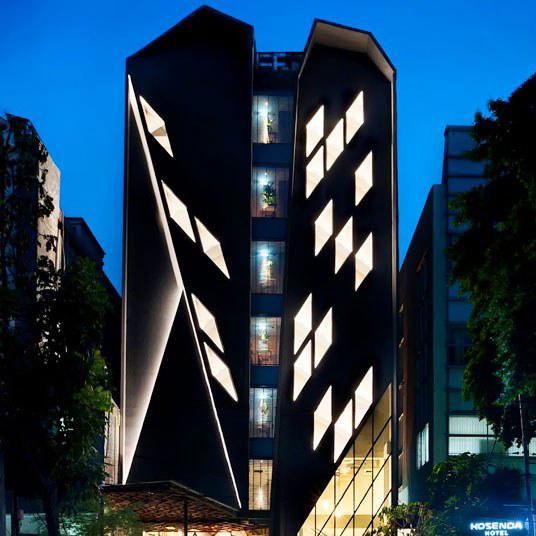
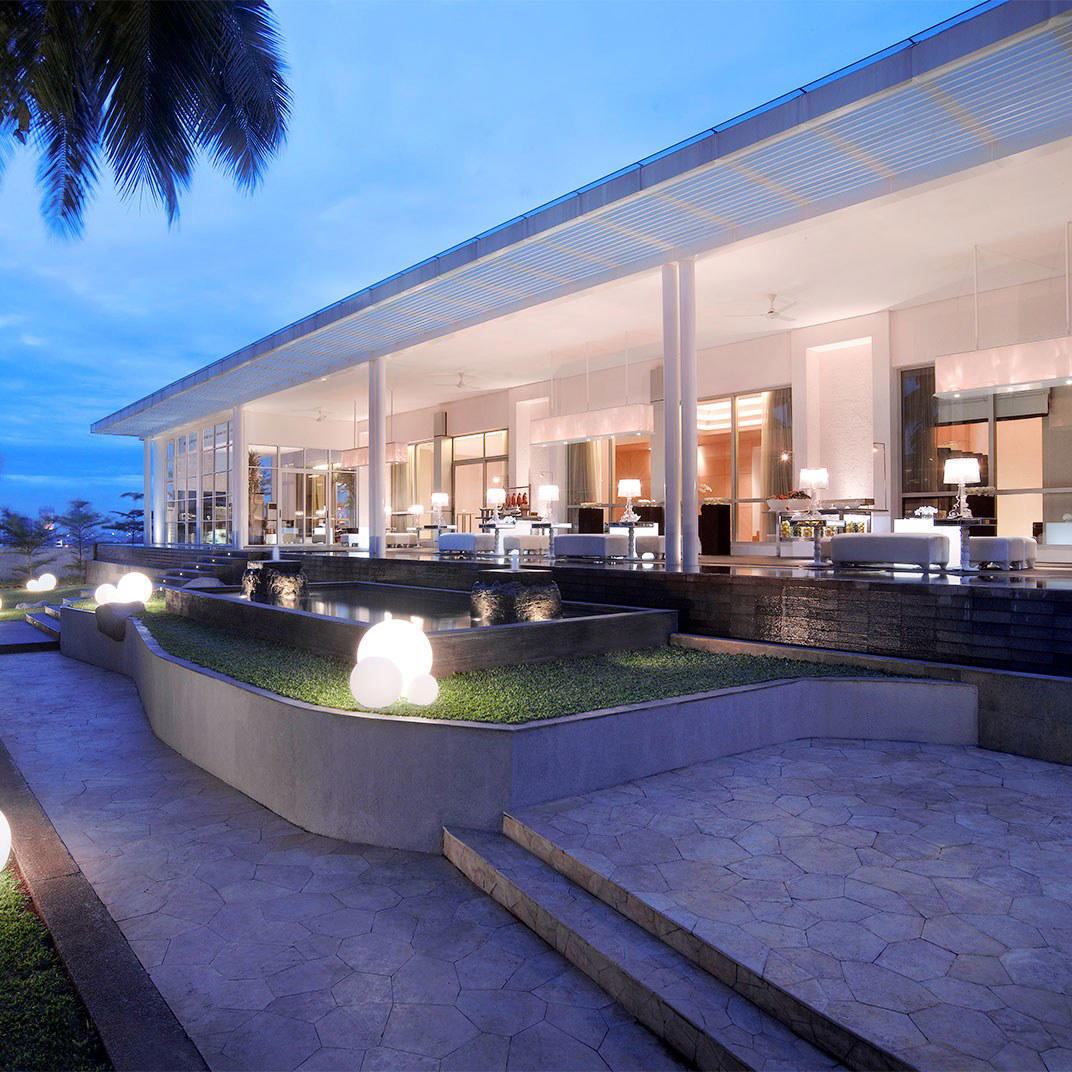
Far-reaching design blending heritage and creativity with culinary artistry.