Jade at JW Marriott
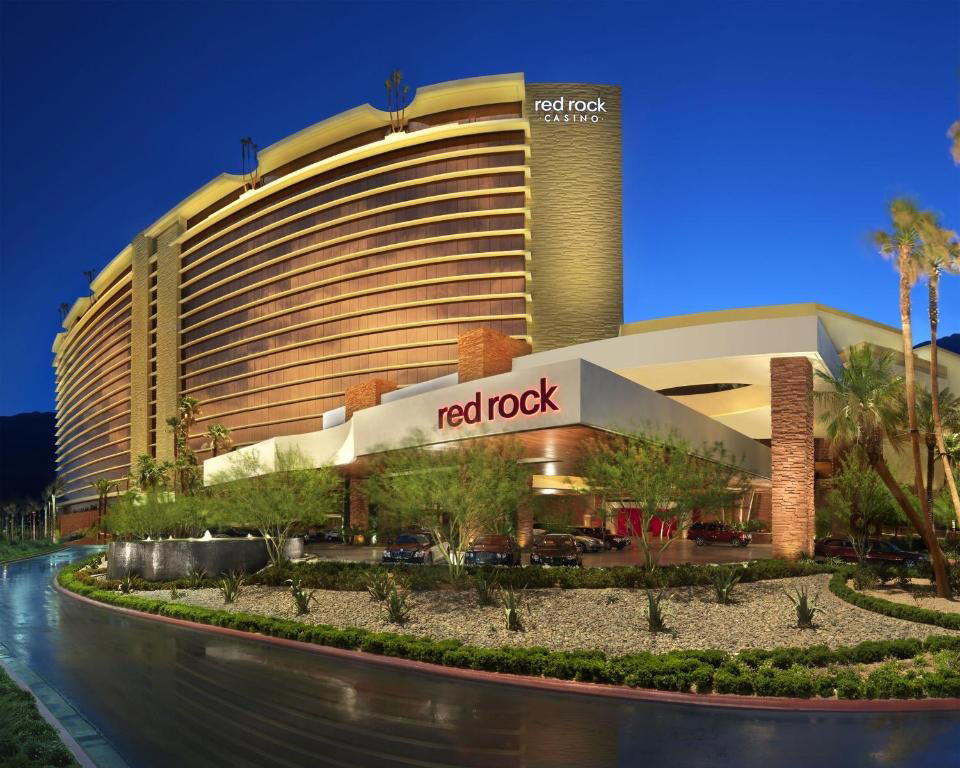
Jade at JW Marriott sits on the western edge of Las Vegas, at 221 N Rampart Blvd, positioning it firmly in the Summerlin corridor rather than the Strip. The name signals an Asian-inflected identity within a major hotel group, placing it in a category where cuisine heritage and hotel-dining ambition intersect. For visitors staying or dining off-Strip, it represents a distinct alternative to the boulevard's more theatrical restaurant formats.
Pearl is the En Primeur Club membership app — saves, bookings, and concierge access live there. Same editors, same standards.
- Address
- 221 N Rampart Blvd, Las Vegas, NV 89145
- Phone
- +17028697900
- Website
- theresortatsummerlin.com
- Directions
- Get directions
 Saves & bookings on Pearl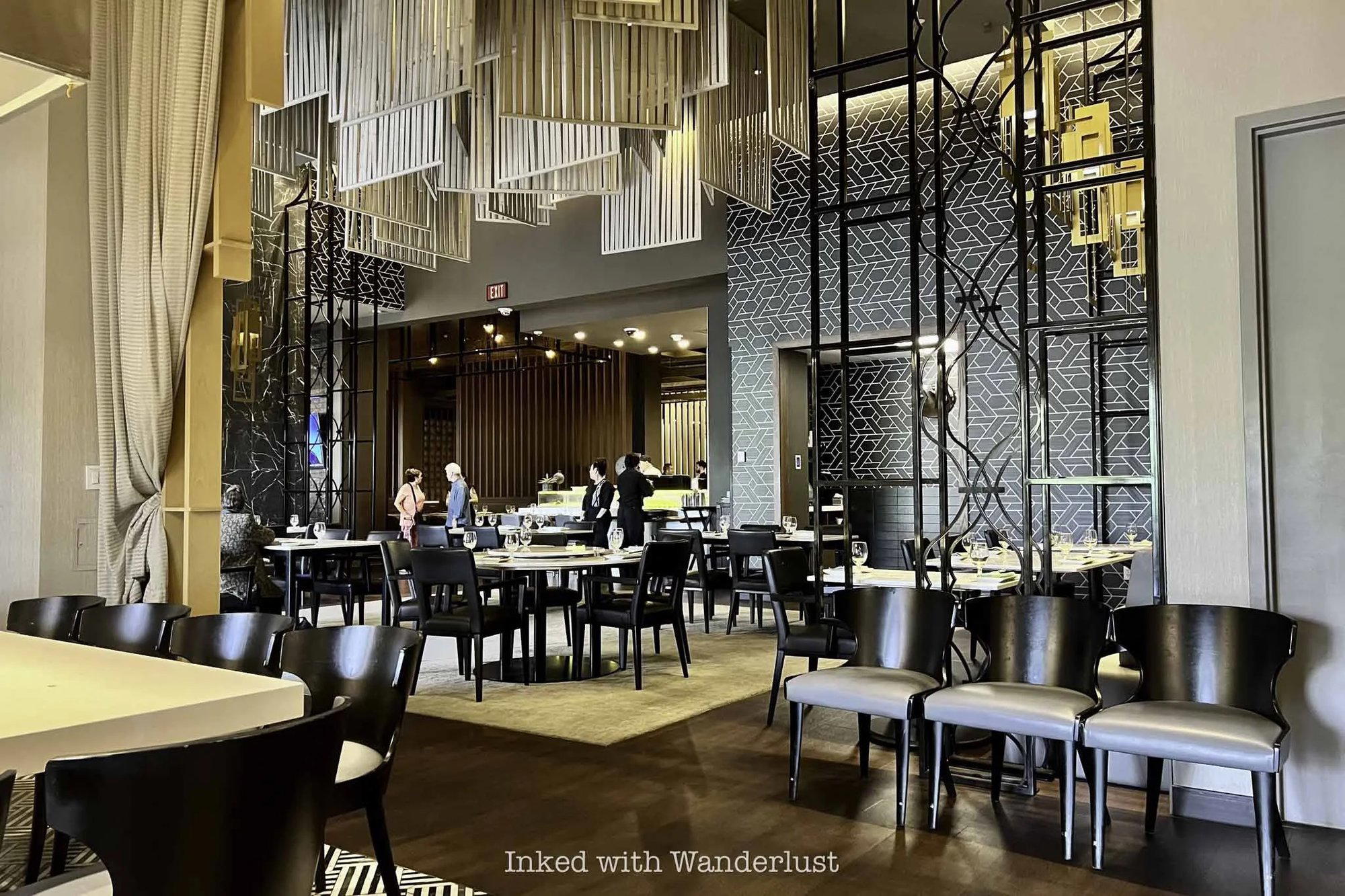
Off-Strip, On Purpose: Chinese Dining in the Summerlin Corridor
Las Vegas has always had a complicated relationship with Chinese cuisine. The Strip's version, built for volume, spectacle, and hotel F&B revenue targets, sits at a considerable distance from the more considered Chinese dining that flourishes in the city's residential west side, where a substantial Chinese-American community has shaped a genuine restaurant culture over decades. The Summerlin corridor, anchored by N Rampart Blvd, is where that residential dining logic holds. Jade at JW Marriott, at 221 N Rampart Blvd, occupies that geographical and conceptual middle ground: a hotel-branded Chinese restaurant in a neighbourhood where the competition comes not from other hotel dining rooms, but from independent operators serving a community that knows the food.
That context matters. Cantonese and Shanghainese kitchens in Las Vegas's west side have historically served a more demanding local audience than Strip Chinese restaurants, which calibrate menus partly to tourists with limited reference points. A hotel Chinese restaurant in Summerlin must therefore answer to a different competitive standard than, say, a comparable concept inside a casino property on Las Vegas Boulevard. The JW Marriott brand carries certain service and physical-space expectations, but the culinary credibility question in this neighbourhood is answered by the food itself, not the hotel affiliation.
The Cultural Weight of the Name
Jade carries specific resonance in Chinese cultural symbolism. It represents longevity, purity, and status, the kind of language that premium Chinese restaurants across Asia and North America have drawn on for decades to signal a certain register of dining. In Hong Kong, Shanghai, and across major Chinatowns in North America, the word appears on dining rooms where the expectation is banquet-quality Cantonese cookery: whole fish, roasted meats, dim sum service, and the kind of long-table formats used for family occasions and business meals. Whether the name signals that same ambition here is a question the menu answers more definitively than the branding, but the naming choice alone places the restaurant in a recognisable lineage. For comparison, the Chinese fine-dining register in international hotel contexts, think 8½ Otto e Mezzo Bombana in Hong Kong, which operates at the intersection of hotel luxury and culinary seriousness, demonstrates how much that combination can achieve when the kitchen matches the address.
Las Vegas's hotel-dining scene more broadly has seen serious culinary investment across categories. Formats that elsewhere function as neighbourhood institutions, steakhouses, French brasseries, Japanese counters, have been transplanted into casino and hotel environments with varying degrees of authenticity. The Chinese dining category has been slower to receive that same level of investment in the hotel context, which makes the positioning of a restaurant like Jade either an opportunity or an anomaly, depending on execution. Visitors who have eaten at precision-driven Asian restaurants elsewhere, at Atomix in New York City, for instance, or at the more ingredient-focused end of the Las Vegas Japanese scene represented by venues like Aburiya Raku, will bring those reference points to any serious Asian dining room in this city.
Where Jade Sits in the Las Vegas Dining Picture
The Las Vegas restaurant market has expanded well beyond its casino-dining origins. The city now carries Michelin recognition, a growing cohort of chef-driven independent restaurants, and an audience that treats dining as a primary reason to visit rather than an ancillary activity. That shift has raised the benchmark for hotel dining across the board. Restaurants operating under major hotel group flags, Marriott included, now compete for the same reservation against independent operators and chef-name imports from New York, Los Angeles, and beyond.
In that context, a Chinese restaurant in a JW Marriott property in Summerlin occupies a specific niche. It is neither the high-wire act of a Strip showpiece nor the straightforwardly local operation of an independent N Rampart Blvd kitchen. It draws on hotel infrastructure, consistent service training, physical investment, a captive hotel guest audience, while needing to offer something more culinarily specific than generic hotel Chinese to hold the interest of local diners. That tension between hotel-format reliability and neighbourhood-restaurant authenticity is the defining challenge for this category across American cities. Las Vegas venues like A Different Beast and 108 Eats demonstrate what focused, independent operators can achieve in this city without the hotel overhead, a useful reference point when considering what Jade needs to deliver to justify the address.
The broader Las Vegas dining picture includes competition across cuisines. Craftsteak and 18bin illustrate the range from high-end steakhouse format to more casual wine-bar dining. 777 Korean Restaurant shows the depth of Asian dining options in the city's non-Strip neighborhoods.
Hotel Chinese Dining: The National Picture
American hotel Chinese dining has historically lagged behind what the independent sector achieves in cities with strong Chinese-American communities. San Francisco, Los Angeles, New York, and Las Vegas all have Cantonese and regional Chinese kitchens operating at a level that hotel dining rooms rarely match. The exceptions tend to be properties in markets like New York and Chicago where culinary investment in hotel restaurants has been high enough to attract serious operators, cities that have produced restaurants at the level of Alinea or Le Bernardin, where institutional seriousness extends across categories. The West Coast analog includes destinations like The French Laundry in Napa, Providence in Los Angeles, and Lazy Bear in San Francisco, all of which set a regional standard for what hotel-adjacent or standalone fine dining looks like at its most serious.
Chinese cuisine specifically benefits from a dining format that is inherently communal and occasion-driven. Banquet-style service, where large tables share multiple dishes across a structured sequence, suits both family celebrations and corporate entertaining, two segments that hotel dining rooms are well-placed to serve. If Jade is configured for that format, it positions itself as a destination for the Chinese-American community in Summerlin for events that require both kitchen capability and room infrastructure, a combination that independent operators don't always provide at scale. That would give it a distinct function even in a competitive neighbourhood dining market. Beyond Las Vegas, the farm-to-table precision of Single Thread Farm in Healdsburg or the destination gravitas of The Inn at Little Washington illustrate how hotel-format restaurants can achieve genuine culinary standing when the infrastructure supports serious cooking. Similarly, Blue Hill at Stone Barns and Addison in San Diego represent hotel-adjacent fine dining that has earned its audience through the kitchen rather than the brand. Emeril's in New Orleans offers another model: a chef-name restaurant within a hotel context where culinary identity precedes the address.
Know Before You Go
- Address: 221 N Rampart Blvd, Las Vegas, NV 89145
- Location: Summerlin corridor, west Las Vegas, not on the Strip
- Hotel: JW Marriott Las Vegas Resort
- Booking: Reservations recommended
Reputation First
Comparable venues nearby, for context on price, style, and recognition.
| Venue | Cuisine | Price | Notes |
|---|---|---|---|
| Jade at JW MarriottThis venue — the venue you are viewing | Chinese and Japanese with Teppanyaki | $$$$ | Not listed |
| Hakkasan | Modern Cantonese Fine Dining | $$$$ | The Strip |
| Samurai Japanese BBQ and Grill | Authentic Japanese Yakiniku BBQ | $$$$ | The Asian District |
| The X Pot | Luxury Chinese Hot Pot | $$$$ | South Las Vegas |
| Red 8 | Cantonese Asian Bistro | $$ | South Las Vegas |
| Nobu | Japanese-Peruvian Fusion | $$$$ | The Strip |
Continue exploring
More in Las Vegas
Restaurants in Las Vegas
Browse all →
Bars in Las Vegas
Browse all →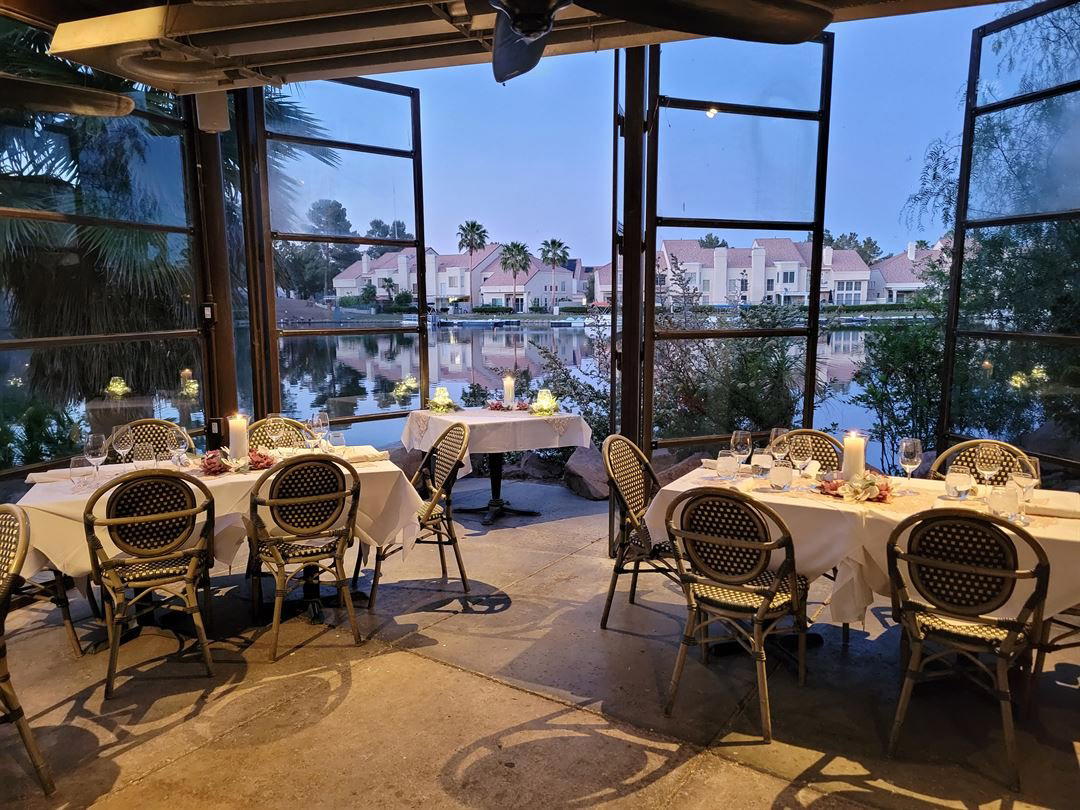
At a Glance
- Elegant
- Modern
- Sophisticated
- Date Night
- Group Dining
- Special Occasion
- Hotel Restaurant
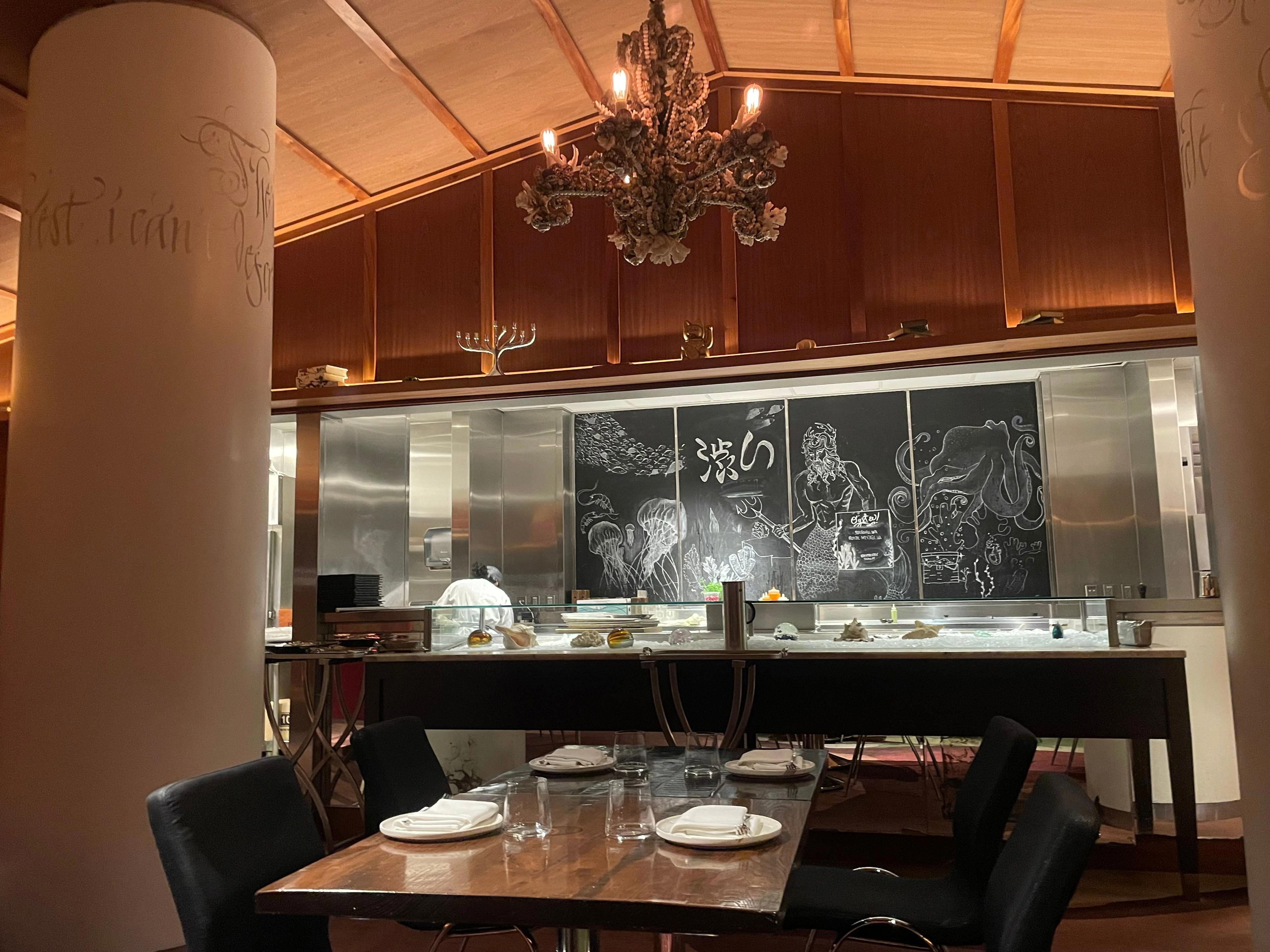
- Open Kitchen
- Sake Program
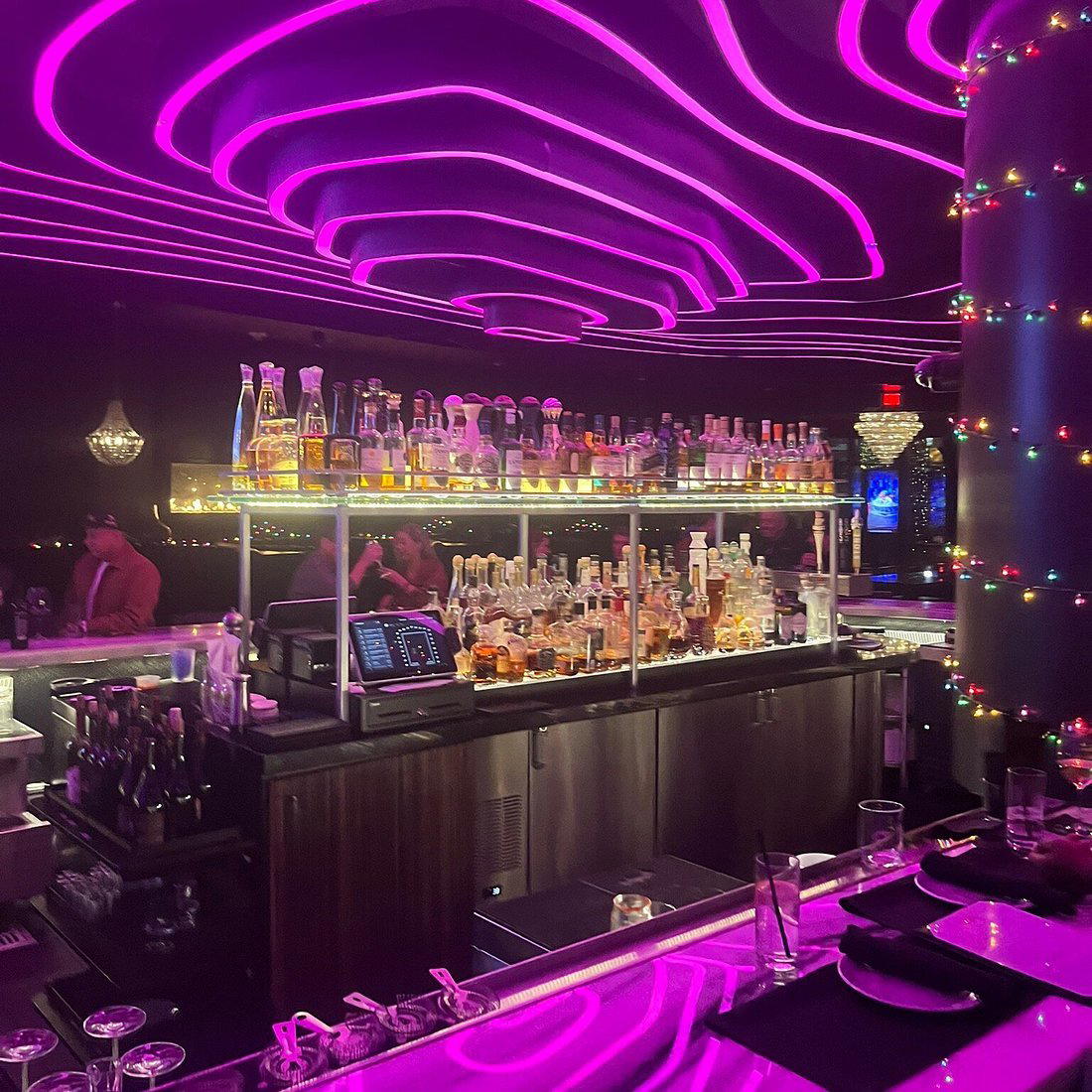
- Craft Cocktails
Current opening hours
- Monday
- Closed
- Tuesday
- Closed
- Wednesday
- 5–10 PM
- Thursday
- 5–10 PM
- Friday
- 5–10:30 PM
- Saturday
- 5–10:30 PM
- Sunday
- 5–10 PM
Hours can change for holidays and private events. Last verified .
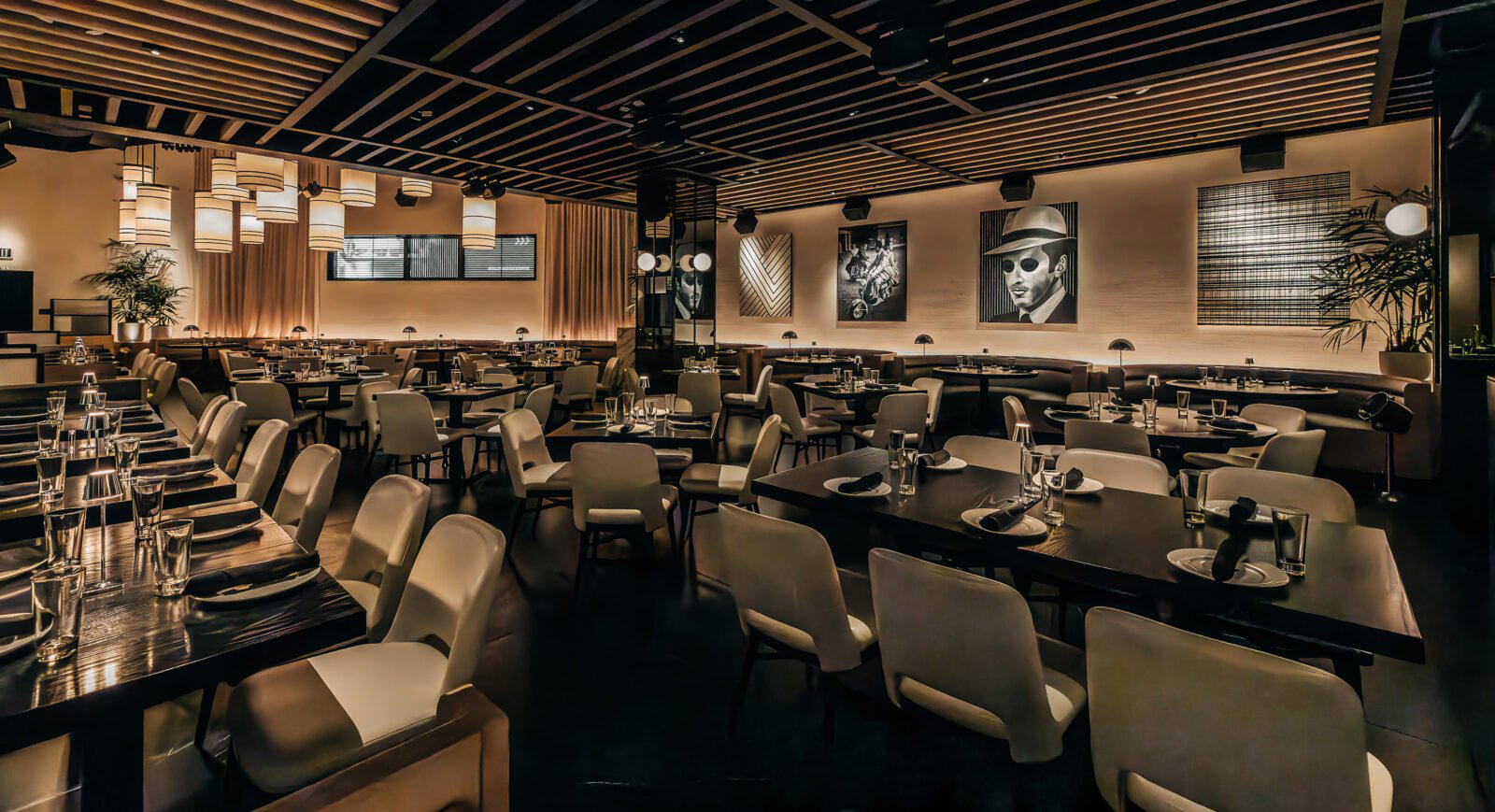
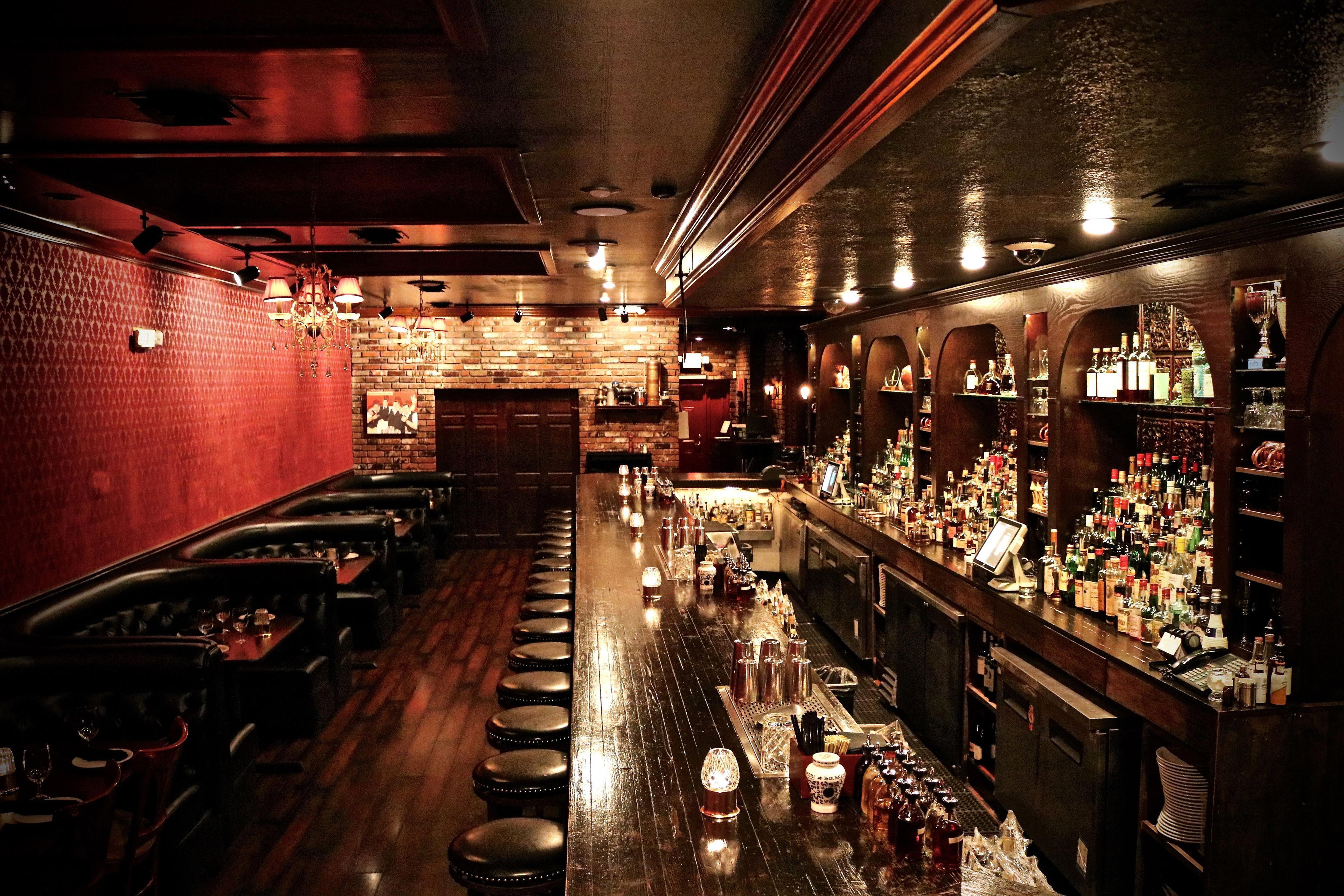
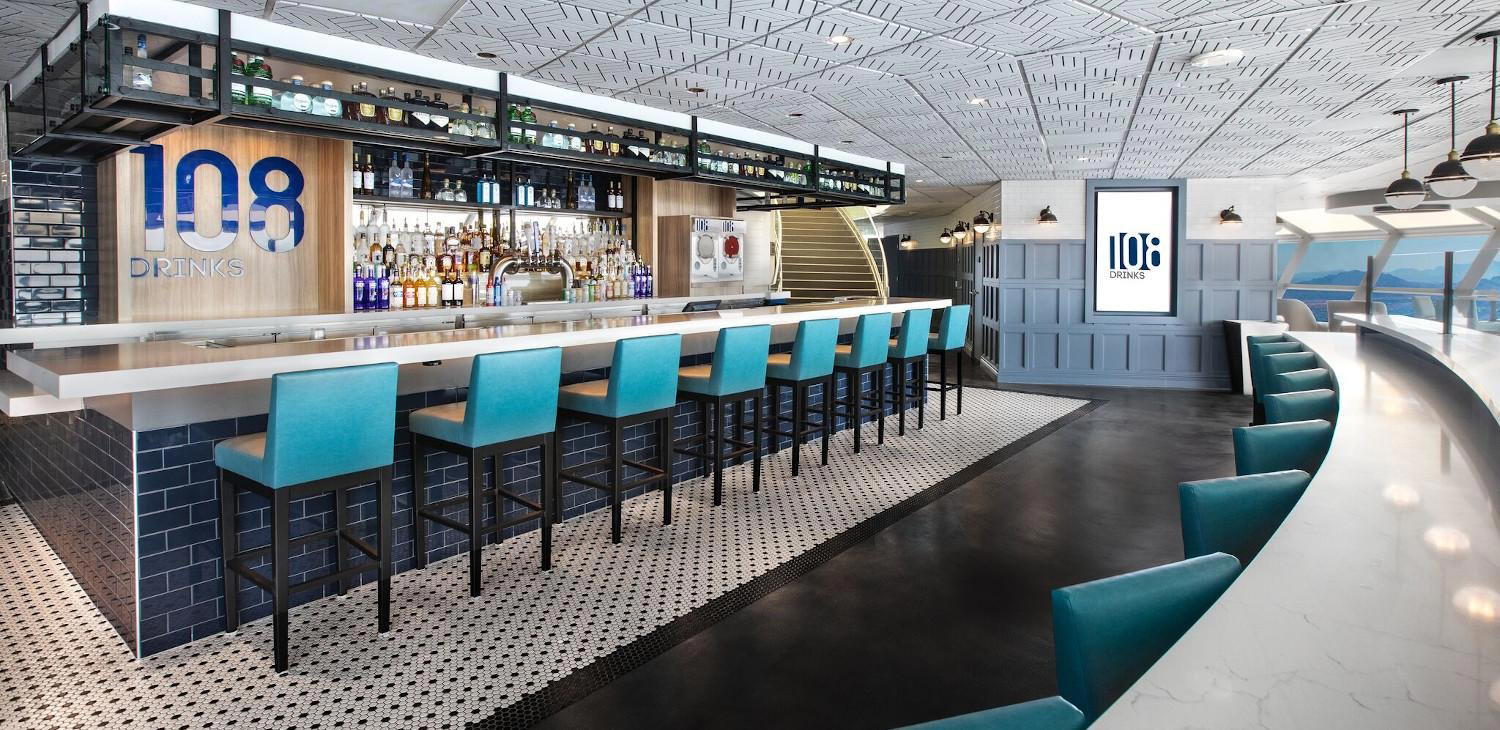
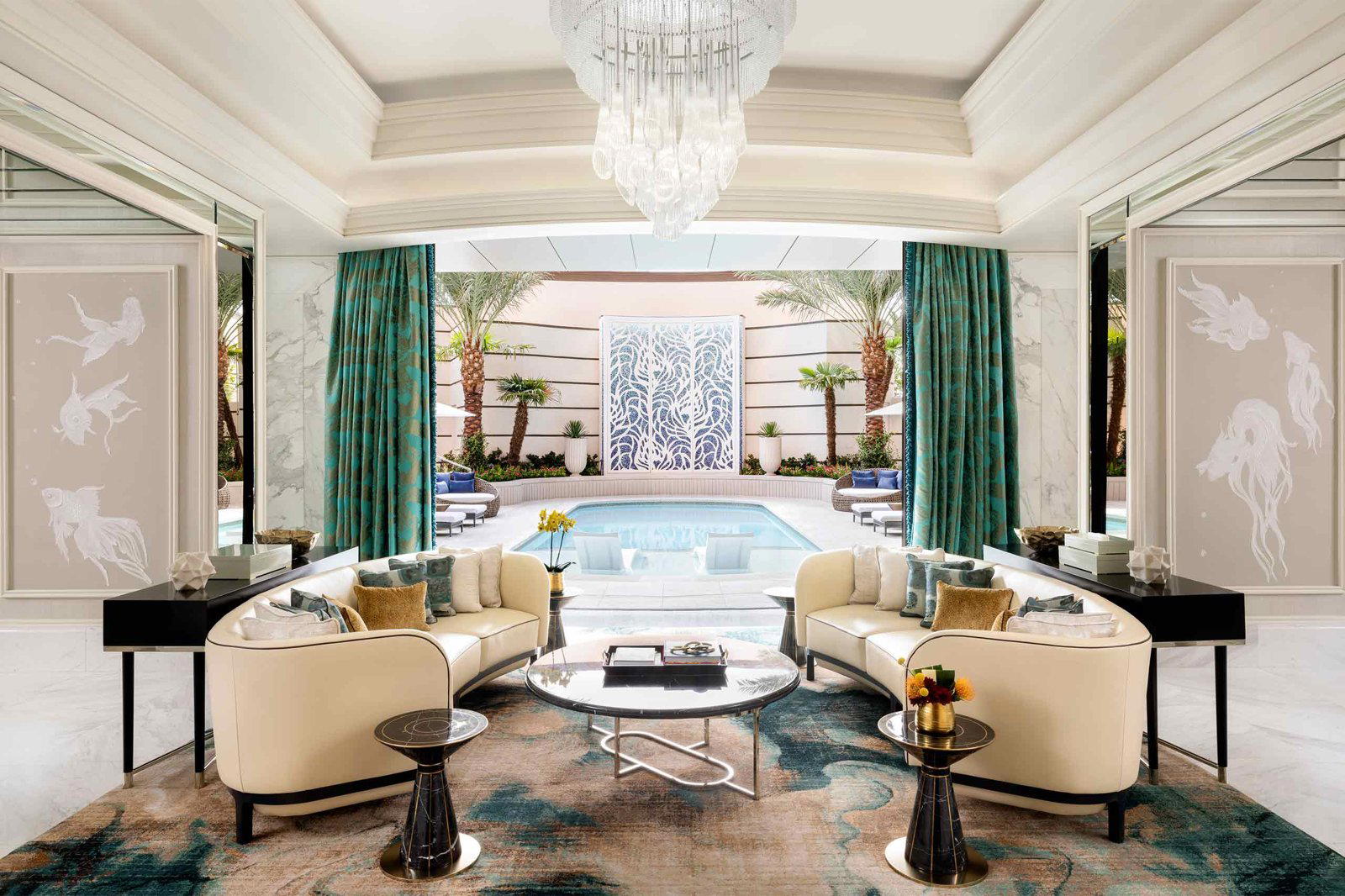
Elegant and modern atmosphere with serene waterfall sounds on the outdoor patio and moderate noise levels indoors.