Izakaya concept
Noble 33's izakaya concept brings small-plates Japanese drinking culture to Beverly Hills, pairing ramen with a format that sits between casual and considered. In a city where Japanese dining splits sharply between omakase ceremony and fast-casual, this izakaya model occupies a deliberate middle ground, convivial, ingredient-led, and suited to a neighbourhood that increasingly expects both quality and accessibility.

Pearl is the En Primeur Club membership app — saves, bookings, and concierge access live there. Same editors, same standards.
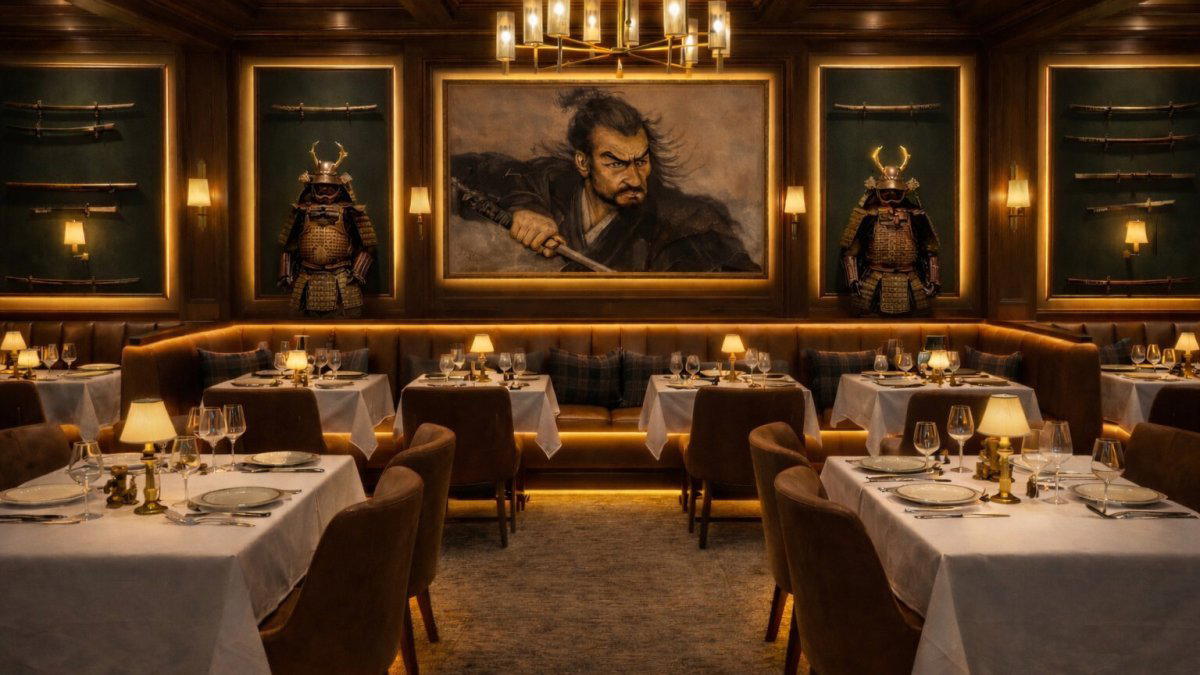
Japanese Drinking Culture Arrives in Beverly Hills
The izakaya format has always been about tension: between restraint and conviviality, between the careful sourcing that underpins the food and the looseness of the atmosphere in which it is served. In Japan, the category sits at the intersection of the pub and the serious kitchen, a place where the cooking is genuinely skilled but the evening is not defined by it. When that model is transplanted to Beverly Hills, a city where dining formats tend to calcify into either luxury ceremony or fast-casual, something interesting happens to the tension.
Noble 33, the Los Angeles-based hospitality group behind this concept, has built a portfolio around transporting internationally rooted formats into West Coast settings. The izakaya here follows that pattern, offering small plates and ramen in a neighbourhood that otherwise divides its Japanese dining attention between high-end omakase counters and neighbourhood sushi bars. Beverly Hills has a dining culture shaped by expense-account confidence, and the izakaya sits in that context with a format that is communal rather than ceremonial.
The Izakaya Model and What It Demands
Understanding what makes an izakaya work requires stepping back from the specific venue and looking at the tradition itself. The Japanese izakaya evolved as a working format: drinking houses that extended their offering into food as a way of keeping guests at the table longer. Over decades, the food component became the draw in its own right, producing a category defined by small shareable plates, a strong spirits and sake program, and a kitchen calibrated for volume and repetition rather than the singular theatrical gestures of kaiseki.
That distinction from kaiseki matters here. Where kaiseki frames each course as a discrete seasonal statement, the izakaya builds its logic through accumulation: you order, you share, you reorder. The aesthetic is less about a curated progression and more about the quality of individual components read against each other. Ramen, specifically, requires a kitchen that understands long extraction: the difference between a broth built over twelve hours and one built over four is legible in the bowl, and that gap defines the tier of the operation. In Los Angeles and across the wider West Coast, ramen has developed a serious critical culture since the mid-2010s, with venues benchmarked against both Japanese imports and the domestically trained kitchens that have followed them. The Noble 33 izakaya concept enters that conversation in a geography where standards for the format have risen considerably.
For comparison within the American fine-dining context, the structural distance between an izakaya and a destination tasting-menu restaurant is considerable. Places like Alinea in Chicago, The French Laundry in Napa, or Le Bernardin in New York City operate on the principle of a fixed, authored sequence. The izakaya inverts that: the guest authors their own meal, and the kitchen's job is to make every component strong enough to hold up under that condition. Atomix in New York City represents a different point of reference: a Korean fine-dining counter that draws on traditional Korean formats while operating in a Western tasting-menu framework, a useful parallel for thinking about how Asian dining traditions translate into premium American contexts.
Beverly Hills as the Setting
Beverly Hills has a specific gravitational pull on restaurant formats. The neighbourhood's dining culture, centred on Rodeo Drive and the streets immediately surrounding it, runs toward Italian classics (Baldi, Cafe Amici), American steakhouses (CUT is the obvious anchor), and the occasional Californian fusion proposition (Spago having defined that category for decades). Japanese dining has always had a presence, but it tends to operate either at the omakase tier or considerably below it. The izakaya occupies the space between those poles in a way that few formats can.
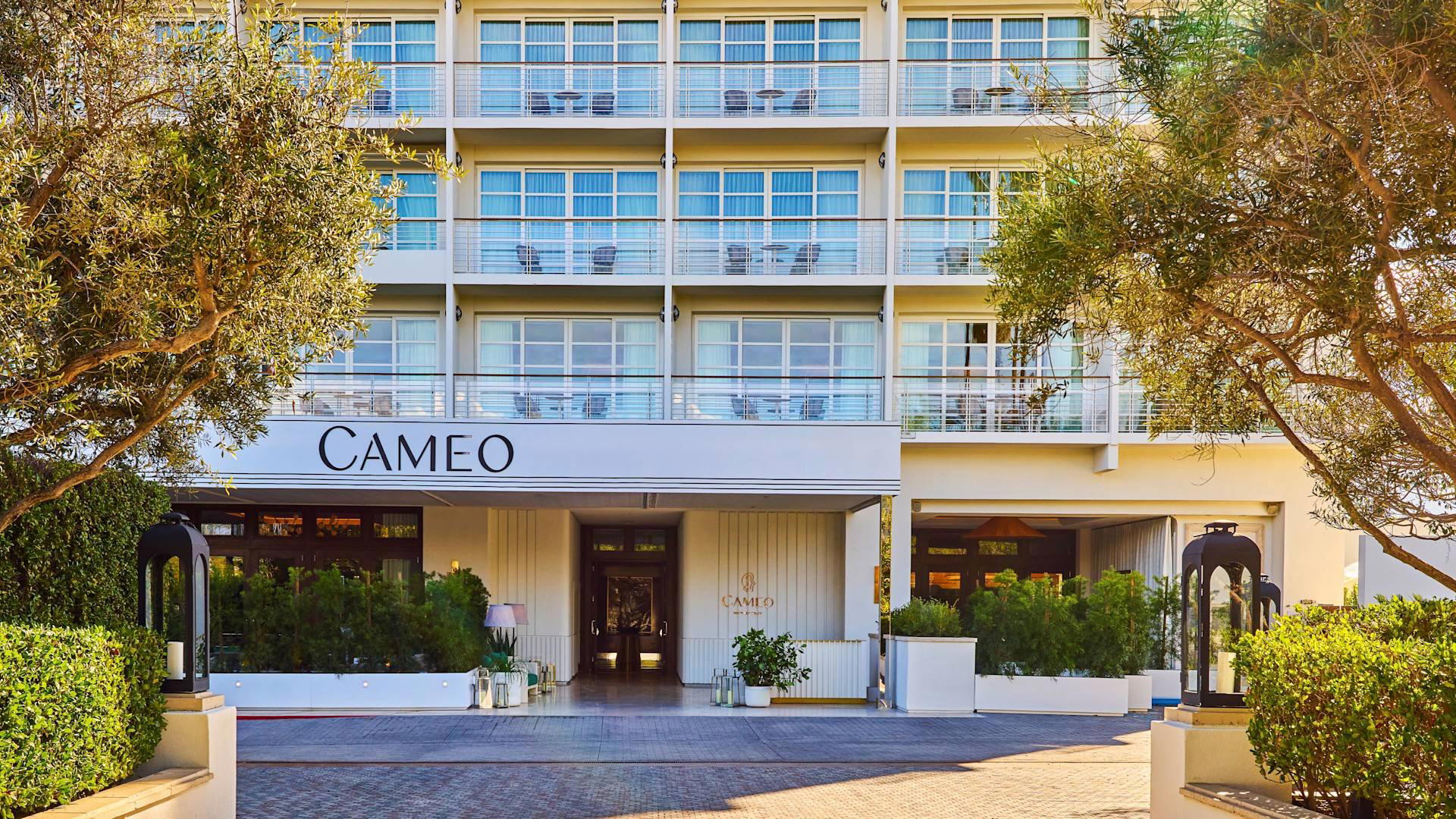
That positioning matters when you consider the neighbourhood's competitive set. 208 Rodeo and Beverly Hills Grill serve a clientele that expects quality and recognises it, but is not necessarily interested in the ceremony that surrounds it. The izakaya speaks to a similar audience: guests who want the kitchen to be serious without requiring the evening to be. Noble 33 has read that appetite correctly across its other venues, including Cameo, and the Beverly Hills izakaya concept follows the same logic.
Elsewhere in Los Angeles proper, the relevant comparison is Providence, which occupies the serious-tasting-menu tier for seafood in the city, or Lazy Bear in San Francisco for the broader West Coast communal-dining conversation. These are different registers entirely, but they establish what the market around this venue considers serious cooking. The izakaya's ambition operates below that ceiling and is more interesting for it: the difficulty of executing shared small plates at a high standard for a fast-moving, drinks-forward evening is often underappreciated compared to the prestige of the tasting-menu format.
Other American reference points worth considering when positioning this format: Single Thread Farm in Healdsburg applies a kaiseki-influenced multi-course philosophy to Californian ingredients at the premium end; Blue Hill at Stone Barns in Tarrytown operates on a farm-to-table tasting structure; Addison in San Diego and The Inn at Little Washington represent the formal end of the American tasting-menu tradition. None of these are direct competitors, but together they map the premium dining environment in which the izakaya concept establishes its own coordinates. At the international level, 8 1/2 Otto e Mezzo Bombana in Hong Kong and Emeril's in New Orleans illustrate how strongly regional hospitality identities shape even internationally trained concepts, a dynamic that applies equally to a Japanese format operating in Los Angeles.
Planning a Visit
Noble 33 as a group has operated across Las Vegas, Los Angeles, and internationally, which suggests a degree of operational infrastructure that typically supports online reservations and a managed guest experience. For a neighbourhood like Beverly Hills, where dining competition for weekend evenings is consistent year-round, confirming a reservation ahead of time is the practical default.
The small-plates format means the table can be managed at different price points depending on how many rounds are ordered, a flexibility that the format's Japanese progenitor built in by design. Those who want to treat the visit primarily as a ramen stop and those who want to turn the table into a longer drinks-and-plates session are both accommodated by the same kitchen.
A Quick Peer Check
Comparable venues nearby, for context on price, style, and recognition.
| Venue | Cuisine | Price | Notes |
|---|---|---|---|
| Izakaya conceptThis venue — the venue you are viewing | Modern Japanese Izakaya | $$$$ | Not listed |
| Steak 48 | Contemporary American Steakhouse | $$$$ | Beverly Hills |
| 208 Rodeo | Modern Californian with Pan-Asian and Italian Influences | $$$$ | Beverly Hills |
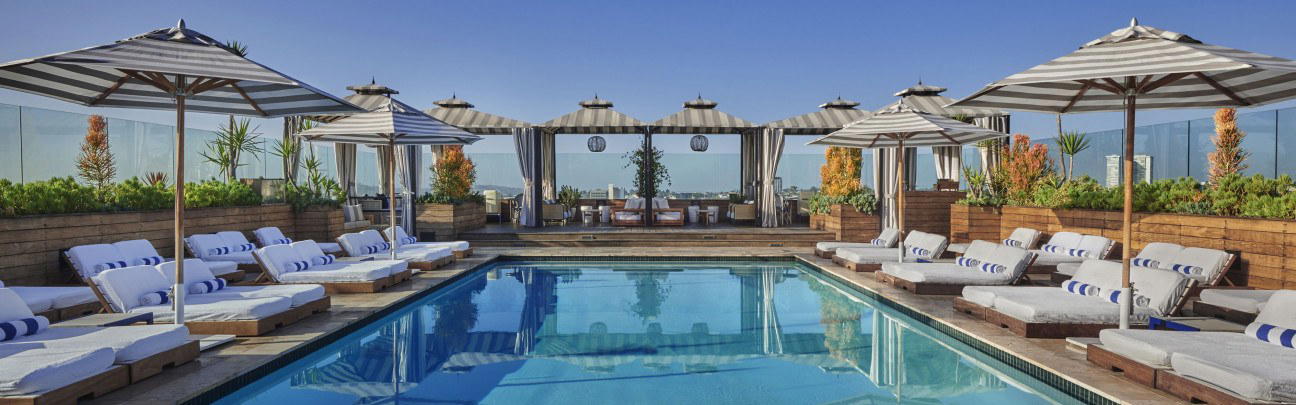
| Pool & Cabana at Waldorf Astoria | American Poolside | $$$$ | Beverly Hills |
| The Living Room | Traditional Afternoon Tea | $$$$ | Beverly Hills |
| Cipriani | Classic Venetian Italian | $$$$ | Beverly Hills |
Continue exploring
More in Beverly Hills
Restaurants in Beverly Hills
Browse all →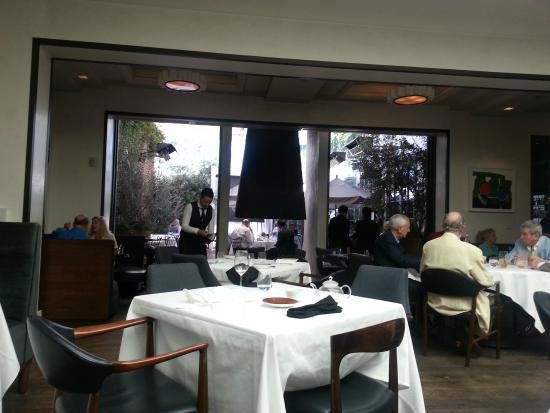
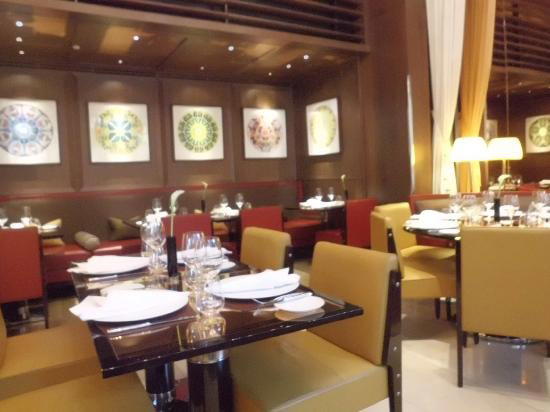
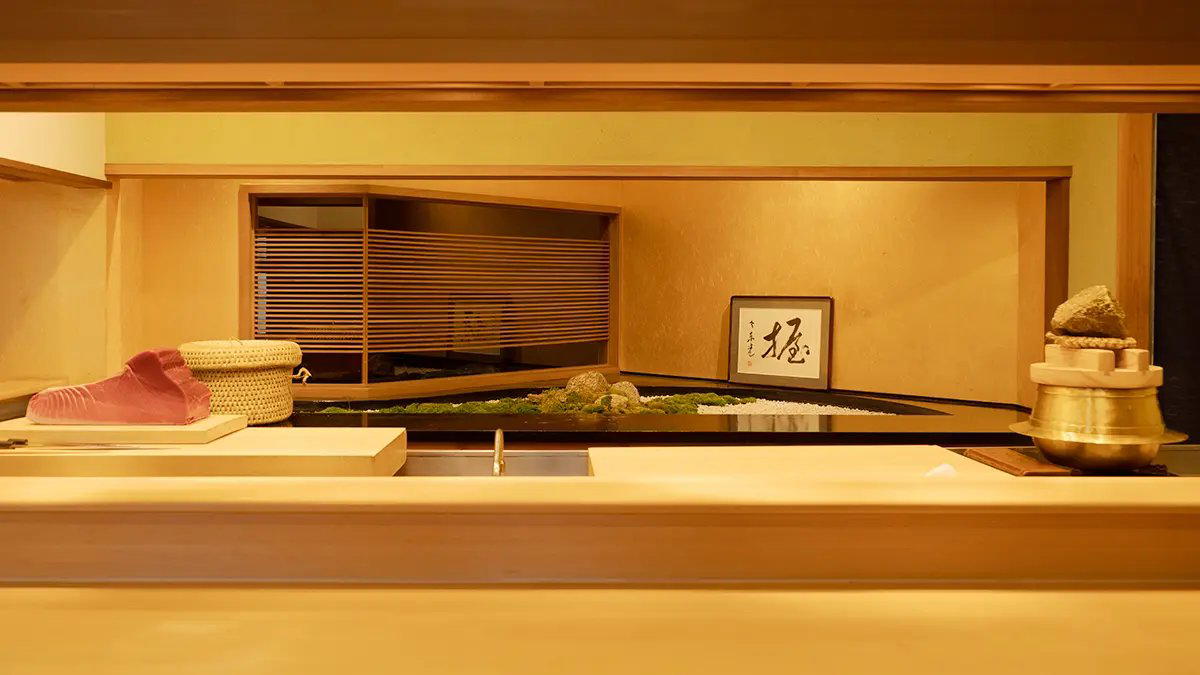
Bars in Beverly Hills
Browse all →
At a Glance
- Energetic
- Lively
- Intimate
- Elegant
- Modern
- Group Dining
- Casual Hangout
- After Work
- Celebration
- Live Music
- Open Kitchen
- Design Destination
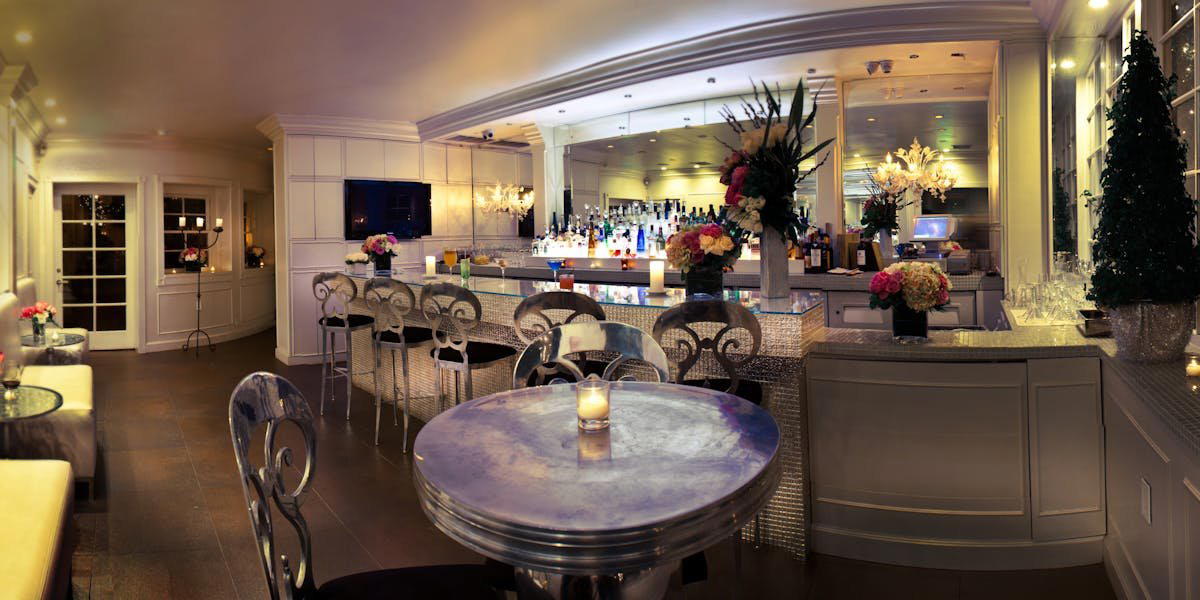
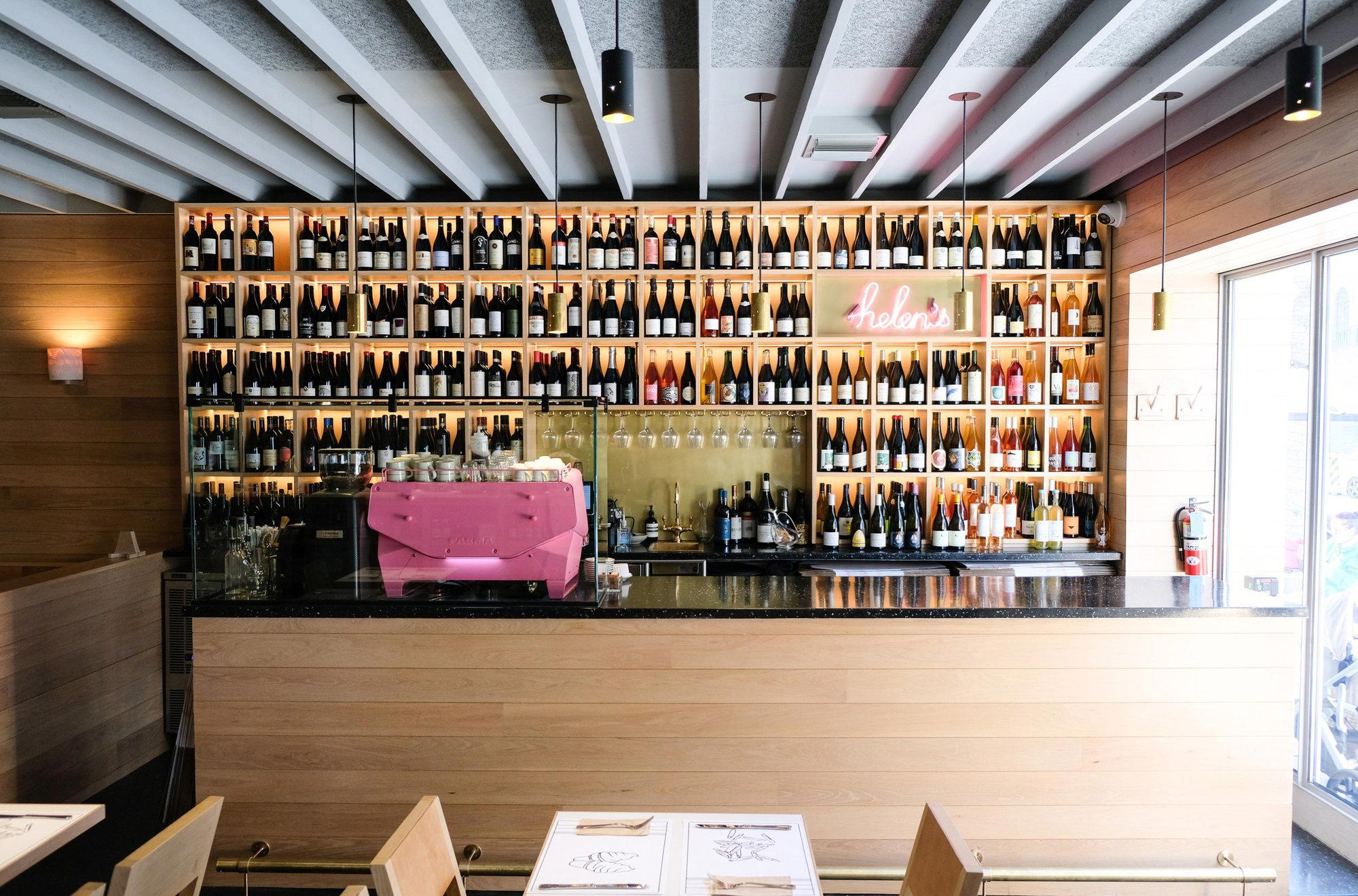
Abstract design with large-scale artwork, live musical performances, open sushi counter, classic shoji screen dividers, samurai armor displays, and curated weapon displays creating an electric, intimate Tokyo-inspired atmosphere.