
Tabelog 100 #62
Our verdict
A Nishinari yakiniku room built around beef rather than ceremony, Itamae Yakiniku Itto Tengachaya honten belongs to Osaka’s serious grill circuit without drifting into luxury tasting-menu behavior. Its Tabelog 100 Yakiniku WEST 2025 selection and long Hyakumeiten run place it in a competitive Kansai category where value, sourcing and table rhythm matter as much as polish.

Pearl is the En Primeur Club membership app, where members save venues, book tables and use the concierge.
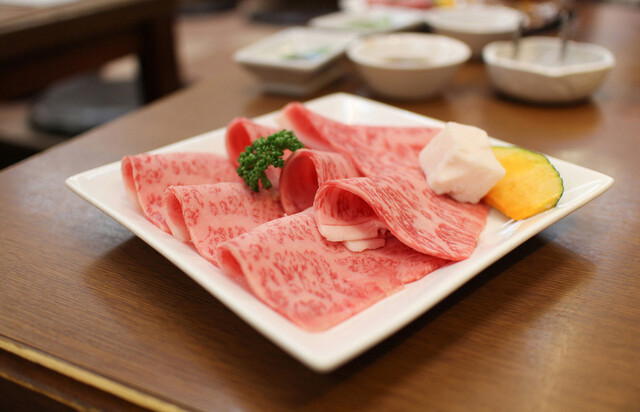
The menu
What to order
- Miyazaki beef
- Bone-in short ribs
Approaching a yakiniku restaurant in Osaka is unlike entering a tasting counter or a hotel dining room. The cues are louder and more functional: meat cases, grill smoke, groups settling in, and the tempo of a room where the meal happens partly in the kitchen and partly over the table flame. Itamae Yakiniku Itto Tengachaya honten sits in that tradition, closer to Osaka’s everyday appetite than to its formal dining economy.
The key divide is not lunch versus dinner in the usual sense. This is an evening-led address. Osaka has many daytime meat meals built around set lunches, rice dishes or quick grill plates; dinner yakiniku is different, built for ordering in waves, pacing grilled items against rice or noodles, and letting the table choose its restraint. It is a poor substitute for a quick noon stop, and stronger for a group dinner centered on sequence, heat and conversation.
Osaka yakiniku without the tasting-menu script
Yakiniku in Kansai has long occupied a separate lane from kaiseki and sushi: less choreographed, more social, and sharply dependent on procurement. A serious grill house is judged by how confidently it handles grilled meat, tripe and finishing dishes, not by how many courses it announces. The listed categories here, yakiniku, tripe and Korean cold noodles, show where to place it. This is neither a Western-style steakhouse nor a chef’s-counter omakase. It belongs to the Japanese barbecue lineage shaped by Korean influence, butcher-shop knowledge and Osaka’s impatience with ceremony around richly flavored food.
The recognition supports that reading. Itamae Yakiniku Itto Tengachaya honten was selected for Tabelog Hyakumeiten in 2025. In Japan’s restaurant culture, that signal differs from more formal award systems. It points to local and regional attention in a category where repeat diners, not destination tasting-menu tourists, often define the room. A Tabelog score of 3.67 also puts it in the serious conversation for a casual-format restaurant, especially where expectations are shaped by value and consistency rather than linen-table service.
That distinction matters for travellers planning Osaka around food. A meal at Sukiyaki Nabemono Nabeya or Okonomiyaki Chitose speaks to the city’s lower-priced comfort-food register; Okonomiyaki Hayashi moves higher while staying in the same democratic grammar. Oden Marukome brings another evening rhythm, slower and broth-led. Yakiniku at this level asks for a different appetite: pricier than quick okonomiyaki, less formal than a special-occasion counter, and suited to diners who want the grill to carry the evening without turning dinner into a lecture.
The evening table is the point
The format rewards ordering with a plan. In yakiniku, tables turn chaotic when every item arrives without hierarchy; better meals move from leaner or lighter items into richer grilled dishes and tripe, with cold noodles or rice as punctuation rather than afterthought. The presence of tripe on the category list matters. Osaka has deep comfort with horumon and secondary cuts, and restaurants that treat those parts seriously often speak to a more local, less sanitized version of the genre.
The dinner mood also changes value perception. A daytime meat set is judged on speed and portion; an evening grill on how long the table holds interest without fatigue. That is where a grill-focused yakiniku identity and a menu built around yakiniku, tripe and cold noodles become relevant evidence rather than decorative biography. The appeal is not performed intimacy. It is Osaka’s group-dining culture, with the grill still central.
Osaka adds another layer. Visitors often compress the city into familiar sightseeing circuits, but the city’s food identity has never belonged only to polished central districts. Dining here can be practical, direct and value-conscious, less interested in explaining itself to outsiders. That does not make it obscure; it makes it local in the harder sense, where the city shapes expectations before the first order.
For a broader Osaka itinerary, this dinner balances casual daytime stops and more design-led rooms. EP Club’s city coverage ranges from bakery and cafe addresses to crowd-pleasing Osaka staples and other casual dining formats. On another night, international rooms show how global formats have been absorbed into the city. Yakiniku belongs beside those references as a category with its own rules, not as generic meat dinner.
Where it fits in a wider Japan food plan
The useful way to read Itamae Yakiniku Itto Tengachaya honten is as a specialist Osaka dinner, not a universal recommendation for every schedule. It suits diners wanting a grill-focused evening, comfortable with a lively room, and aware that yakiniku’s pleasure is partly self-directed. It is less suited to travellers seeking a quiet tasting menu, a long chef narrative, or a lunch slot between sightseeing stops.
That narrower fit is a strength. Japan’s dining map is full of category specialists, and better itineraries let those categories stay distinct. A grill-focused night in Osaka can sit alongside regional cooking elsewhere or other styles of Japanese dining in different cities. The contrast is the point: sukiyaki, charcoal cookery, yakiniku and oden each organize appetite differently.
Readers building a wider route can use EP Club’s full Osaka restaurants guide to place this dinner against other formats, then pair it with broader Osaka travel planning. For cross-city texture, compare it with smaller-format Japanese listings and food-culture addresses elsewhere. The through-line is not sameness; it is the discipline of choosing restaurants by format, city and occasion.
Frequently asked questions
What does dinner at Itamae Yakiniku Itto Tengachaya honten typically cost?
Pricing at Itamae Yakiniku Itto Tengachaya honten is listed as JPY 6,000 - JPY 7,999 View spending breakdown.
What time does Itamae Yakiniku Itto Tengachaya honten open and close?
Published hours are not included in the verified venue details here. Call +81-6-6659-8618 before planning a visit.
Where exactly is Itamae Yakiniku Itto Tengachaya honten?
Osaka.
What's the standout thing about Itamae Yakiniku Itto Tengachaya honten?
Its strongest credential is its 2025 Tabelog Hyakumeiten recognition. The listed categories are yakiniku, tripe and Korean cold noodles, with dinner pricing shown at JPY 6,000 - JPY 7,999.
Can Itamae Yakiniku Itto Tengachaya honten adjust for dietary needs?
The listed categories are yakiniku, tripe, and Korean cold noodles, so the menu is centered on meat rather than broad dietary flexibility. For specific restrictions, the clearest step is to call +81-6-6659-8618 before visiting.
Can I bring kids to Itamae Yakiniku Itto Tengachaya honten?
Child-specific seating details are not included in the verified venue information here. For practical questions before heading to Osaka, call +81-6-6659-8618.
Standing Among Peers
Comparable venues by cuisine and category.
| Venue | Cuisine | Price | Awards | Notes |
|---|---|---|---|---|
| Itamae Yakiniku Itto Tengachaya hontenThis venue (the venue you are viewing) | Japanese Yakiniku | $30–50 | Tabelog 100 #62 | Not listed |
| Sumisho Kishimoto | Traditional Yakitori (Grilled Chicken Skewers) | $30–50 | Tabelog 100 #17 | Abeno |
| Juutei | Classic Osaka yoshoku (Japanese-style Western) | $10–20 | Tabelog 100 #74 | Chūō |
| Yakiyaki Okamoto | Teppanyaki & Okonomiyaki | $50–100 | Tabelog 100 #93 | Tennōji |
| Ramen Shuki | Japanese Ramen | $10–20 | Tabelog 100 #89 | Higashinari |
| .cafe | Japanese Animal Cafe | $10–20 | Tabelog 100 #34 | Nishi |
Recognition history
Dated appearances from independent guides and award organizations, with the underlying list record or original source where available.
Tabelog 100 #62 · No. 62
Tabelog · Tabelog 100 - Yakiniku - WEST - 2025
Continue exploring
More in Osaka
Restaurants in Osaka
All restaurants in Osaka →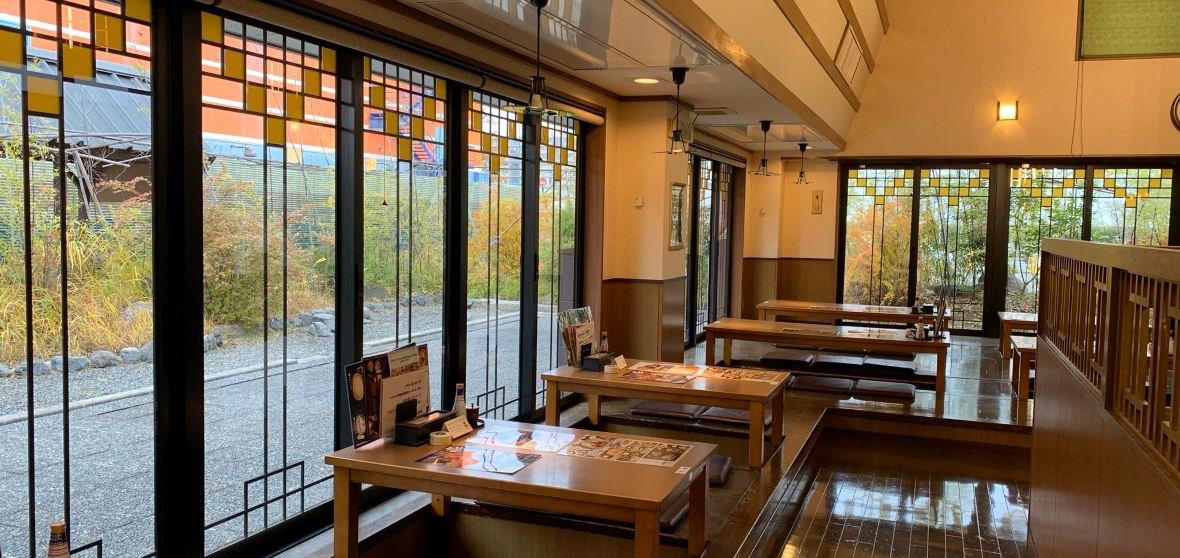




Bars in Osaka
All bars in Osaka →
Hotels in Osaka
All hotels in Osaka →



Wineries in Osaka
Browse all →
Details
- Lively
- Cozy
- Classic
- Energetic
- Group Dining
- Casual Hangout
- Standalone
- Local Sourcing
- A La Carte
- Wine
Current opening hours
- Monday
- Closed
- Tuesday
- 5 PM–12 AM
- Wednesday
- 5 PM–12 AM
- Thursday
- 5 PM–12 AM
- Friday
- 5 PM–12 AM
- Saturday
- 5 PM–12 AM
- Sunday
- 5 PM–12 AM
Hours can change for holidays and private events. Hours as of .
Cheerful and energetic, with a lively yakiniku atmosphere and traditional seating options such as tatami and kotatsu rooms.