
Itamae Yakiniku Hanafusa puts rural Miyazaki yakiniku into a serious dining bracket, with a Tabelog 100 Yakiniku WEST 2025 selection and a dinner spend around JPY 8,000–9,999. The appeal is not urban gloss but cattle-country proximity, counter-focused cooking, and a small-room format that makes sourcing feel central rather than decorative.
Pearl is the En Primeur Club membership app — saves, bookings, and concierge access live there. Same editors, same standards.
- Address
- 17702-45 Kawaminami, Koyu District, Miyazaki 889-1301, Japan
- Phone
- +81 983-27-6689
- Website
- tabelog.com
 Saves & bookings on Pearl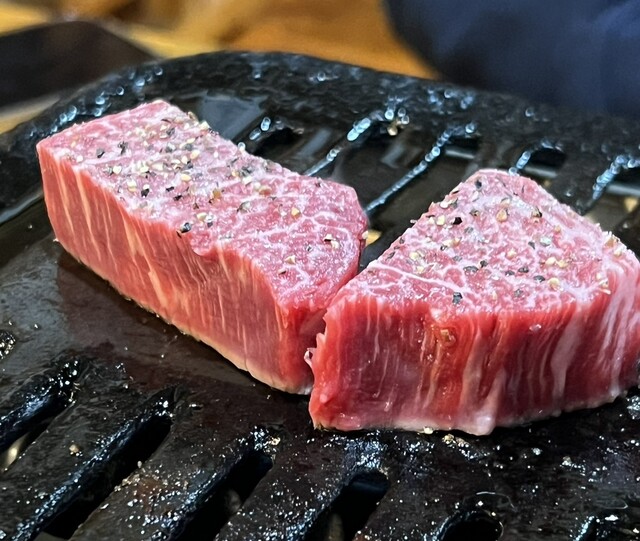
The approach to serious yakiniku in Miyazaki feels different from Tokyo’s theatre of private rooms and polished service choreography. Here, the point is closer to the source: beef country, agricultural roads, smaller towns, and a grill culture shaped less by spectacle than by cut, heat, smoke, and timing. In that setting, Itamae Yakiniku Hanafusa belongs to a narrower category of rural restaurants that earn attention beyond their immediate neighbourhood because the meat itself carries the argument.
Japanese yakiniku often gets flattened into a single idea abroad: sliced beef, tabletop grill, dipping sauce. In Japan, the category is far more stratified. There are late-night urban shops built for beer and offal, high-spend wagyu rooms calibrated for entertaining, family restaurants with generous platters, and chef-led counters where selection and sequencing matter. Koyu-gun sits far from the capital’s luxury dining circuit, but Miyazaki’s beef reputation gives the region a serious claim in the conversation. The restaurant’s selection for Tabelog 100 Yakiniku WEST 2025 places it inside a broad western Japan field rather than a purely local list, which matters for travellers deciding whether a detour has enough culinary weight.
Miyazaki beef country gives the grill its context
Ingredient sourcing is the real story in this part of Kyushu. Miyazaki is one of Japan’s major wagyu-producing prefectures, and its cattle culture has helped shape how the region is read by diners who travel for beef. That does not mean every grill room in the prefecture belongs in the same tier. The distinction is whether a restaurant uses geography as scenery or as a working advantage. A 20-seat yakiniku room with counter seating and a dinner spend listed around JPY 8,000–9,999 operates in a middle-to-premium zone: above casual barbecue, below the ceremonious high-ticket beef counters that price at two or three times that level.
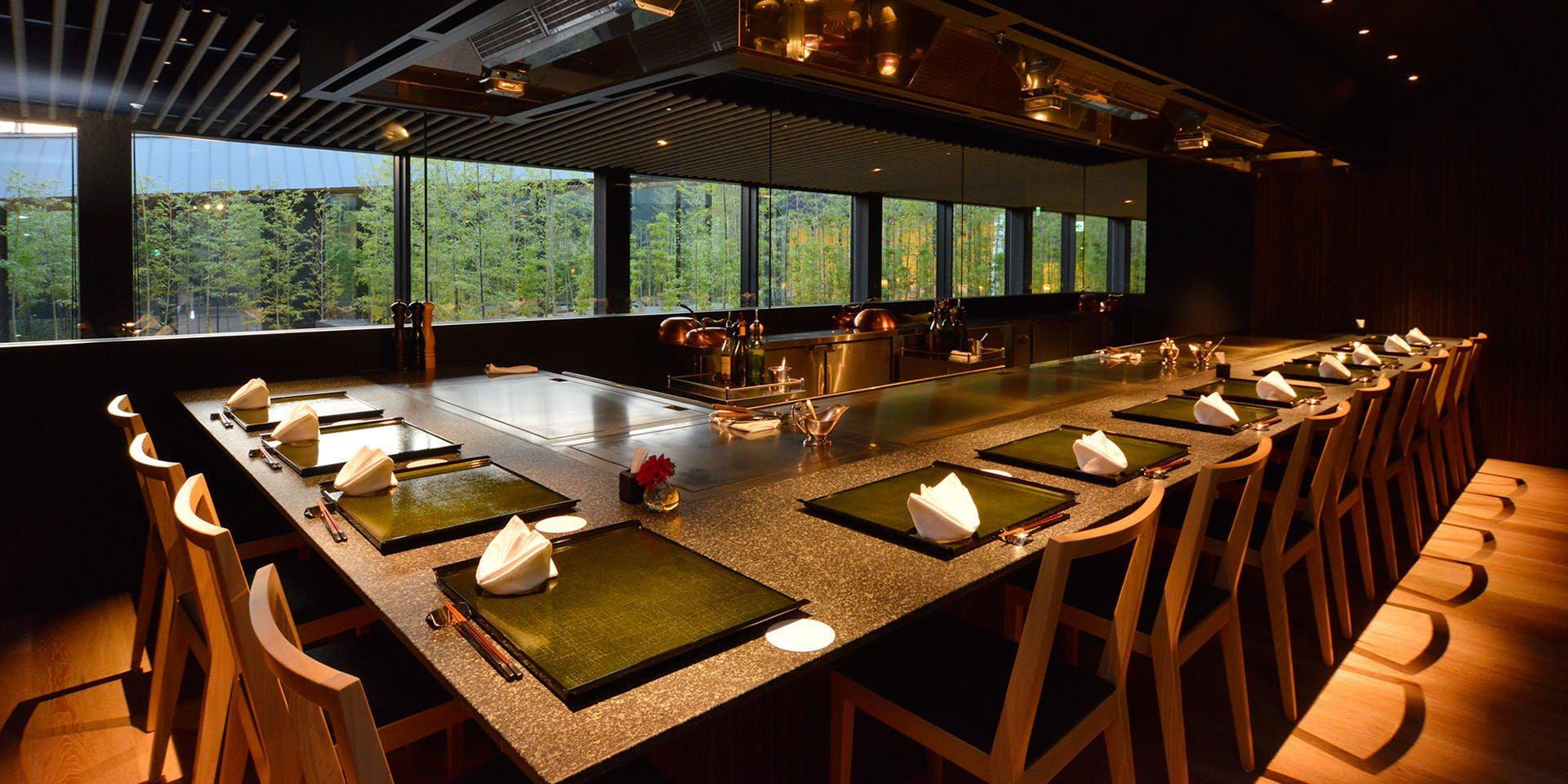
That price position is useful. It suggests a meal built for diners who care about cut selection and meat handling, without moving into the expense bracket of places such as Teppanyaki Fukami, where the listed spend is JPY 20,000–29,999. At the other end of the regional comparison, Ramen Man sits in a sub-JPY 1,000 lane, The BEACH BURGER HOUSE in the JPY 1,000–1,999 range, and Heike no Sato Shinbeppu ten around JPY 2,000–2,999. Those are not direct culinary peers, but they clarify the local dining ladder: Hanafusa is not a quick meal stop; it is a planned dinner for people using Koyu-gun as more than a transit point.
The Tabelog score of 3.76 gives another signal. In Japan’s user-review culture, especially on Tabelog, scores in the high threes can indicate a restaurant with meaningful specialist recognition rather than mass-market popularity. The repeated Yakiniku WEST selections in 2022, 2023, and 2025 add continuity. For a rural address, that continuity is more persuasive than a single burst of attention, because destination dining outside major cities depends on sustained local use as much as visiting food travellers.
A compact counter format, not a luxury-room performance
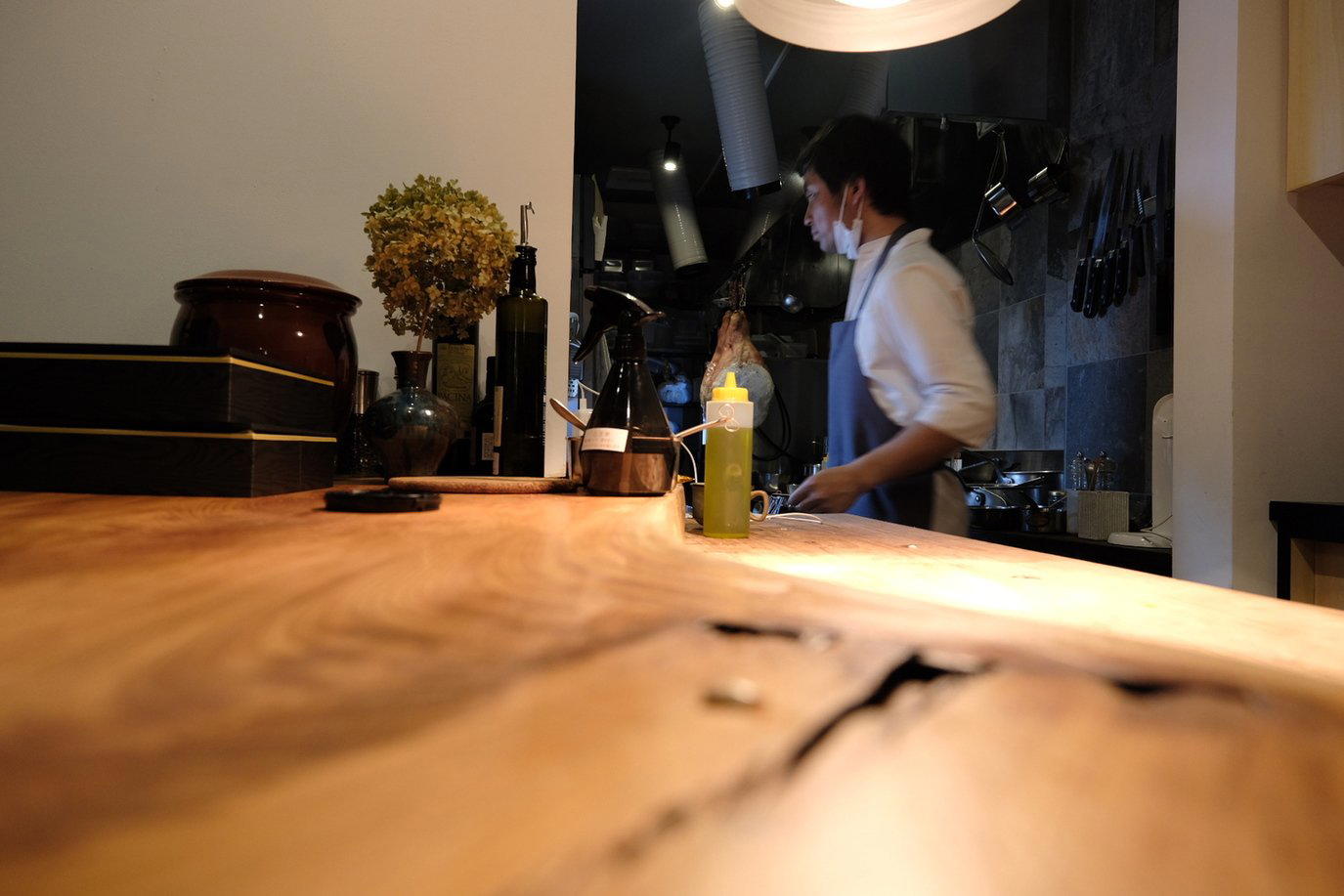
The room’s practical identity is compact: 20 seats, counter seating, no private rooms, private use available, and smoking allowed. Those facts point to a style of meal closer to a local grill counter than a hotel-like wagyu salon. The experience will suit diners who accept proximity: to the grill, to other parties, and to the rhythms of a small service. It is not the format for anyone expecting a hushed room or a long wine-led progression. The point is concentrated attention on beef and heat.
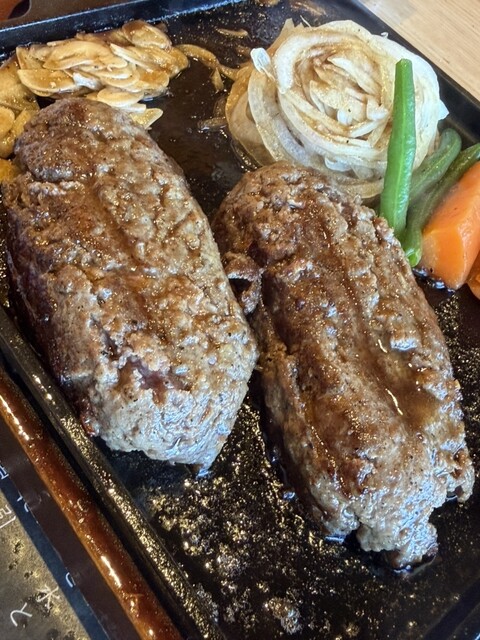
Yakiniku at this level depends on judgment more than decoration. The value is in how the meal handles fat, lean meat, offcuts, portioning, and pace. Without a named chef or published signature dishes, the safer reading is category-based: this is a restaurant whose credibility comes from its format, location, award history, and price tier rather than a personality-led narrative. That is not a weakness. In Japanese beef dining, a venue can be serious without turning the cook into the story. The scene’s discipline sits in procurement and grill management, not in biography.
For travellers building a wider itinerary, Koyu-gun needs to be treated as a rural dining stop rather than an add-on to a dense city crawl. The nearest station is Kawaminami, and parking is available, which makes the restaurant more manageable by car than by improvised public transport. Reservations are available, and the small seat count argues for planning rather than spontaneity, especially because award-list recognition tends to compress demand into limited dinner slots. Cash planning also matters: credit cards, electronic money, and QR code payments are not accepted.
Where it fits in a Koyu-gun itinerary
The strongest case for this restaurant is not that it replaces metropolitan yakiniku. It offers a different reason to travel: tasting beef culture closer to its regional base, in a room that has been recognised beyond its prefecture. Diners chasing formality, grand service, or a broad drinks programme may find the format too lean. Diners who care about meat sourcing, local context, and the difference between beef as luxury branding and beef as regional agriculture will understand the point quickly.
EP Club readers mapping the area should start with Our full Koyu-gun restaurants guide, then place dinner alongside Our full Koyu-gun hotels guide, Our full Koyu-gun bars guide, Our full Koyu-gun wineries guide, and Our full Koyu-gun experiences guide. For broader Japan dining context, compare beef and grill-led meals with -Grilled beef Sukiyaki- KAMAKURA TANUKIAN 鎌倉 たぬき庵 in Kamakura, #肉といえば松田 奈良本店 in Kashihara, and . 鮪と炭火焼き うお炭 秋葉原店 in Tokyo. The wider network also includes .cafe in Osaka.know in Kumamoto, (Shoku) Vietnam in Kawasaki, [Curry Senmon Ten] Maruyama Kyoju. in Sapporo, [ki:] in Kyoto, 1/3 HAMBURGER FACTORY in Kanazawa, 1000 in Yokohama, 1000mヒュッテ 1000m Hut in Kutchan, Jōdo Saké Bar in Los Angeles, and Onigiri Time in Pasadena.
Side-by-Side Snapshot
Comparable venues by cuisine and price in the same metro.
| Venue | Cuisine | Price | Notes |
|---|---|---|---|
| Itamae Yakiniku HanafusaThis venue — the venue you are viewing | Traditional Japanese Yakiniku | $$$ | Not listed |
| Ueno (うえの) | Traditional Japanese Anagomeshi | $$$ | Miyajimaguchi |
| Tachigui Sushi Yusho | Standing Sushi | $$$ | Kanazawa Port |
| DAICHINO RESTAURANT | Japanese Crossover Fine Dining | $$$ | 緑町 |
| 麺尊RAGE | Modern Shamo Shoyu Ramen | $$$ | Suginami |
| Robata | Robatayaki Japanese Grill | $$$ | 倶知安町 |
Recognition history
Dated appearances from independent guides and award organizations, with the underlying list record or original source where available.
Tabelog 100 #90 · No. 90
Tabelog · Tabelog 100 - Yakiniku - WEST - 2025
Continue exploring
More in Koyu-gun
At a Glance
- Cozy
- Lively
- Intimate
- Group Dining
- Solo
- Casual Hangout
- Late Night
- Special Occasion
- Chefs Counter
- Standalone
A small, cozy neighborhood yakiniku spot with counter seating, a relaxed but energetic atmosphere, and the feel of a local favorite where guests linger over high-quality grilled beef into late evening hours.