Istanbul Street Food
Istanbul Street Food on Mailand-Strasse brings the direct, unadorned cooking tradition of Turkish street markets to Basel's increasingly varied mid-range dining scene. Where much of the city's restaurant attention gravitates toward fine-dining rooms and tasting menus, this address occupies a different register: affordable, fast-moving, and rooted in a culinary tradition that prizes technique over ceremony. It sits in a part of Basel where everyday cooking from southern and eastern Mediterranean traditions has found a genuine foothold.
Pearl is the En Primeur Club membership app — saves, bookings, and concierge access live there. Same editors, same standards.
- Address
- Mailand-Strasse 6, 4053 Basel, Switzerland
- Phone
- +41763287284
- Website
- istanbulstreetfood.ch
- Directions
- Get directions
 Saves & bookings on Pearl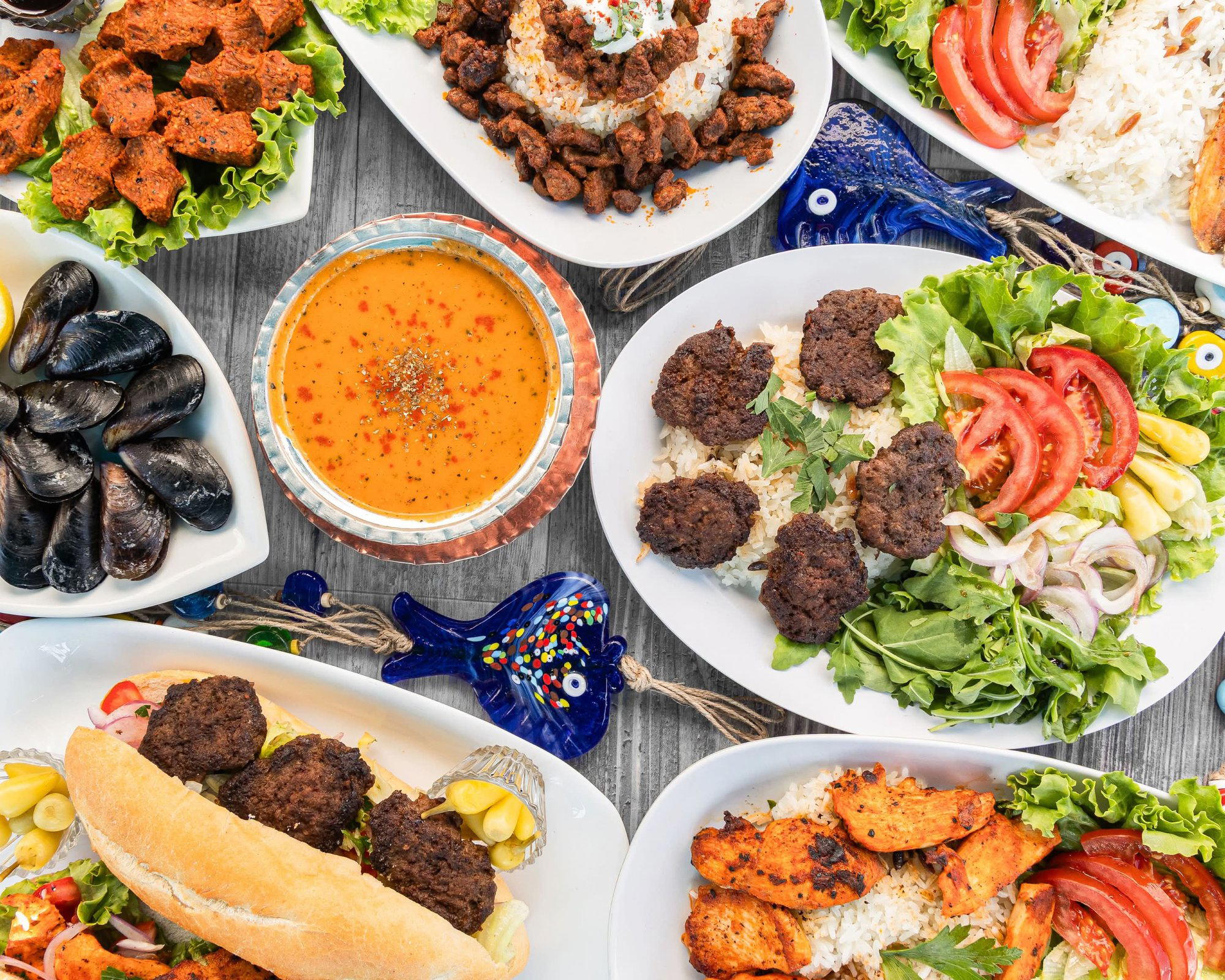
Where Basel's Street Food Conversation Gets Serious
Basel's dining identity is most often discussed through its fine-dining tier. The city has a concentration of Michelin-starred rooms — Cheval Blanc by Peter Knogl, Stucki - Tanja Grandits, and roots among them — that punches well above the city's population size. But the more instructive story for understanding how Baselers actually eat sits further down the price register, in the neighbourhood spots and street-food operations that have multiplied along the city's southern arterials over the past decade. Mailand-Strasse, in the 4053 postcode, sits in that zone: a corridor where working kitchens from Turkey, the Levant, and the broader eastern Mediterranean have established a consistent presence without much institutional recognition.
Istanbul Street Food at Mailand-Strasse 6 belongs to this pattern. Turkish street-food traditions, grilled meats over charcoal, flatbreads baked to order, köfte pressed and cooked with minimal ceremony, are defined by their lack of distance between preparation and service. The format doesn't accommodate much layering of roles. The person managing the grill, the person taking the order, and the person handing over the tray are often the same, or part of a very small team where each member reads the other's pace instinctively. That kind of operational tightness is what allows street-food formats to work at volume without losing consistency.
The Tradition Behind the Format
Turkish street cooking as a tradition is older and more regionally specific than its international fast-food associations suggest. Istanbul's street markets historically divided by technique and ingredient: simit sellers at dawn, balık ekmek (fish sandwiches) along the Bosphorus by midday, köfteci and döner operations driving the late evening. What migrated to European cities like Basel was not a monolithic cuisine but a selection of formats, primarily those that could operate without extensive kitchen infrastructure. Döner, lahmacun, and variations on grilled minced meat crossed because they scaled efficiently and required only a core set of equipment.
What matters editorially is what that migration preserved and what it adapted. The core techniques, high-heat charcoal or vertical-spit cooking, fresh bread as structural element rather than garnish, spicing that flavours the protein directly rather than through sauce, remained largely intact. The adaptation happened at the margins: ingredient sourcing shifted to local European supply chains, and service formats adjusted to takeaway or counter-seat models rather than the standing-and-eating culture of Istanbul's busier districts. Across Switzerland's larger cities, Turkish street-food operations have found a stable place in the mid-week, everyday-eating tier that neither the fine-dining room nor the supermarket adequately fills.
Basel's Mid-Range Gap and Where Street Food Fits
The contrast with Basel's upper dining tier is worth pausing on. A tasting menu at 1777 or a lunch reservation at Ackermannshof operates on completely different assumptions about time, budget, and occasion. The city's street-food and casual dining layer serves a different weekly rhythm, the lunch break, the post-evening-commute dinner, the low-effort weeknight meal. It's the segment that Switzerland's broader dining economy has historically underserved relative to its German and Austrian neighbours, partly because of Swiss labour costs and partly because of a cultural preference for eating at home when not eating formally.
That gap has begun to close, and operations like Istanbul Street Food on Mailand-Strasse represent part of that closing. The address is not positioned against the Michelin tier, and it would be a category error to evaluate it there.
Team Dynamics in a Compact Kitchen
The editorial angle most relevant to street-food formats is not the chef's individual biography but the operational relationship between the people running the counter. In small Turkish street-food kitchens, the equivalent of the fine-dining brigade is compressed into two or three people whose timing has to be reflexive rather than choreographed. There is no sommelier to bridge the gap between kitchen and guest, no front-of-house manager to absorb service pressure. The person grilling the meat and the person handing over the order are in direct communication with each other and with the customer, without the buffer roles that structured restaurants rely on.
This compression changes what quality means in practice. Consistency in a street-food context is about replicability under volume pressure: the same bread temperature, the same char on the meat, the same speed from order to handover, across a lunch rush where the margin for correction is narrow. The team dynamic that makes or breaks a street-food operation is less visible than the front-of-house performance at a room like IGNIV Zürich by Andreas Caminada or L'Atelier Robuchon in Geneva, but the underlying logic, small group, high interdependence, few redundancies, is structurally similar.
Planning Your Visit
Istanbul Street Food is at Mailand-Strasse 6 in the 4053 district of Basel, a part of the city most accessible by tram from the city centre. Given the street-food format, advance planning is minimal, this is not a booking-required operation in the way that, say, Memories in Bad Ragaz or Schloss Schauenstein in Fürstenau demands weeks of lead time. The practical constraint is more about timing within the day: street-food kitchens at this scale typically operate at peak efficiency during the lunch window and early evening, when throughput keeps the grill active and the bread fresh. Arriving outside those windows often means slower service and ingredients that have been sitting. For visitors to Basel who have already mapped the upper tier, or are planning further afield to Hotel de Ville Crissier in Crissier, 7132 Silver in Vals, or focus ATELIER in Vitznau, Mailand-Strasse offers a calibration point for what the city's everyday eating actually looks like. See our full Basel restaurants guide for the broader picture, including comparisons across price tiers from street level up to the Michelin rooms.
Continue exploring
More in Basel
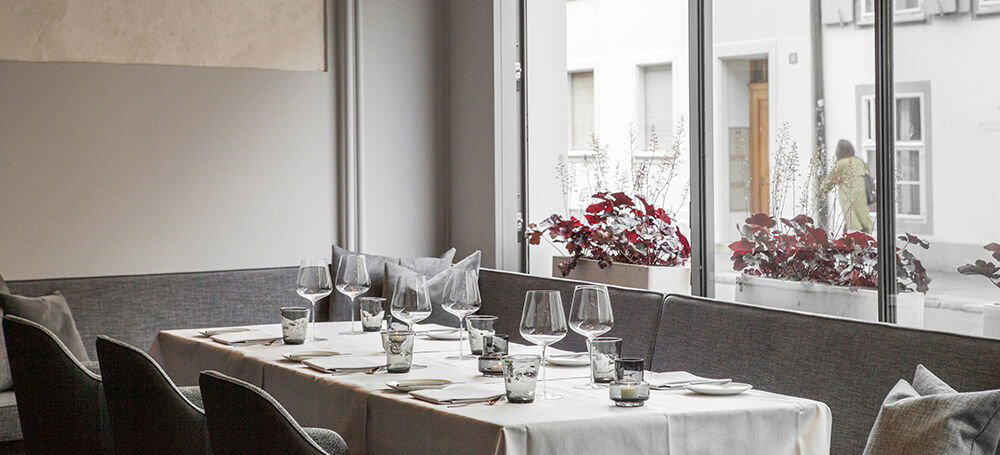
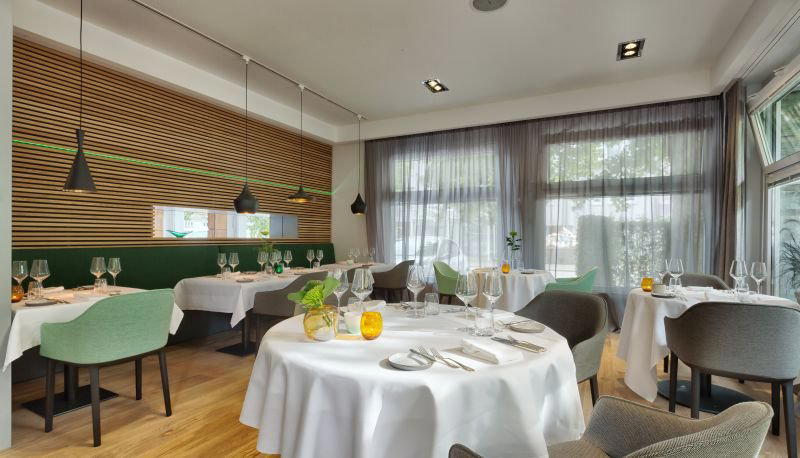
Restaurants in Basel
Browse all →
Bars in Basel
Browse all →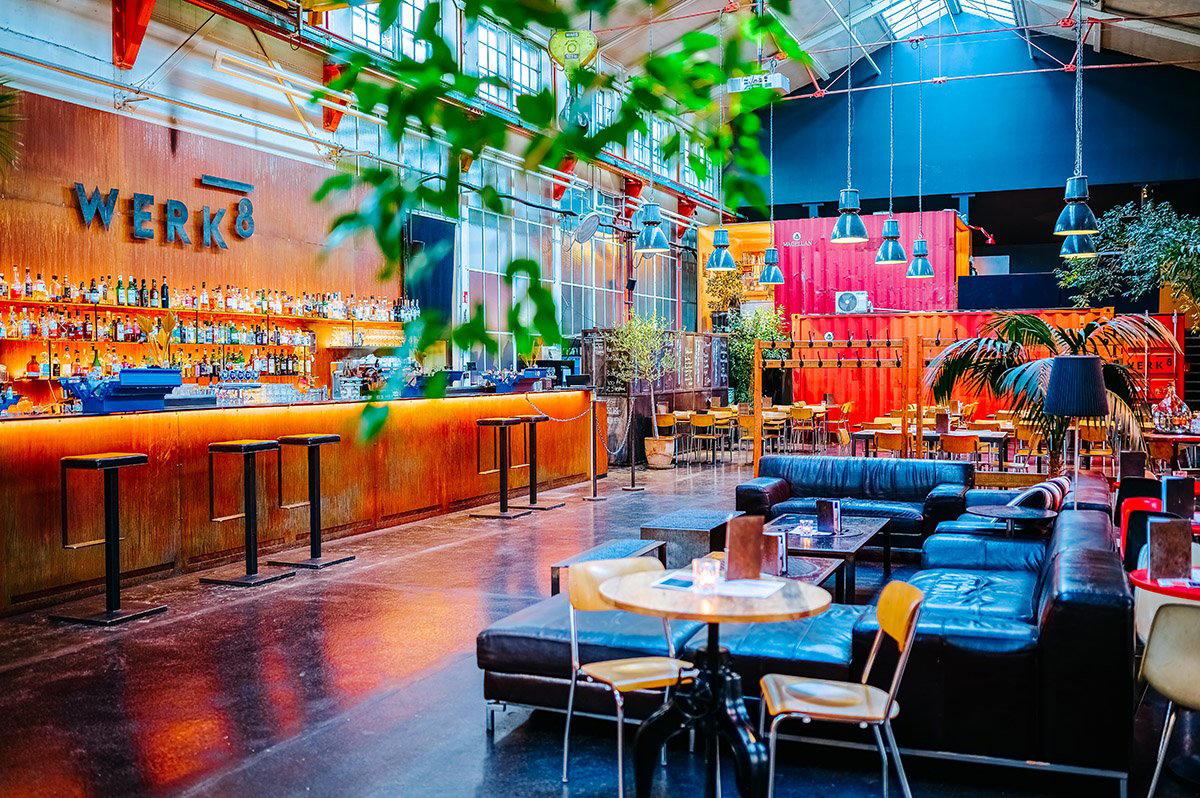

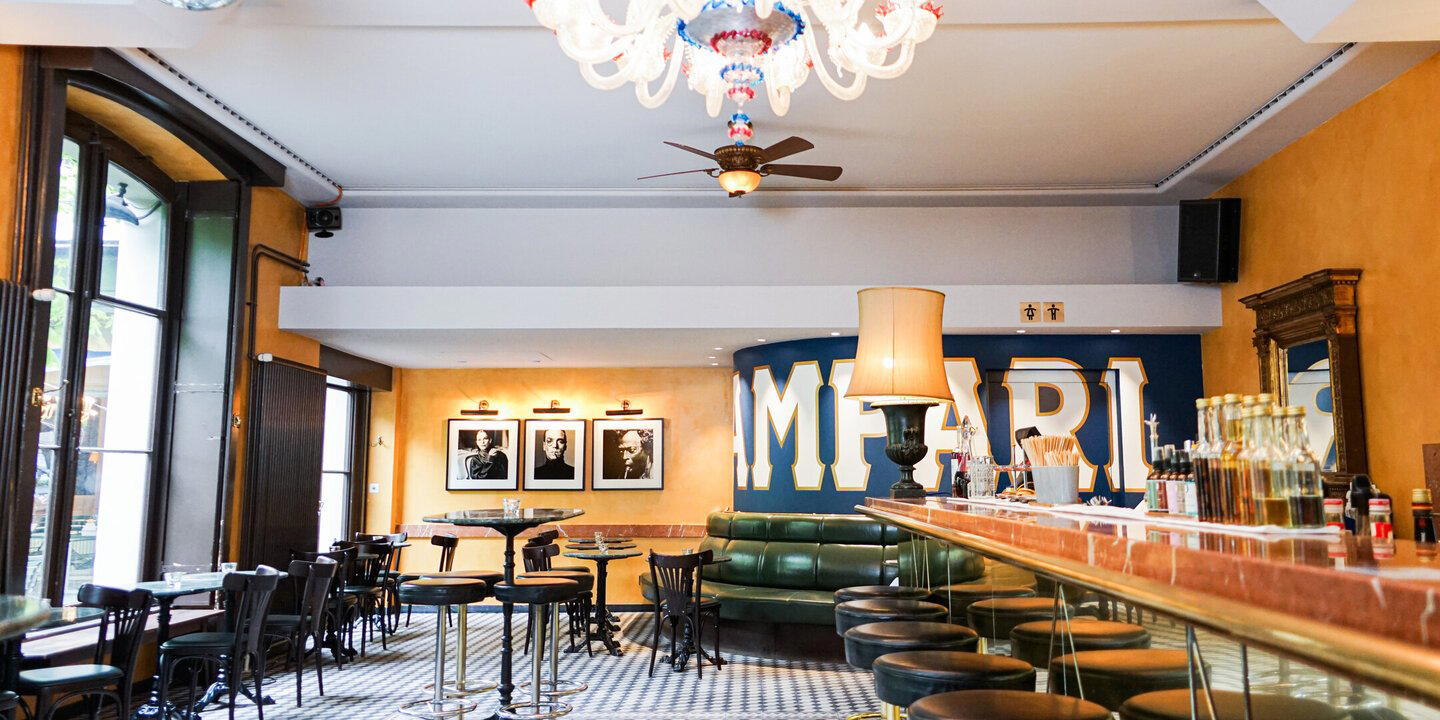

Hotels in Basel
Browse all →

At a Glance
- Lively
- Rustic
- Trendy
- Casual Hangout
- Open Kitchen
- Street Scene
Current opening hours
- Monday
- 11 AM–2 PM, 5–9 PM
- Tuesday
- 9 AM–9 PM
- Wednesday
- 11 AM–2 PM, 5–9 PM
- Thursday
- 11 AM–2 PM, 5–9 PM
- Friday
- 11 AM–10 PM
- Saturday
- 11 AM–10 PM
- Sunday
- Closed
Hours can change for holidays and private events. Last verified .
Inviting casual atmosphere with Turkish street food flair.
Know Before You Go
- Getting there
- Mailand-Strasse 6, 4053 Basel, Switzerland