
Tabelog 100 #93
Our verdict
Matsusaka beef is the point here, but the format matters: Issho Bin Honten treats premium local cattle through yakiniku, izakaya drinking culture, and sukiyaki rather than a single ceremonial mode. Its selection for Tabelog 100 - Yakiniku - WEST - 2025 puts it in the regional conversation for serious grill restaurants, while the room remains broad enough for families, friends, and visitors comparing beef houses across Matsusaka.

Pearl is the En Primeur Club membership app — saves, bookings, and concierge access live there. Same editors, same standards.
- Address
- 232-3 Minamimachi, Matsusaka, Mie 515-0034, Japan
- Phone
- +81 598-26-4457
- Hours
- Daily 11 AM–9:30 PM
- Website
- isshobin.com
- Directions
- Get directions
The menu
What to order
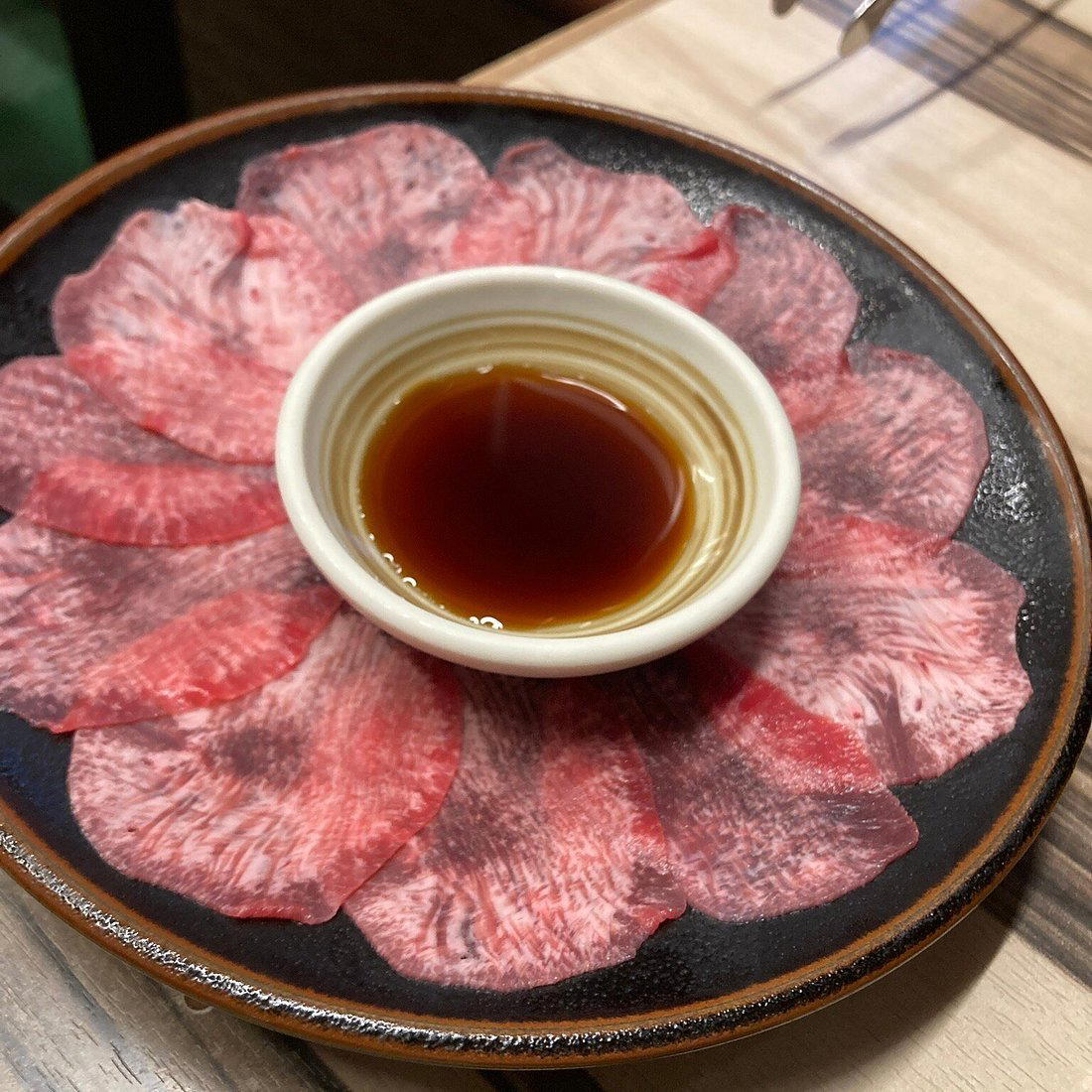
- A5 Matsusaka beef cuts
- Assorted yakiniku platters
- Matsusaka beef bento-style sets
A meal in Matsusaka often reveals a restaurant’s priorities before ordering. Some houses turn the city’s beef reputation into ceremony, with private-room sukiyaki and old-merchant formality. Others make the grill the centre: smoke, shared plates, drinks, and a faster rhythm suited to a city whose name already carries a strong dining identity. Issho Bin Honten belongs to the second camp, a Matsusaka restaurant whose yakiniku, izakaya, and sukiyaki listing points to local dining culture rather than hushed pilgrimage.
That distinction matters in Matsusaka. The city’s beef identity is not just a luxury label but a dining economy, with sukiyaki specialists, steak houses, casual beef meals, and yakiniku counters translating the same regional reputation into different price and social registers. Yakiniku is the useful middle ground: direct enough to make the grill central, informal enough for groups, and precise enough to expose weak handling. Where the city already carries the reputation, the grill leaves fewer places to hide.
Matsusaka beef culture without the private-room theatre
The restaurant’s listed categories, yakiniku, izakaya, and sukiyaki, show how Matsusaka organises part of its dining culture. Sukiyaki frames beef through sweetness, broth, and sequence; steak foregrounds cut and doneness; yakiniku gives control to the table. That suits diners who want to compare a grill-focused meal, pace the evening with drinks, and keep the experience social rather than ceremonial. It also keeps the focus on execution. When the city’s name is attached to the broader beef conversation, the meal is judged less by invention than by how clearly the restaurant lets the format register.
Issho Bin Honten’s 2025 selection for Tabelog 100 - Yakiniku - WEST gives it a credible place within western Japan’s competitive grill category. Its listed Tabelog score of 3.73 adds another useful signal for travellers comparing options in Matsusaka. For a beef-focused city, that recognition suggests the restaurant is not merely benefiting from Matsusaka’s brand halo, but meeting expectations in a category where locals and travellers judge value against other formats in town.
Price puts it in a useful bracket, with dinner listed at JPY 4,000 - JPY 4,999 and lunch at JPY 3,000 - JPY 3,999. Compared with Beef Club Noel, Issho Bin Honten reads as a flexible yakiniku choice without turning the meal into a more formal steak-house occasion. Against Matsujirou no Mise Matsusaka honten, the point is not bargain hunting but access to a fuller grill-and-drink meal. Other Matsusaka dining rooms show the formal side of the city’s beef culture, while more casual local restaurants remind visitors that the meat conversation is wider than branded beef alone, especially for travellers tracking how working restaurants handle grill traditions.
The room suits groups, but the format keeps it serious
The format changes the tone. A restaurant built around yakiniku, izakaya, and sukiyaki categories naturally speaks to a broader audience than a tiny destination counter. That does not make it less useful for food-focused travellers. In Matsusaka, breadth can be an advantage: a restaurant that works for shared meals also shows how the city’s prized dining identity circulates beyond special-occasion rooms.
The social signal is not incidental. A mixed group can order across grill, izakaya-style dishes, and sukiyaki categories without forcing the evening into a rigid tasting structure. For visitors, that flexibility is practical; for understanding Matsusaka, revealing. The city’s beef culture is not preserved only in polished dining rooms. It lives where table grills and shared plates make the local restaurant scene part of ordinary social eating.
There is also a useful lesson in restraint. The restaurant does not need an elaborate chef narrative. In ingredient-led regions, the key question is how the format handles the meal. Yakiniku makes dining tactile and comparative: diners move between cooking times, and the table becomes part of the evaluation. Sukiyaki folds the meal into seasoning and sequence. Offering both categories gives travellers a compact view of two important local beef languages, even before higher-priced steak specialists or long-running sukiyaki houses such as Wadakin and 和田金.
How to place it in a Matsusaka itinerary
For a first meal in town, Issho Bin Honten works as a calibrated introduction rather than a trophy booking. Its appeal is the combination of recognisable Matsusaka dining culture, Tabelog 100 recognition, and a format that does not demand the solemnity of a private-room sukiyaki dinner. Travellers building a wider Mie food route can use it as the yakiniku anchor, then compare the city’s other beef expressions through the full Matsusaka restaurants guide. The broader planning frame also matters: the Matsusaka hotels guide, Matsusaka bars guide, Matsusaka wineries guide, and Matsusaka experiences guide help separate a single meal from a properly paced regional stay.
Readers tracking Japanese grill culture beyond Mie can compare the dining grammar here with other restaurants in Japan, or look sideways at charcoal and casual-specialist formats in larger cities. The wider EP Club map runs from neighbourhood cafes and sake bars to curry counters and onigiri shops, but Matsusaka remains distinct: few cities are so tightly identified with one ingredient, and fewer still offer so many ways to test how it is handled.
The editorial read is simple: choose Issho Bin Honten when the goal is a social grill format in Matsusaka, backed by regional recognition and enough range for a mixed table. Choose a more formal sukiyaki or steak house when ceremony is the point. In Matsusaka, that distinction is not secondary; it shapes the meal.
Frequently asked questions
Can I bring kids to Issho Bin Honten?
Issho Bin Honten is best understood as a Matsusaka restaurant listed for yakiniku, izakaya, and sukiyaki. For family arrangements, confirm details directly with the restaurant before visiting.
What is the atmosphere like at Issho Bin Honten?
It reads as a social Matsusaka restaurant rather than a purely ceremonial dining room, with yakiniku, izakaya and sukiyaki all part of its listed categories.
Is Issho Bin Honten expensive?
Pricing at Issho Bin Honten is listed as Dinner: JPY 4,000 - JPY 4,999; Lunch: JPY 3,000 - JPY 3,999.
What are the opening hours for Issho Bin Honten?
Opening hours are not specified here. Contact Issho Bin Honten directly before planning a visit.
What part of town is Issho Bin Honten in?
Matsusaka.
What makes Issho Bin Honten worth seeking out?
The draw is its Tabelog 100 Yakiniku WEST 2025 selection, which gives it standing in Matsusaka. It also sits in a moderate listed budget range and carries a Tabelog score of 3.73.
How It Stacks Up
Comparable venues by cuisine and price in the same metro.
| Venue | Cuisine | Price | Awards | Notes |
|---|---|---|---|---|
| Issho Bin HontenThis venue — the venue you are viewing | Matsusaka Beef Yakiniku | $30–50 | Tabelog 100 #93 | Not listed |
| Shibousai Kitagawa | Creative Chinese-Japanese Farmhouse Dining | $200–300 | Not listed | Isederacho |
| Maeshima Shokudo | Matsusaka chicken yakiniku & Japanese grilled chicken | $10–20 | Tabelog 100 #29 | / Okawachicho |
| Yoshokuya Gyugin | Yoshoku-style Matsusaka beef | $20–30 | Tabelog 100 #45 | Uomachi |
| Tori Yuu | Japanese Chicken Yakiniku & Yakitori | $20–30 | Tabelog 100 #90 | / Matsusaka |
| 和田金 | Matsusaka Beef Japanese | Not listed | Tabelog Bronze #508 | Matsusaka |
Recognition history
Dated appearances from independent guides and award organizations, with the underlying list record or original source where available.
Tabelog 100 #93 · No. 93
Tabelog · Tabelog 100 - Yakiniku - WEST - 2025
Continue exploring
More in Matsusaka
Restaurants in Matsusaka
Browse all →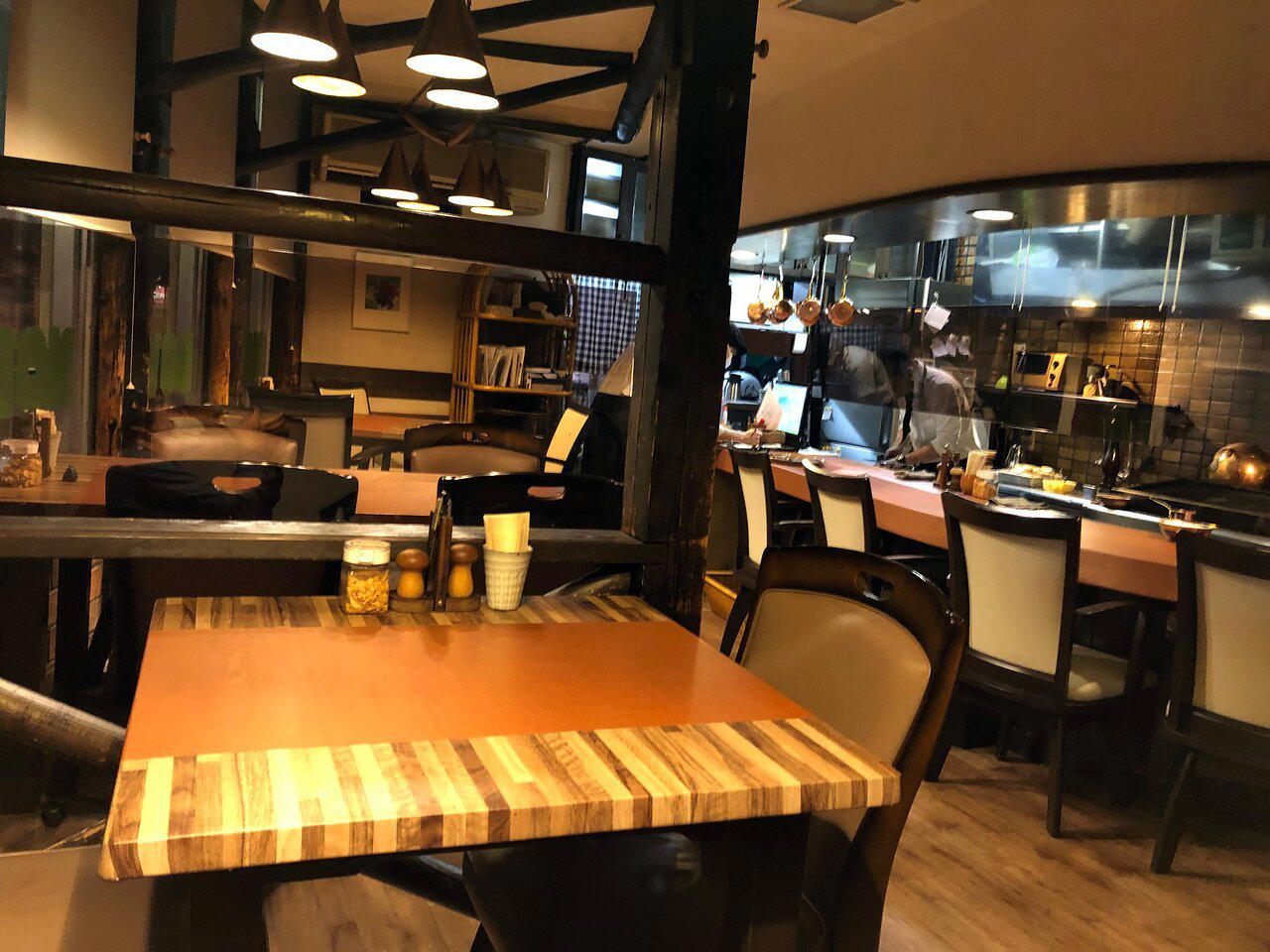
Bars in Matsusaka
Browse all →
Details
- Lively
- Cozy
- Classic
- Energetic
- Group Dining
- Family
- Casual Hangout
- Date Night
- After Work
- Celebration
- Standalone
- Private Dining
- Sake Program
- Beer Program
- Local Sourcing
- A La Carte
- Family Style
- Sake
- Beer
- Pescatarian Friendly
Current opening hours
- Monday
- 11 AM–9:30 PM
- Tuesday
- 11 AM–9:30 PM
- Wednesday
- 11 AM–9:30 PM
- Thursday
- 11 AM–9:30 PM
- Friday
- 11 AM–9:30 PM
- Saturday
- 11 AM–9:30 PM
- Sunday
- 11 AM–9:30 PM
Hours can change for holidays and private events. Last verified .
Bustling, casual yakiniku dining room with table grills, warm lighting and a local, salaryman-friendly atmosphere focused on enjoying high-quality Matsusaka beef in a relaxed setting.