
Tabelog 100 #72
Our verdict
Matsusaka’s beef culture is not a generic wagyu story; it is a civic identity built around cattle, hot pot, and rooms designed for slow meals. Gyugin Honten belongs to the formal gyunabe and sukiyaki side of that tradition, with Tabelog 100 Hot Pot 2024 recognition, tatami-room service, private rooms, and a format that suits travellers treating Matsusaka beef as the reason for the trip.

Pearl is the En Primeur Club membership app — saves, bookings, and concierge access live there. Same editors, same standards.
- Address
- 1618 Uomachi, Matsusaka, Mie 515-0082, Japan
- Phone
- +81 598-21-0404
- Hours
- Mon–Wed ClosedThu–Sun 11 AM–8 PM
- Website
- gyugin-honten.co.jp
- Directions
- Get directions
The menu
What to order
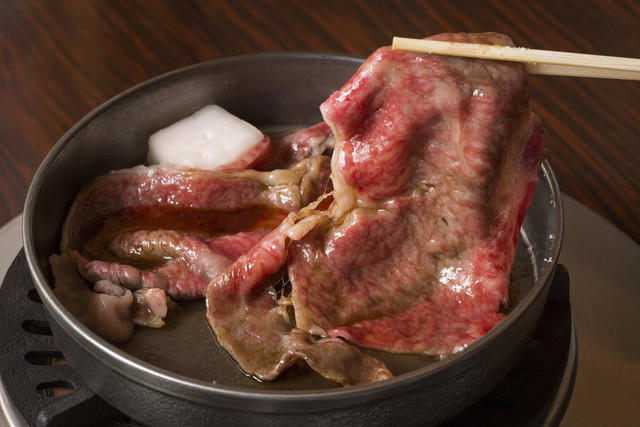
- Matsusaka beef sukiyaki
- Mizutaki (Matsusaka beef shabu‑shabu hot pot)
- Amiyaki grilled Matsusaka beef fillet
The approach to traditional hot pot in Matsusaka is physical before it is culinary: the room, the table, and the shared pace of cooking shape the meal before the first bite. In a city whose dining reputation is often tied to destination meals, that kind of setting matters. It frames the meal not as a quick luxury stop but as a seated occasion, shared slowly, and judged by texture, seasoning, pacing, and restraint rather than spectacle.
Gyugin Honten sits in that sukiyaki and nabe lane, the side of Matsusaka dining that treats hot pot with ceremony. Tabelog selected it for the 2024 Tabelog 100 Hot Pot list, a useful signal in a category where reputation can blur into tourism shorthand. The distinction places the restaurant in Japan’s serious hot pot conversation rather than merely the city’s dining-travel circuit.
Matsusaka hot pot treated as tradition, not a spectacle
Matsusaka dining is often discussed through local prestige and planned meals, but the city’s more revealing tables can be built around nabe and sukiyaki. These formats expose balance. Sweet soy seasoning can flatter a meal, but it can also flatten it; the better houses keep the focus on the cut, the pace of cooking, and the rhythm of eating. That is why hot pot recognition carries weight here. It rewards control of a format that looks simple until it is overhandled.
The menu category is sukiyaki and nabe, which puts the meal closer to traditional Japanese hot pot cookery than to the grill-led experiences travellers often seek first. That distinction is useful when comparing Matsusaka options. Beef Club Noel occupies a different place on the city’s dining map, while Matsujirou no Mise Matsusaka honten represents another way to plan around Matsusaka dining. Yoshokuya Gyugin, linked by name and local food culture, points toward a different register, and Wadakin remains an obvious reference point for travellers studying Matsusaka sukiyaki. The more interesting question is not which name is louder. It is which format matches the meal being planned.
For diners coming to Matsusaka specifically for a focused local meal, Gyugin Honten makes sense when the priority is a settled dining ritual. The available category information points clearly to sukiyaki and nabe rather than a quick regional-food stop, so the restaurant is best approached as a table for a focused hot pot meal and a slower conversation around Matsusaka dining.
A measured hot pot setting keeps the meal in a traditional register
The room supports the food’s formality in the broad sense: this is a hot pot restaurant where the table and the sequence of cooking are part of the experience. That matters in Matsusaka, where destination meals often function as family gatherings, business hosting, or a planned detour from wider regional travel rather than spontaneous grazing. The setting keeps the meal domestic in posture but formal in cadence.
There is also practical intelligence embedded in the format. Sukiyaki and nabe are naturally social meals, built for sharing, pacing, and conversation. For travellers choosing among Matsusaka restaurants, that makes the decision less about chasing the loudest name and more about choosing the format that suits the occasion. The useful conclusion is clear: this is a serious table for diners who want the city’s hot pot tradition, not only a trophy dinner.
The traditional atmosphere implied by the category is not incidental nostalgia. Matsusaka’s dining identity is tied to forms of cooking that make the table part of the performance, and sukiyaki has long carried that association with shared, deliberate eating. Remove the meal from that setting and it becomes another premium stop; keep it there and the city’s dining culture does some of the work.
How to place it within a Matsusaka itinerary
For a city-specific eating plan, the sharper approach is to avoid repeating the same format across every meal. A formal sukiyaki or nabe sitting can anchor one day, while other dining in Matsusaka can fill the rest. Nearby and comparable planning options include other Matsusaka dining rooms, each useful for seeing how the city’s food culture moves between specialist meals and everyday local appetite.
The editorial case for Gyugin Honten is strongest when the meal is meant to explain Matsusaka rather than simply check off a famous name. The Tabelog 100 Hot Pot 2024 selection, the 3.76 Tabelog score, and the sukiyaki-and-nabe category all point in the same direction: a restaurant that belongs to the city’s formal hot pot tradition. Travellers building a broader plan can start with Our full Matsusaka restaurants guide, then pair the meal with Our full Matsusaka hotels guide, Our full Matsusaka bars guide, Our full Matsusaka wineries guide, and Our full Matsusaka experiences guide.
For wider Japanese dining context, compare the regional specificity here with other dining in Japan, or move away from hot pot entirely through broader restaurant and bar itineraries in other cities. The point of the comparison is scale: Matsusaka rewards specificity, and this table is built around a traditional format handled through a local dining culture.
Frequently asked questions
Can I bring kids to Gyugin Honten?
Check directly with Gyugin Honten for current policies and suitability for family meals in Matsusaka.
What should I expect atmosphere-wise at Gyugin Honten?
Expect a Matsusaka restaurant focused on sukiyaki and nabe, with Tabelog 100 Hot Pot 2024 recognition backing its standing.
What should I budget for a meal at Gyugin Honten?
Pricing at Gyugin Honten is listed as JPY 10,000 - JPY 14,999 JPY 10,000 - JPY 14,999.
What is Gyugin Honten known for?
Gyugin Honten is known for sukiyaki and nabe in Matsusaka, and was selected for the 2024 Tabelog 100 Hot Pot list.
A Quick Peer Check
Comparable venues by cuisine and price in the same metro.
| Venue | Cuisine | Price | Awards | Notes |
|---|---|---|---|---|
| Gyugin HontenThis venue — the venue you are viewing | Matsusaka beef sukiyaki & hotpot | $50–100 | Tabelog 100 #72 | Not listed |
| Issho Bin Honten | Matsusaka Beef Yakiniku | $30–50 | Tabelog 100 #93 | : Matsusaka |
| Matsuzaka Kaizu Honten | Traditional Matsusaka beef sukiyaki & yakiniku | $50–100 | Tabelog 100 #48 | Ichibashocho / Matsusaka |
| Beef Club Noel | Matsusaka beef steakhouse | $50–100 | Tabelog 100 #63 | Kyomachi |
| Yoshokuya Gyugin | Yoshoku-style Matsusaka beef | $20–30 | Tabelog 100 #45 | Uomachi |
| 私房菜 きた川 | Nouvel Chinois with Japanese Sensibility | $300–500 | Not listed | Isederachō, Matsusaka outskirts |
Recognition history
Dated appearances from independent guides and award organizations, with the underlying list record or original source where available.
Tabelog 100 #72 · No. 72
Tabelog · Tabelog 100 - Hot Pot - 2024
Continue exploring
More in Matsusaka
Restaurants in Matsusaka
Browse all →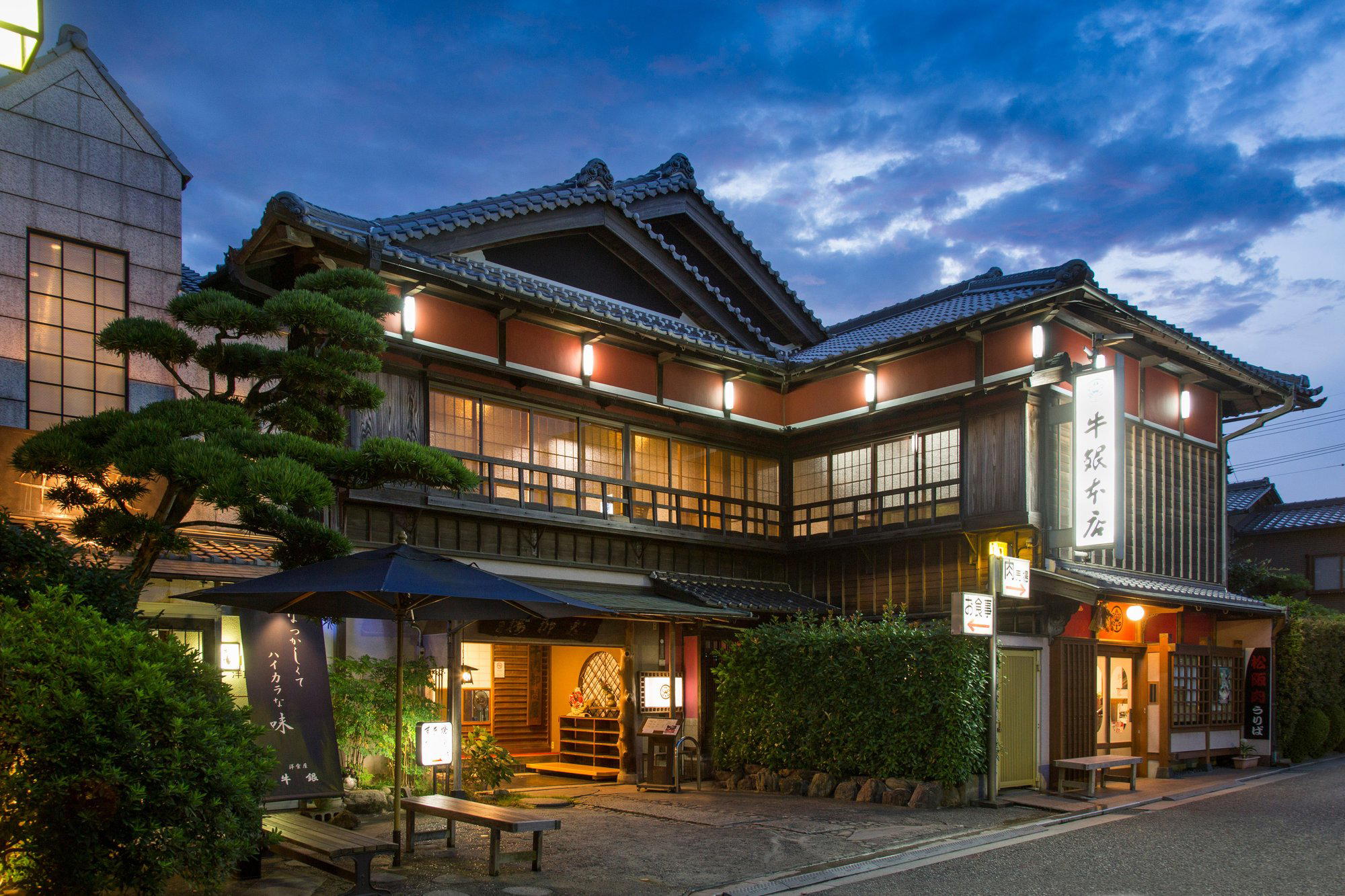
Bars in Matsusaka
Browse all →
Details
- Classic
- Well Known
- Cozy
- Intimate
- Elegant
- Special Occasion
- Celebration
- Date Night
- Business Dinner
- Group Dining
- Historic Building
- Standalone
- Private Dining
- Design Destination
- Extensive Wine List
- Sake Program
- Local Sourcing
- A La Carte
- Set Menu
- Family Style
- Sake
- Wine
- Shochu
Current opening hours
- Monday
- Closed
- Tuesday
- Closed
- Wednesday
- Closed
- Thursday
- 11 AM–8 PM
- Friday
- 11 AM–8 PM
- Saturday
- 11 AM–8 PM
- Sunday
- 11 AM–8 PM
Hours can change for holidays and private events. Last verified .
Traditional Japanese townhouse atmosphere with tatami rooms and low tables in a stately early‑Showa wooden building, blending into the preserved castle‑town streetscape of Uomachi; the mood is calm, intimate, and nostalgic rather than flashy.