
Tabelog 100 #95
Our verdict
A seven-seat counter in Sapporo’s Susukino orbit, Isono Kazuo sits in the city’s late-night ramen culture rather than the polished tasting-menu economy. Its Tabelog 100 Ramen Hokkaido 2025 selection, counter-only format, and low posted price band make it a sharp value play for travelers who want Sapporo ramen with local recognition rather than ceremony.

Pearl is the En Primeur Club membership app, where members save venues, book tables and use the concierge.
The menu
What to order
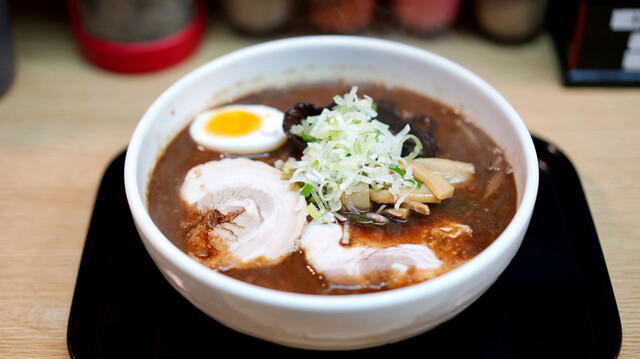
- Sapporo Black ramen
- Shio (salt) ramen
- White miso ramen
- Spicy miso ramen
In Sapporo, ramen is not a consolation prize after dinner; it is part of the city’s dining grammar. The city has long treated a bowl as a final stop, a reset button, and sometimes the main event. Isono Kazuo belongs to that compact version of Sapporo eating: focused pacing, quick turnover, and a room built for people who know exactly why they are there.
The value proposition is unusually clear. Sapporo can pull travelers toward seafood counters, lamb grills, curry shops, and hotel dining rooms, but ramen compresses the city’s appetite into a lower-stakes format. Here, the signal is not luxury service or chef theatre. It is recognition within a ramen category that locals take seriously, a listed price bracket of - JPY 999, and selection for Tabelog 100 Ramen Hokkaido 2025. In a city where winter, beer, and practical meals all make hot bowls feel logical, that combination matters.
A Sapporo ramen shop in a city built for the final bowl
Hokkaido ramen carries different expectations from more formal destination dining. Sapporo’s ramen identity is tied to warmth, density, and everyday utility, shaped by a northern climate and a city that takes the category seriously. The point is not to stretch the meal. The point is to deliver a bowl with enough force to justify the trip, the wait, and the focused format.
Isono Kazuo fits that Sapporo pattern more than the contemporary destination-restaurant model. The experience stays narrow and direct: order, eat, move on. That format also explains why the economics feel compelling. Compared with Sapporo restaurants in higher evening brackets, including Local Chinese Food Shifan or steak-and-hamburg specialists such as STEAK&HAMBURG HIGE Sapporo minami 5 jou honten, ramen operates with a different contract. The spend is modest, but the scrutiny is not. A recognized ramen shop has to survive repeat local use, not just visitor curiosity.
That is where the Tabelog 100 selection is useful. It does not turn a bowl of ramen into fine dining, and it should not be read that way. It does place the shop inside a curated Hokkaido ramen field, where casual format and serious evaluation coexist. Menya Suzuran sits in a similar affordable ramen conversation, which makes the comparison instructive: Sapporo’s lower-spend ramen shops can carry more editorial weight than their price suggests.
The appeal is efficiency, not ceremony
The format changes the reader’s expectations. This is not a place to linger over courses, negotiate pairings, or turn dinner into an evening’s architecture. It is a short-form meal, and that brevity is part of the pleasure. In premium travel terms, the value is not measured by linen, glassware, or room design. It is measured by whether a small cash outlay buys entry into a food habit that actually belongs to the city.
That distinction matters in Sapporo, where visitors often over-index on the obvious categories: snow-season seafood, crab, soup curry, and jingisukan. Ramen is just as central, but it is easier to misunderstand because it looks casual. A focused ramen shop with no need for ceremony asks for a different kind of planning: flexibility, patience, and a willingness to treat the meal as part of the day rather than a fixed appointment.
For travelers mapping a food-led Sapporo stay, the useful move is to separate categories rather than rank them against one another. Other Sapporo dining rooms speak to different local appetites, from spice-focused meals to broader regional cooking and polished evening plans. Isono Kazuo is narrower than those options, which is precisely the argument for it.
The shop’s recognition also adds weight. Selection for Tabelog 100 Ramen Hokkaido 2025 gives it a place inside a competitive local category shaped by repeat habits, review culture, and Sapporo’s serious ramen audience. So is the practical simplicity: a focused ramen format, no elaborate service layer, and no need to pretend the meal is anything other than what it is. The bowl has to carry itself.
How to place it in a Sapporo itinerary
The smartest use is as a focused ramen stop rather than the anchor of a whole evening. Pair it with Sapporo drinking, a casual food crawl, or a day when a formal restaurant would feel misjudged. The surrounding city rewards movement, and the format aligns with that rhythm. Travelers building a broader plan can start with Our full Sapporo restaurants guide, then balance dining with Our full Sapporo hotels guide, Our full Sapporo bars guide, Our full Sapporo wineries guide, and Our full Sapporo experiences guide.
As a Japan-wide comparison point, this is not the same decision as booking a formal regional specialty meal, a polished Tokyo counter, or café time elsewhere in the country. Those belong to different trip structures. For contrast across Japan and abroad, look at other dining formats generically: beef-focused meals, sushi-adjacent drinking, casual cafés, and Japanese formats overseas all carry a different sense of pace and price.
The editorial case is simple: this is a low-spend, high-specificity ramen stop in a city that rewards practical eating. It will not suit travelers looking for a long meal, a large table, or a polished dining room. It will suit those who understand that in Sapporo, a serious bowl can be brief, direct, and far more revealing than another expensive dinner.
Frequently asked questions
What kind of setting is Isono Kazuo?
It is a ramen shop in Sapporo with a focused rhythm suited to a quick bowl rather than a long, formal meal.
What's the price range at Isono Kazuo?
Pricing at Isono Kazuo is listed as - JPY 999.
What days is Isono Kazuo closed?
Specific closing-day details are not provided in the available ground truth. Check the venue's official channels for the latest details.
Where exactly is Isono Kazuo?
Sapporo.
What's the signature at Isono Kazuo?
No named signature bowl is listed in the available ground truth. The clearest markers are the ramen format and its selection for Tabelog 100 Ramen Hokkaido in 2025. Check the venue's official channels for the latest details.
Can Isono Kazuo accommodate dietary restrictions?
Those details are not provided in the available ground truth. Check the venue's official channels for the latest details.
Credentials Lens
Comparable venues by cuisine and category.
| Venue | Cuisine | Price | Awards | Notes |
|---|---|---|---|---|
| Isono KazuoThis venue (the venue you are viewing) | Late‑night Sapporo Black Ramen | $10–20 | Tabelog 100 #95 | Not listed |
| Bem Bera network company | Sapporo soup curry | $10–20 | Tabelog 100 #67 | Chūō |
| Ame wa, Yasashiku NO,2 | Modern Sapporo ramen (chicken paitan & scallop) | $10–20 | Tabelog 100 #34 | Higashi |
| THIRTY FOUR | Soup curry restaurant | $10–20 | Tabelog 100 #41 | Toyohira |
| TORA | Ramen shop | Not listed | Tabelog 100 #68 | Kiyota |
| Kiraito | Classic Sapporo ramen shop | $10–20 | Tabelog 100 #66 | Chūō |
Recognition history
Dated appearances from independent guides and award organizations, with the underlying list record or original source where available.
Tabelog 100 #95 · No. 95
Tabelog · Tabelog 100 - Ramen - HOKKAIDO - 2025
Continue exploring
More in Sapporo
Restaurants in Sapporo
All restaurants in Sapporo →
Bars in Sapporo
All bars in Sapporo →
Details
- Lively
- Energetic
- Cozy
- Solo
- Late Night
- Casual Hangout
- After Work
- Chefs Counter
- Standalone
- A La Carte
- Counter Dining
Current opening hours
- Monday
- 10 PM–12 AM
- Tuesday
- 12–6 AM, 10 PM–12 AM
- Wednesday
- 12–6 AM, 10 PM–12 AM
- Thursday
- 12–6 AM, 10 PM–12 AM
- Friday
- 12–6 AM, 10 PM–12 AM
- Saturday
- 12–6 AM, 10 PM–12 AM
- Sunday
- 12–6 AM
Hours can change for holidays and private events. Hours as of .
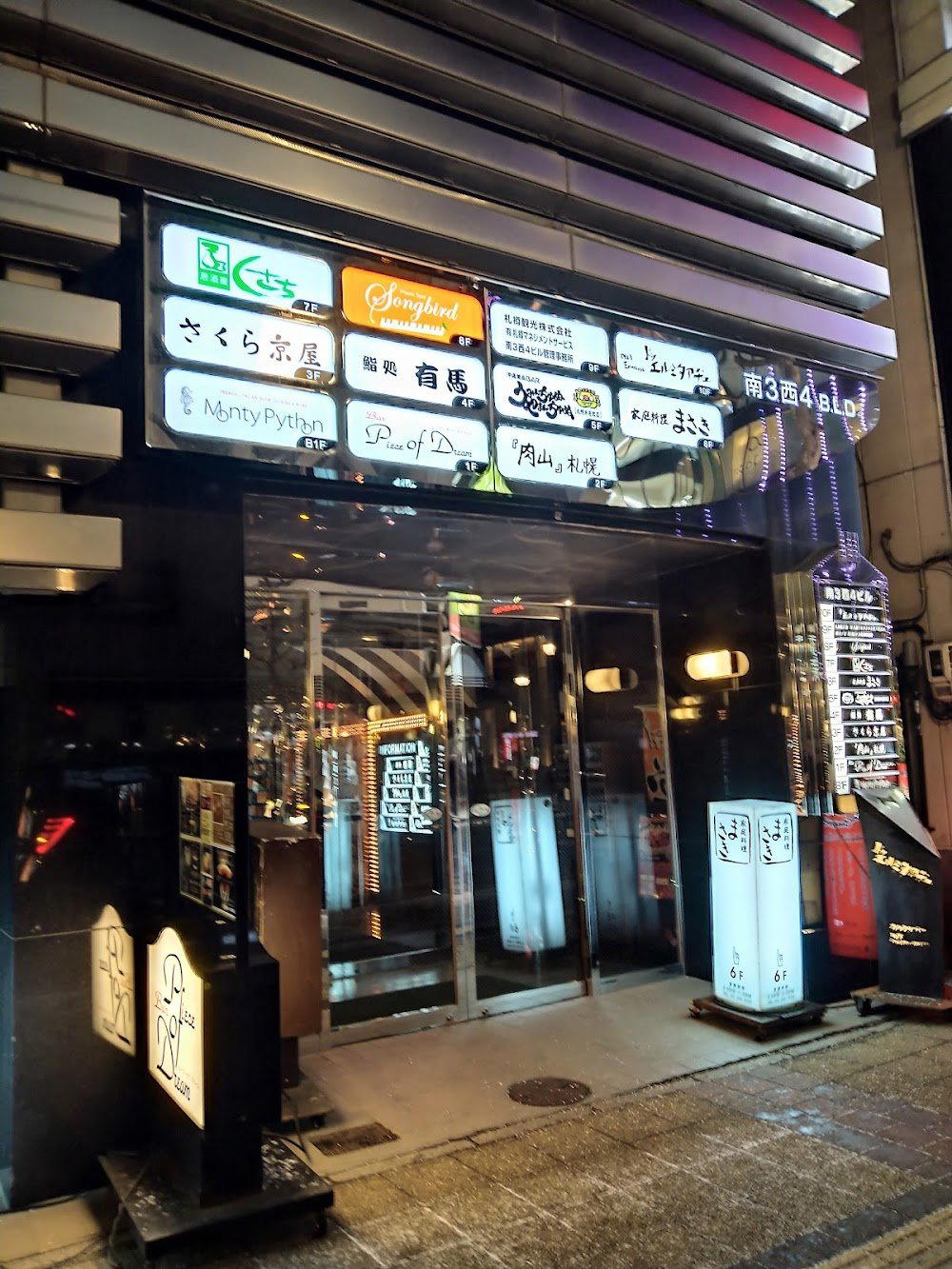
A small, counter‑only late‑night ramen shop tucked inside a building, with a bustling, energetic atmosphere as people line up after drinking; lighting is functional rather than decorative, emphasizing the bowl over decor and giving a classic no‑frills ramen‑ya feel.