Ishihara occupies a quiet address on Schottengasse in Nuremberg's old town, placing Japanese culinary tradition inside one of Bavaria's most historically layered cities. The restaurant sits within a dining scene that has grown more internationally minded over the past decade, alongside recognised names such as Essigbrätlein and etz. Booking ahead is strongly advised for this compact address.
Pearl is the En Primeur Club membership app — saves, bookings, and concierge access live there. Same editors, same standards.
- Address
- Schottengasse 3, 90402 Nürnberg, Germany
- Phone
- +4949911226395
- Website
- ishihara.de
- Directions
- Get directions
 Saves & bookings on Pearl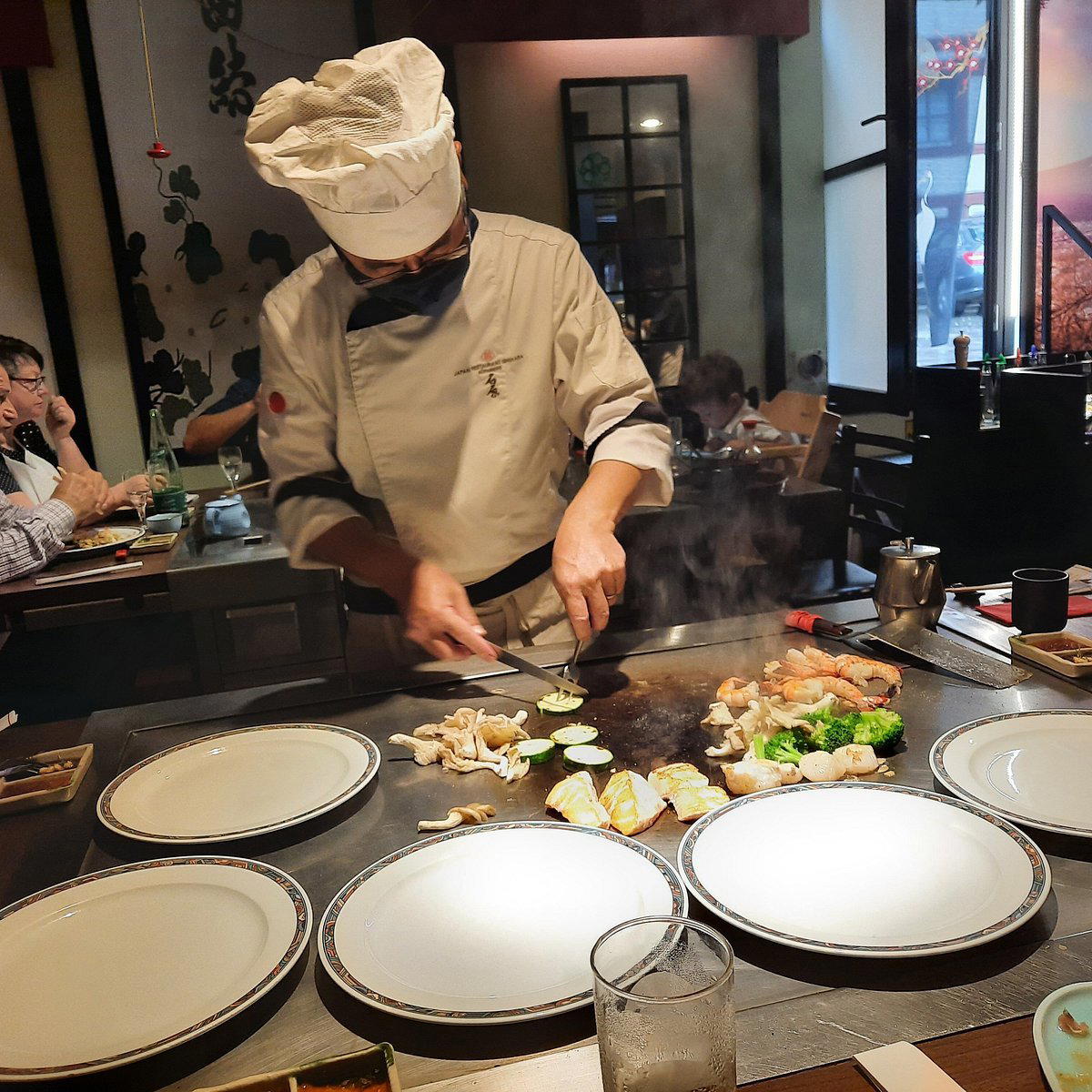
A Japanese Table in a Franconian City
Nuremberg's restaurant scene has spent the past decade quietly diversifying beyond its bratwurst-and-schäufele identity. The city that once defined German dining through its street food and Christmas markets now houses a cluster of ambitious kitchens, several operating at the €€€€ price point alongside Michelin-recognised names such as Essigbrätlein and Tisane. Into that evolving context, Japanese restaurants occupy a specific and still-rare niche: they carry the weight of a culinary tradition with its own internal hierarchy, its own seasonality logic, and its own set of guest expectations that sit largely outside the Michelin-European framework most Nuremberg diners use as a reference point.
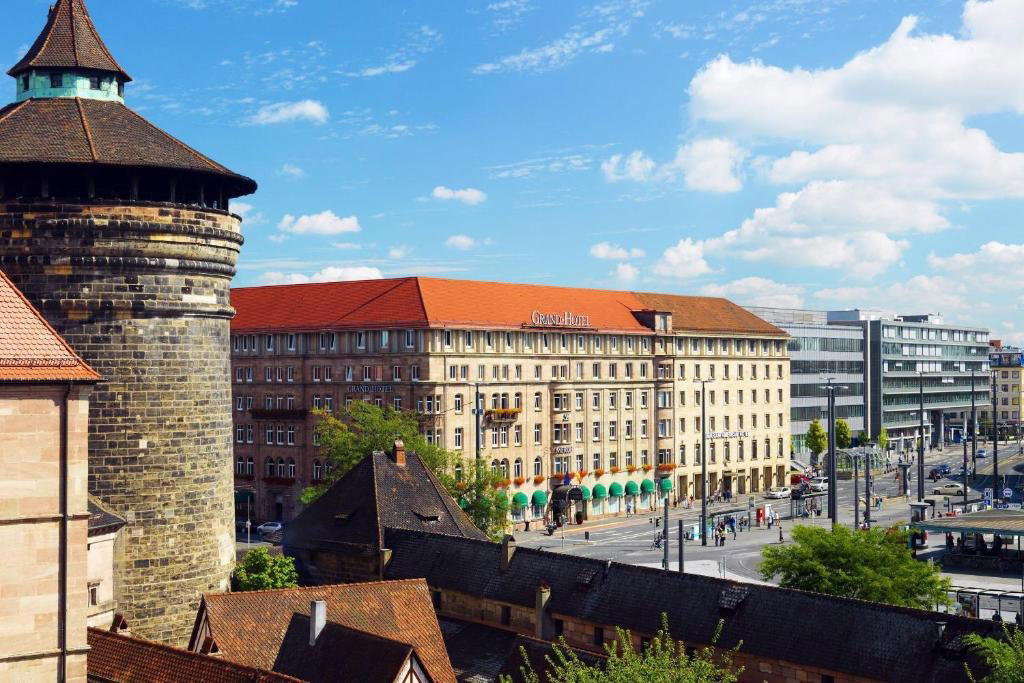
Ishihara sits on Schottengasse 3, a short street inside the old town's medieval street grid, close enough to the Hauptmarkt to benefit from foot traffic but set back enough to function as a destination rather than a passing option. The address itself signals something about positioning: this is not a restaurant that needs a corner site or a billboard. The approach along Schottengasse, with its narrow Franconian stonework and low facades, creates the kind of arrival contrast that defines the experience of Japanese dining in a European historic centre. You are inside one of Germany's most architecturally preserved medieval cores, and you are about to sit down to a cuisine whose own relationship with space, precision, and restraint runs just as deep.
Japanese Dining in Germany: Where Ishihara Fits
Germany's Japanese restaurant tier has expanded considerably since the early 2000s, when credible options were concentrated almost entirely in Frankfurt, Düsseldorf, and the larger Hamburg and Munich markets. Düsseldorf remains the reference point for Japanese dining in Germany, with a community of several thousand Japanese residents sustaining a density of authentic operators that no other German city matches. Berlin has moved in a different, more experimental direction, represented by operators such as CODA Dessert Dining in Berlin, which applies a similarly rigorous, counter-culture precision to its format.
Nuremberg sits outside all of those established clusters. It is a mid-sized Bavarian city with a strong regional food identity and a dining public that has shown increasing appetite for formats beyond the regional canon. The arrival of etz and Entenstuben at serious price points, alongside the long-standing recognition earned by Essigbrätlein, has shifted expectations enough that a focused Japanese restaurant can now find an audience willing to engage with the cuisine on its own terms rather than treating it as a novelty alongside ramen and conveyor-belt sushi.
That shift matters because Japanese fine dining demands a particular kind of guest literacy. Whether the format at Ishihara runs toward omakase, kaiseki-influenced plating, or a more hybrid European-Japanese approach, the cuisine's logic is built on restraint, sequence, and an attentiveness to ingredient quality that rewards diners who come with some background knowledge. Internationally, the standard for how Japanese technique translates into a fine dining context is set by operations like Atomix in New York City and the seafood precision of Le Bernardin in New York City, both of which demonstrate how a cuisine rooted in a specific cultural tradition can achieve critical mass in a market not native to it.
Cultural Roots and What They Demand of a Room
Japanese cuisine carries among the more codified relationships between food and space of any major culinary tradition. The idea that a meal should reflect the season, that the vessel matters as much as what it holds, and that silence and precision are as valid as spectacle, places specific demands on any restaurant that takes the tradition seriously. These are not aesthetic preferences so much as structural principles, and restaurants that apply them tend to operate small rooms, train staff carefully in sequencing and explanation, and resist the kind of high-turnover table management that characterises most European bistro formats.
In Germany's broader fine dining conversation, the kitchens that have earned the deepest recognition share a comparable attention to internal logic. Schwarzwaldstube in Baiersbronn, Vendôme in Bergisch Gladbach, and Victor's Fine Dining by christian bau in Perl all operate from a similarly disciplined premise: the menu is constructed with an internal argument, each course building on the last, and the room is designed to support that argument rather than compete with it. Waldhotel Sonnora in Dreis, Aqua in Wolfsburg, Restaurant Haerlin in Hamburg, Schanz in Piesport, and ES:SENZ in Grassau each represent a strand of German fine dining where occasion and sequence take precedence over informality. A seriously operated Japanese restaurant belongs to that same category of intent, regardless of its address.
Planning a Visit
Ishihara is located at Schottengasse 3 in Nuremberg's Altstadt, placing it within walking distance of the central U-Bahn and S-Bahn interchange at Hauptbahnhof, approximately ten minutes on foot through the old town. For visitors arriving by rail from Munich or Frankfurt, the city is served by frequent ICE connections, making a same-day or overnight visit viable without a car. Given the compact nature of Nuremberg's Altstadt dining cluster, a meal at Ishihara pairs naturally with earlier or later visits to Koch und Kellner or the broader selection covered in our full Nuremberg restaurants guide.
Reservations at focused Japanese restaurants in smaller German cities tend to book out further in advance than comparable European fine dining at the same price point, as capacity is typically lower and the operator profile attracts a loyal repeat clientele. Arriving without a booking is a risk worth taking seriously.
How Ishihara Nuremberg compares with similar nearby venues.
| Venue | Cuisine | Price |
|---|---|---|
| MINNECI | Italian | €€€ |
| Tisane | Modern European, Modern Cuisine | €€€€ |
| Imperial by Alexander Herrmann | International | €€€€ |
Continue exploring
More in Nuremberg
Restaurants in Nuremberg
Browse all →
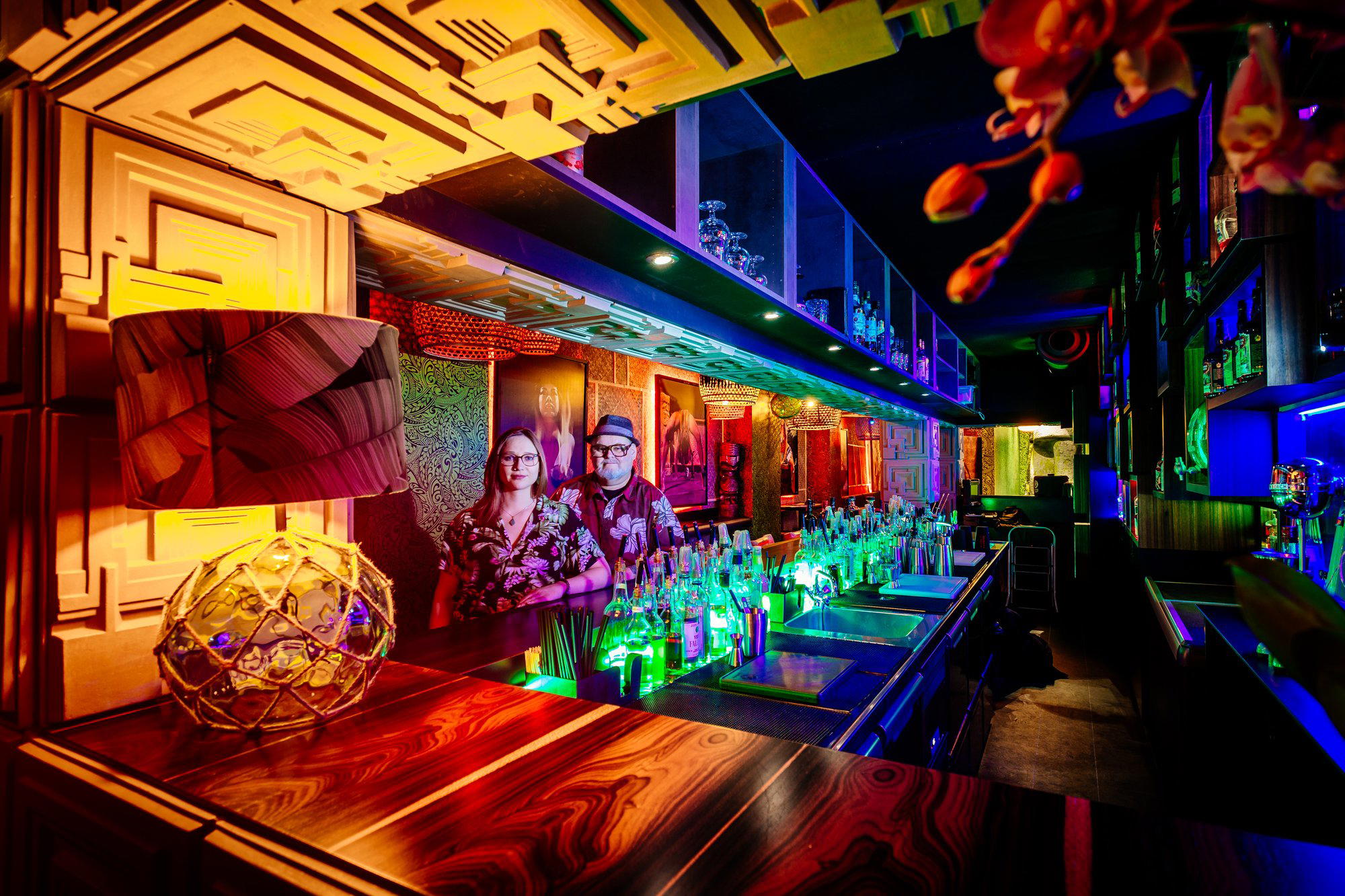
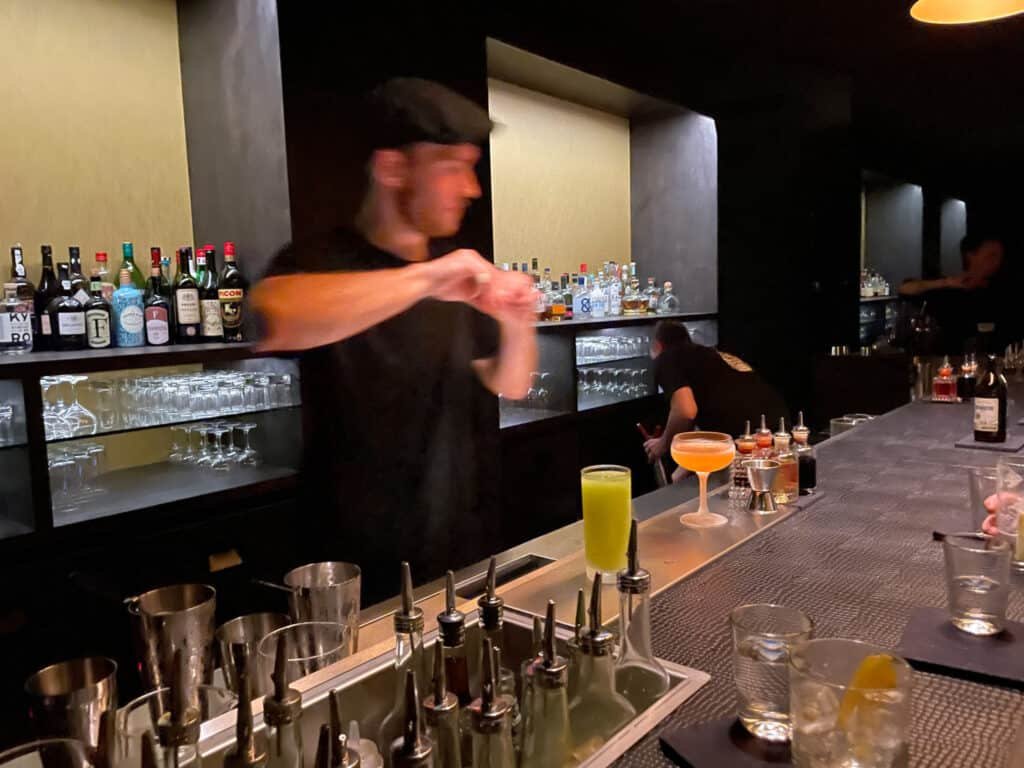
Bars in Nuremberg
Browse all →
Hotels in Nuremberg
Browse all →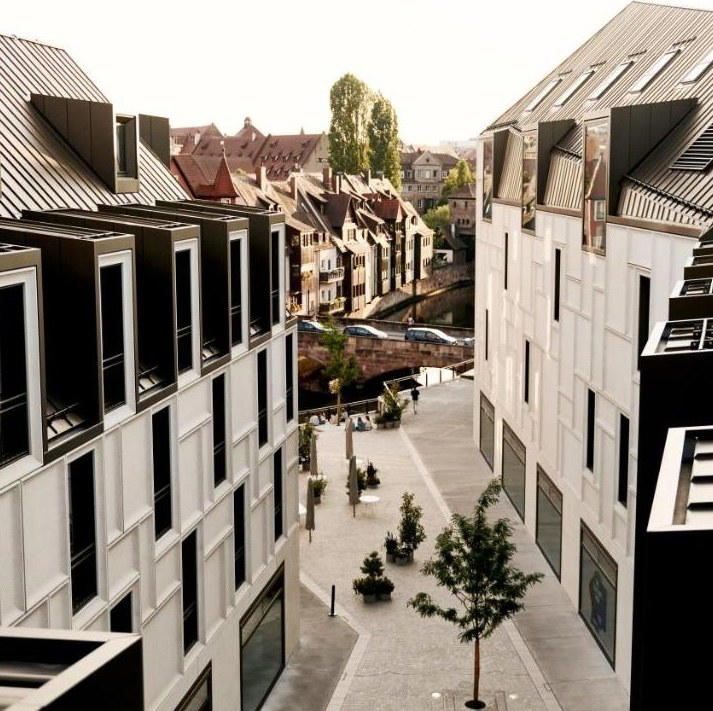
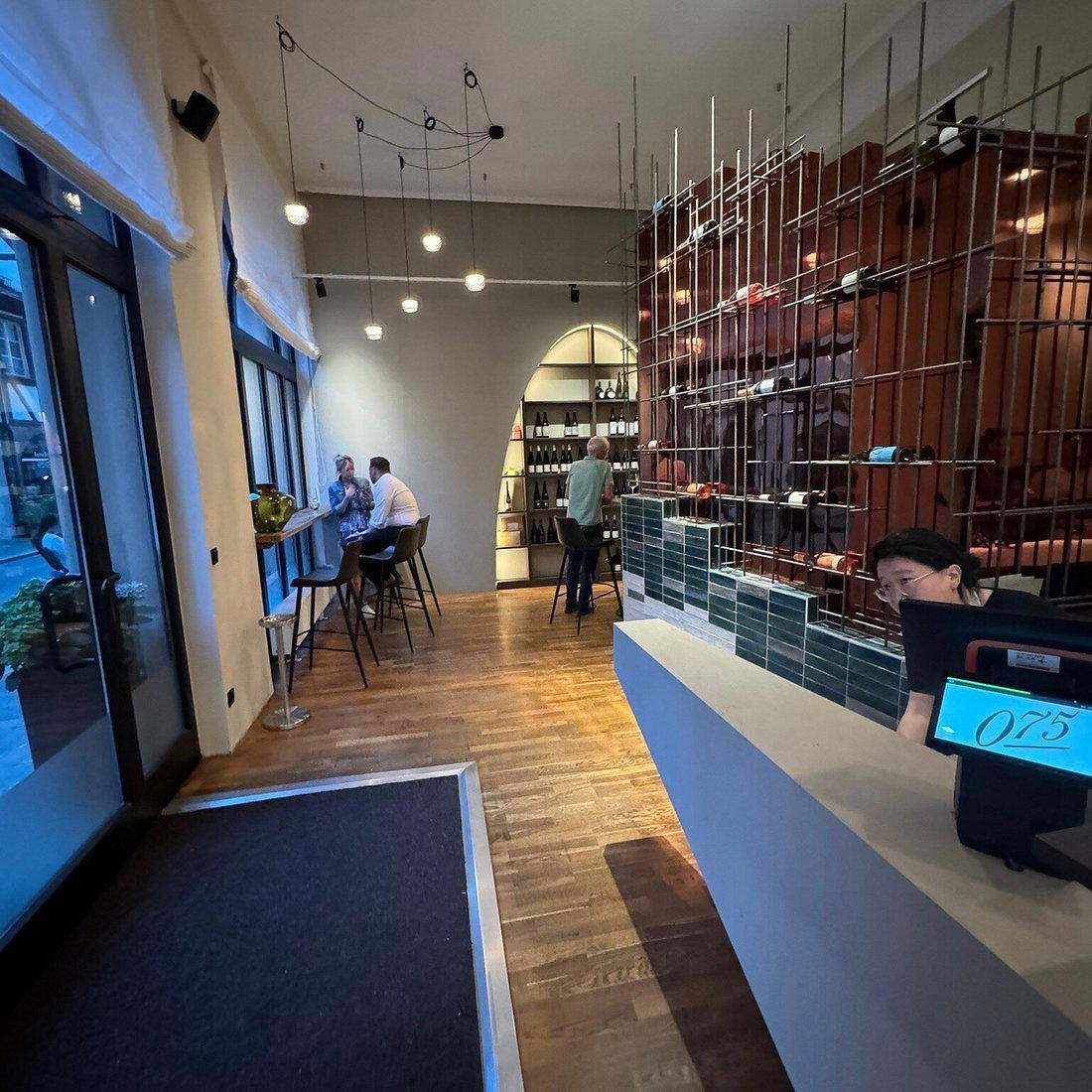
Wineries in Nuremberg
Browse all →
At a Glance
- Lively
- Energetic
- Group Dining
- Special Occasion
- Business Dinner
- Open Kitchen
- Sake Program
Current opening hours
- Monday
- 6–10 PM
- Tuesday
- 6–10 PM
- Wednesday
- 6–10 PM
- Thursday
- 6–10 PM
- Friday
- 12–2:30 PM, 6–10 PM
- Saturday
- 12–2:30 PM, 6–10 PM
- Sunday
- Closed
Hours can change for holidays and private events. Last verified .
Lively atmosphere centered around interactive teppanyaki tables with chefs performing in an established, traditional Japanese setting.