Woven by Adam Smith









1 Michelin Star · La Liste Top Restaurants · National Restaurant Awards Top 100 #9
Our verdict
Woven by Adam Smith occupies the dining room at Coworth Park, a Dorchester Collection country house hotel set within 246 acres of Berkshire countryside near Ascot. Holding one Michelin star and scoring 90 points on La Liste 2026, the restaurant serves a £185 tasting menu built around British produce, with a structure divided into pantry, larder, stove, and pastry. Thursday through Sunday service only; booking well in advance is advised.

Pearl is the En Primeur Club membership app — saves, bookings, and concierge access live there. Same editors, same standards.
- Address
- Coworth Park, Blacknest Rd, Sunningdale, Ascot SL5 7SE, United Kingdom
- Phone
- +44 1344 756090
- Hours
- Mon–Tue ClosedWed–Thu 6:30–9 PMFri–Sat 12:30–2:30 PM, 6:30–9 PMSun 12:30–2:30 PM
- Website
- dorchestercollection.com
- Directions
- Get directions
- Booking
- Book on SevenRooms
The menu
What to order
- Turbot with Lobster
- Chocolate Dessert
A Georgian Manor, a Dining Room With Ambitions Above Its Star Count
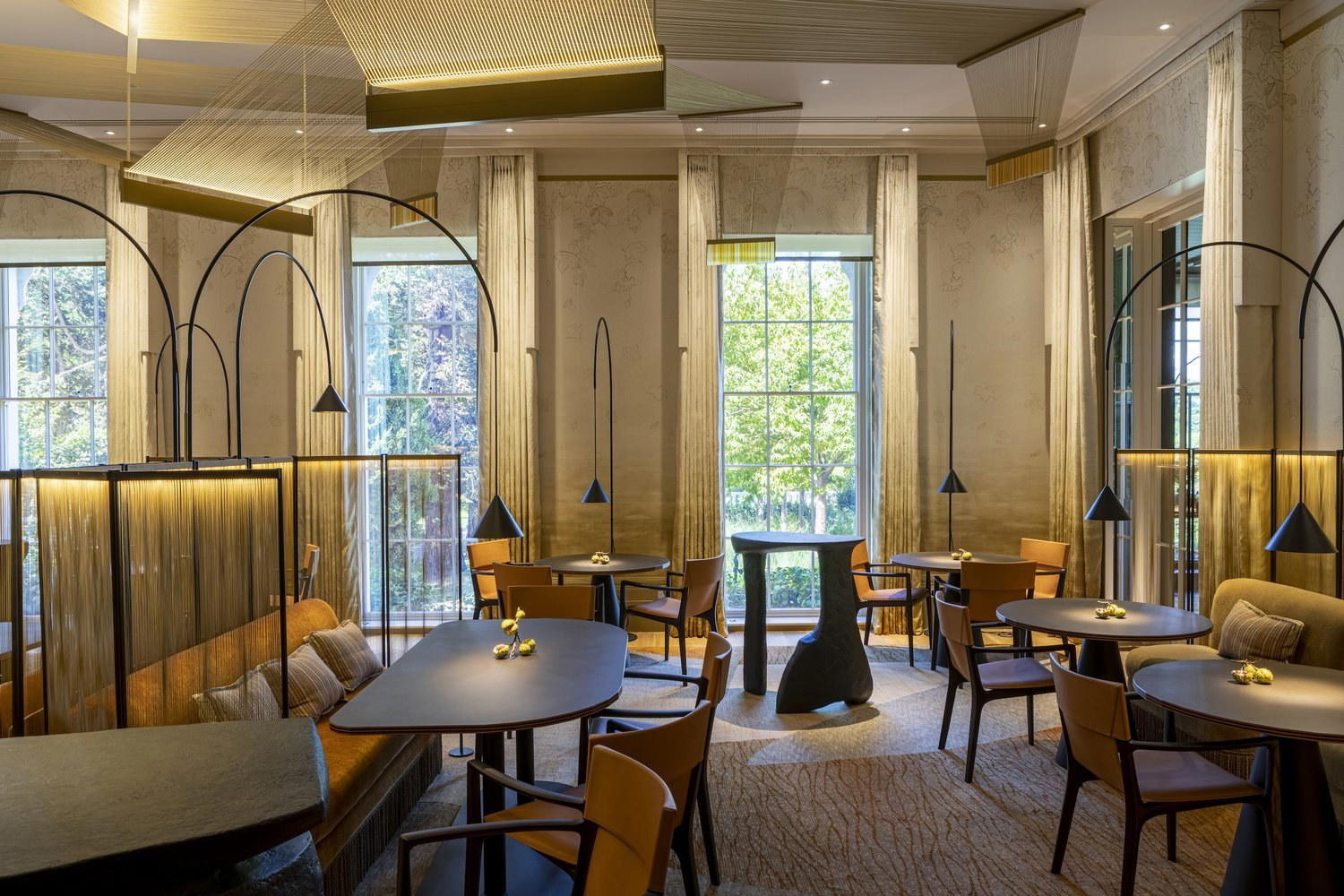
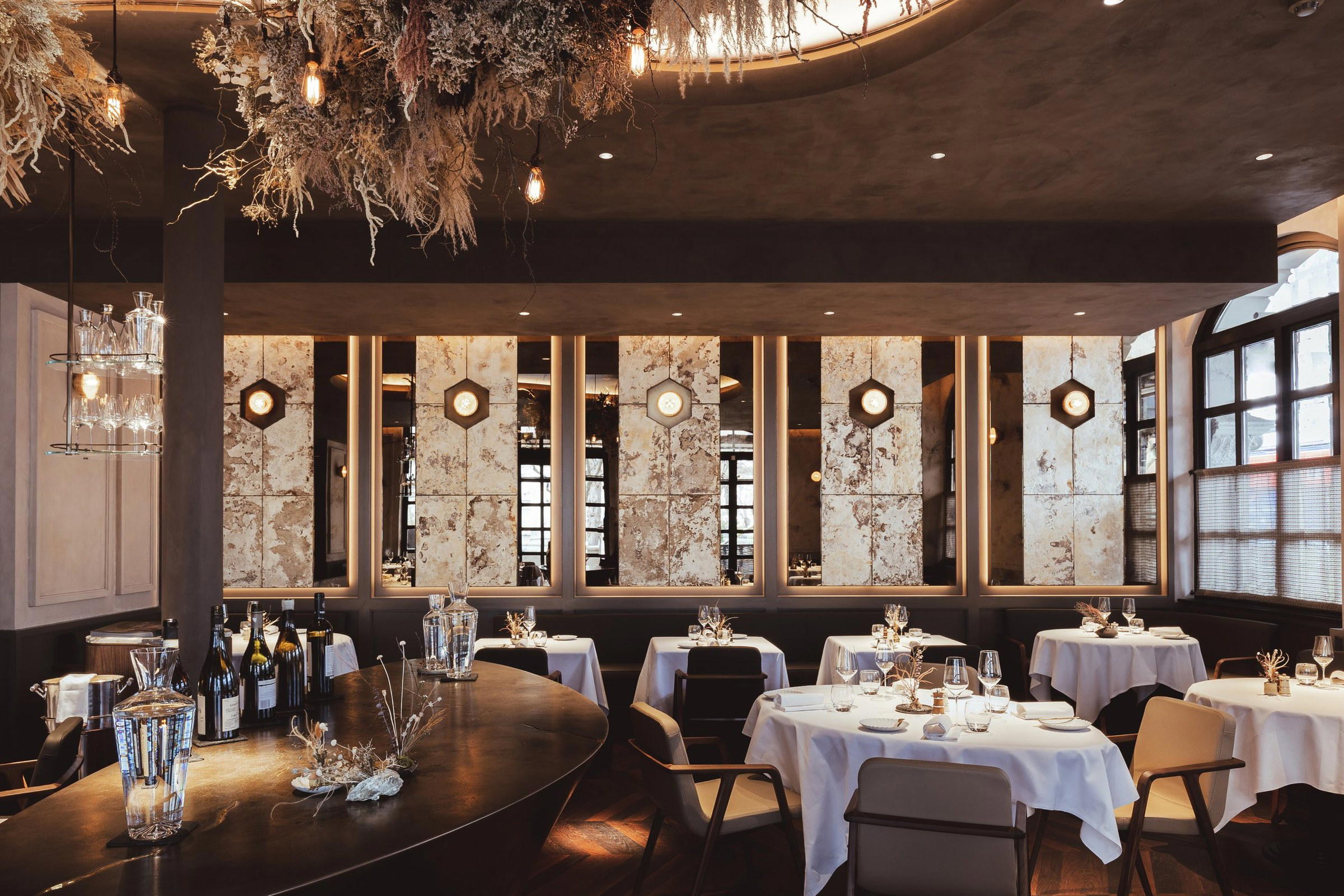
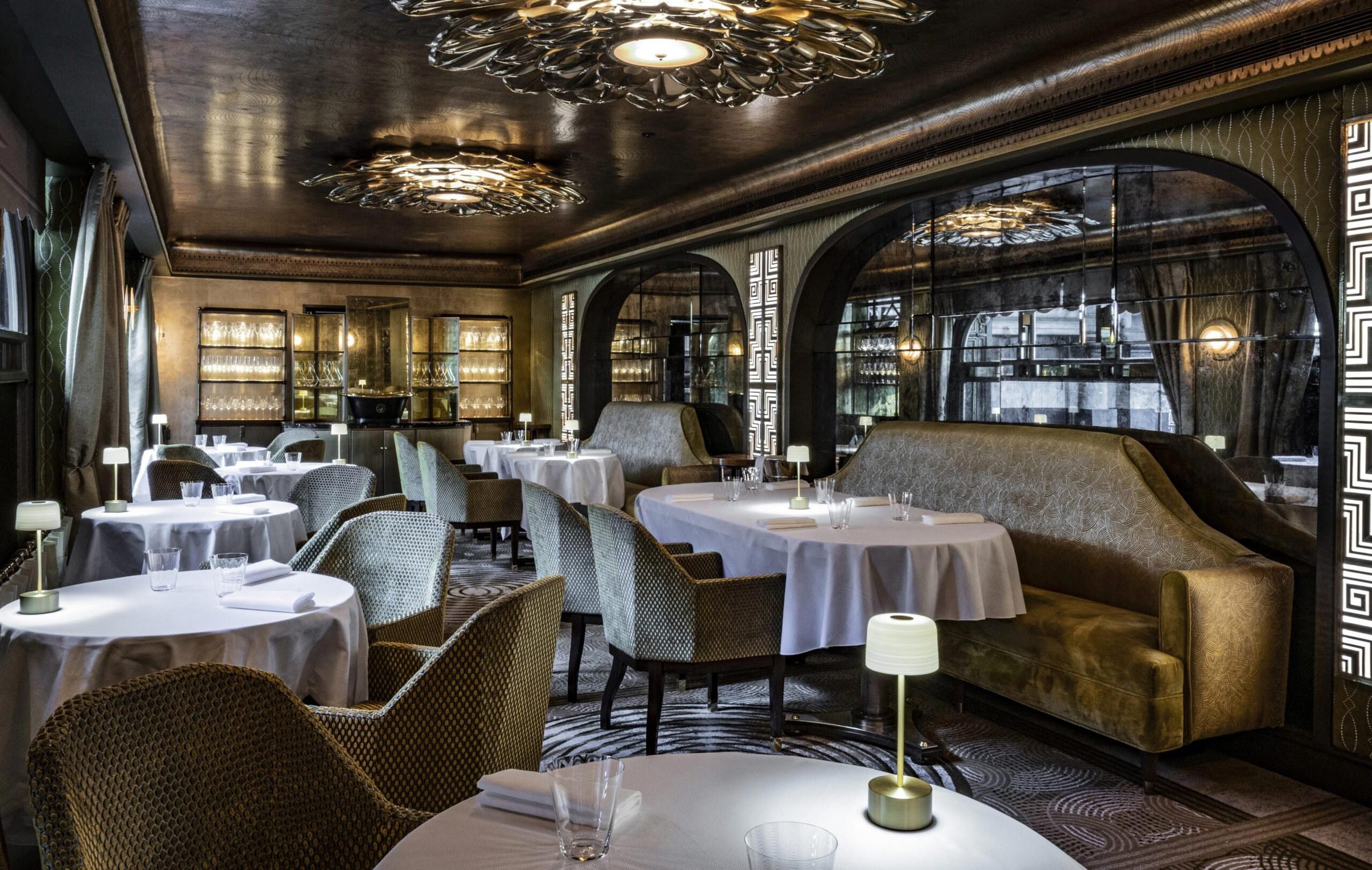
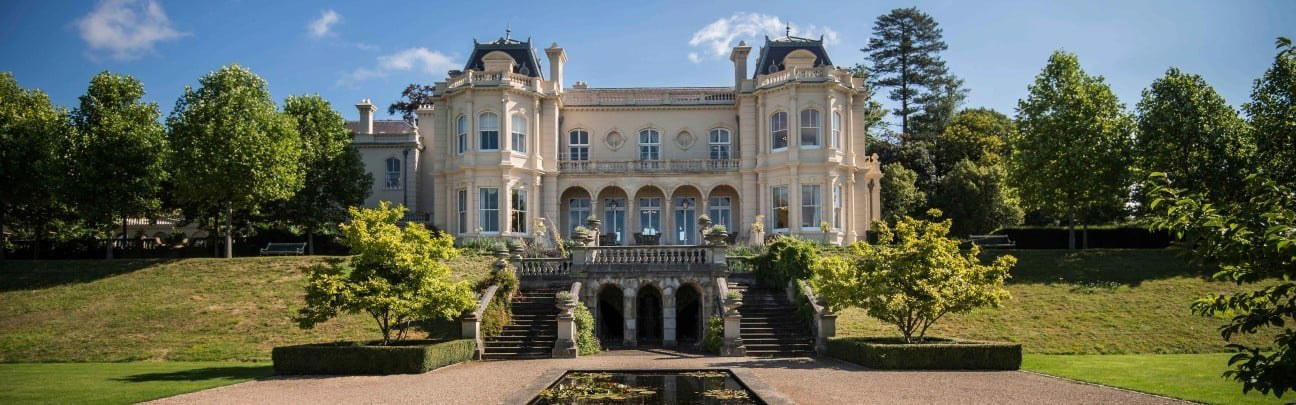
Drive out of London on the A30, past Staines and Virginia Water, and the Berkshire countryside opens up around Sunningdale in a way the M25 corridor rarely allows. Coworth Park sits behind gates at the end of Blacknest Road: a Georgian manor house in pale render, surrounded by 246 acres of parkland that the Dorchester Collection has managed since 2010. The approach matters here, because the scale of the estate primes you for what follows inside. The dining room occupies the ground floor of the hotel, dressed in russet and gold tones that read as autumnal without feeling seasonal, the kind of room that holds its character across the year.
Woven sits within a specific tradition in British fine dining: the hotel restaurant that operates at a level above its parent property's general offer, where the kitchen runs its own creative programme rather than serving the hotel's broader clientele. The comparisons are instructive. Le Manoir aux Quat' Saisons in Great Milton and Gidleigh Park in Chagford occupy the same category: destination restaurants housed within country house hotels, where the setting reinforces rather than dilutes the food's ambition. Woven operates in that company, drawing a clientele willing to travel for the meal rather than guests who happen to be staying the night.
The Menu's Architecture: Pantry, Larder, Stove, Pastry
The tasting menu at Woven is priced at £185 per person and structured in four named sections: pantry, larder, stove, and pastry. The language is deliberately domestic, invoking the working parts of a country kitchen rather than the abstracted vocabulary of contemporary fine dining. In practice, the sequence runs from canapés and starters through to mains and desserts, but the framing signals something about the cooking's relationship to British culinary tradition: grounded in larder and produce, technically sophisticated in execution.
The canapé phase in a tasting menu of this type typically sets the register for the evening, and the pantry section at Woven does that work deliberately. Alongside the Asian-inflected bites (langoustine bun, Thai green crab preparation) sit references to British heritage cooking: an oxtail toastie, jellied Devon eel. This kind of dual register, one foot in contemporary technique and one in the national culinary archive, has become a defining feature of the stronger British kitchens of the past decade. The Fat Duck in Bray made the archival impulse central to its identity; Moor Hall in Aughton draws on northern English produce with comparable rigour. Woven operates in a similar critical conversation, though the cooking's mood here is lighter, with a brightness of citrus and precision of temperature that reviewers consistently note.
Among the most frequently referenced dishes in the larder and stove sections: a barbecued scallop with smoked roe and golden oscietra, finished with a citrus note; a combination of Cornish turbot and native lobster with textured cauliflower, salted grapes, and truffle. The beef course draws on Hereford cattle, served alongside a tartare tart, tendon, and tea. The plant-based menu runs parallel with comparable ambition: heritage beetroot with three-cornered leek, morels, and blueberries illustrates the kitchen's capacity to treat vegetables as a primary rather than supporting cast.
That attention to plant-based cooking has attracted notice beyond the Michelin orbit. The We're Smart Green Guide, which evaluates restaurants on vegetable-forward cooking specifically, has identified Woven as a property with significant potential in this regard. For a kitchen working at this price point within a country house hotel, that dual recognition across both the traditional fine dining hierarchy and the vegetable-focused evaluation circuit reflects a range of intent that is not standard in the category.
The Chocolate Dessert and the Petits Fours That Close the Meal
The pastry section operates at the same technical register as the savoury courses, which is not always guaranteed in a kitchen of this ambition. The signature chocolate dessert incorporates sea salt, crème fraîche, and cocoa nibs in one construction; a second dessert uses oabika (the concentrate derived from the white pulp of the cocoa pod) alongside macadamias, dulce de leche, and lime. The latter represents the kind of ingredient-curious approach that places Woven in a conversation with technically adventurous kitchens like Frantzén in Stockholm, where ingredient sourcing and processing are treated as part of the creative work rather than backstage logistics.
The petits fours that close the meal are reported in multiple guest accounts as a highlight in themselves: Jamaican Blue Mountain fudge, mandarin brandy baba, raspberry and Champagne jelly among them. In a tasting menu at this price, the close of the meal carries weight; the kitchen appears to treat the final thirty minutes with the same attention as the opening.
Where Woven Sits in the Berkshire and Southeast England Fine Dining Scene
Fine dining geography of the southeast of England outside London clusters around a handful of country house hotels and destination restaurants reachable as day trips from the capital. Within that cluster, Woven occupies a specific position: one Michelin star with repeated guest commentary suggesting the food warrants two, a La Liste score of 90 points in both 2025 and 2026, and an Opinionated About Dining ranking placing it at number 201 in Classical Europe for 2024. The OAD system, which aggregates opinions from experienced diners and food professionals rather than anonymous inspectors, tends to track kitchens where technique and produce quality are the primary registers. A ranking inside the OAD Europe top 250 is a meaningful signal about peer reputation, placing Woven alongside kitchens like L'Enclume in Cartmel and Restaurant Andrew Fairlie in Auchterarder as part of the UK's serious fine dining tier outside London.
Single Michelin star has prompted some discussion among regular visitors. Multiple accounts in published reviews note surprise that the restaurant has not received a second star, citing the intricate succession of dishes, the technical execution, and the quality of sourcing. Whether the inspectors' view reflects the room's slightly corporate surroundings or a deliberate calibration against rural UK peers is not clear.
For context on the broader Ascot and Berkshire dining scene, our full Ascot restaurants guide maps the area's offer across price points. Bluebells Restaurant and Coworth Park's broader dining provide options within the same immediate area for those looking at the hotel's full food and drink programme.
The Wine List and the Room's Register
The wine list has been assembled to suit the setting, with a deliberate emphasis on English sparkling and still wines alongside the classical European cellar you would expect in a Dorchester Collection property. The English wine section is not a novelty gesture: the southeast of England produces sparkling wines that now sit in serious critical company, and a Berkshire-based hotel at this price point placing regional bottles alongside Champagne reflects the direction the category has moved over the past decade. For those extending the evening into the hotel's broader offer, the Ascot bars guide covers the surrounding area.
Planning a Visit: Hours, Format, and Getting There
Woven operates a limited weekly schedule that reflects its tasting-menu format. The kitchen is closed Monday and Tuesday. Wednesday through Thursday, service runs dinner only from 6:30 PM to 9 PM. Friday and Saturday offer both lunch (12:30 PM to 2:30 PM) and dinner (6:30 PM to 9 PM). Sunday lunch runs 12:30 PM to 2:30 PM with no evening service. The Friday and Saturday lunch slots are the most accessible for visitors combining the meal with the Ascot area, and they allow for the 246-acre grounds before or after the meal. The tasting menu is priced at £185 per person; guests should expect a meal of several hours.
Coworth Park sits on Blacknest Road in Sunningdale, between Ascot and Virginia Water in the SL5 postal area. The property is reachable by train to Sunningdale or Ascot stations, or by car from the M25. Those staying overnight can combine the meal with the hotel's spa facilities; the Ascot hotels guide covers the full accommodation picture in the area. For those planning a wider trip, the Ascot experiences guide and Ascot wineries guide map the area's broader offer. Kitchens operating at this level in country house settings, from Hand and Flowers in Marlow to hide and fox in Saltwood, tend to book weeks to months ahead; the same applies here, particularly for Friday and Saturday dinner.
What to Order at Woven by Adam Smith
The tasting menu is the only format the kitchen operates, so the question of what to order is really a question of what to look forward to. The Cornish turbot course, frequently cited across published accounts as the meal's centrepiece, involves native lobster, textured cauliflower, salted grapes, and truffle, and has appeared in multiple annual best-meal compilations. The signature chocolate dessert is considered a fixture rather than a rotating option. For those on the plant-based menu, the heritage beetroot construction with morels and blueberries draws consistent attention. The petits fours, particularly the Jamaican Blue Mountain fudge and mandarin brandy baba, are worth arriving with appetite reserved. Adam Smith's kitchen also connects with a broader generation of contemporary British restaurants, including The Ledbury in London and FZN by Björn Frantzén in Dubai, where ingredient-led precision and technical depth define the upper register of the form.
Frequently asked questions
When is Woven by Adam Smith open?
Hours at Woven by Adam Smith: Monday closed Tuesday closed Wednesday 6:30 PM-9 PM Thursday 6:30 PM-9 PM Friday 12:30 PM-2:30 PM 6:30 PM-9 PM Saturday 12:30 PM-2:30 PM 6:30 PM-9 PM Sunday 12:30 PM-2:30 PM.
Has Woven by Adam Smith won any awards?
Woven by Adam Smith has received recognition including: “Exceptional attention to detail and exquisite food” lead to many best meals of the year being reported in this “elegant and classy” retreat – the dining room at the heart of the Dorchester Collection’s luxurious country house hotel and spa….
What should I order at Woven by Adam Smith?
The kitchen operates a single tasting menu at £185 per person, so the format makes the choice for you. Within that, the Cornish turbot course has drawn consistent praise from critics, with one reviewer singling out 'turbot with caviar and two sauces' as a menu highlight. The signature chocolate dessert, incorporating sea salt and cocoa nibs, is referenced across multiple reviews as the pastry section's centrepiece. If the plant-based menu is relevant, the heritage beetroot with morels and blueberries has been noted as technically accomplished at the same register as the meat courses.
What price level is Woven by Adam Smith?
Pricing at Woven by Adam Smith is listed as ££££.
Where do I go for Woven by Adam Smith?
Woven by Adam Smith is located at Coworth Park, Blacknest Rd, Sunningdale, Ascot SL5 7SE, United Kingdom, Ascot.
Cuisine Context
Comparable venues nearby, for context on price, style, and recognition.
| Venue | Cuisine | Price | Awards | Notes |
|---|---|---|---|---|
| Woven by Adam SmithThis venue — the venue you are viewing | Modern British Fine Dining | $150–200 | 1 Michelin Star · La Liste Top Restaurants | Not listed |
| The Spatisserie | British Spa Café | Not listed | Not listed | Sunningdale |
| Coworth Park | Modern British Fine Dining | $150–200 | Not listed | Ascot |
| The Drawing Room | Modern British Afternoon Tea | $50–100 | Not listed | Ascot |
| Bluebells Restaurant | Modern European Fine Dining | $50–100 | Michelin Plate | Ascot |
| The Barn | Modern British Gastropub | $50–100 | Not listed | Ascot |
Recognition history
Dated appearances from independent guides and award organizations, with the underlying list record or original source where available.
Michelin 1 Star
Michelin
La Liste Top Restaurants
La Liste
AA Rosettes 5 Rosettes
AA Rosettes
Harden's Top 100 UK Restaurants #6
Harden's
National Restaurant Awards Top 100 #9 · No. 9
National Restaurant Awards · 2026 National Restaurant Awards Top 100
Full recognition history (15 entries)
SquareMeal UK Top 100 Restaurants #14
SquareMeal
La Liste Top Restaurants
La Liste
Michelin 1 Star
Michelin
National Restaurant Awards Top 100 #15
National Restaurant Awards
National Restaurant Awards The Liberty Wines Service Award
National Restaurant Awards
The Good Food Guide GFG Exceptional
The Good Food Guide
We're Smart World 4 Radishes
We're Smart World
Michelin 1 Star
Michelin
Opinionated About Dining Classical in Europe Ranked #201
Opinionated About Dining
Opinionated About Dining Classical in Europe Recommended
Opinionated About Dining
Continue exploring
More in Ascot
Restaurants in Ascot
Browse all →
Bars in Ascot
Browse all →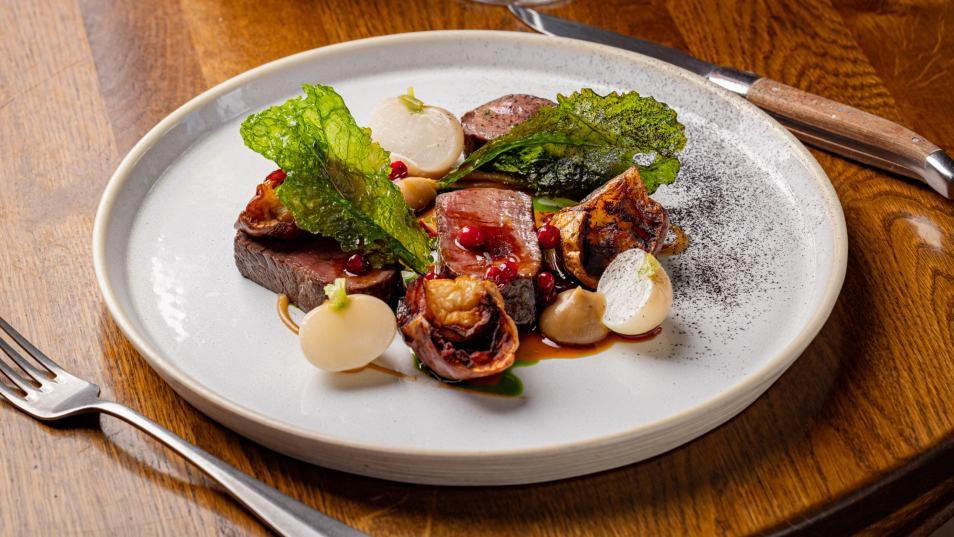
Hotels in Ascot
Browse all →


Details
- Elegant
- Sophisticated
- Intimate
- Cozy
- Special Occasion
- Date Night
- Celebration
- Hotel Restaurant
- Open Kitchen
- Extensive Wine List
- Sommelier Led
- Local Sourcing
- Garden
- Tasting Menu
- Set Menu
- Vegetarian Friendly
Current opening hours
- Monday
- Closed
- Tuesday
- Closed
- Wednesday
- 6:30–9 PM
- Thursday
- 6:30–9 PM
- Friday
- 12:30–2:30 PM, 6:30–9 PM
- Saturday
- 12:30–2:30 PM, 6:30–9 PM
- Sunday
- 12:30–2:30 PM
Hours can change for holidays and private events. Last verified .
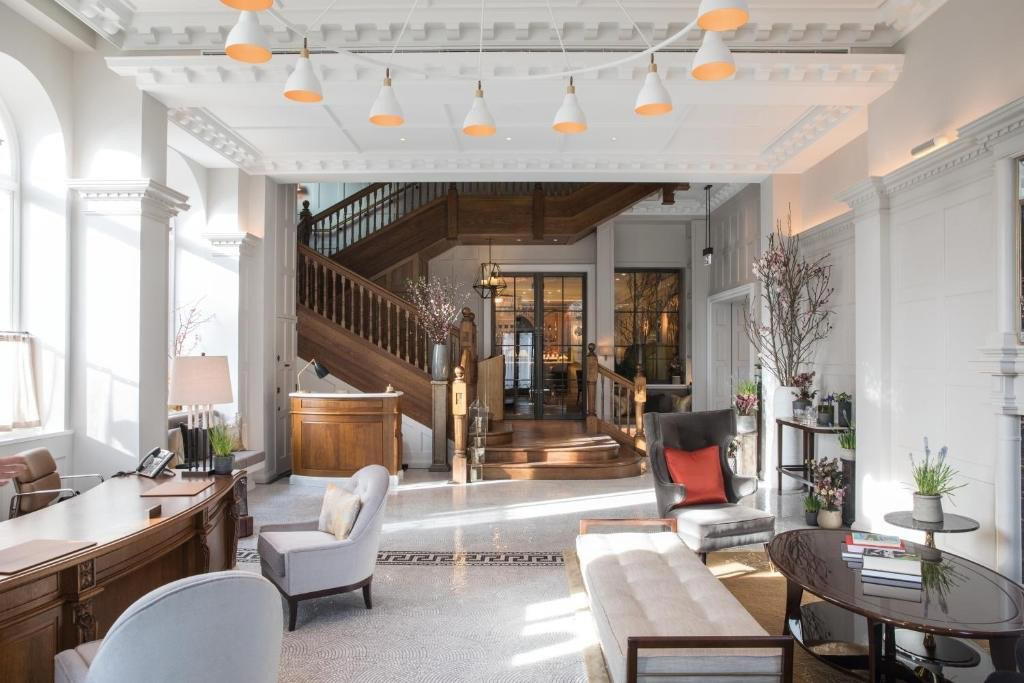
Elegant ground-floor space in an 18th-century property with golden autumnal décor, warm and inviting atmosphere, comfortable seating, and original artworks amid beautiful grounds.