Il Ristorante Diana
On the market square in Bad Schwartau, Il Ristorante Diana brings Italian cooking to a corner of Schleswig-Holstein better known for Baltic proximity than Mediterranean tradition. The address at Markt 22 places it at the social centre of a small town that sits just minutes from Lübeck's UNESCO-listed Altstadt, giving it a quietly local character that sets it apart from the city-centre dining circuit nearby.
Pearl is the En Primeur Club membership app — saves, bookings, and concierge access live there. Same editors, same standards.
- Address
- Markt 22, 23611 Bad Schwartau, Germany
- Phone
- +494518819030
- Website
- il-ristorante-diana.de
- Directions
- Get directions
 Saves & bookings on Pearl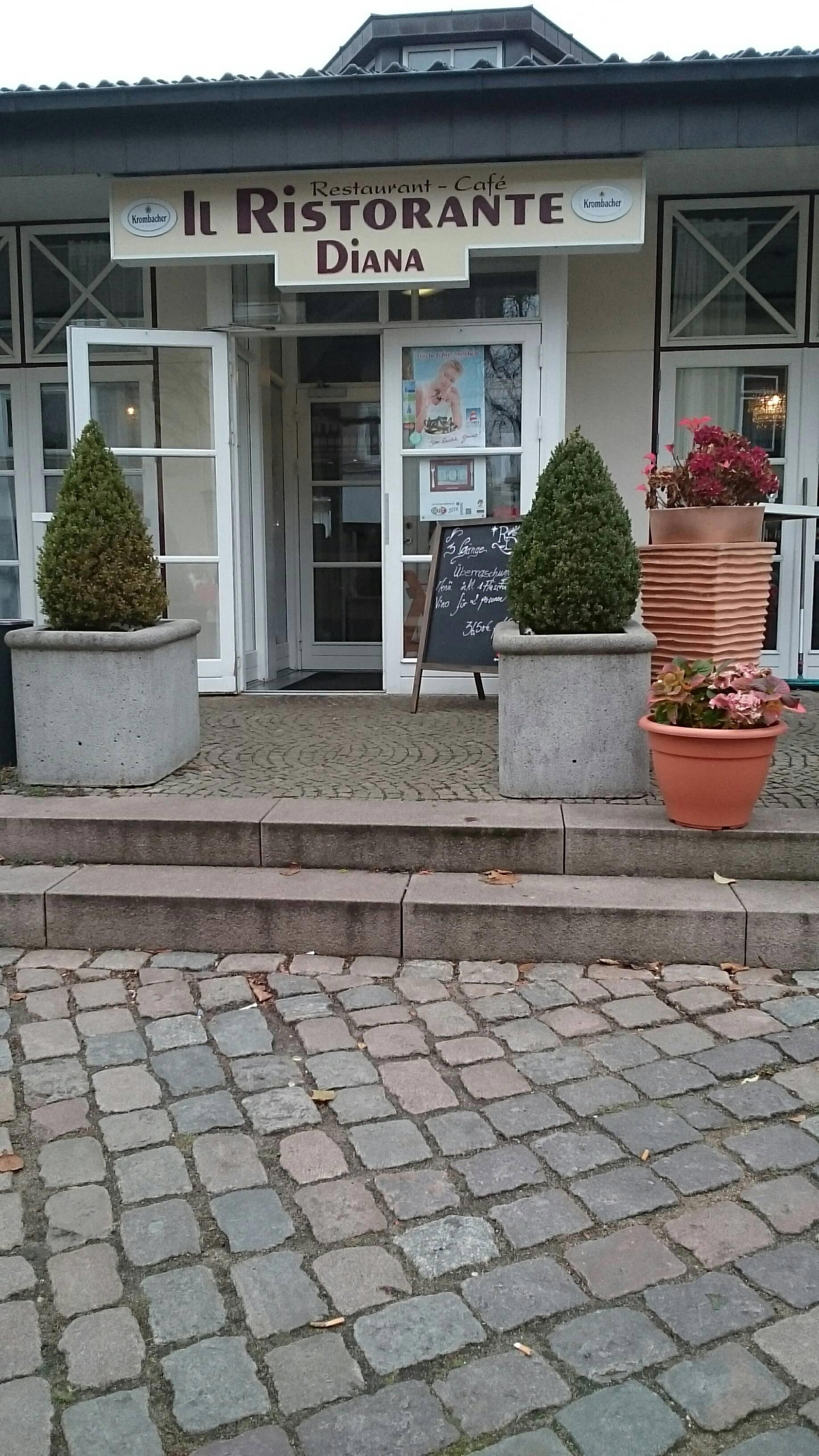
Italian Cooking at a Baltic Latitude
Small German towns with a genuine Italian restaurant at their centre occupy a particular niche in the country's dining culture. Italy's culinary influence on Germany runs deeper than casual pasta and pizza: post-war labour migration established Italian restaurants in hundreds of German municipalities through the 1950s and 1960s, and the traditions that took root in those decades have, in many cases, matured into something worth paying attention to. Bad Schwartau, a spa town of around 22,000 residents in Schleswig-Holstein, sits just east of Lübeck — close enough to draw from that city's appetite for considered dining, distinct enough to maintain its own character. Il Ristorante Diana, addressed at Markt 22 on the town's central square, occupies that context.
Approaching the market square on foot, you get a sense of what draws locals here on a weekday evening rather than driving the short distance into Lübeck's busier restaurant circuit. The scale is domestic: the square is small, the buildings low, the pace unhurried. A restaurant at the centre of that kind of space carries different expectations from one positioned inside a hotel or along a city's dining corridor. It is expected to belong, and belonging in a German Marktplatz means consistency, reliability, and a certain rootedness in the community it serves.
Where the Ingredients Come From — and Why That Question Matters
Italian cooking at northern European latitudes has always involved a negotiation between import and adaptation. The foundational argument for Italian cuisine, that it is, above all else, ingredient-driven, creates a practical tension when the kitchen is 1,500 kilometres from the Po Valley. How a restaurant in northern Germany resolves that tension tells you more about its seriousness than any single dish description could.
The strongest Italian kitchens operating outside Italy tend to resolve it through selective import: DOP-certified olive oils, aged Parmigiano-Reggiano, San Marzano tomatoes, and cured meats from producers with verifiable regional credentials alongside locally sourced proteins and seasonal produce from the surrounding landscape. Schleswig-Holstein's agricultural output, dairy from the flat northern plains, freshwater fish from the surrounding lakes and rivers, and North Sea and Baltic seafood from nearby Lübeck's historic trade networks, gives a kitchen in Bad Schwartau access to ingredients that, handled correctly, do not require any apology for their northern origin. The Baltic coast's fish traditions, in particular, offer raw material that holds comparison with Mediterranean alternatives for quality and freshness.
Italian restaurants in Germany that get this balance right tend to distinguish themselves not through spectacle but through procurement discipline: knowing which things to source from Italy, which to source locally, and being honest about both. That discipline is what separates the serious Italian addresses in the German provincial dining circuit from the ones that coast on familiar category recognition. The Schleswig-Holstein region's proximity to the water is an asset that the strongest local kitchens have learned to use rather than overlook.
For a broader calibration of what ingredient-led sourcing looks like at the highest tier in Germany, it helps to look at what kitchens like Aqua in Wolfsburg or Schwarzwaldstube in Baiersbronn have demonstrated over time: that verifiable provenance and seasonal rhythm, not decoration or format, are what give a kitchen lasting authority. Il Ristorante Diana operates in a very different register, local and neighbourhood-scaled rather than destination and award-oriented, but the underlying question is the same.
The Market Square Setting and What It Signals
A restaurant at Markt 22 in a German spa town is not aiming at the same reader as a CODA Dessert Dining in Berlin or a Vendôme in Bergisch Gladbach. The comparison set here is the local Italian, the kind of address that earns its position not through tasting menus or Michelin ambition but through consistent quality and community trust accumulated across years of service. Bad Schwartau's proximity to Lübeck means that residents with the option of driving into a larger city's dining scene choose to stay local when a local option meets their expectations. That selection effect is its own kind of credential.
Nearby Gambero Weinbar represents another point on Bad Schwartau's dining map, a wine-bar format that indicates the town supports at least some range in its hospitality offer. Two destinations worth considering in the same local orbit suggest a dining culture with more depth than a single-venue town typically develops. For visitors coming through Lübeck who want to see what sits just beyond the city's edge, Bad Schwartau rewards the short detour.
Across Germany's northern tier, Italian cooking occupies a steady, durable niche. Addresses like Restaurant Haerlin in Hamburg or, at a very different scale, Bagatelle in Trier show the range of what ambitious dining in the region can look like. Il Ristorante Diana operates at none of those price points or ambition levels, but it serves a real function for its community, and that function, at the neighbourhood scale, is not trivial.
Planning a Visit
Bad Schwartau is accessible by regional rail from Lübeck Hauptbahnhof in under ten minutes, making it plausible as an evening extension of a Lübeck visit rather than a standalone journey. Markt 22 is central and walkable from the train station. As a neighbourhood restaurant on a market square, booking ahead is advisable for weekend evenings, though the demand profile differs significantly from destination-tier restaurants like JAN in Munich or ES:SENZ in Grassau, where planning months in advance is standard.
Visitors building a broader itinerary around serious German dining at the destination tier might use Waldhotel Sonnora in Dreis, Schanz in Piesport, or Victor's Fine Dining by Christian Bau in Perl as anchor points, each representing a different register of ambition within the country's fine-dining circuit. Il Ristorante Diana operates at the other end of that spectrum, closer to daily neighbourhood life than to destination pilgrimage, and should be evaluated accordingly.
How Il Ristorante Diana Bad Schwartau compares with similar nearby venues.
| Venue | Cuisine | Price |
|---|---|---|
| Fangfrisch | Regional Cuisine | €€ |
| Meilenstein | Contemporary | €€€ |
Continue exploring
More in Bad Schwartau
Restaurants in Bad Schwartau
Browse all →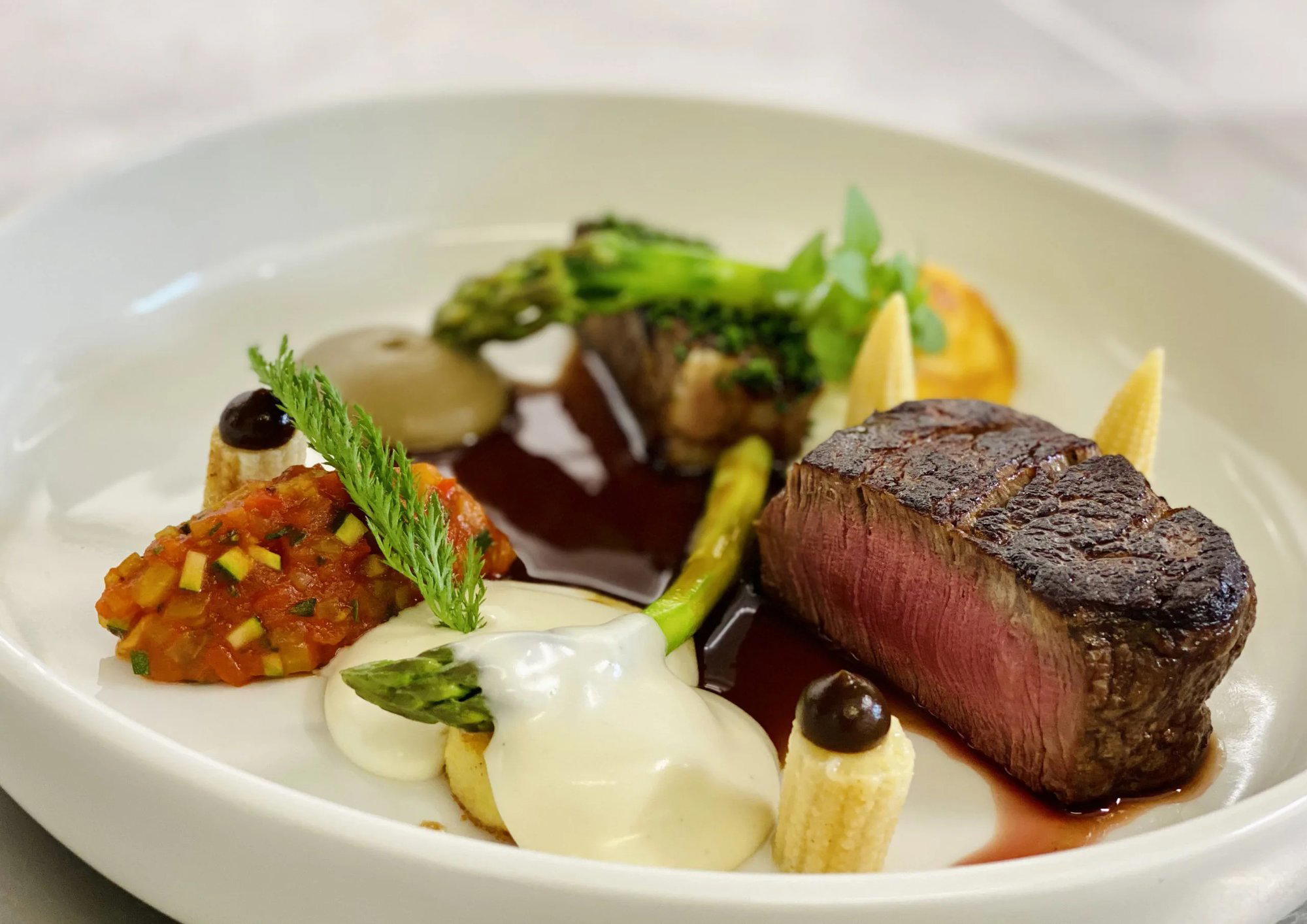
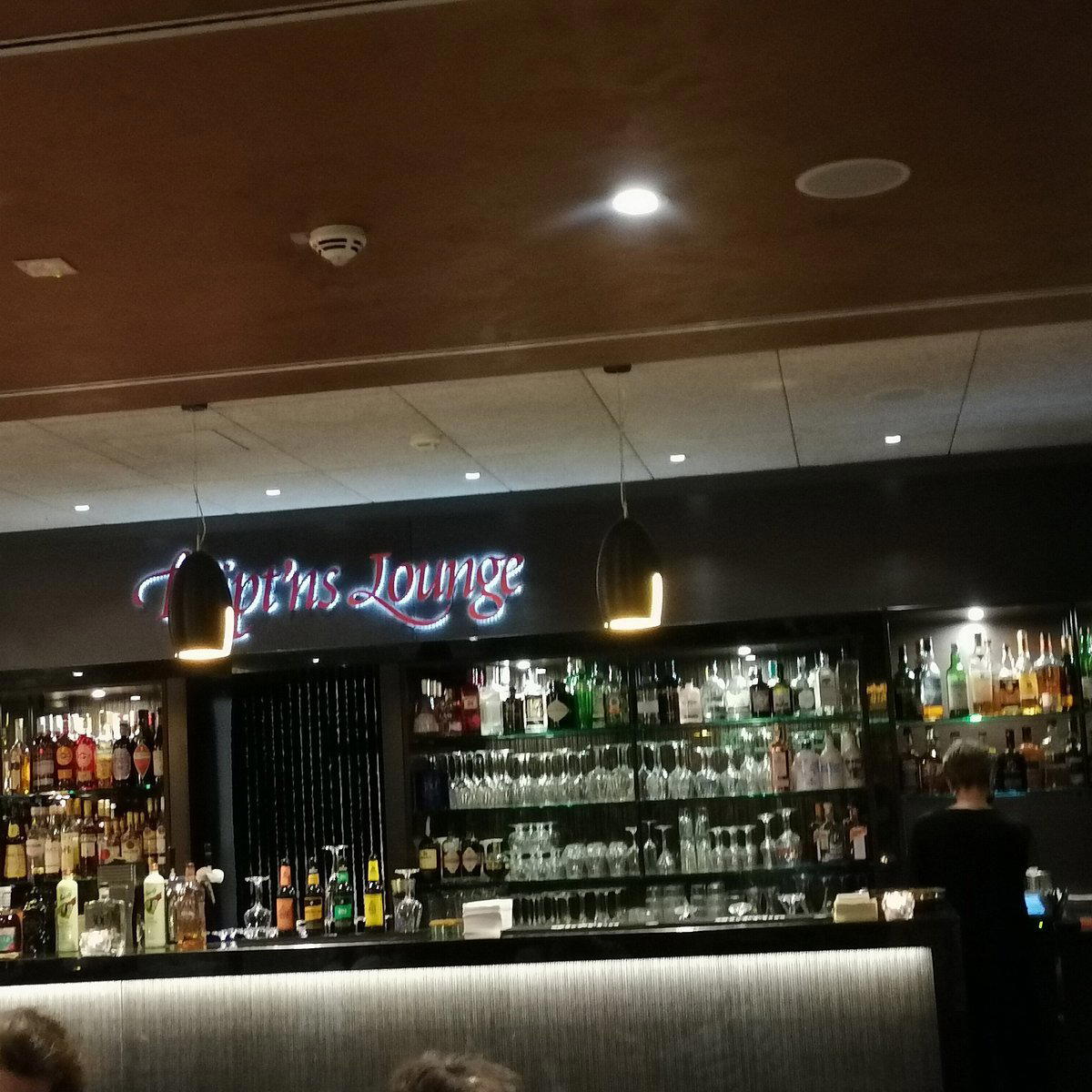
Bars in Bad Schwartau
Browse all →
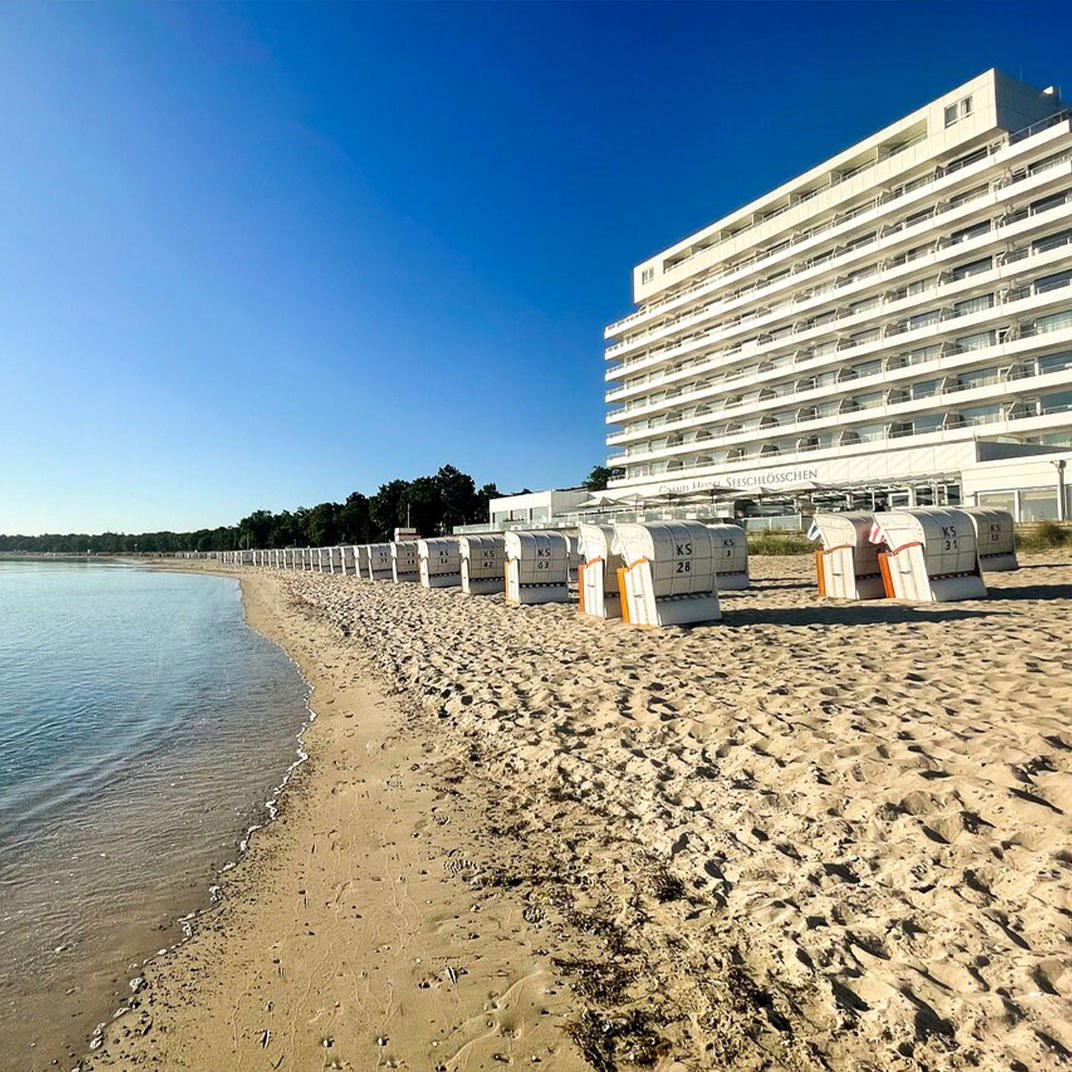
Hotels in Bad Schwartau
Browse all →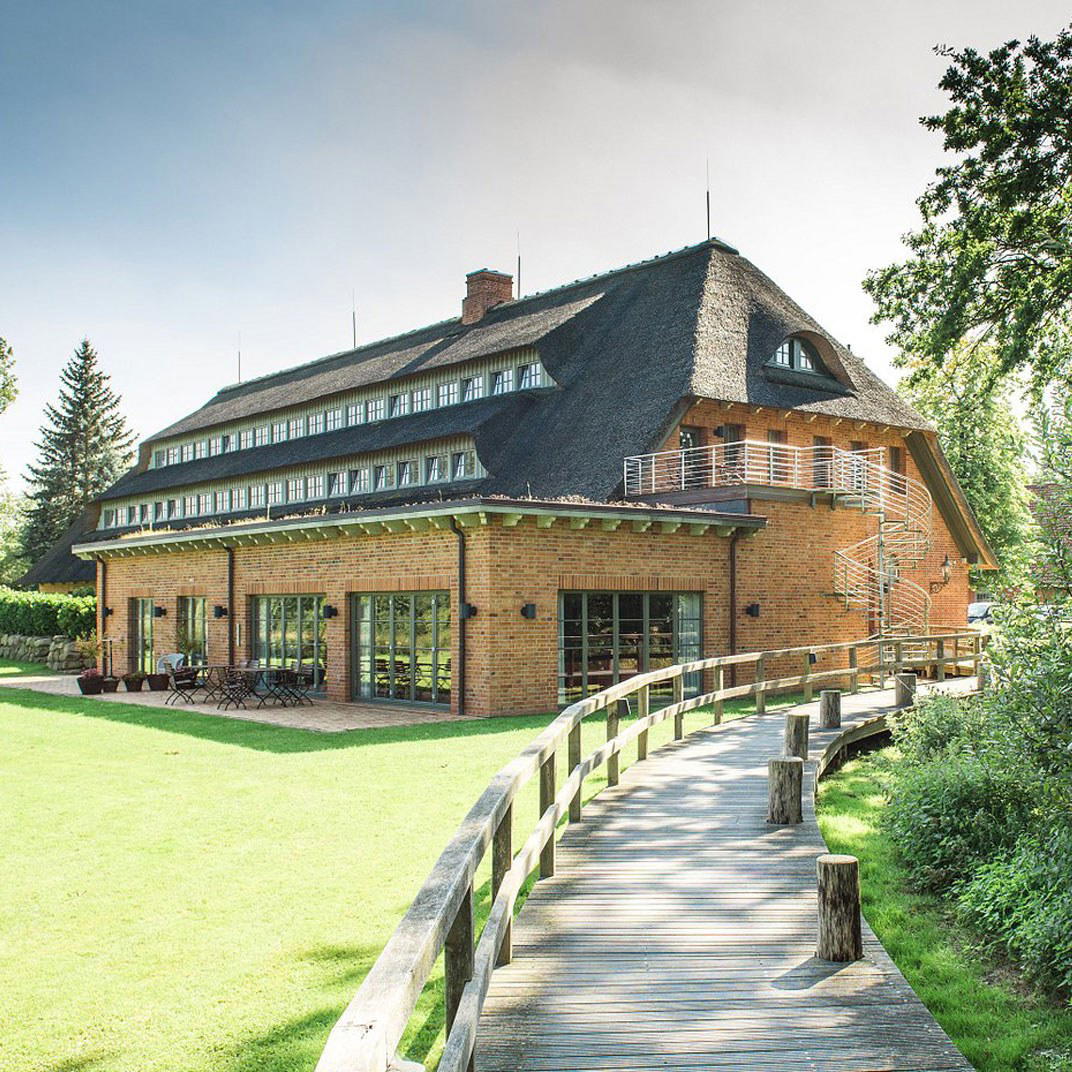
Wineries in Bad Schwartau
Browse all →
At a Glance
- Classic
- Elegant
- Cozy
- Date Night
- Family
- Casual Hangout
- Standalone
Current opening hours
- Monday
- Closed
- Tuesday
- 12–9:30 PM
- Wednesday
- 12–9:30 PM
- Thursday
- 12–9:30 PM
- Friday
- 12–9:30 PM
- Saturday
- 12–9:30 PM
- Sunday
- 12–9:30 PM
Hours can change for holidays and private events. Last verified .
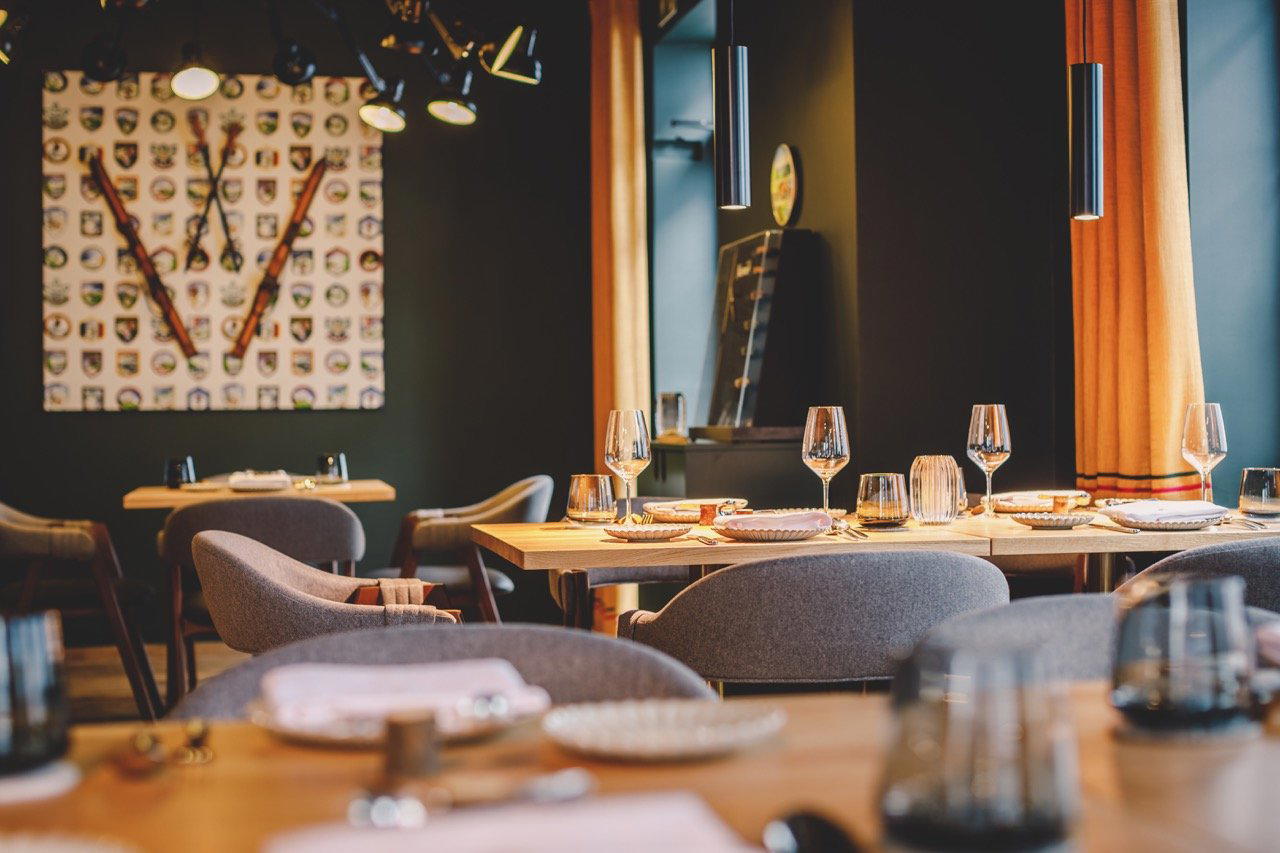
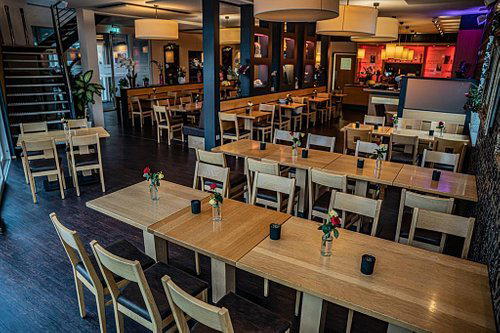
Warm and welcoming Italian atmosphere with sophisticated touches
Know Before You Go
- Getting there
- Markt 22, 23611 Bad Schwartau, Germany