Il Piccolo Diavolo
Il Piccolo Diavolo sits on Via Vittorio Emanuele in Monterosso al Mare, the largest of the five Cinque Terre villages and the one with developed dining scene. In a stretch of coast where seafood comes off boats within walking distance of the kitchen, the restaurant draws from one of Italy's most tightly compressed ingredient chains. For visitors working through the Cinque Terre's table, it earns a place on the list.
Pearl is the En Primeur Club membership app — saves, bookings, and concierge access live there. Same editors, same standards.
- Address
- Via Vittorio Emanuele, 45, 19016 Monterosso al Mare SP, Italy
- Phone
- +39 0187 819732
- Website
- ilpiccolodiavolo.it
- Directions
- Get directions
 Saves & bookings on Pearl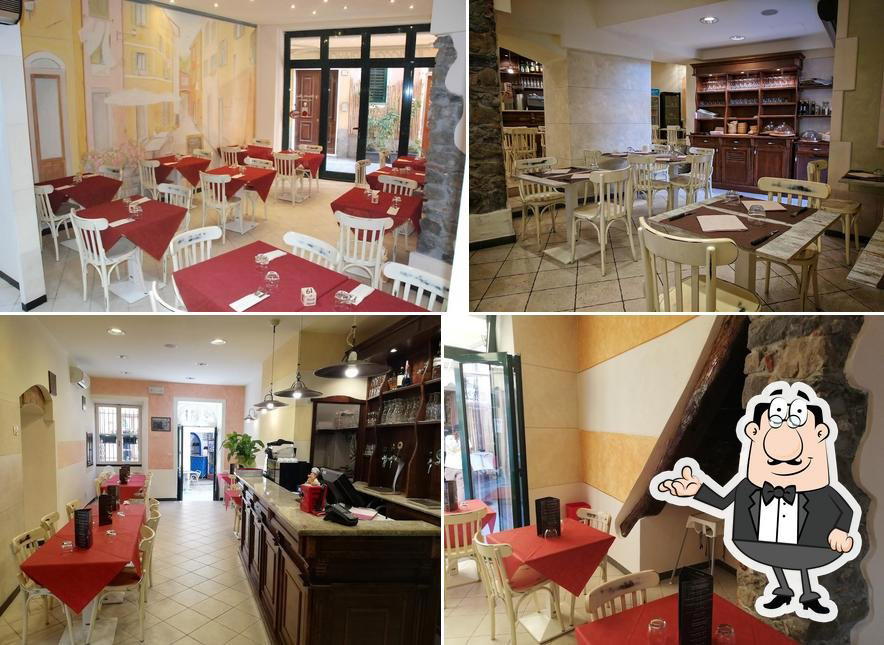
Where the Ligurian Coast Feeds the Kitchen
Approach Monterosso al Mare from the train station and the geometry of the town resolves quickly: a medieval quarter connected by tunnel to a newer strip, the two halves sharing the same narrow band between cliff and sea. Via Vittorio Emanuele runs through that older core, lined with buildings that press close enough to keep the afternoon sun off the street until well into the evening. Il Piccolo Diavolo occupies a position at number 45, in the kind of setting where the physical distance between the Ligurian Sea and a restaurant table can be measured in minutes rather than kilometres.
That proximity is not incidental. The Cinque Terre operates among the more compressed seafood supply chains in Italian coastal cooking. Monterosso's small fishing fleet works the waters directly offshore, and the catch reaches local kitchens on a timeline that most urban restaurants cannot replicate regardless of budget or logistics. The ingredient sourcing argument for eating in this village rather than in Genoa or La Spezia rests precisely on that compression: what arrives at a Monterosso kitchen in the morning was in the sea the night before.
The Cinque Terre's Ingredient Arithmetic
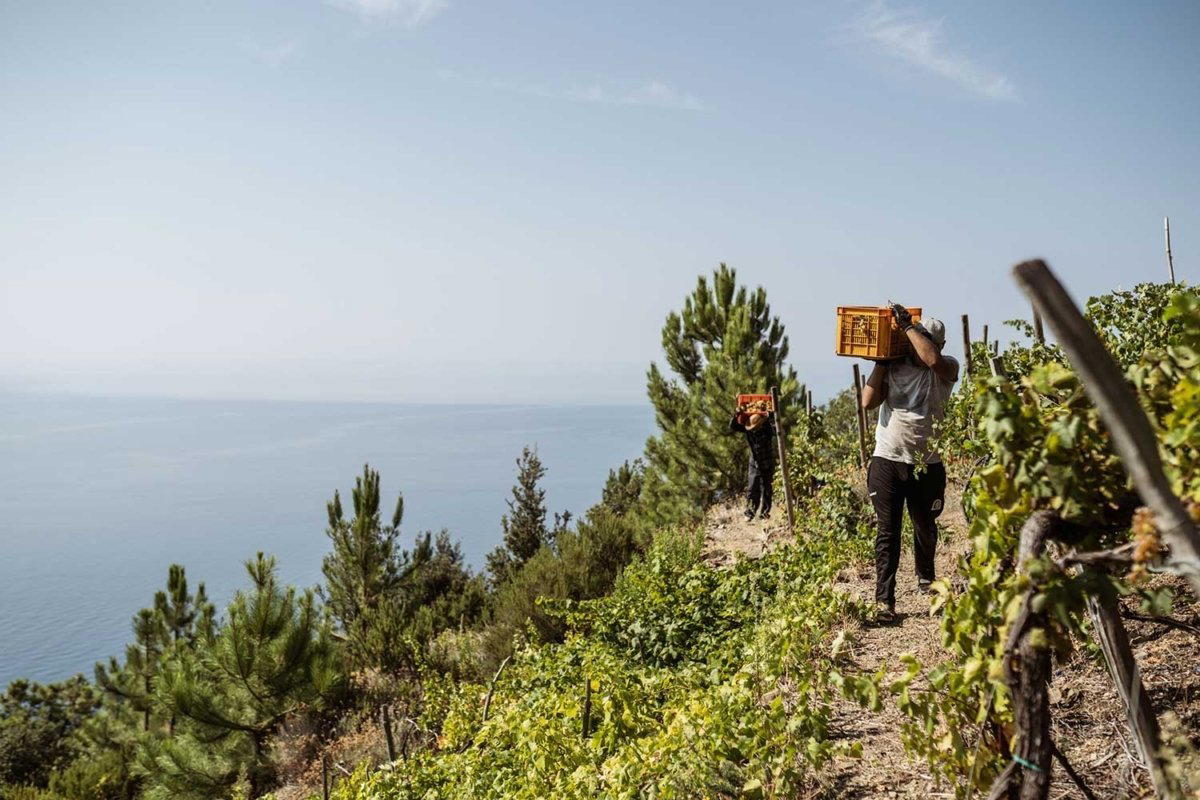
Ligurian cuisine has always been shaped by scarcity and geography. The terraced hillsides above the five villages produce some of Italy's most concentrated basil, used in the region's pesto, and the olive groves yield a lighter oil than the heavier Tuscan and Apulian varieties. The sea adds anchovies, cephalopods, and the kind of small, bony rockfish that require skill and patience to cook well. What the cuisine rarely has is excess: portions here reflect a tradition built on using everything from a catch and stretching hillside harvests through winter.
That culinary logic gives Monterosso's dining scene a tighter ingredient vocabulary than you find in larger Italian coastal cities. The restaurants that work within it, rather than importing proteins or padding menus with continental standards, tend to produce food that reads as genuinely local rather than generically Mediterranean. Il Piccolo Diavolo, positioned on the main artery through the old town, operates in that context. Comparing it against the village's other seafood-focused options gives a clearer picture of where it sits: Da Miky runs at a higher price point with a more formal register, while L'Ancora della Tortuga positions itself at the more accessible end of the seafood tier. Da Eraldo and Enoteca Internazionale round out the options for those spending more than a single meal in the village.
Seasonality as the Operating System
Coastal Ligurian kitchens run on a seasonal logic that visitors arriving in summer sometimes miss because the menus look consistent month to month. The reality is that what fills a dish in July, local squid, farinata made with the previous season's chickpea flour, tomatoes from the terraced plots above the village, shifts materially by October, when the fishing patterns change and the hillside harvests come in. A kitchen genuinely connected to local sourcing will reflect those shifts even when the menu categories remain the same.
Monterosso has a longer tourist season than the other four Cinque Terre villages, partly because it has the only proper beach in the five. That extended season creates pressure on restaurants to maintain consistency for high visitor volumes through June, July, and August, then serve a more locally-oriented clientele in the shoulder months. The dining character of the town in September and October is meaningfully different from its summer peak, and for visitors with flexibility, that gap matters when thinking about ingredient quality and kitchen attention.
For those interested in how coastal Italian sourcing compares at higher price points and greater ambition, the country's most rigorously produce-led kitchens offer useful reference points: Uliassi in Senigallia and Quattro Passi in Marina del Cantone both frame Adriatic and Tyrrhenian seafood through a different technical register, while Atelier Moessmer Norbert Niederkofler in Brunico makes ingredient provenance the explicit architectural principle of the menu. Italy's most decorated dining rooms, Osteria Francescana in Modena, Dal Pescatore in Runate, Le Calandre in Rubano, Piazza Duomo in Alba, Reale in Castel di Sangro, Casa Perbellini 12 Apostoli in Verona, Enrico Bartolini in Milan, and Enoteca Pinchiorri in Florence, sit in a different competitive universe, but they illustrate what Italian regional sourcing can become at the furthest extreme of technical ambition. For seafood-first cooking at the international level, Le Bernardin in New York City and Atomix in New York City both demonstrate how ingredient provenance becomes legible even in an urban setting far removed from the source.
Planning a Meal Here
Monterosso al Mare is accessible by the regional train running the La Spezia to Levanto line, with a journey of roughly twelve minutes from La Spezia Centrale. The station sits at the edge of the new town, and Via Vittorio Emanuele in the old quarter is a ten-minute walk through the pedestrian tunnel. Parking in the village is extremely limited, and arriving by train or ferry is the default for most visitors. The Cinque Terre Express pass covers unlimited train travel between the villages and is worth buying at the station if you plan to move between multiple towns in a day.
Summer evenings on Via Vittorio Emanuele are busy; the old town fills with both day-trippers who have stayed late and hotel guests from the handful of properties in the quarter. Shoulder season visits in May or October allow more space at the table and, better access to the autumn and spring catch cycles that summer crowds rarely encounter. For a broader map of where Il Piccolo Diavolo sits among the village's dining options,
At-a-Glance Comparison
Comparable venues nearby, for context on price, style, and recognition.
| Venue | Cuisine | Price | Awards | Notes |
|---|---|---|---|---|
| Il Piccolo DiavoloThis venue — the venue you are viewing | Authentic Ligurian Italian | $$ | Not listed | Not listed |
| Da Eraldo | Ligurian Seafood Trattoria | $$ | Not listed | Old Town |
| Enoteca Internazionale | Ligurian Wine Bar | $$ | Not listed | Monterosso al Mare |
| L'Ancora della Tortuga | Ligurian Seafood | $$$ | Michelin Plate | Monterosso al Mare |
| Da Miky | Modern Seafood Fine Dining | $$$ | Michelin Plate | Monterosso al Mare |
| Passeggiata Anita Garibaldi | italian | $$ | Not listed | Nervi |
Continue exploring
More in Monterosso al Mare
Restaurants in Monterosso al Mare
Browse all →
Bars in Monterosso al Mare
Browse all →
Hotels in Monterosso al Mare
Browse all →

At a Glance
- Rustic
- Cozy
- Family
- Casual Hangout
- Standalone
Current opening hours
- Monday
- 12–3 PM, 6:30–9:30 PM
- Tuesday
- 12–3 PM, 6:30–9:30 PM
- Wednesday
- 12–3 PM, 6:30–9:30 PM
- Thursday
- 12–3 PM, 6:30–9:30 PM
- Friday
- 12–3 PM, 6:30–9:30 PM
- Saturday
- 12–3 PM, 6:30–9:30 PM
- Sunday
- 12–3 PM, 6:30–9:30 PM
Hours can change for holidays and private events. Last verified .
Clean and friendly with attentive staff, offering a cozy Italian atmosphere.