Il Melograno
Our verdict
Il Melograno sits on Hauptstrasse in the quiet Swiss village of Hausen, representing the kind of neighbourhood Italian presence that Switzerland's smaller Aargau communities have quietly sustained for decades. In a country where Italian cuisine ranges from motorway-adjacent trattorie to Ticino-side fine dining, a village address like this one asks to be read on its own terms, against the grain of the major-city dining circuit.

Pearl is the En Primeur Club membership app — saves, bookings, and concierge access live there. Same editors, same standards.
- Address
- Hauptstrasse 46, 5212 Hausen, Switzerland
- Phone
- +41565364085
- Hours
- Mon ClosedTue 5:30–11 PMWed–Thu 11 AM–2:30 PM, 5:30–11 PMFri 11 AM–2:30 PM, 5:30–11:30 PMSat 5:30–11:30 PMSun Closed
- Website
- ilmelograno.ch
- Directions
- Get directions
- Booking
- Book on the venue's website
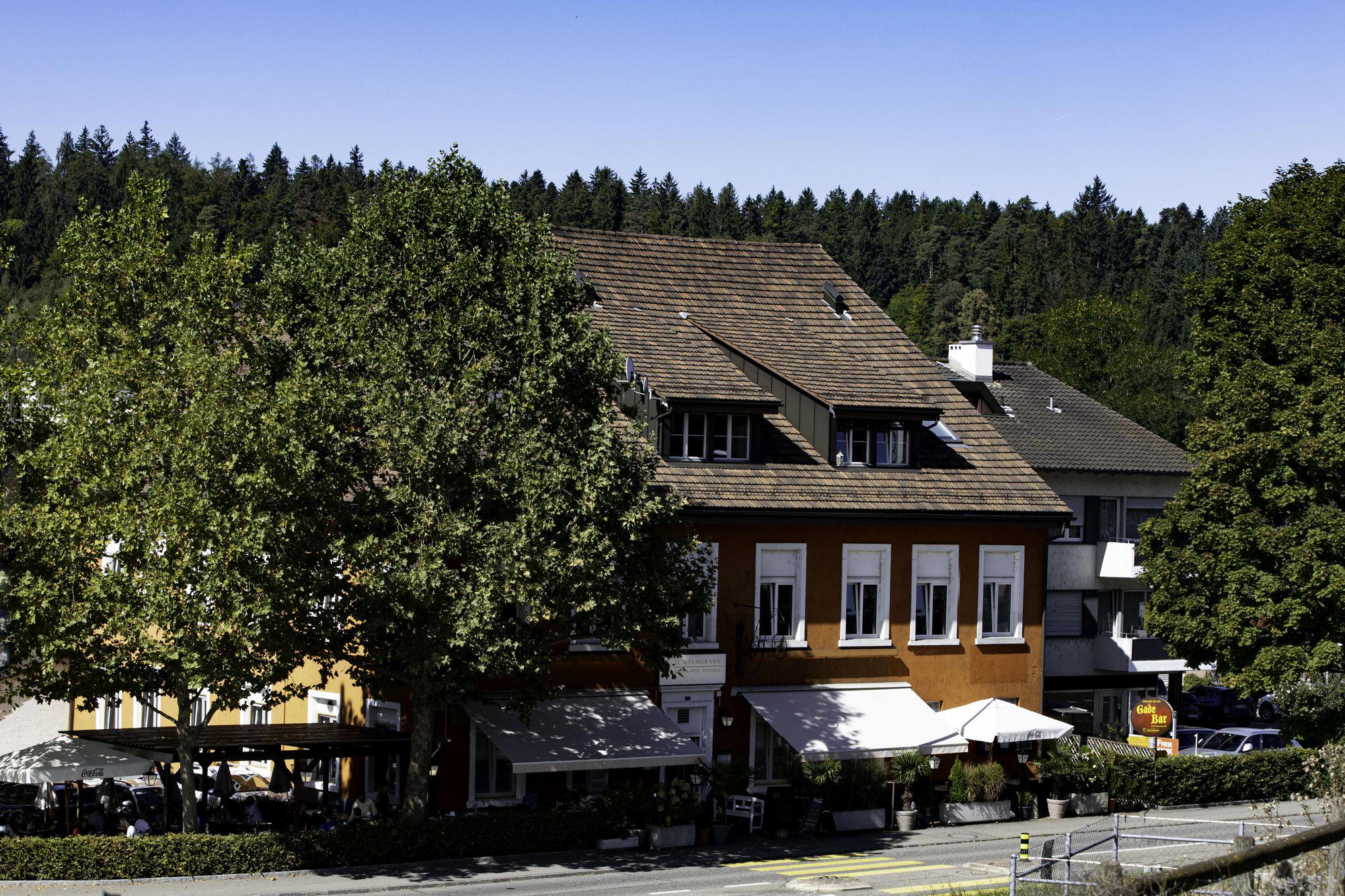
A Village Address in the Aargau Dining Scene
Switzerland's dining conversation tends to concentrate around a handful of anchoring cities and resort addresses. The Michelin-decorated circuit pulls attention toward places like Cheval Blanc by Peter Knogl in Basel, Hotel de Ville Crissier, or the alpine precision of Memories in Bad Ragaz. Outside those corridors, the more instructive story is often how smaller communities sustain dining culture without the infrastructure of a city neighbourhood or a resort economy. Hausen, in the canton of Aargau, is that kind of place: a compact village where a restaurant on Hauptstrasse 46 is, by definition, a community-facing address rather than a destination-dining proposition built for out-of-town visitors.
Il Melograno occupies that position. The name — Italian for pomegranate — signals an Italian kitchen, and in Switzerland that means something specific. Italian cuisine here sits in a different register than it does in Zurich's Langstrasse trattorias or on the Ticino lakeside, where geography and cross-border supply chains shape the menu from the ground up. In Aargau, the Italian restaurant tradition is more workday than scenographic: regulars, consistent sourcing, and a kitchen that builds its credibility through repetition rather than reinvention. That framing matters more than any single dish.
The Ingredient Question in Swiss-Italian Kitchens
For Italian restaurants operating in German-speaking Switzerland, ingredient sourcing is the defining editorial fact. The canton of Aargau is agriculturally active, river valleys, market gardens, and a tradition of regional produce supply that predates the current farm-to-table vocabulary by several decades. Swiss Italian kitchens in this zone tend to operate in one of two modes: either they import heavily from Italy, maintaining a supply chain that treats Switzerland as a temporary address for Mediterranean produce, or they adapt the Italian framework to what the surrounding region actually provides, which produces something more hybridised and, often, more interesting.
That tension between authenticity and adaptation is what separates Italian restaurants at this level from their urban counterparts. In cities like Zurich, the premium Italian market has split between high-spec ingredient importers, operations that price against the cost of San Marzano tomatoes and Sicilian sea salt flown in weekly, and more pragmatic kitchens that use Swiss dairy, regional cured meats, and locally milled flour as a matter of economics as much as philosophy. The village restaurant, by contrast, resolves that tension differently. Proximity to producers is both a constraint and an advantage, and the better village kitchens have historically known how to read their supply chain as a menu.
Il Melograno's position on Hauptstrasse, in a village rather than a gastro-destination, suggests the latter approach is more likely than the former. A restaurant of this type, in a community this size, builds its kitchen around what arrives consistently rather than what arrives expensively. Whether that means Aargau vegetables, Swiss-reared meat, or locally sourced dairy alongside imported Italian staples is a question the menu would answer on arrival, and it's the right question to bring through the door.
Where Il Melograno Sits in the Swiss Dining Picture
Switzerland's decorated restaurant tier is well-documented. Schloss Schauenstein in Fürstenau operates at the highest creative register, as does focus ATELIER in Vitznau. The sharing-format experiment of IGNIV Zürich by Andreas Caminada and the classical French structure of La Table du Lausanne Palace occupy distinct positions in that tier. Il Melograno is not competing in that space. It sits instead in the broader category of neighbourhood Italian restaurants that sustain the day-to-day dining culture of Swiss communities, a category that is considerably harder to do well than it appears, and one that the decorated tier tends to obscure.
For comparison, consider how Italian cooking at the serious end of the Swiss spectrum works in resort contexts: Da Vittorio in St. Moritz brings a Bergamo-based Michelin pedigree to an alpine luxury address, which tells you something about what that market expects. Il Melograno's Hausen address tells you the opposite: this is a kitchen that earns its place by being useful to the people who live nearby, not by attracting visitors who have already decided to spend significantly before they walk in.
The wider Swiss Italian scene also encompasses places like La Brezza in Ascona, which operates in the more obviously Italian-inflected Ticino. The Aargau version is quieter, less scenographic, and relies more heavily on the kitchen's relationship with its immediate surroundings than on the romance of a lakeside terrace.
Getting There and Planning a Visit
Hausen is accessible from Zurich and Aarau, the cantonal capital, making it a plausible lunch or dinner destination for anyone spending time in the broader Aargau region rather than a standalone journey from further afield. As with most village restaurants in German-speaking Switzerland, arrival by car is the practical default, though the regional rail network connects the area to the main intercity lines. Contact details and current hours are best confirmed directly, as village restaurants in Switzerland frequently operate on schedules that shift seasonally without being well-documented online. Reservations, even for a midweek dinner, are worth making in advance for a kitchen of this scale. Those building a broader Swiss dining itinerary alongside Il Melograno might also consider Magdalena in Schwyz, Einstein Gourmet in Sankt Gallen, Colonnade in Lucerne, or Maison Wenger in Le Noirmont depending on the direction of travel. For those approaching from a transatlantic perspective, EP Club's coverage of Le Bernardin in New York City and Atomix in New York City illustrates the kind of editorial framework we apply across very different price tiers and contexts. See 7132 Silver in Vals for another example of how Switzerland's more remote addresses handle the sourcing and ambition question. Our full Hausen restaurants guide covers the broader local picture and is the right place to start when building a day around this part of Aargau. And for those whose interest in French-Italian hybrids extends beyond Switzerland, L'Atelier Robuchon in Geneva offers a useful counterpoint on how that culinary dialogue plays out in a major Swiss city.
Frequently asked questions
Is Il Melograno okay with children?
Nothing in the available record for Il Melograno at Hauptstrasse 46, Hausen rules children out. Italian trattoria-style addresses in Swiss villages tend to run family-friendly at lunch and shift toward a quieter dinner atmosphere in the evenings. Calling ahead to confirm is the practical move before arriving with young children.
What's the vibe at Il Melograno?
Il Melograno sits on Hauptstrasse in Hausen, a village in the canton of Aargau, which sets the tone immediately: this is not a city-centre showcase but a neighbourhood address operating at its own pace. Italian restaurants in this format across German-speaking Switzerland typically carry an unpretentious, room-temperature warmth rather than the formal register of decorated urban counterparts. Expect something closer to a long-table dinner with regulars than a polished metropolitan production.
Is Il Melograno a good option for a day trip from Zurich combining Swiss countryside and Italian food?
Hausen sits in the canton of Aargau, which is reachable from Zurich and makes Il Melograno at Hauptstrasse 46 a plausible pairing for anyone spending a day in the region. The Aargau countryside is one of the more agricultural and scenically understated parts of German-speaking Switzerland, which gives a meal here a different texture than a Zurich city lunch. Confirm current opening hours directly with the restaurant before building an itinerary around it.
What should I eat at Il Melograno?
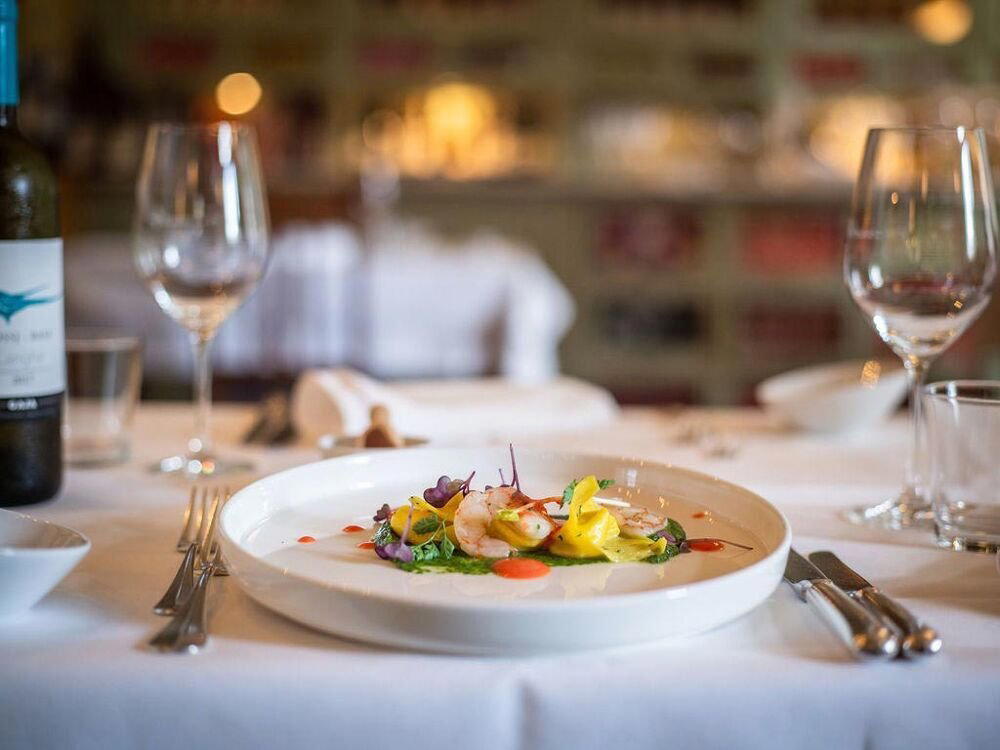
Italian kitchens operating in Aargau tend to anchor their menus around seasonal produce from the canton, which is one of Switzerland's more agriculturally active regions, alongside pasta and regional meat preparations. Checking directly with the restaurant before visiting will give you the clearest picture of what is on offer.
What's Il Melograno's location?
Il Melograno is located at Hauptstrasse 46, 5212 Hausen, Switzerland, Hausen.
How hard is it to get a table at Il Melograno?
Village restaurants in Swiss cantons like Aargau can fill quickly on weekends given the limited seat count typical of the format, and the area draws diners from both Aarau and Zurich. Advance reservation is advisable, particularly for Friday and Saturday evenings.
What's the standout thing about Il Melograno?
The address itself is the defining fact: Italian cooking delivered from a village setting on Hauptstrasse in Hausen, Aargau, rather than from a city dining room competing for Michelin attention. That positioning gives Il Melograno a different relationship to its guests, one built around repeat local custom rather than destination traffic. For travellers already in the region, it represents the kind of Italian address that rewards low-expectation curiosity.
Comparison Snapshot
Comparable venues nearby, for context on price, style, and recognition.
| Venue | Cuisine | Price | Awards | Notes |
|---|---|---|---|---|
| Il MelogranoThis venue — the venue you are viewing | Italian Pizza and Pasta | $20–30 | Not listed | Not listed |
| Pizzeria Artechiara | Authentic Neapolitan Pizza | $20–30 | Not listed | Dietikon |
| Alba | Modern Sourdough Pizza | $20–30 | 50 Top Pizza Europe #43 | Aussersihl |
| Pizzeria Sonnen | Italian Pizza & Kebab | $10–20 | Not listed | Gränichen |
| Collana | Italian Cafe and Bar | $20–30 | Not listed | Fluntern |
| Latini | Traditional Italian Trattoria | $30–50 | Not listed | Aeschen |


Details
- Lively
- Cozy
- Casual Hangout
- Family
- A La Carte
- Vegetarian Friendly
- Gluten Free Options
Current opening hours
- Monday
- Closed
- Tuesday
- 5:30–11 PM
- Wednesday
- 11 AM–2:30 PM, 5:30–11 PM
- Thursday
- 11 AM–2:30 PM, 5:30–11 PM
- Friday
- 11 AM–2:30 PM, 5:30–11:30 PM
- Saturday
- 5:30–11:30 PM
- Sunday
- Closed
Hours can change for holidays and private events. Last verified .
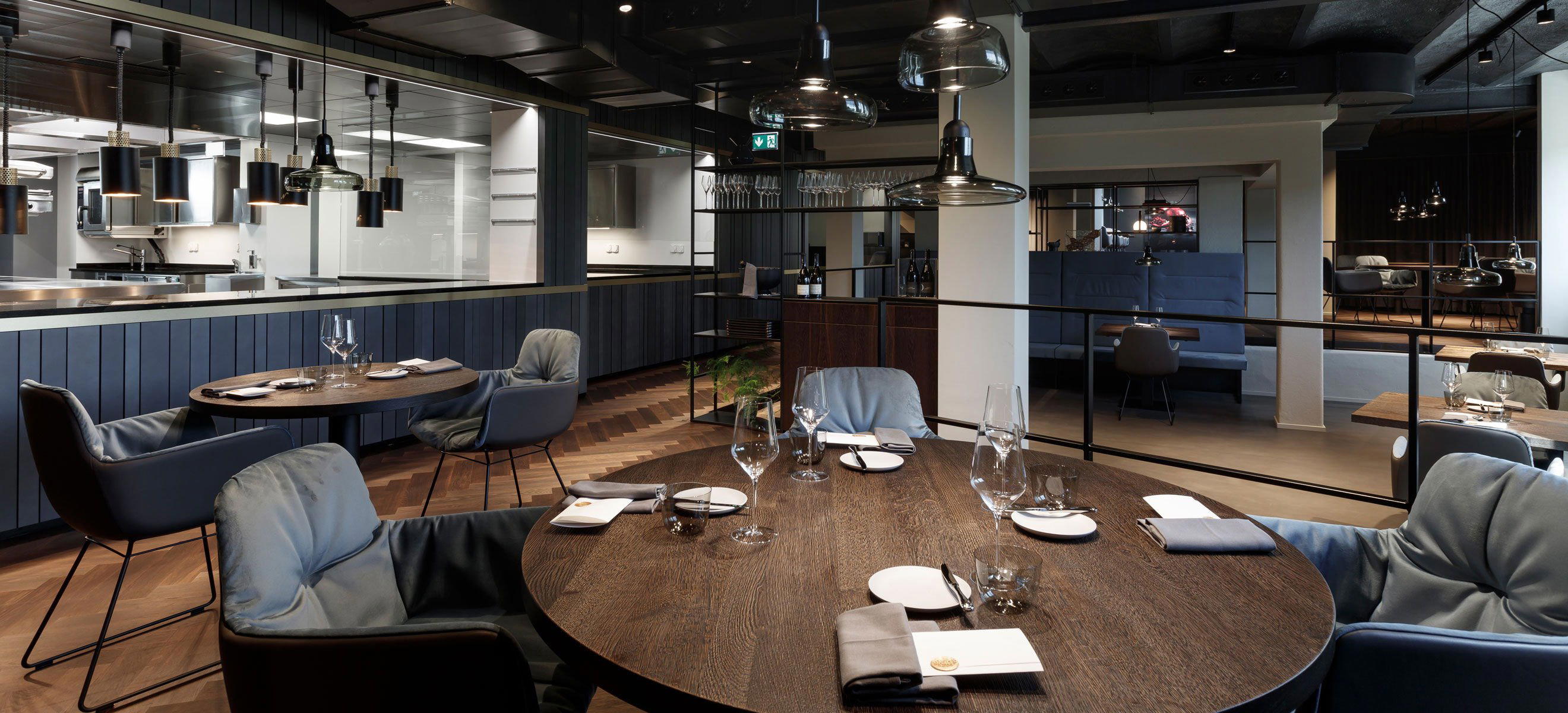
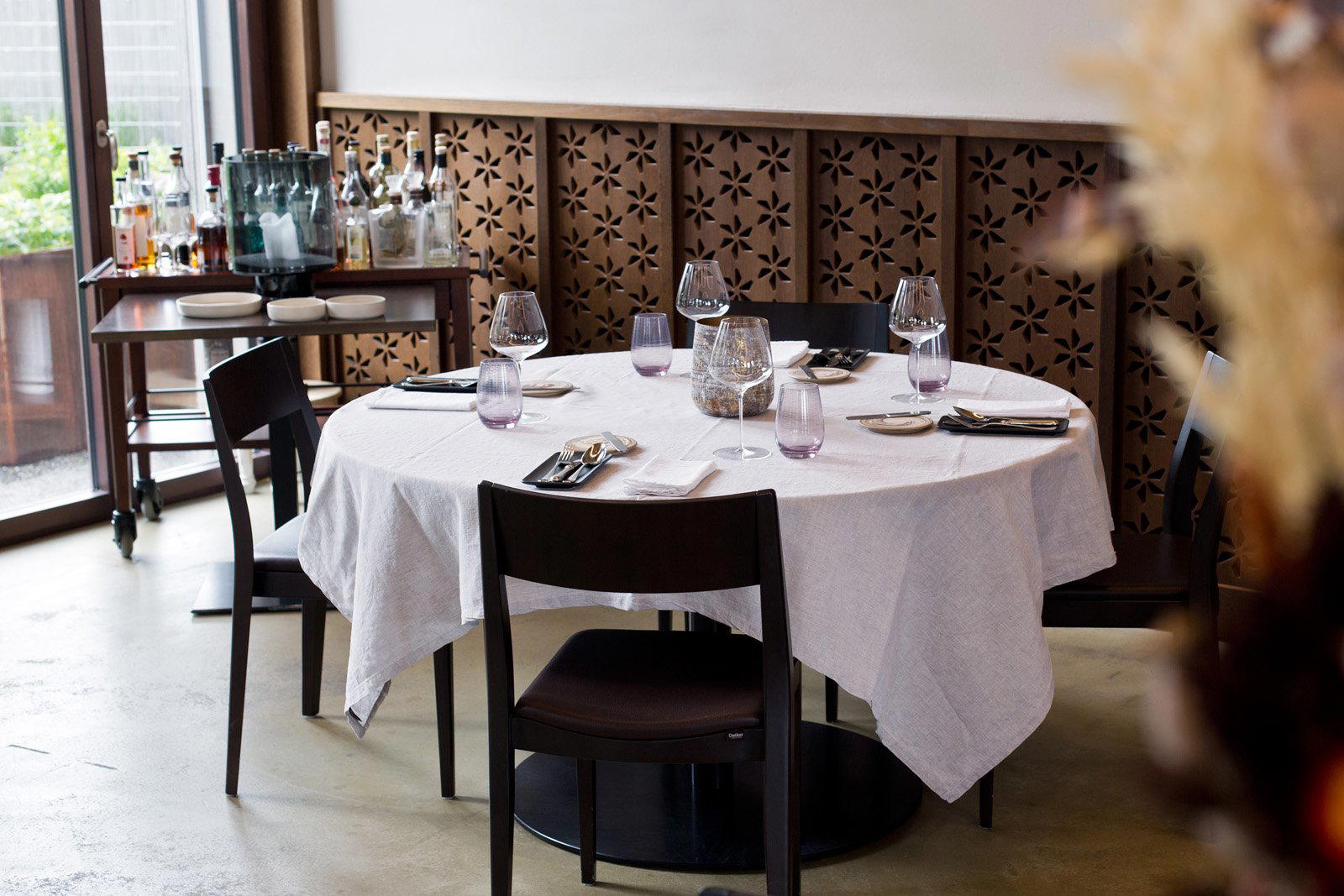
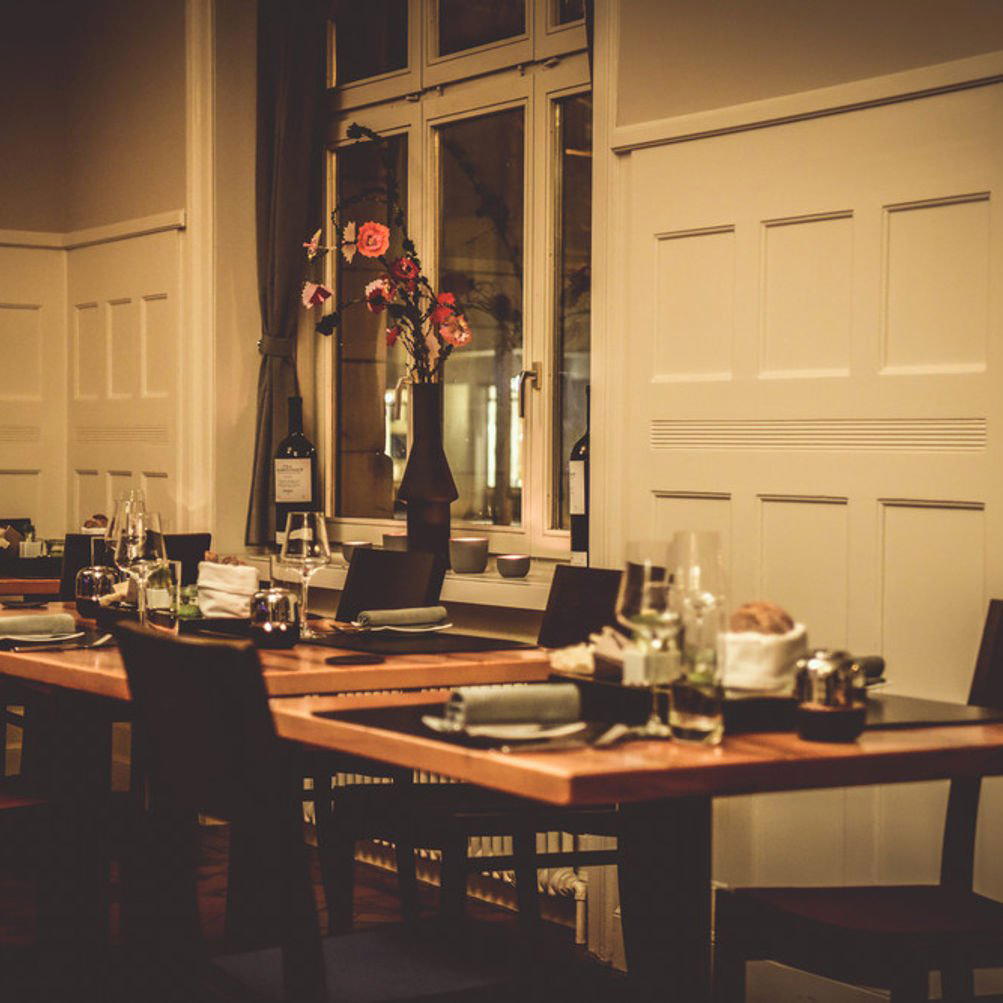
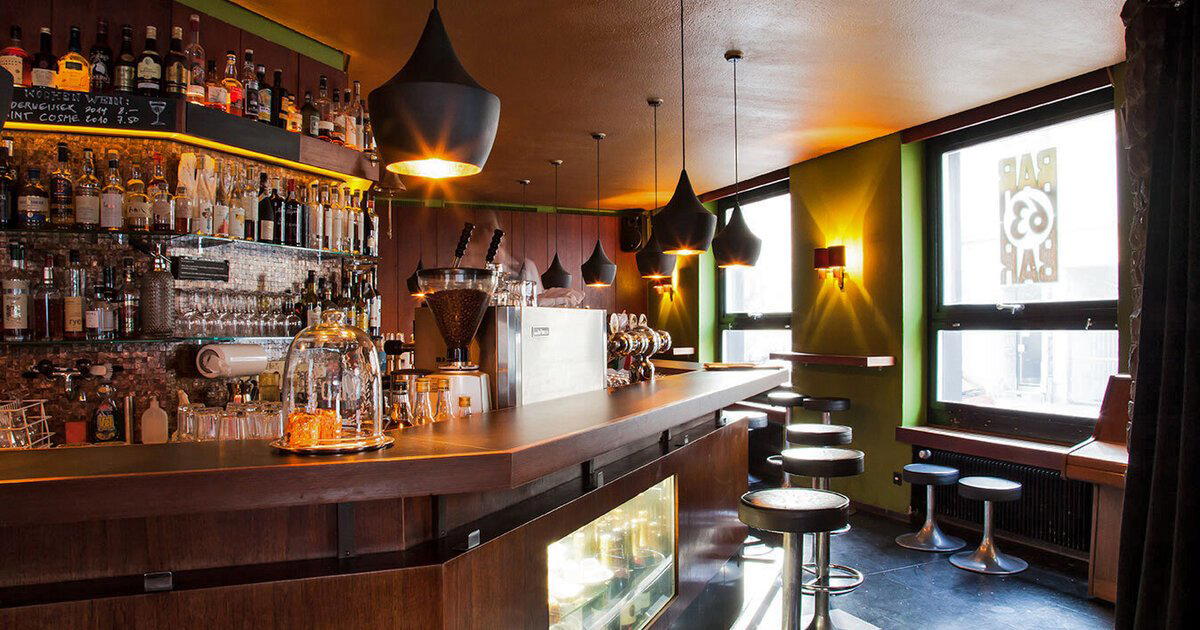
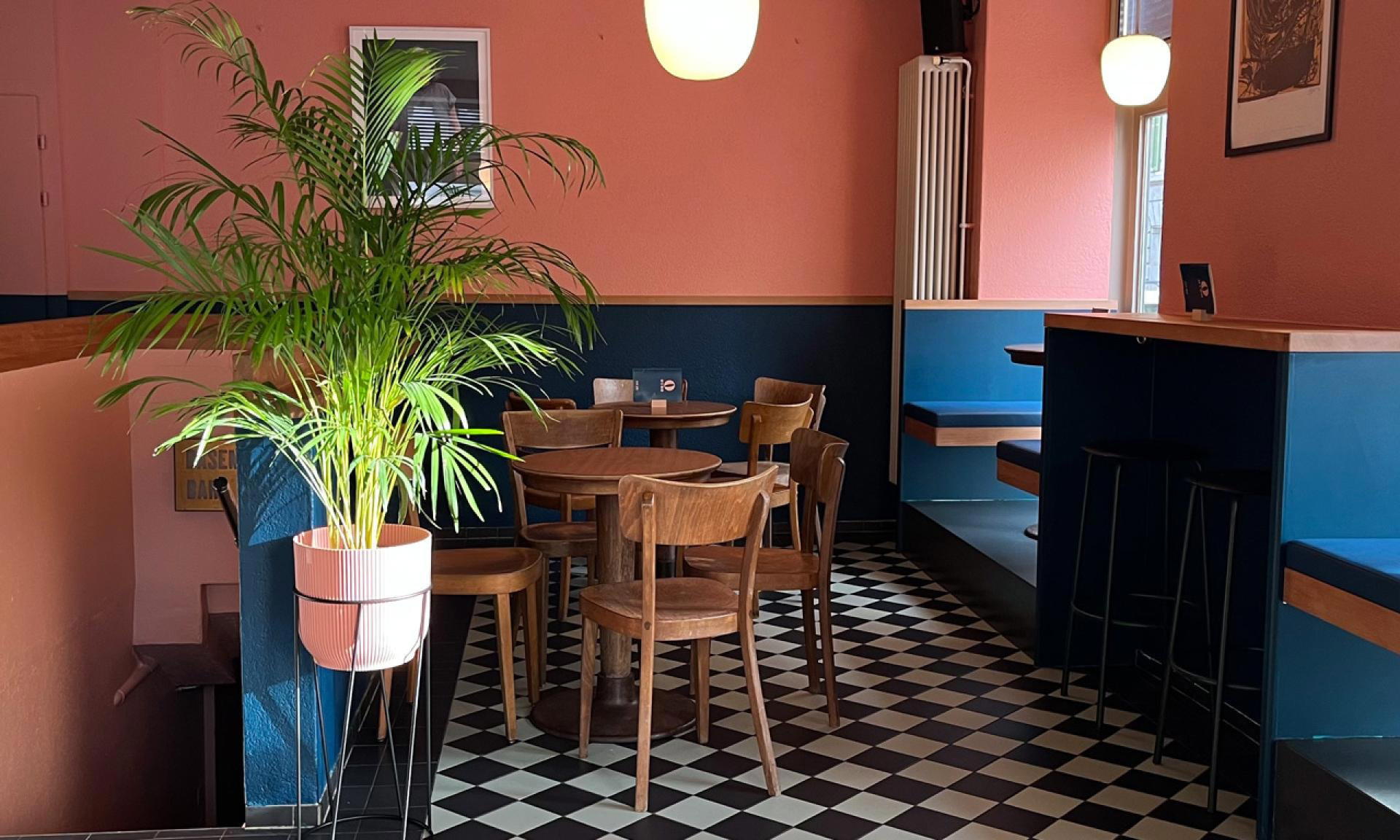
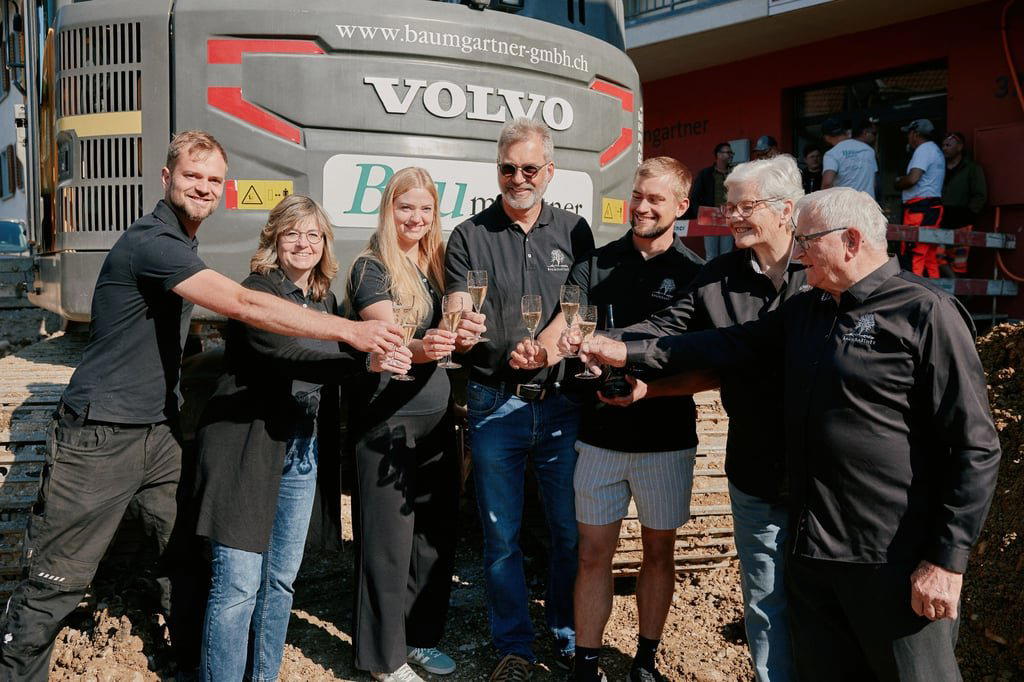
Lively and welcoming atmosphere where everyone feels at home, with friendly service and a cozy, family-run vibe.