Our verdict
Il Gattopardo occupies the third floor of a building on Avenida Eng. Duarte Pacheco, placing it among Lisbon's more address-conscious dining options. The Italian name — referencing Lampedusa's novel of aristocratic decline and reinvention — signals a particular register: formal enough to warrant the climb, rooted enough in Mediterranean tradition to sit comfortably in a city that has always looked south and west as much as it has looked north.

Pearl is the En Primeur Club membership app — saves, bookings, and concierge access live there. Same editors, same standards.
- Address
- Av. Eng. Duarte Pacheco 24 3º piso, 1070-110 Lisboa, Portugal
- Phone
- +351213896622
- Hours
- Mon–Fri 12:30–3:30 PM, 7:30–10:30 PMSat–Sun Closed
- Website
- radissonhotels.com
- Directions
- Get directions
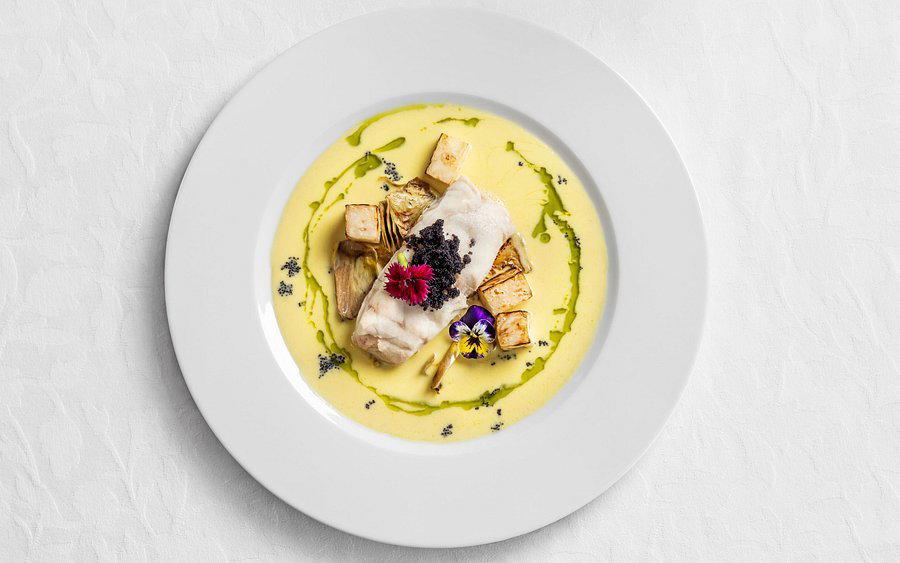
The menu
What to order
- Pappardelle with pork rib ragu
- Beef and veal meatballs in cabbage leaf
- Colorado rack of lamb
- Pastiera
A Mediterranean Name in an Atlantic City
Lisbon has spent the better part of a decade recalibrating its fine dining identity. The generation of restaurants that followed Belcanto's Michelin breakthrough shifted the city's upper tier toward Portuguese produce and technique, establishing a local idiom that now defines the conversation at CURA, Eleven, and 50 Seconds from Martin Berasategui. Against that backdrop, a restaurant carrying an Italian name — Il Gattopardo, drawn from Giuseppe Tomasi di Lampedusa's novel about a Sicilian aristocracy navigating change — occupies a specific counter-position. It is not trying to be the most Portuguese restaurant in Lisbon. That choice alone is worth examining.
The address, Avenida Eng. Duarte Pacheco 24, third floor, places Il Gattopardo in a part of the city where the residential fabric gives way to broader arterial planning, less foot traffic than Chiado, more deliberate than Bairro Alto. Arriving by elevator rather than cobblestone lane changes the register before a dish is set down. In cities like Milan or Rome, Italian fine dining at this remove from the street-level bustle reads as a signal of seriousness; Lisbon is still developing that grammar, but Il Gattopardo appears to be writing in it.
Italian Dining in Lisbon: A Category with Room to Define Itself
The Italian restaurant outside Italy operates in a complicated space. At the lower end, it risks caricature, pasta as comfort shorthand, pizza as crowd management. At the upper end, particularly in cities with strong local culinary identities, it requires a clear argument for why classical Italian technique and ingredient philosophy deserve a seat at the serious-dining table. In cities like London and New York, that argument has been made convincingly by a small number of rooms: at Le Bernardin in New York, the French-in-America model demonstrated that imported culinary traditions can anchor fine dining institutions without apology, and comparable Italian examples have followed. Lisbon, which is smaller and more culinarily self-referential than either of those cities, presents a more specific challenge.
Mediterranean connection does provide a cultural through-line. Portugal and Italy share a relationship with olive oil, preserved fish, pulses, and seasonal produce that makes Italian cooking feel less foreign here than it might in, say, Copenhagen or Tokyo. Sicilian cuisine in particular, and the Lampedusa reference suggests Sicily more than the north, draws on Arab, Norman, and Spanish influences that rhyme with Moorish-inflected Portuguese cooking.
Where Il Gattopardo Sits in Lisbon's Dining Tier
Belcanto and CURA anchor that bracket with starred credentials. Below them sits a second tier of serious rooms operating at the €€€ to €€€€ level, where cooking ambition and sourcing discipline remain high but the format is less rigidly tasting-menu-only.
That is not necessarily a disadvantage. Some of the more interesting dining in Lisbon happens outside the Michelin orbit, at rooms that have developed loyal clientele through consistency and specificity rather than through the particular discipline that awards recognition demands. The full Lisbon restaurants guide covers the broader range of options across price points and neighbourhoods.
Vila Joya in Albufeira, Antiqvvm in Porto, Casa de Chá da Boa Nova in Leça da Palmeira, Il Gallo d'Oro in Funchal, Ocean in Porches, The Yeatman in Vila Nova de Gaia, A Cozinha in Guimarães, A Ver Tavira in Tavira, Al Sud in Lagos, and Bon Bon in Lagoa collectively map a national scene that has grown considerably more coherent since 2015.
The Lampedusa Frame and What It Implies
Naming a restaurant after Lampedusa's novel is a particular kind of cultural bet. The book's central line, "If we want things to stay as they are, things will have to change", has become shorthand for the tension between tradition and adaptation. In the context of a restaurant, the reference suggests a kitchen that takes classical form seriously while remaining aware that strict reproduction is not the same as relevance. Italian fine dining has had to reckon with exactly this question over the past two decades: how to honour the weight of regional culinary tradition without becoming a museum exercise.
The restaurants that have resolved this tension most successfully tend to do so through ingredient specificity rather than technique spectacle. The quality of the olive oil, the sourcing of the pasta grain, the provenance of the aged cheese, these details carry more editorial weight than elaborate plating in Italian high-low cooking.
Among Lisbon's more format-adventurous rooms, 2Monkeys represents the opposite end of the cultural positioning spectrum, creative and playful where Gattopardo implies gravitas. Both have a place in a city whose dining scene now has enough range to support genuine differentiation. For the international visitor whose fine dining reference points are closer to Atomix in New York than to a traditional Italian room, Il Gattopardo may read as the more conservative choice; for someone seeking relief from the tasting-menu-with-fermented-everything format that dominates contemporary fine dining, it may read as the more appealing one.
Planning Your Visit
Il Gattopardo is located at Avenida Eng. Duarte Pacheco 24, third floor, in Lisbon, accessible by car or taxi from the city centre, with parking available in the surrounding area. The third-floor setting implies a degree of formality in dress and expectation; arriving without a reservation on the assumption that walk-ins are accommodated would be a risk at a room of this address type.
Frequently asked questions
Is Il Gattopardo suitable for children?
Il Gattopardo's third-floor setting on Avenida Eng. Duarte Pacheco and its cultural positioning within Lisbon's more deliberate dining register suggest an adult-oriented room. Families with older children who are comfortable in a formal sit-down context should be fine, but it is not set up as a family-casual destination. Younger children would likely find little accommodation here.
What's the overall feel of Il Gattopardo?
The third-floor address on one of Lisbon's main arteries sets the tone: this is a room that asks something of its guests before they arrive. The Italian cultural reference — drawn from Lampedusa's novel about aristocratic preservation amid change — carries through to a formal-leaning atmosphere. Expect a considered pace rather than a convivial neighbourhood trattoria energy.
How does Il Gattopardo's location on the third floor affect the dining experience?
The third-floor position at Avenida Eng. Duarte Pacheco 24 separates the room from street-level noise and foot traffic, which in Lisbon's increasingly busy dining corridor matters more than it once did. That physical remove tends to shape a calmer, more self-contained atmosphere than ground-floor competitors in the city. Access is by lift or stairs, so guests with mobility considerations should factor that in when booking.
What do regulars order at Il Gattopardo?
At Italian restaurants operating at this address tier in Lisbon, the kitchen typically anchors around pasta made in-house and protein-led secondi, with the wine list doing considerable work alongside. Visiting with an open approach to the full menu rather than a fixed order tends to reflect how these rooms are designed to be used.
Budget and Context
Comparable venues nearby, for context on price, style, and recognition.
| Venue | Cuisine | Price | Awards | Notes |
|---|---|---|---|---|
| Il GattopardoThis venue — the venue you are viewing | Traditional Southern Italian | $50–100 | Not listed | Not listed |
| La Serra | Italian Bistro with Wood Oven Pizzas | $20–30 | Not listed | Alcantara, Italian Bistro with Wood Oven Pizzas |
| Restaurante Capricciosa | Italian Pizzeria | $20–30 | Not listed | Alcantara, Italian Pizzeria |
| Kabuki | Japanese-Portuguese Fusion Fine Dining | Not listed | 1 Michelin Star · Star Wine List | Amoreiras, Michelin-Starred Japanese-Portuguese Fusion |
| Luzzi | Modern Lusitanian Cuisine | Not listed | Not listed | Baixa, Modern Lusitanian Cuisine |
| Casanova | Traditional Italian Wood-Fired Pizza | $20–30 | Not listed | Santa Apolonia, Traditional Italian Wood-Fired Pizza |
Continue exploring
More in Lisbon
Restaurants in Lisbon
Browse all →

Bars in Lisbon
Browse all →
Hotels in Lisbon
Browse all →
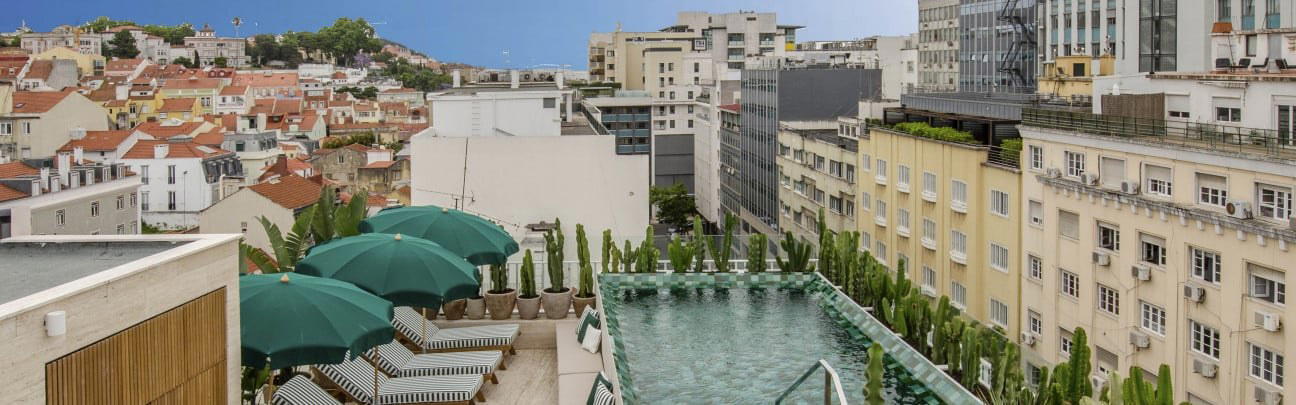
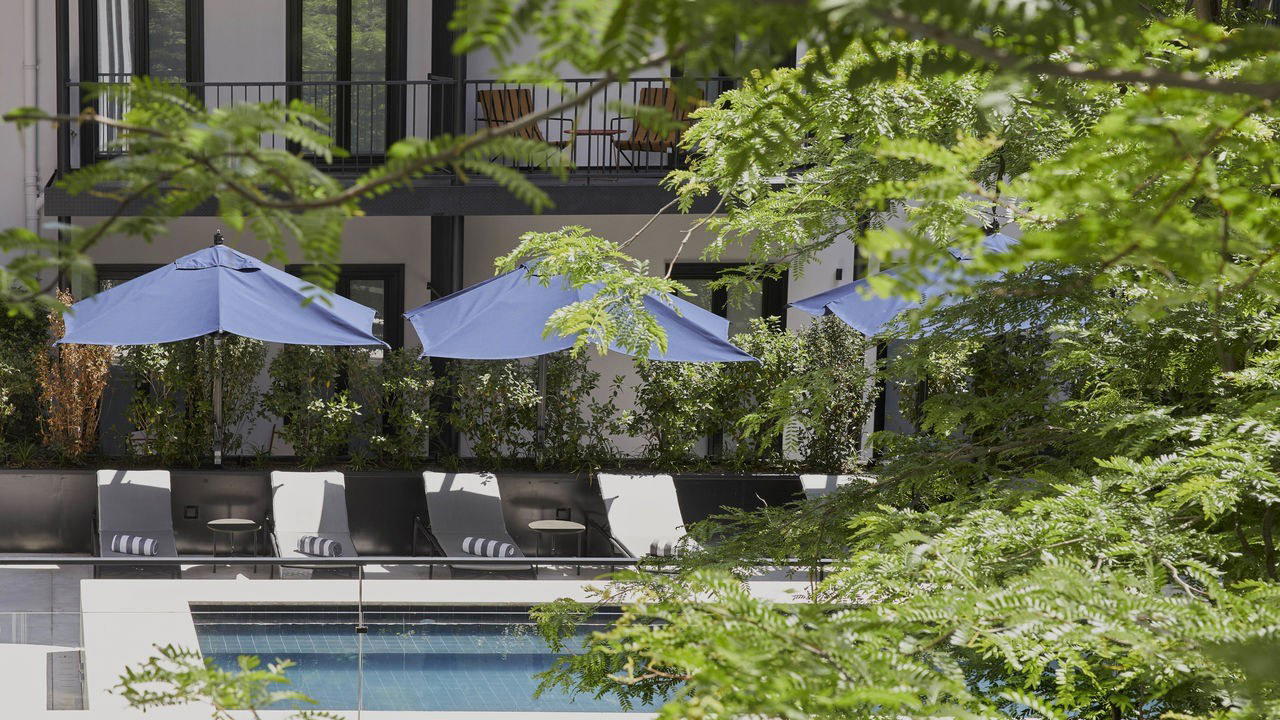
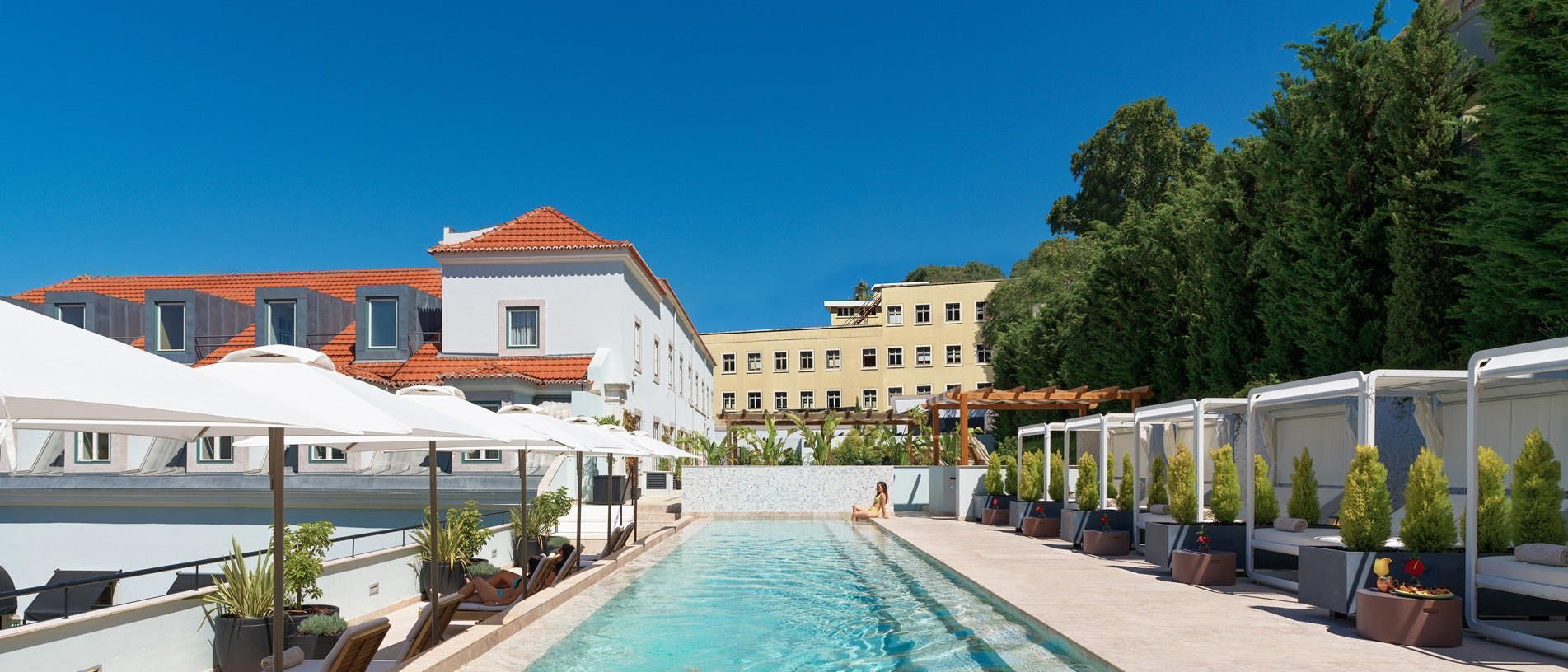

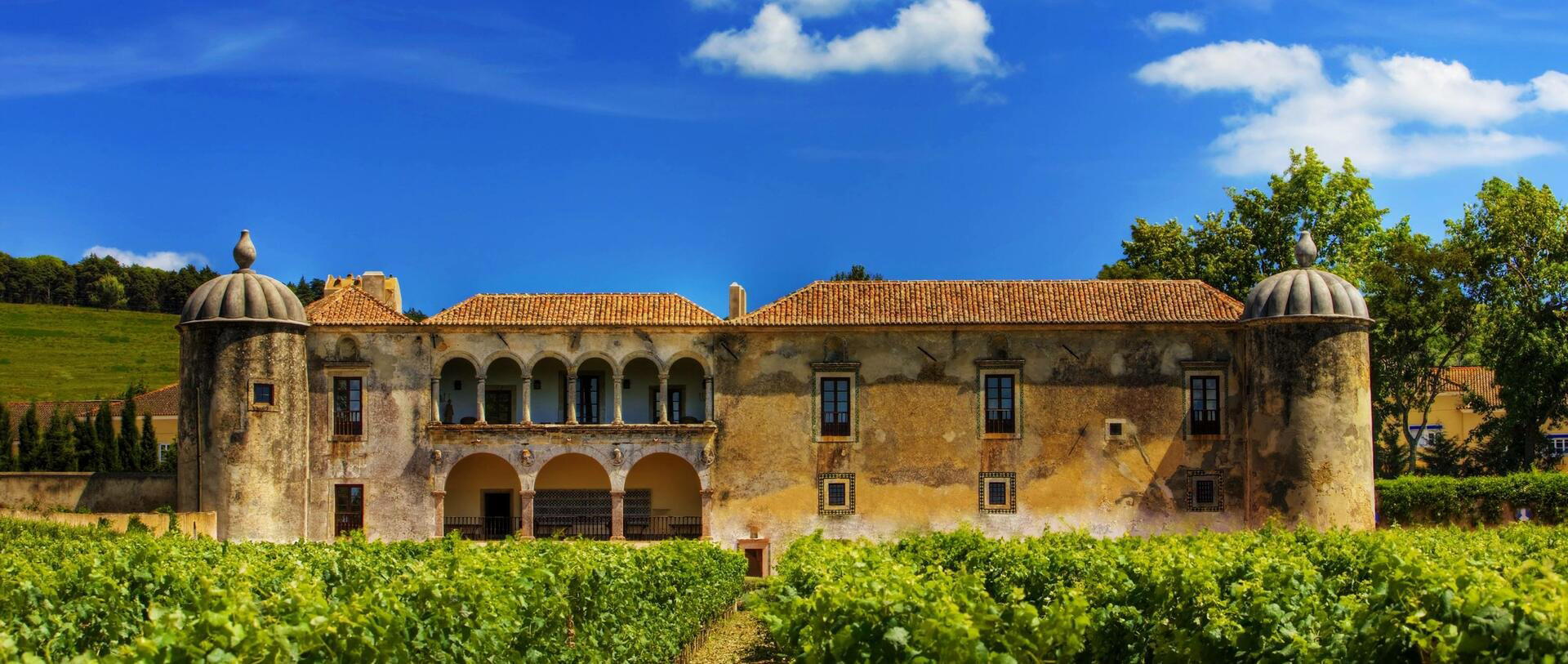
Il Gattopardo
The wine
- Wine program
- Exceptional wine program
- Extensive wine list
Details
- Elegant
- Sophisticated
- Classic
- Scenic
- Date Night
- Business Dinner
- Special Occasion
- Terrace
- Panoramic View
- Hotel Restaurant
- Extensive Wine List
- Skyline
- A La Carte
- Tasting Menu
- Italian Wine
- Vegetarian Friendly
Current opening hours
- Monday
- 12:30–3:30 PM, 7:30–10:30 PM
- Tuesday
- 12:30–3:30 PM, 7:30–10:30 PM
- Wednesday
- 12:30–3:30 PM, 7:30–10:30 PM
- Thursday
- 12:30–3:30 PM, 7:30–10:30 PM
- Friday
- 12:30–3:30 PM, 7:30–10:30 PM
- Saturday
- Closed
- Sunday
- Closed
Hours can change for holidays and private events. Last verified .
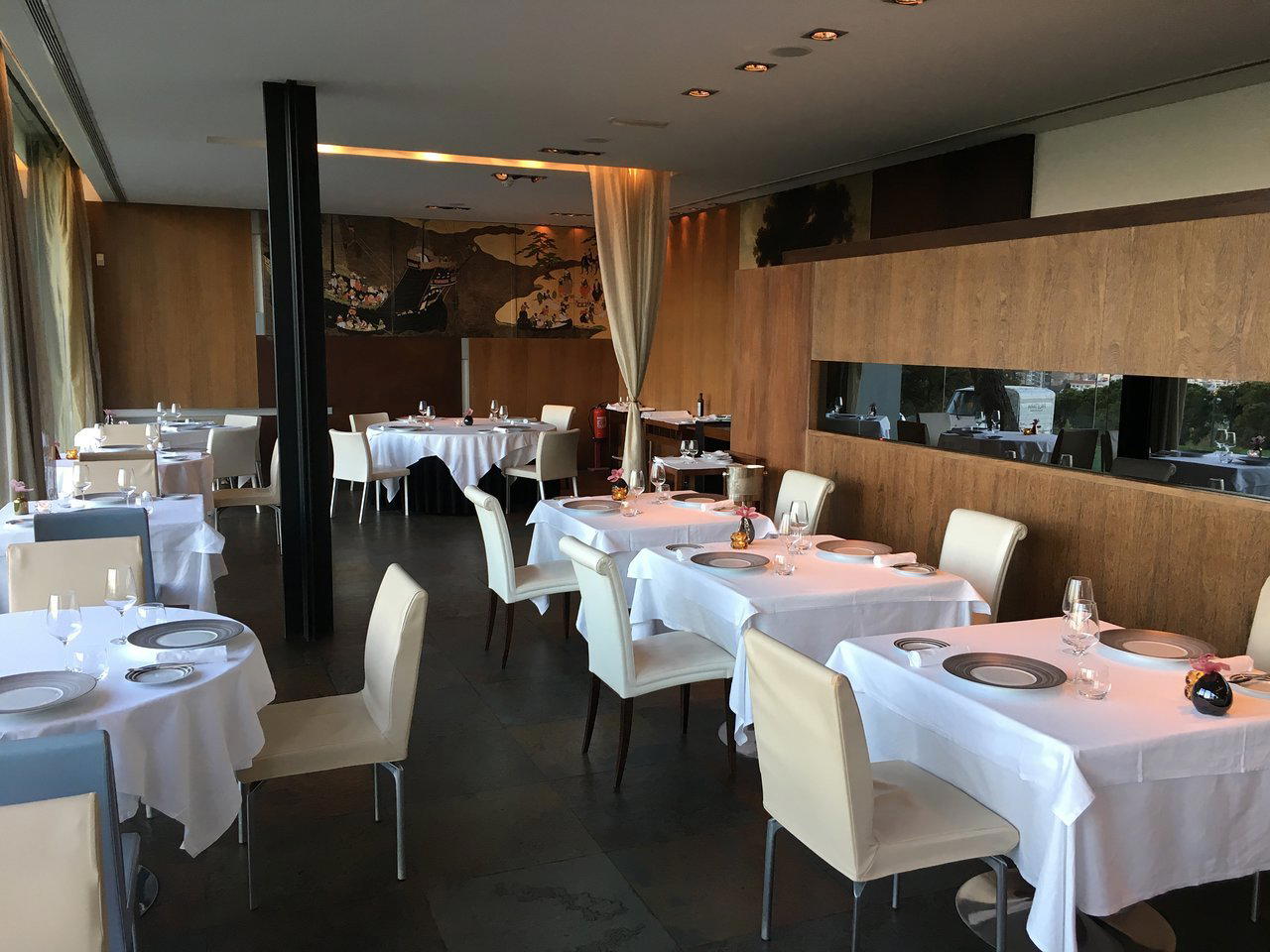
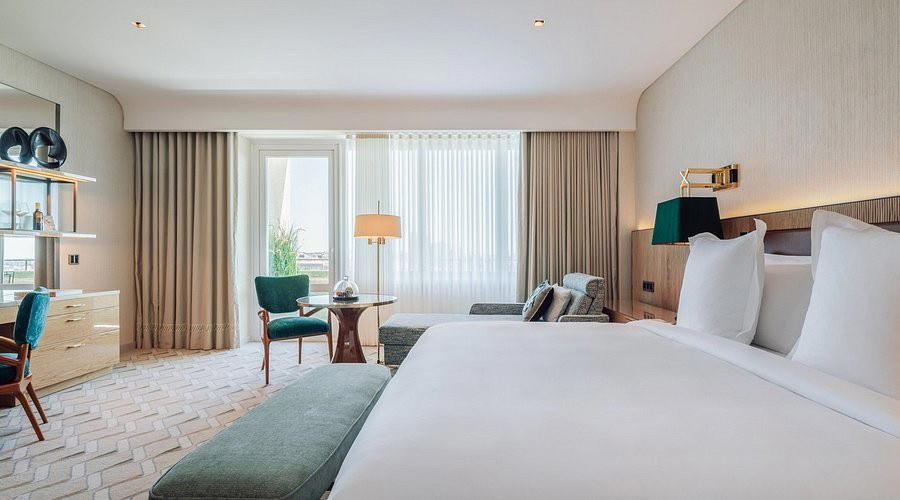
Refined and elegant atmosphere with a spartan beige room aesthetic, featuring a sophisticated dining environment where well-heeled guests savor traditional Italian cuisine.