Casanova occupies a riverfront address on Avenida Infante Dom Henrique, where the Tagus-facing position shapes everything from the light inside to the rhythm of service. The menu leans into Italian-rooted cuisine with enough Lisbon pragmatism to feel at home on the waterfront. It sits in a different register from the city's tasting-menu circuit, making it a reliable reference point for the neighbourhood's more relaxed dining tier.
Pearl is the En Primeur Club membership app — saves, bookings, and concierge access live there. Same editors, same standards.
- Address
- Av. Infante Dom Henrique Loja 7, 1900-264 Lisboa, Portugal
- Phone
- +351 21 887 7532
- Website
- pizzeriacasanova.pt
- Directions
- Get directions
 Saves & bookings on Pearl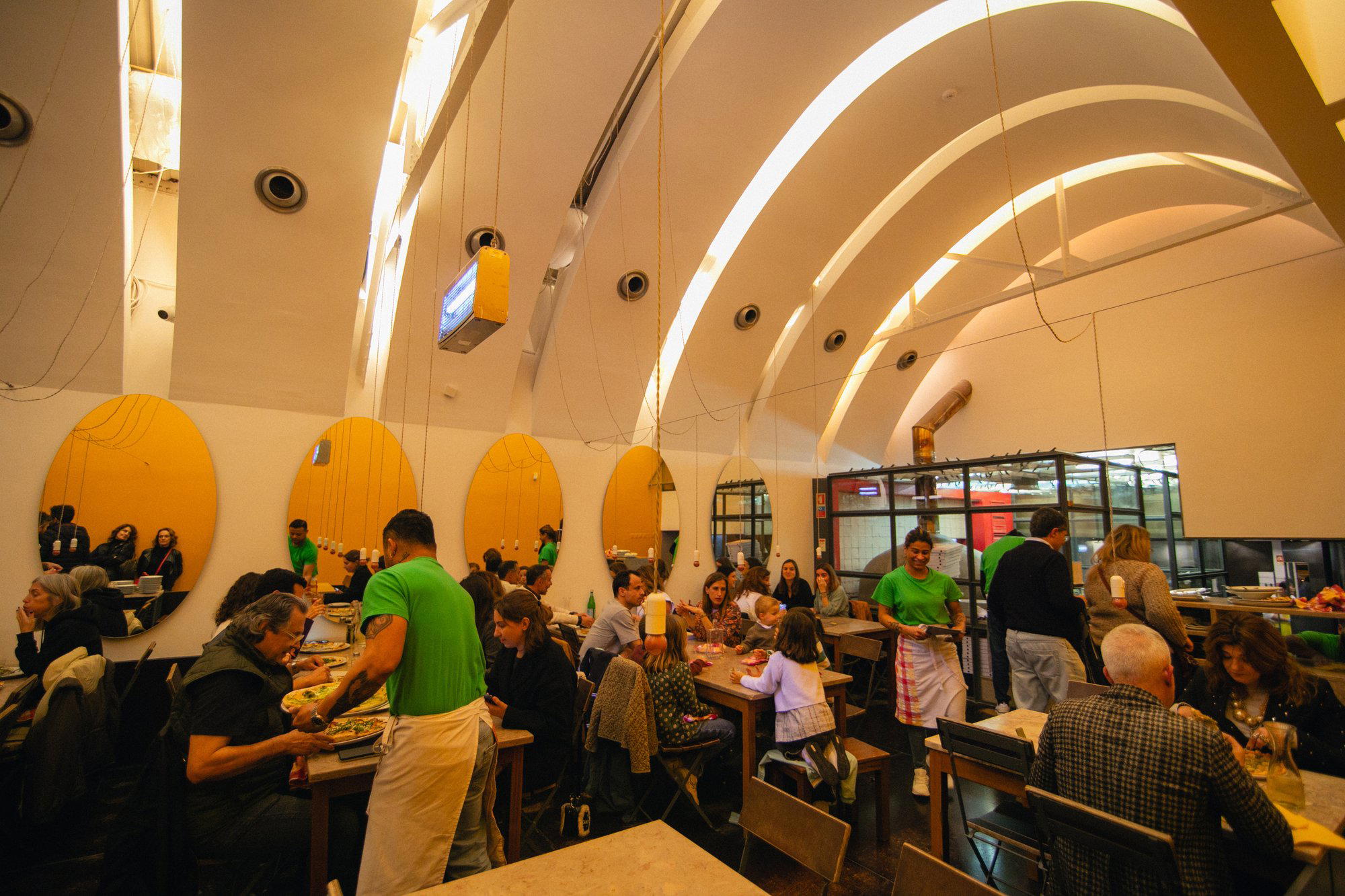
Where the Tagus Sets the Tempo
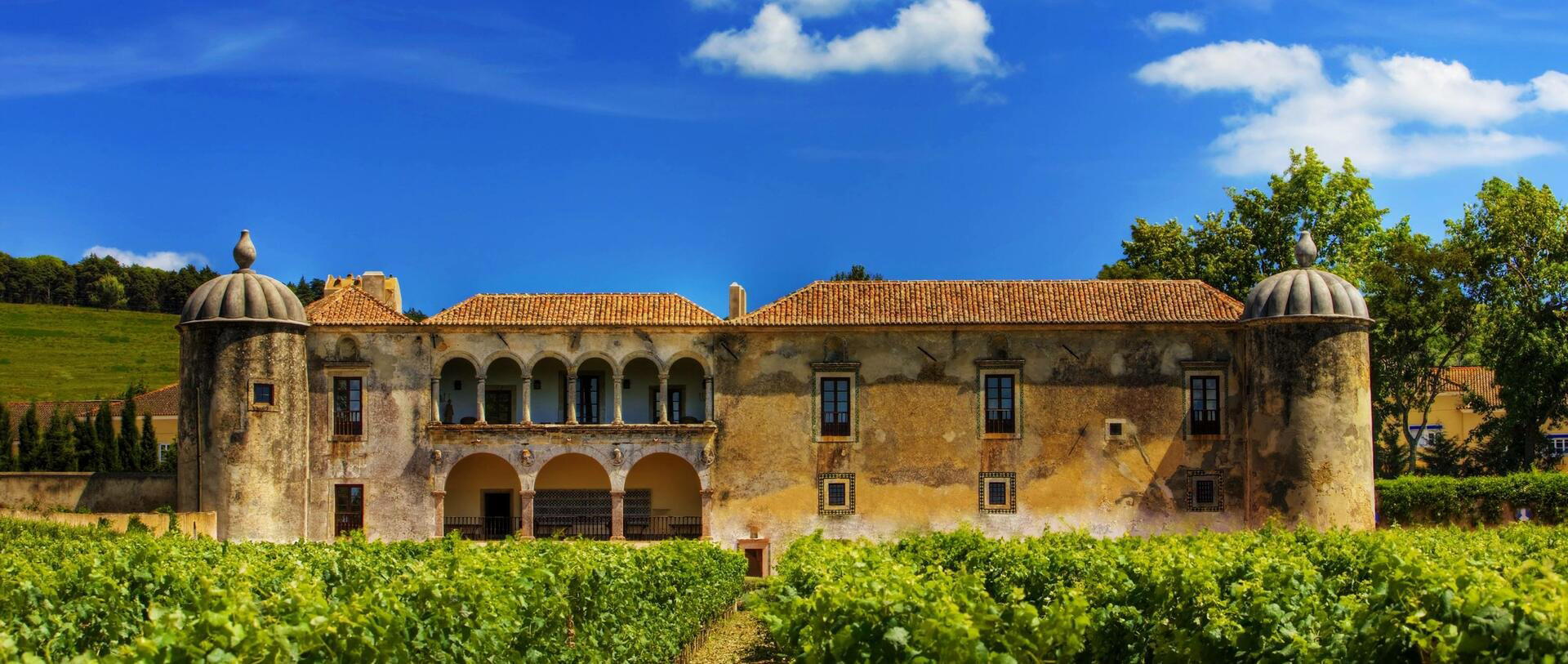
Lisbon's waterfront dining corridor along Avenida Infante Dom Henrique operates differently from the restaurants pressing up the hillside into Chiado or Príncipe Real. The light here arrives at a low angle off the river, the pace of the street outside is unhurried, and the buildings that house these restaurants tend to be warehouse-scale conversions rather than bourgeois townhouses. Casanova sits inside that logic, at Loja 7 along the avenue, where the physical setting does a significant share of the editorial work before the food arrives.
The broader context matters: Lisbon has spent the past decade sorting its restaurants into fairly legible tiers. At the leading, a cluster of tasting-menu destinations, including Belcanto, CURA, and Eleven, have anchored the city's fine-dining identity with modern Portuguese frameworks. Below that, a middle tier of neighbourhood-anchored restaurants has grown more confident, drawing on Italian, Mediterranean, and Atlantic influences without the ceremony of a multi-course progression. Casanova occupies that middle register, which in a city where the top-end has grown so structured, is not a minor position.
How the Menu Is Organised, and What That Reveals
The editorial angle on any restaurant's menu architecture is what it tells you about the kitchen's priorities and its implicit contract with the guest. A menu built around a single long tasting sequence signals control, theatrics, and a particular kind of submission from the diner. A menu that moves through antipasti, primi, secondi, and a short dessert list signals something else entirely: it assumes you know how to eat, that you will make decisions, and that the restaurant's job is to execute rather than to choreograph.
Casanova reads in the Italian-influenced tradition, where the structure of the meal is conventional enough to feel immediately legible to anyone who has eaten at a trattoría or a serious pizzeria in Rome or Naples. That familiarity is a deliberate choice. It means the kitchen is staking its reputation on execution rather than novelty, on the quality of a crust or the balance of a sauce rather than on an unexpected technique or an obscure Portuguese ingredient rendered through a contemporary lens. For a city increasingly populated by restaurants where the chef's concept is the explicit selling point, that restraint positions Casanova in a more classically service-oriented tradition.
This is the kind of menu architecture that rewards return visits more than debut dinners. Regulars can rotate through different sections, calibrate portion sequences, and build a working familiarity with the kitchen's strengths. It is a structure that assumes the diner will come back, which itself signals a certain confidence.
The Waterfront Tier in Context
To understand where Casanova sits in Lisbon's broader dining map, it helps to look at what the waterfront corridor is not. It is not the concentrated fine-dining circuit that Portugal has built at properties like Vila Joya in Albufeira, Casa de Chá da Boa Nova in Leça da Palmeira, or Ocean in Porches, all of which operate in destination formats where the surrounding setting is part of a curated experience. The Lisbon waterfront is more urban, more traffic-adjacent, more working-city than resort. What it offers instead is the kind of honest, reliable neighbourhood dining that a city needs as much as it needs its landmark restaurants.
Internationally, the Italian-influenced casual-to-mid-tier segment has proven unusually resilient in major European cities. In Lisbon specifically, where competition from Portuguese cuisine is intense and the domestic dining culture is deeply embedded, running a credible Italian-rooted programme requires a different kind of discipline than opening in, say, a city where Italian food occupies a less contested space. The Lisbon audience for this kind of cooking is educated and has direct reference points.
Atmosphere: What to Expect
The waterfront position along Avenida Infante Dom Henrique shapes the atmosphere in practical terms. Evening light off the Tagus moves through the space differently than the diffuse city light of an interior neighbourhood, and the relative openness of the avenue outside gives the restaurant a less pressured feeling than comparable places tucked into narrow Alfama streets. The venue format, a loja-style ground-floor unit in a converted riverside structure, tends to produce a certain kind of interior volume and sightline that lends itself to a louder, more sociable room rather than an intimate one.
This is a restaurant that sits more comfortably at the louder, more energetic end of the spectrum than at the hushed, precision-service end. It belongs to a dining culture where tables are occupied for longer than an efficient city-centre turnover would allow, where the rhythm of service has some give in it. Guests arriving from Lisbon's tasting-menu circuit, such as the progressive Spanish register of 50 Seconds from Martin Berasategui or the creative energy of 2Monkeys, will find a different set of expectations in operation here.
Planning Your Visit
Casanova's address at Av. Infante Dom Henrique Loja 7 places it along the riverside, accessible from the Santa Apolónia area, which also connects to Lisbon's wider network of neighbourhoods by tram and taxi with reasonable ease. The waterfront strip sees consistent footfall across lunch and dinner, and weekend evenings particularly draw a mixed crowd of locals and visitors who have learned that the riverside holds options beyond the tourist-facing spots closer to Praça do Comércio. For those building a broader Lisbon itinerary, the full picture of the city's dining scene is covered in our full Lisbon restaurants guide.
Readers comparing across Portugal's wider fine-dining circuit may also find useful reference points at The Yeatman in Vila Nova de Gaia, Antiqvvm in Porto, Il Gallo d'Oro in Funchal, Fortaleza do Guincho in Cascais, Ó Balcão in Santarém, Al Sud in Lagos, and Gusto by Heinz Beck in Almancil. For a global comparative lens on how Italian-influenced casual dining holds up against more structured formats, Le Bernardin in New York City and Lazy Bear in San Francisco illustrate how different menu architectures and service philosophies produce entirely different guest contracts.
How Casanova Lisbon compares with similar nearby venues.
| Venue | Cuisine | Price |
|---|---|---|
| Zunzum Gastrobar | Contemporary | €€ |
Continue exploring
More in Lisbon
Restaurants in Lisbon
Browse all →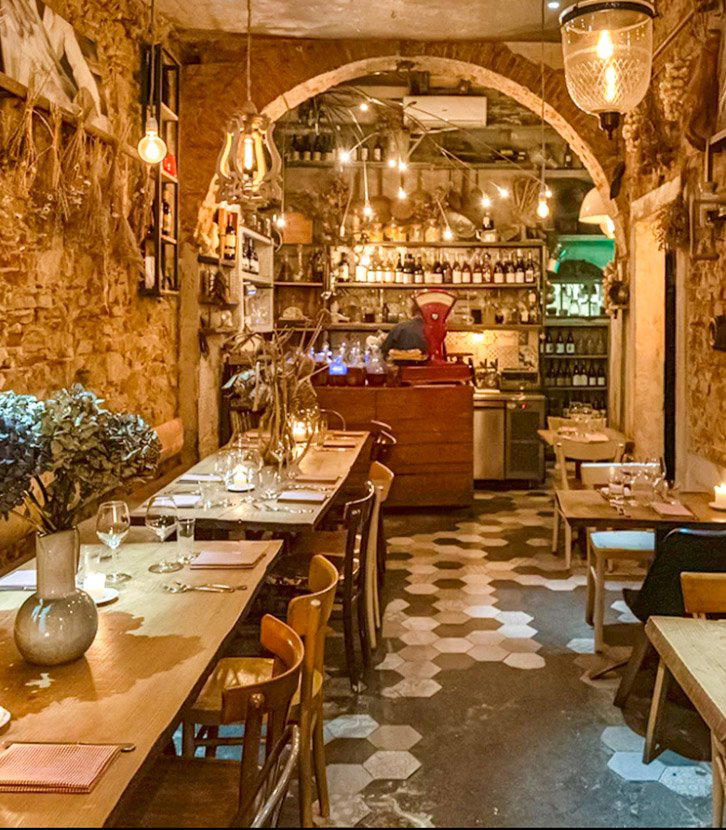
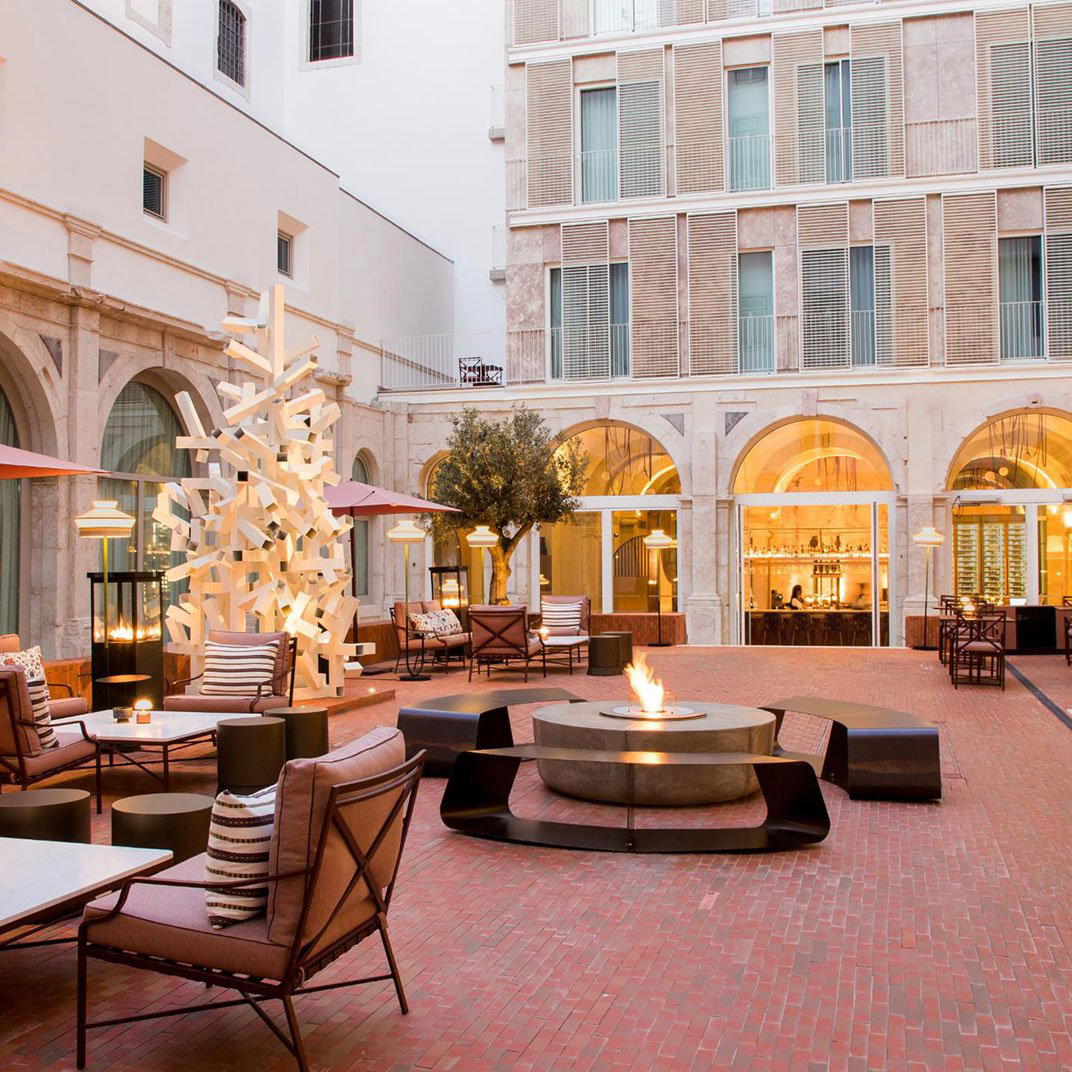
Bars in Lisbon
Browse all →
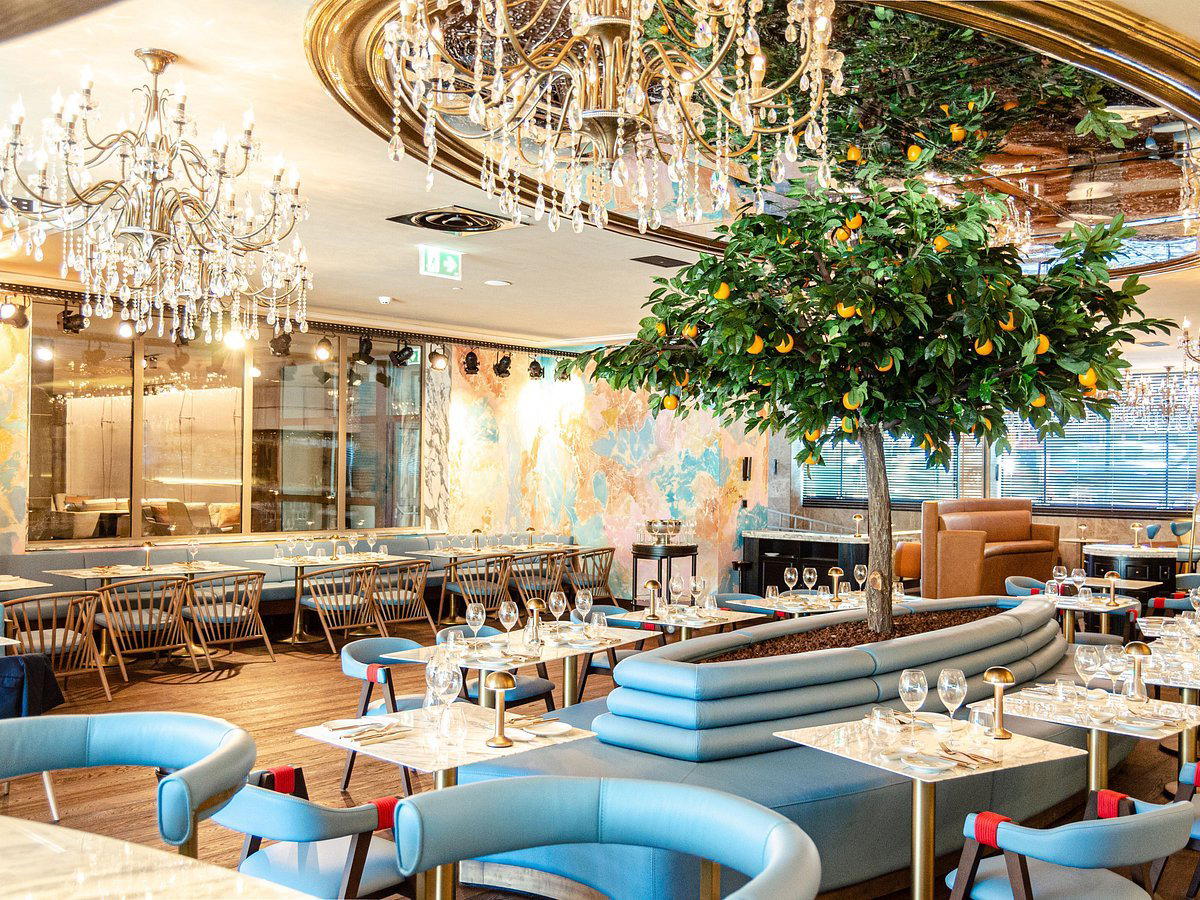
Hotels in Lisbon
Browse all →

At a Glance
- Lively
- Rustic
- Scenic
- Casual
- Casual Hangout
- Group Dining
- Family
- Late Night
- Open Kitchen
- Waterfront
- Terrace
- Beer Program
- Local Sourcing
- Waterfront
Current opening hours
- Monday
- 12 PM–12 AM
- Tuesday
- 12 PM–12 AM
- Wednesday
- 12 PM–12 AM
- Thursday
- 12 PM–12 AM
- Friday
- 12 PM–12 AM
- Saturday
- 12 PM–12 AM
- Sunday
- 12 PM–12 AM
Hours can change for holidays and private events. Last verified .
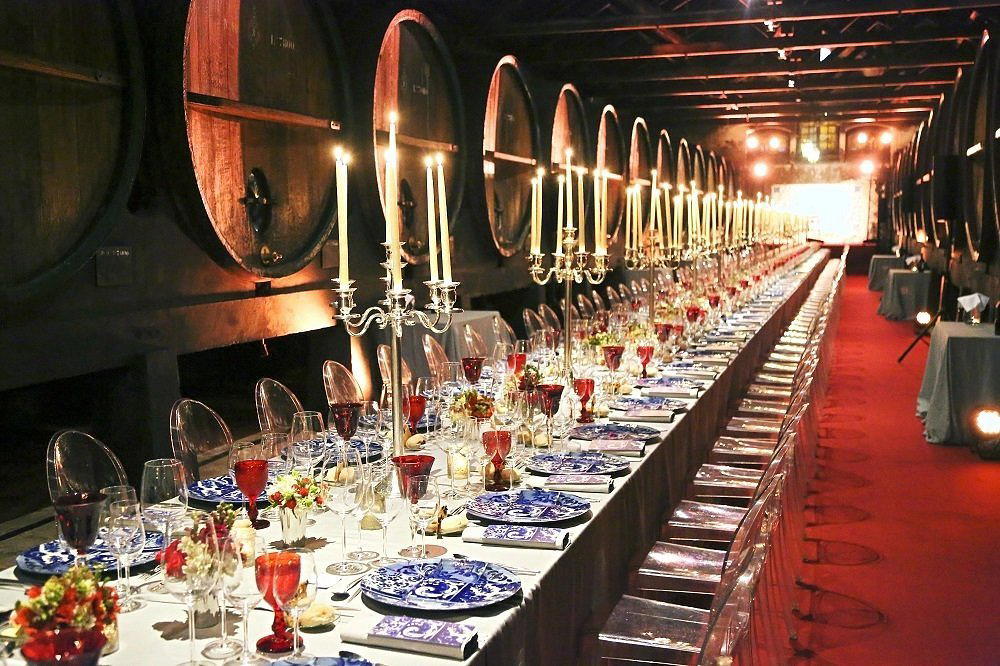
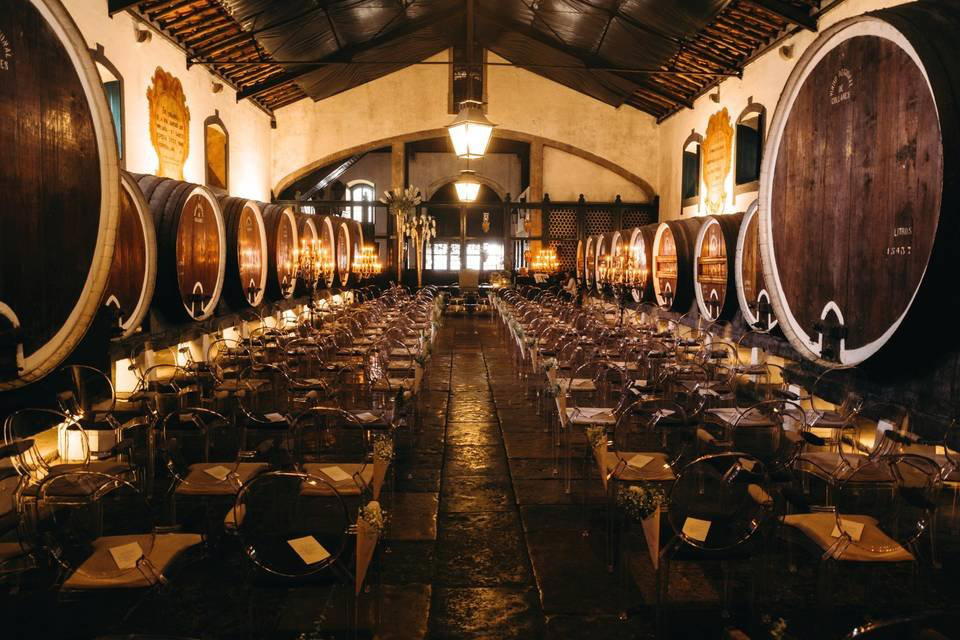
Lively and casual with warm lighting from wood-fired ovens; heated blankets on the terrace in cooler months; large windows offering river views; animated atmosphere from visible kitchen activity.
Know Before You Go
- Getting there
- Av. Infante Dom Henrique Loja 7, 1900-264 Lisboa, Portugal