
Tabelog 100 #14
Our verdict
Ikareta Noodle Fish Tons belongs to Osaka’s compact, counter-led ramen culture, where design is less about spectacle than pace, proximity, and turnover. The Shinmachi shop has Tabelog Ramen OSAKA 100 recognition for 2025 and a format built around tsukemen, ramen, and brothless tantan-men, making it a focused stop rather than a broad-menu noodle house.

Pearl is the En Primeur Club membership app, where members save venues, book tables and use the concierge.
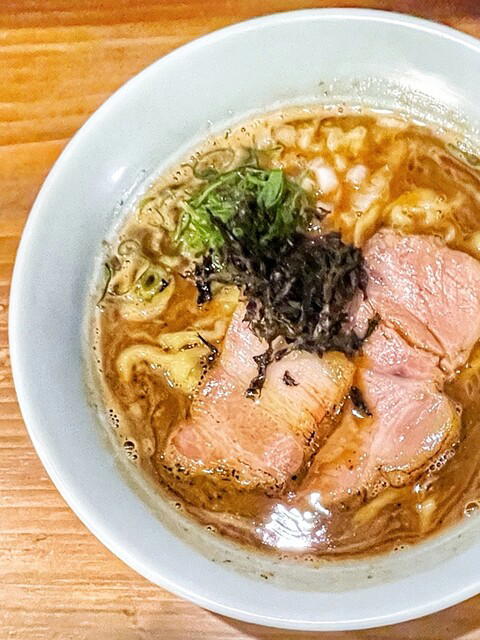
The menu
What to order
- Tsukemen
- Soupless dandan noodles
- Fish-based ramen
Osaka’s dining rhythm can be quieter than the city’s neon pull, but its noodle shops often say plenty about contemporary local eating. The format is usually direct: quick decisions, a clear category, and a bowl that has to justify the stop without theatrical cover. Ikareta Noodle Fish Tons fits that Osaka grammar as a venue to read through its confirmed noodle focus rather than through invented décor or backstory. It belongs to the city’s practical noodle-house conversation, where the appeal is less about ceremony than about category discipline. Tabelog selected Ikareta Noodle Fish Tons for its Ramen OSAKA 100 list in 2025, and that recognition is useful because ramen is a category where Michelin-style ceremony often tells only part of the story.
That focus matters. Osaka’s ramen culture is often read through broth style or local rivalry, yet the way a noodle meal is planned also shapes the experience. A ramen stop can feel procedural: choose the style, eat with attention, and move on to the next part of the day. That rhythm makes the category useful for both solo dining and simple meals built into a larger itinerary. This is not necessarily the leisurely register of broader dining in Osaka. It is closer to a precision lunch or dinner decision, with enough usefulness to avoid feeling like a daytime-only stop.
A compact Osaka ramen room built around counter discipline
The menu categories tell the story without needing embellishment: tsukemen, ramen, and tantan-men without broth. That spread puts the shop in a modern ramen lane rather than a single-style preservationist one. Tsukemen changes the architecture of eating, separating noodles and dipping broth; brothless tantan-men shifts attention toward texture, seasoning, and mixing; standard ramen keeps the category anchored. In a city where casual dining spans many formats, this kind of narrow noodle focus is a different proposition: less browsing, more commitment.
Tabelog recognized Ikareta Noodle Fish Tons through its Hyakumeiten source in 2025, and that recognition is useful because ramen is a category where formal ceremony often tells only part of the story. The Tabelog context tends to track local intensity: shops that draw repeat attention from diners who compare bowls across Osaka, not just visitors chasing a single name. the confirmed recognition is the 2025 Tabelog Hyakumeiten listing, which is the relevant signal to keep in view.
The score attached to the shop, 3.72, should be read in the Japanese review context rather than through Western rating inflation. On Tabelog, high threes can signal a serious following, especially in categories with deep competition and heavy local use. For travellers, that makes the venue more legible as a vetted Osaka ramen address rather than a broad tourist recommendation. The stronger editorial point is not that one bowl defines the city; it is that Osaka’s noodle scene rewards small, clearly specialised places.
Where ramen fits among Osaka's casual dining choices
Osaka’s casual food culture is often flattened into a few famous dishes and late-night drinking, but the city’s everyday restaurant map is more varied and more granular. A quick itinerary can move from one compact stop to another, then into a slower meal elsewhere in the city. Ramen occupies a sharper role in that sequence. It is not a long-form evening by default; it is a concentrated decision around broth, noodles, and eating tempo.
The comparison becomes clearer against local peers with different format signals. Yoshoku Teshima, Bonabona, YAMAMOTO KASHITEN, Lakshmi, and tamanegi each point to different ways casual or specialist dining can function in Osaka. Against those formats, Ikareta Noodle Fish Tons reads as a specialist choice: fewer categories, tighter focus, and a meal structure built for decisive ordering.
Design-led reading may sound excessive for ramen, but in Japan the container is often part of the cuisine’s social contract. Service choreography is usually secondary to the bowl. The public, shared rhythm matters more than luxury framing. In a focused noodle setting, aroma, pace, and attention become part of the experience, which speaks to the subdued discipline common in serious ramen shops.
How to place it in a wider Japan food itinerary
For travellers building an Osaka food map, this is a useful counterweight to reservation-heavy dining. It belongs in the same planning layer as category-specific stops across Japan: narrow menus, clear expectations, and a format that does not require a long meal arc. The point is not sameness, but travel utility: focused Japanese dining often works through modest formats where the category is immediately legible.
Osaka also rewards pairing ramen with other city layers rather than treating it as the whole itinerary. Use broader Osaka restaurant research for dining context, then balance nights through Osaka bars, hotels, experiences, and other city planning where relevant. For a wider Japan-and-beyond casual dining lens, compare the functional appeal of other compact dining rooms without making the itinerary only about one category. Ikareta Noodle Fish Tons earns its place through concentration: an Osaka ramen stop where pace, category, and confirmed recognition do much of the editorial work.
Frequently asked questions
What's the pricing like at Ikareta Noodle Fish Tons?
Pricing at Ikareta Noodle Fish Tons is listed as JPY 1,000 - JPY 1,999 JPY 1,000 - JPY 1,999.
What days is Ikareta Noodle Fish Tons closed?
Specific closing days for Ikareta Noodle Fish Tons are not provided here.
Where is Ikareta Noodle Fish Tons located?
Osaka.
What is Ikareta Noodle Fish Tons known for?
Ikareta Noodle Fish Tons is known for tsukemen, ramen, and tantan-men without the broth in Osaka.
City Peers
Comparable options at the same price tier.
| Venue | Cuisine | Price | Awards | Notes |
|---|---|---|---|---|
| Ikareta Noodle Fish TonsThis venue (the venue you are viewing) | Japanese Ramen & Tsukemen | $1–10 | Tabelog 100 #14 | Not listed |
| Yoshoku Teshima | Japanese-Style Western (Yoshoku) Hamburg & Mixed Fry | $10–20 | Tabelog 100 #87 | JPY 6,000 - JPY 7,999 JPY 1,000 - JPY 1,999 |
| Bonabona | Indian-style Curry House | $1–10 | Tabelog 100 #75 | JPY 999 - JPY 999 |
| YAMAMOTO KASHITEN | Modern cake and chocolate patisserie (take-out only) | $10–20 | Tabelog 100 #5 | JPY 999 JPY 2,000 - JPY 2,999 View spending breakdown |
| tamanegi | Piemonte-inspired Italian Fine Dining | $100–150 | Michelin Plate | Italian |
| Lakshmi | Indian Curry House | $10–20 | Tabelog 100 #5 | JPY 1,000 - JPY 1,999 JPY 2,000 - JPY 2,999 View spending breakdown |
Recognition history
Dated appearances from independent guides and award organizations, with the underlying list record or original source where available.
Tabelog 100 #14 · No. 14
Tabelog · Tabelog 100 - Ramen - OSAKA - 2025
Continue exploring
More in Osaka
Restaurants in Osaka
All restaurants in Osaka →

Bars in Osaka
All bars in Osaka →
Hotels in Osaka
All hotels in Osaka →


Wineries in Osaka
Browse all →
Details
- Cozy
- Lively
- Trendy
- Solo
- Casual Hangout
- Late Night
- Standalone
- Open Kitchen
- Beer Program
- Street Scene
- Counter Dining
- A La Carte
- Beer
Current opening hours
- Monday
- 11 AM–3 PM, 6–10 PM
- Tuesday
- 11 AM–3 PM, 6–10 PM
- Wednesday
- 11 AM–3 PM, 6–10 PM
- Thursday
- 11 AM–3 PM, 6–10 PM
- Friday
- 11 AM–3 PM, 6–10 PM
- Saturday
- 11 AM–3 PM, 6–10 PM
- Sunday
- 11 AM–3 PM, 6–10 PM
Hours can change for holidays and private events. Hours as of .
Compact, casual, and energetic noodle shop atmosphere with a strong local following and a focused, no-frills dining experience.