ICHIBAN SUSHI - PLAZA ACEH BANDA ACEH
Ichiban Sushi at Plaza Aceh sits in Banda Aceh's modest but growing Japanese dining scene, offering sushi in a city where seafood supply from the Strait of Malacca and the Indian Ocean gives local Japanese-format restaurants a distinct sourcing advantage. For a city more associated with Acehnese cuisine than Japanese food, it represents a practical entry point into the format.
 Discover on Pearl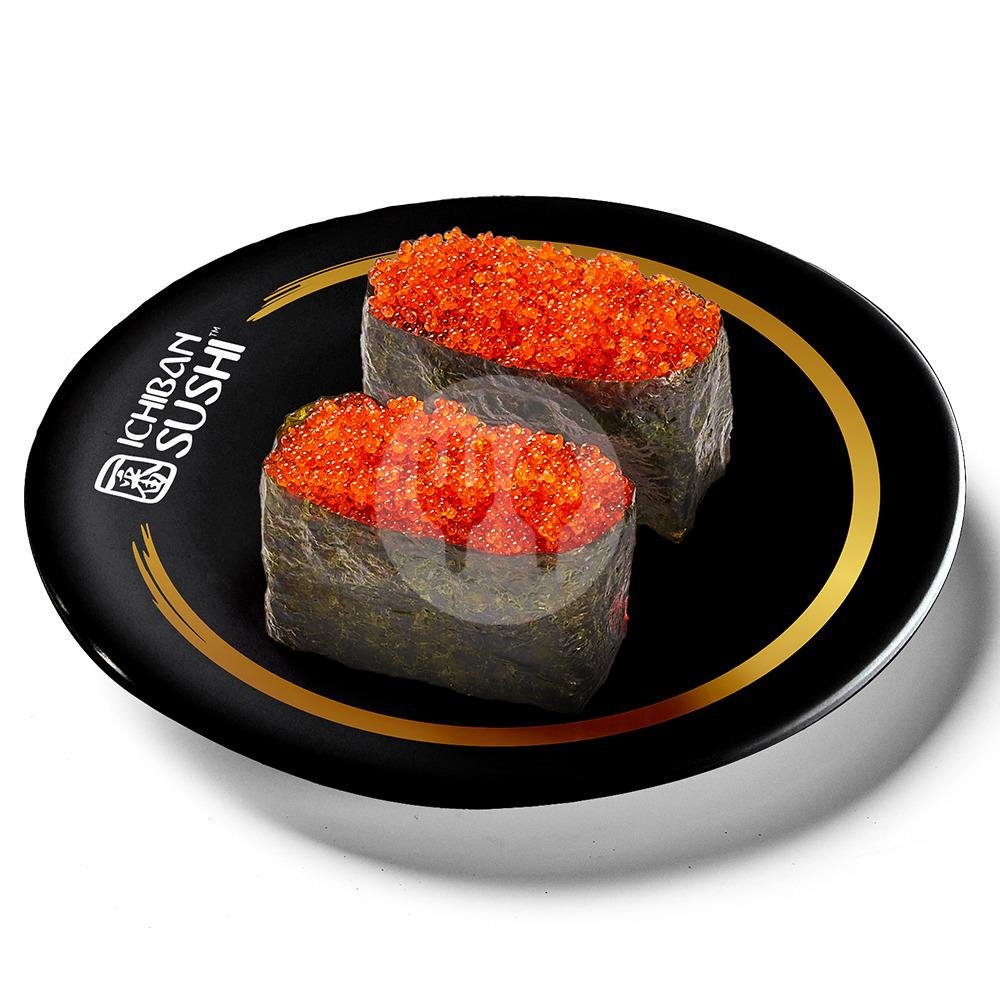
Japanese Format in an Acehnese Seafood City
Banda Aceh sits at the northwestern tip of Sumatra, flanked by the Strait of Malacca to the east and the Indian Ocean to the west. That geography means the city's seafood supply is substantial and genuinely local: tuna, mackerel, snapper, and shellfish move through Acehnese fish markets daily, sourced from waters that feed both small-boat fishermen and larger commercial operations. It is a supply chain that, in theory, gives any seafood-forward restaurant in Banda Aceh a sourcing foundation that coastal Japanese dining in landlocked cities cannot replicate. Ichiban Sushi, operating inside Plaza Aceh on Jl. Teuku Iskandar in the Beurawe district of Kuta Alam, sits inside that context, even if the format it operates in is a Japanese commercial chain model rather than a bespoke omakase counter.
Japanese chain sushi in Indonesian cities has expanded considerably over the past decade. Formats like Ichiban Sushi, Sushi Tei, and Genki Sushi have built a recognizable mid-market tier across malls and commercial plazas, positioned between the cheapest conveyor options and the smaller independent Japanese restaurants that operate at higher price points. In Banda Aceh, where the restaurant scene skews heavily toward Acehnese and Indonesian cuisine, that Japanese mid-market tier occupies a relatively uncrowded space. The comparison set here is not Atomix in New York City or the refined fish-sourcing programs of Le Bernardin. It is, more practically, what else a diner in Banda Aceh can access when they want Japanese food without traveling to Medan or beyond.
The shortlist, unlocked.
Hard-to-book tables, cellar releases, and concierge-planned trips.
Get Exclusive Access →The Sourcing Question in an Acehnese Context
The ingredient sourcing angle matters here because it reveals a tension present in Japanese chain formats across Southeast Asia. The strength of the regional seafood supply does not automatically translate into the product on the plate. Chain sushi operations typically standardize their sourcing across locations, meaning a branch in Banda Aceh may draw from the same distributor network as branches in Jakarta or Surabaya rather than pulling directly from the Acehnese fish market two kilometers away. That is neither unusual nor inherently a flaw, but it does mean the proximity to the Indian Ocean and the Strait of Malacca is more a geographical fact than a confirmed kitchen practice for this format.
Where local sourcing genuinely matters in Banda Aceh's dining scene is in the city's Acehnese restaurants, where ingredients like fresh tuna for mie Aceh or grilled fish for ikan bakar reflect direct relationships with local fishermen. For visitors or locals curious about how Banda Aceh's seafood resources translate into dining, the stronger argument lies there rather than in the Japanese commercial format. That said, the existence of a Japanese sushi option in the city does reflect a demand pattern worth noting: Banda Aceh's consumer base has diversified enough to sustain non-Acehnese formats in commercial plaza settings, a marker of a city whose dining preferences are broader than its culinary identity might suggest to an outside observer. You can read more about the Indonesian restaurant scene and its regional diversity in our full Banda Aceh City restaurants guide.
Mall Dining as Infrastructure
Plaza Aceh functions as one of the city's primary commercial anchors, and the restaurants operating inside it serve a population that treats the mall as a practical leisure and dining destination. This is not specific to Banda Aceh: across Indonesian cities, from Hwang Fu Dimsum in Tangerang to Kimukatsu at Manado Town Square, mall-format dining has become the default infrastructure for mid-market restaurant chains. The setting provides air conditioning, parking, foot traffic, and a predictable customer base. The tradeoff is that the dining experience is shaped by that commercial environment rather than by any independent design or neighborhood character.
For a city in a province governed under Sharia law, where alcohol is absent from restaurant menus and the social dining context differs from Jakarta or Bali, the mall format carries specific relevance. Family groups, young professionals, and students make up the core audience for plaza restaurants in Banda Aceh, and a sushi chain slots into that demographic mix as a familiar, accessible format with clear price expectations. Comparative Japanese formats elsewhere in Indonesia, like Hachi Grill at Alam Sutera in South Tangerang, operate on similar plaza-anchored models serving similar audiences.
Planning a Visit
Ichiban Sushi at Plaza Aceh is located at Jl. T. Hasan Dek, Jl. Teuku Iskandar No. 49, Beurawe, Kecamatan Kuta Alam, Banda Aceh. No website or direct booking contact is publicly listed in available records, which is consistent with how many Indonesian mall-based chain restaurants operate: walk-in is the standard approach, and reservations are generally unnecessary outside peak weekend hours. Price range, hours, and seating capacity are not confirmed in available data, though chain formats in this tier across Indonesian malls typically run at accessible mid-market price points comparable to similar operations in Medan or Makassar. Visitors planning an itinerary that includes other Indonesian dining experiences may find useful context in coverage of venues like August in Jakarta, Locavore NXT in Ubud, or Kunyit Restaurant in Bandung to calibrate what the broader Indonesian dining spectrum looks like at different tiers.
For visitors whose primary interest is Acehnese cuisine and local food culture, the sushi option here is a secondary consideration. But for residents or travelers in Banda Aceh seeking a break from local formats, the plaza location provides direct access and the predictability of a known chain model. Other Japanese and Asian formats across Indonesia, including Kita in Kecamatan Menteng, Chongqing Liuyishou Hotpot in South Jakarta, and Hai Di Lao in Central Jakarta, illustrate how diverse the mid-market Asian dining tier has become across the archipelago.
Frequently Asked Questions
- Would Ichiban Sushi at Plaza Aceh be comfortable with kids?
- In a city like Banda Aceh where family dining is the norm for plaza restaurants, a sushi chain in a mall setting is a reasonable choice for families with children. The format and price tier are built for that demographic.
- What kind of setting is Ichiban Sushi at Plaza Aceh?
- If you arrive expecting a standalone restaurant with independent design, this is a mall-based chain format. If the goal is accessible Japanese food in Banda Aceh without ceremony or a reservation, the plaza setting delivers exactly that. No awards or external critical recognition are recorded for this location.
- What do regulars order at Ichiban Sushi at Plaza Aceh?
- Order from the sushi and roll sections of the menu. Ichiban Sushi as a chain format typically anchors its menu on Japanese staples: nigiri, maki, and cooked rice dishes. No confirmed chef-specific or award-linked signature dishes are documented for this branch, so the standard chain menu is the working assumption.
- Is Ichiban Sushi at Plaza Aceh worth visiting specifically for the local Acehnese seafood connection?
- Banda Aceh's proximity to productive Indian Ocean and Strait of Malacca fishing grounds makes the city a legitimate seafood destination, but chain sushi formats typically standardize their sourcing across locations rather than drawing on hyper-local supply. Diners seeking a direct connection to Acehnese seafood will find more evidence of that in the city's traditional restaurants than in this format. Ichiban Sushi is better understood as part of Indonesia's expanding Japanese mid-market chain tier, with the same strengths and limitations that model carries across cities like Badung or Gianyar.
Comparison Snapshot
These are the closest comparables we have in our database for quick context.
| Venue | Cuisine | Price | Awards | Notes |
|---|---|---|---|---|
| ICHIBAN SUSHI - PLAZA ACEH BANDA ACEH | This venue | |||
| Mozaic | French | French | ||
| Nusantara By Locavore | Indonesian | Indonesian | ||
| Ibu Oka | Balinese | Balinese | ||
| Room 4 Dessert | Dessert | Dessert | ||
| Locavore NXT | Indonesian | World's 50 Best | Indonesian |
Need a table?
Our members enjoy priority alerts and concierge-led booking support for the world's most difficult tables.
Get Exclusive AccessThe shortlist, unlocked.
Hard-to-book tables, cellar releases, and concierge-planned trips.
Get Exclusive Access →