Our verdict
Ichiban occupies a quiet stretch of Avenida do Brasil in Porto's coastal fringe, where the city gives way to Atlantic light and the pace slows considerably. The address alone signals a different dining register from the city's celebrated tasting-menu circuit. For those willing to seek it out, Ichiban offers a counterpoint to Porto's increasingly formal restaurant scene.

Pearl is the En Primeur Club membership app — saves, bookings, and concierge access live there. Same editors, same standards.
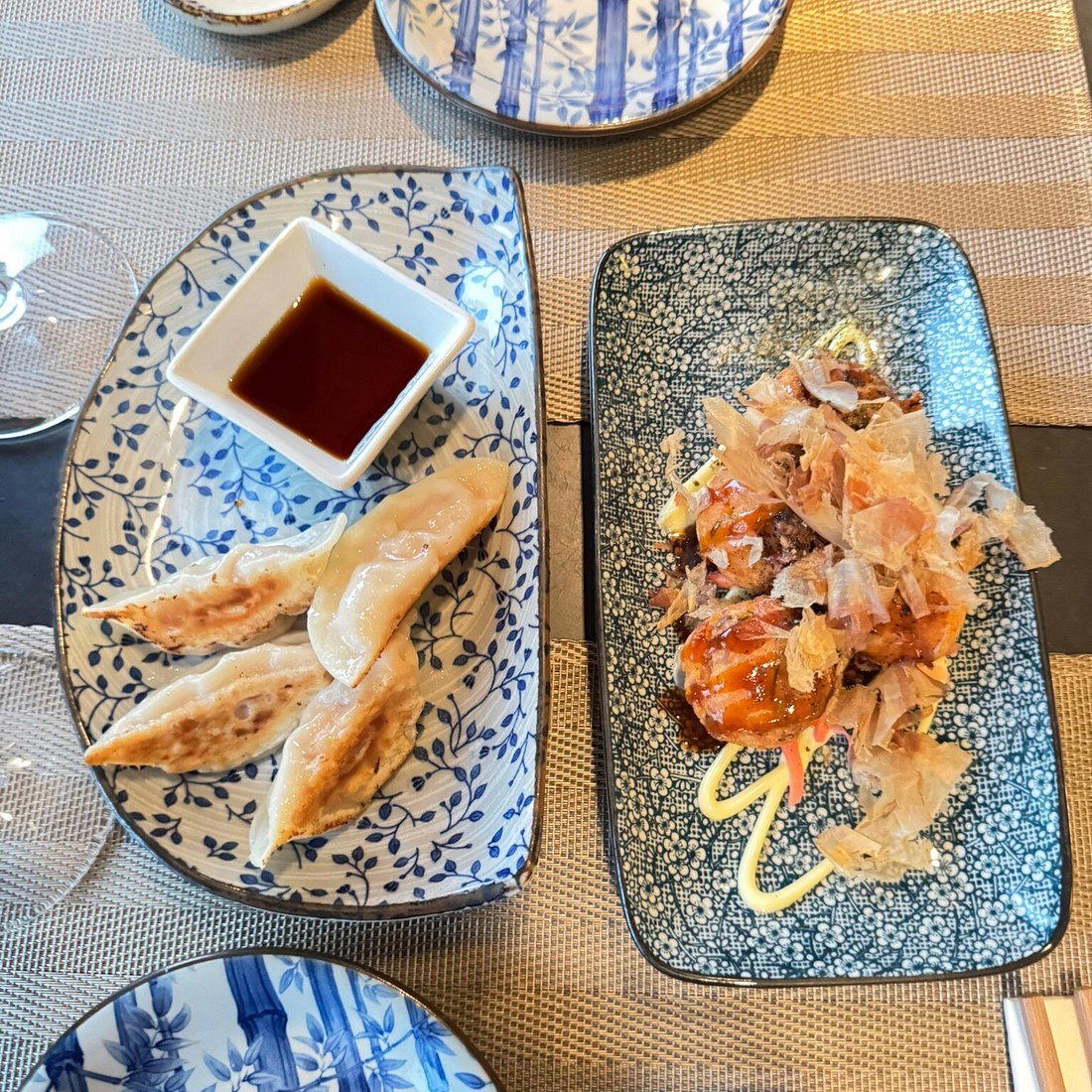
Where Porto Meets the Atlantic Edge
Porto's dining identity has long been anchored in its historic centre: the cellars and tile-fronted taverns of Ribeira, the ambitious tasting menus operating out of renovated granite buildings, the Michelin-watched tables that draw visitors from across Europe. But the city extends westward along the coast toward Foz do Douro, and it is along this Atlantic corridor that a different kind of venue emerges, one less concerned with the theatre of contemporary Portuguese cuisine and more rooted in neighbourhood rhythm. Ichiban on Avenida do Brasil sits within this western fringe, an address that already communicates something about its register before you arrive.
Avenida do Brasil is a wide, tree-lined road that runs parallel to the coast, close enough to the sea that salt air is a permanent presence. The approach is unhurried by Porto's central standards. The neighbourhood draws residents rather than tourists, and the dining options along this stretch tend to be local rather than destination-led. That context matters: a venue here is not competing for footfall from the Ribeira promenade or the Cathedral district. It is operating on different terms, for a different constituency, with a different set of expectations on both sides of the kitchen pass.
The Sensory Register of the Foz Dining Scene
Foz and the coastal avenues extending toward Matosinhos represent Porto's most consistently underread dining corridor for international visitors. The area absorbs Atlantic light differently from the city's interior, particularly in the late afternoon when the sun drops toward the ocean and the quality of illumination along the boulevard shifts from bright to amber. Restaurants here tend to have a different acoustic character too: less echo, more ambient noise from traffic and sea, with interiors that reflect a residential-neighbourhood sensibility rather than the polished formality of places like Le Monument or Vila Foz, both of which occupy a more ceremonial tier of the Porto dining scene.
It is worth understanding what that tier looks like before positioning anything outside it. Porto's upper bracket currently includes Michelin-starred operations such as Euskalduna Studio, with its progressive Portuguese format, and Antiqvvm, whose creative menu draws on deep Iberian larder knowledge. Blind operates in a more theatrical mode within that same starred category. These venues set a reference point: multi-course, chef-forward, tasting menu-structured, with booking windows that often extend several weeks ahead. A neighbourhood address on Avenida do Brasil operates outside that gravity entirely.
Japanese Dining in a Portuguese City
The name Ichiban signals Japanese intent in a city where the Japanese dining scene is far thinner than Lisbon's. Porto has seen growth in international cuisine formats over the past decade, but Japanese restaurants remain a distinct minority compared to the density of contemporary Portuguese and Mediterranean kitchens. That relative scarcity means a Japanese address carries a different weight here than it might in a capital city with a larger expatriate population and more developed sushi or ramen circuits.
Across the broader Portuguese restaurant map, the country's serious dining infrastructure is built around its own produce traditions: the Atlantic catch, the northern mountain herbs, the Alentejo grain. When Japanese technique is applied within that context, as happens at the upper end of Iberian gastronomy more broadly, the result often emphasizes precision over abundance. Whether that dynamic is at play on Avenida do Brasil is harder to confirm without more specific information about the kitchen's approach.
Internationally, the standard against which serious Japanese restaurants in European cities are often measured sits in New York, where venues like Atomix have demonstrated how Korean-Japanese technique can reach the highest recognition levels outside Asia. Seafood-focused precision at high price points is measured against rooms like Le Bernardin. Porto is not operating at those tiers in this category, but understanding those reference points clarifies where the local Japanese dining scene sits in a global framework.
Porto's Broader Restaurant Map
For visitors building a longer Porto itinerary, the city's dining geography rewards some planning. The waterfront corridor at Matosinhos just north of Foz is the city's most important seafood district, with grilled fish restaurants operating at high volume and consistent quality. The centre concentrates the fine-dining infrastructure. Foz itself sits between these zones, closer to the sea than the centre, quieter in atmosphere, more residential in character.
Portugal's broader restaurant recognition landscape provides useful orientation. The country's Michelin-starred tables now extend from Belcanto in Lisbon and Vila Joya in Albufeira to the Algarve's Ocean in Porches and Bon Bon in Lagoa, with northern Portugal represented by Casa de Chá da Boa Nova in Leça da Palmeira and The Yeatman in Vila Nova de Gaia. A Cozinha in Guimarães extends that northern recognition further inland. The Algarve's contribution also includes Il Gallo d'Oro in Funchal and Al Sud in Lagos, while A Ver Tavira in Tavira represents the eastern Algarve. This map confirms that serious dining in Portugal is now distributed across the country, but Porto's concentration of creative talent remains among the densest outside Lisbon. See our full Porto restaurants guide for a complete breakdown of the city's dining tiers.
Planning a Visit
Ichiban is located at Av. do Brasil 454, 4150-153 Porto. The Foz district is a 20-minute drive from the city centre or accessible by public bus routes running along the coastal avenue. The neighbourhood is leading approached on foot once you arrive, as parking along the boulevard can be limited during evening hours.
Frequently asked questions
Where exactly is Ichiban?
Ichiban is located at Av. do Brasil 454, 4150-153 Porto, Portugal, Porto.
Is Ichiban one of the few Japanese restaurants in Porto's Foz district?
Porto's Japanese dining scene is considerably smaller than Lisbon's, and options specifically along the coastal Foz and Av. do Brasil corridor are sparse. Ichiban at Av. do Brasil 454 sits in a part of the city where international cuisine of any kind is underrepresented relative to the historic centre. For visitors staying in or near Foz, that geographic scarcity makes it a practical as well as culinary consideration.
What dish is Ichiban famous for?
do Brasil 454. Given the Japanese focus in a city where that dining category is notably thin, the kitchen's approach to core Japanese formats is likely the draw rather than any single marquee plate.
Is Ichiban reservation-only?
In Porto's Foz district, where Japanese options are limited and local demand is consistent, walk-in availability on weekends is worth treating as uncertain. Contacting the restaurant at Av. do Brasil 454 ahead of your visit is the practical approach.
What's Ichiban best at?
Ichiban occupies a position Porto has relatively few of: a Japanese-focused address on the Atlantic-facing Foz corridor, away from the tourist concentration of Ribeira and the city centre. In a city where the Japanese dining scene is substantially thinner than Lisbon's, that positioning gives Ichiban a structural advantage among visitors and residents seeking that cuisine on the western side of Porto.
Peers in This Market
Comparable venues nearby, for context on price, style, and recognition.
| Venue | Cuisine | Price | Awards | Notes |
|---|---|---|---|---|
| IchibanThis venue — the venue you are viewing | Authentic Japanese Sushi | $30–50 | Not listed | Not listed |
| TOBU Restaurant | Modern Japanese Sushi & Robata | $30–50 | Not listed | Vitória |
| Terreiro | Traditional Portuguese Seafood | $20–30 | Not listed | S Nicolau |
| 1638 Restaurant & Wine Bar | Modern Iberian fine dining tasting menu | $150–200 | Michelin Plate | Vila Nova de Gaia |
| bbgourmet Boavista | Modern Portuguese | $20–30 | Not listed | Lordelo do Ouro |
| Iguarias De Hanói | Traditional Vietnamese | $10–20 | Not listed | Cedofeita |
Continue exploring
More in Porto
Restaurants in Porto
All restaurants in Porto →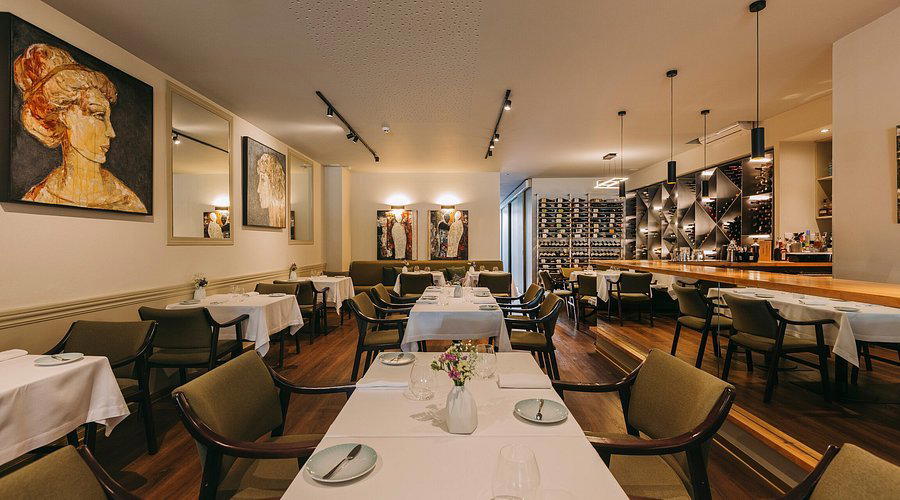
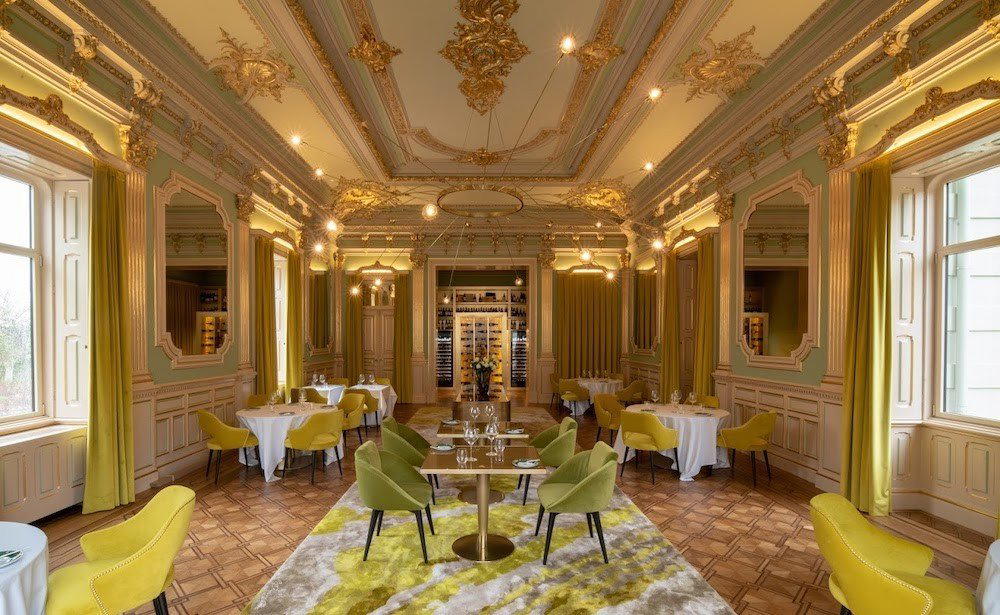
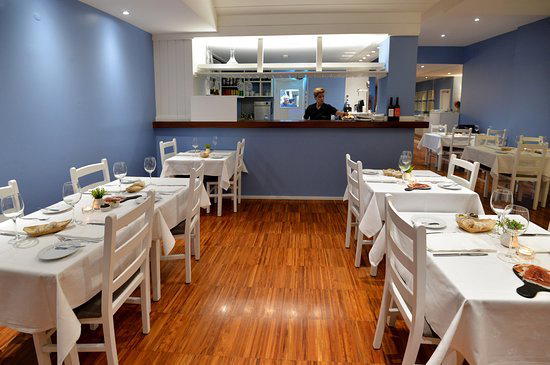
Bars in Porto
All bars in Porto →
Details
- Modern
- Elegant
- Scenic
- Cozy
- Date Night
- Special Occasion
- Open Kitchen
- Waterfront
- Sake Program
- Waterfront
- A La Carte
- Vegetarian Friendly
- Vegan Options
- Gluten Free Options
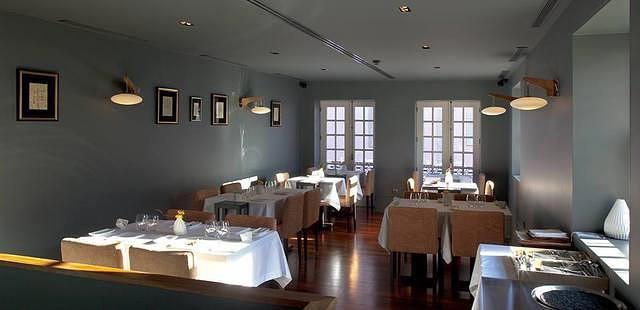
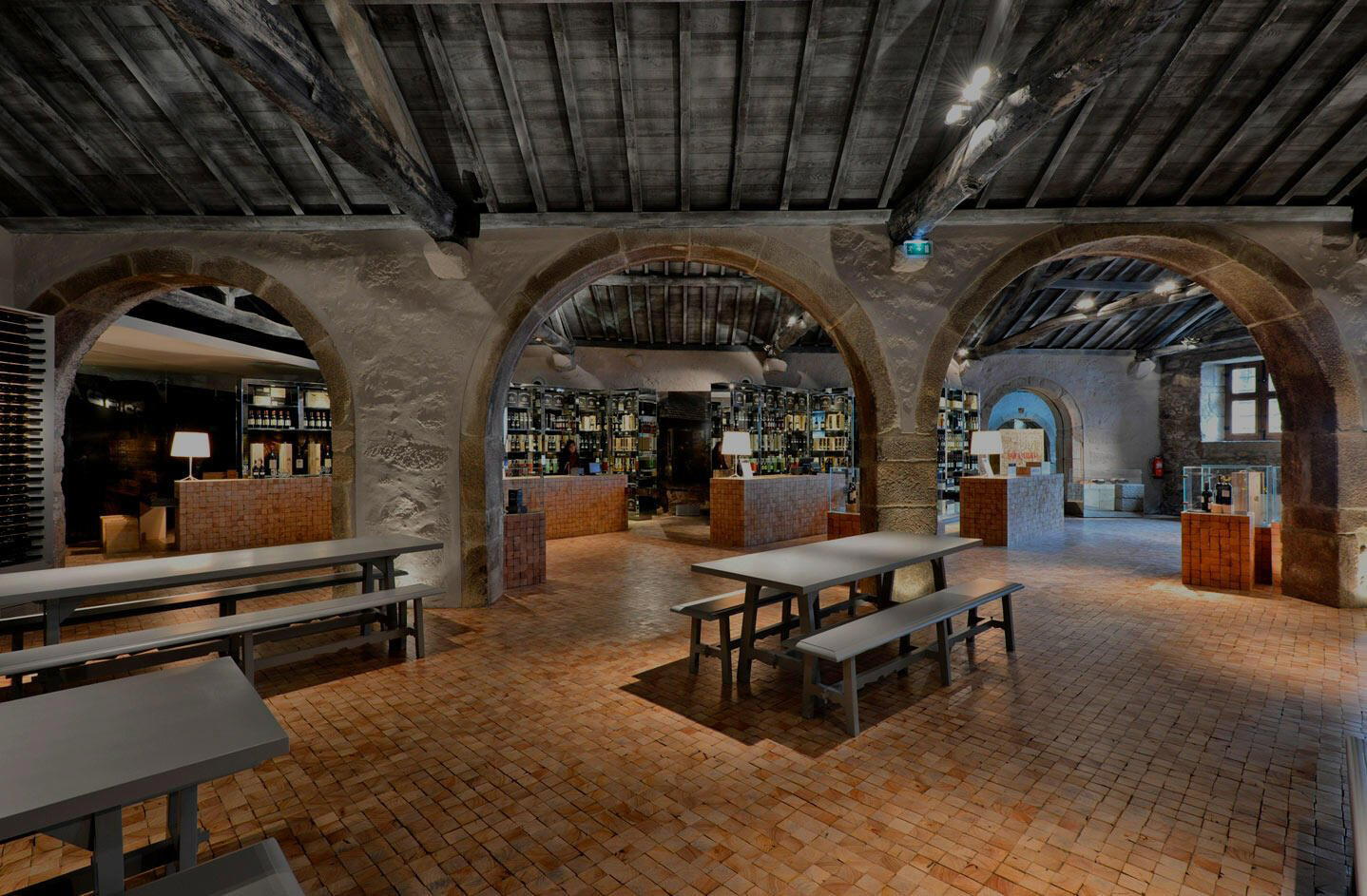
Modern minimalist decor in light tones with warm wood overtones, split-level open space offering tranquility, ocean views from the mezzanine, and proximity to the open kitchen.