On a quiet stretch of Rua de Ceuta in central Porto, TOBU Restaurant occupies a corner of the city's increasingly confident dining scene. With limited public-facing data and no splashy press campaign, it operates with the low profile that Porto's more serious neighbourhood tables tend to favour. Guests who find it tend to return.
Pearl is the En Primeur Club membership app — saves, bookings, and concierge access live there. Same editors, same standards.
- Address
- R. de Ceuta 23, 4050-191 Porto, Portugal
- Phone
- +351915181515
- Website
- tobu.rest
- Directions
- Get directions
 Saves & bookings on Pearl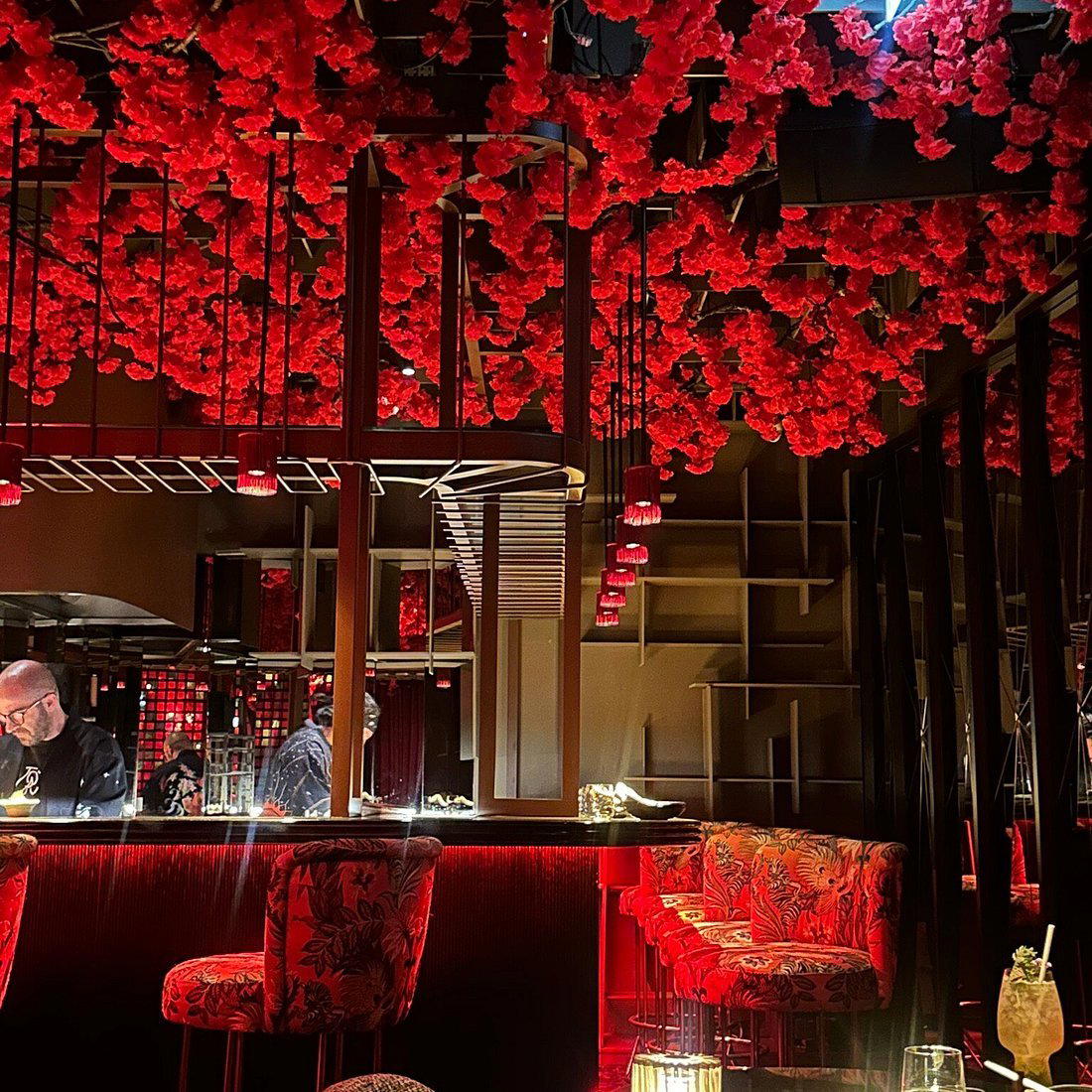
Porto's Quieter Tables and Where TOBU Fits
Porto's restaurant scene has sorted itself into fairly readable tiers over the past decade. At the leading sit the tasting-menu destinations: Euskalduna Studio, with its progressive Portuguese framework and four-digit price points, and Antiqvvm, which occupies a hilltop manor and prices against the city's most decorated rooms. Below that, a growing middle tier of neighbourhood-anchored restaurants has taken shape: smaller, less ceremonial, more interested in regulars than in first-time visitors chasing accolades. TOBU Restaurant, at Rua de Ceuta 23 in central Porto, belongs to this second category by geography and disposition. The address puts it within walking distance of the Cordoaria gardens and the quieter western flank of the Cedofeita district, away from the tourist-dense corridors of the Ribeira waterfront.
That positioning matters. Porto's dining identity has long been split between the performative and the functional, between restaurants built for visiting food journalists and those built for the people who actually live here. The neighbourhood table, serving lunch to office workers and dinner to couples who booked a week in advance, remains the more durable institution. TOBU appears to operate inside that tradition rather than against it.
Daytime vs. Evening: How the Rhythm Changes
The lunch-versus-dinner divide in Porto is more pronounced than in many comparable European cities. At lunch, the dominant format is the menu do dia: a two- or three-course set that typically includes a drink, bread, and coffee, priced to reflect the working-week customer rather than the weekend tourist. The mood is faster, the room noisier, the wine poured without ceremony. By evening, the same physical space can feel substantially different. Tables fill more slowly, portions shift, and the kitchen, freed from the volume demands of a midday service, tends to produce more considered plates.
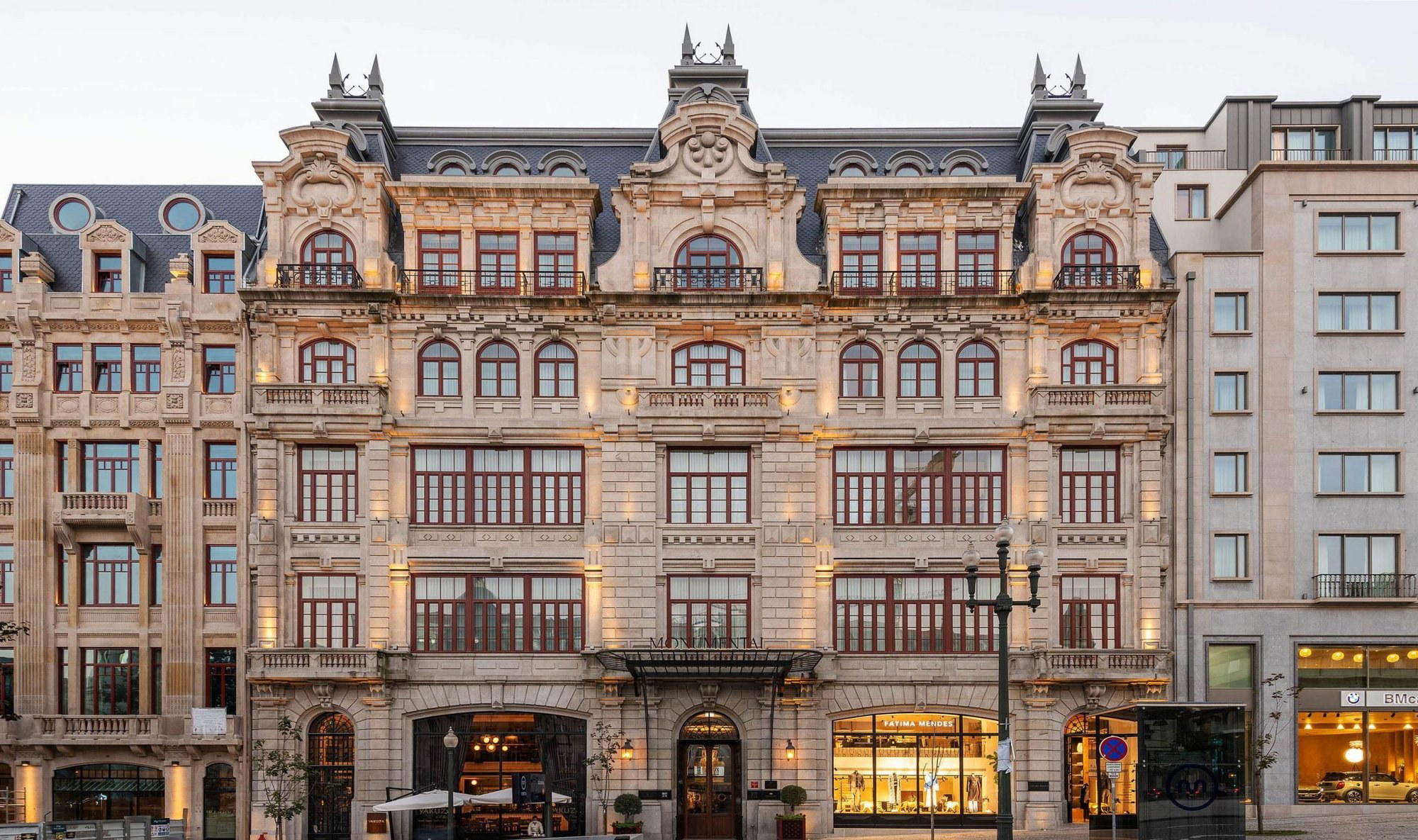
This rhythm defines neighbourhood dining across Porto's central districts, from the residential blocks behind Le Monument to the quieter side streets off Boavista. TOBU's location on Rua de Ceuta places it squarely in this kind of territory. For guests deciding between a midday visit and a dinner booking, the practical advice that applies across this tier of Porto dining holds here: lunch will almost always offer better value per plate, while dinner allows more time with the room.
The Address as Context
Rua de Ceuta is not a street that appears in most Porto itineraries. It runs roughly parallel to the busier Rua de Cedofeita, a few blocks to the east, and sits closer to the city's art school and the old prison building that now anchors the Cordoaria square. The area has a student-adjacent quality during the day, with more foot traffic from residents than from visitors. Restaurants in this kind of location tend to develop loyal local followings rather than broad name recognition, which shapes how they operate: less pressure to perform for the camera, more investment in consistency.
For comparison, the high-profile rooms in Porto, from Blind to Vila Foz, occupy either hotel settings or purpose-built spaces designed for the dining destination. The neighbourhood table on a residential street is a different proposition: it earns its reputation over years of repeat business rather than through a launch moment. That is neither a disadvantage nor a virtue in itself, but it does suggest a different set of expectations for the visitor.
Porto in the Wider Portuguese Dining Picture
Porto has developed its own distinct dining identity, separate from but always in dialogue with Lisbon's more internationally visible scene. Lisbon holds the higher-profile Michelin addresses: Belcanto leads the capital's fine-dining tier, while regional destinations like Vila Joya in Albufeira, Ocean in Porches, and Casa de Chá da Boa Nova in Leça da Palmeira, just north of Porto, anchor Portugal's broader reputation for serious cooking. The Yeatman in Vila Nova de Gaia, directly across the Douro from Porto, holds its own at the summit of the region's fine-dining tier.
Porto's contribution to that picture is less about individual starred rooms and more about density of quality at mid-market level. The city produces good food at prices that still feel reasonable by northern European standards, and that combination continues to draw visitors who have eaten their way through Lisbon and want a different register. Restaurants like A Cozinha in Guimarães show how the northern Portuguese kitchen, with its emphasis on offal, bacalhau, and smoked meats, can be treated with the same seriousness as the more fashionable coastal cuisine to the south. Within Porto itself, the neighbourhood table remains the format that leading expresses that tradition without converting it into spectacle.
Planning a Visit: What to Know Before You Go
TOBU Restaurant recommends reservations and follows these opening hours: Mon: 7–11 PM; Tue: 7–11 PM; Wed: 7–11 PM; Thu: 7–11 PM; Fri: 7 PM–12 AM; Sat: 7 PM–12 AM; Sun: 7–11 PM. For visitors with dietary restrictions or allergies, contacting any restaurant in this category directly before arrival is standard practice across Porto: kitchens at this scale typically accommodate requests more readily when given advance notice rather than at the table.
Porto's central districts are navigable on foot from most accommodation in the city's historic core. The Cordoaria area is roughly fifteen minutes' walk from the São Bento railway station and well served by the city's tram and bus network. For those building a broader Porto itinerary around serious eating, the full picture of what the city's restaurant scene offers is covered in our full Porto restaurants guide, which maps venues across price tiers and neighbourhoods. Those also curious about Portugal's dining scene beyond Porto may find value in exploring destinations like Al Sud in Lagos, Bon Bon in Lagoa, A Ver Tavira in Tavira, and Il Gallo d'Oro in Funchal, each anchoring a different corner of the country's broader culinary geography.
Cuisine Lens
Comparable venues nearby, for context on price, style, and recognition.
| Venue | Cuisine | Price | Notes |
|---|---|---|---|
| TOBU RestaurantThis venue — the venue you are viewing | Modern Japanese Sushi & Robata | $$$ | Not listed |
| Portucale | Traditional Portuguese with Mediterranean Influences | $$$ | Bonfim |
| Ichiban | Authentic Japanese Sushi | $$$ | Nevogilde |
| Terra | Japanese-Portuguese Fusion | $$$ | Nevogilde |
| Honest Greens | Healthy Mediterranean Bowls | $$ | Santo Ildefonso |
| A Regaleira | Traditional Portuguese - Home of Original Francesinha | $$ | Santo Ildefonso |
Continue exploring
More in Porto
Restaurants in Porto
Browse all →
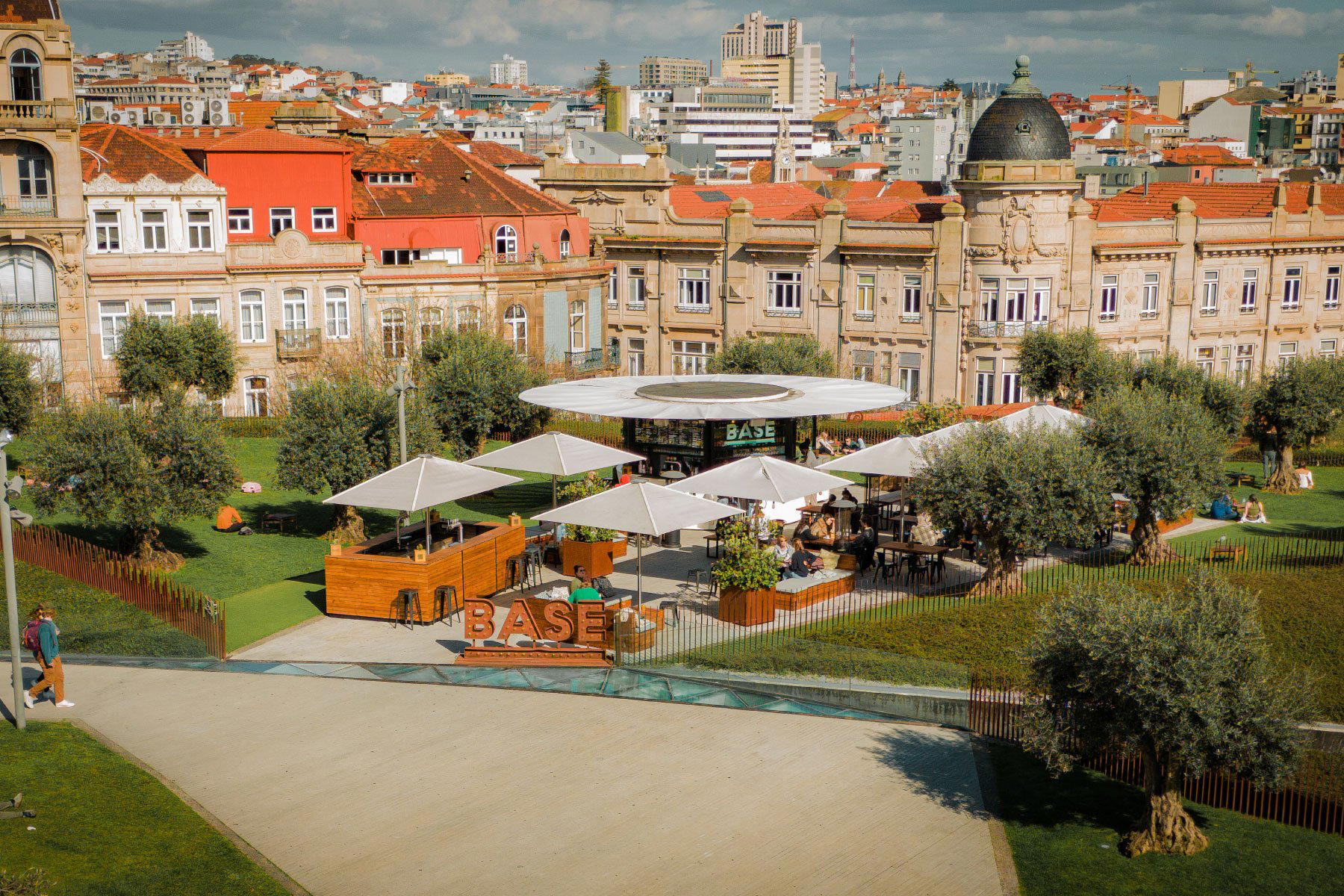
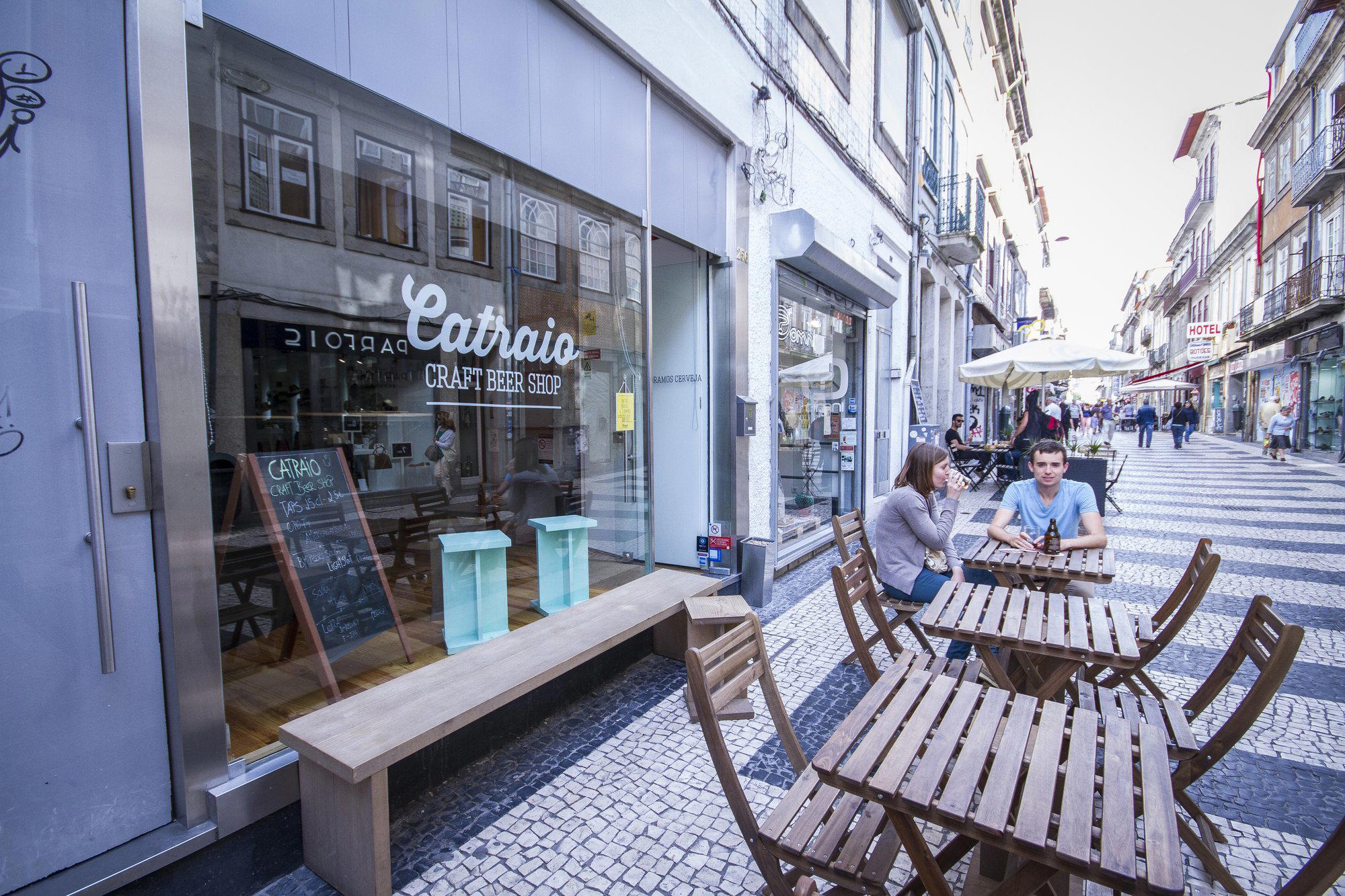
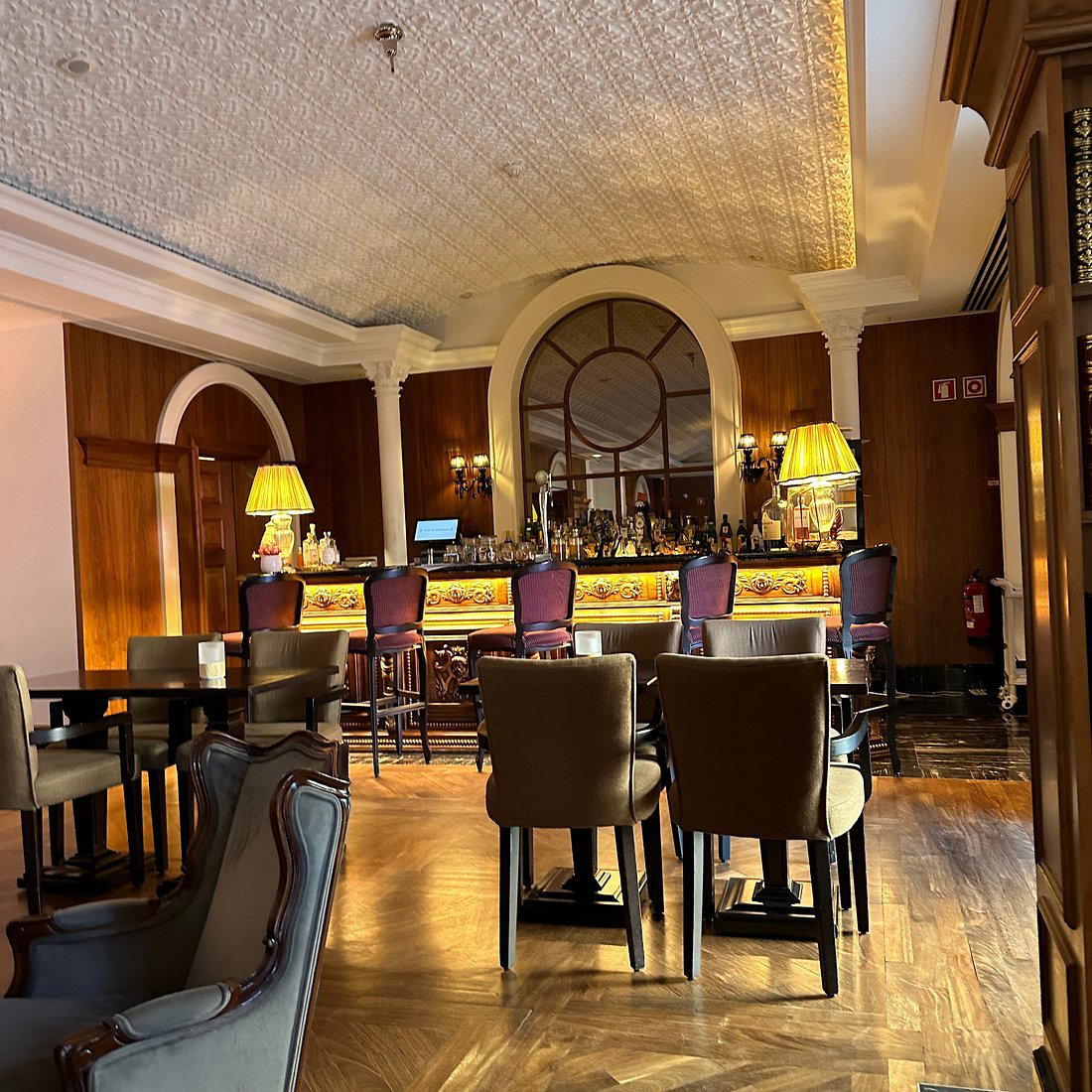
Bars in Porto
Browse all →
Hotels in Porto
Browse all →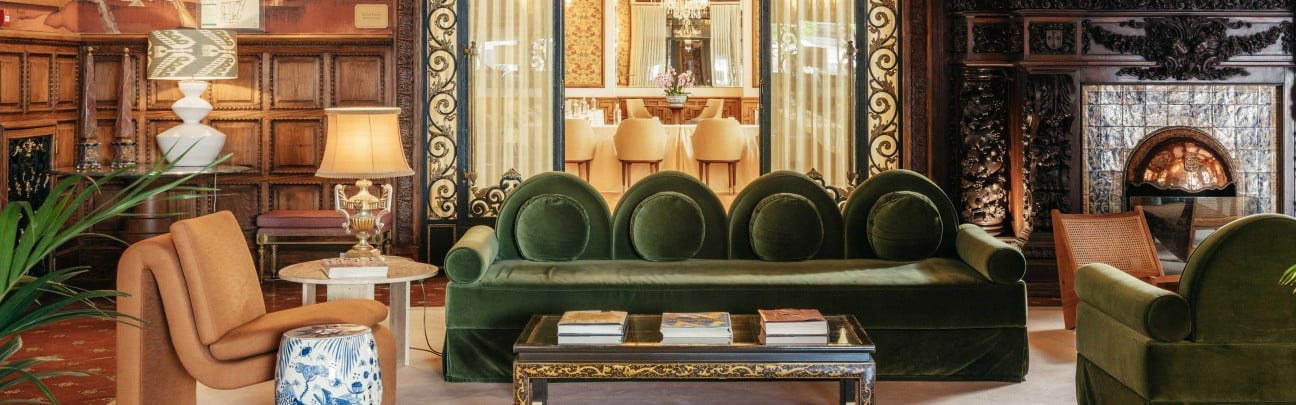
At a Glance
- Modern
- Trendy
- Date Night
- Special Occasion
- Open Kitchen
Current opening hours
- Monday
- 7–11 PM
- Tuesday
- 7–11 PM
- Wednesday
- 7–11 PM
- Thursday
- 7–11 PM
- Friday
- 7 PM–12 AM
- Saturday
- 7 PM–12 AM
- Sunday
- 7–11 PM
Hours can change for holidays and private events. Last verified .
Cozy and modern atmosphere with attentive service in a small venue run by just two chefs.