
Tabelog 100 #20
Our verdict
Karen Kagoshima ten puts Kagoshima’s livestock culture into a formal hot-pot setting, with shabu shabu, steak and pork dishes framed by shochu and wine rather than casual izakaya pacing. Its selection for Tabelog 100 Hot Pot 2024 places it in a national conversation, while the scale of the room makes it unusually suited to business dining and larger groups.

Pearl is the En Primeur Club membership app — saves, bookings, and concierge access live there. Same editors, same standards.
- Address
- Japan, 〒892-0844 Kagoshima, Yamanokuchicho, 3−12 Jaフードプラザ 3・4F
- Phone
- +81 99-223-8877
- Hours
- Daily 11:30 AM–2 PM, 5:30–10 PM
- Website
- karen-ja.or.jp
- Directions
- Get directions
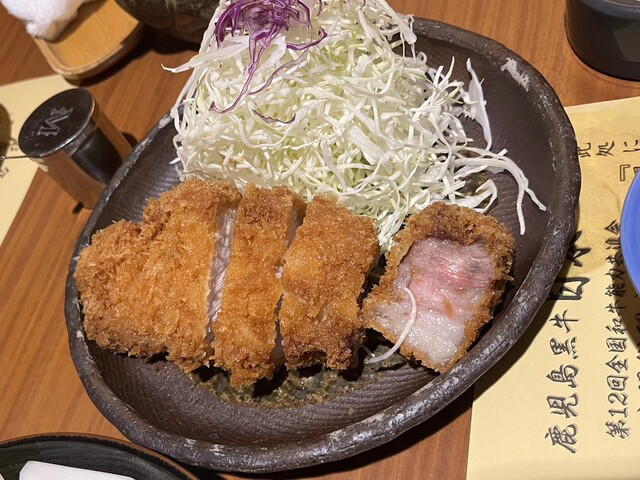
The menu
What to order
- Kagoshima Kuroge wagyu shabu-shabu
- Kagoshima Kurobuta pork shabu-shabu
- Kagoshima wagyu sukiyaki
- Kagoshima black beef seiro-mushi (steamed)
The approach to a Kagoshima hot-pot room is rarely about theatrical reveal. It is about the quiet promise of heat, broth, sliced meat and the city’s agricultural confidence. Karen Kagoshima ten sits in Kagoshima, where business meals, after-work dining and regional cooking overlap. The room’s format tells the reader what kind of meal this is before the first order lands: structured, group-friendly and built around shared cooking rather than chef-counter choreography.
Kagoshima is not a city that needs to borrow culinary authority from Tokyo. Its food identity is tied to regional produce, meat, coastal cooking and local drinking culture, which is why the local dining map moves easily from Aji no Tonkatsu Maruichi to Akadori Sumiyaki Daiyasu, from casual set-meal rooms to other Kagoshima dining counters. Hot pot belongs inside that same sourcing-first logic. The cooking method is plain enough to expose the quality of the main ingredient, and that is precisely the point.
Hot pot as a test of Kagoshima produce
Shabu shabu, steak and pork dishes put the emphasis on provenance rather than decoration. In Japanese hot-pot culture, the luxury is not complication; it is the discipline of letting meat, vegetables, broth and dipping sauces carry the meal without excessive intervention. Karen Kagoshima ten’s category spread matters because it reads as a regional meat argument: pork dishes, steak and shabu shabu are not side notes in Kagoshima dining, they are part of how visitors can understand its table.
The Tabelog 100 Hot Pot 2024 selection gives the restaurant a national marker in a category often dominated by metropolitan names. That recognition is useful not as a trophy line, but as a filter: among hot-pot rooms, it signals a venue with enough consistency to register beyond local loyalty. The Tabelog score of 3.54 sits in a Japanese review culture where ratings tend to be conservative, so the more meaningful signal is the specialist list placement rather than the number alone.
Compared with Kagoshima’s more casual circuit, the listed budget places this meal in a different lane. Akadori Sumiyaki Daiyasu and other city addresses can make sense for a shorter, drink-led evening; Aji no Tonkatsu Maruichi serves a more direct local proposition. Karen Kagoshima ten is for the longer sit-down occasion, where the cooking vessel anchors the table and the regional context makes sense with meat, broth and slow conversation.
A large-format room in a city of specialist meals
Kagoshima rewards specialization. A visitor can build a sharp itinerary around pork dishes, grilled cooking, coastal ingredients, bars and set meals without chasing tasting-menu formality. That makes this address interesting: it operates with a group-friendly feel while remaining attached to a specific hot-pot identity. The budget range points toward business dining, family gatherings and hosted meals rather than the compact counter format common in high-end Japanese travel coverage.
That scale changes the editorial read. Smaller rooms often trade on scarcity; broader-format rooms have to prove discipline through consistency. Here, the relevant question is not whether the meal feels intimate, but whether the format gives a group a clear Kagoshima answer: regional meat, communal cooking, local drinking culture and enough structure for a formal occasion. For travelers moving through the city, this is a more practical expression of regional luxury than another tiny counter with a narrow booking funnel.
The surrounding city helps. Kagoshima functions as an evening destination with restaurants, drinking rooms and late-night movement folded into the urban dining map. A hot-pot dinner here can serve as the anchor meal in a broader city plan built from Our full Kagoshima restaurants guide, Our full Kagoshima bars guide and Our full Kagoshima experiences guide. Visitors pairing food with lodging should also cross-check Our full Kagoshima hotels guide; wine-focused readers can scan Our full Kagoshima wineries guide, though local spirits remain the more culturally grounded drink reference here.
How to read it against Japan's broader dining map
Japan’s premium dining conversation often over-indexes on sushi counters, Kyoto kaiseki and Tokyo tasting menus. Hot pot is more revealing in livestock regions because it reduces the distance between producer identity and table format. That is why a Kagoshima shabu shabu address should not be judged by the same criteria as a metropolitan fine-dining room. The questions are simpler and tougher: is the sourcing persuasive, does the service format suit the occasion, and does the meal explain the place?
For comparison within Kagoshima, specialist addresses such as Aji no Tonkatsu Maruichi, Akadori Sumiyaki Daiyasu, Maruman Ganso Yakitori, Torisen Ippo and iL MONTE represent different ways of reading the city’s appetite. Other Japanese cities offer their own category signals, from hot-pot rooms to casual counters and regional specialists. The contrast is useful: Japan’s regional dining strength lies in formats that make local appetite legible, not in a single national template.
For overseas readers, the category may also connect with the growing interest in Japanese drinking and casual precision seen in many international dining scenes. But Kagoshima’s version is less about exportable style than agricultural specificity. The smart order is to treat the meal as a regional study in meat and heat: choose the hot-pot lane, let local drinking culture do some of the pairing work, and use the room’s scale to make the evening social rather than ceremonial.
Frequently asked questions
What should I budget for a meal at Karen Kagoshima ten?
Pricing at Karen Kagoshima ten is listed as Dinner: JPY 10,000 - JPY 14,999; Lunch: JPY 4,000 - JPY 4,999.
Is Karen Kagoshima ten open every day?
Confirm current opening days and hours directly with Karen Kagoshima ten before visiting.
Where do I go for Karen Kagoshima ten?
Karen Kagoshima ten is located in Kagoshima.
What's Karen Kagoshima ten best at?
Its strongest card is shabu shabu, backed by Tabelog 100 Hot Pot 2024 selection. The menu also covers steak and pork dishes, so it reads as a serious Kagoshima hot-pot room rather than a one-note stop.
What if I have allergies at Karen Kagoshima ten?
The safest move is to raise allergies when booking or on arrival, especially because the kitchen handles shabu shabu, steak and pork dishes. The restaurant can be reached at +81-99-223-8877, and it is in Kagoshima.
In Context: Similar Options
Nearby venues at a similar price tier for orientation.
| Venue | Cuisine | Price | Awards | Notes |
|---|---|---|---|---|
| Karen Kagoshima tenThis venue — the venue you are viewing | Kagoshima wagyu & Kurobuta shabu-shabu and sukiyaki | $50–100 | Tabelog 100 #20 | Not listed |
| Akadori Sumiyaki Daiyasu | Japanese Izakaya / Chicken Dishes | $30–50 | Tabelog 100 #27 | Takamibaba |
| Yakitori Senmyou | Traditional Yakitori | $30–50 | Tabelog 100 #15 | Tenmonkan / Koto Chugakko Mae area |
| Tonkatsu to, Shabushabu. Kurobuta Fukuya | Kagoshima Kurobuta Tonkatsu & Shabu-shabu | $30–50 | Tabelog 100 #45 | Tenmonkan |
| Toriya Yamaguchi | Japanese Yakitori & Chicken Cuisine | $100–150 | Tabelog 100 #46 | Kagoshima Chuo |
| Tenmonkan Mujaki Amyu puraza ten | Japanese cafe & shaved ice (Shirokuma) | $1–10 | Tabelog 100 #21 | Kagoshima Chuo Station / Amu Plaza |
Recognition history
Dated appearances from independent guides and award organizations, with the underlying list record or original source where available.
Tabelog 100 #20 · No. 20
Tabelog · Tabelog 100 - Hot Pot - 2024
Continue exploring
More in Kagoshima
Restaurants in Kagoshima
Browse all →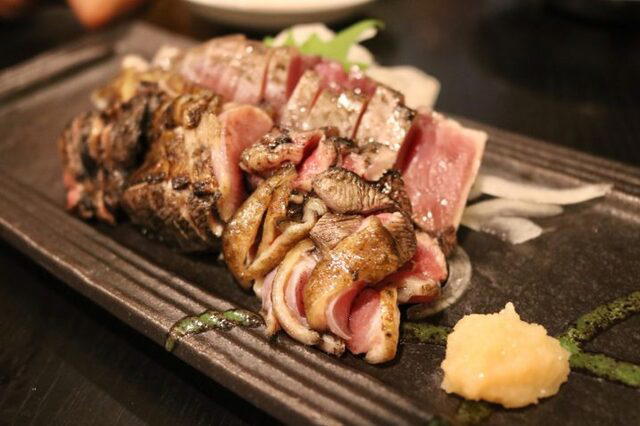
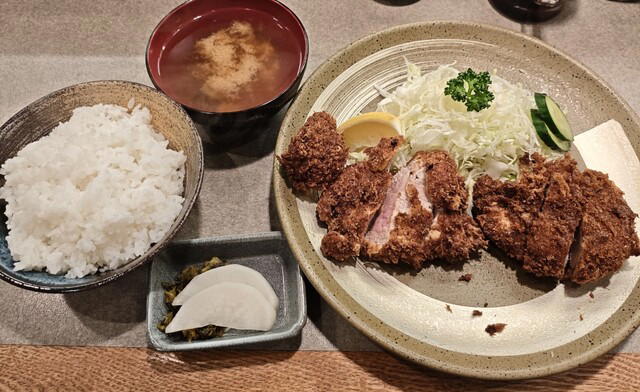
Hotels in Kagoshima
Browse all →
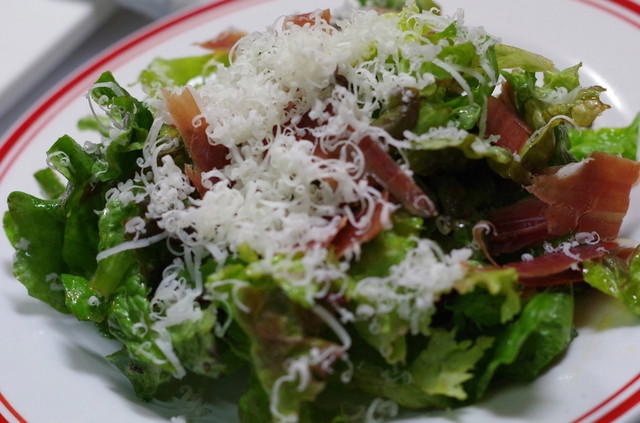
Wineries in Kagoshima
Browse all →
Details
- Elegant
- Classic
- Cozy
- Lively
- Business Dinner
- Group Dining
- Special Occasion
- Family
- Date Night
- Private Event
- Private Dining
- Standalone
- Local Sourcing
- Farm To Table
- A La Carte
- Set Menu
- Family Style
- Sake
- Beer
- Shochu
Current opening hours
- Monday
- 11:30 AM–2 PM, 5:30–10 PM
- Tuesday
- 11:30 AM–2 PM, 5:30–10 PM
- Wednesday
- 11:30 AM–2 PM, 5:30–10 PM
- Thursday
- 11:30 AM–2 PM, 5:30–10 PM
- Friday
- 11:30 AM–2 PM, 5:30–10 PM
- Saturday
- 11:30 AM–2 PM, 5:30–10 PM
- Sunday
- 11:30 AM–2 PM, 5:30–10 PM
Hours can change for holidays and private events. Last verified .
Refined, traditional Japanese-style dining with a calm, polished atmosphere, a mix of table and tatami seating, and a setting suited to business meals and special gatherings rather than casual everyday dining.