
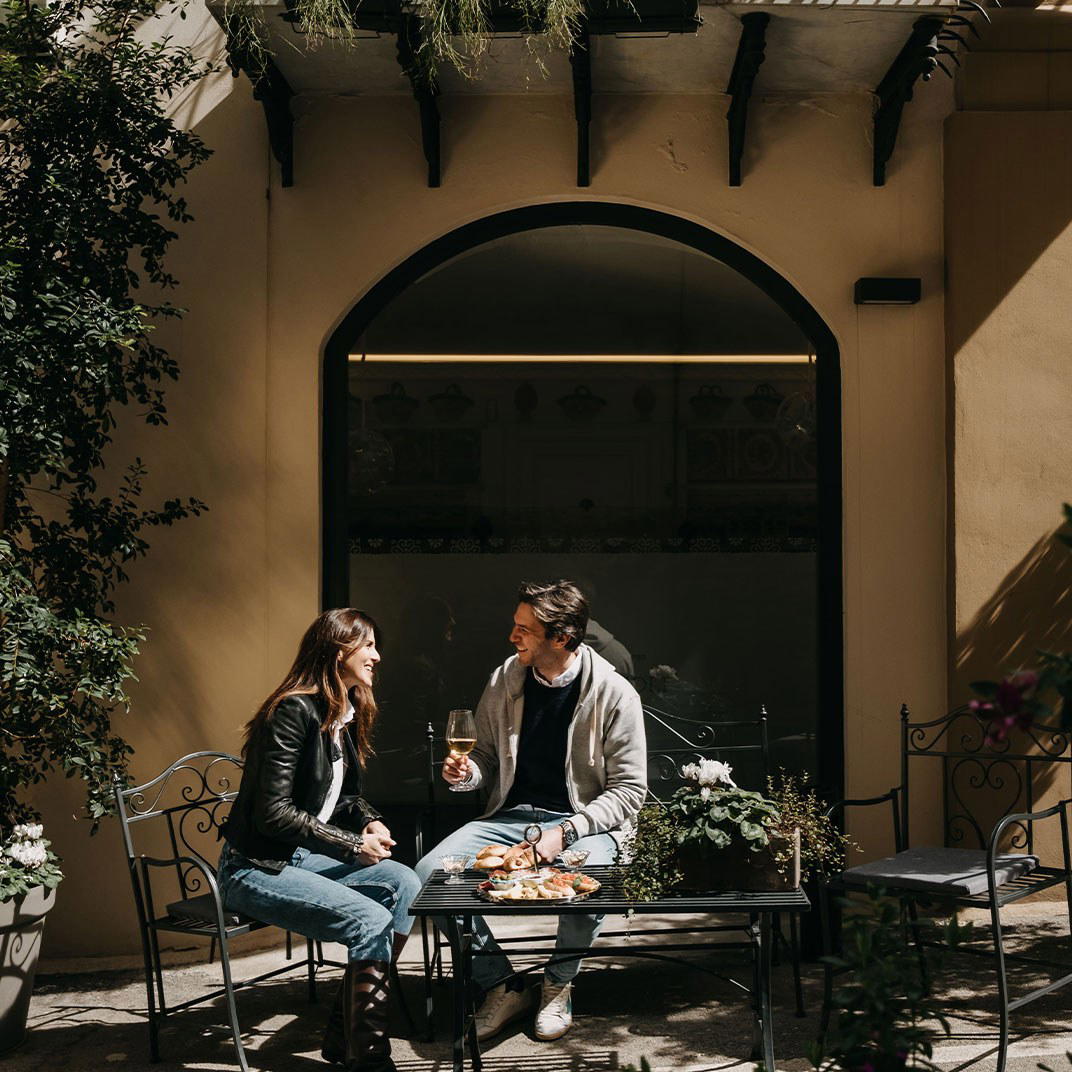
TuMa brings Bagheria’s Sicilian osteria language into a younger register, with the same team behind I Pupi and a menu anchored in caponata, aubergine balls, swordfish rolls and the day’s catch. The appeal is ingredient-led rather than theatrical: familiar island dishes, tighter execution, and in summer, tables set in a quiet alleyway behind the restaurant.
Pearl is the En Primeur Club membership app — saves, bookings, and concierge access live there. Same editors, same standards.
- Address
- Via del Cavaliere, 59, 90011 Bagheria PA, Italy
- Phone
- +39 333 431 5220
- Directions
- Get directions
 Saves & bookings on Pearl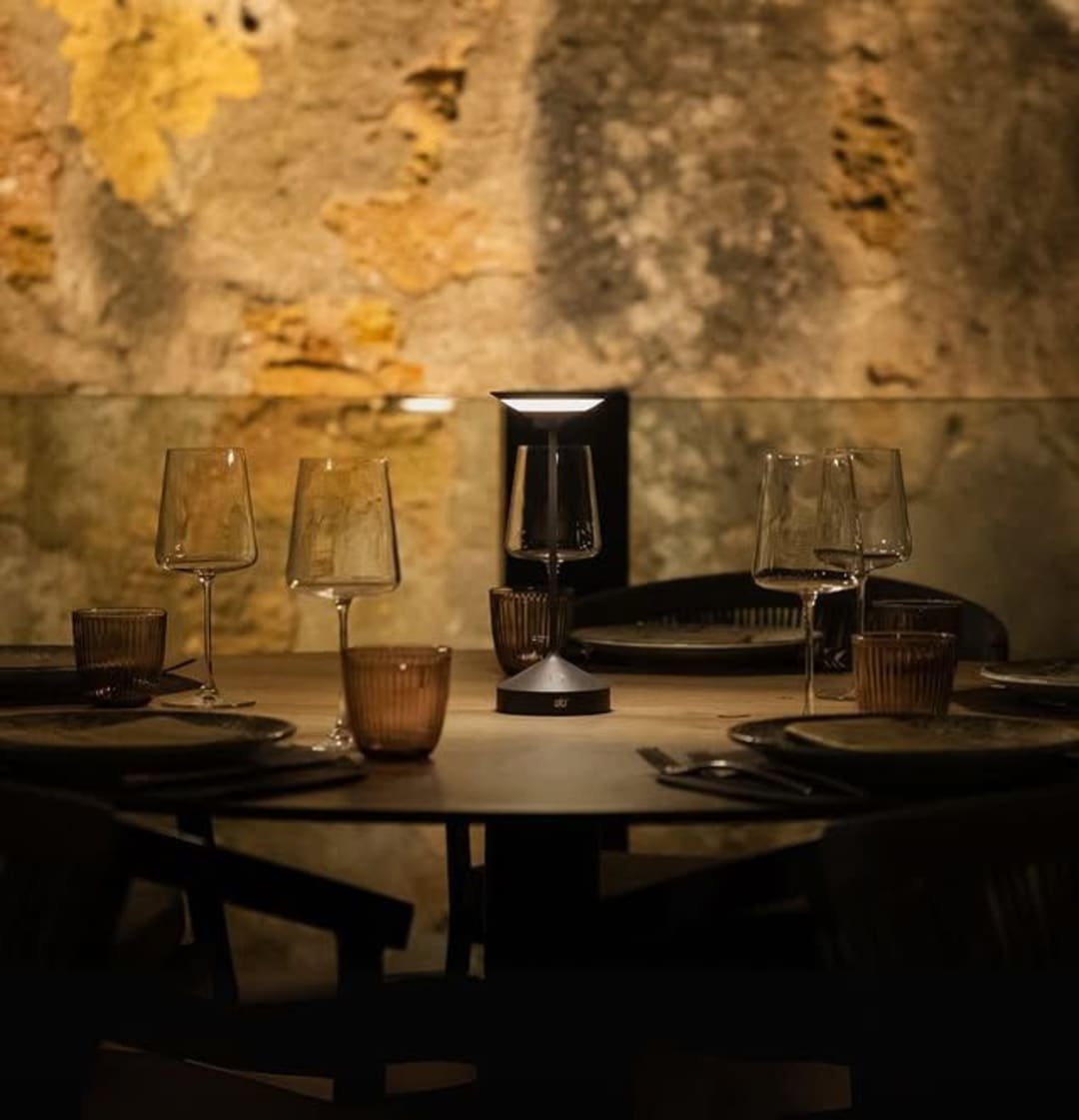
Bagheria’s restaurant mood changes quickly once the main traffic gives way to smaller side streets: shutters, stone, the domestic scale of a Sicilian town that has never needed to perform rusticity. TuMa belongs to that register. In summer, the meal can move outside into the quiet alleyway behind the restaurant, a detail that matters because this style of cooking is not built for spectacle. It is built around the market, the frying pan, the grill, the acidity of vegetables, and the particular confidence of a kitchen that knows when not to overwork the raw material.
The important context is Bagheria itself. This is not Palermo’s larger dining circuit, nor a resort-town version of Sicilian food designed for the camera. The town’s culinary identity sits closer to the everyday grammar of the island: aubergine, capers, swordfish, local catch, tomato, oil, vinegar, herbs, and the habit of making strong flavours feel practical rather than theatrical. TuMa’s menu signals that position clearly, with caponata, aubergine balls, swordfish rolls and catch of the day named as recurring references. Those are not decorative Sicilian cues. They are the dishes by which a kitchen has to prove proportion, seasoning and restraint.
Sicilian ingredients, handled in osteria form
Across Italy, the new osteria category has become a useful corrective to tasting-menu fatigue. It allows a serious kitchen to work with local products and inherited dishes without forcing them into a fine-dining sequence. TuMa fits that shift: the cooking pays tribute to Sicily’s colourful culinary traditions, but the format points toward generosity and recognisable plates rather than ceremony. That distinction is especially relevant in Bagheria, where the same dining audience can compare a contemporary osteria with the related history of I Pupi or with another local table such as Līmū.
The ingredients are the spine of the experience because the named dishes depend on immediacy. Caponata collapses if the vegetables lose texture or if sweetness overtakes vinegar. Aubergine balls need enough density to carry the frying without becoming heavy. Swordfish rolls are a coastal Sicilian test: the fish must remain the subject, while the filling and seasoning do the framing. Catch of the day is even more direct, and in this part of the island it places the kitchen inside a broader Sicilian seafood culture rather than a generic Italian category.
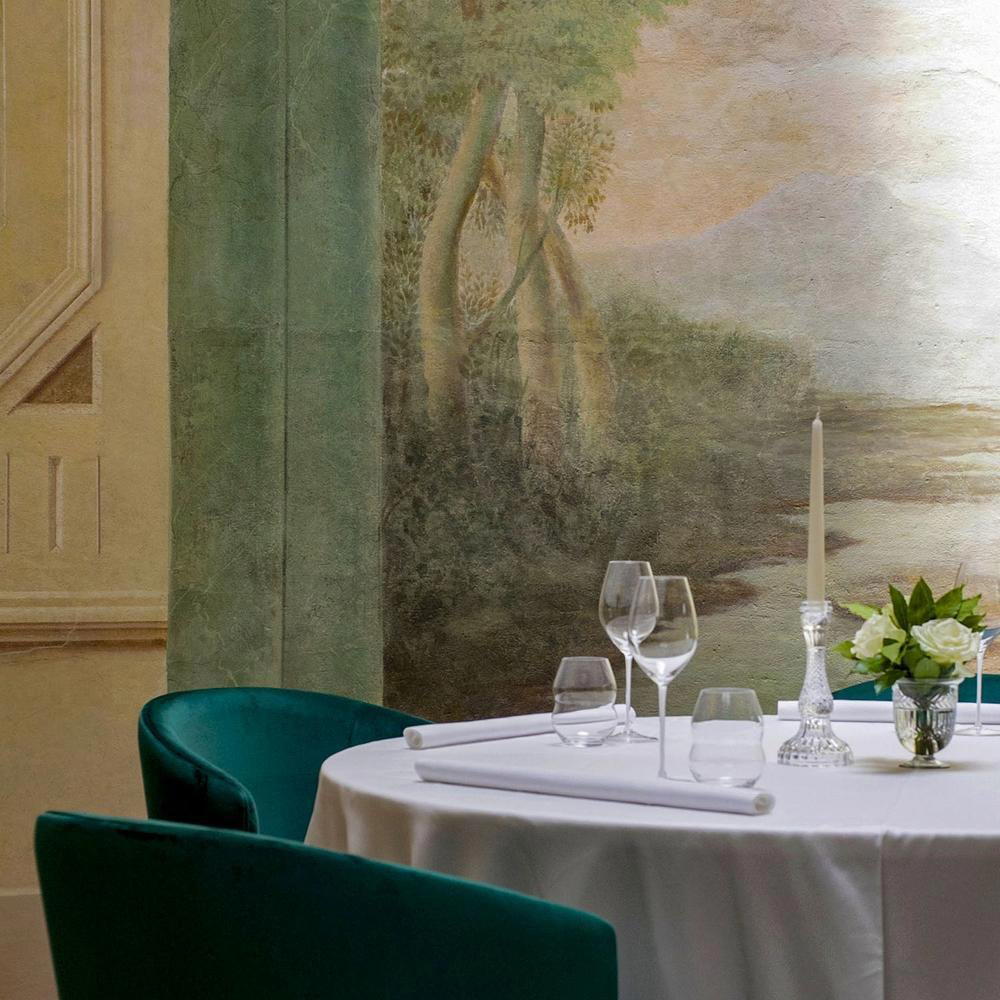
The comparison with I Pupi matters because TuMa occupies a different part of the same family tree. Once home to I Pupi and run by the same team, TuMa takes its name from chef Lo Coco’s children, Turi and Emma; the cuisine is in the hands of the sous-chef. That lineage supplies a trust signal without turning the meal into a chef biography. The more useful point is structural: Bagheria now has a way for serious Sicilian cooking to appear in a more relaxed osteria key, while keeping proximity to a kitchen culture already linked to the address that previously housed I Pupi.
Bagheria's smaller dining circuit rewards specificity
Bagheria is compact enough that restaurant choices feel more pointed than in a large city. A meal here usually asks a sharper question: does the diner want a more formal meal, another contemporary local table, or a local osteria that keeps the ingredient list close to the island’s core pantry? TuMa answers the third question. It is not trying to out-design its peers. Its stronger argument is that a recognisable Sicilian repertoire, cooked by a team connected to I Pupi, can be the more useful reservation on a night when the table wants flavour rather than performance.
That makes it particularly relevant for travellers using Bagheria as more than a Palermo side note. The town has enough depth to justify planning across categories: other dining in Bagheria, places to stay in Bagheria, drinking addresses in Bagheria, producers in the wider area, and cultural planning in our full Bagheria experiences guide. TuMa’s role within that circuit is clear: it gives the town an ingredient-led Sicilian meal with less formality than the fine-dining end of the spectrum.
There is also a wider Italian pattern at work. Regional restaurants are increasingly judged by how precisely they express place, not by how much technique they display. That is why TuMa belongs in the same national conversation as other local-specialist addresses across Italy, from traditional rooms to casual counters and contemporary neighbourhood dining rooms. The formats differ, but the editorial question is similar: how much of the region can be understood through a concise, disciplined menu?
How to read the table
The smart order here begins with Sicily’s vegetable language before moving toward the sea. Caponata and aubergine balls give the kitchen’s sense of balance away early; swordfish rolls and catch of the day then show how the same approach works with fish. That sequence is not a rule, but it follows the logic of the island: preserved brightness, frying, then the cleaner immediacy of seafood. For diners cross-referencing broader travel plans, the comparison should not be with unrelated bar-food or casual formats elsewhere; TuMa’s value is narrower and more place-bound. It is a Bagheria osteria with a Sicilian pantry at the centre, and that focus is the reason to choose it.
At-a-Glance Comparison
Comparable venues by cuisine and price in the same metro.
| Venue | Cuisine | Price | Awards | Notes |
|---|---|---|---|---|
| TuMaThis venue — the venue you are viewing | Traditional Sicilian Trattoria | $$ | Bib Gourmand | Not listed |
| I Pupi | Modern Sicilian Fine Dining | $$$ | Michelin 1 Star | Bagheria |
| Līmū | Modern Sicilian Fine Dining | $$$$ | Michelin 1 Star | Historic Centre |
| Palazzo Branciforte | Modern Sicilian Fine Dining | $$$ | Michelin Plate | Palermo Centro Storico |
| Veneziano | Traditional Sicilian with Mushrooms | $$ | Bib Gourmand | Randazzo |
| Me Cumpari Turiddu | Traditional Sicilian | $$ | Bib Gourmand | Centro Catania |
Recognition history
Dated appearances from independent guides and award organizations, with the underlying list record or original source where available.
Michelin Bib Gourmand
Michelin
Continue exploring
More in Bagheria
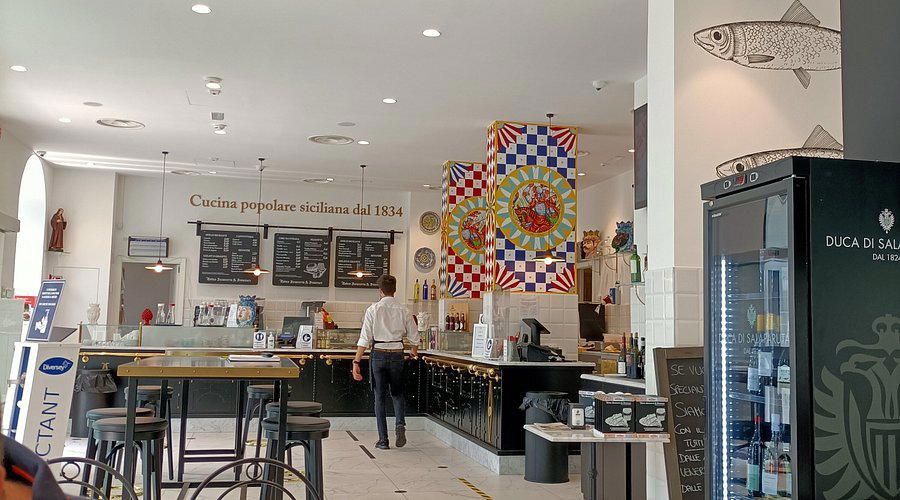
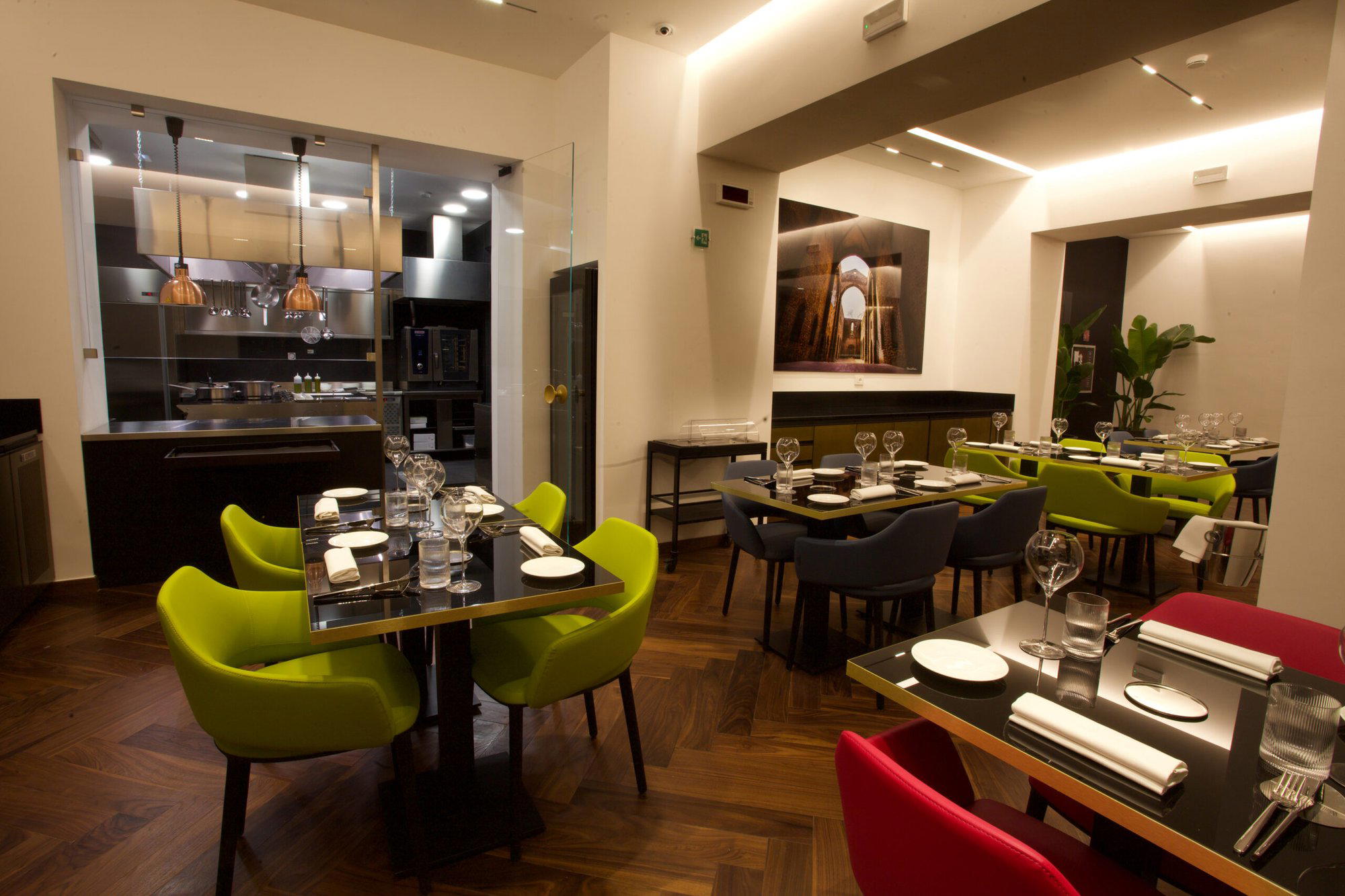
Restaurants in Bagheria
Browse all →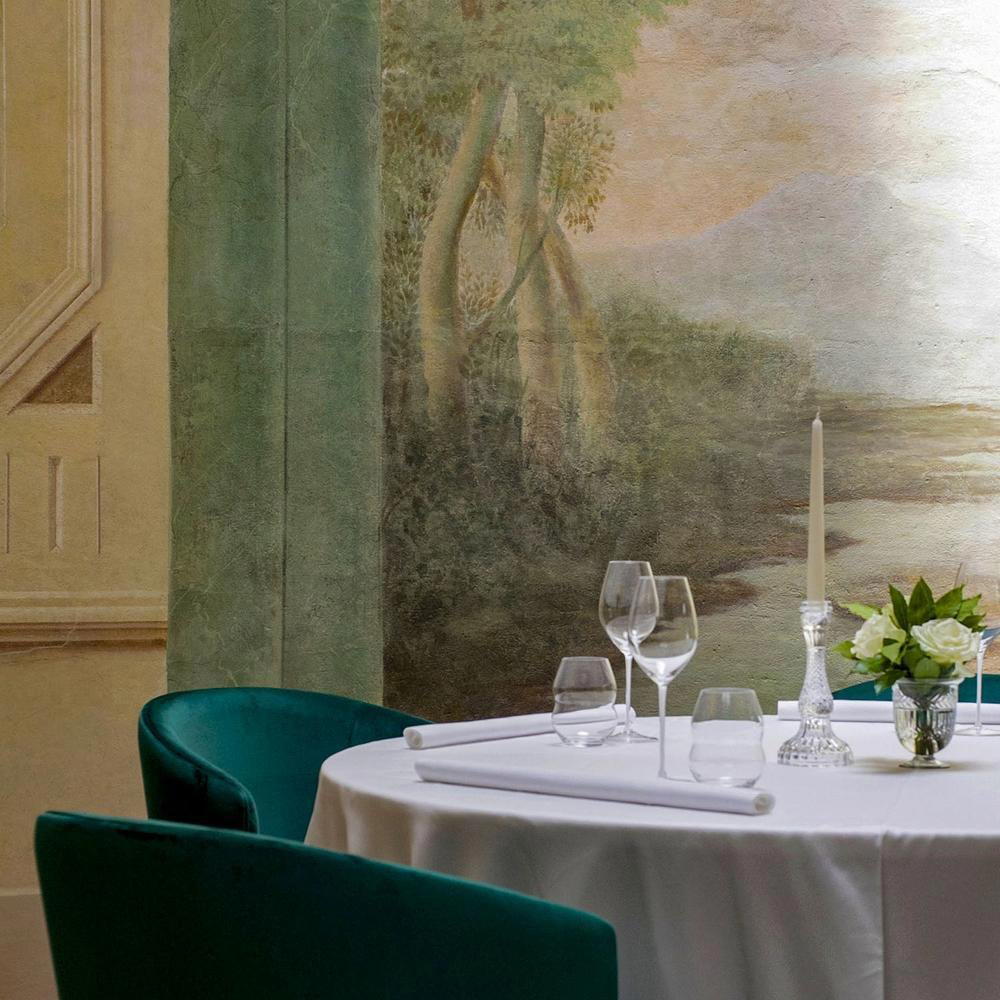
Bars in Bagheria
Browse all →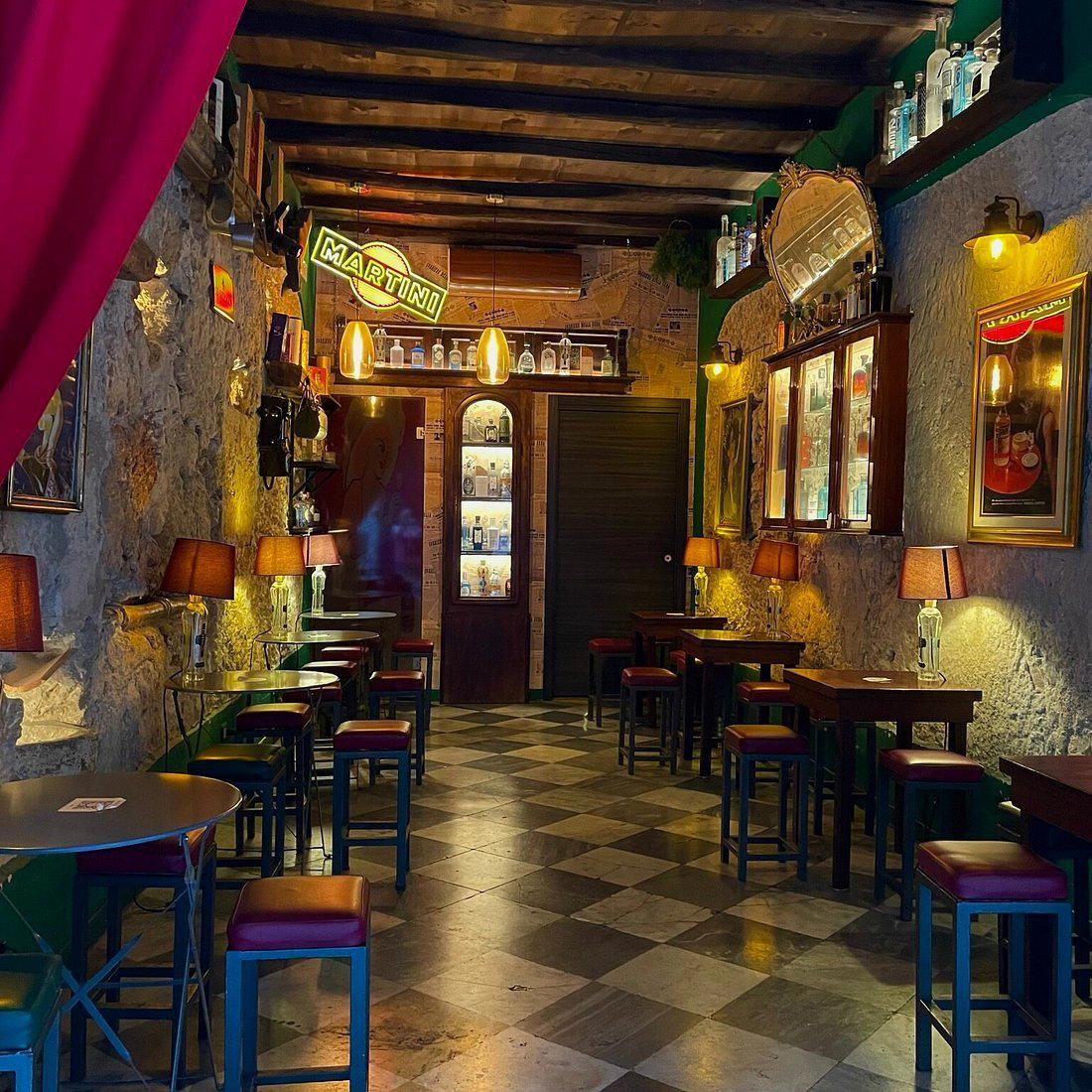
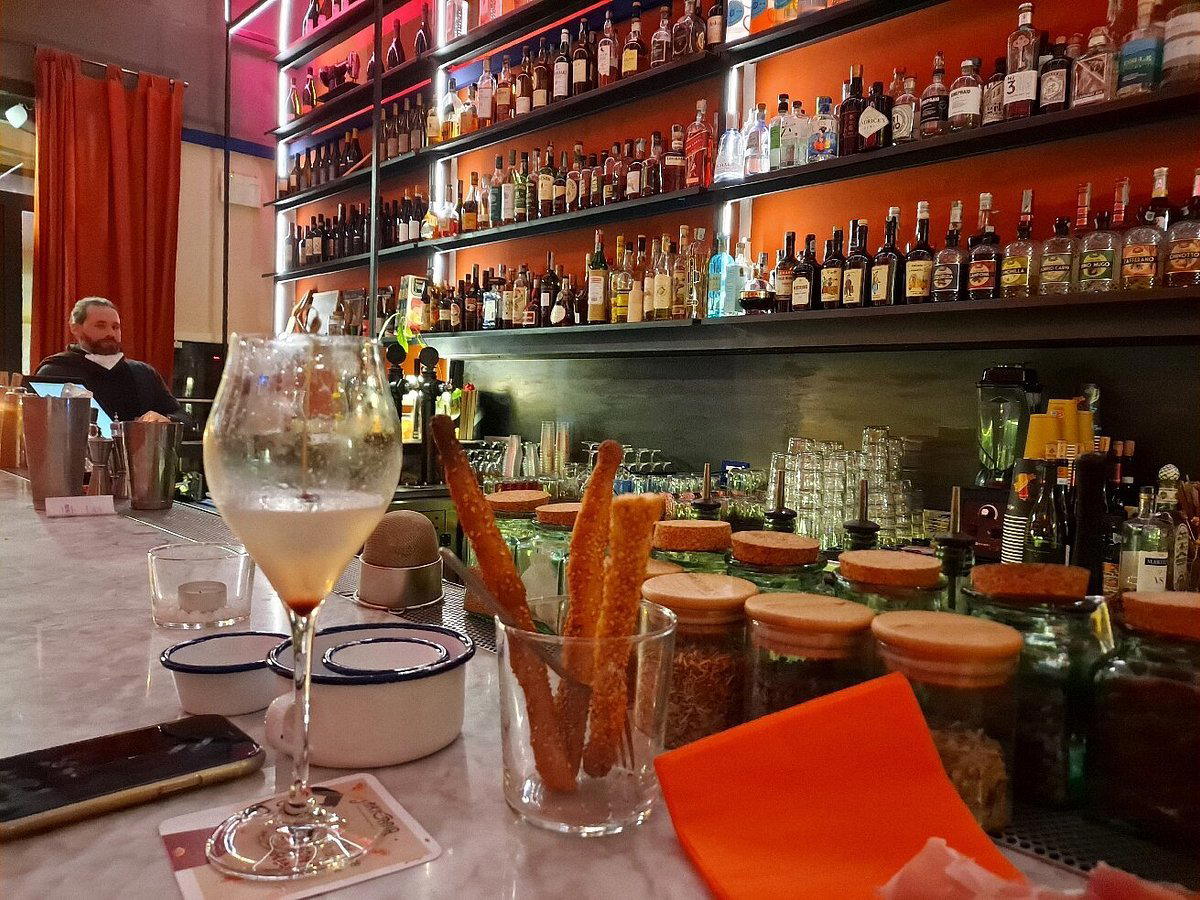
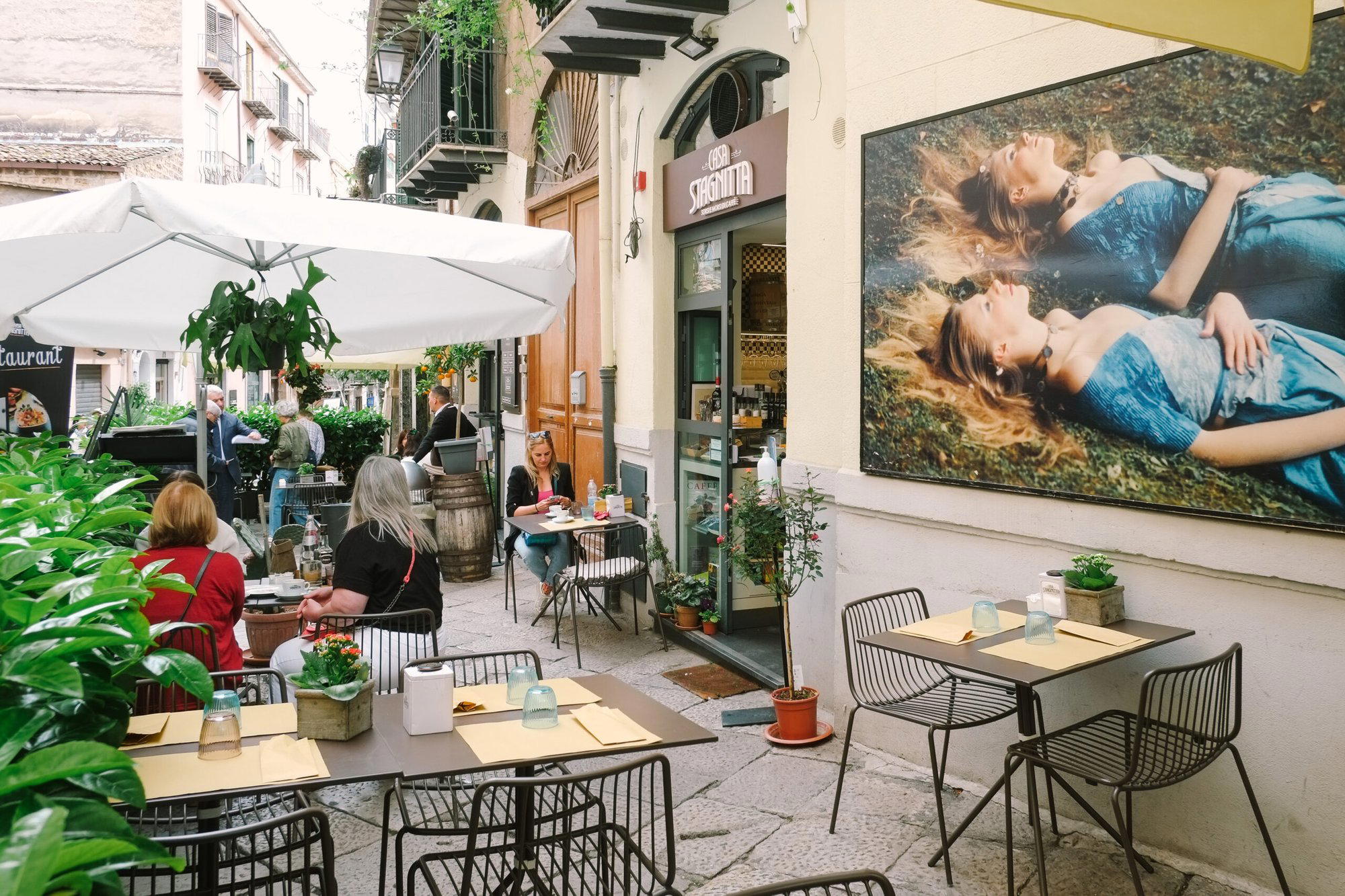
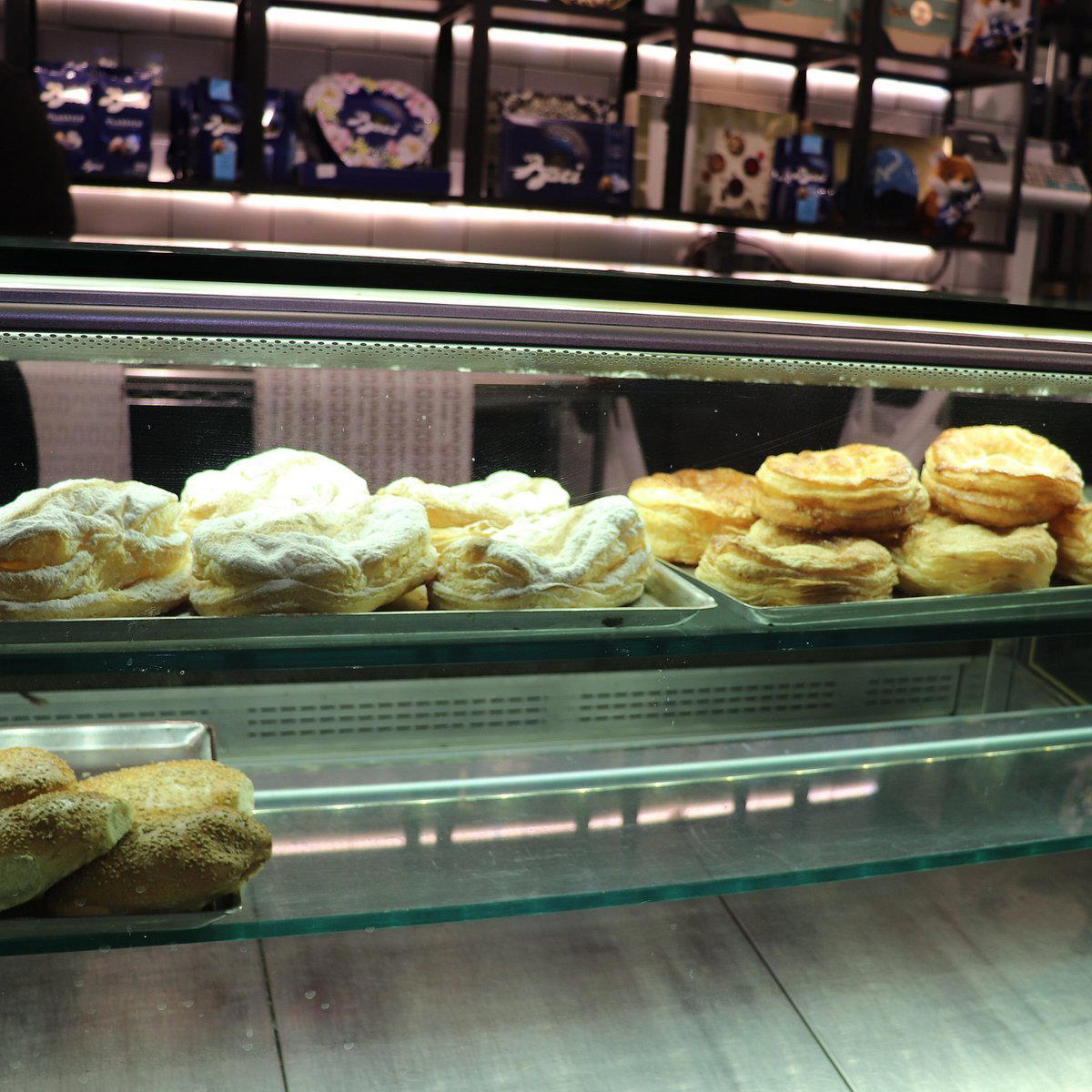
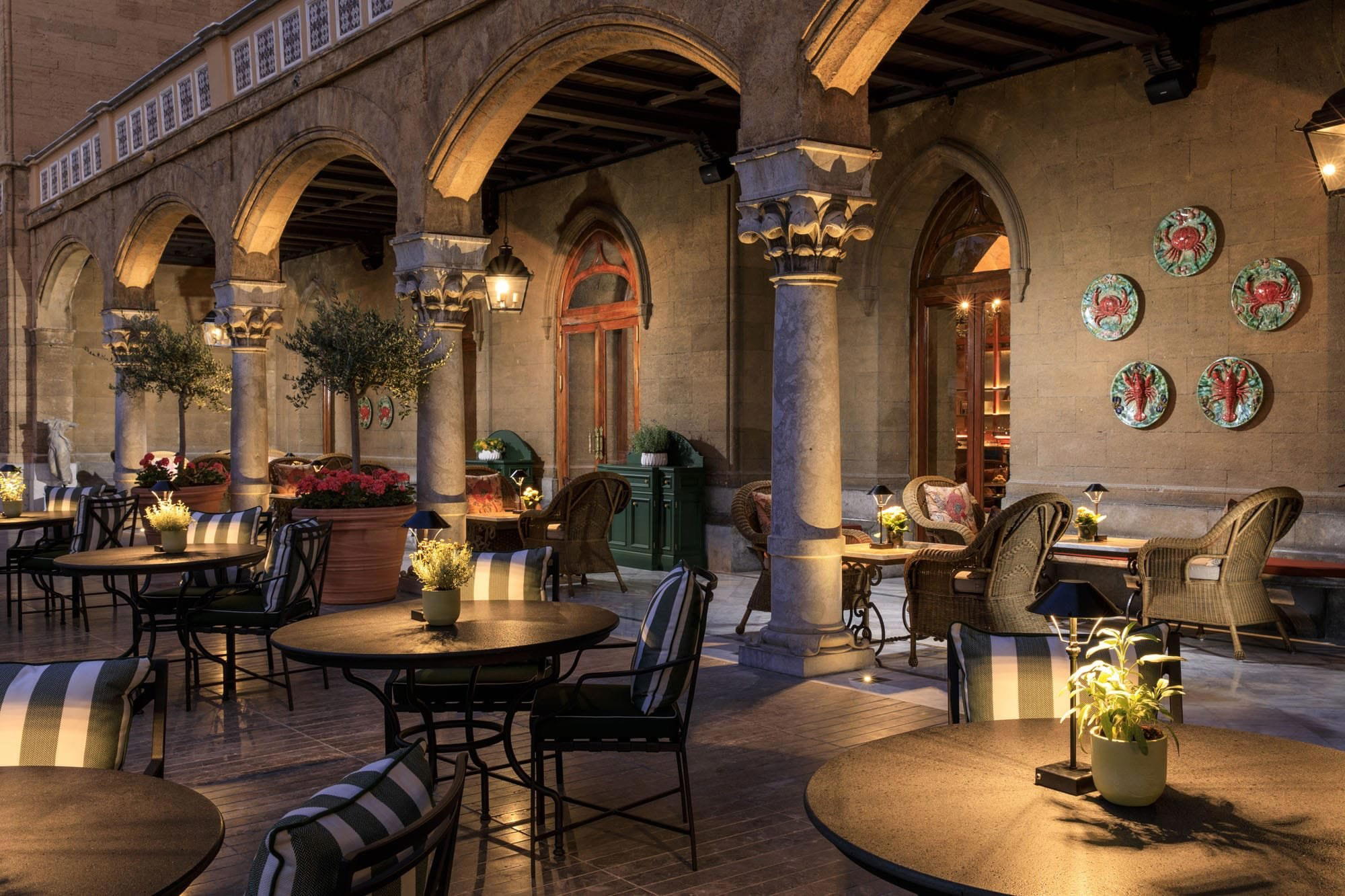
Hotels in Bagheria
Browse all →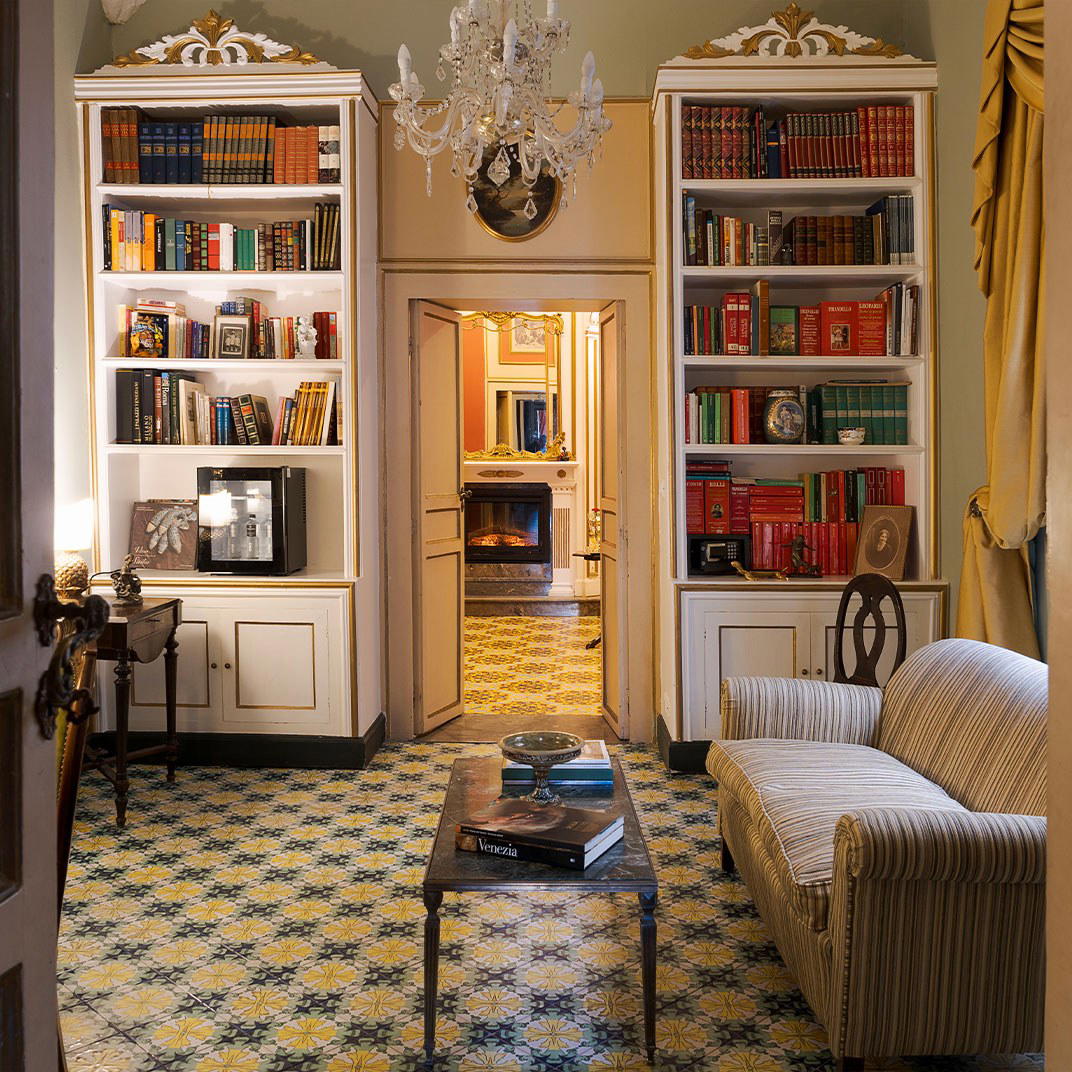

At a Glance
- Modern
- Elegant
- Intimate
- Casual Hangout
- Group Dining
- Standalone
- Local Sourcing
Current opening hours
- Monday
- Closed
- Tuesday
- 12:30–2:30 PM, 7:30–10:30 PM
- Wednesday
- 12:30–2:30 PM, 7:30–10:30 PM
- Thursday
- 12:30–2:30 PM, 7:30–10:30 PM
- Friday
- 12:30–2:30 PM, 7:30–10:30 PM
- Saturday
- 12:30–2:30 PM, 7:30–10:30 PM
- Sunday
- 12:30–2:30 PM
Hours can change for holidays and private events. Last verified .
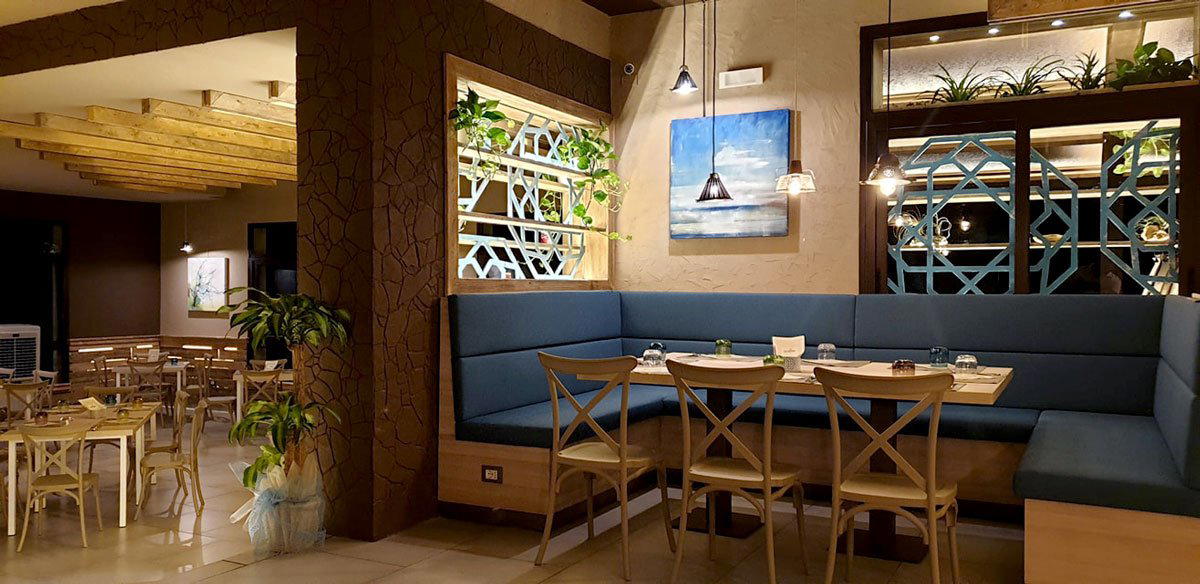
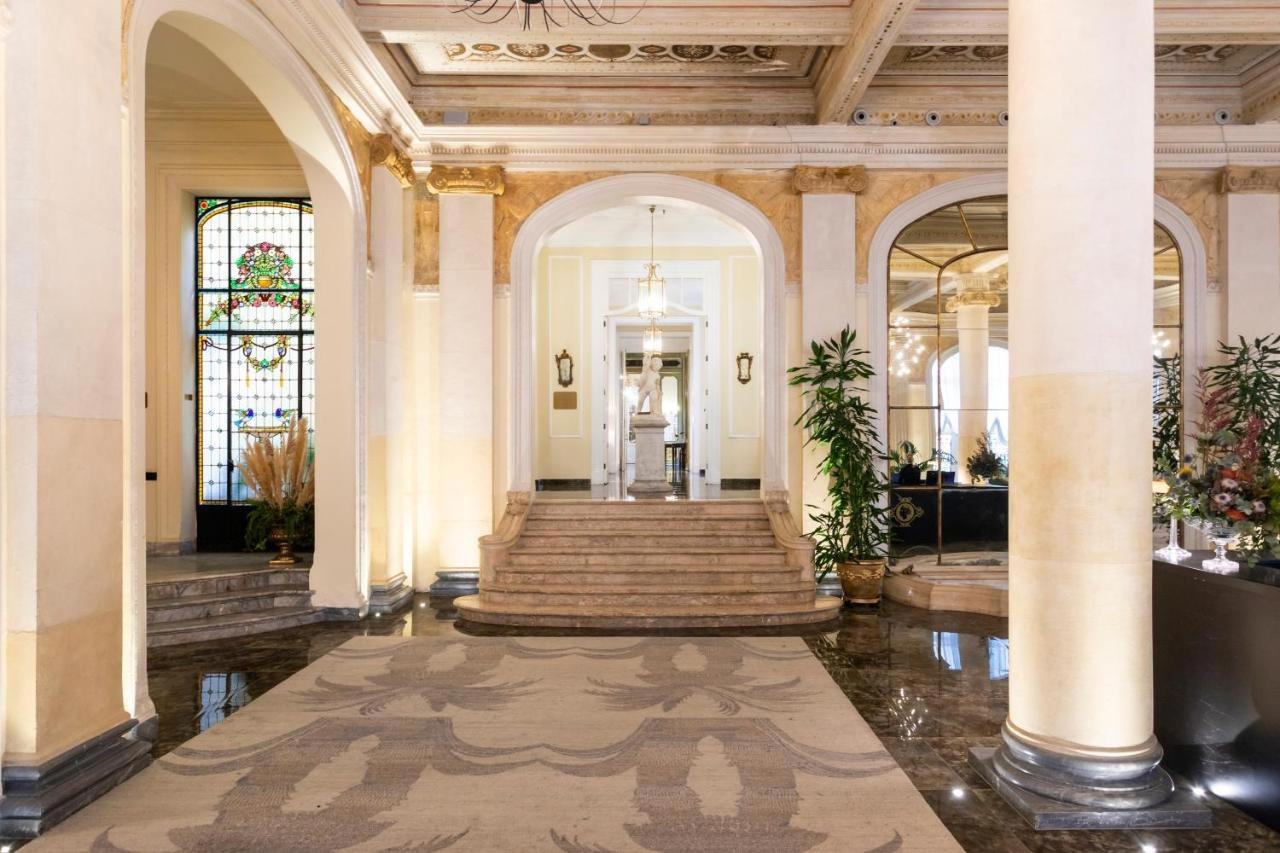
Inviting decor with a contemporary aesthetic; warm and welcoming atmosphere created by attentive service.